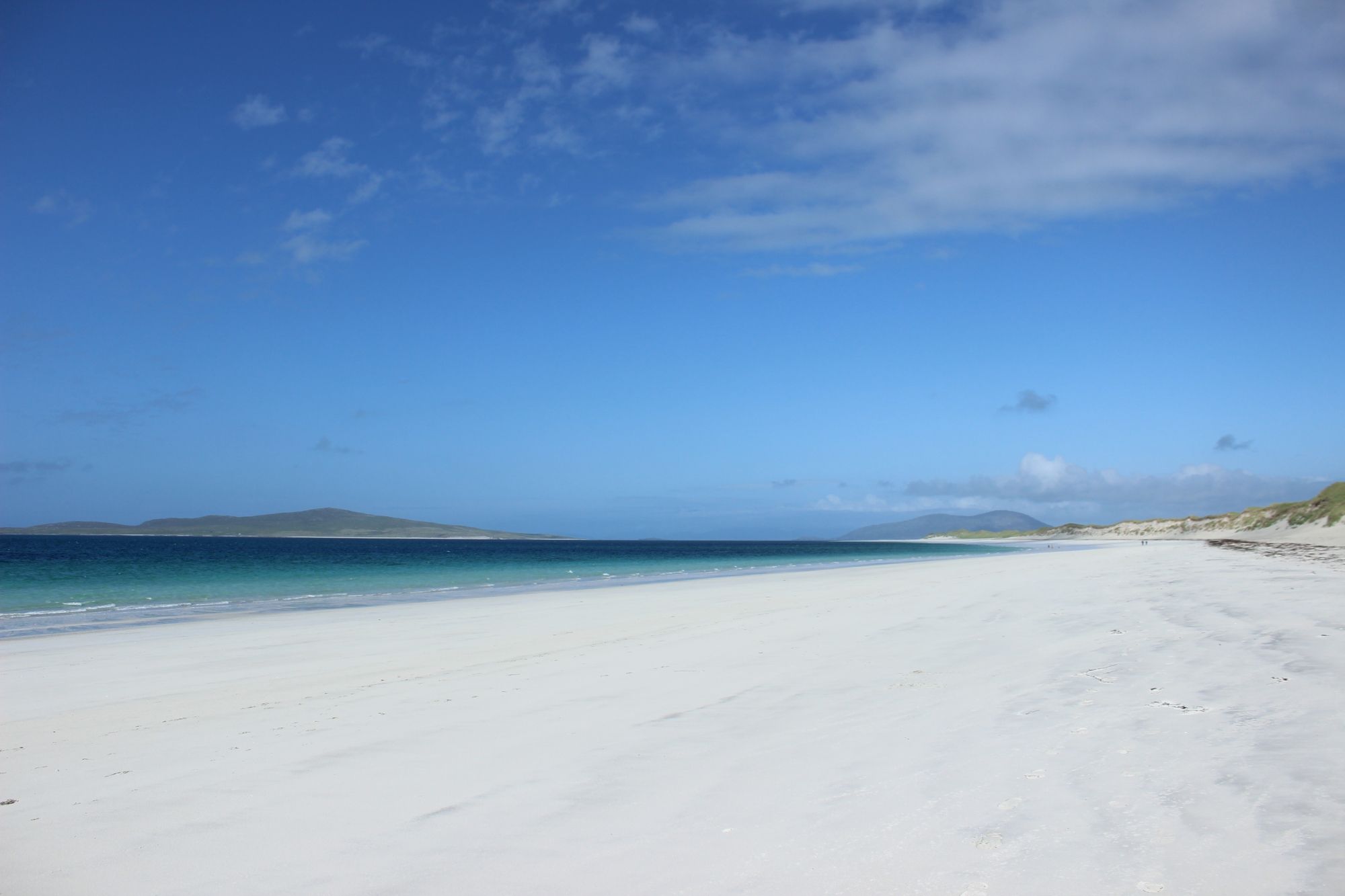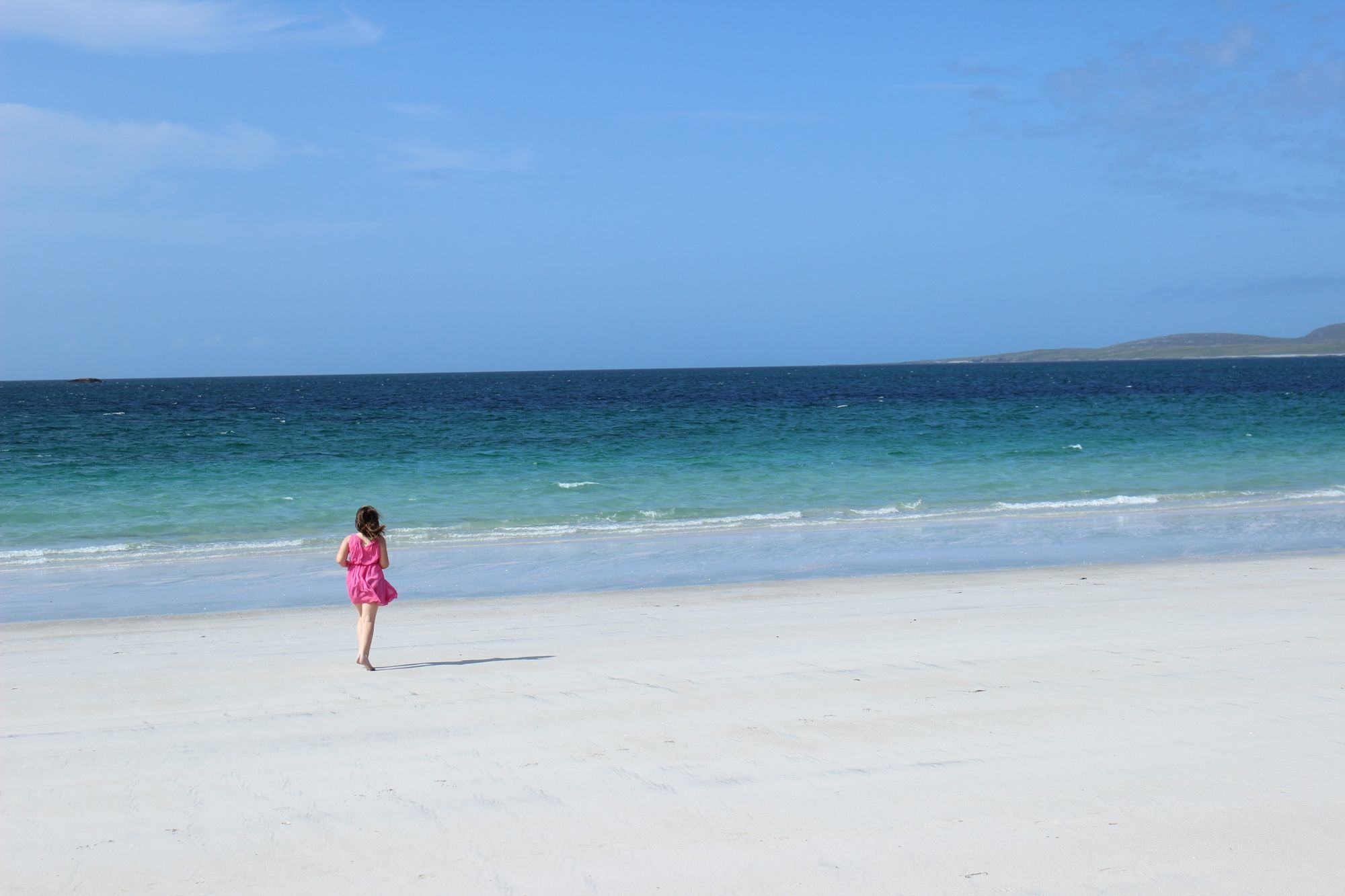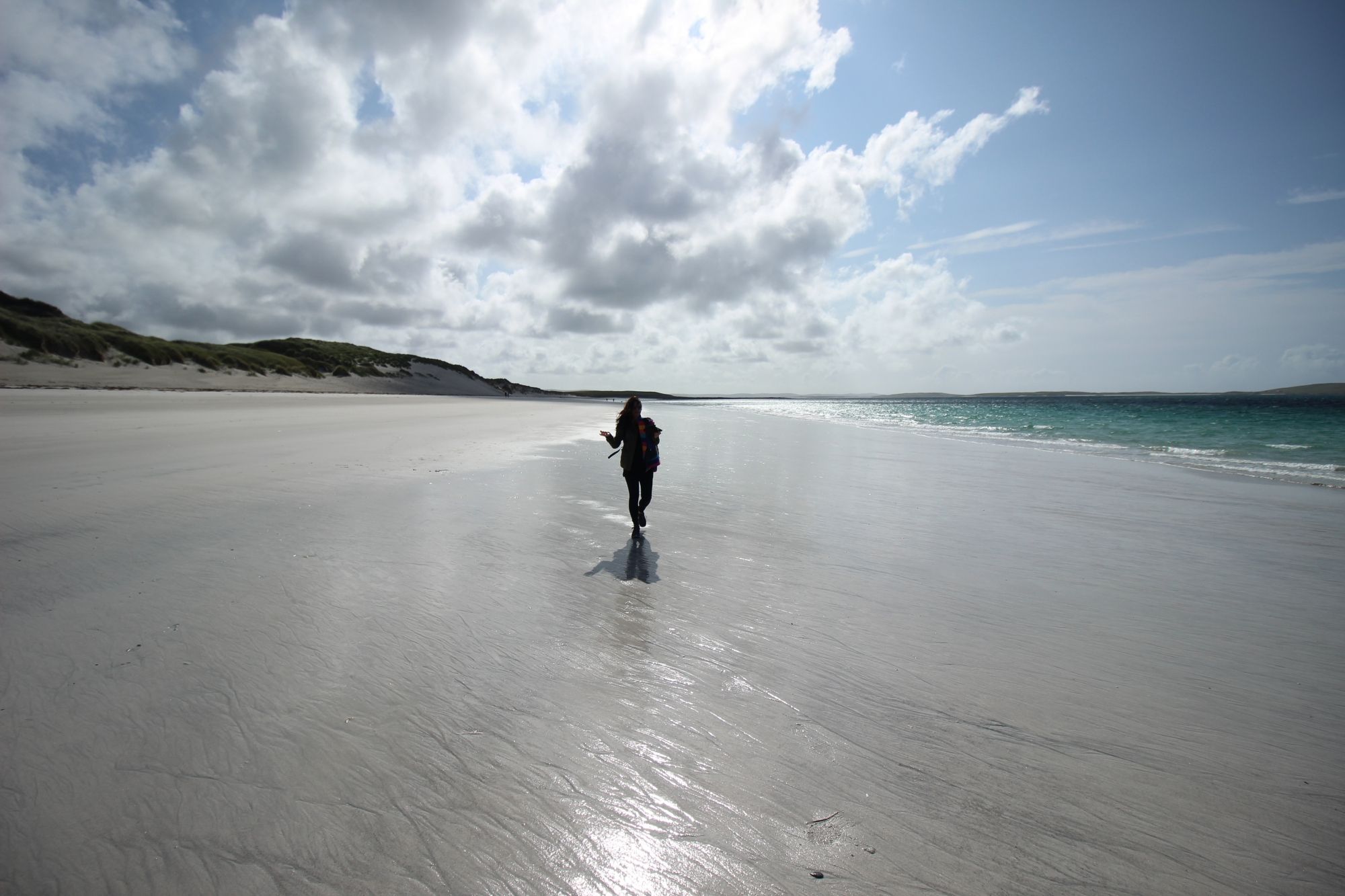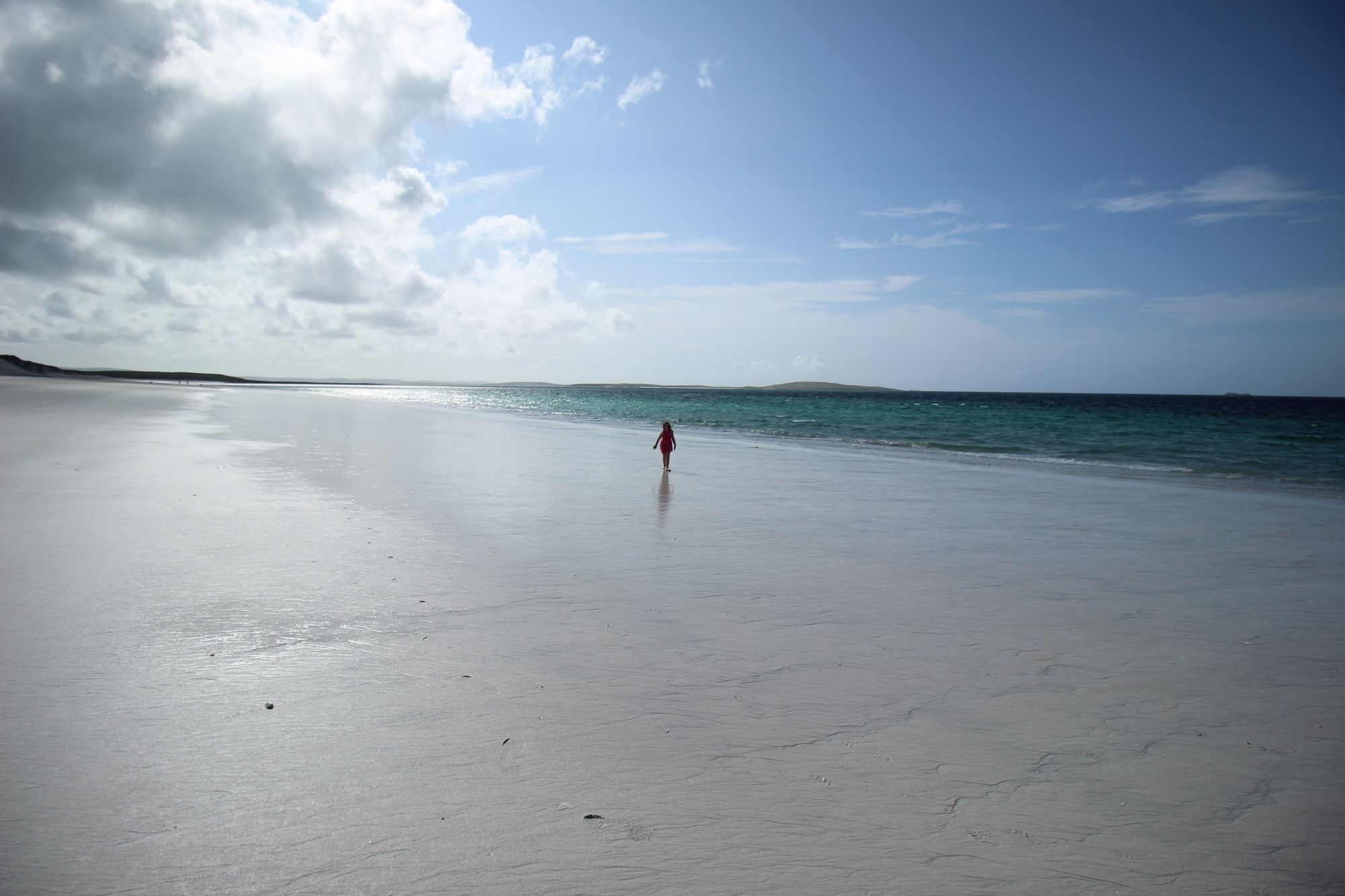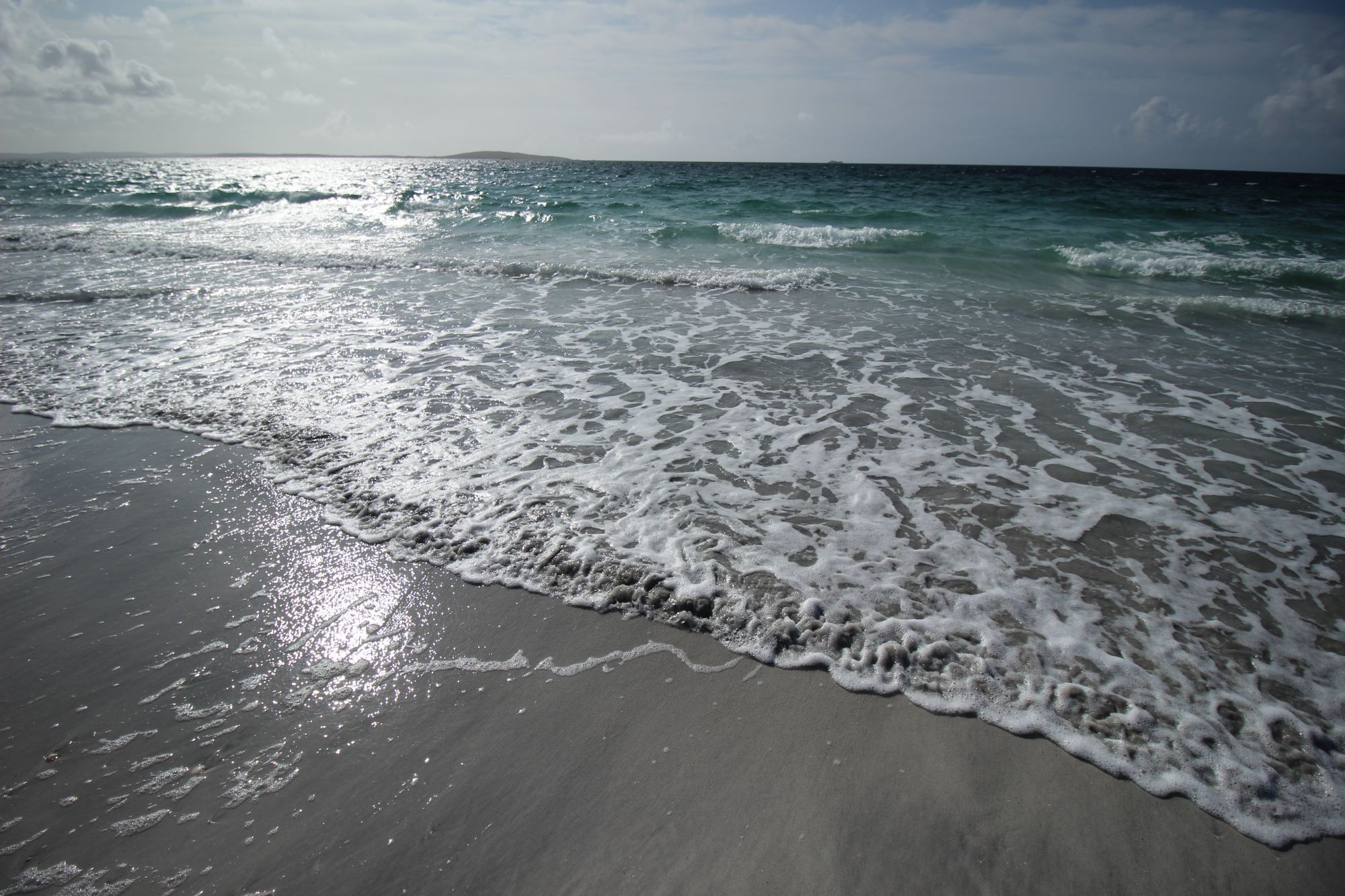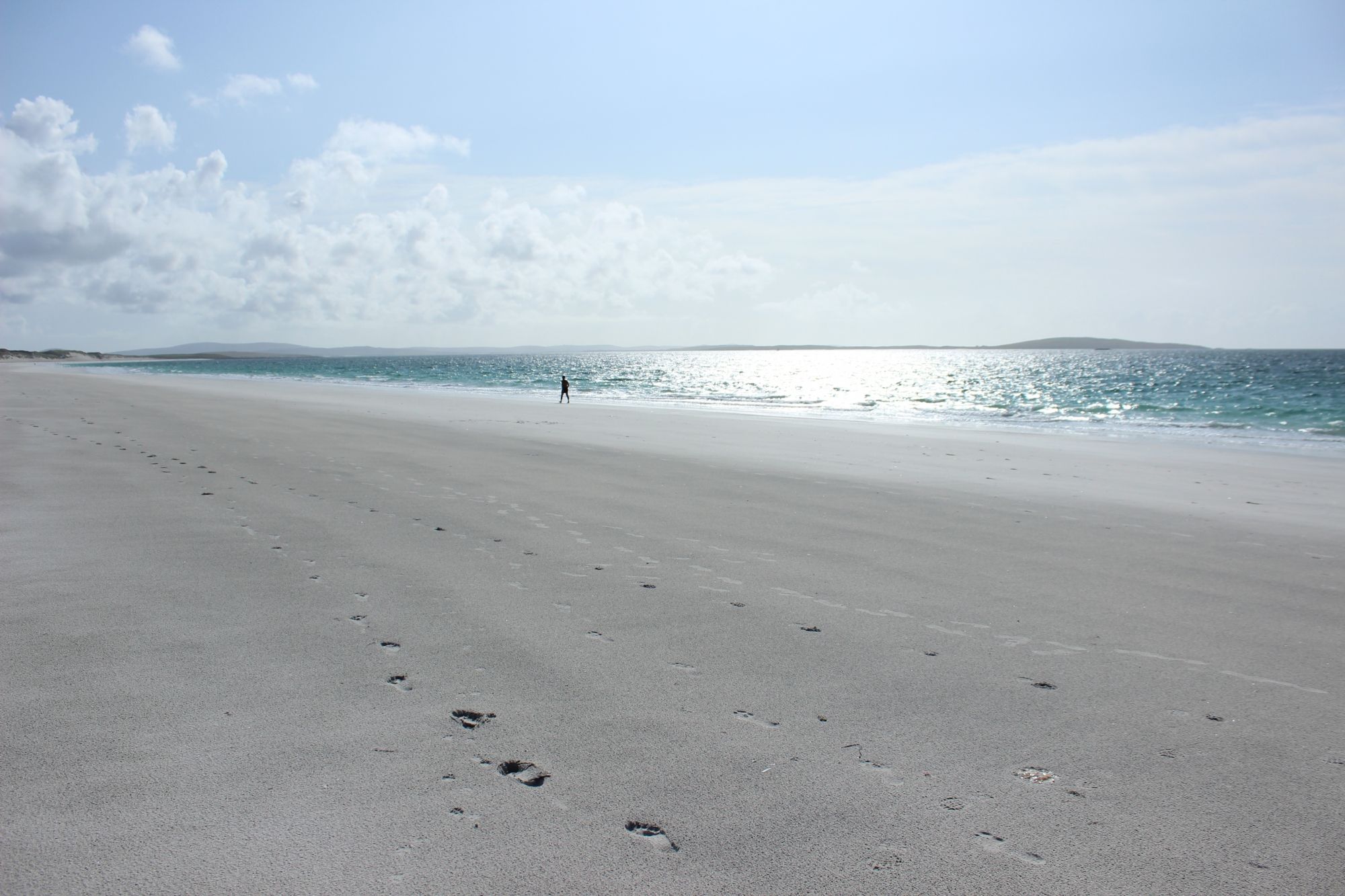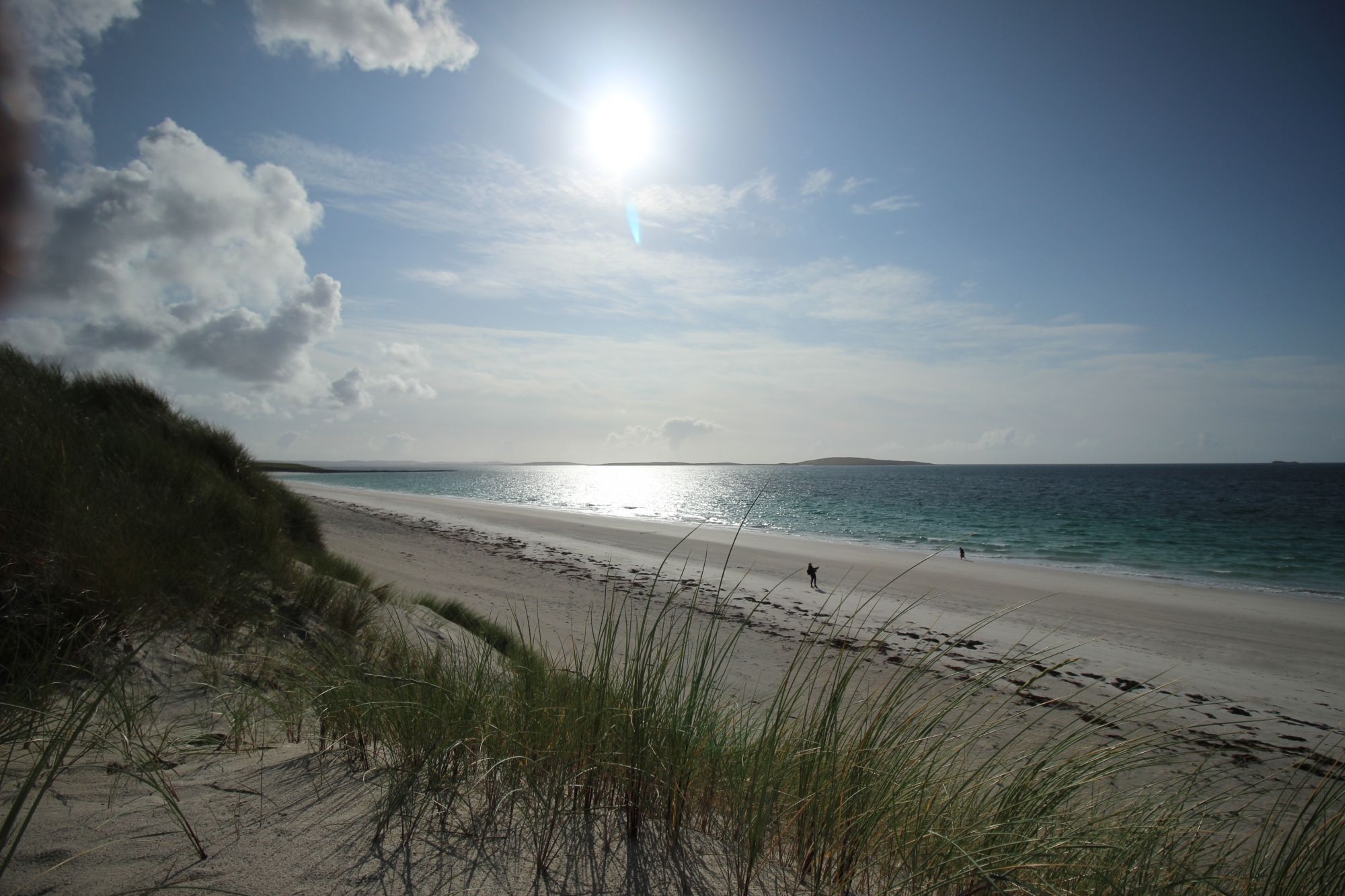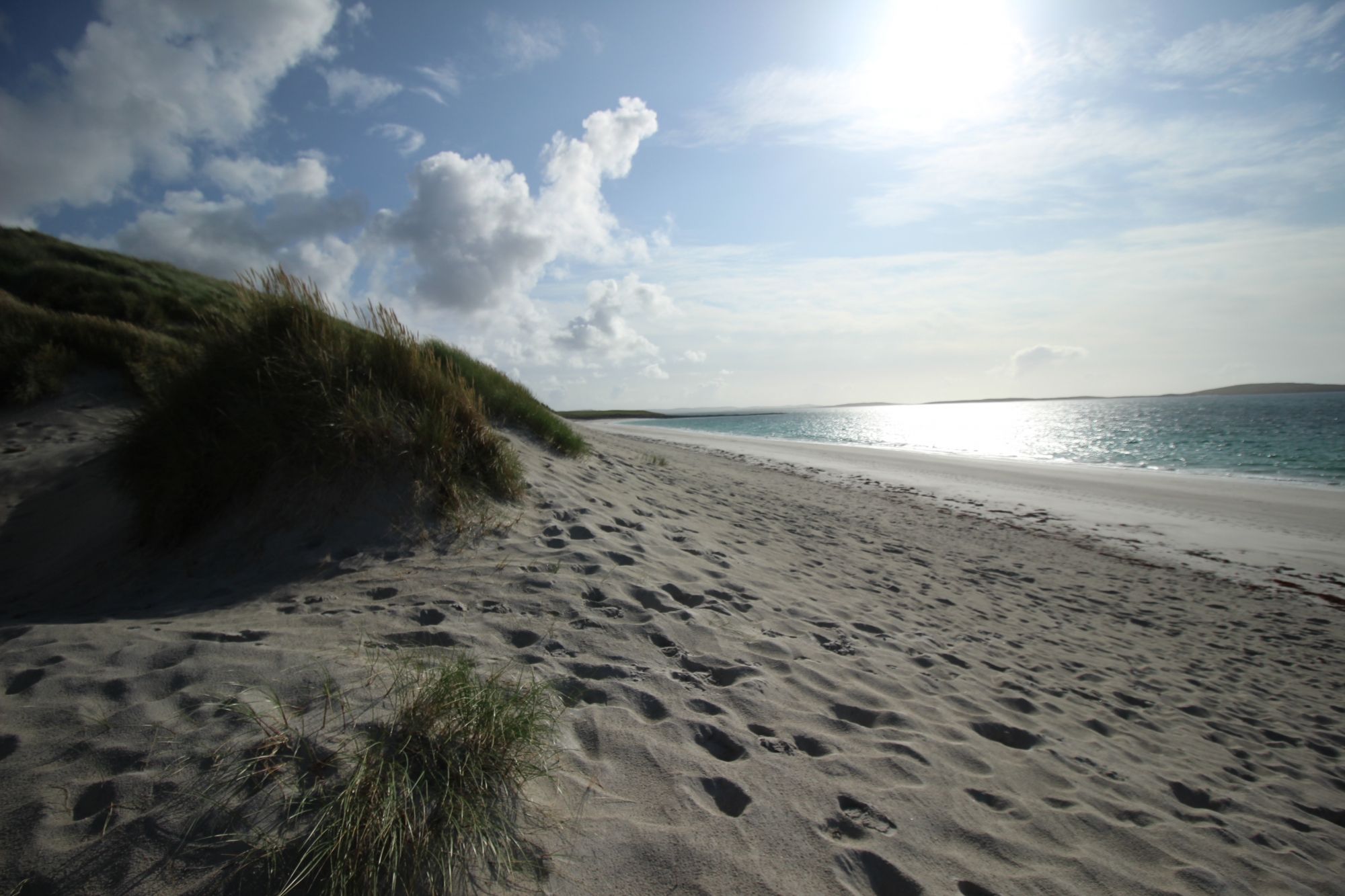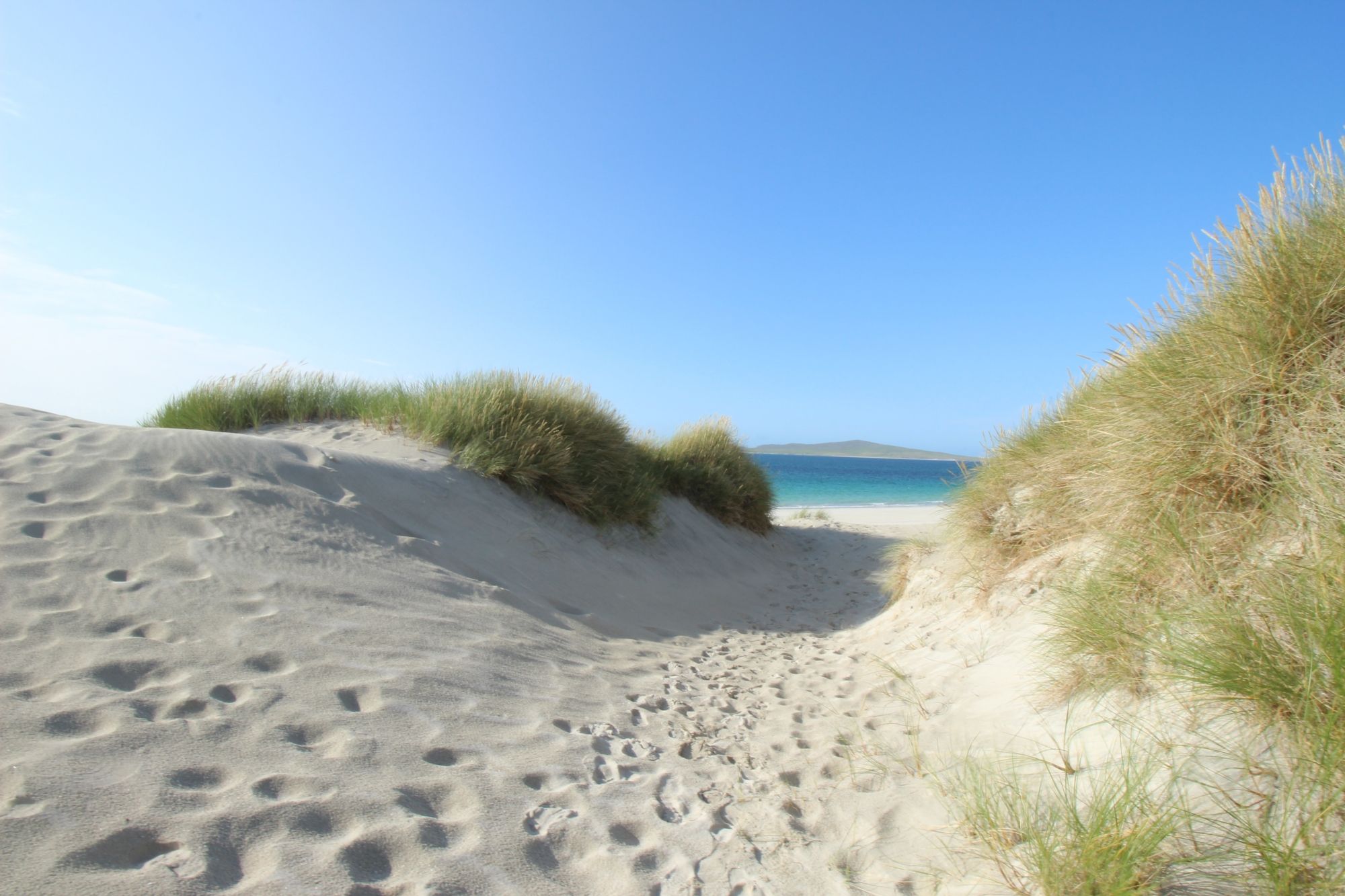


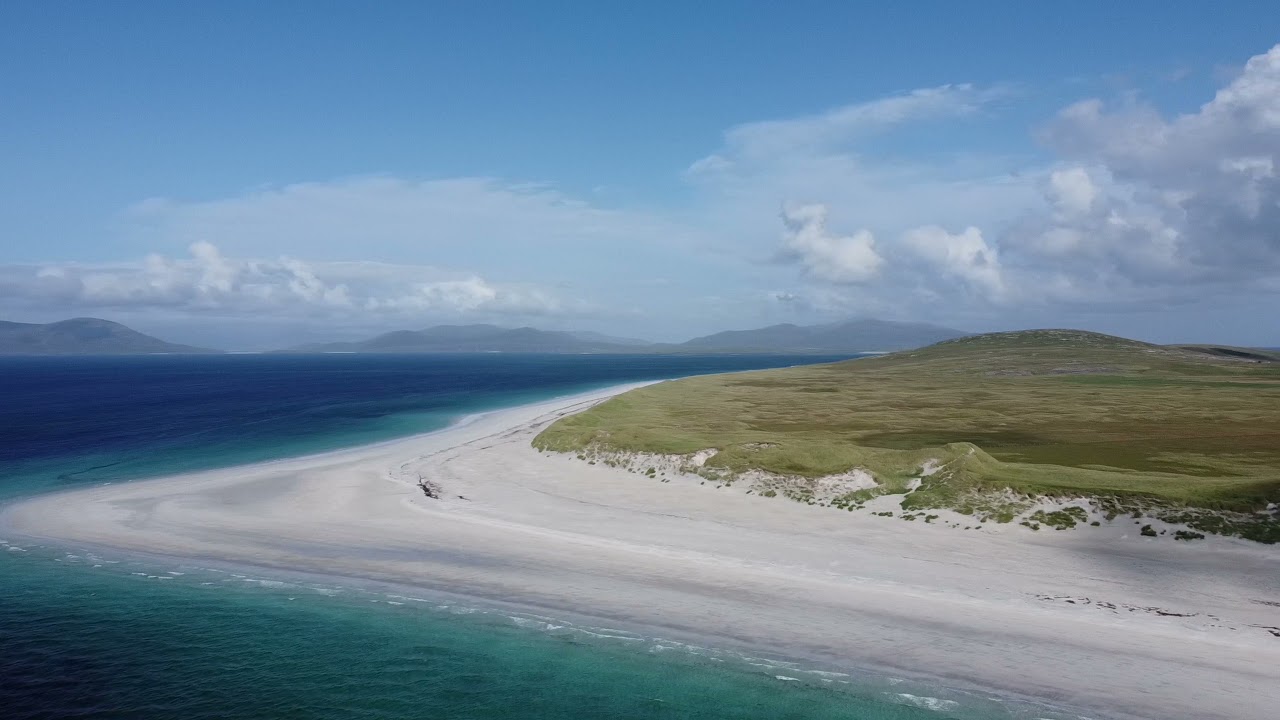

If you were to see a photograph of West Berneray Beach (Tràigh Iar) without a caption, you might easily mistake it for a secluded cove in Thailand or a pristine stretch of the Australian coastline. With three miles of shimmering silver sand and water so clear it glows a vibrant turquoise, it is a landscape that defies expectations of the North Atlantic.
In fact, the beauty of this beach is so convincing that a few years ago, the Thai Tourism Authority famously used a photograph of West Berneray to promote their own tropical islands by mistake. It wasn't long before the world realized that this "tropical paradise" was actually located on a small island in the Outer Hebrides, tucked between the larger giants of North Uist and Harris.
The Heart of the Hebridean Chain
The Isle of Berneray sits in a unique geographic position. It acts as the bridge between the Uists and the mountainous North. Accessible via a modern causeway from North Uist or by the spectacular ferry crossing from Leverburgh on the Isle of Harris, Berneray feels like a sanctuary.
The West Beach is the island’s crowning jewel. Stretching for over 3 miles (5km) along the Atlantic coast, it offers a sense of vastness that is rare even in Scotland. On a clear day, the views are unparalleled: looking north across the Sound of Harris, you can see the jagged, dark mountain ranges of Harris and the distant, mystical silhouettes of the St. Kilda archipelago on the far horizon.
A Masterpiece of Machair Ecology
What sets West Berneray apart from the mainland beaches is the machair. This rare, fertile coastal grassland is unique to the west of Scotland and Ireland, and on Berneray, it is in a world-class condition.
The beach is backed by a vast expanse of these low-lying dunes, which in the summer months (June to August) erupt into a kaleidoscopic carpet of wildflowers. You’ll find rare orchids, yellow rattle, and red clover, all buzzing with the activity of the Great Yellow Bumblebee, one of the UK’s rarest insects. The machair isn't just beautiful; it is a living, breathing ecosystem that has been managed by traditional crofting methods for centuries. Walking through the flowers to reach the "silver" sand of the beach is a sensory experience that no photograph can truly capture.
Our 2021 Visit: Chasing the Sun
We visited Berneray in 2021 during a broader expedition to North Uist and Eriskay. That particular trip was defined by the unpredictable Highland elements; for much of our stay, we were battling stormy weather and grey Atlantic mists.
However, as is often the case in the Hebrides, the weather broke just as we reached Berneray. We were incredibly lucky to catch a window of brilliant sunshine. Seeing the transition of the water from a dull grey to that famous "Berneray Blue" was a moment we will never forget. Even though the wind was brisk and the water was—in true Scottish fashion—freezing cold, the visual impact of the white sand against the green machair made it one of our favorite spots in the entire country.
The "Royal" Connection: Prince Charles on Berneray
Berneray has a surprising royal history. In 1987, Prince Charles (now King Charles III) famously spent a week on the island living as a crofter. He stayed with a local family, helped with the sheep, and spent time walking the very sands of West Beach to escape the pressures of royal life. He was so taken by the island’s tranquility and the resilience of the local community that he returned several times. When you stand on the dunes of West Beach today, it is easy to understand why someone seeking peace and "solitude" would choose this exact spot.
Practical Tips for Your Visit
- The Car Park: Be aware that the parking area is very modest. It is essentially a small strip on the verge of a field with room for roughly 10 cars. Because there are no large "tourist" signs, it can be easy to miss.
- Zero Facilities: There are no toilets, shops, or cafes near the beach or the parking area. You must be entirely self-sufficient. We recommend picking up supplies at the Berneray Shop and Bistro near the pier before heading over to the west side.
- Swimming: While the water looks like a swimming pool, remember that this is the open Atlantic. There are no lifeguards, and while the beach is relatively shallow, the currents can be strong. Always swim with a partner.
- Lonely Planet Status: Don't just take our word for it—Lonely Planet rated West Berneray as Europe's third most beautiful beach. This means it is becoming more popular, so arriving early in the morning is the best way to ensure you have that "desert island" feeling all to yourself.
Photography: The "Highland Tropics" Shot
To capture the beach at its best, try to visit at mid-tide. This is when the water is shallow enough over the white sand to create the brightest turquoise colors, but there is still enough dry sand to show off the "silver" texture. If you have a drone, this is one of the best locations in Scotland for aerial shots, as the patterns of the waves meeting the machair are truly artistic.
Berneray West Beach
Uist Islands
Jola's score:

Bart's score: