



Eriskay Beaches: The Historic Sands, Rare Ponies, and Whisky Lore of the Hebrides
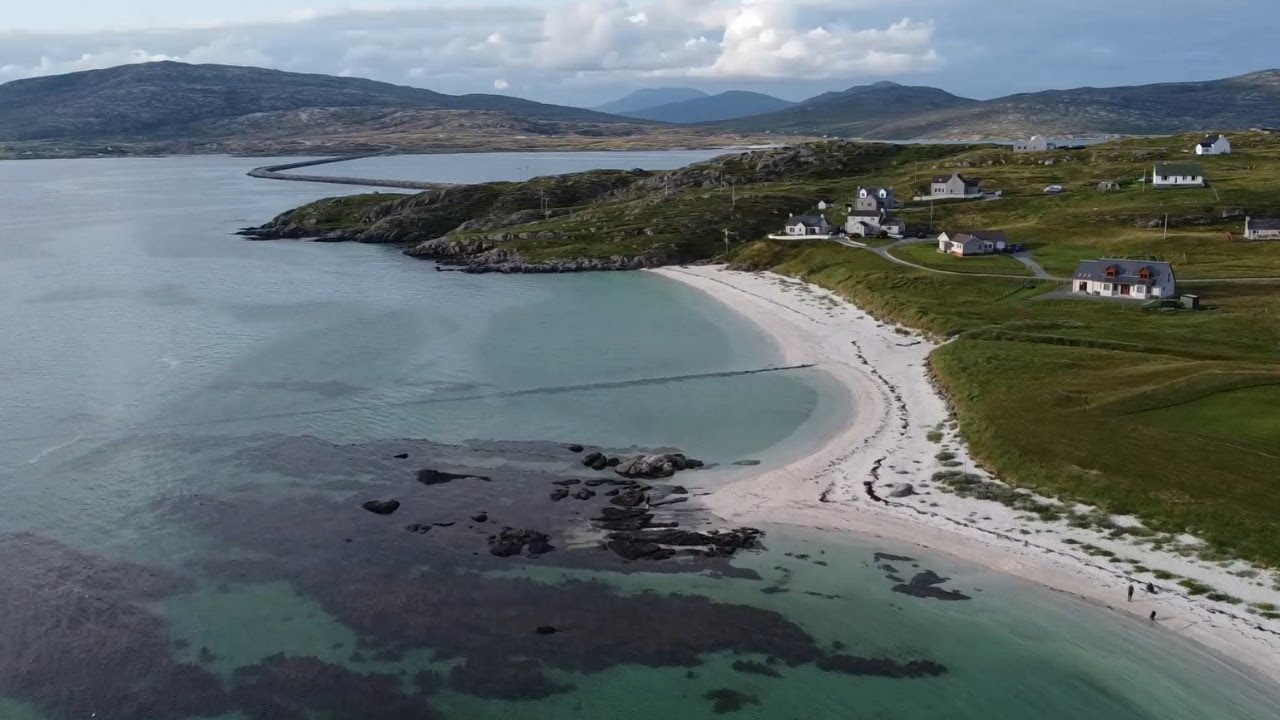
Nestled beautifully between the larger islands of South Uist and Barra, the small, ruggedly spectacular island of Eriskay (Èirisgeigh) is a true jewel of the Outer Hebrides. Spanning just three miles long and barely a mile and a half wide, this picturesque island feels like an enchanting, self-contained world. Since 2001, it has been seamlessly connected to South Uist by a stunning stone causeway that skirts the turquoise Atlantic, while its southern tip remains the vital gateway to Barra via a regular vehicle ferry link. Eriskay is a dramatic landscape of high rocky ridges, wild, ancient ponies, and some of the most historically significant, visually stunning beaches in Scotland. Experiencing this island—whether under the roar of an Atlantic gale or during a serene, golden summer sunset—reveals one of the most idyllic, peaceful, and culturally rich sanctuaries in the Western Isles.
Coilleag a' Phrionnsa: The Prince’s Cockleshell Strand
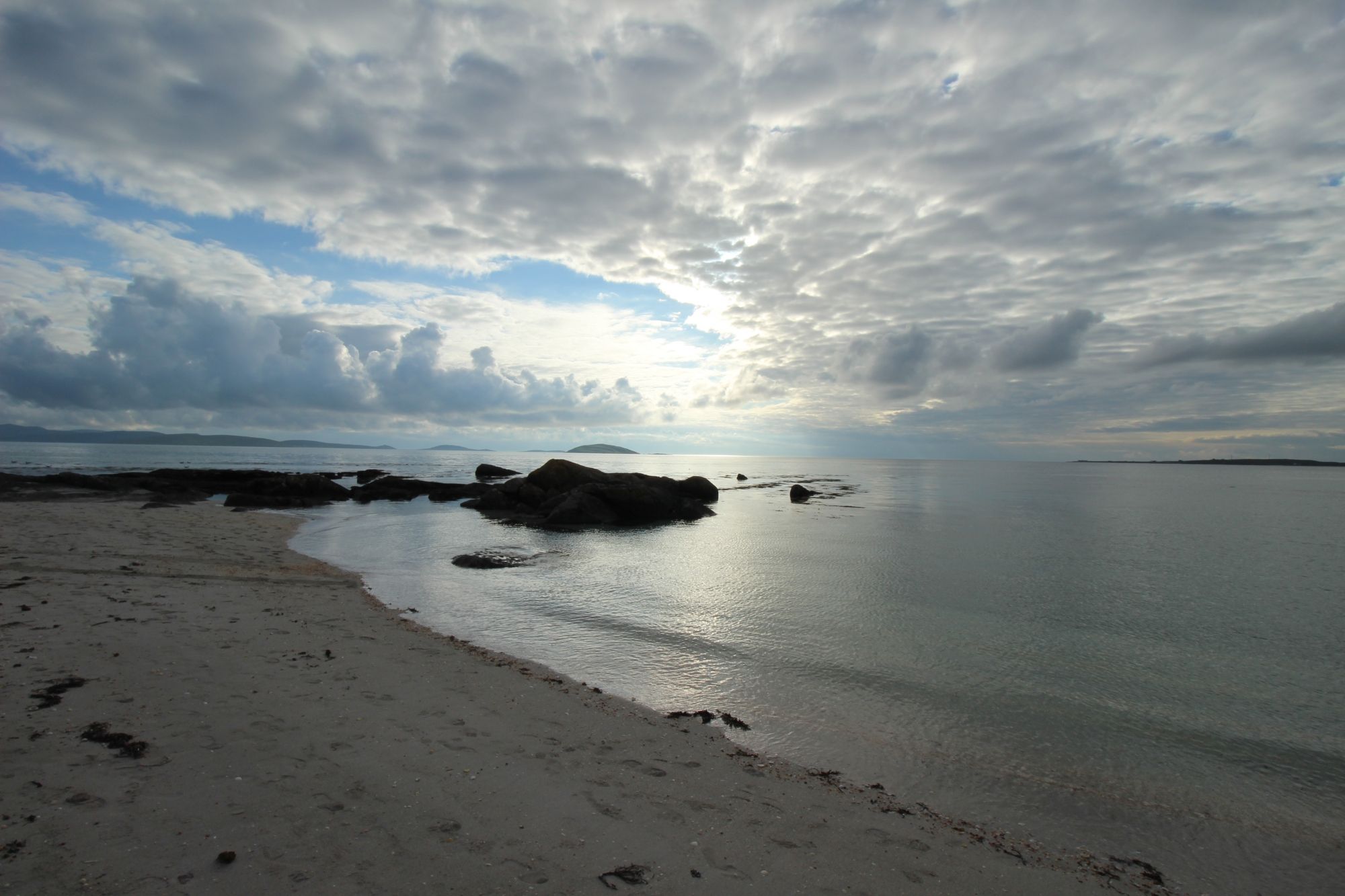
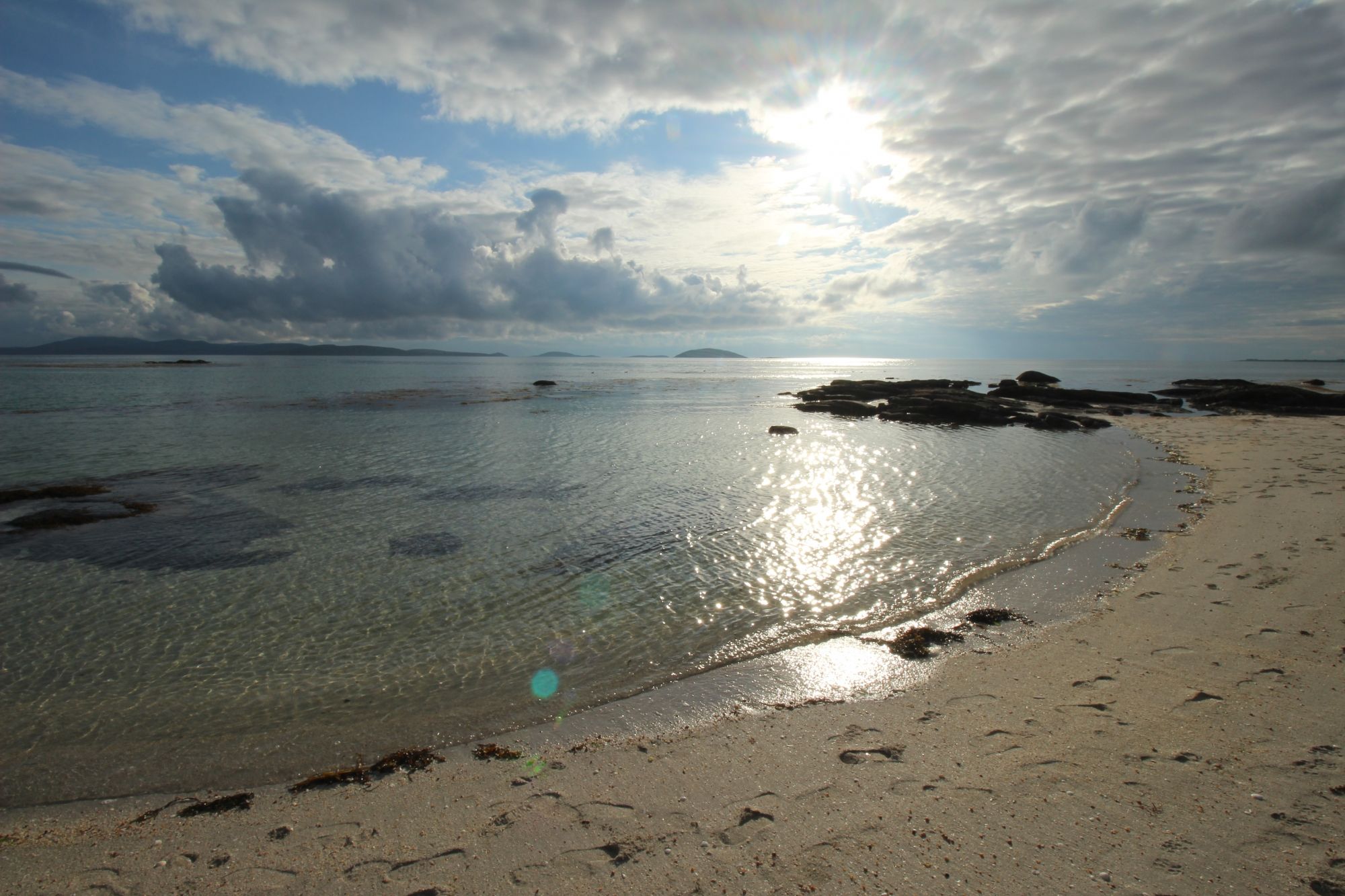
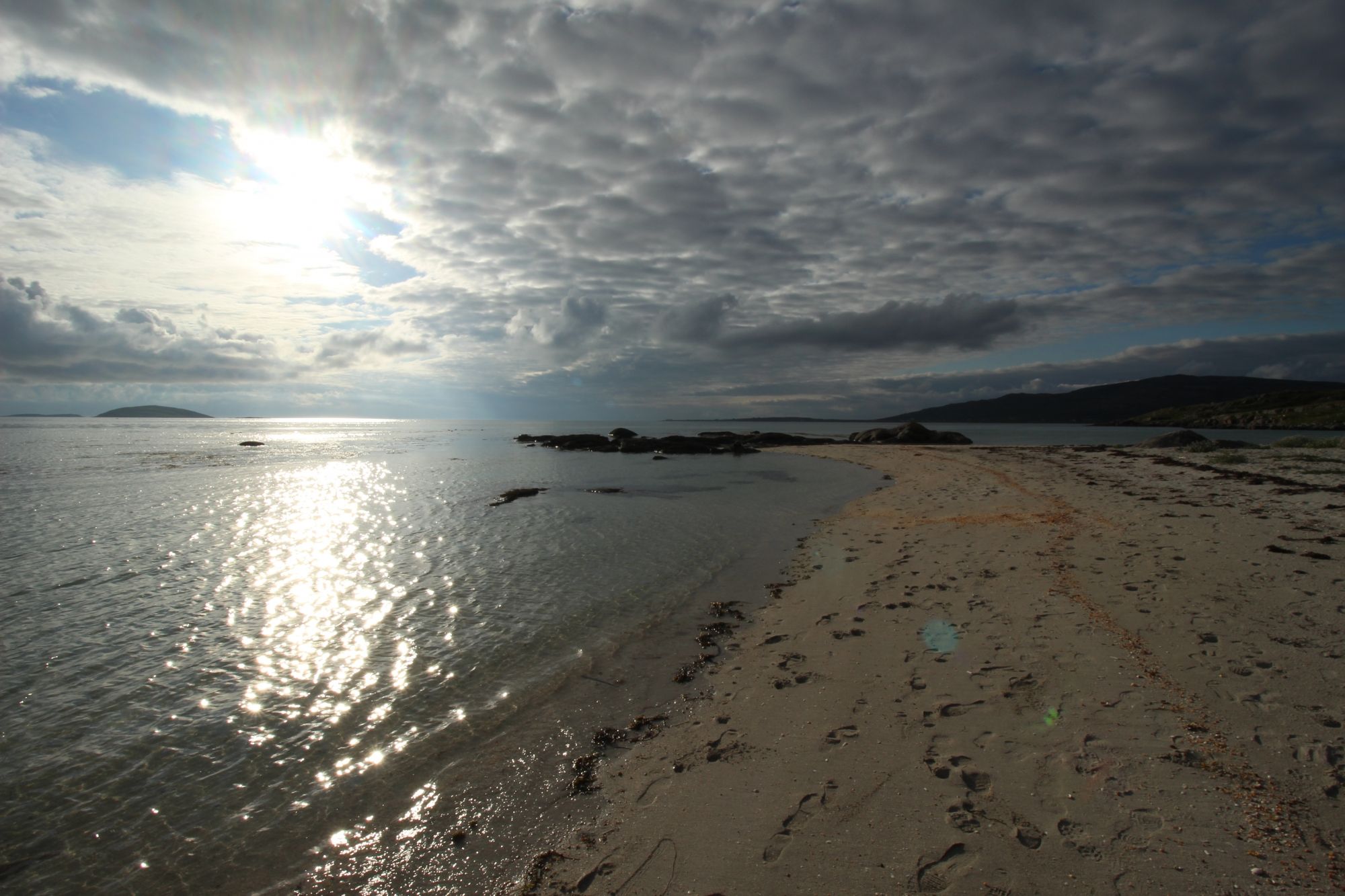
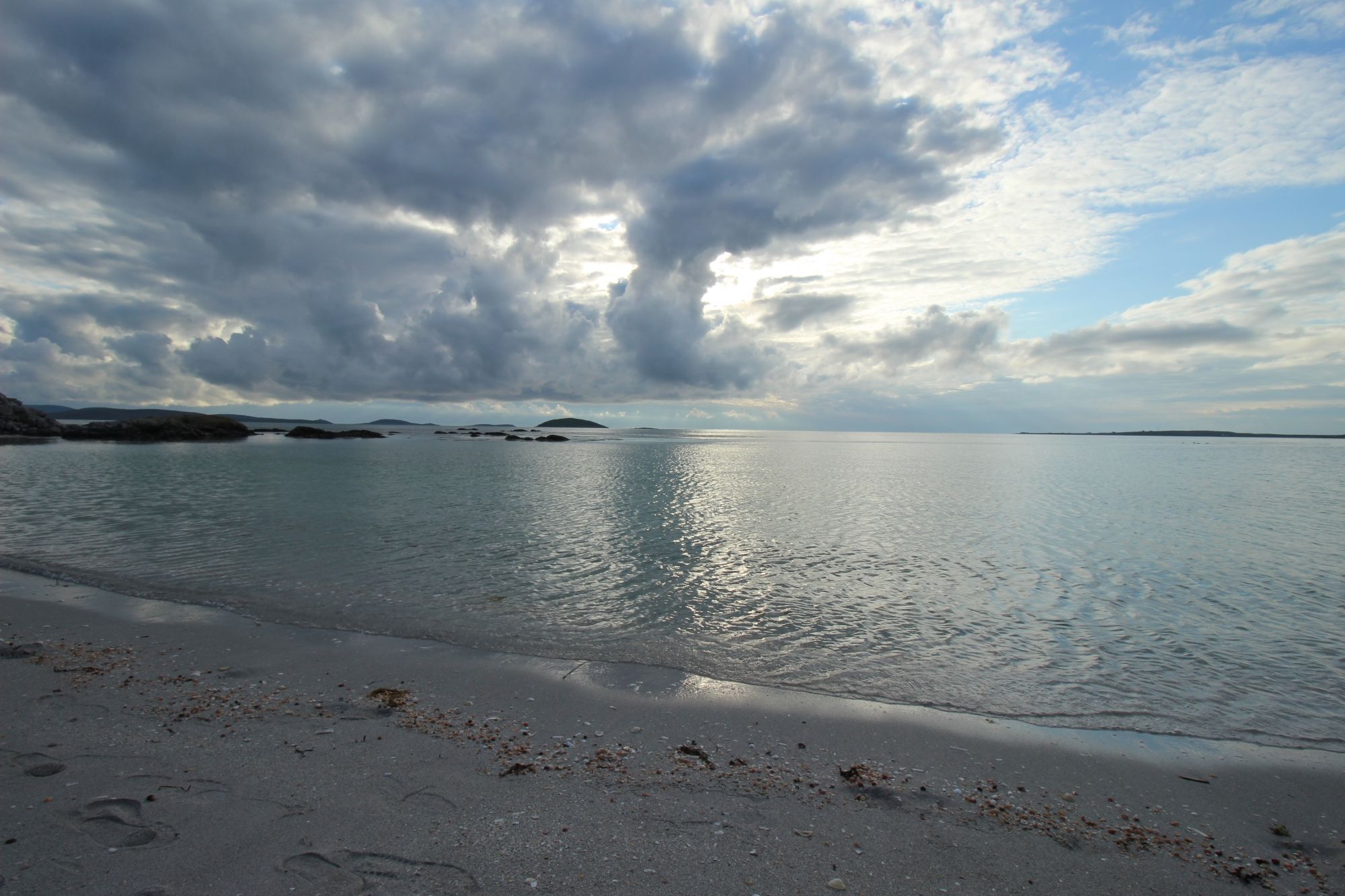
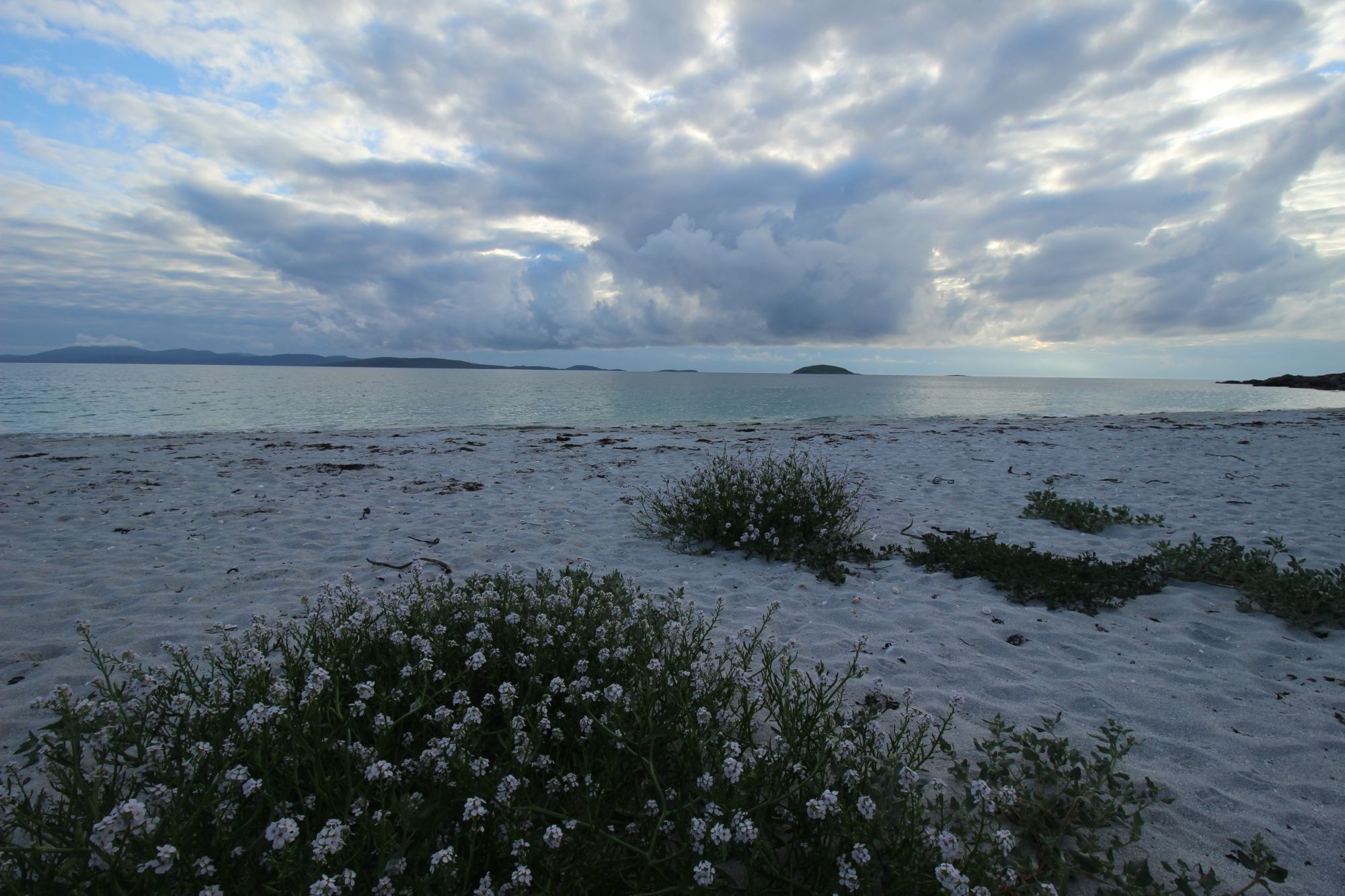
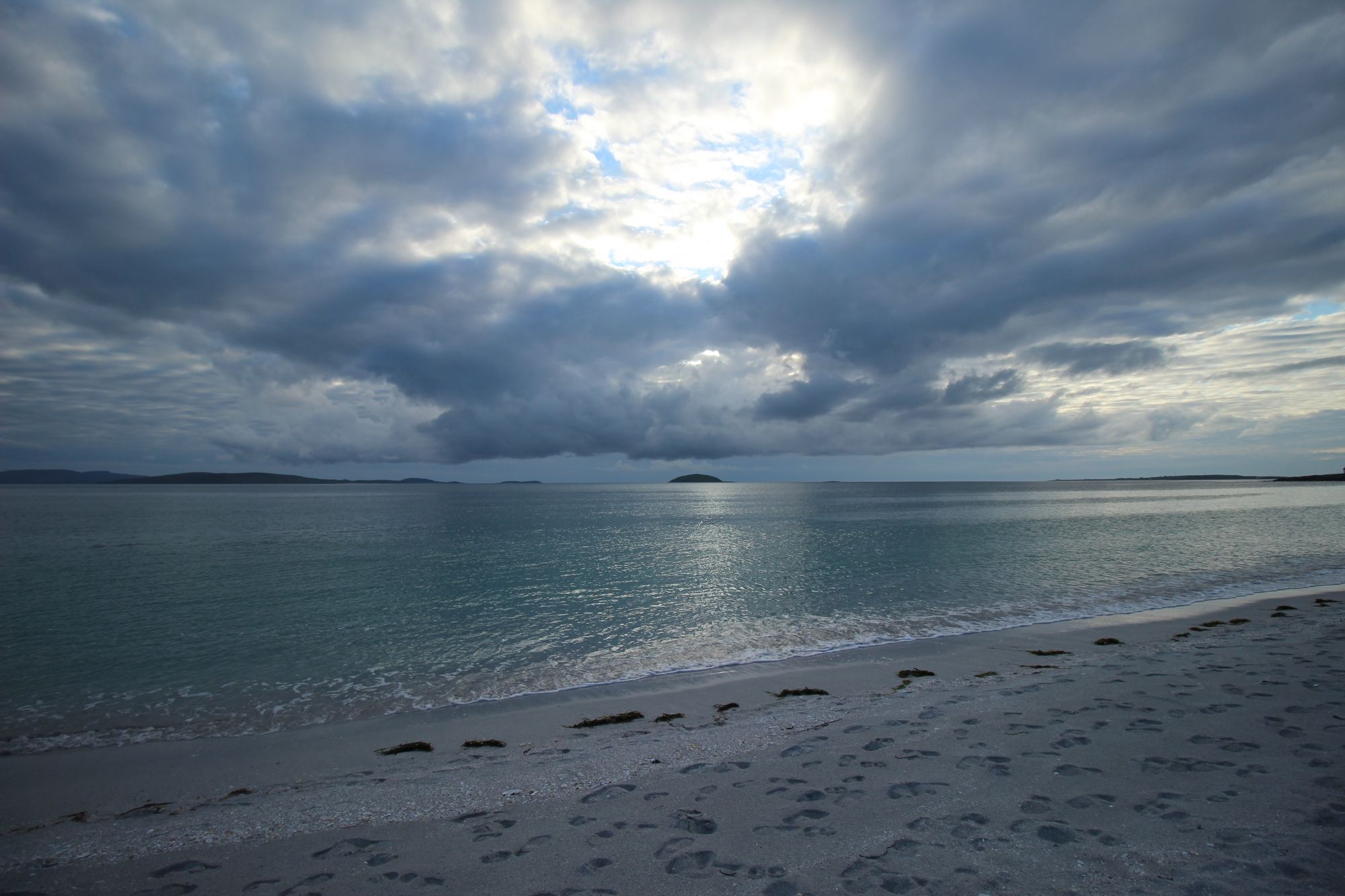
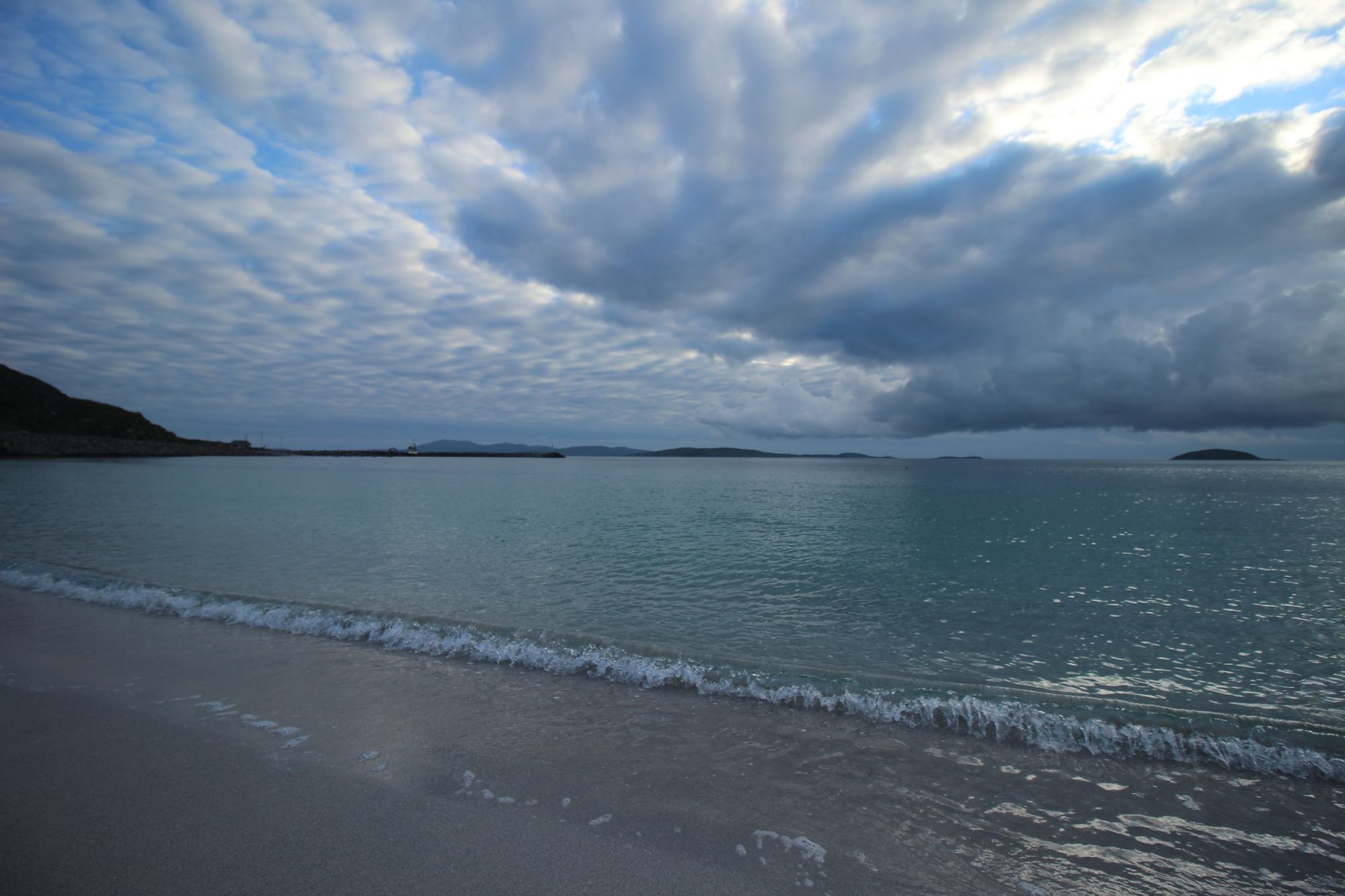
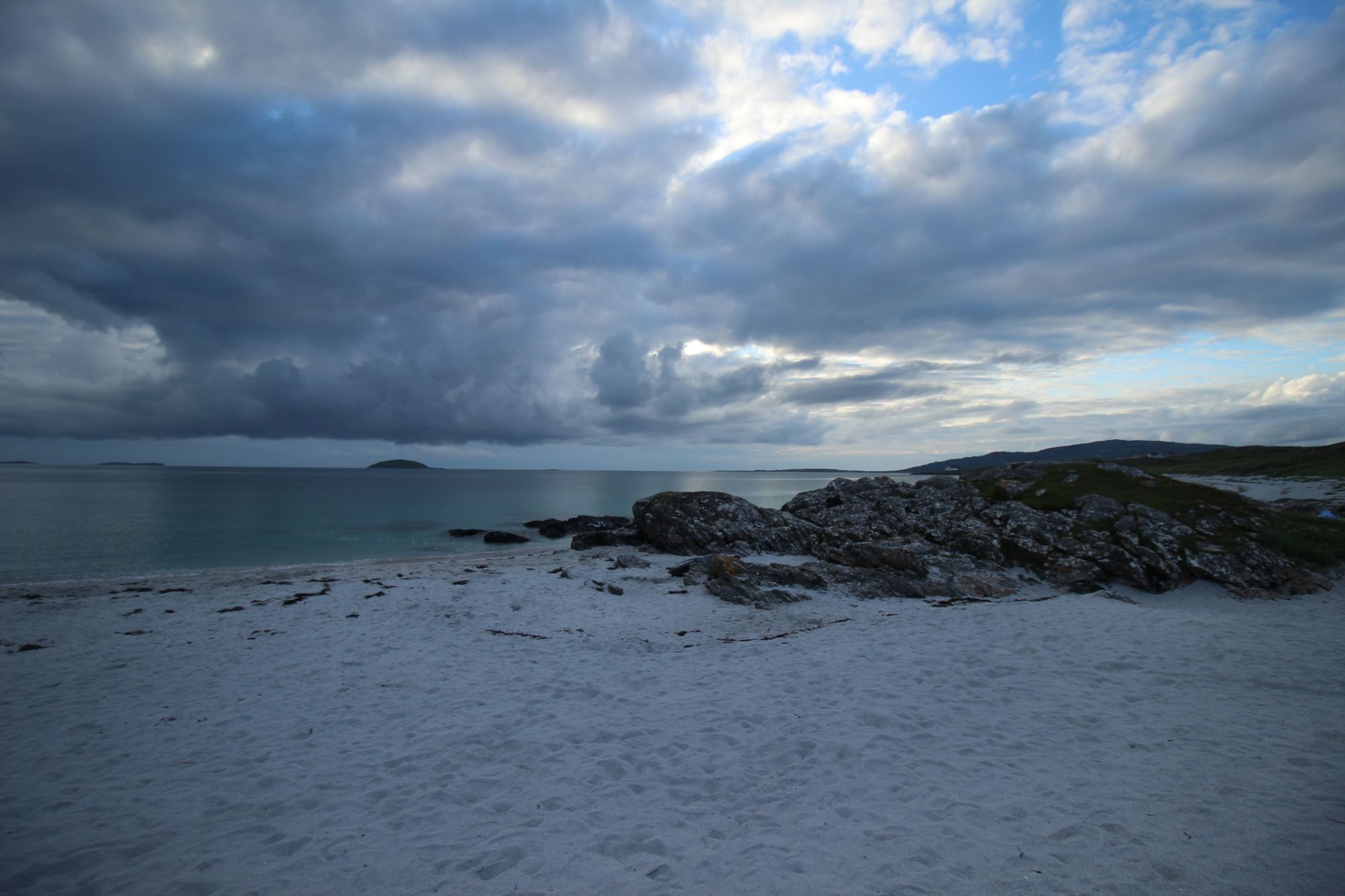
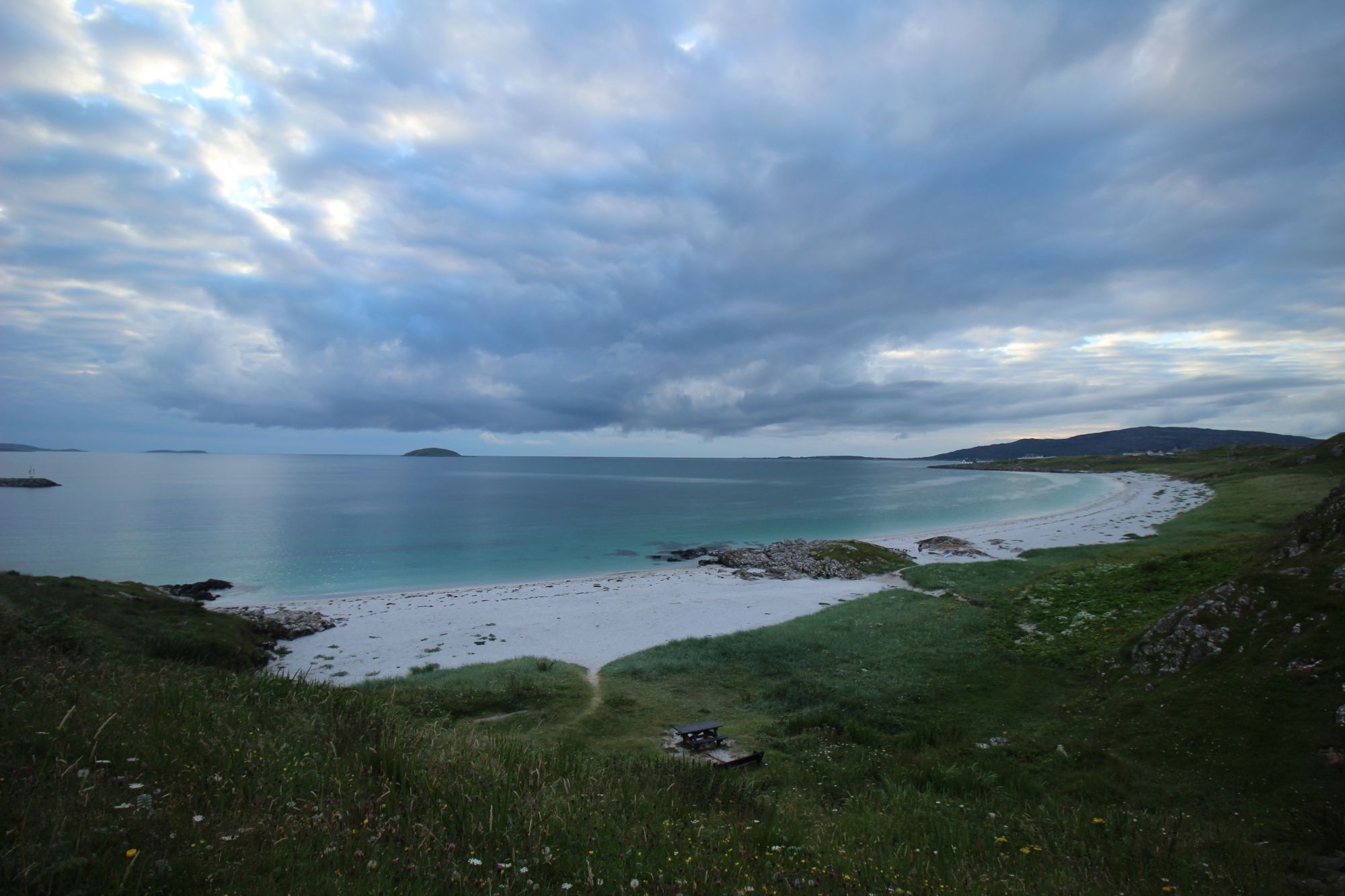
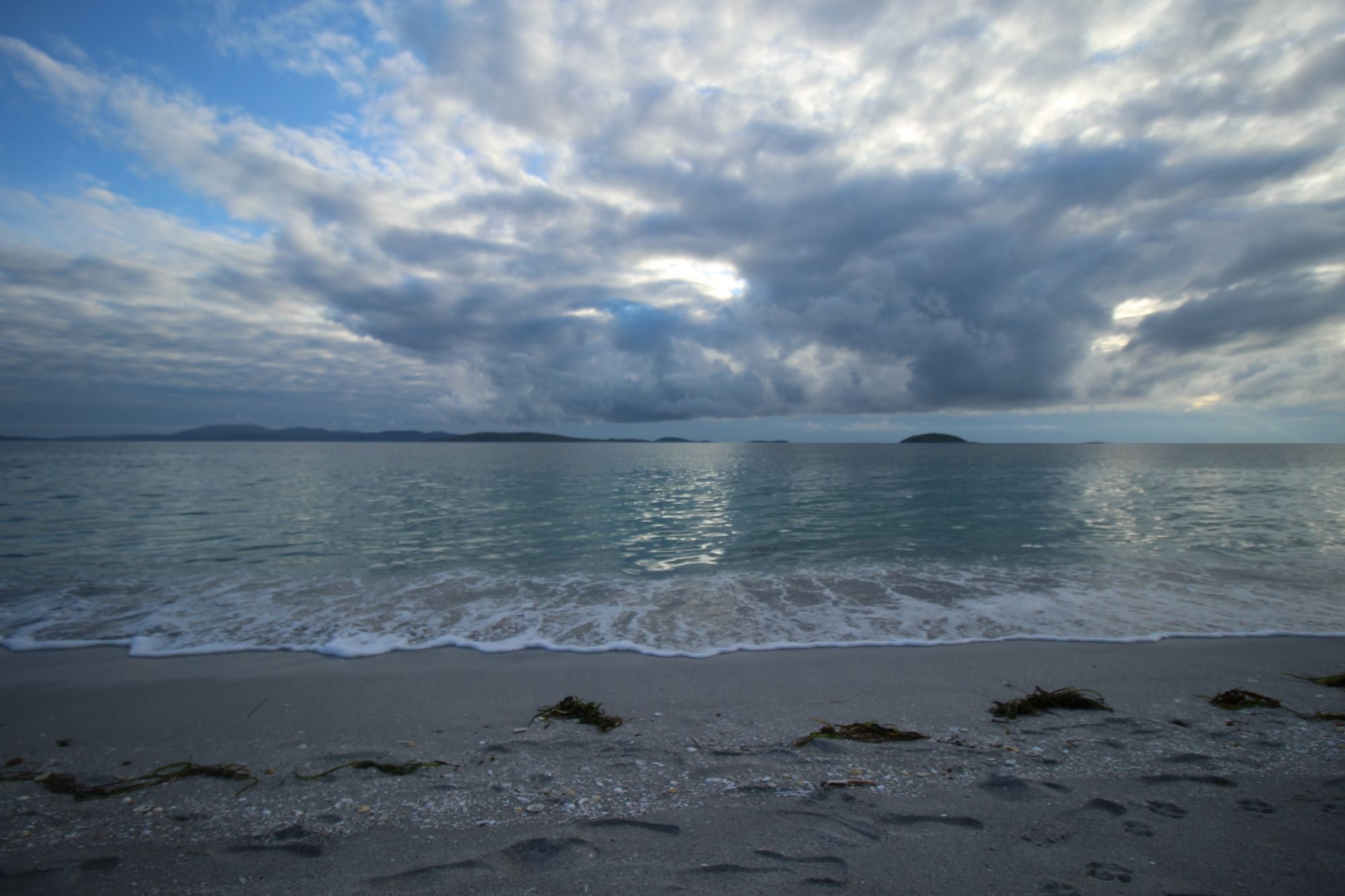
The most famous beach on the island, and arguably one of the finest in all of Great Britain, is Coilleag a' Phrionnsa (The Prince’s Strand). This expansive, sweeping stretch of powdery white shell sand and crystalline, azure water is far more than a beautiful coastal vista; it is a legendary turning point in Scottish history. It was on these very sands, on July 23, 1745, that Prince Charles Edward Stuart (Bonnie Prince Charlie) first set foot on Scottish soil from the French frigate Du Teillay to launch the ill-fated Jacobite Rising.
Local lore dictates that as the young prince stepped onto the beach, seeds of a delicate pink-and-white flower, the Sea Bindweed (Calystegia soldanella), fell from his pockets onto the sand. Remarkably, these beautiful flowers—which are completely non-native to the Hebrides—still thrive across the dunes today. Known locally as the "Prince’s Cockleshells," seeing them bloom in the summer against the dramatic backdrop of the Isle of Barra is a profoundly moving and poetic experience for any traveler exploring the coast.
Tràigh Am Baile: The Village Beach and the Legend of "Whisky Galore!"
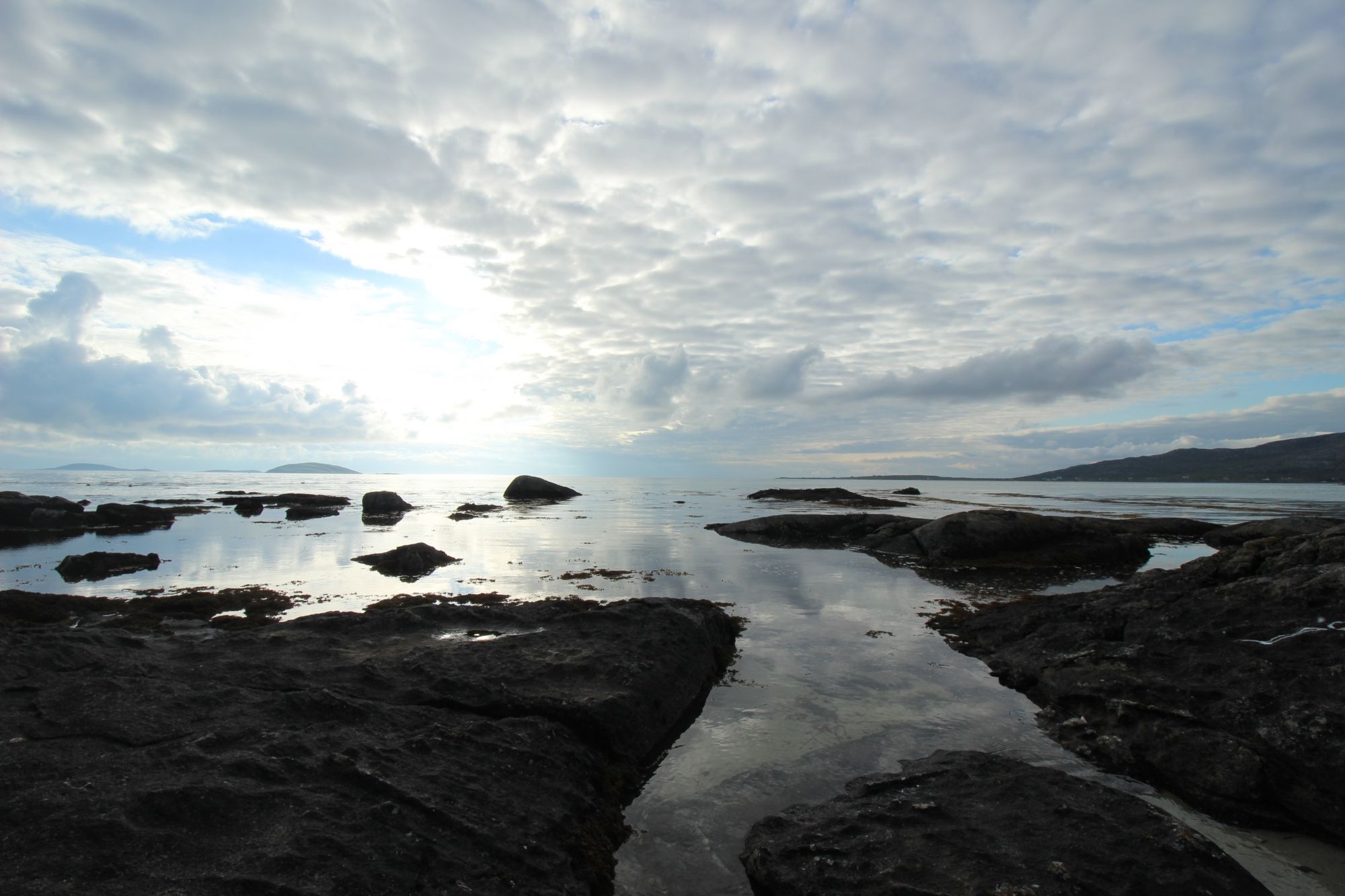
Just over the rolling cemetery hill from the Prince’s Strand lies another spectacular coastal gem: Tràigh Am Baile (often simply referred to as the Village Beach due to its proximity to the island's main settlement). This strand offers a wonderfully distinct character compared to its historic neighbor. While it shares the same signature soft white sand and blindingly clear turquoise waters, Am Baile is framed by impressive, dark rocky formations that create highly sheltered nooks—perfect for escaping the brisk Atlantic breezes. From the shoreline, visitors can enjoy a front-row seat watching local creel fishing boats bobbing in the sound, serving as a reminder that Eriskay remains a proud, working island with deep, unbreakable ties to the sea.
Am Baile beach holds a legendary status for another reason: it sits just a short stroll away from Am Politician, arguably the most famous and atmospheric pub in the Outer Hebrides. The establishment is named after the cargo ship SS Politician, which famously ran aground off the coast of Eriskay in 1941 while carrying over 260,000 bottles of finest malt whisky destined for the United States. In the midst of strict wartime rationing, the resourceful islanders "rescued" thousands of cases from the listing wreck, sparking a legendary, comedic cat-and-mouse game with the Customs and Excise officers. This real-life adventure was later immortalized in Sir Compton Mackenzie’s classic novel and film, Whisky Galore!. After a breezy walk on the sands, there is no finer Hebridean experience than sitting by the pub's hearth, looking out at the very waters where the ship foundered, and admiring the original, rare whisky bottles on display.
The Rare Wild Ponies of the Dunes
As you walk along the machair tracks between Eriskay's beaches, you are highly likely to encounter the legendary Eriskay Ponies. This is an exceptionally rare, ancient breed of Hebridean pony that represents the last surviving remnants of the native western isle workhorses, having narrowly escaped extinction in the 1970s. Characterized by their hardy nature and distinctive grey coats—which beautifully transition to pure white as they mature—these ponies have uniquely evolved to survive on a rugged diet of coastal machair grass and mineral-rich seaweed. Seeing a small herd of these calm, beautiful animals grazing freely on the high dunes overlooking the Prince's Strand feels like stepping directly into a living canvas of Scotland's deep past.
Practical Advice and Photography Tips for 2026
In 2026, Eriskay is highly accessible yet retains its wonderfully remote, community-focused charm. To get the absolute most out of your coastal exploration, consider these practical guidelines:
Transport and Walking: The modern causeway from South Uist offers a breathtaking drive, though drivers should exercise caution during high Atlantic gales when sea spray can sweep across the tarmac. The island is a true paradise for walkers; a scenic, well-defined hike from the Prince’s Strand, over the central spine of the island, and down to the village beach takes roughly 45 minutes and offers world-class, panoramic views encompassing Barra to the south and Uist to the north.
Amenities: Despite its compact size, the island is exceptionally well-provisioned. The local community-run shop near the village provides an excellent selection of local food, fresh baking, and supplies, while the Am Politician serves up fantastic, hearty meals and local ales.
Footwear: While the white shell sand is incredibly soft and perfect for barefoot walking, the rocky headlands separating the bays are sharp and covered in barnacles, making light hikers or supportive water shoes highly recommended if you plan to explore the coastal nooks.
For landscape photographers and videographers seeking to capture the ethereal, glowing turquoise hues of Coilleag a' Phrionnsa, timing the tides is absolutely critical. The most dramatic water coloration occurs at mid-tide on a clear, sunny morning. At this specific time, the shallow Atlantic water moving over the pristine, reflective white shell sand creates a luminous, radiant turquoise effect that is unmatched elsewhere on the Scottish coast. Utilizing a circular polarizing filter will easily eliminate surface glare, allowing you to capture the stunning Caribbean-style seabed in crisp, cinematic detail.
Conclusion: The Timeless Soul of Èirisgeigh
The beaches of Eriskay represent the very essence of the Outer Hebrides—a striking landscape where epic royal history, maritime folk legends, and rare wildlife converge on a single shoreline. Walking along the edge of the tide at the Prince's Strand, watching the wild ponies graze against the sea while the waves crash in the distance, provides a profound sense of peace and historical wonder. Combining the warmth of its working community with some of the most beautiful coastal vistas in northern Europe, a journey across Eriskay’s white sands is an essential, deeply inspiring, and unforgettable highlight of any Scottish island expedition.