


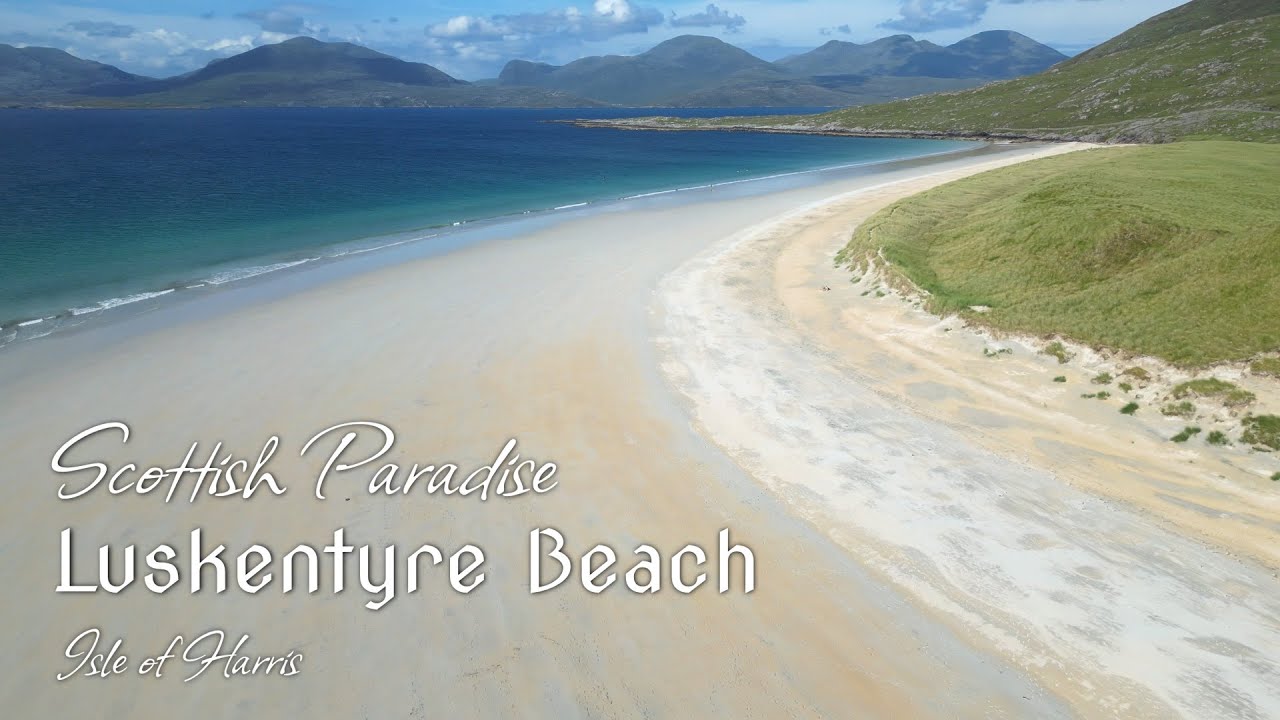

Chasing the Light: A Five-Year Journey to the Sands of Luskentyre
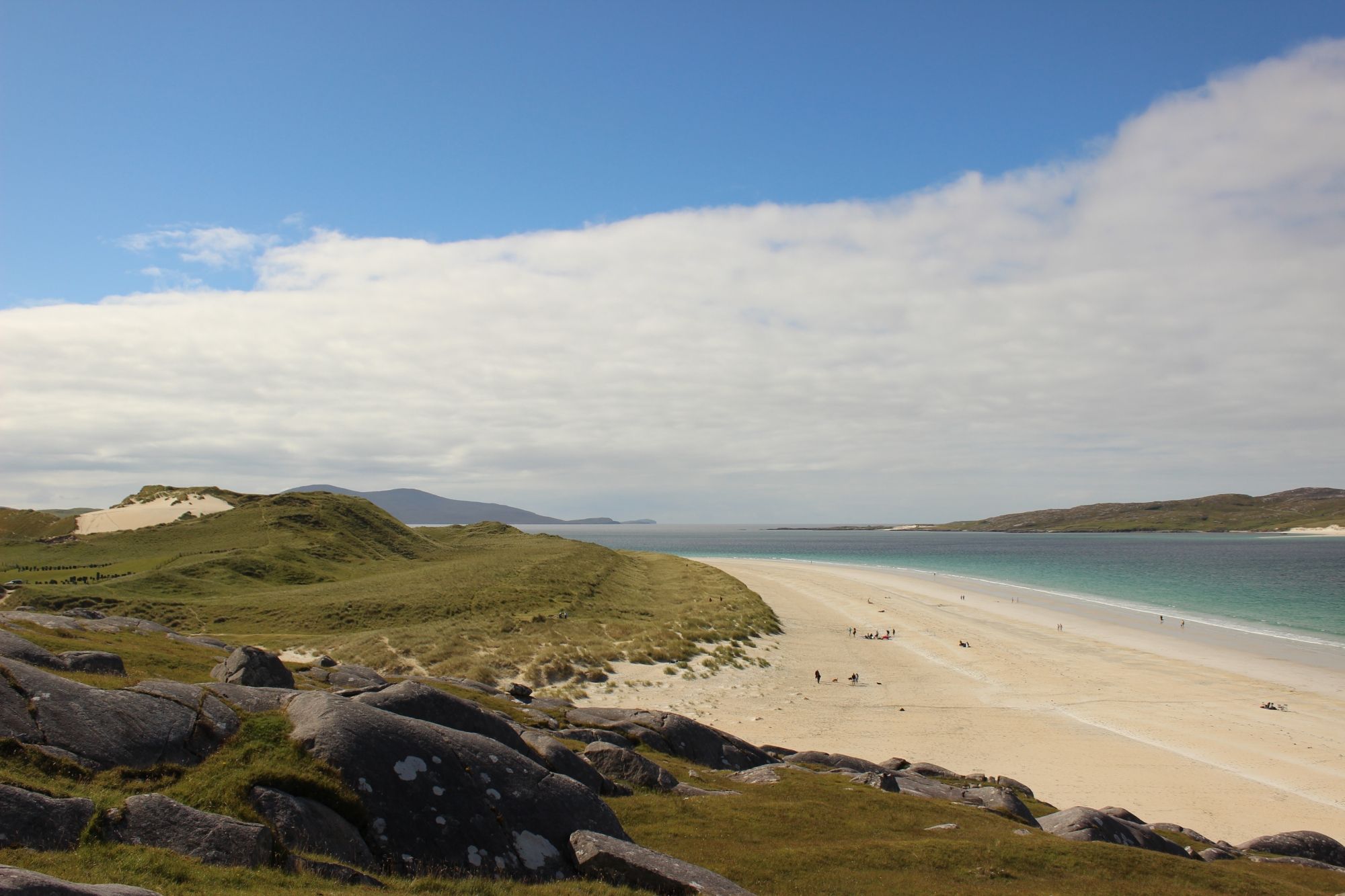
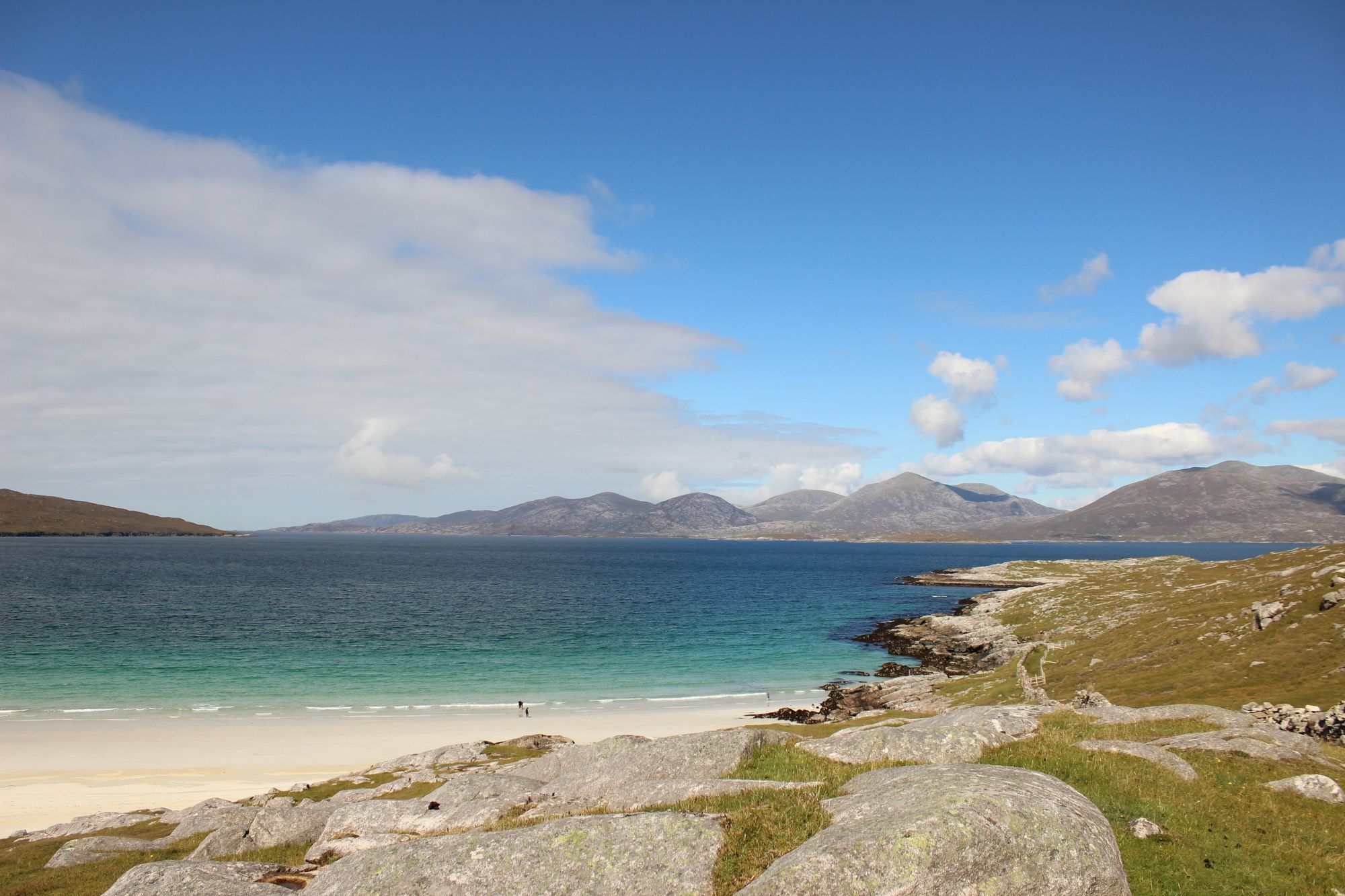
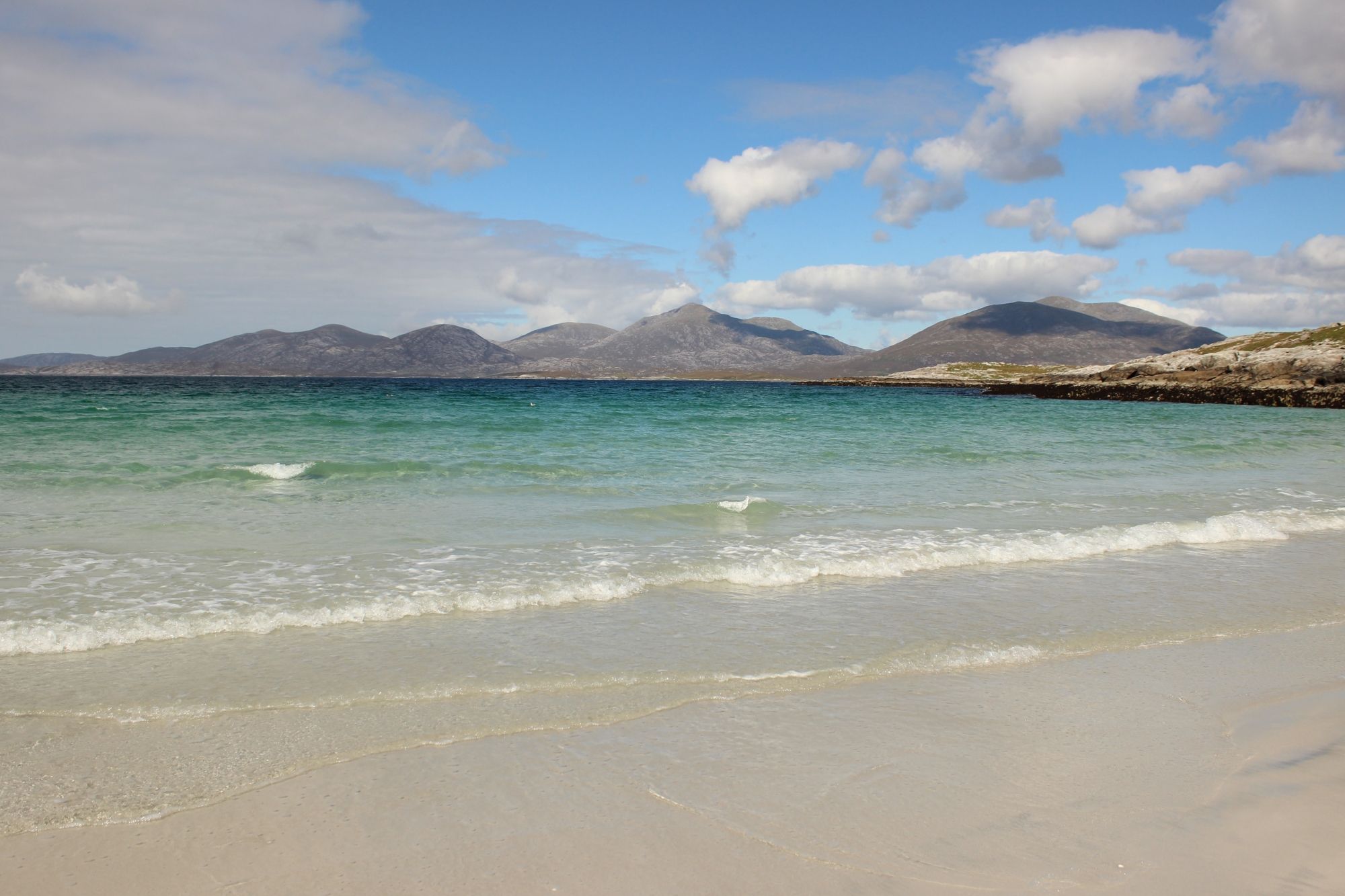
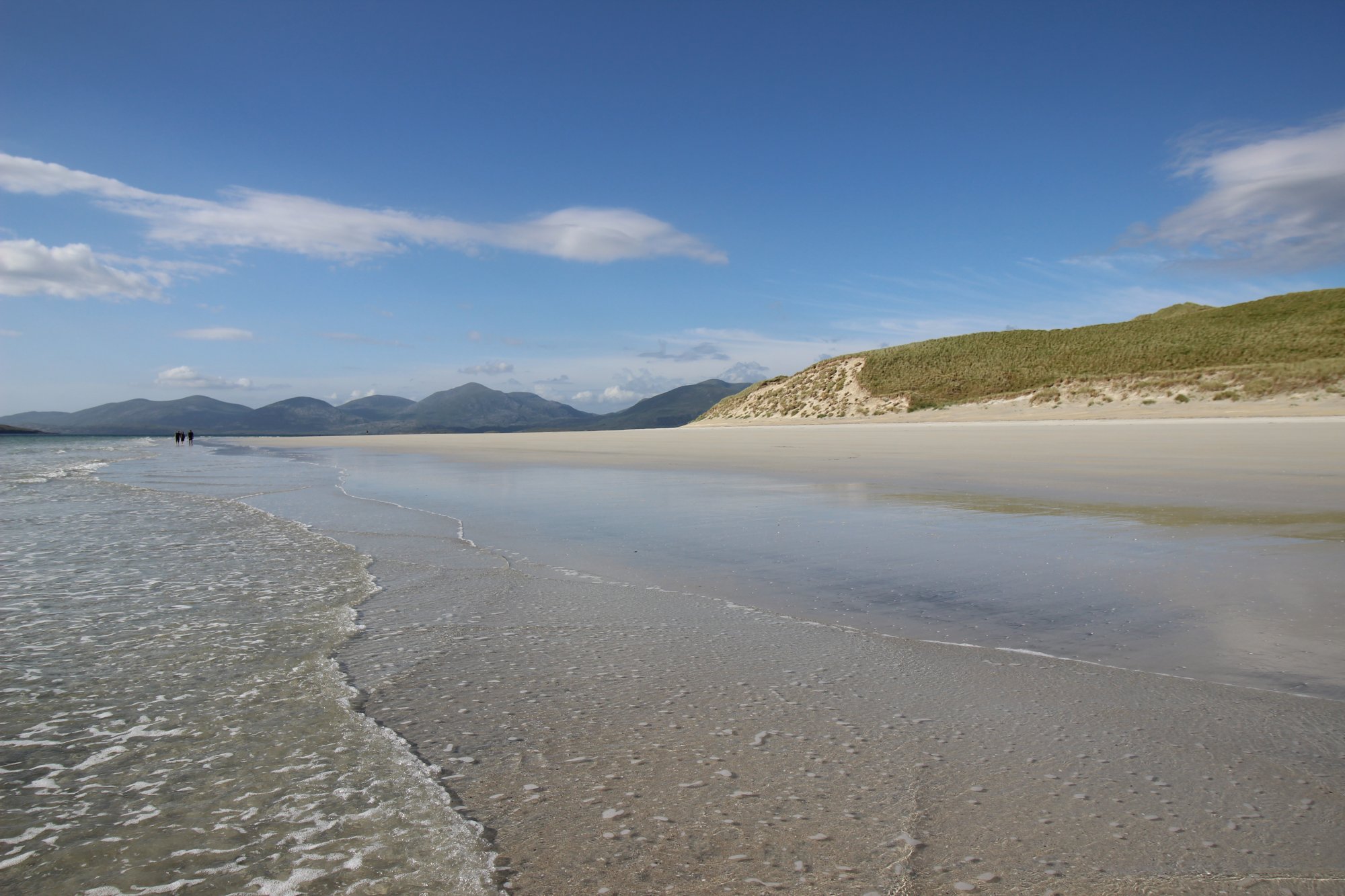
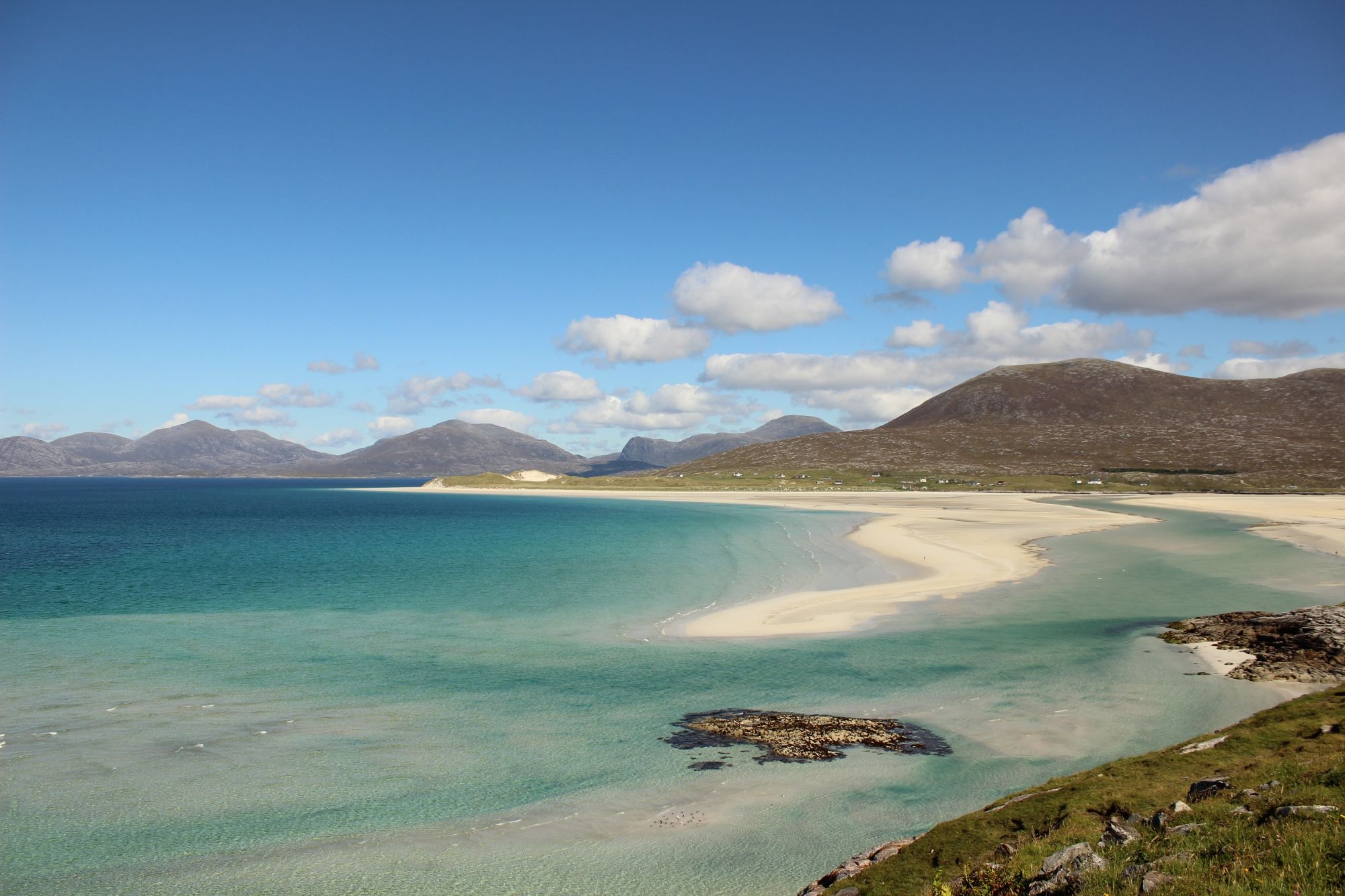
Many consider Luskentyre Beach (Tràigh Losgaintir) to be one of the most beautiful coastal landscapes in the United Kingdom. After three separate expeditions to the dramatic shores of the Isle of Harris, we wholeheartedly agree. Luskentyre is far more than a typical beach; it is a shifting, living masterpiece of nature where the wild North Atlantic crashes into a vast, pristine desert of white shell sand. It is famous worldwide for its "tropical" palette—an optical illusion where, depending on the shifting Hebridean light, the water oscillates between brilliant turquoise, shimmering emerald, and deep azure, completely defying Scotland's northerly latitude.
Geography and the "Golden Road" Misconception
Before exploring the wonders of the west coast, it is important to clarify a common travel misconception that catches many first-time visitors off guard. Many travellers assume that the island's famous Golden Road is the route that leads directly to these iconic white sands. It does not. The Golden Road actually winds strictly along the rugged eastern coast of Harris. It is an incredibly narrow, twisty single-track road that cuts through a harsh, rocky lunar landscape—offering an intimate look at the island's ancient gneiss "bones."
To reach Luskentyre and the great western beaches, you must instead take the main A859 road south from Tarbert. While the Golden Road is an unforgettable drive for understanding Harris's raw topography, the western "Beach Road" is where you will discover the sweeping, turquoise paradises of Seilebost, Horgabost, Sgarasta, and ultimately, Luskentyre itself.
A Tale of Three Trips: Our Personal Journey
Truly understanding Luskentyre requires seeing it from multiple angles, across different seasons, and under varying tidal conditions. Our journey to capture "the perfect Luskentyre" was a masterclass in patience, taking us five years and three distinct expeditions to fully piece together.
2020: The "Uneasy" Introduction
Our first encounter took place in 2020. As first-time visitors to the Outer Hebrides, we were utterly overwhelmed by the sheer scale and raw power of the landscape. We spent a busy morning hopping between the southern beaches of Harris, and by the time we finally reached Luskentyre in the afternoon, the secret was out. The main community car park was overflowing, and the cemetery parking area was completely closed. We were forced to park further back near a local sheep-shearing building. As respectful travellers, this left us feeling deeply uneasy and worried about inconveniencing the local crofting community. That lingering feeling of being "out of place," combined with a thickening Hebridean cloud cover, cut our visit short. Yet, even in the gloom, that brief glimpse of glowing emerald water framed by the dark, brooding mountains of North Harris left an indelible mark on our creative souls.
2023: Paradise Found
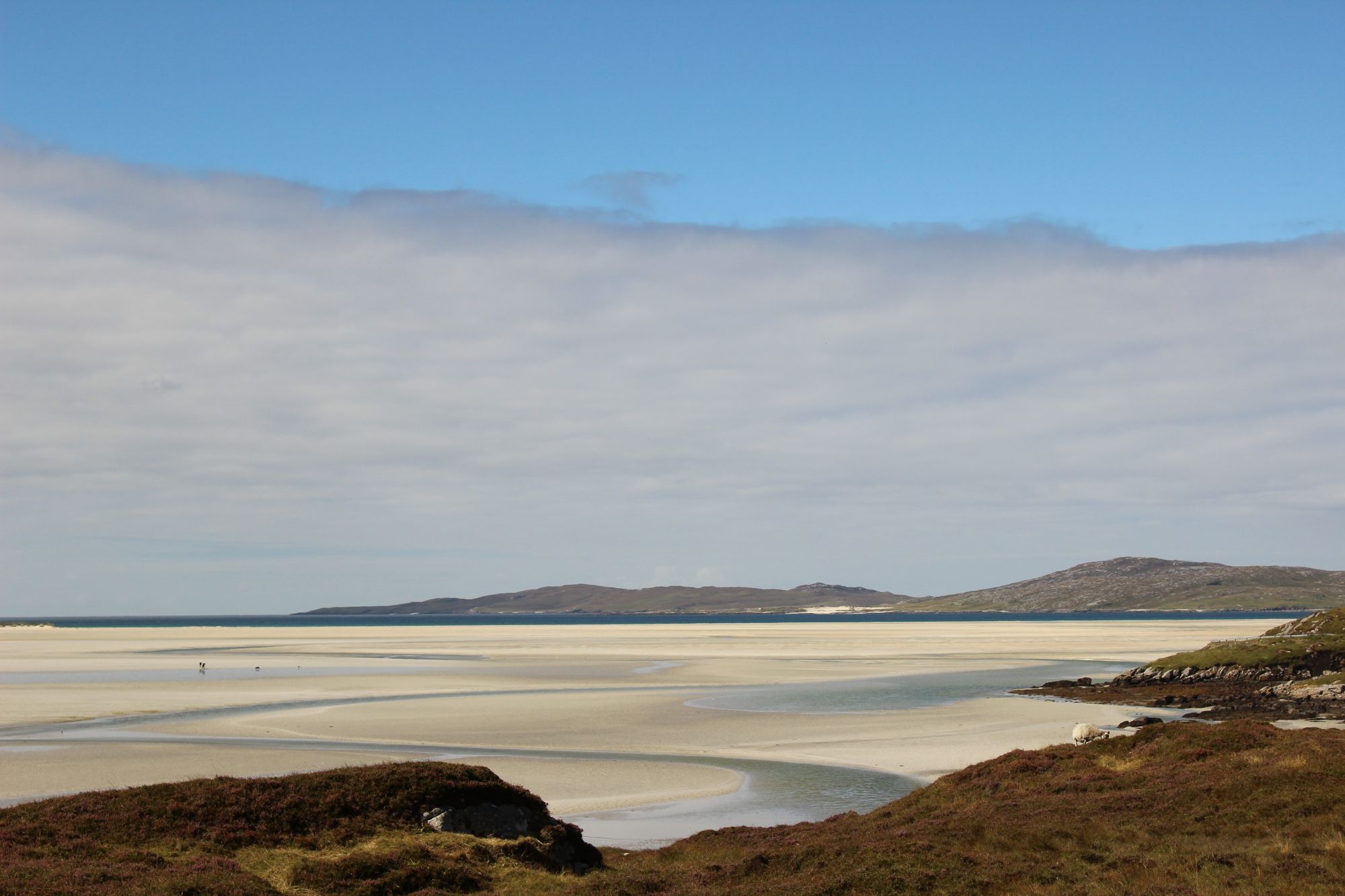
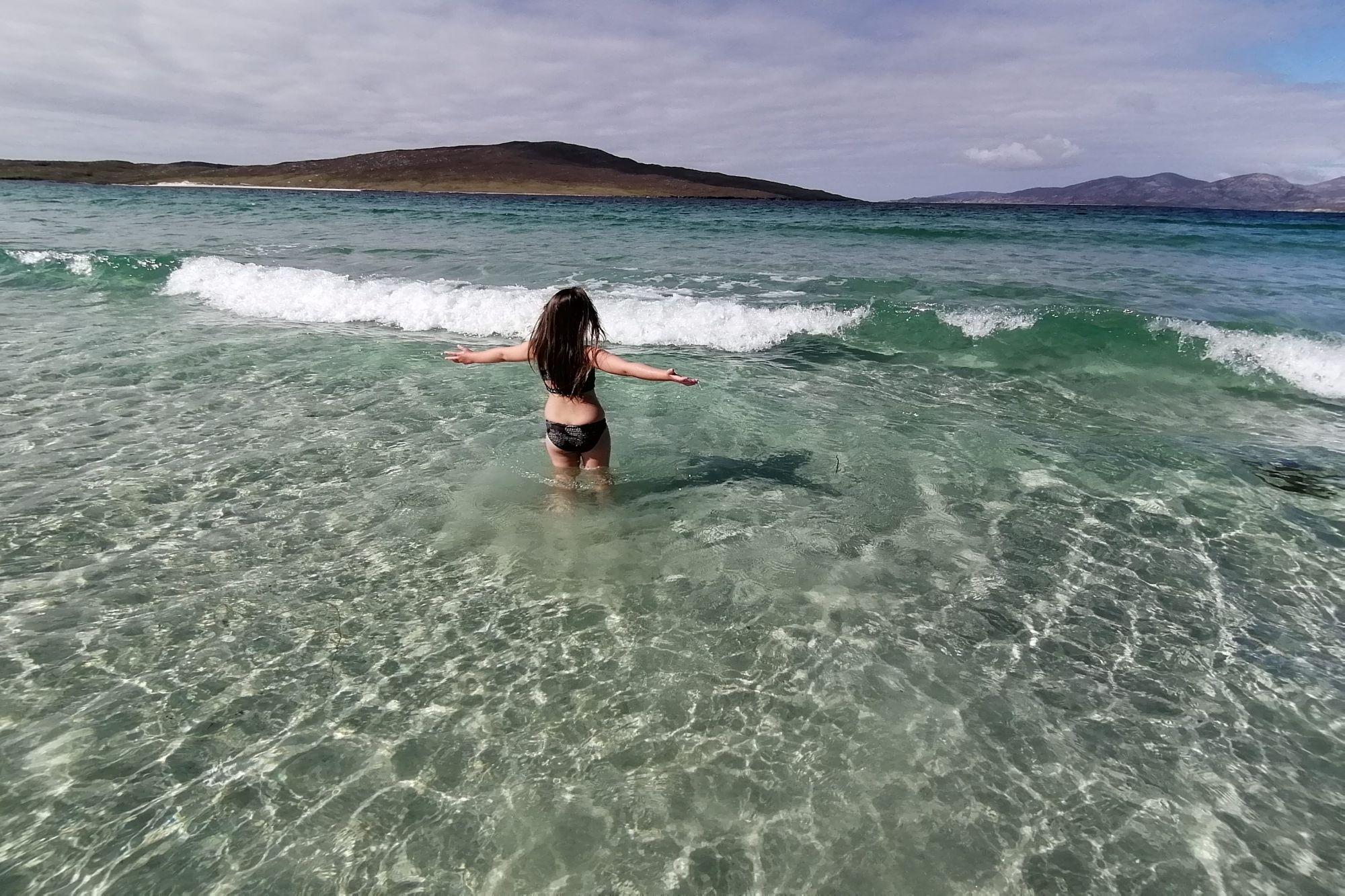
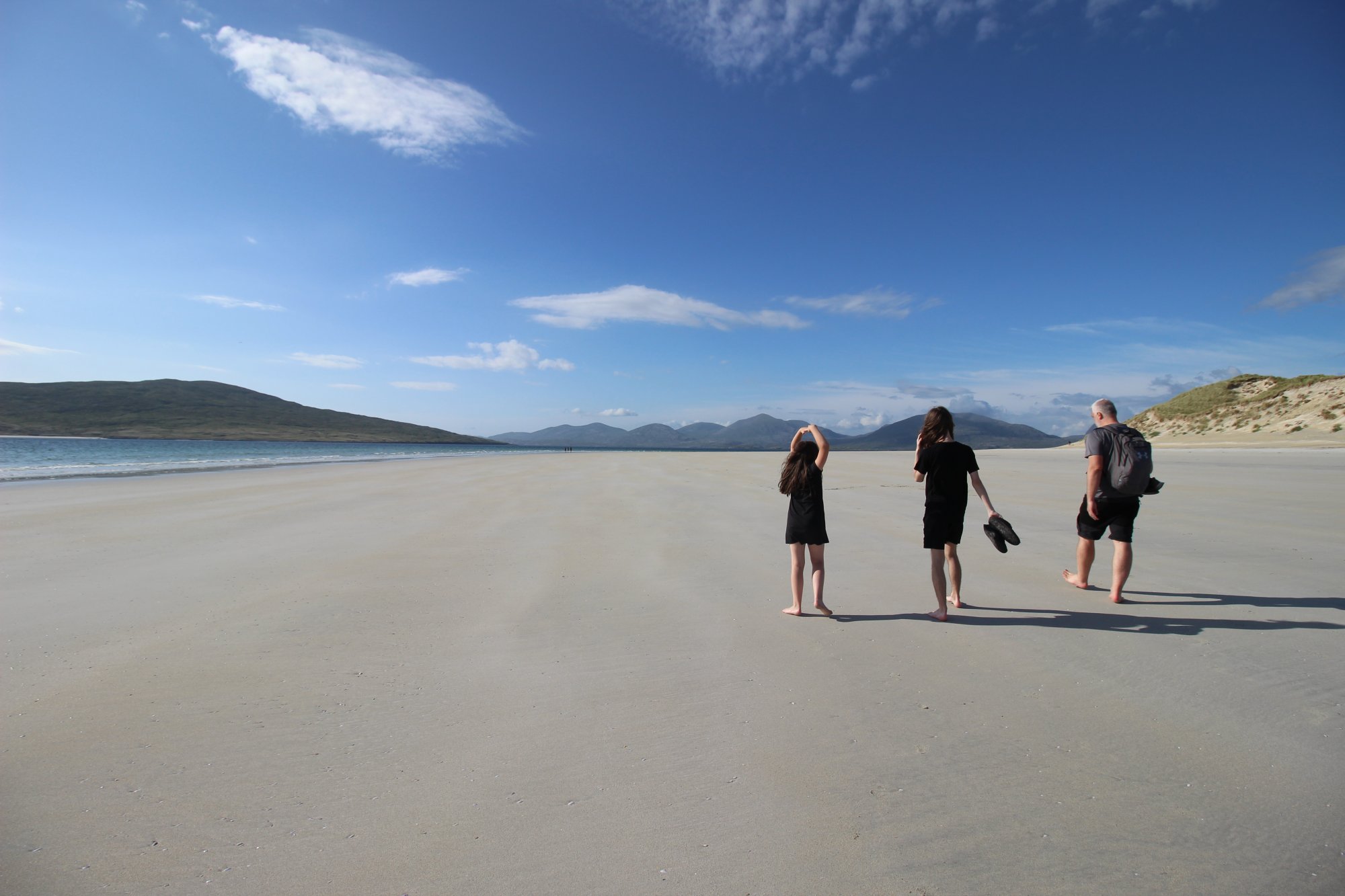
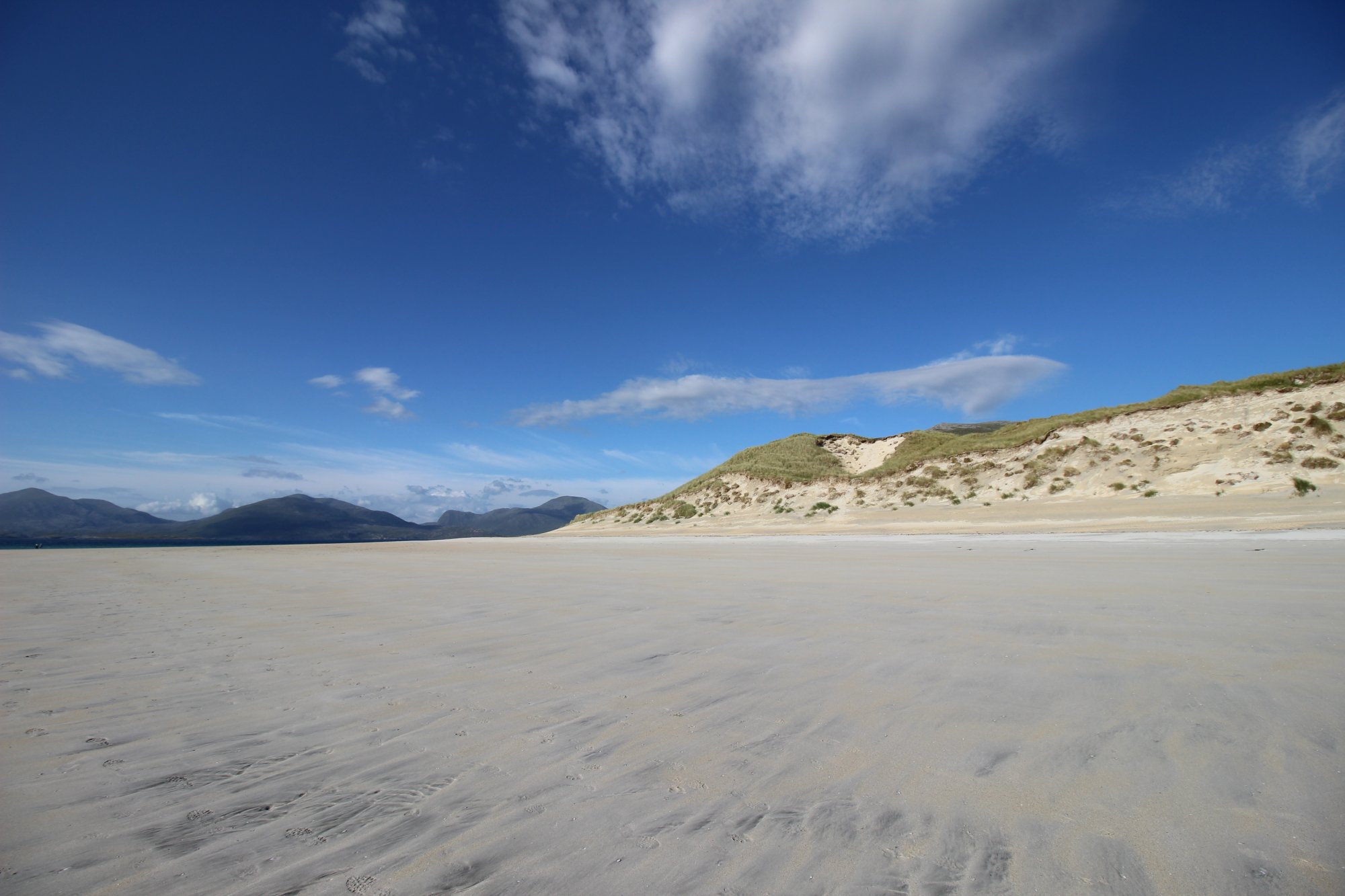
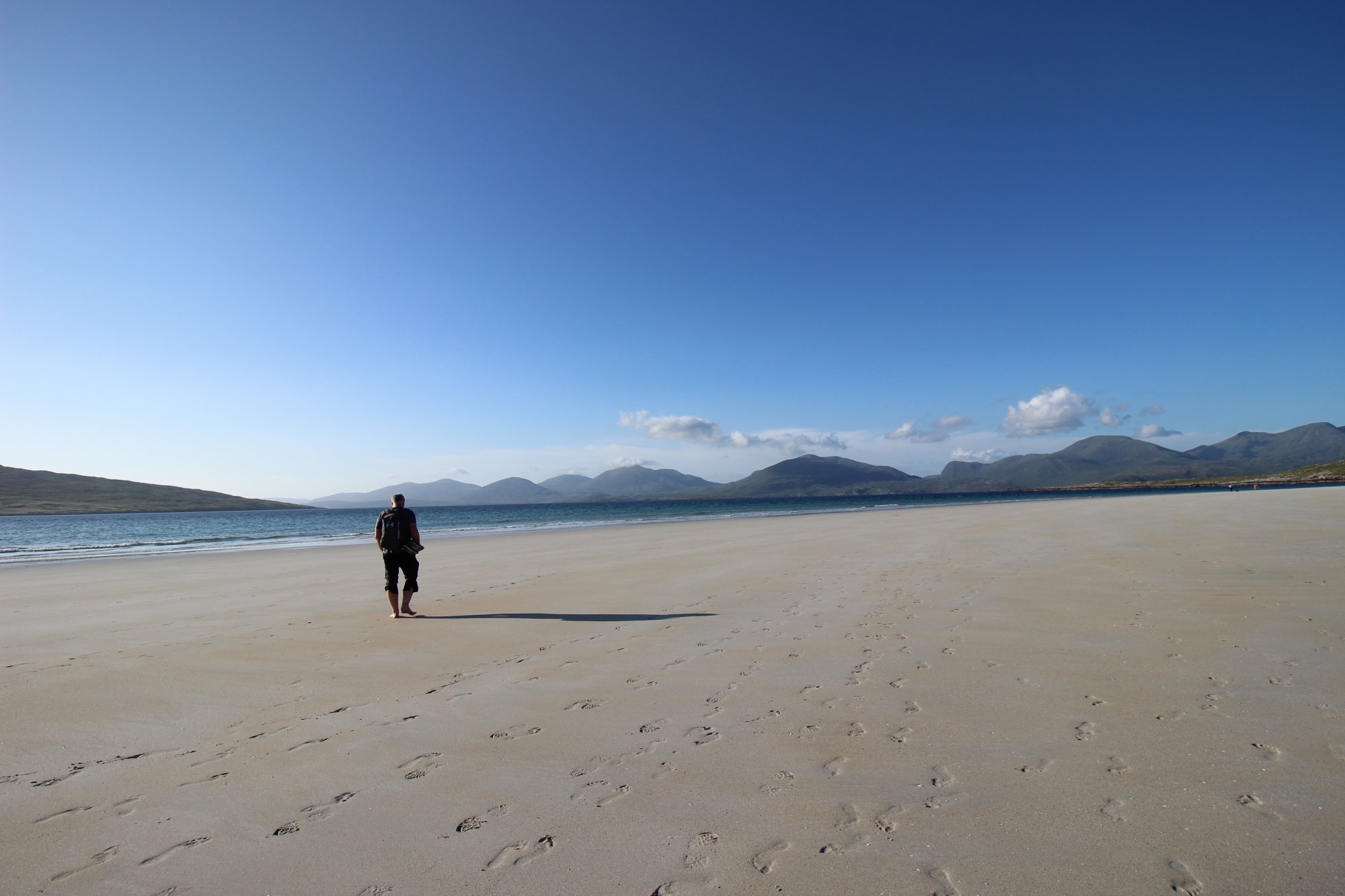
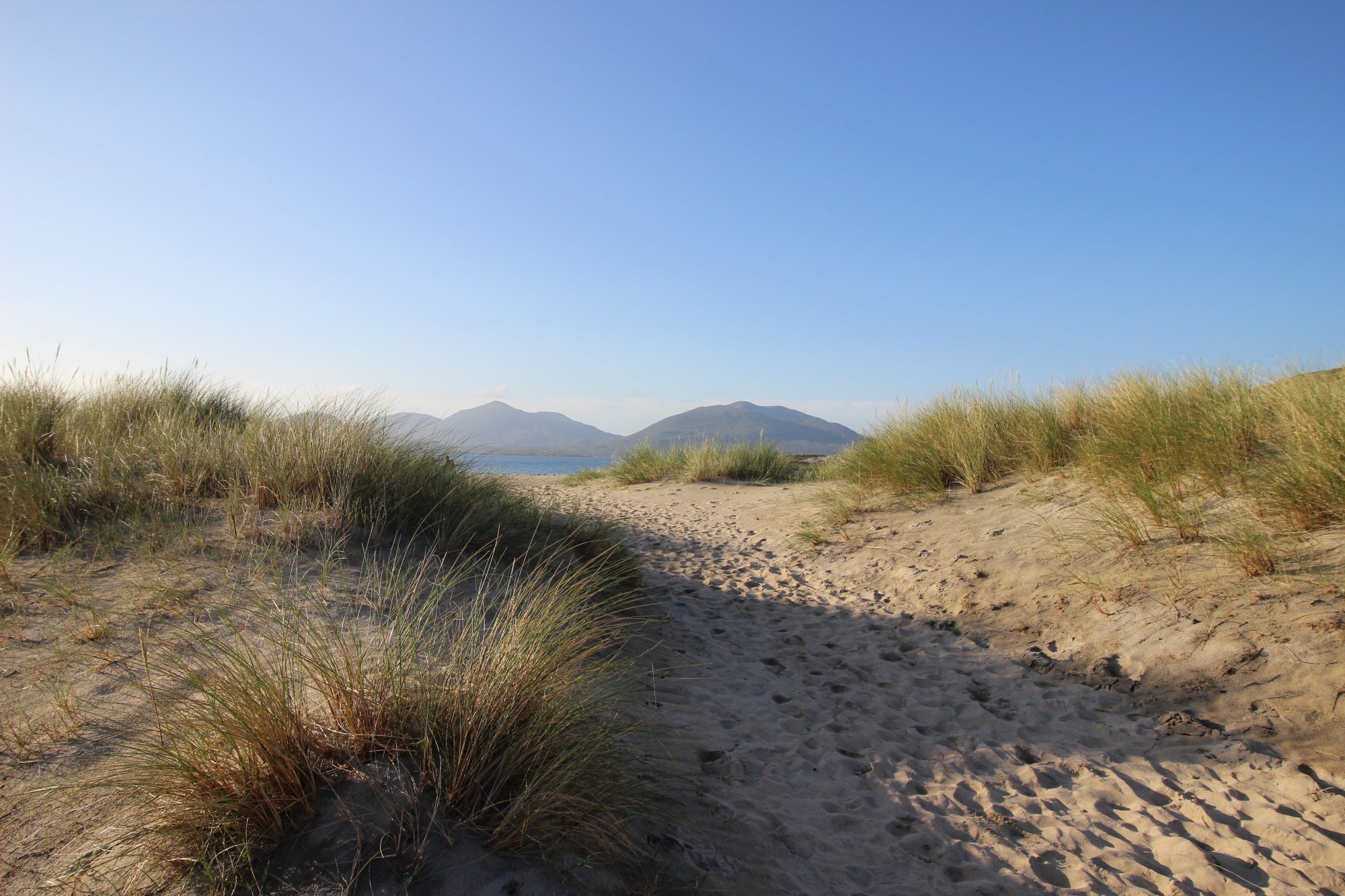
We returned in 2023 with a clear mission: to experience Luskentyre at its absolute finest. To maximize our chances with the notoriously unpredictable Hebridean weather, we split our stay equally between Harris and Lewis, creating a flexible "weather window." This time, the stars aligned perfectly. The cemetery car park was open, allowing us to park without stress and step onto the sands with a clear mind. We spent a truly magical afternoon on the beach with the kids, playing in the towering marram-grass dunes and walking the full, expansive length of the coast. At low tide, the sand recedes so far that it exposes the "serpentines"—braided tidal rivers that carve deep, winding paths through the white shell sand. We even braved a swim in the North Atlantic; the water here felt surprisingly warm compared to the deep lochs of Lewis, as the summer sun efficiently heats the vast, shallow sands before the tide rushes back in. It was absolute paradise.
2025: The Seilebost Perspective
Our most recent expedition in 2025 provided the final, missing piece of our visual puzzle. Instead of driving down the familiar Luskentyre road end, we traveled down the southern edge of the bay to the Seilebost side. From this vantage point, you are treated to a staggering, wide-angle panoramic view of the entire Luskentyre estuary. We captured cinematic footage of the beach from across the water, watching the tide rush with immense power into Loch Leosavay. Seeing Luskentyre framed globally by the towering northern mountains and the offshore silhouette of the Isle of Taransay gave us a profound new appreciation for the scale of the Outer Hebrides. For creators and travellers looking to avoid the summer crowds at the main lot, the Seilebost viewpoint offers a quieter, deeply meditative way to admire the sands.
The Famous Residents: The White Ponies
No visit to this coastline is complete without keeping an eye out for Luskentyre's most famous and beloved inhabitants: the white Highland ponies. Regularly spotted roaming freely among the rolling dunes or resting near the green croft sheds by the cemetery, these beautiful animals (most notably Toby and Isla) have become true icons of the beach. While they are incredibly photogenic, friendly, and accustomed to seeing visitors, it is vital to remember that they are not wild animals. They belong to a local crofting family who cares for them deeply. Visitors should always maintain a respectful distance, give them plenty of space, and absolutely never feed them, as outside food can severely disrupt their natural diet and health.
Essential Practical Information for 2026
Parking and Community Respect: There are two primary parking areas serving the beach. The small, main beach car park features basic public toilet facilities and is carefully maintained by the local community; a cash donation into the honesty box is highly appreciated to support its upkeep. The larger Cemetery Car Park is strictly for daytime visitor use. Please treat this area with the utmost sensitivity and respect—this is a sacred place of rest for local families. Never block the cemetery gates, ensure your vehicle leaves plenty of room for agricultural machinery, and never park overnight in this lot.
Tidal Caution and "Serpentines": At low tide, the bay opens up completely, tempting you to walk nearly all the way across the sand toward Seilebost. However, the Atlantic tide returns across these flat sands with terrifying speed. The shallow "serpentine" rivers can deepen into rushing channels within a matter of minutes, easily cutting you off from the shore. Always consult a local tide table before setting out and keep a constant watch on the rising water level.
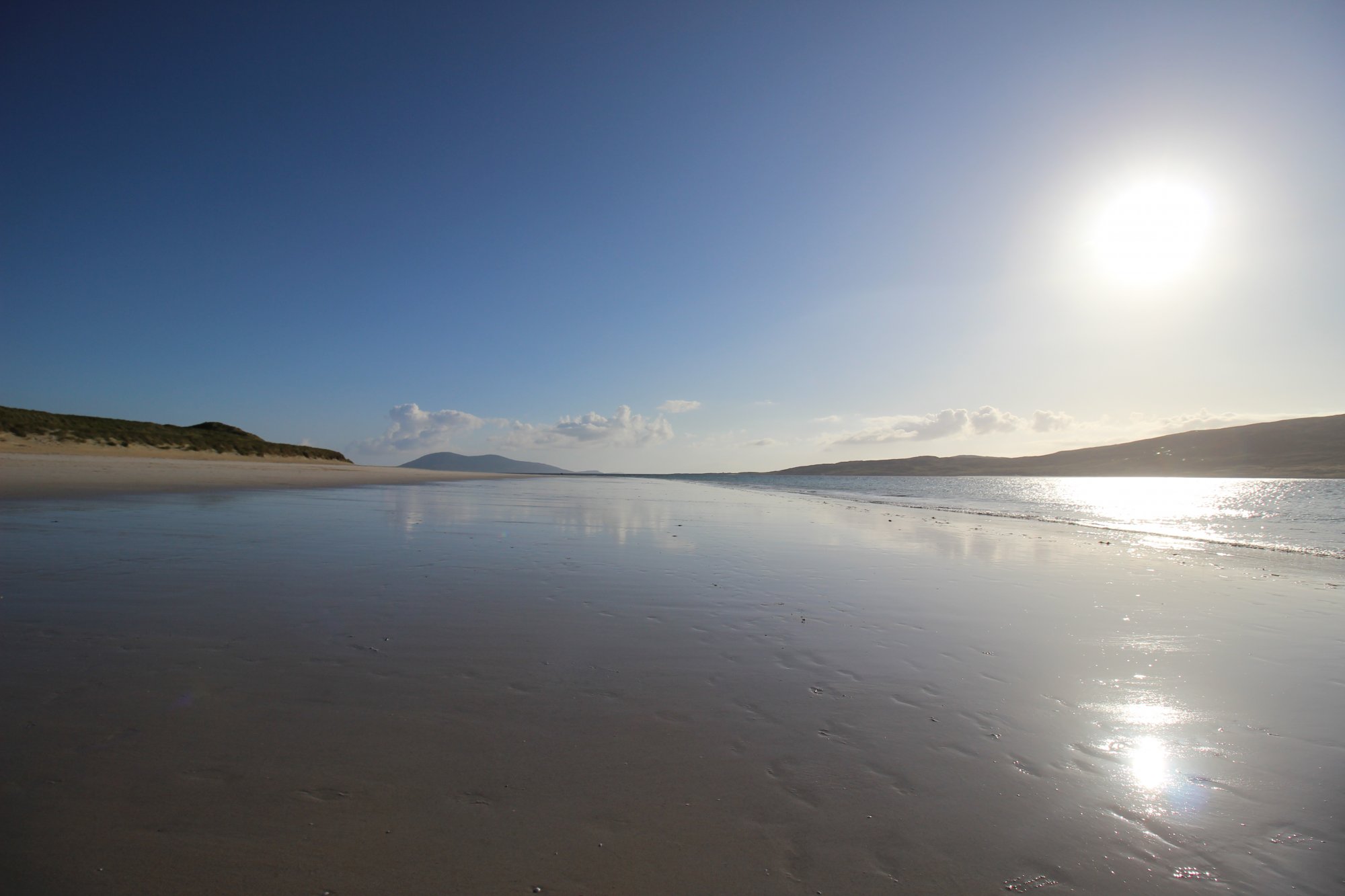
Photography and Cinematography Tips: To capture that legendary, glowing "tropical" look, plan your shoot for the sweet spot between mid-tide and low tide. This is when the water becomes shallow enough to allow light to penetrate completely, reflecting off the white shell sand below to create glowing sheets of turquoise. A high-quality Circular Polarizing (CPL) filter is an absolute necessity here to cut through the intense water glare, saturate the blues, and reveal the incredible underwater patterns of the sandbars.