


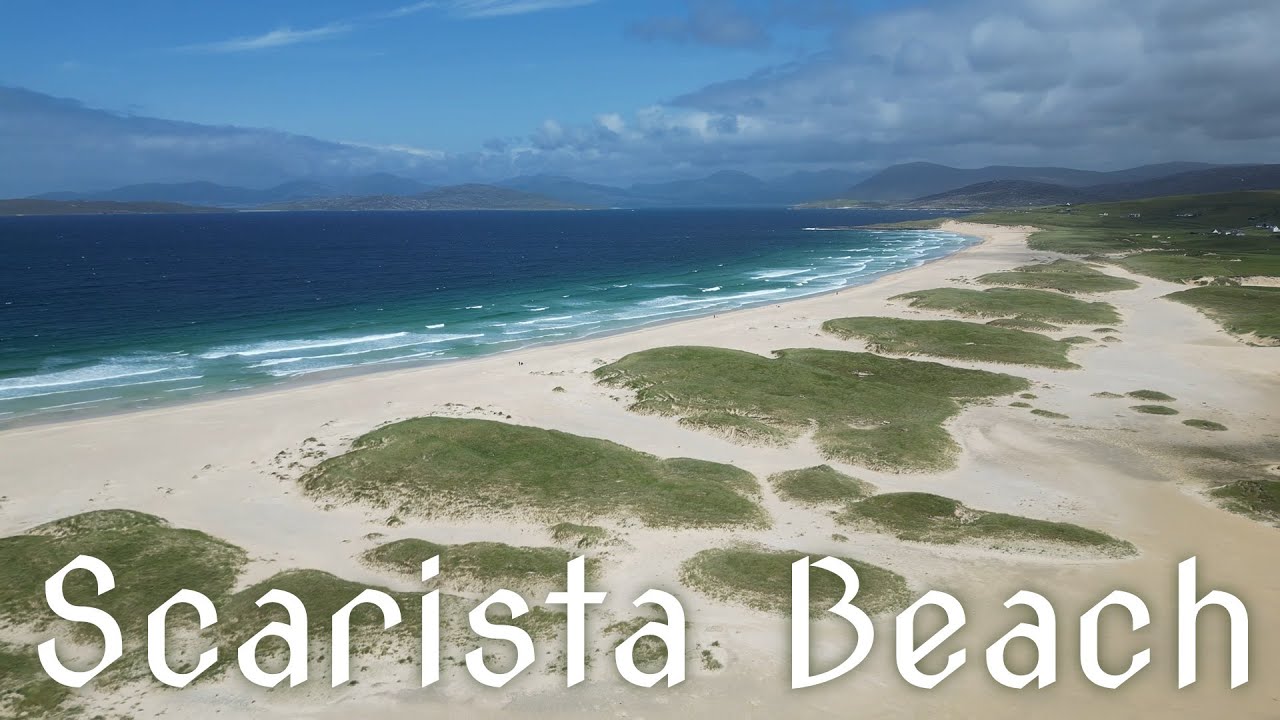

The Atlantic Horizon: Unveiling the Raw, Mountain-Framed Majesty of Scarista Beach
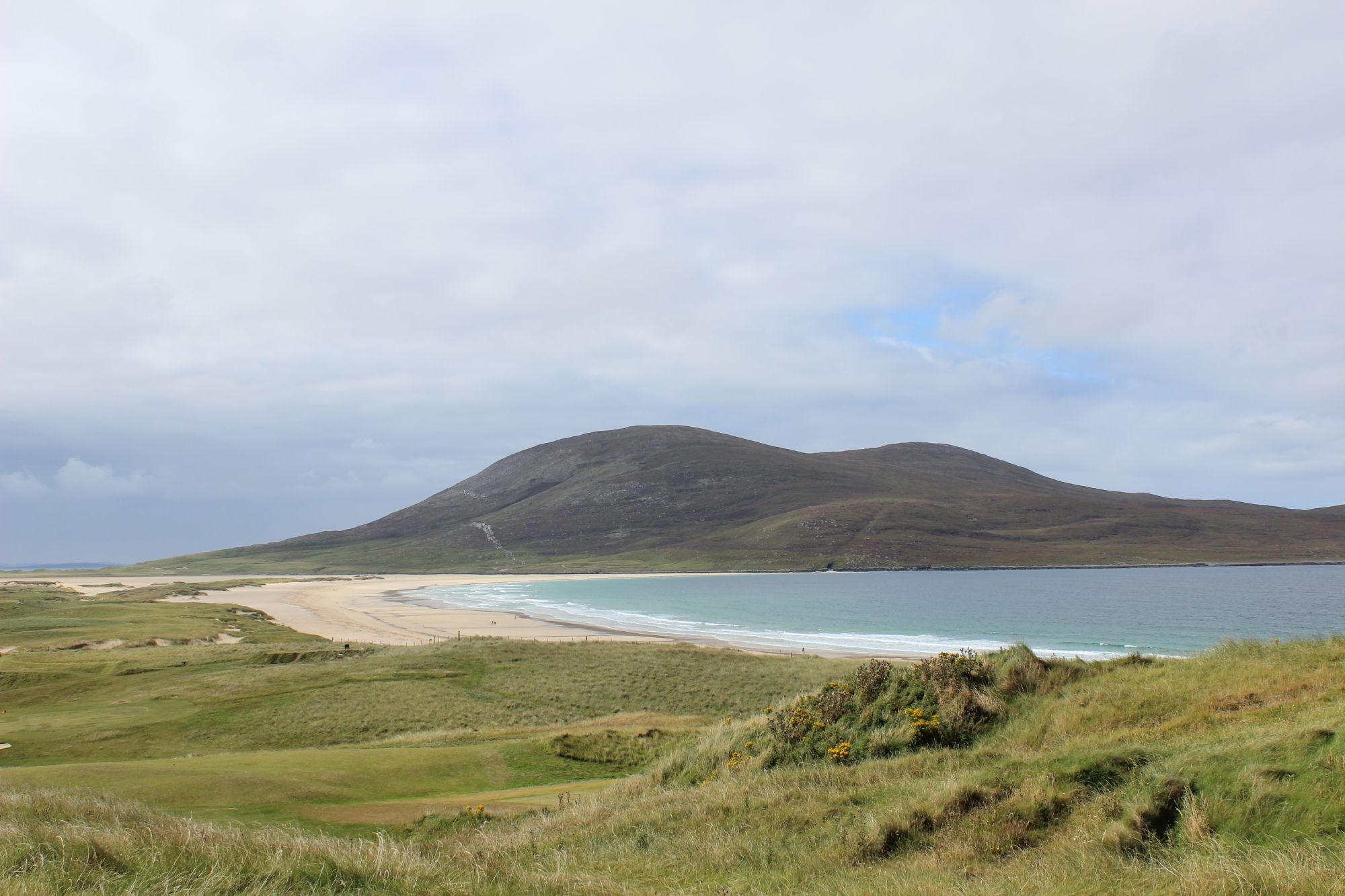
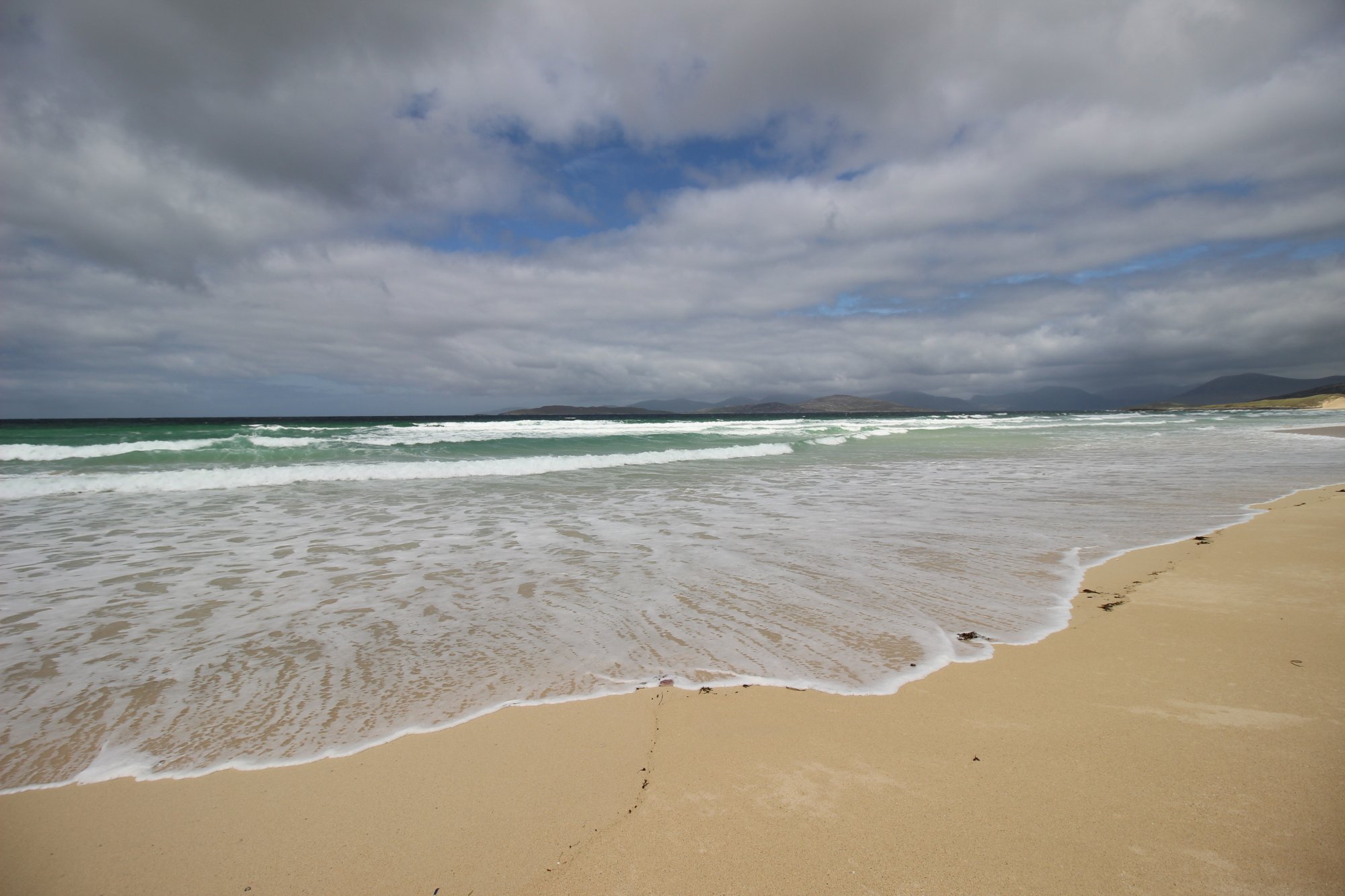
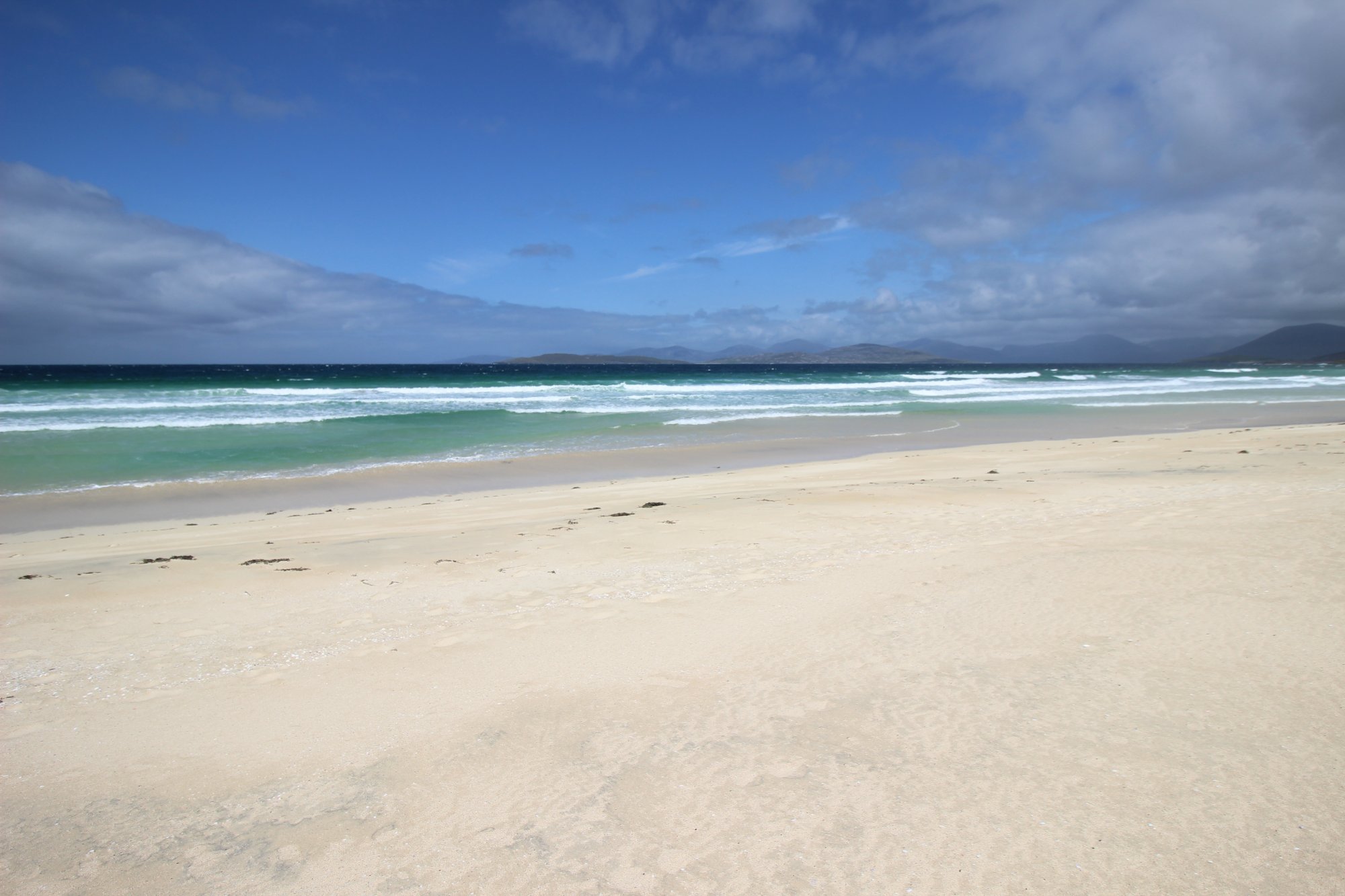
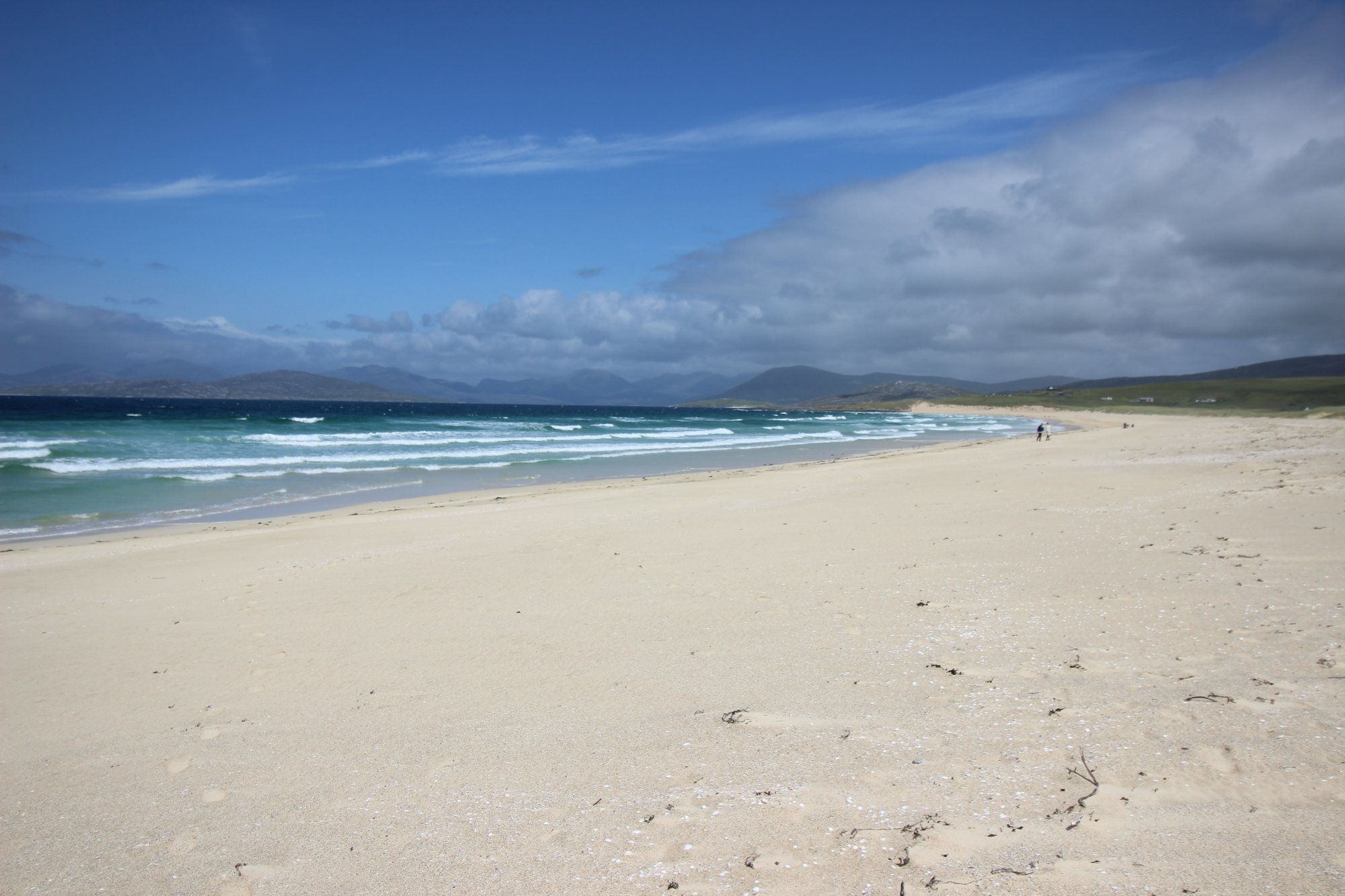
Facing the unbroken, high-velocity elements of the North Atlantic on the south-western coast of the Isle of Harris, Scarista Beach stands as an elite symbol of Hebridean wilderness. Spanning several miles of blindingly bright, crushed-shell golden sand backed by massive, wind-sculpted dune systems and the towering, moody peaks of the Harris hills, this breathtaking expanse carries a deep sense of elemental scale. Because it is highly exposed to the open sea, Scarista escapes the calmer feel of neighboring bays, offering a magnificent, high-contrast arena where massive Atlantic rollers crash directly onto the shoreline beneath a vast, ever-changing sky. For independent filmmakers, wild campers, and nature photographers, it represents the absolute epitome of edge-of-the-world solitude.
The Geography of the Sound of Taransay
The physical layout of Scarista Beach is beautifully designed to maximize natural lighting transitions, grand geometric scale, and environmental perspective. Every zone offers completely unique textures and scales for visual exploration:
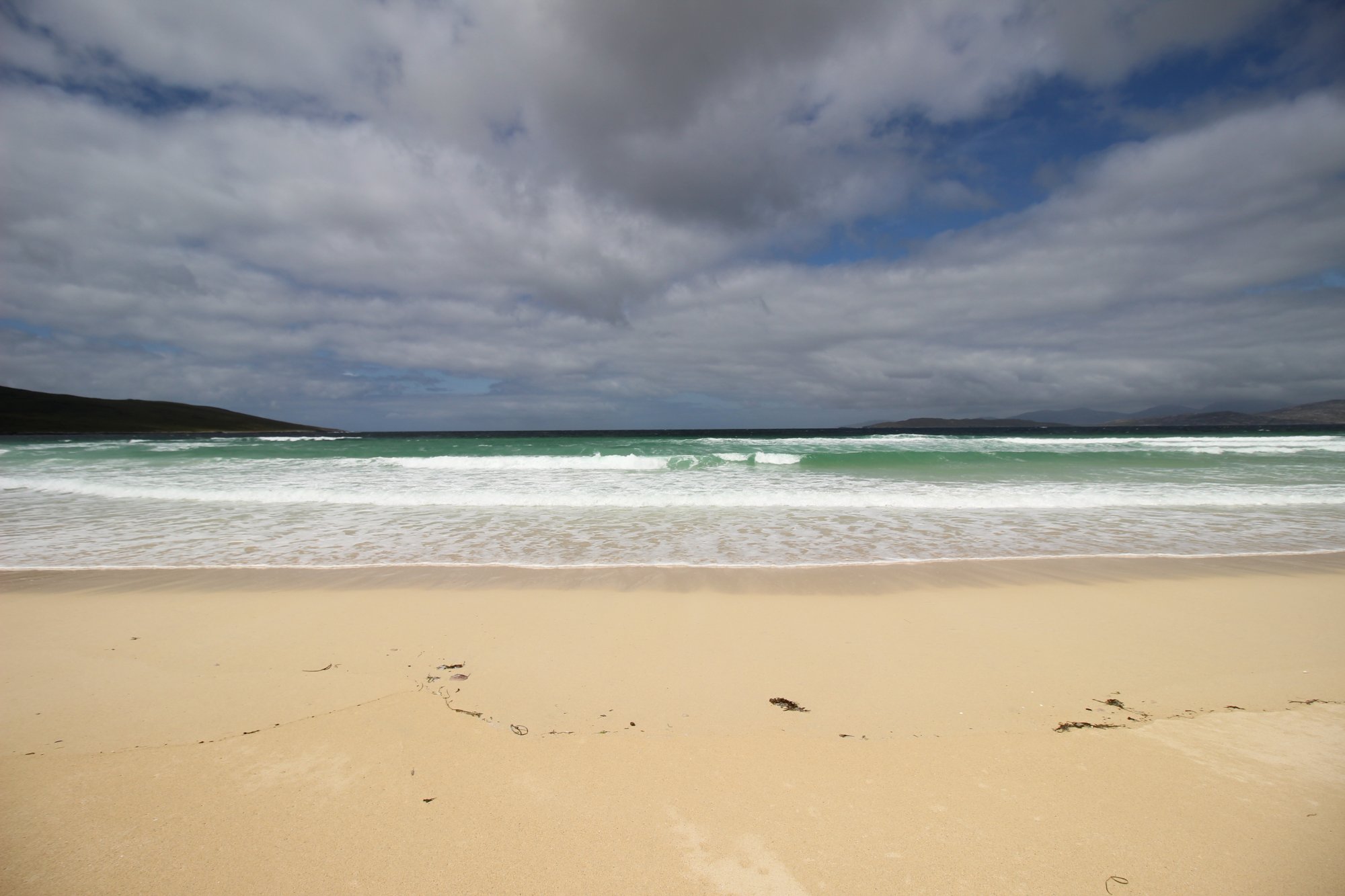
- The Golden Crescent: A massive, wide-open highway of fine sand that reflects the low northern sun like a giant mirror. The high concentration of crushed shell fragments gives the sand a distinctive luminescent quality, shifting from brilliant white under direct sunlight to deep amber tones during late-afternoon transitions.
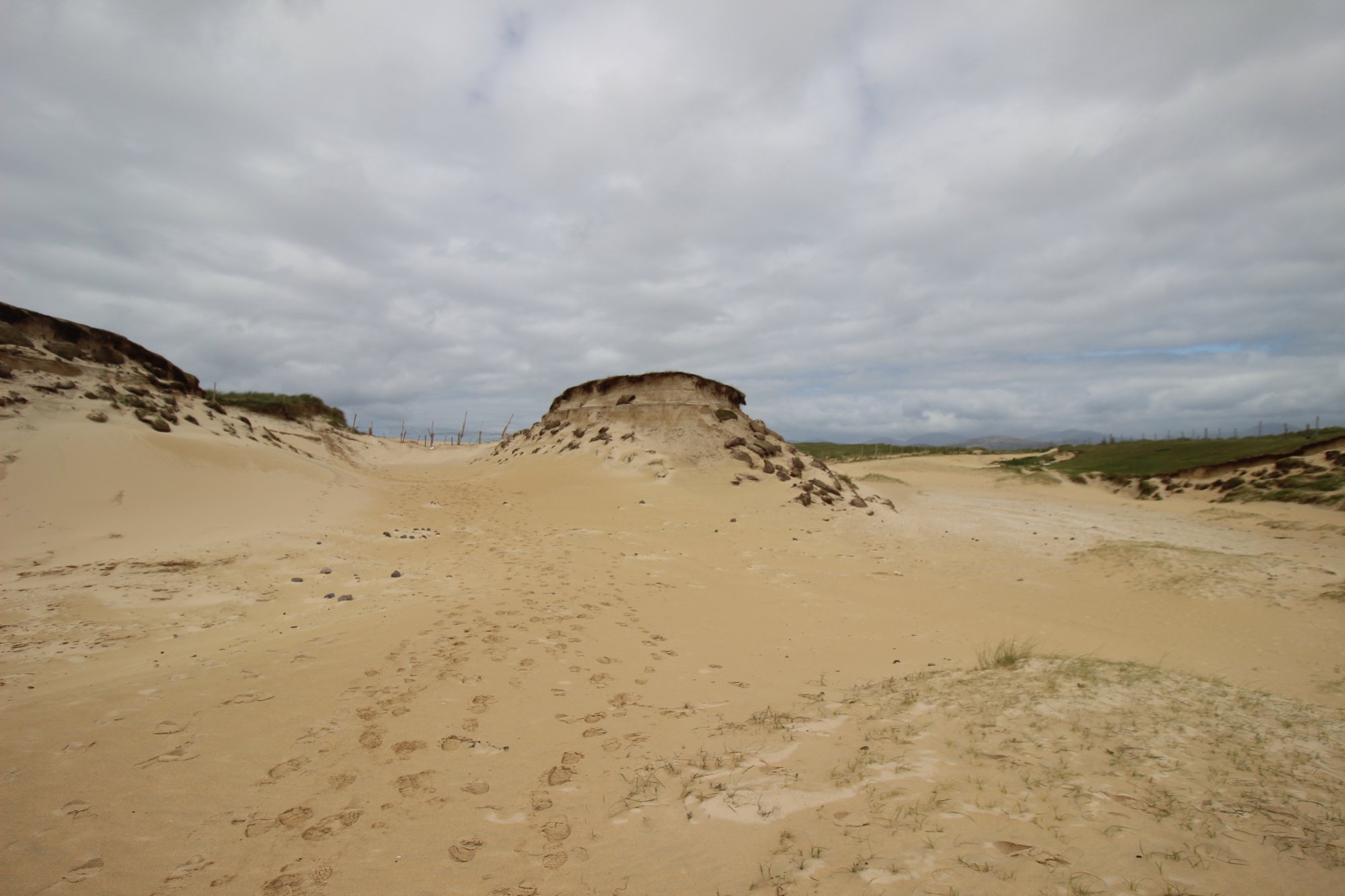
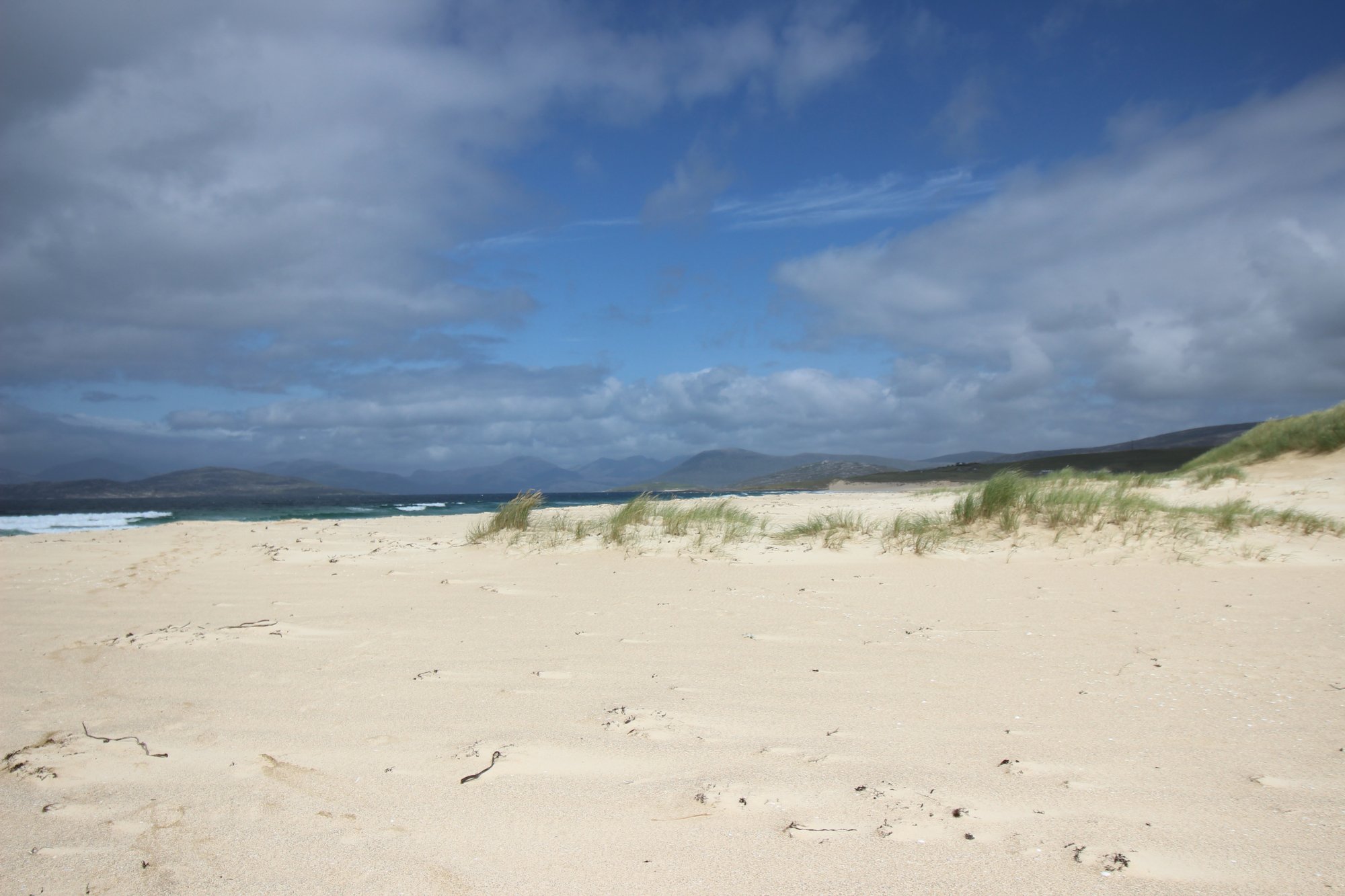
- The Dune Wall and Machair: The beach is backed by an exceptionally large, fragile system of sand dunes blanketed in traditional machair grass. During the summer months, this coastal turf erupts into a vibrant carpet of wild clover, orchids, and coastal flora, providing a rich green foreground element against the turquoise surf.
- The Mountain Horizon: Looking northward across the boiling surf of the Sound of Taransay, the wild, uninhabited island of Taransay rises dramatically from the waves, while the dark, glaciated ridges of the North Harris mountains frame the entire background of the landscape.
Practical Amenities and Seasonal Visitor Logistics
The site is beautifully preserved and entirely uncommercialized, meaning visitors must approach with careful planning and an independent self-sufficiency mindset:
- Transit and Access: Located directly off the main A859 road about 15 miles south of Tarbert, the beach is highly accessible yet retains its wild character. A modest, unpaved gravel parking area is situated near the historic, white-washed Scarista House. From the car park, a short, scenic 10-minute walk along a grassy sheep path leads through the dunes straight to the open sand.
- On-Site Infrastructure: In keeping with its pristine wilderness status, there are absolutely no public toilets, refuse bins, or commercial shops on the beach. Travelers must adhere to strict Leave No Trace principles, carrying all campsite waste back to the main recycling hubs in Tarbert or Leverburgh.
- Wild Camping: Under Scotland's Outdoor Access Code, wild camping with compact backpacking tents is permitted within the dunes. However, because Scarista faces the open Atlantic, high-velocity gales can materialize instantly; campers must ensure their shelters are high-quality and heavily secured with specialized sand pegs. Open fires are strictly prohibited to protect the delicate machair ecosystem.
Essential Creator and Media Production Advice
For travel content creators, landscape photographers, and digital asset producers, Scarista Beach acts as a spectacular, light-filled natural studio. The lack of shelter means lighting and environmental variables must be managed carefully:
- Cinematography and Light Management: The massive contrast between the highly reflective white sand, brilliant turquoise water, and dark mountain profiles requires precise exposure control. Utilizing a high-efficiency Circular Polarizer (CPL) is critical to cut through the heavy surface glare of the shallows, instantly saturating the intense blue-green gradients of the water. To emphasize the immense scale of the landscape, filming should be scheduled during the late afternoon golden hour just before sunset, when the low angle of the sun casts long, dramatic shadows across the dune ridges.
- Audio Isolation and Wind Control: Sanna and Scarista are fully exposed to high-velocity coastal winds, making heavy-duty carbon fiber tripods essential to eliminate micro-jitter in wide landscape tracking shots. To capture the pure, cinematic audio of the location, set up a field recorder equipped with a professional, multi-layered fur windjammer down in the sheltered lee of the dune walls. This cleanly isolates the deep, low-frequency roar of the Atlantic surf from the high-velocity gusts tearing across the open sand flats. A variable ND filter will allow you to maintain wide apertures ($f/1.8$ to $f/2.8$) to create a creamy, cinematic separation between the coastal wildflowers in the foreground and the razor-sharp mountain peaks on the horizon.
Conclusion: A Monumental Confluence of Sea and Sky
Scarista Beach represents the absolute pinnacle of the Outer Hebrides' wild, uncompromised coastal beauty. By seamlessly matching immense geological scale with a breathtaking, island-studded horizon, pristine shell sands, and an atmosphere of absolute, isolated serenity, this Harris treasure leaves an indelible mark on every creative explorer. It stands as a timeless, essential sanctuary—a spectacular, light-infused arena where the quiet whispers of the machair meet the thunderous roar of the Atlantic Ocean, challenging and inspiring the modern urban traveler.