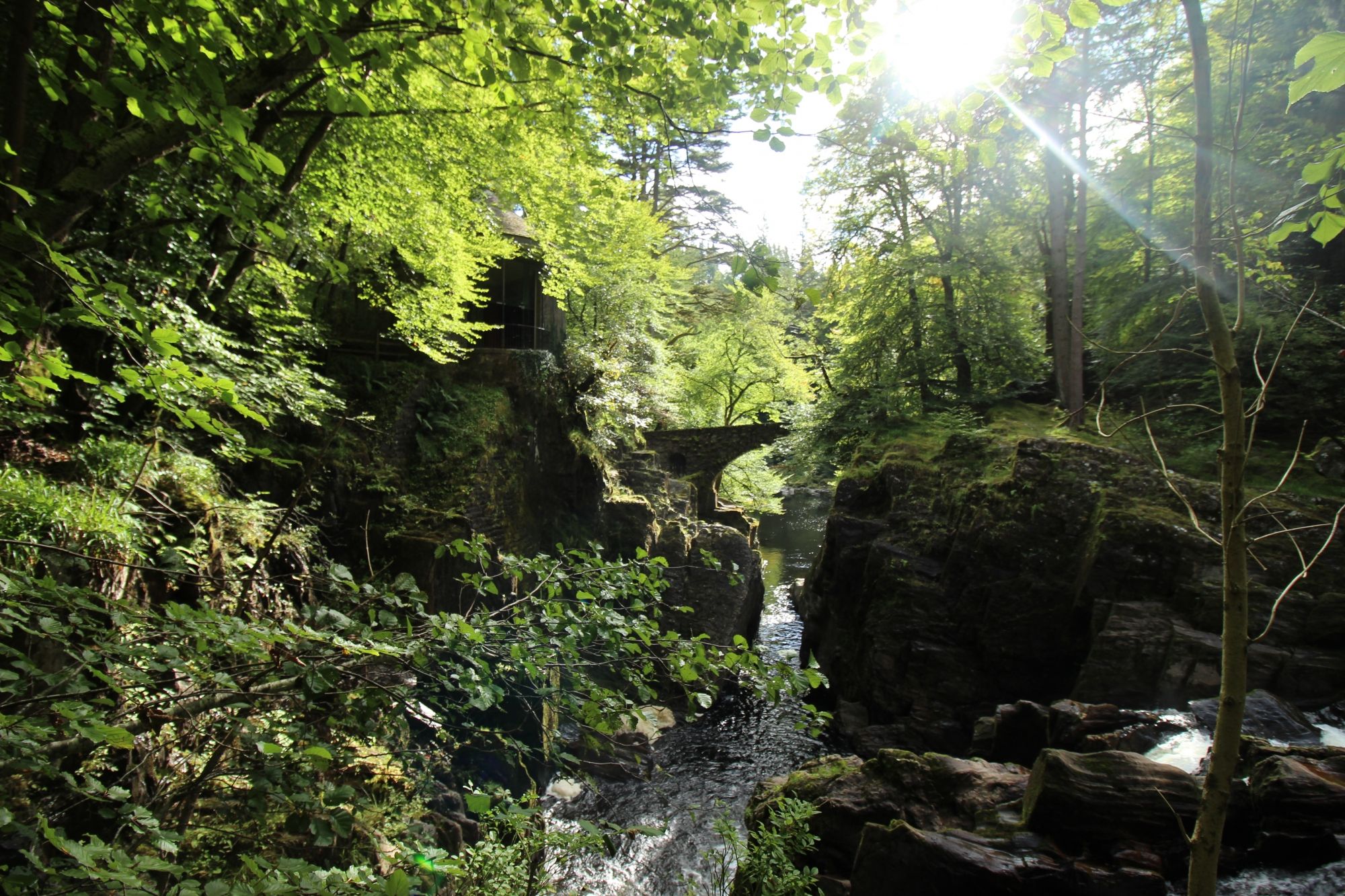



The Hermitage and Black Linn Falls: A Masterpiece of Romantic Landscape
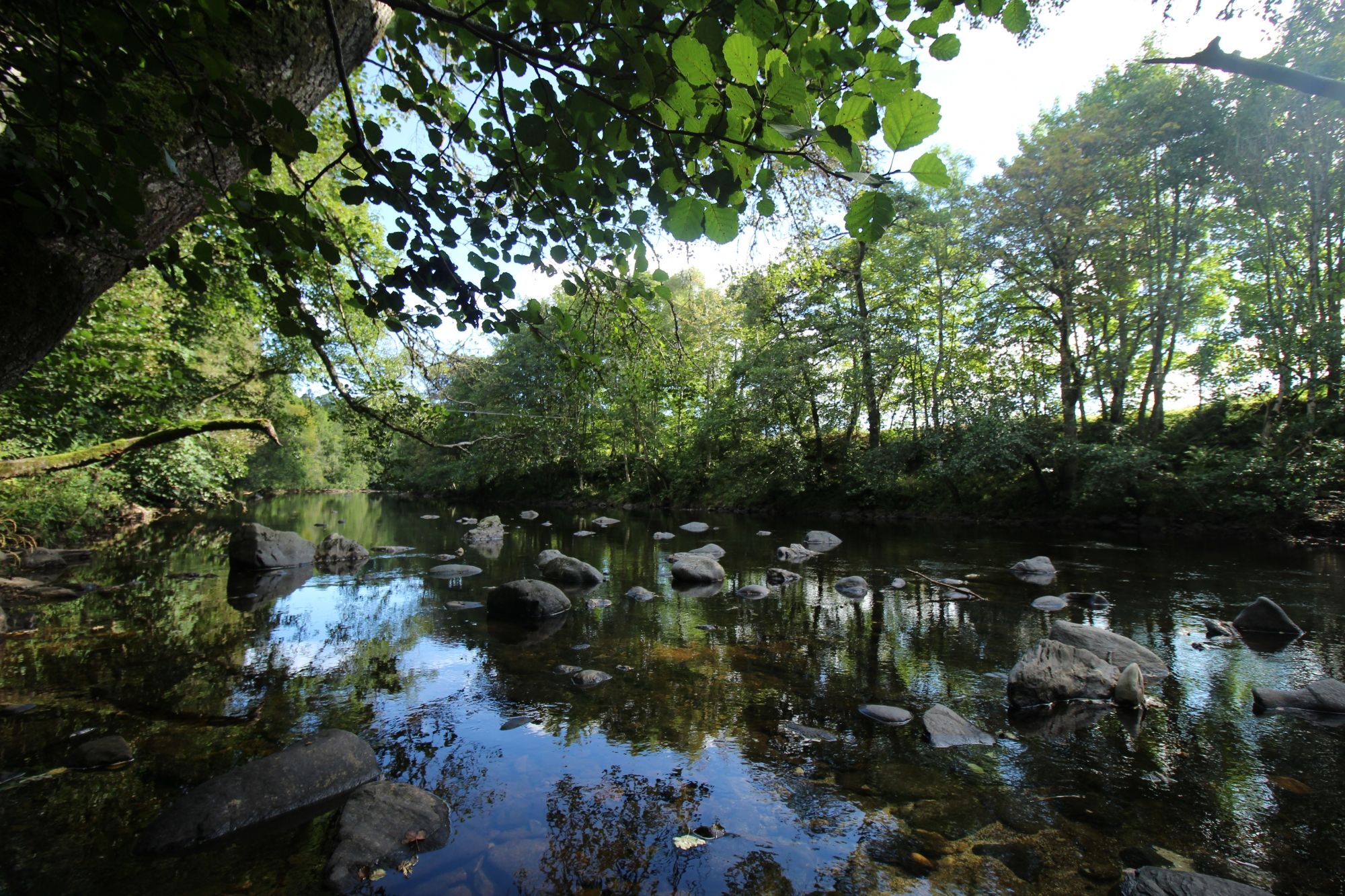
Located just off the A9 near the historic town of Dunkeld, The Hermitage is a spectacular stretch of Perthshire woodland that serves as a living monument to the 18th-century "Pleasure Ground" movement. Originally designed for the Dukes of Atholl, this site on the banks of the River Braan is where wild Scottish nature meets deliberate, ornate design. In 2026, it remains one of the National Trust for Scotland’s most visited gems, famous for its record-breaking trees, its mysterious folklore, and the thunderous power of the Black Linn Waterfall. Walking through The Hermitage is like stepping into a romantic painting, where the scale of the forest and the roar of the water conspire to create a sense of timeless wonder.
Ossian’s Hall and the Drama of Black Linn
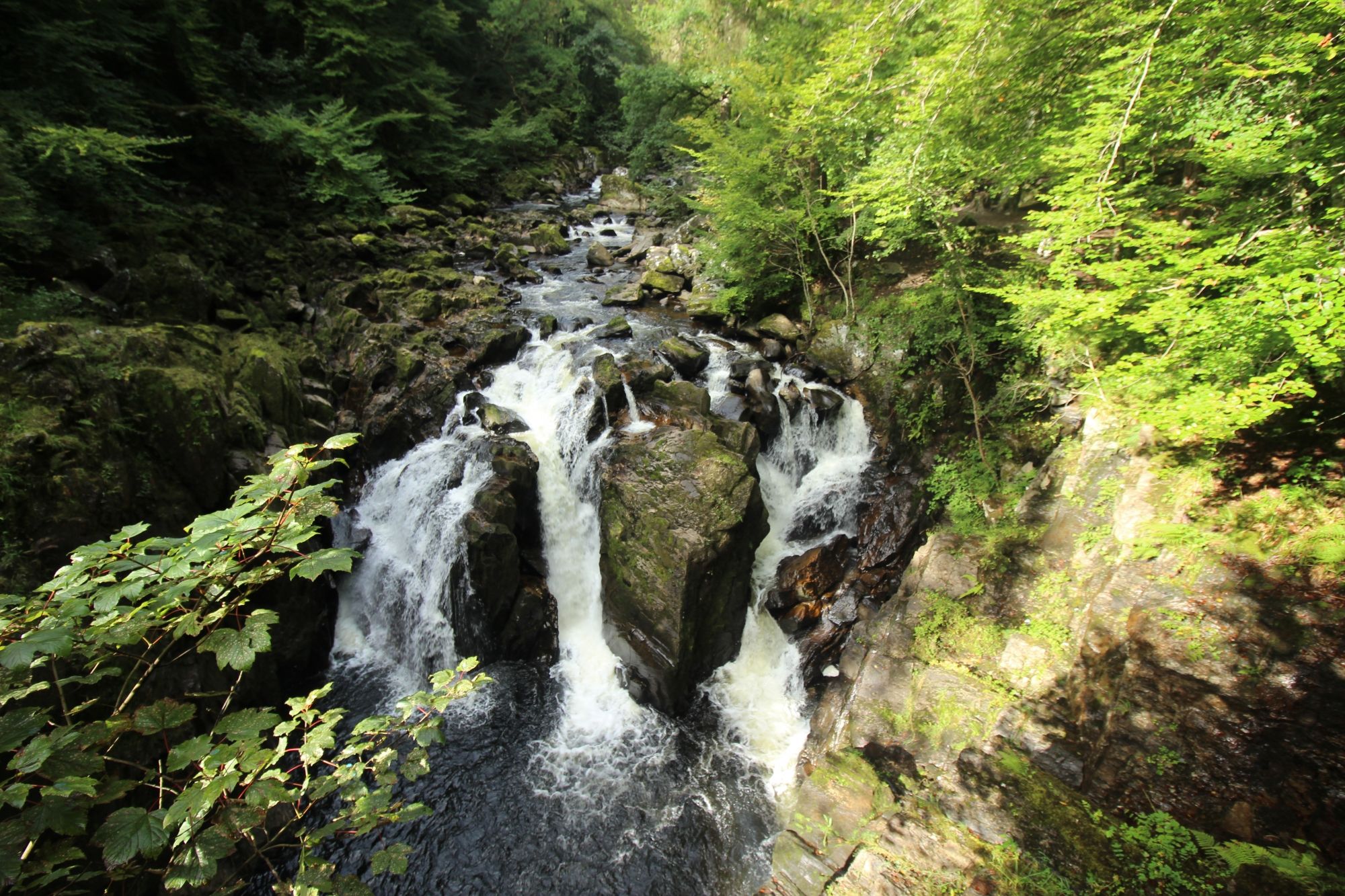
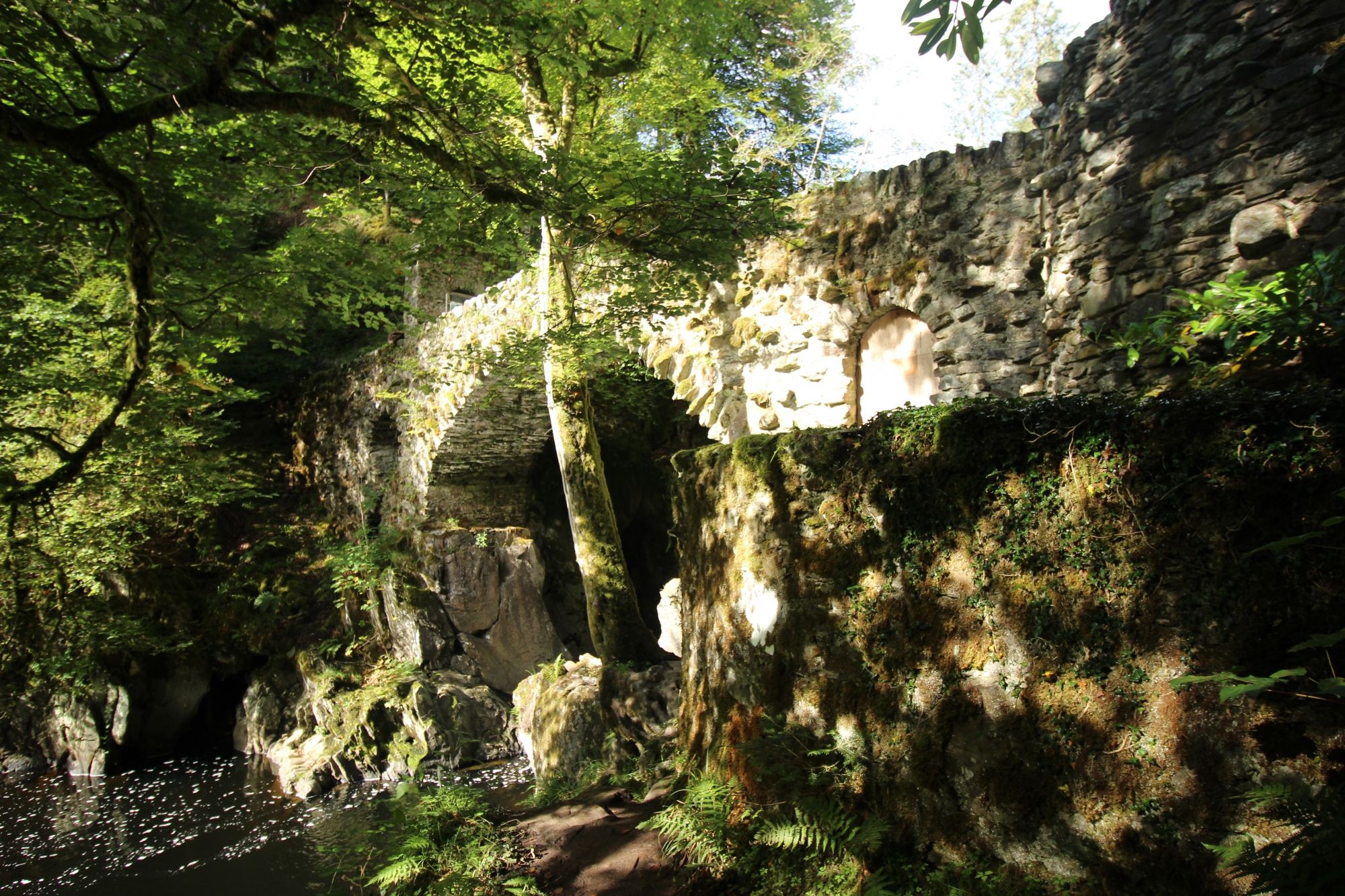
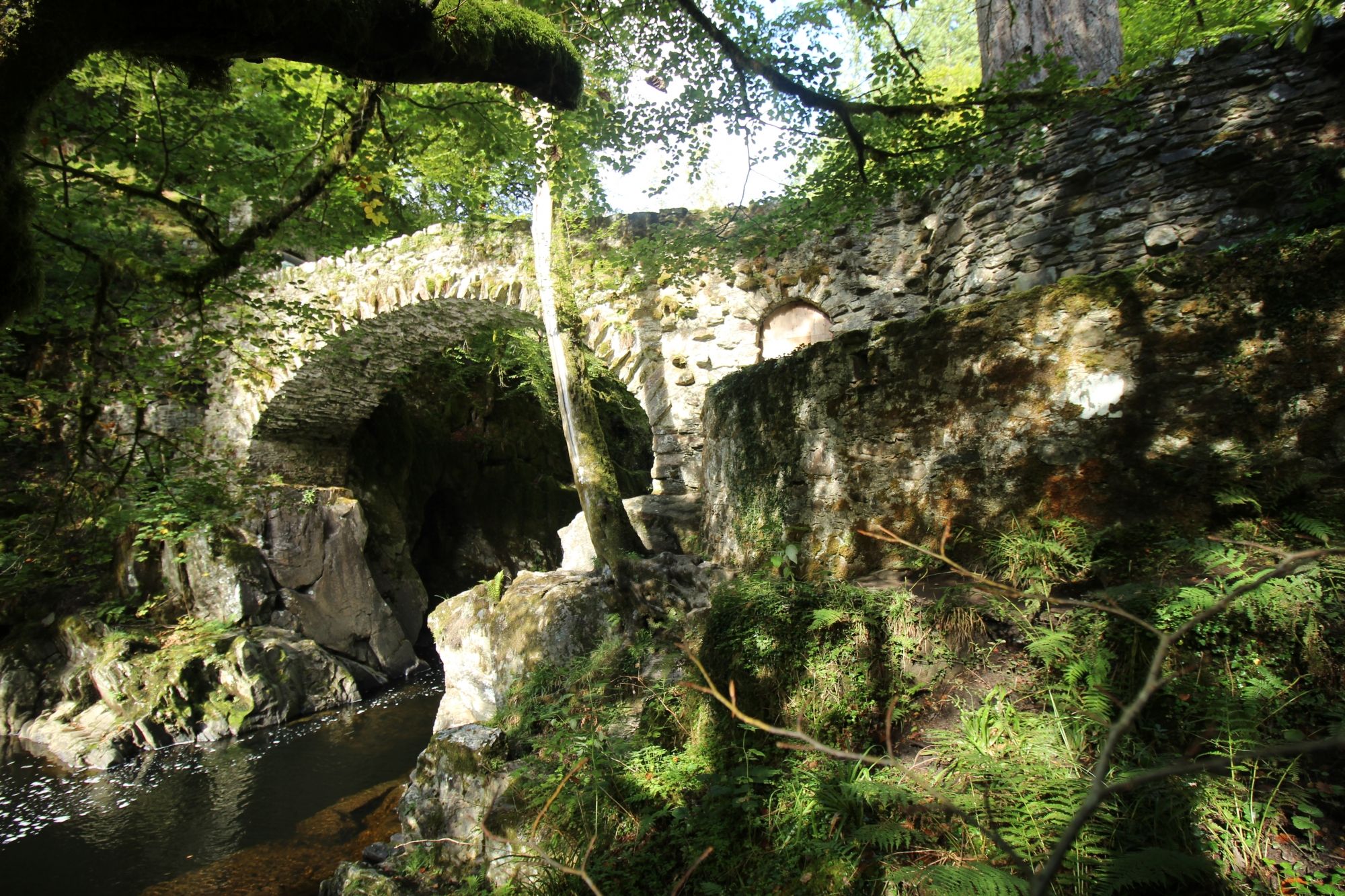
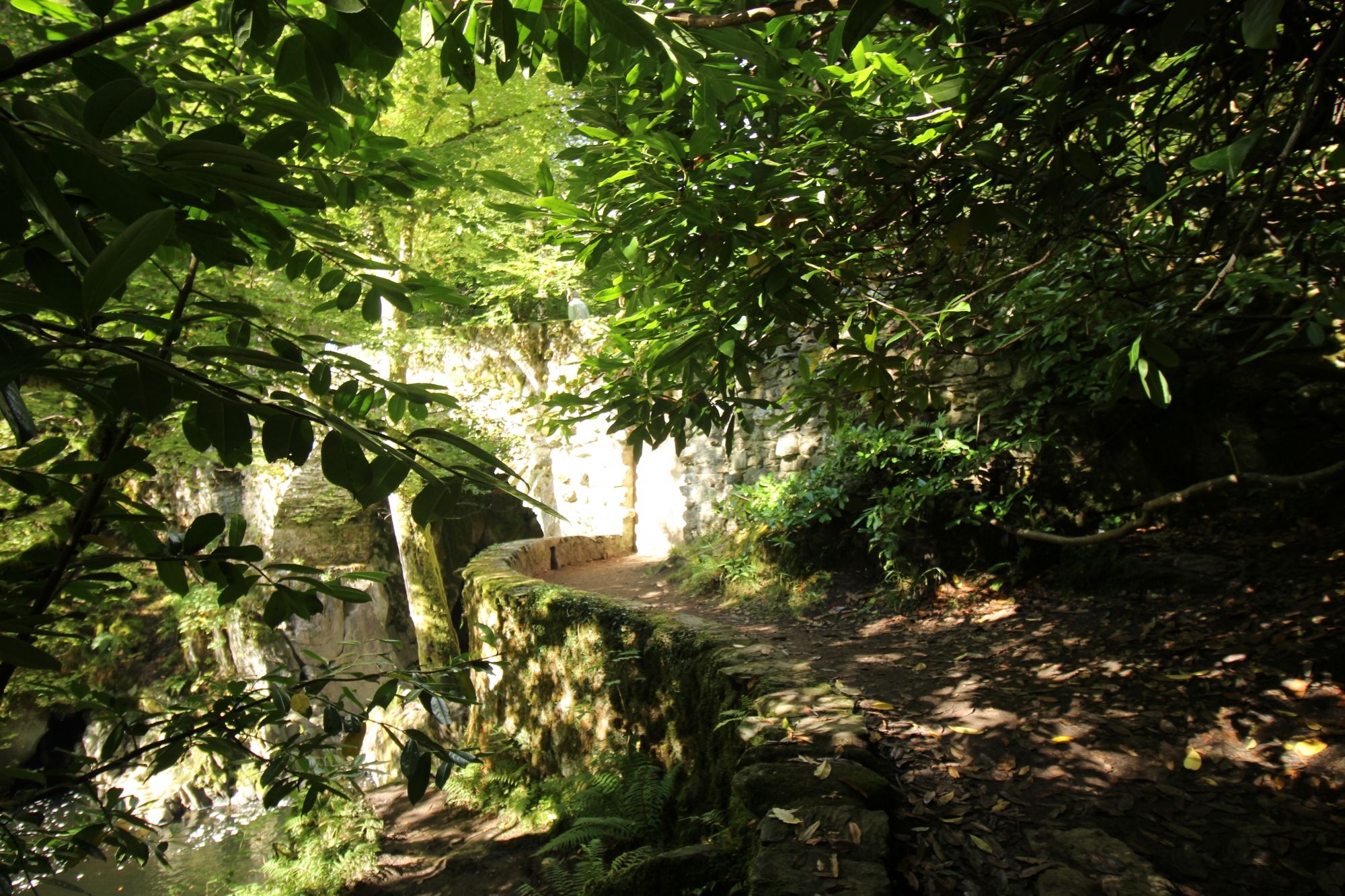
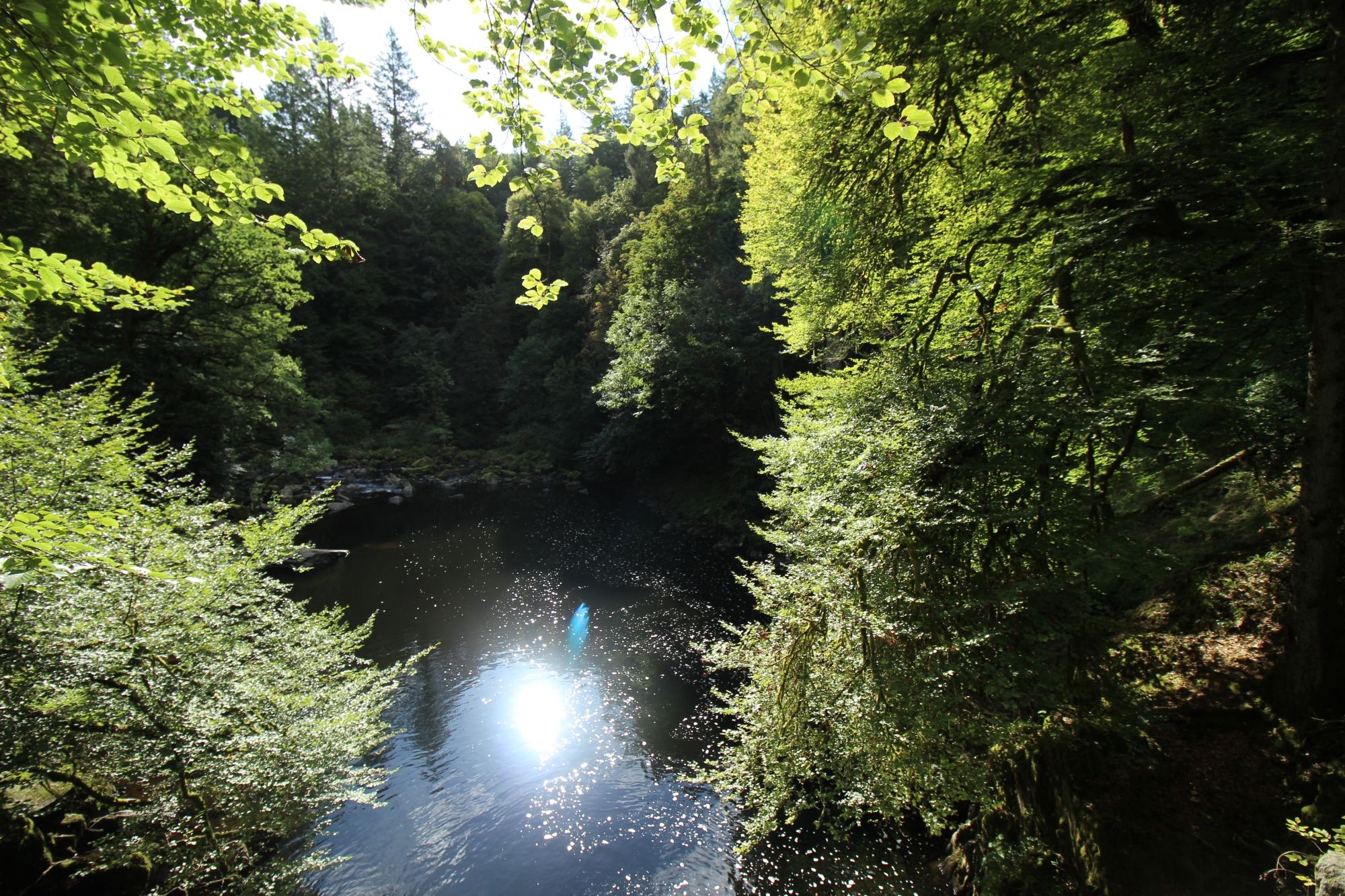
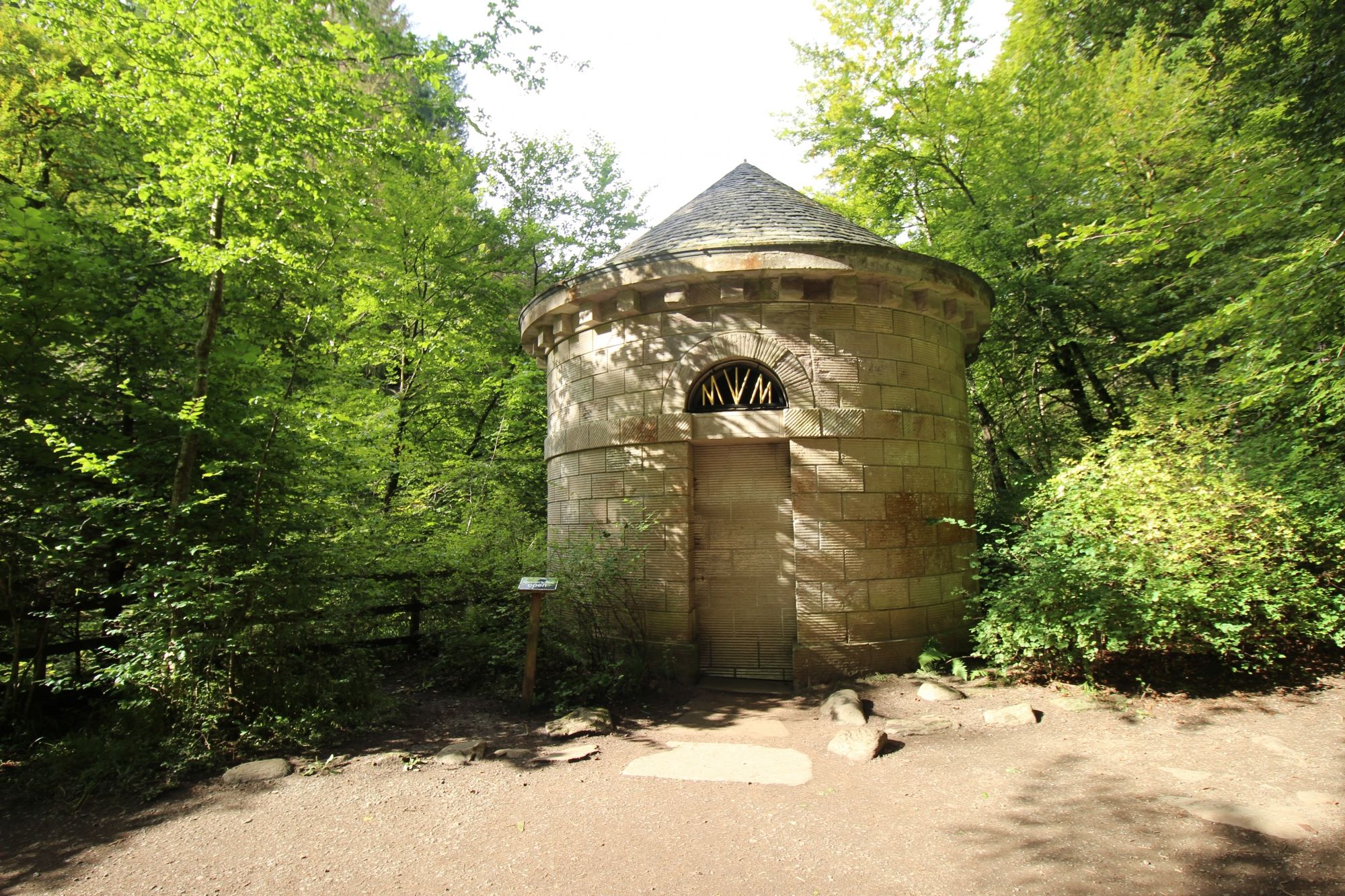
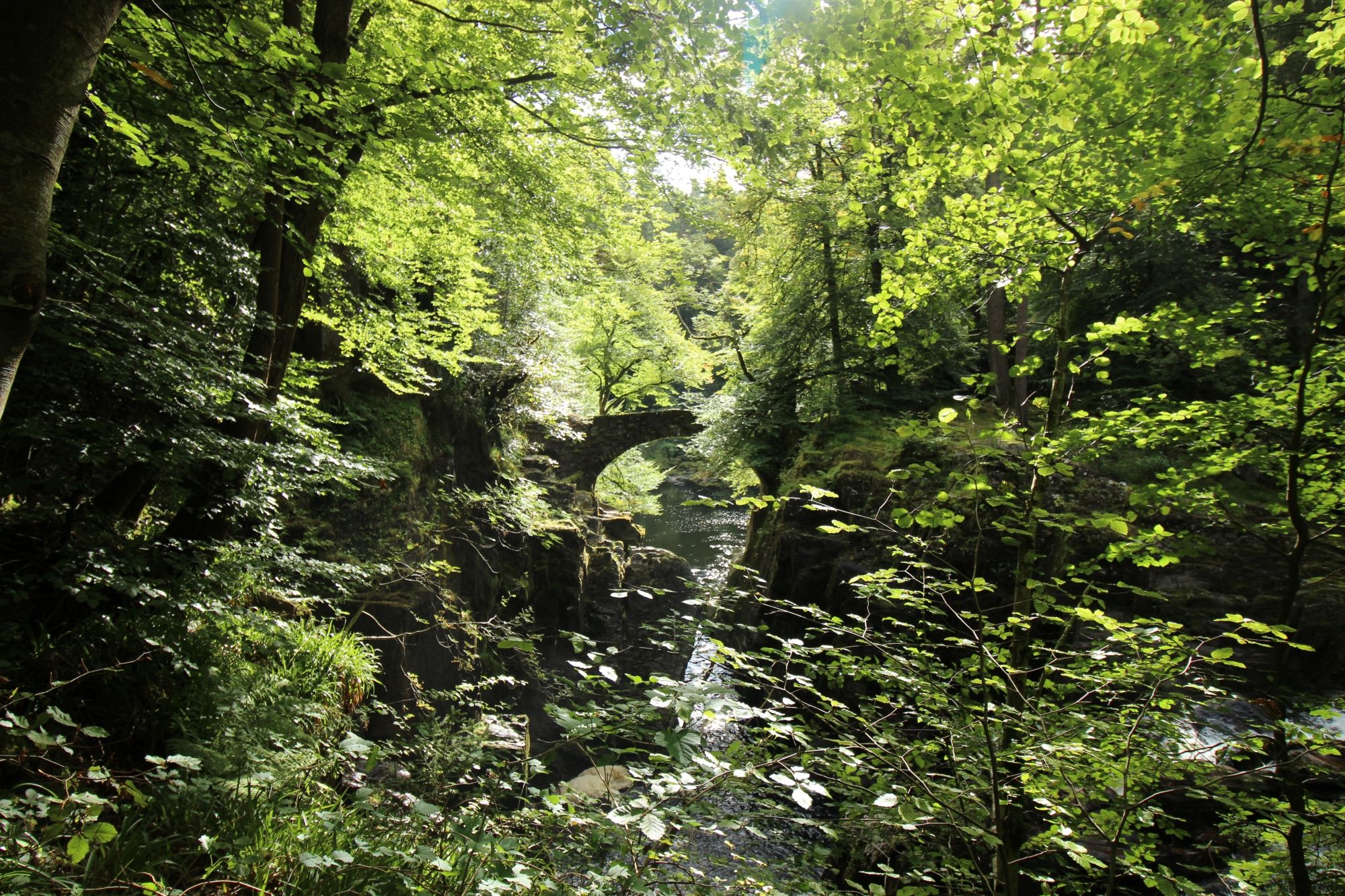
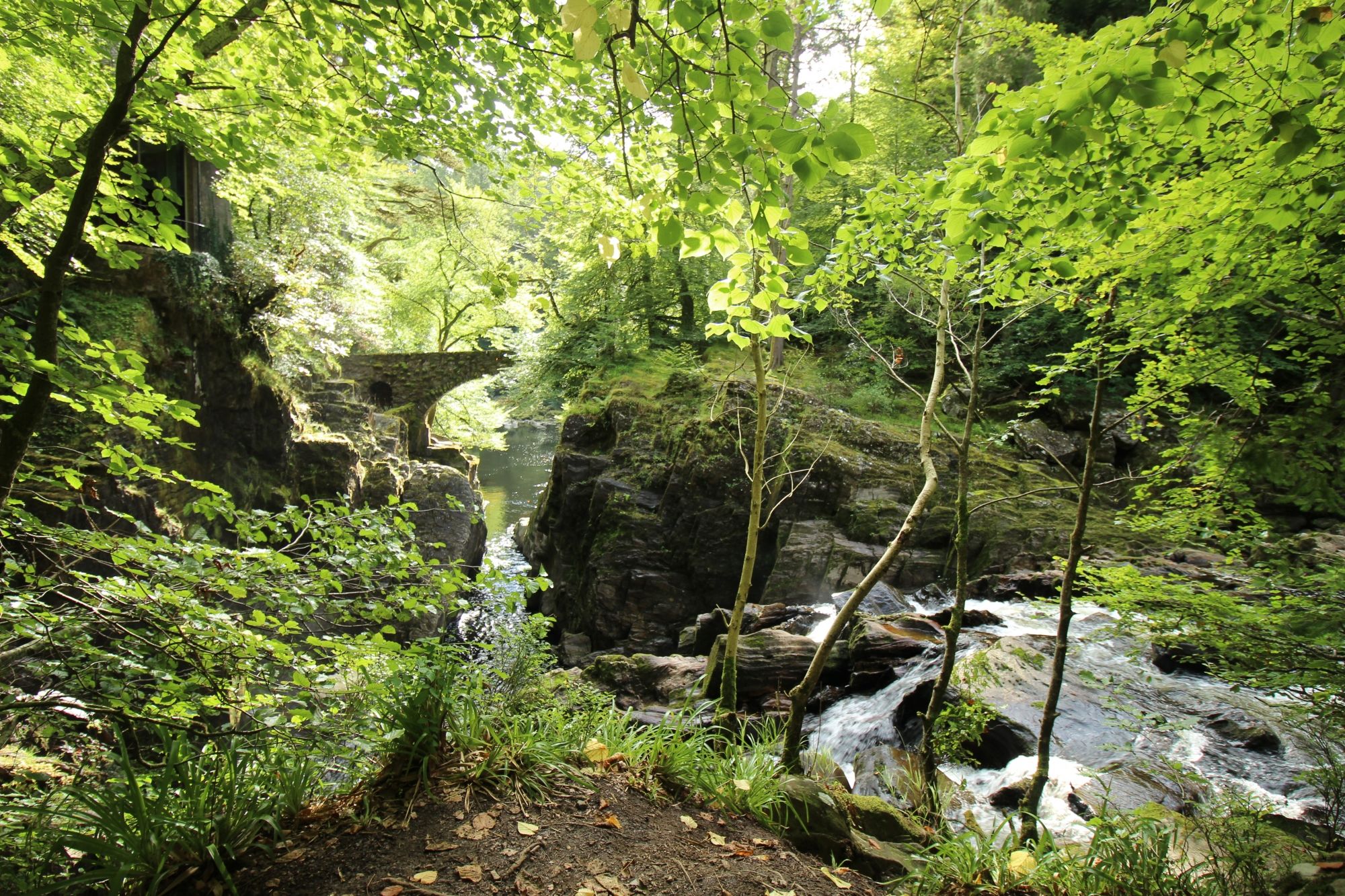
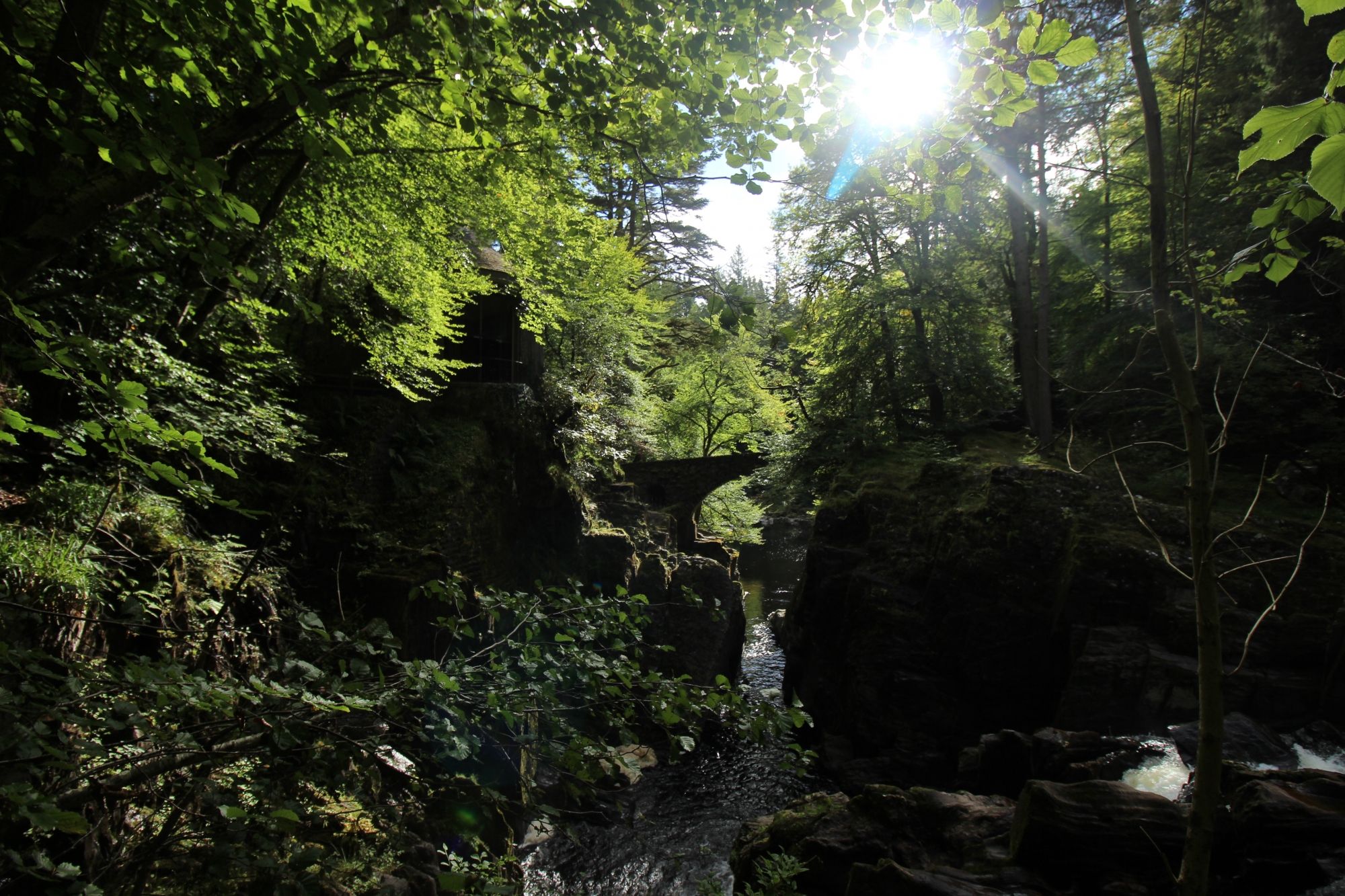
The focal point of any visit to the Hermitage is Ossian’s Hall of Mirrors. Built in 1757, this Georgian folly was designed to surprise and delight the Duke’s guests. The experience was choreographed: visitors would enter a seemingly simple room, only for a sliding panel to reveal a lavishly decorated interior of mirrors and paintings, reflecting the image of the waterfall from every angle. Today, the hall still provides the most dramatic vantage point for the Black Linn Falls. Here, the River Braan—a powerful tributary of the River Tay—plunges in three foaming cascades over a jagged rocky ledge. The sound is visceral, a deafening roar that fills the gorge, while the perpetual mist often creates vivid rainbows in the dappled sunlight. It is a sensory experience that perfectly encapsulates the "Sublime" aesthetic that Romantic-era travelers so desperately sought.
The Giants of the Forest: Britain’s Tallest Douglas Firs
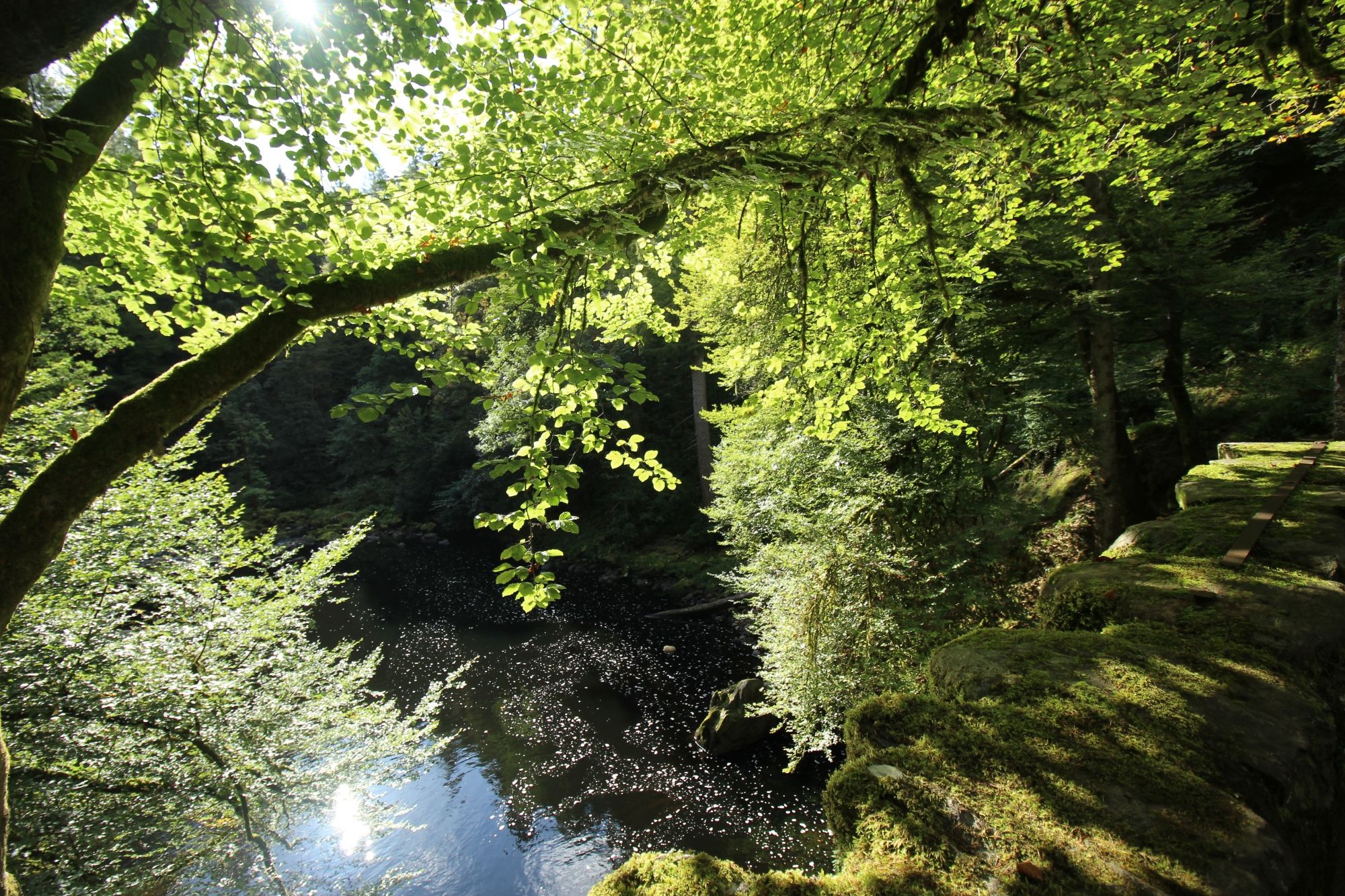
The Hermitage is a key part of Perthshire’s reputation as "Big Tree Country." As you wander the well-maintained paths, you are dwarfed by some of the most impressive conifers in the United Kingdom. Among them are Douglas firs that stand over 60 metres (200 ft) tall, ranking them among the highest trees in Britain. These giants were among the first of their kind planted in Scotland, brought over as seeds from North America in the 19th century. In 2026, the forest floor is a lush carpet of ferns and mosses, nourished by the high humidity of the river. The scale of these trees creates a cathedral-like atmosphere, with sunlight filtering through the high canopy in long, golden beams. It is a haven for the Red Squirrel, which can often be seen darting through the branches, safe from the competition of the grey squirrels found further south.
The Cave of the Hermit and the Legend of Ossian
Further along the riverbank lies a small, stone-built grotto known as Ossian’s Cave. Built around 1760, it was intended to serve as a home for a resident hermit—a popular, if somewhat eccentric, fashion among 18th-century landowners. While it is debated whether a real hermit ever truly resided there, the cave was named after Ossian, the legendary 3rd-century blind bard of the Gaels. The poems of Ossian (published by James Macpherson) were a global sensation in the 18th century, influencing figures like Napoleon and Thomas Jefferson. The Hermitage was designed to be a physical manifestation of these poems—wild, melancholic, and deeply rooted in Scottish mythology. This cultural layer adds a sense of mystery to the woods, making every rocky outcrop and dark pool feel like a scene from an ancient epic.
A Global Connection: The Squamish Totem Pole
In a fascinating turn of modern cultural exchange, The Hermitage also features a totem pole, carved in 1989 by members of the Squamish Nation from Vancouver, Canada. This 12-foot pole was a gift to commemorate the shared forestry heritage between Scotland and British Columbia—the original home of the Douglas fir. The pole features intricate carvings of eagles and salmon, symbols that resonate deeply in both cultures. It serves as a reminder that the giants standing in this Scottish forest have a lineage that spans the Atlantic. In 2026, the totem pole remains a popular stopping point, bridging the gap between the Victorian obsession with "exotic" trees and modern indigenous craftsmanship.
Practical Information for the 2026 Season
- Getting There: The Hermitage car park is located just off the A9, north of Dunkeld. In 2026, the car park uses a "Pay for Parking" system (National Trust members park for free). Space fills up quickly on weekends, so early arrival is advised.
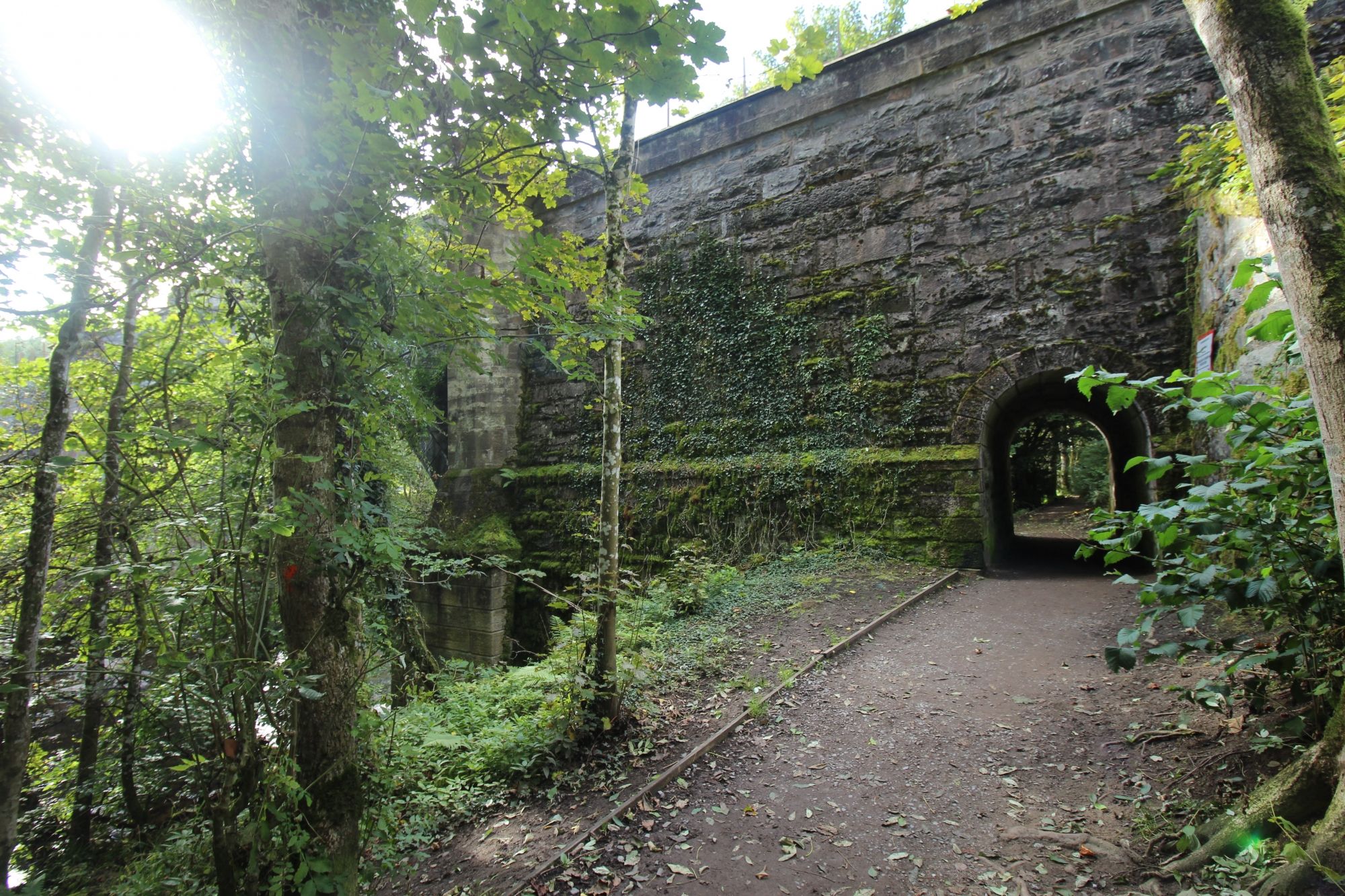
- Walking the Trail: The main circuit to Ossian’s Hall is relatively level and accessible for many. However, continuing to the Totem Pole and the higher woodland involves some steeper, uneven sections.
- Seasonal Highlights: Autumn (October to November) is arguably the best time to visit, as the deciduous trees turn into a blaze of copper and gold. In late autumn, you can often see Atlantic Salmon leaping up the falls on their way to spawning grounds.
- Photography: A tripod is recommended for capturing the silky movement of the Black Linn Falls, but be mindful of other visitors on the balcony of Ossian’s Hall.
Conclusion: Where Nature Meets Artistry
The Hermitage and Black Linn Falls represent a unique moment in Scottish history where the landscape was treated as a canvas for human creativity. It is a place where engineering, poetry, and botany coexist in perfect harmony. Whether you are coming to marvel at the height of the Douglas firs, to feel the spray of the waterfall on your face, or to contemplate the legends of Ossian, this Perthshire sanctuary offers a profound connection to the natural world. In the 2026 season, it remains a "must-see" destination that proves that some of Scotland's most powerful experiences are found in the quiet, shaded depths of its ancient woods.