


Dunkeld Cathedral: The Romantic Riverside Sanctuary of the Highlands
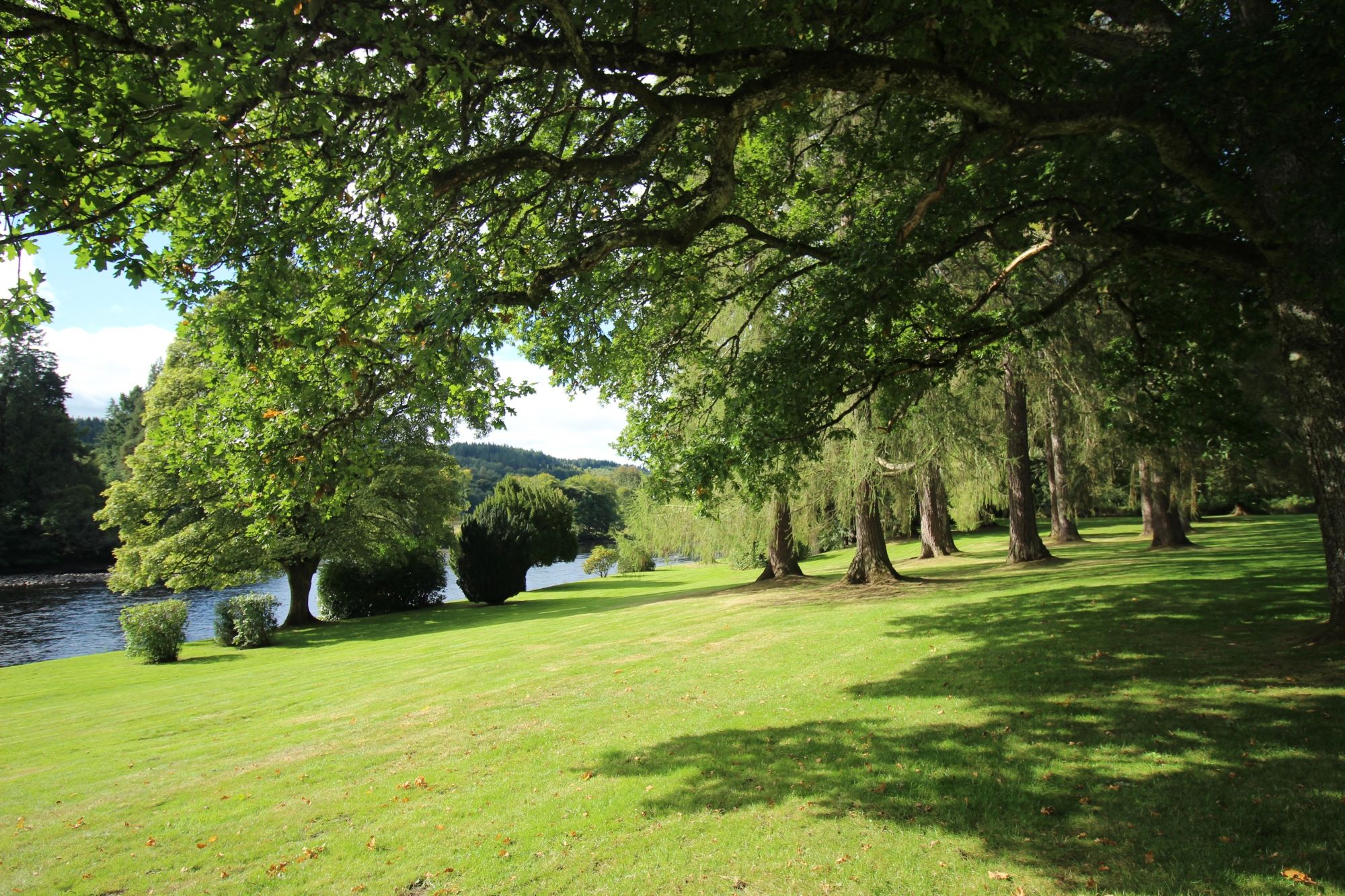
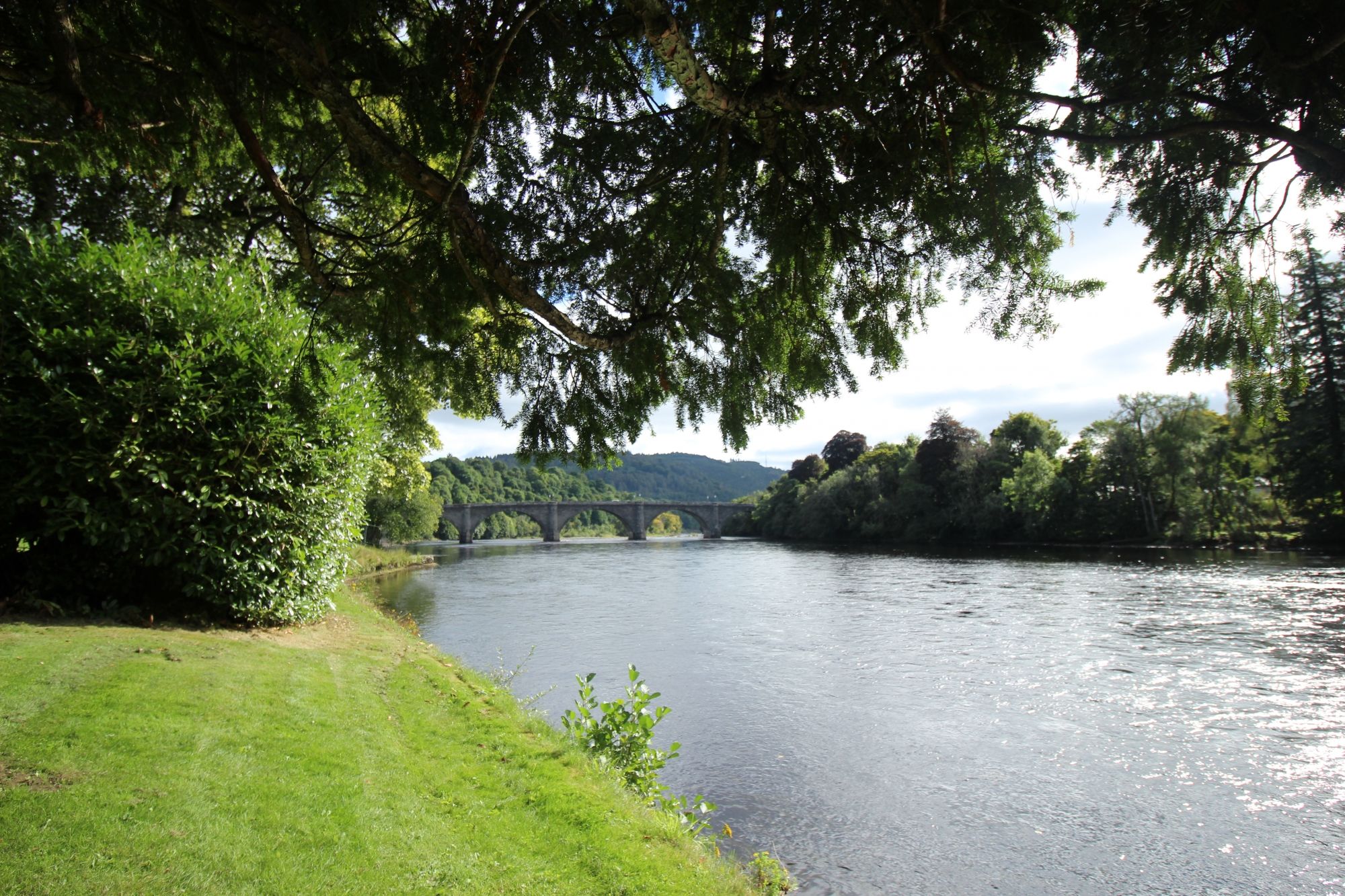
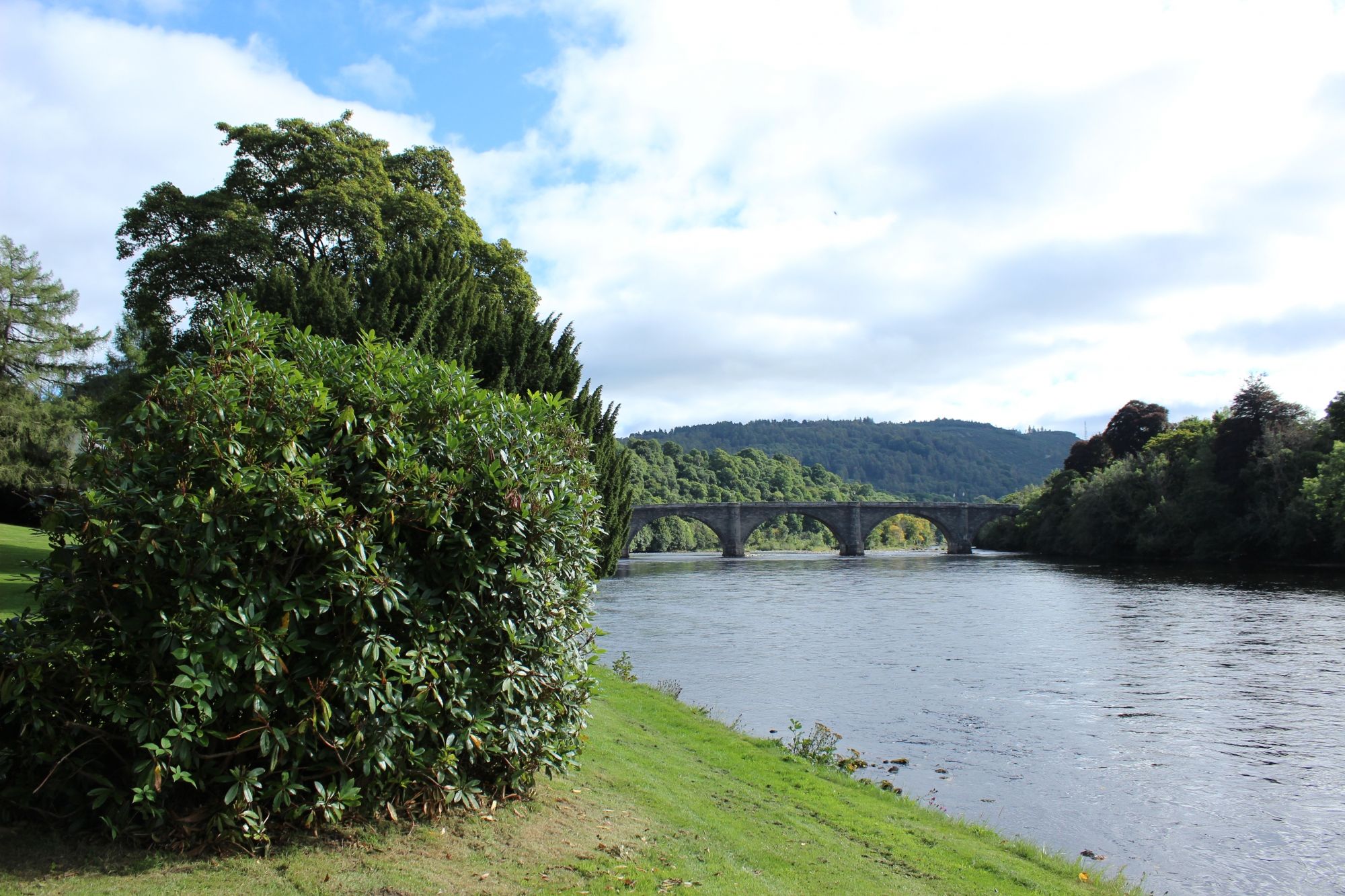
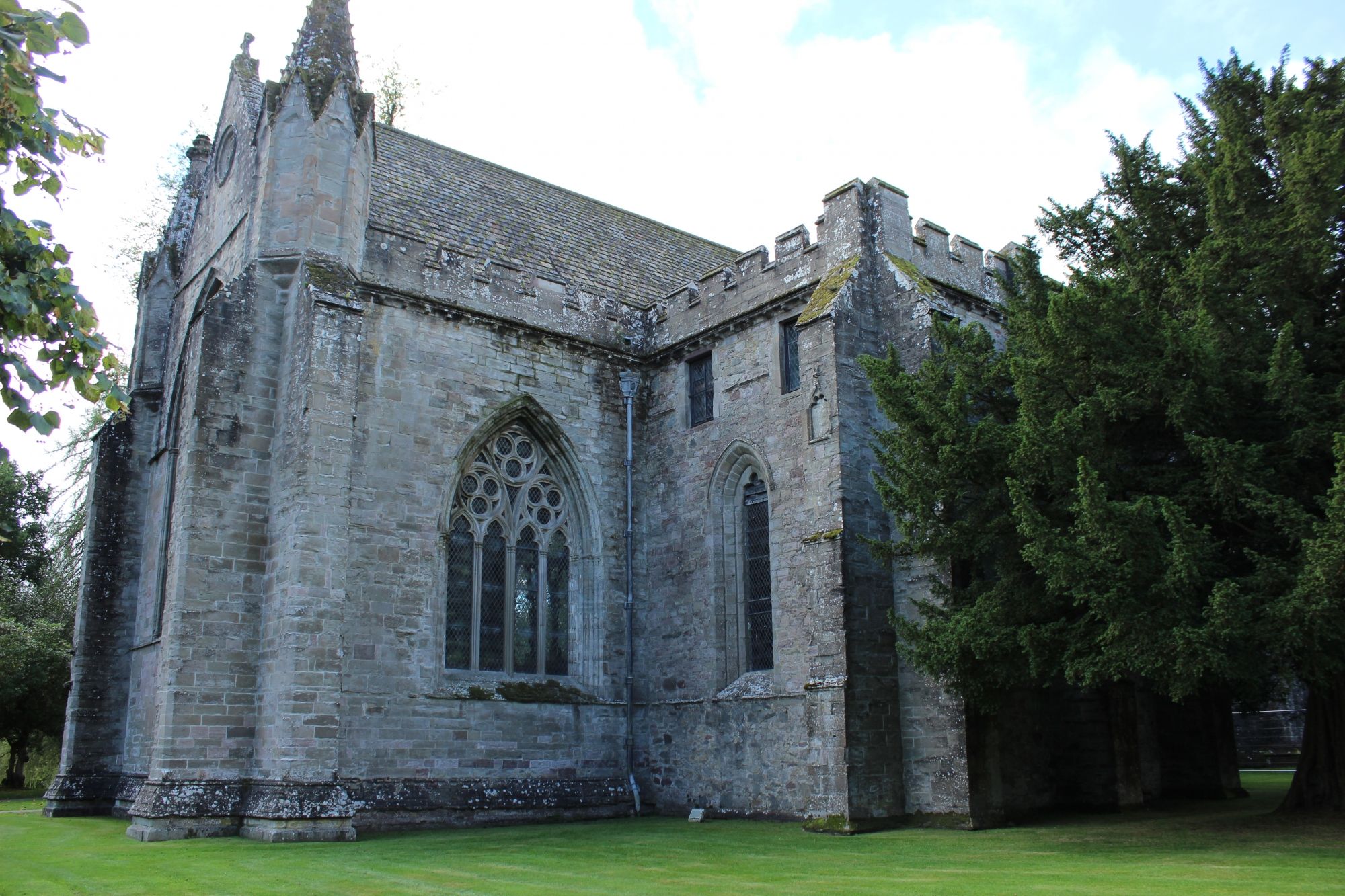
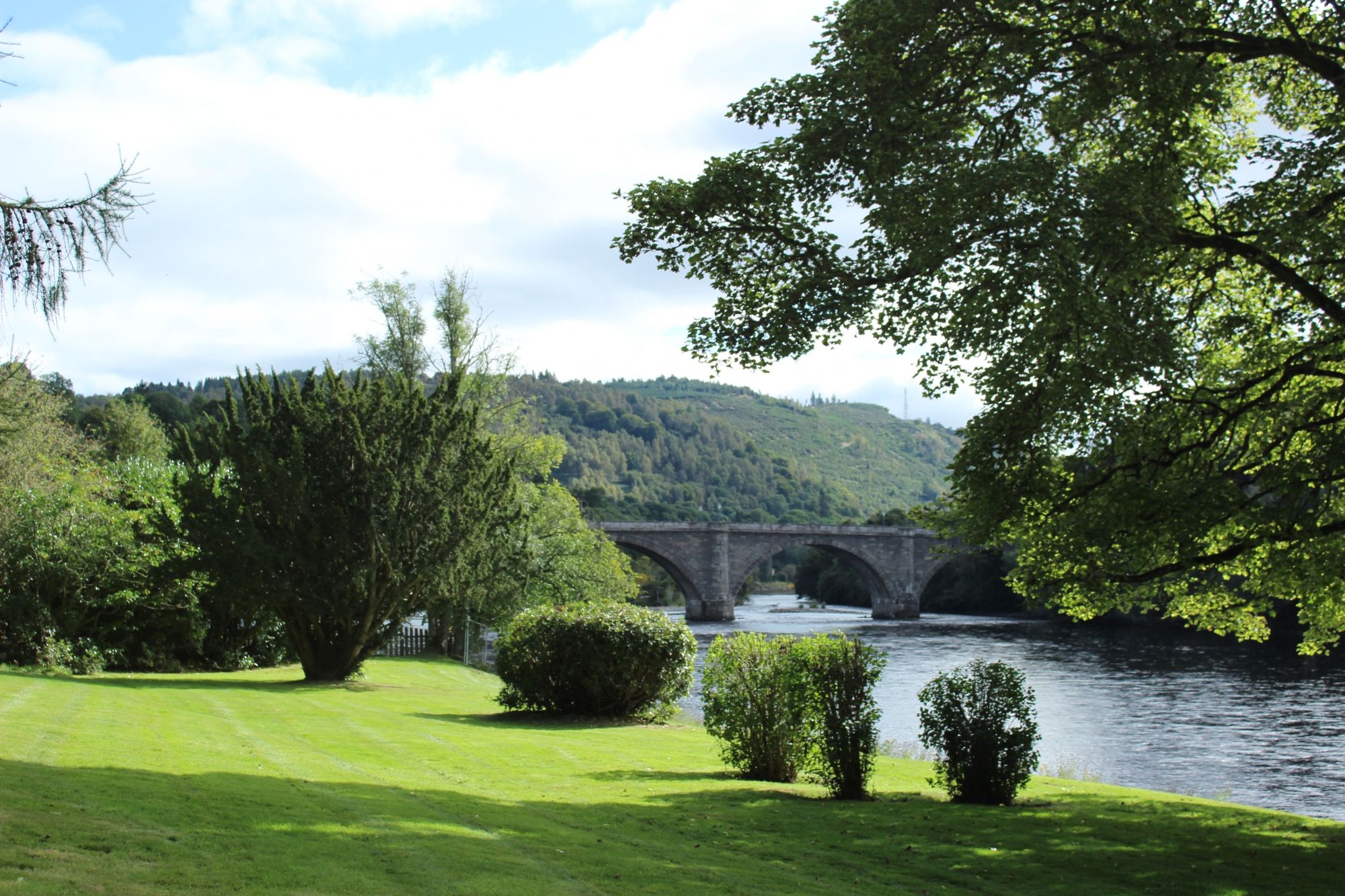
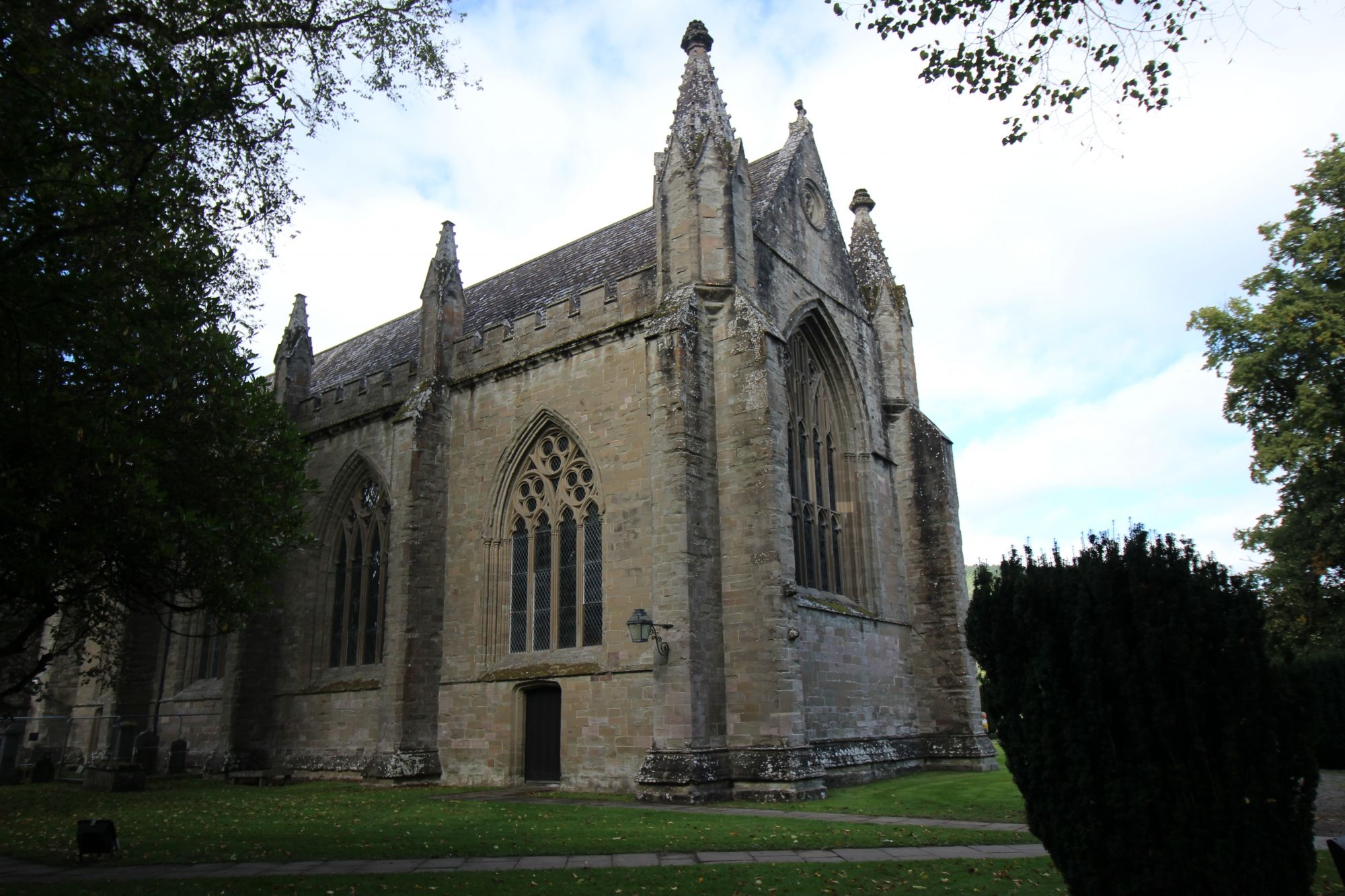
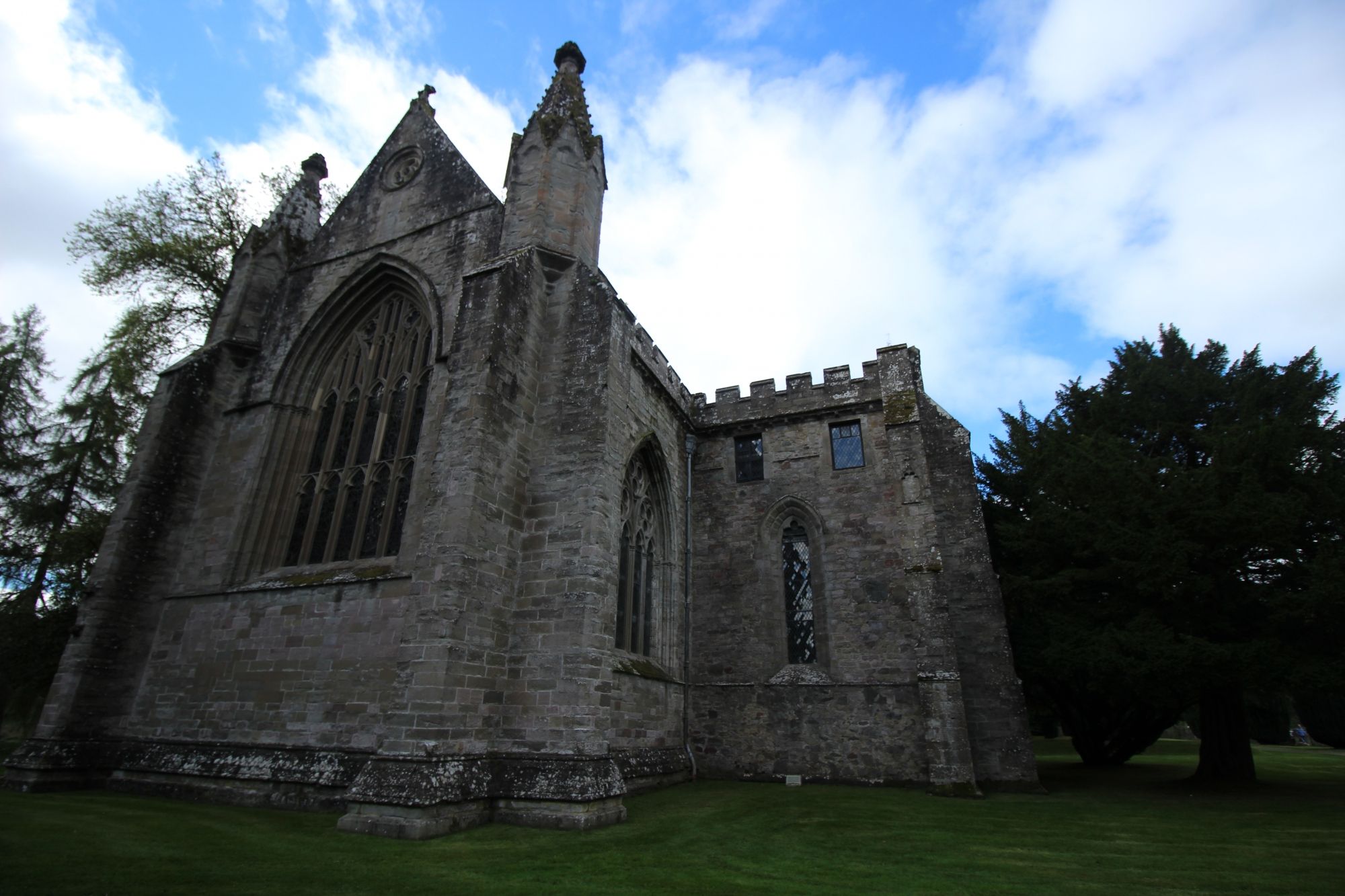
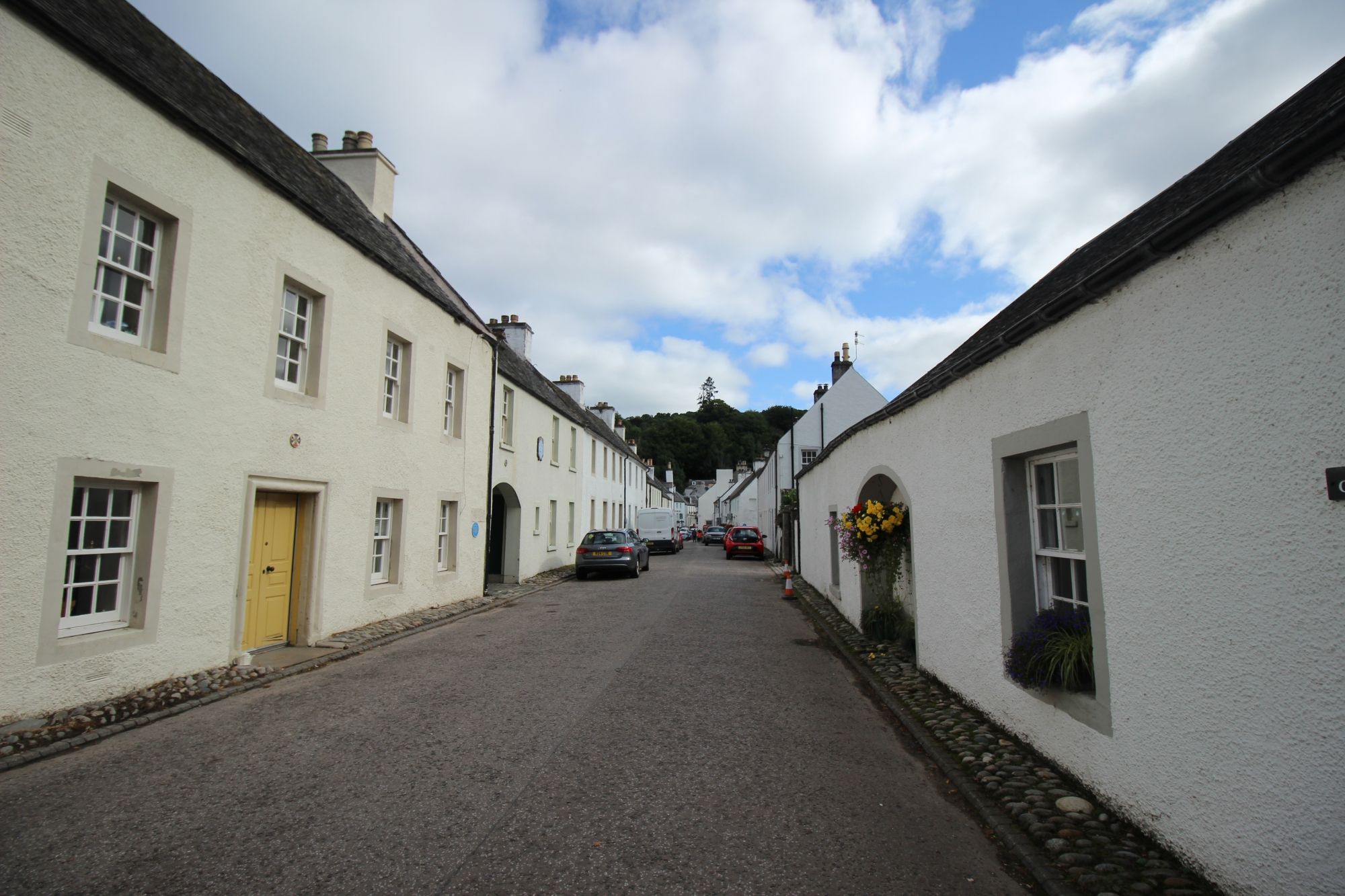
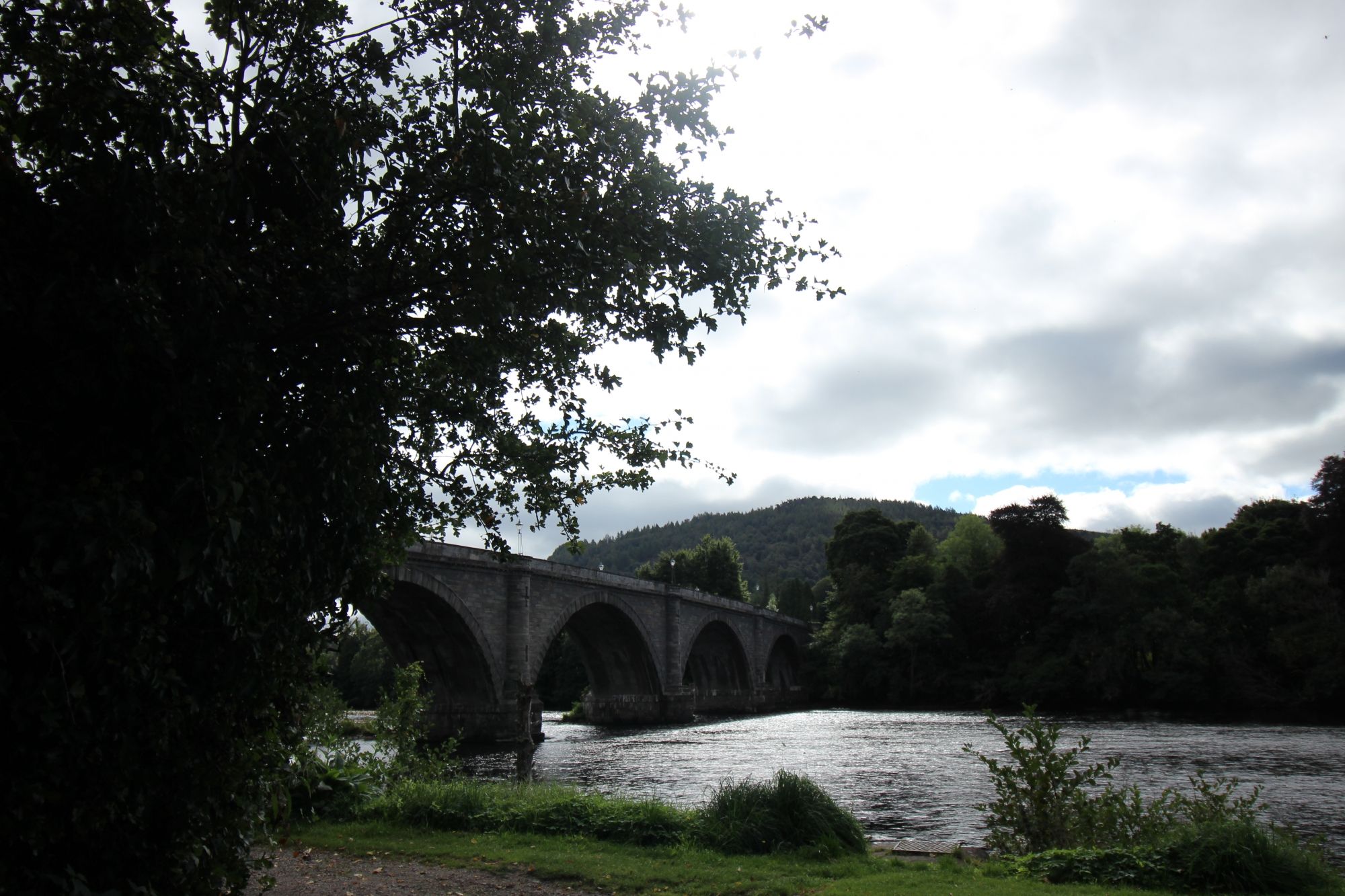
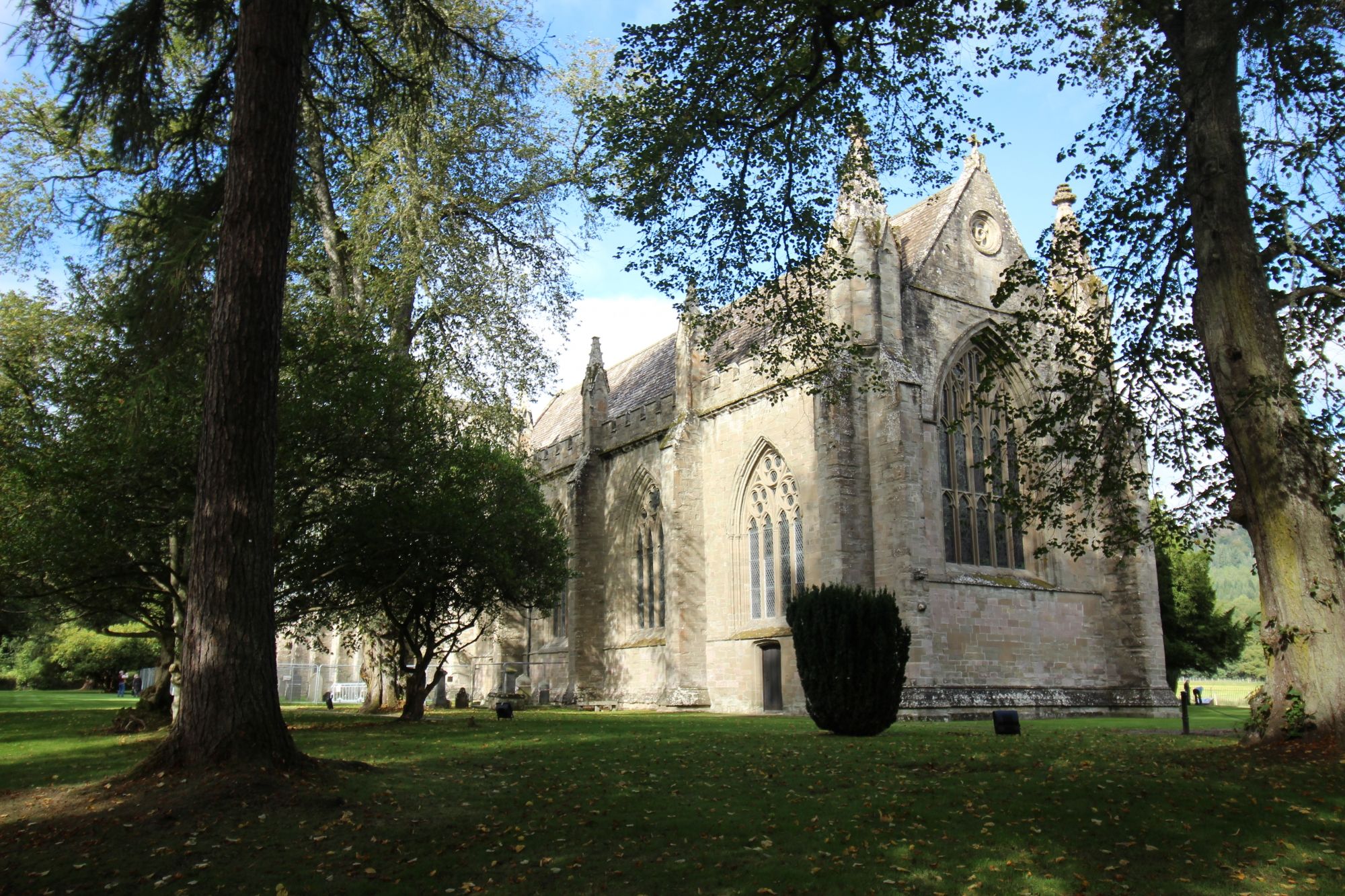
Nestled elegantly on the northern banks of the swiftly flowing River Tay, Dunkeld Cathedral is one of the most romantic, architecturally striking, and historically significant ecclesiastical sites in Scotland. Located in the picturesque, historic square of Dunkeld, this majestic structure serves as the physical gateway to the Scottish Highlands. The unique charm of the cathedral lies in its stunning dual nature: part of the building is a beautifully restored, active 13th-century parish church, while the larger medieval nave stands open to the sky as a hauntingly beautiful, moss-covered ruin. Surrounded by sweeping lawns and ancient, towering trees, Dunkeld Cathedral offers a serene Sunday walk that effortlessly blends medieval architecture, national history, and the raw beauty of the Perthshire countryside.
The Cradle of Faith: From Relics of St Columba to Viking Raids
The historical roots of Dunkeld run incredibly deep, stretching back to the dawn of Scottish Christianity. In the mid-9th century, King Kenneth MacAlpin officially designated Dunkeld as the primary seat of the Celtic Church in Scotland. Seeking a safe haven away from the devastating Viking raids sweeping the western coastline, the King ordered the sacred relics of Saint Columba to be moved from Iona to Dunkeld, effectively establishing the town as the spiritual and political heart of the early kingdom of Alba. By the 12th century, King David I raised the site to the status of a grand cathedral city. The soaring stone walls you see today were constructed over a 250-year period spanning from 1260 to 1501, showcasing a magnificent architectural transition from robust Norman Romanesque design to delicate, elegant Scottish Gothic masonry.
The Battle of Dunkeld and the Scars of the Reformation
Like many of Scotland's grandest medieval monuments, Dunkeld Cathedral bears the violent physical scars of the nation's political and religious upheavals. During the Protestant Reformation of 1560, the cathedral was aggressively ransacked; its ornate icons were dismantled, its heavy lead roof was stripped away, and the grand medieval nave was left exposed to the harsh Scottish elements. Over a century later, the ruins became the epicenter of the brutal Battle of Dunkeld in 1689. Following the Jacobite victory at nearby Killiecrankie, a fierce, street-by-street conflict erupted between the Jacobites and the government's Cameronian Regiment. Fierce fighting took place directly around the cathedral walls, which still bear the faint, chilling pockmarks left by 17th-century musket balls.
Exploring the Historic Footprint: From Ruined Nave to the Wolf of Badenoch
A stroll through the cathedral grounds allows visitors to explore several exceptionally well-preserved historical features:
- The Roofless Nave: Stepping into the ruined western portion of the cathedral reveals a vast, open-air gallery of towering Gothic arches and solid stone columns. Looking up past the stone tracery of the windows directly at the passing clouds provides an incredibly atmospheric and photogenic experience.
- The Choir and Parish Church: The eastern choir section of the cathedral was successfully reroofed and completely restored in the late 19th century. Today, it operates as a vibrant, peaceful Church of Scotland parish, housing an elegant local museum packed with early Christian cross-slabs and medieval artifacts.
- The Tomb of the Wolf of Badenoch: Inside the choir stands the imposing, armored stone effigy of Alexander Stewart, Earl of Buchan—infamously known as the "Wolf of Badenoch." The notorious son of King Robert II, he earned his terrifying moniker by burning the towns of Forres and Elgin, along with its magnificent cathedral, in a fit of royal rage. His tomb remains one of Scotland's finest surviving pieces of 14th-century funerary sculpture.
Visiting in 2026: Practical Advice
In 2026, Dunkeld Cathedral is managed in partnership between Historic Environment Scotland and the local church community, offering a highly rewarding and accessible day out. Dunkeld is incredibly well-connected, located just off the main A9 road or a short, scenic walk from the Dunkeld & Birnam railway station, which connects directly to Glasgow and Edinburgh. The cathedral grounds are open year-round and are completely free to enter, though checking local church timetables is recommended if you wish to tour the restored choir museum on a Sunday. The flat, manicured pathways surrounding the site make it exceptionally accessible for walkers of all fitness levels, strollers, and those with limited mobility.
Conclusion: A Timeless Sentinel on the River Tay
Dunkeld Cathedral represents the quintessential spirit of Perthshire—a location where the turbulent history of kings, saints, and clansmen has been softly embraced by the natural world. Walking past its battle-scarred stones, listening to the rushing waters of the River Tay, and standing in the shadow of the open-air nave provides a profound sense of peace and historical continuity. Whether you are an architectural enthusiast tracing the lines of Gothic masonry, a history lover exploring the legacy of the Jacobites, or a casual walker looking for a scenic riverside stroll, a trip to Dunkeld Cathedral remains an essential and deeply moving Scottish highlight.