




The Birks of Aberfeldy: A Poetic Journey Through Ancient Perthshire
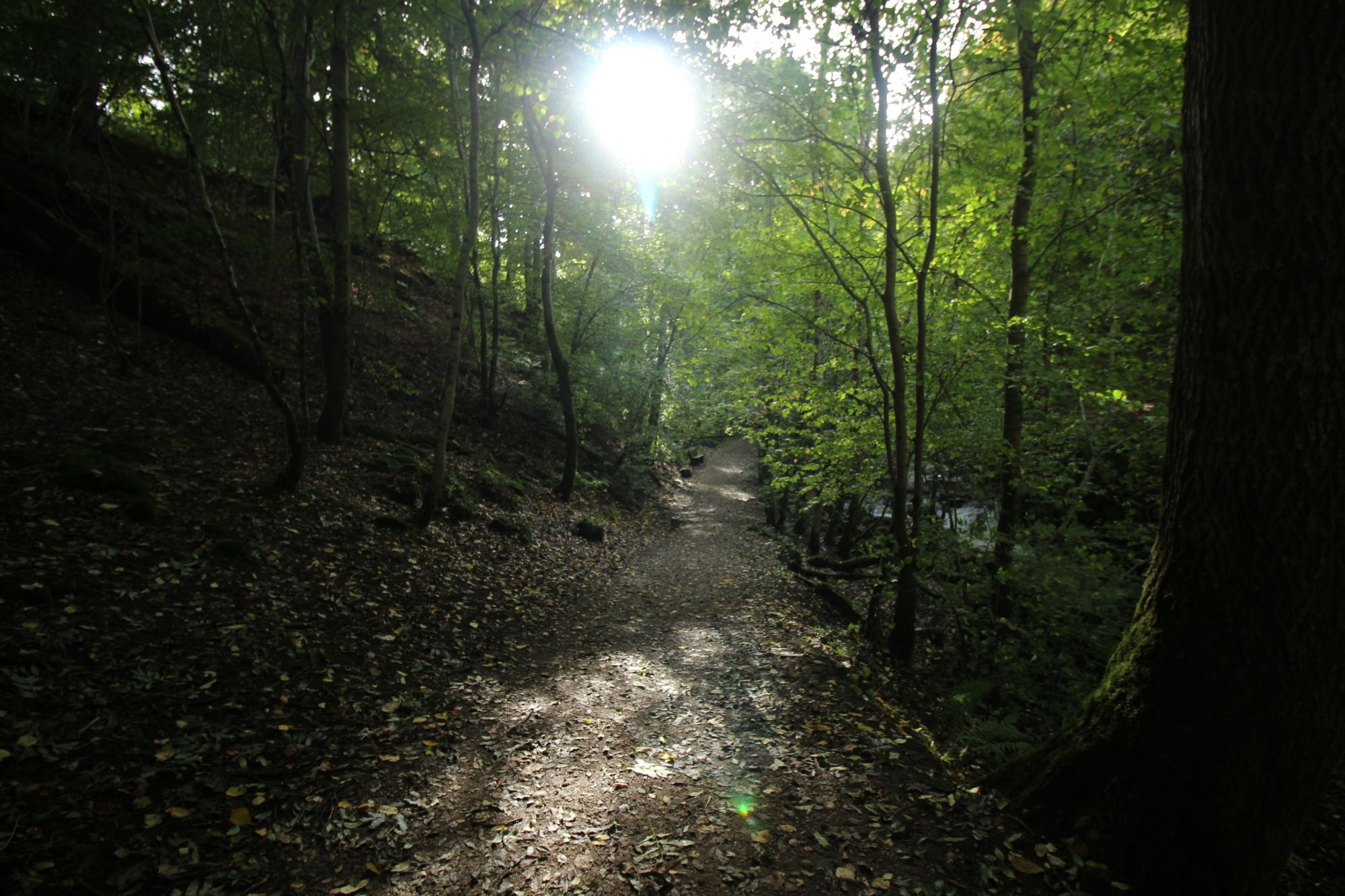
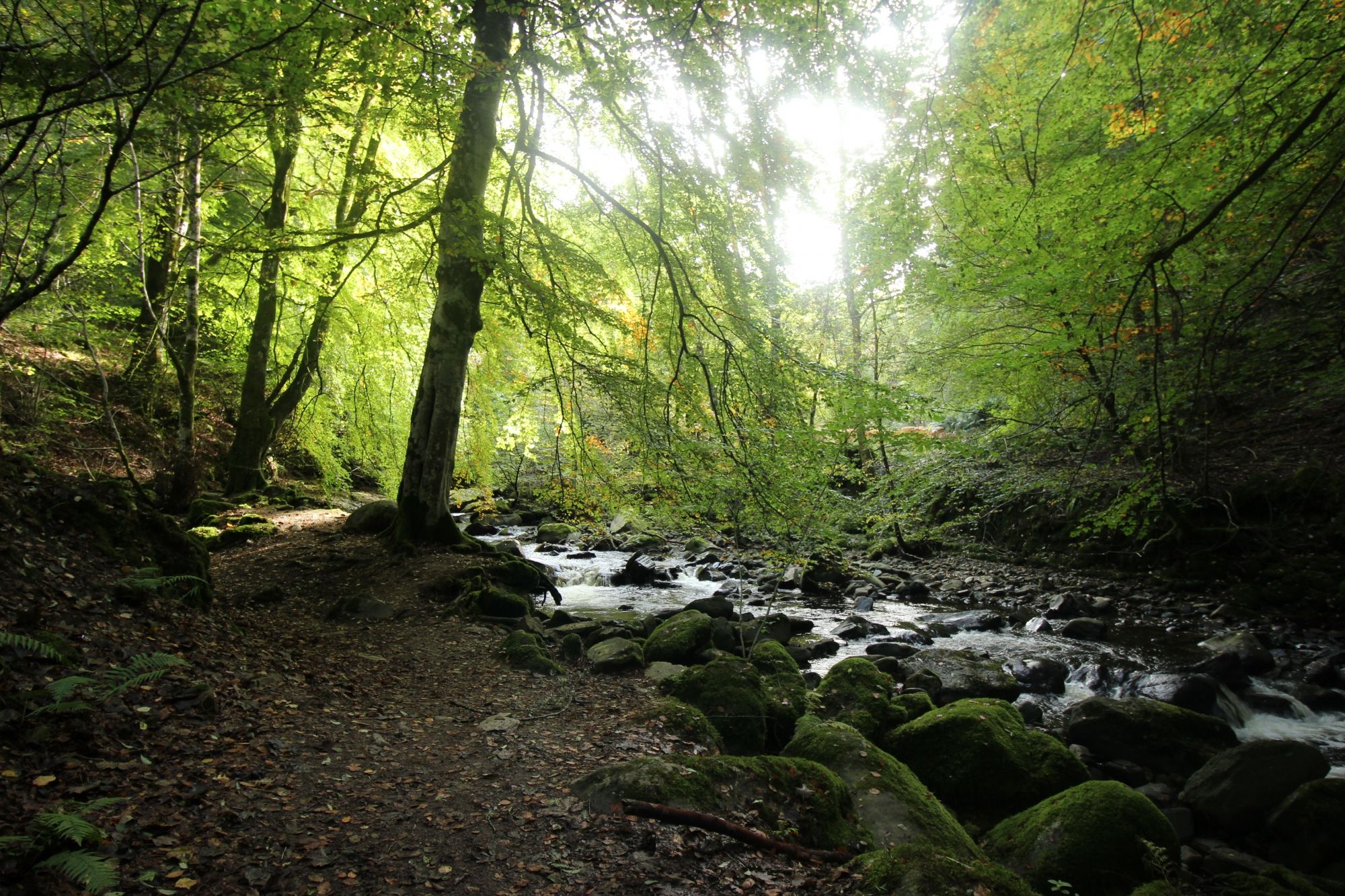
Nestled on the western outskirts of the charming town of Aberfeldy in Perthshire, the Birks of Aberfeldy is perhaps one of Scotland’s most culturally significant woodland walks. While many trails in the Highlands offer raw, rugged beauty, the Birks provides a more lyrical experience—a combination of cascading water, towering ancient trees, and the ghost of Scotland’s national poet, Robert Burns. The name "Birks" is derived from the Scots word for birch trees, which have silver-barked presence throughout the gorge. In 2026, the walk remains a cornerstone of Scottish tourism, offering a 3.5 km circular route that feels both intimate and grand, plunging visitors into a deep, verdant ravine that has inspired generations of artists and nature lovers.
Robert Burns and the Literary Legacy
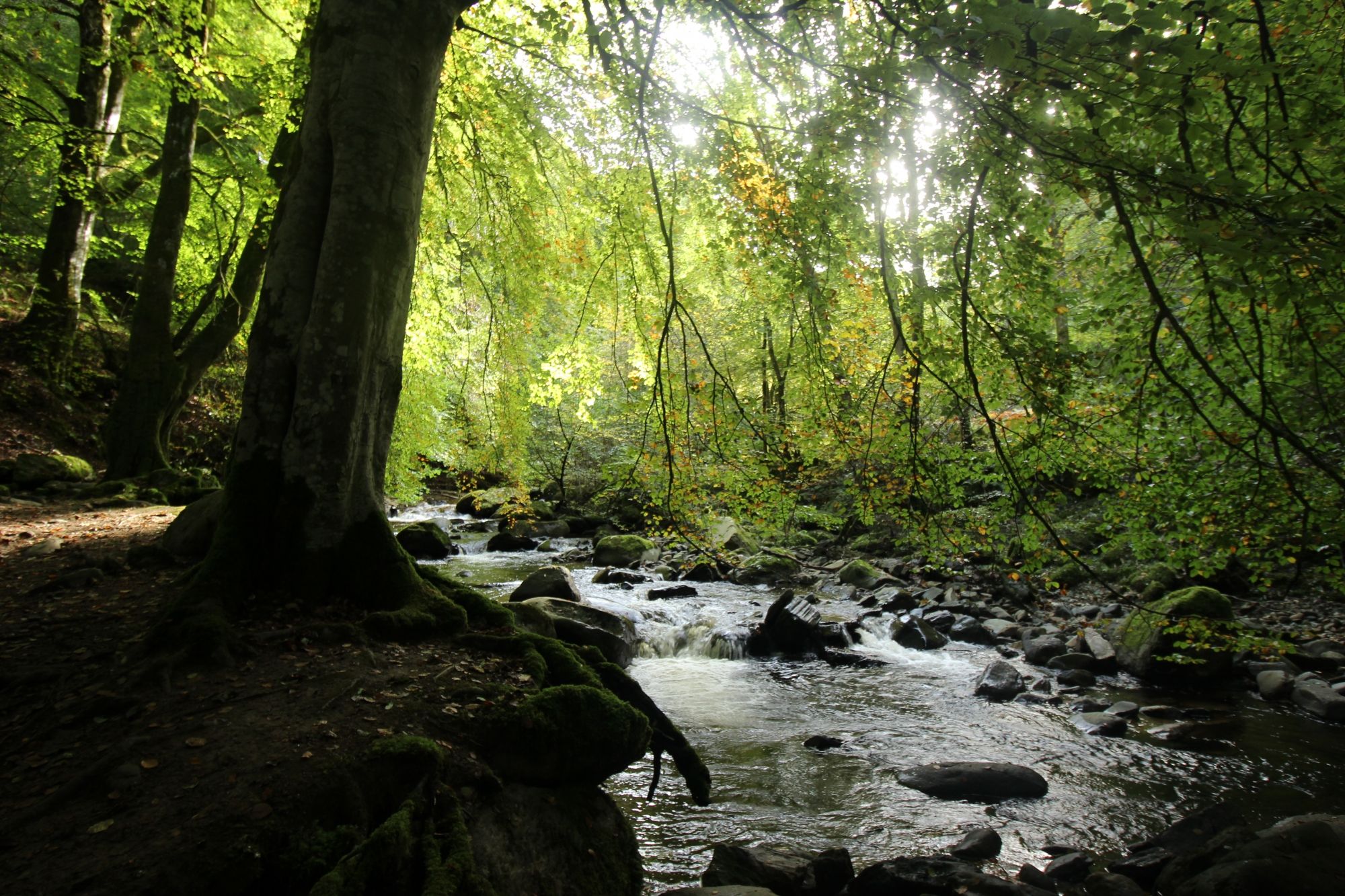
The fame of this location is inextricably linked to Robert Burns, who visited Aberfeldy during his tour of the Highlands in 1787. Inspired by the "crystal streamlets" and the lush canopy, he penned the famous poem 'The Birks o’Aberfeldie'. The poem’s rhythmic praise of the "flowery braes" effectively turned this local woodland into a national treasure. As you walk the trail today, you can find Burns’ Seat—a natural stone shelf where the poet is said to have sat and meditated on the landscape. A statue of Burns also sits near the entrance, welcoming walkers. In 2026, the connection between the land and the literature is stronger than ever, with many visitors reciting the verses as they reach the higher viewpoints, finding that the "lightsome days" Burns described are still very much alive in the rustle of the leaves and the roar of the Moness Burn.
Botanical Heritage and Ancient Woodland
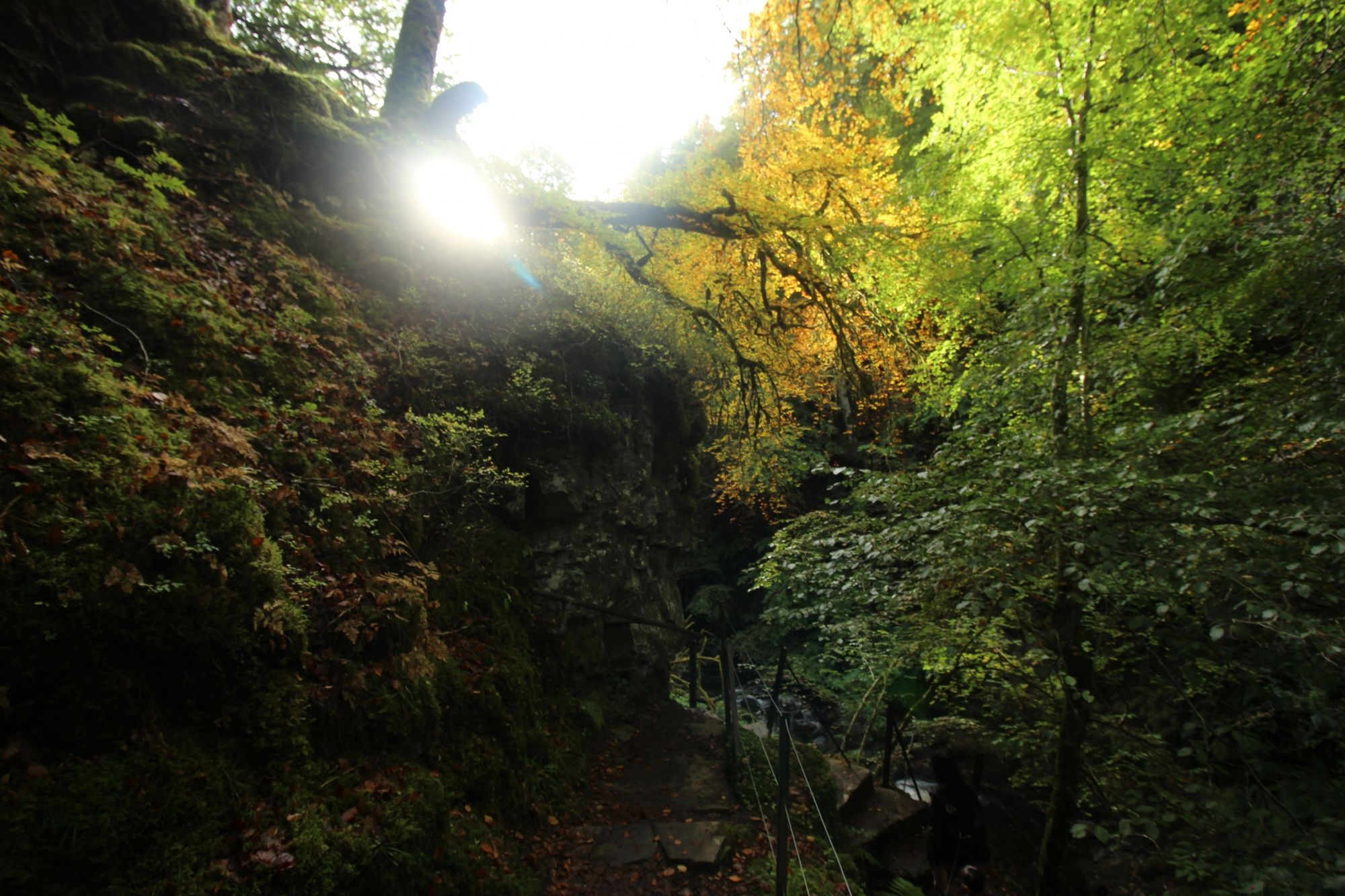
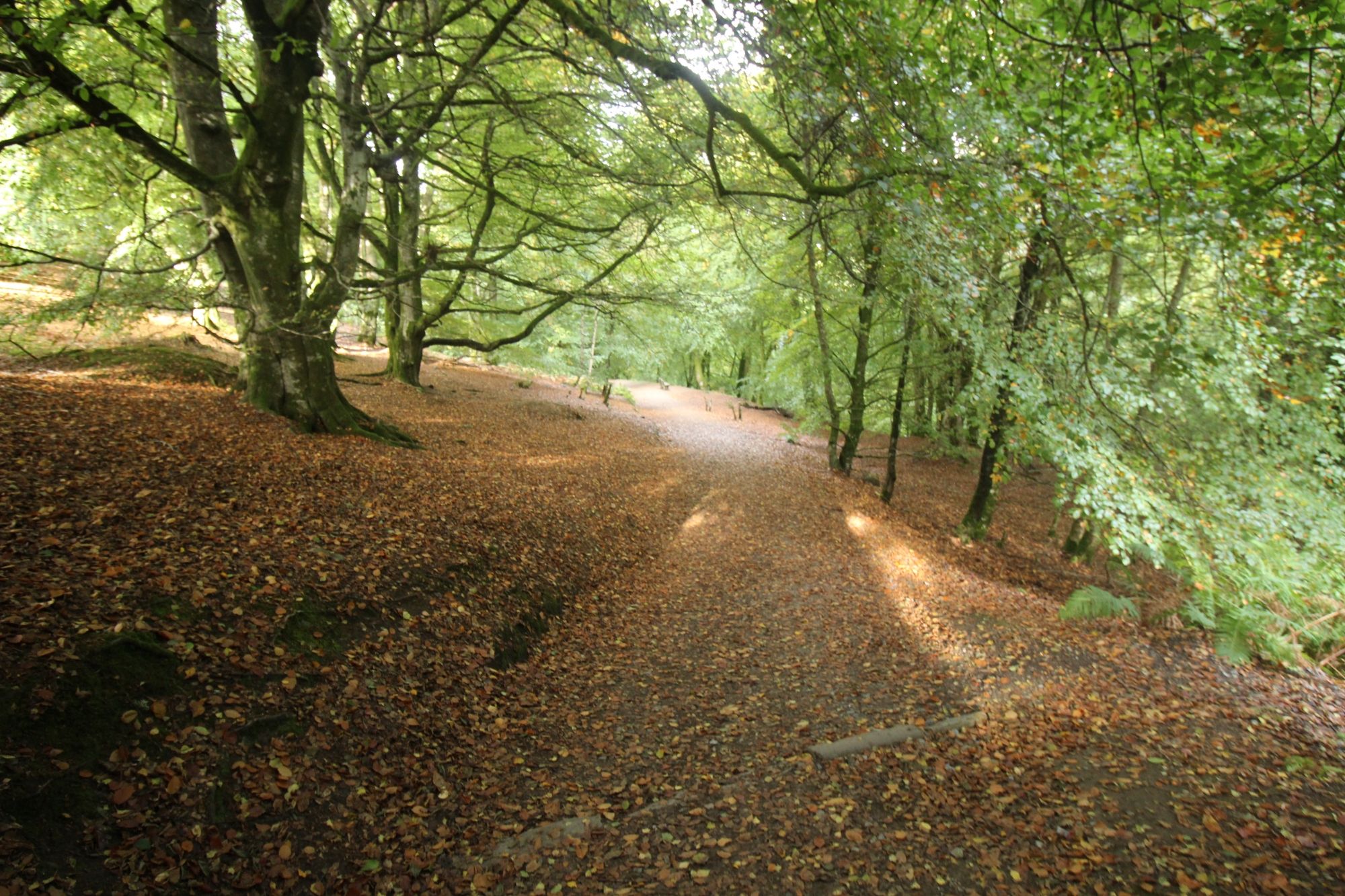
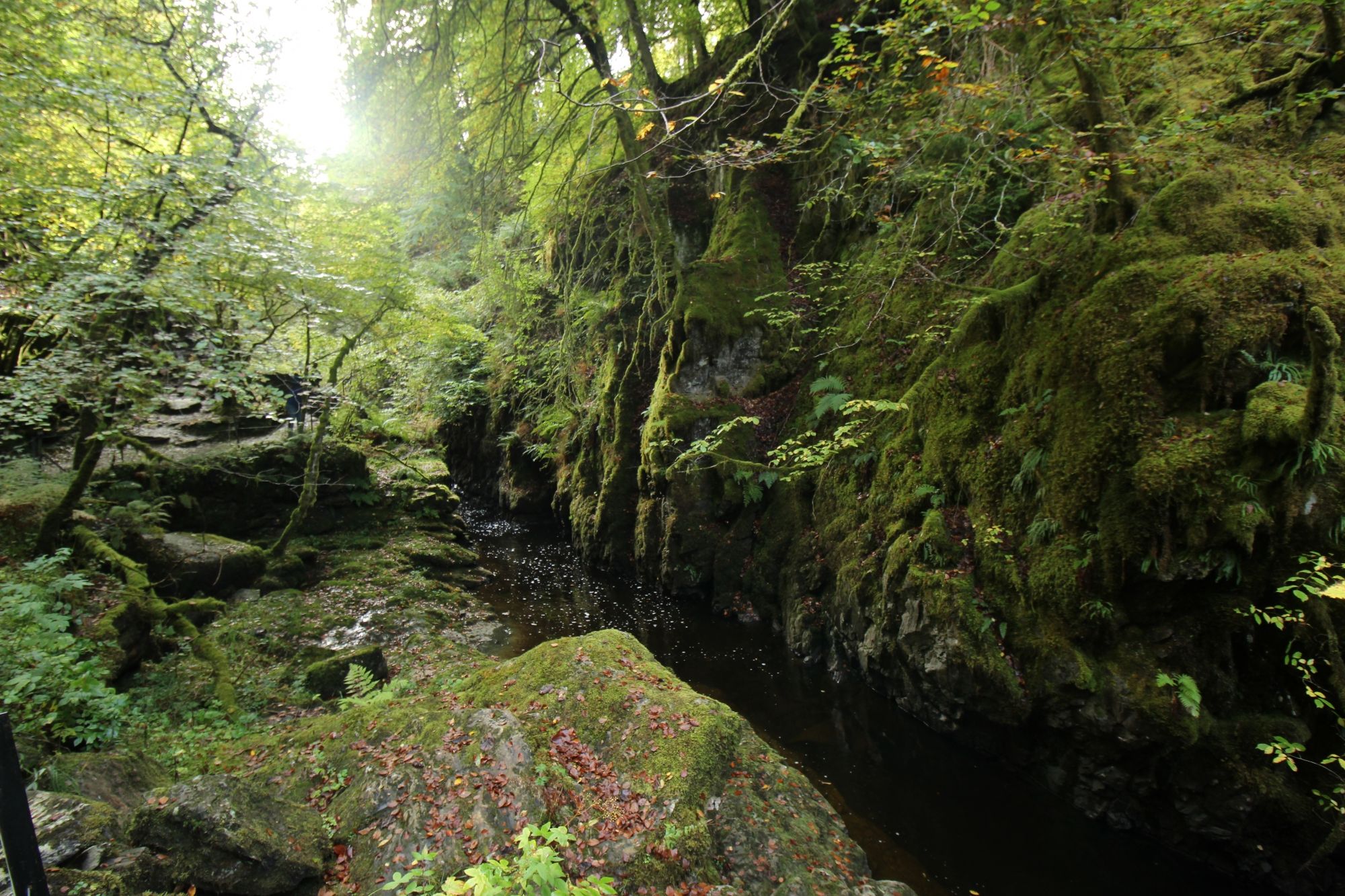
Beyond the poetry, the Birks of Aberfeldy is a site of immense scientific importance. It is designated as a Site of Special Scientific Interest (SSSI) due to its unique botanical features. Ecologists believe that there has been continuous woodland cover on this site for up to 8,000 years, making it a rare remnant of the original post-glacial forests of Scotland. While the silver birches give the area its name, the gorge is a rich tapestry of mixed woodland. As you ascend, you move through stands of beech, which transition into ancient oak, ash, and elm. The humidity within the steep-sided Moness Gorge creates a microclimate perfect for rare mosses, liverworts, and ferns, some of which are found nowhere else in the region. This ancient biodiversity gives the walk a prehistoric atmosphere, particularly in the early morning when mist clings to the moss-covered crags.
The Ascent: Falls of Moness and the Zig-Zag Paths
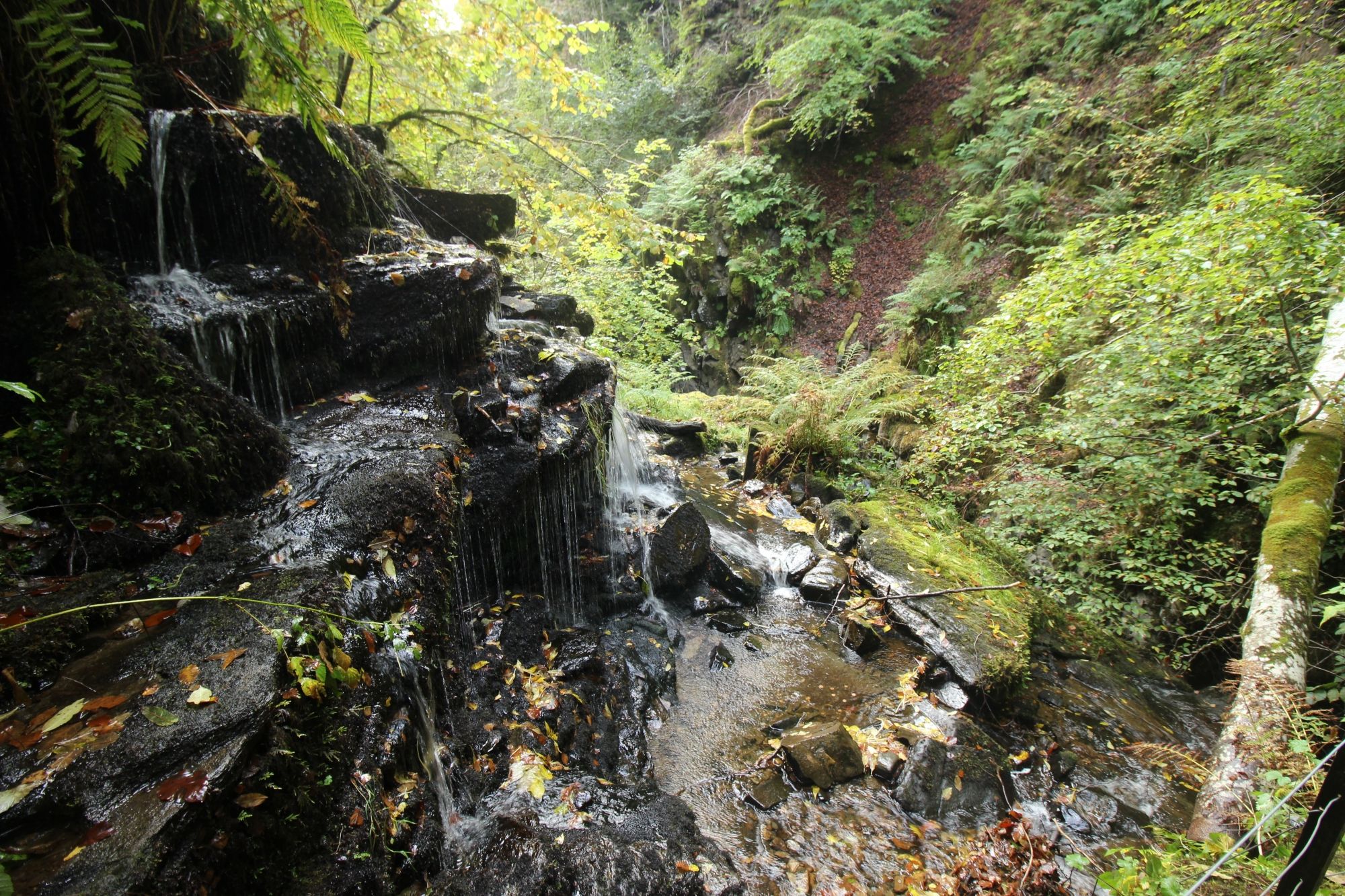
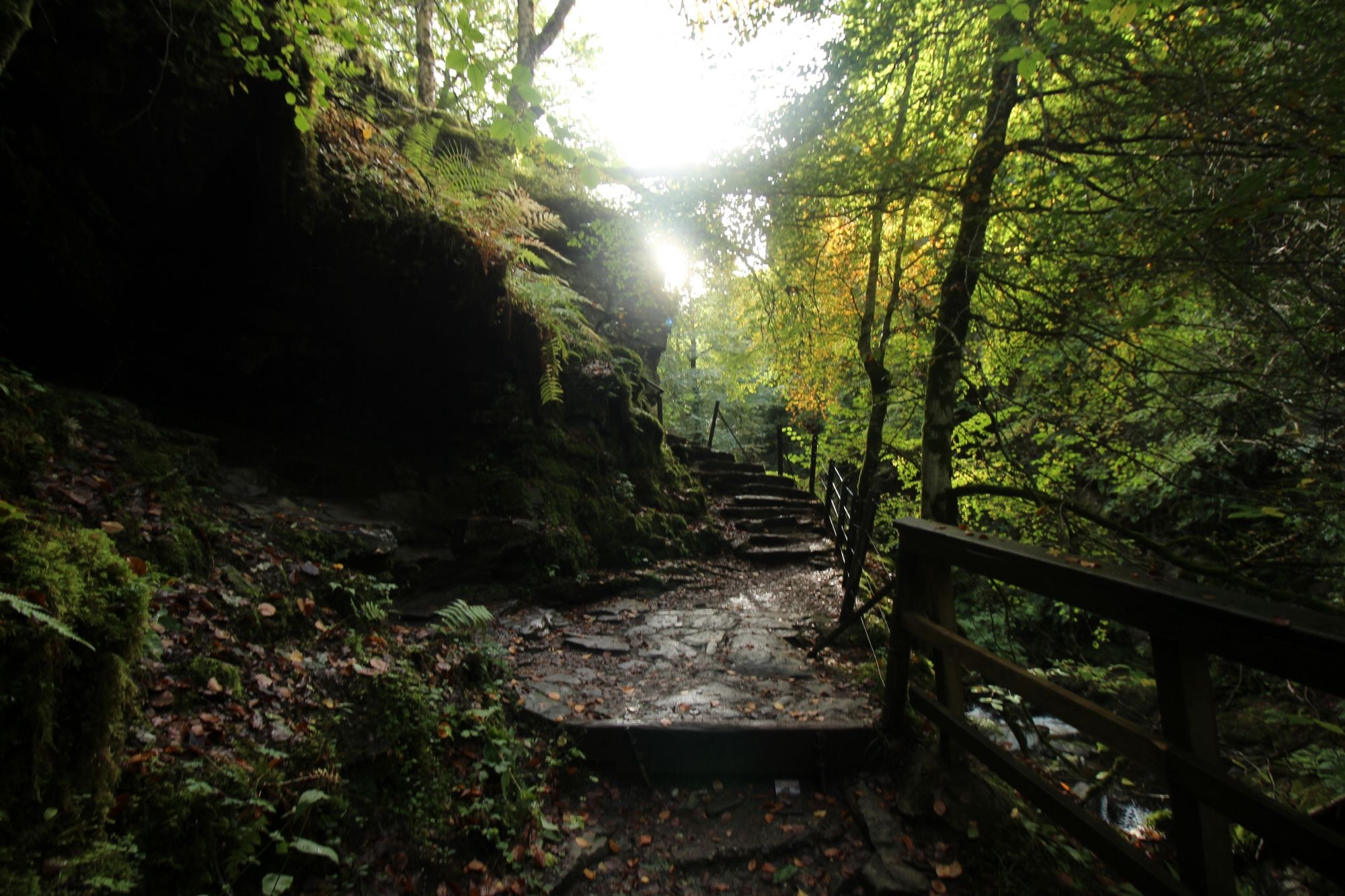
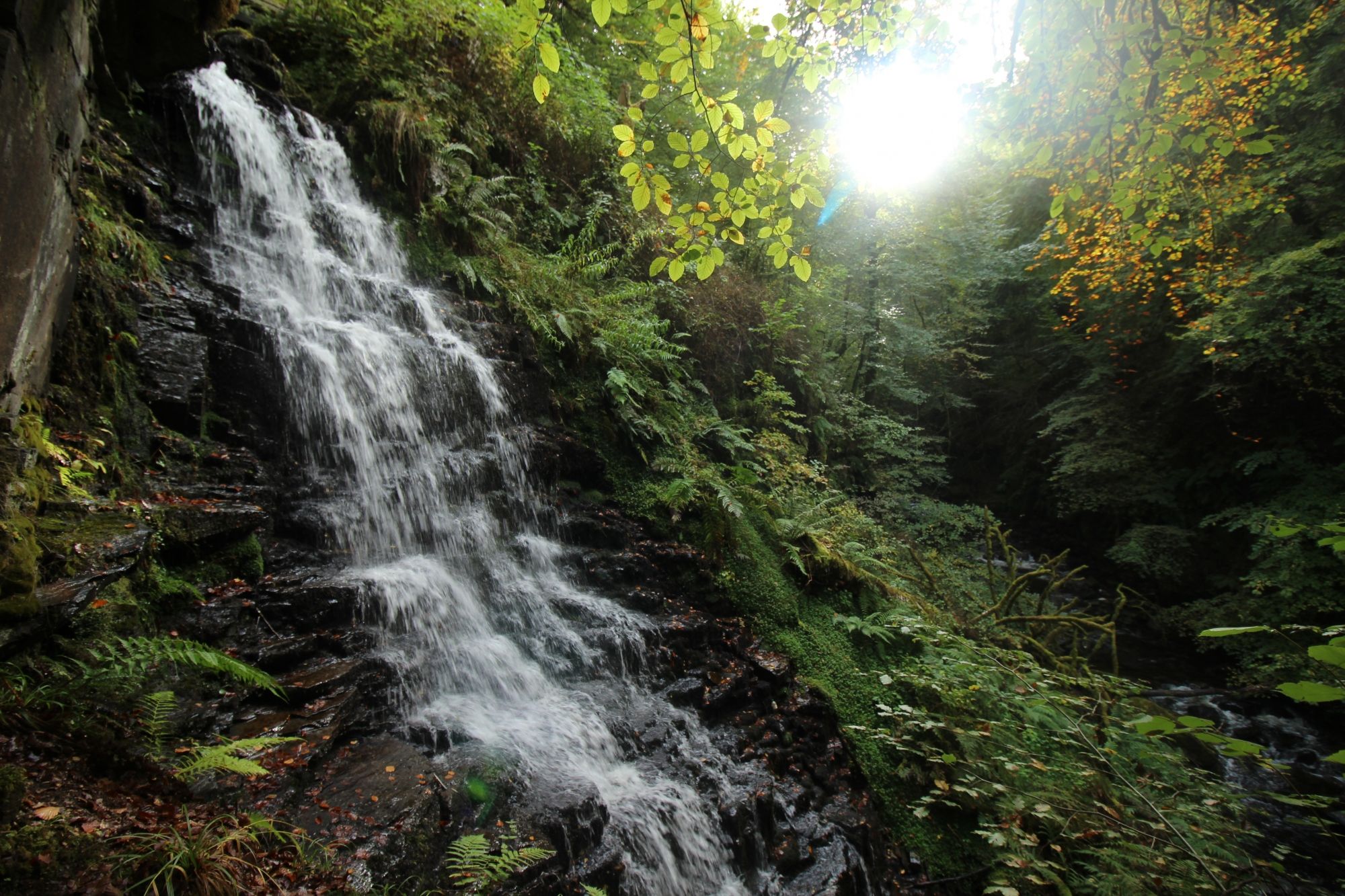
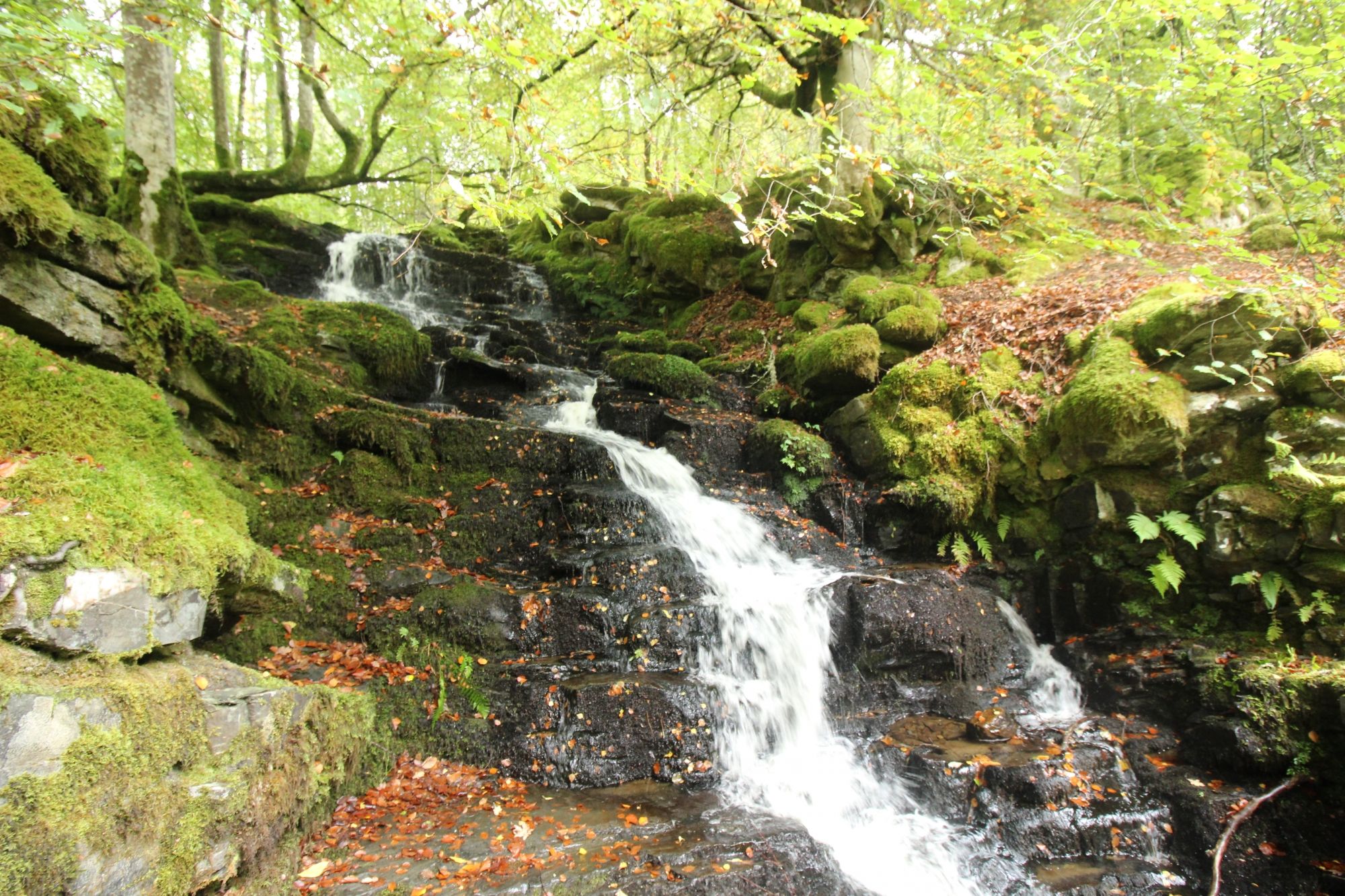
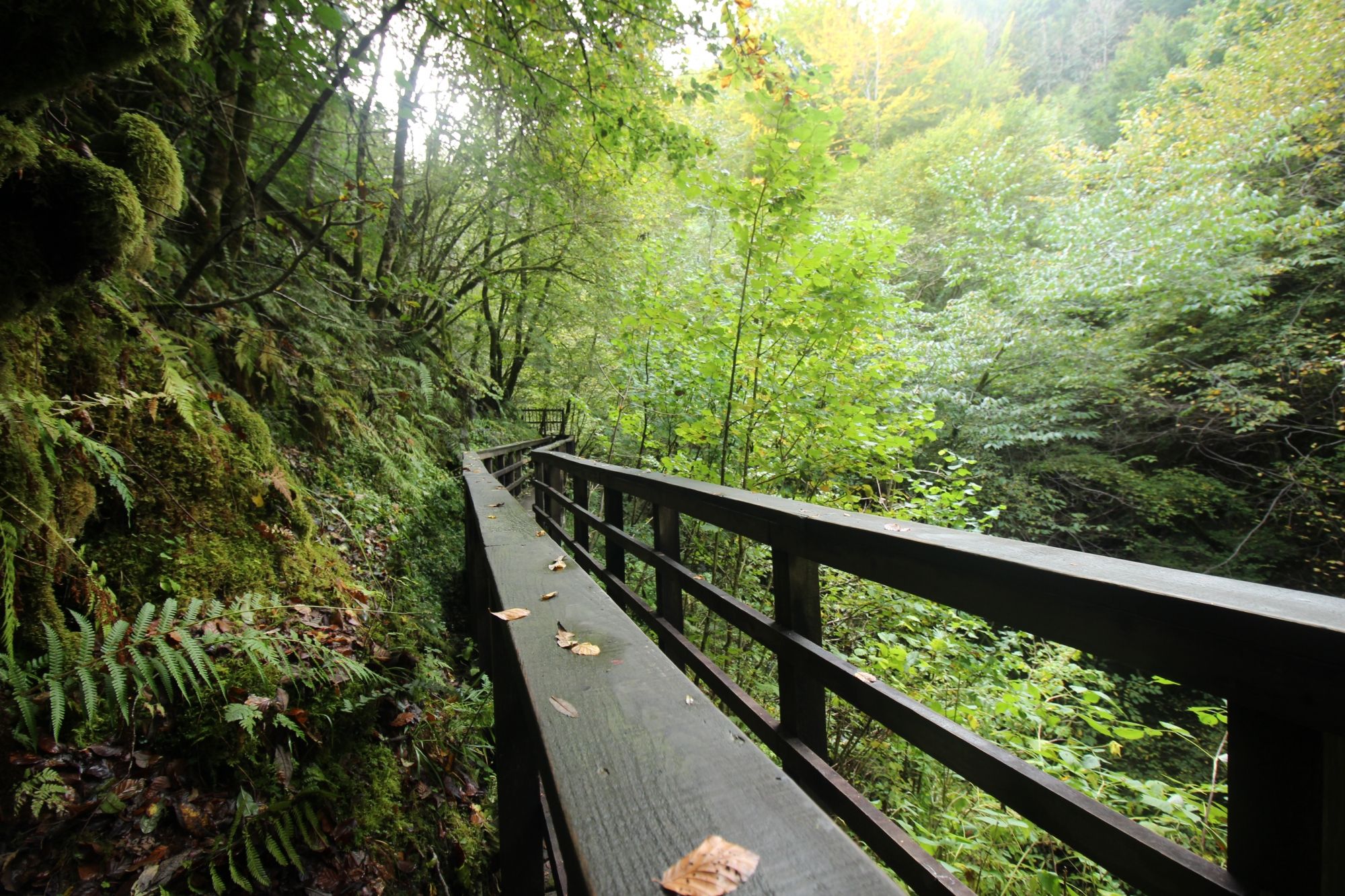
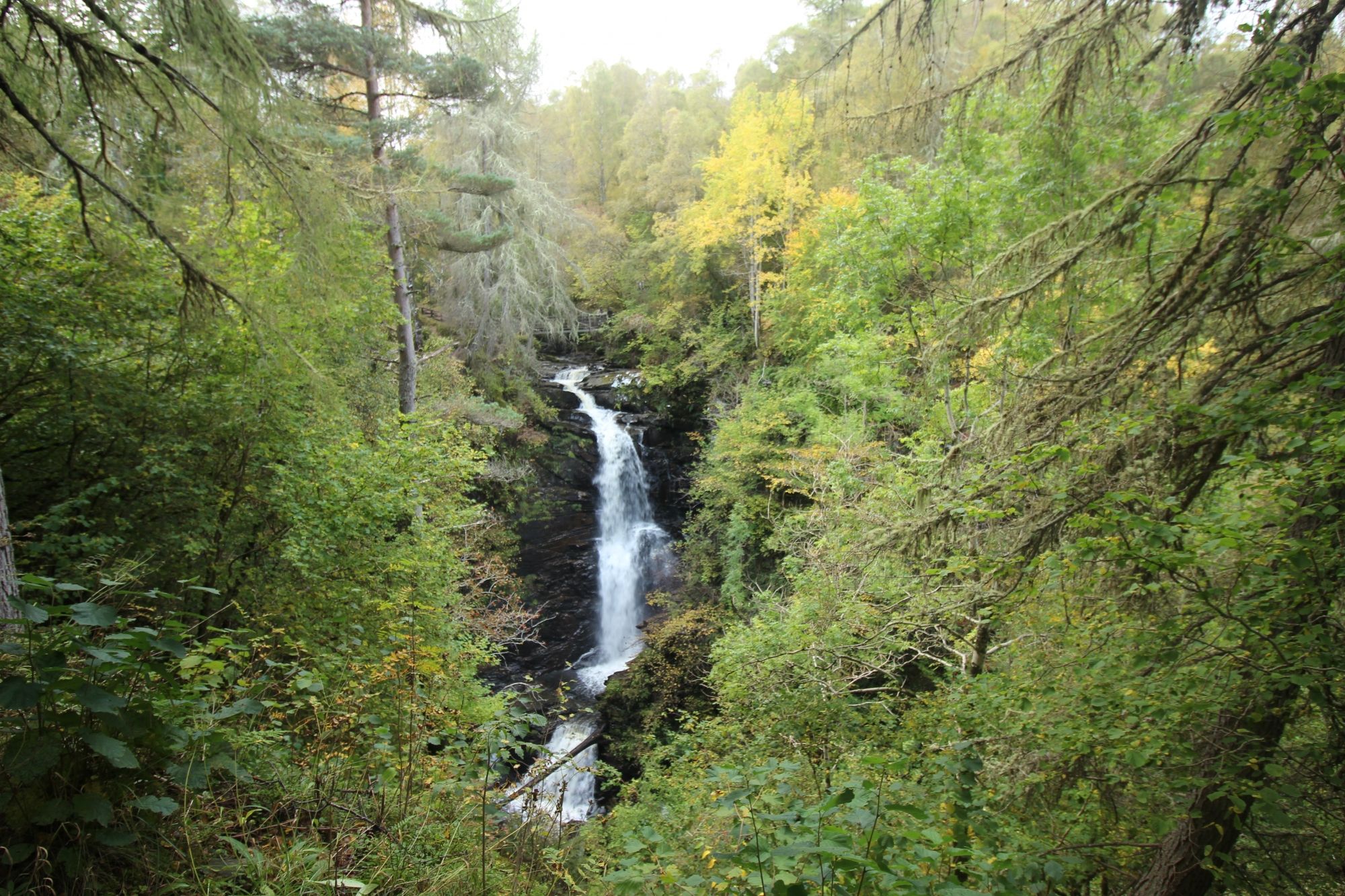
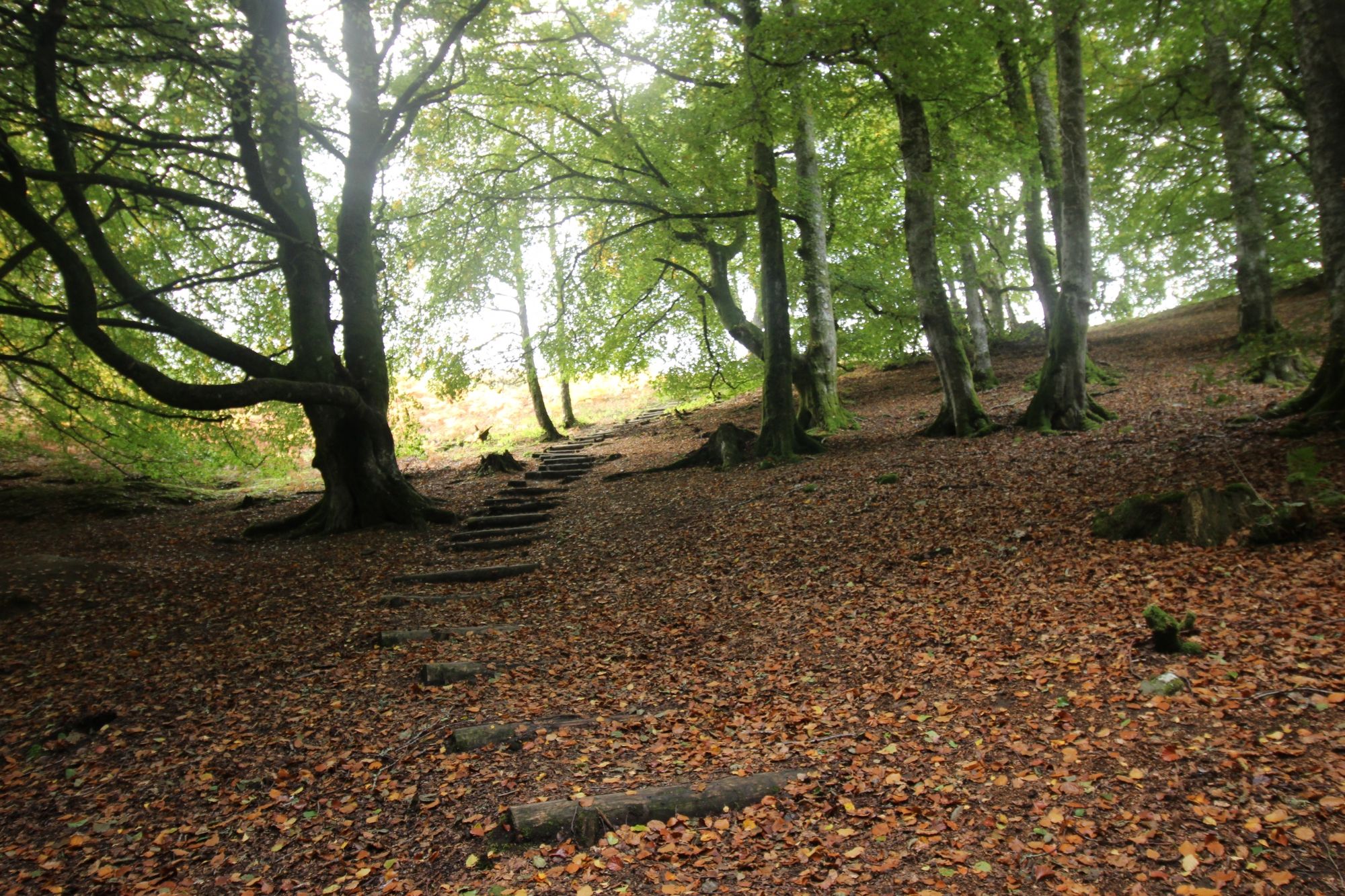
The physical journey through the Birks is a masterclass in path construction. Starting from the dedicated car park, walkers cross a bridge over the Moness Burn and begin a steady climb. The trail is characterized by several flights of stone steps and a series of zig-zags that navigate the steep slopes of the ravine. This elevation gain is rewarded with increasingly dramatic views of the Falls of Moness. The waterfalls are not a single drop but a series of cascades that culminate in the spectacular Middle Falls. A modern wooden walkway and bridge allow visitors to stand directly over the ravine, feeling the spray and hearing the thunderous power of the water as it carves its way through the rock. The engineering of the path ensures that even as you climb 250 meters, the experience remains immersive, with the gorge walls rising like cathedral spires on either side.
Wildlife and Seasonal Spectacles
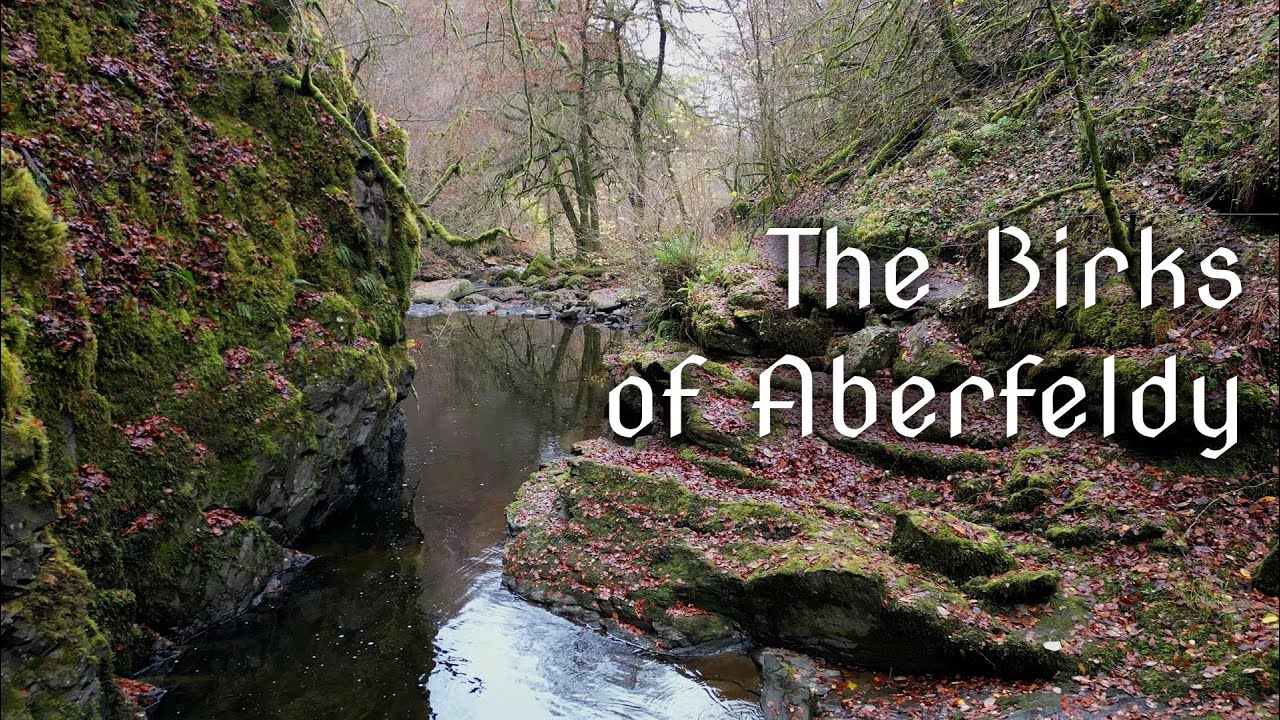
In 2026, the Birks continues to be a haven for Scottish wildlife. The clean, oxygenated water of the Moness Burn supports the Dipper, a small bird known for "walking" underwater to find food. High in the canopy, Great Spotted Woodpeckers and Nuthatches are frequently heard. If you visit in the autumn, the Birks transforms into a golden corridor; the mixture of birch, beech, and oak creates one of the most vibrant displays of fall foliage in Perthshire. Conversely, a winter visit after a heavy frost turns the waterfalls into intricate ice sculptures, and the silver bark of the birches shines against the dark evergreens. Each season offers a new interpretation of Burns’ romantic vision.
Practical Information for the 2026 Season
- Trail Stats: The circular loop is approximately 3.5 km (2.2 miles). Allow 1.5 to 2 hours to fully appreciate the views and take photographs.
- Difficulty: Moderate. While the paths are well-maintained, there are many steep steps. It is not suitable for wheelchairs or strollers beyond the initial bridge.
- Getting There: The Birks car park is located on the southern edge of Aberfeldy, easily accessible from the A826. In 2026, charging points for electric vehicles are available in the main town car parks nearby.
- Facilities: Aberfeldy itself is a bustling town with excellent independent bookshops, cafés, and the famous Dewar’s Distillery, perfect for a post-walk dram.
- Safety: The spray from the waterfalls can make the wooden walkways and stone steps slippery. Wear boots with good tread, especially after rainfall.
Conclusion: An Eternal Scottish Classic
The Birks of Aberfeldy is a place where nature and culture are perfectly entwined. It is a walk that rewards the body with a vigorous climb and the soul with a deep sense of history and beauty. In 2026, as travelers seek out destinations that offer more than just a photo opportunity, the Birks stands out as a site of genuine inspiration. It remains, as Robert Burns once saw it, a place of "crystal streamlets" and "flowery braes"—a timeless Highland sanctuary that continues to capture the heart of everyone who wanders through its ancient trees.