



Ben Nevis via the CMD Arête: The Ultimate Ridge Traverse
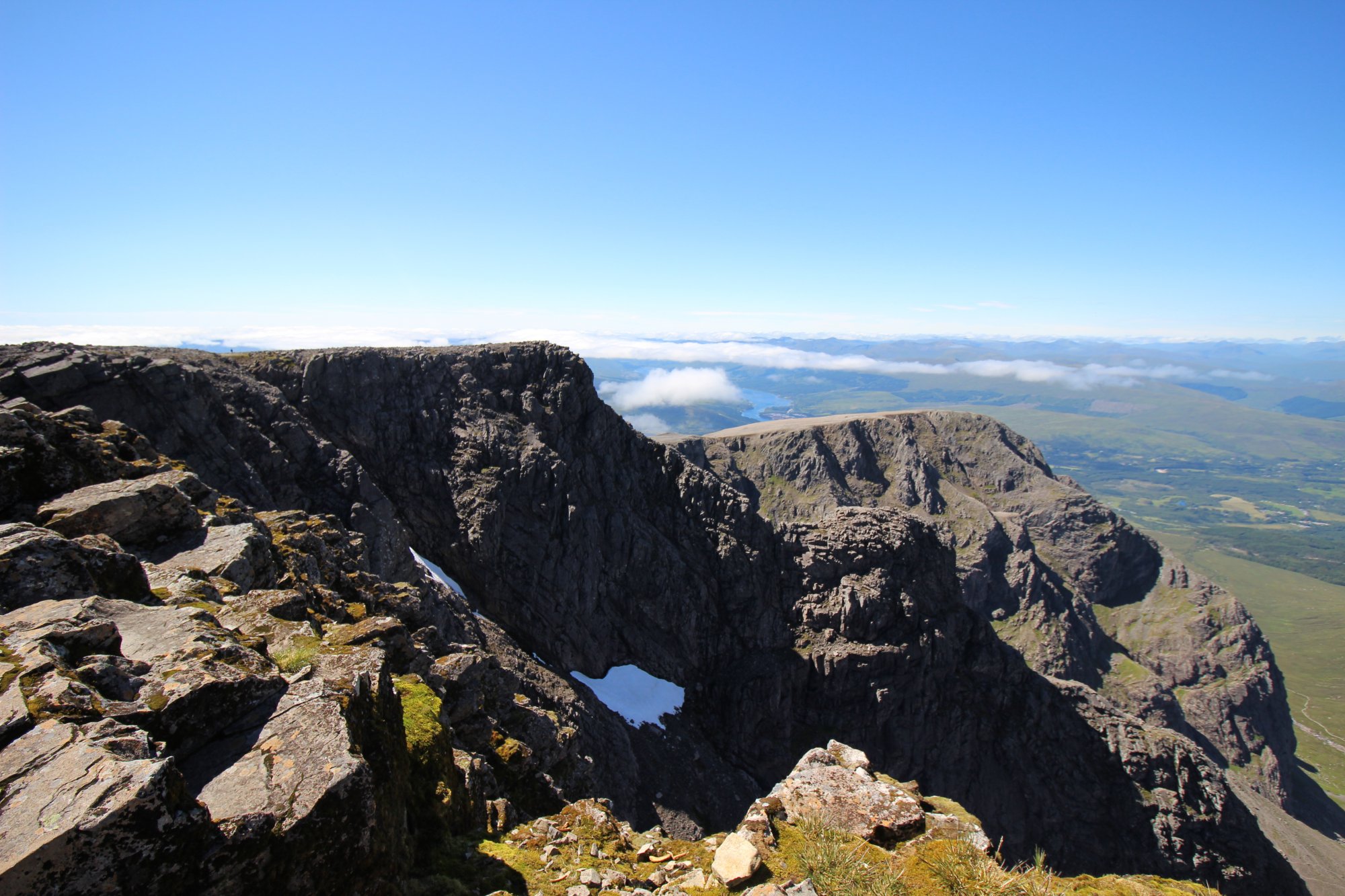
For those seeking to stand atop the United Kingdom’s highest point without the crowds of the "Pony Track," the Càrn Mòr Dearg (CMD) Arête offers the most magnificent and mountaineering-focused approach to Ben Nevis. While the standard tourist route is a steady plod, the CMD Arête is a high-octane adventure involving a massive 1,500-meter ascent, a subsidiary Munro summit, and a world-class scrambling ridge. It provides an unrivaled perspective of the North Face—the legendary 600-meter vertical cliffs where Britain’s most daring ice and rock climbs take place.
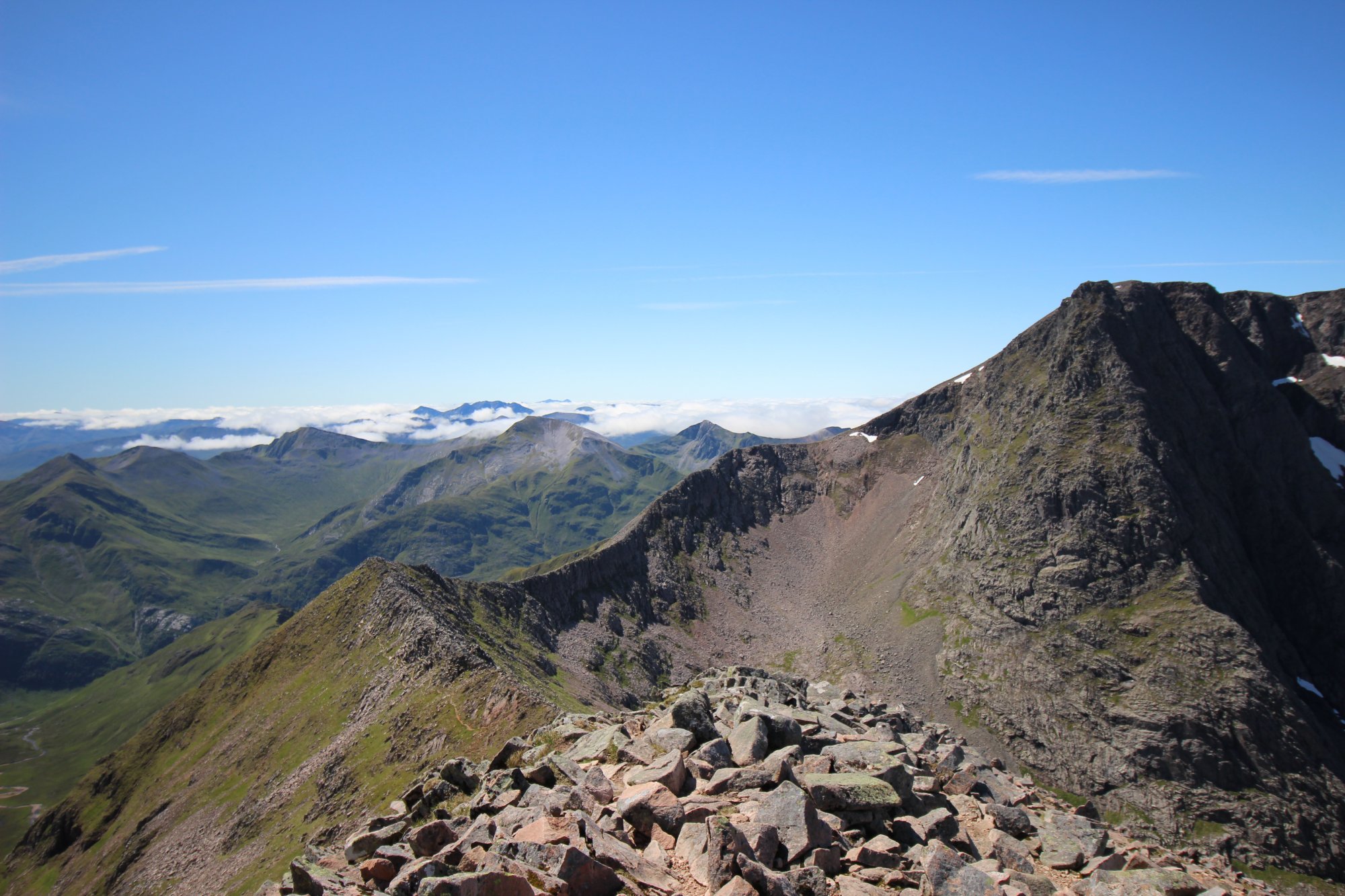
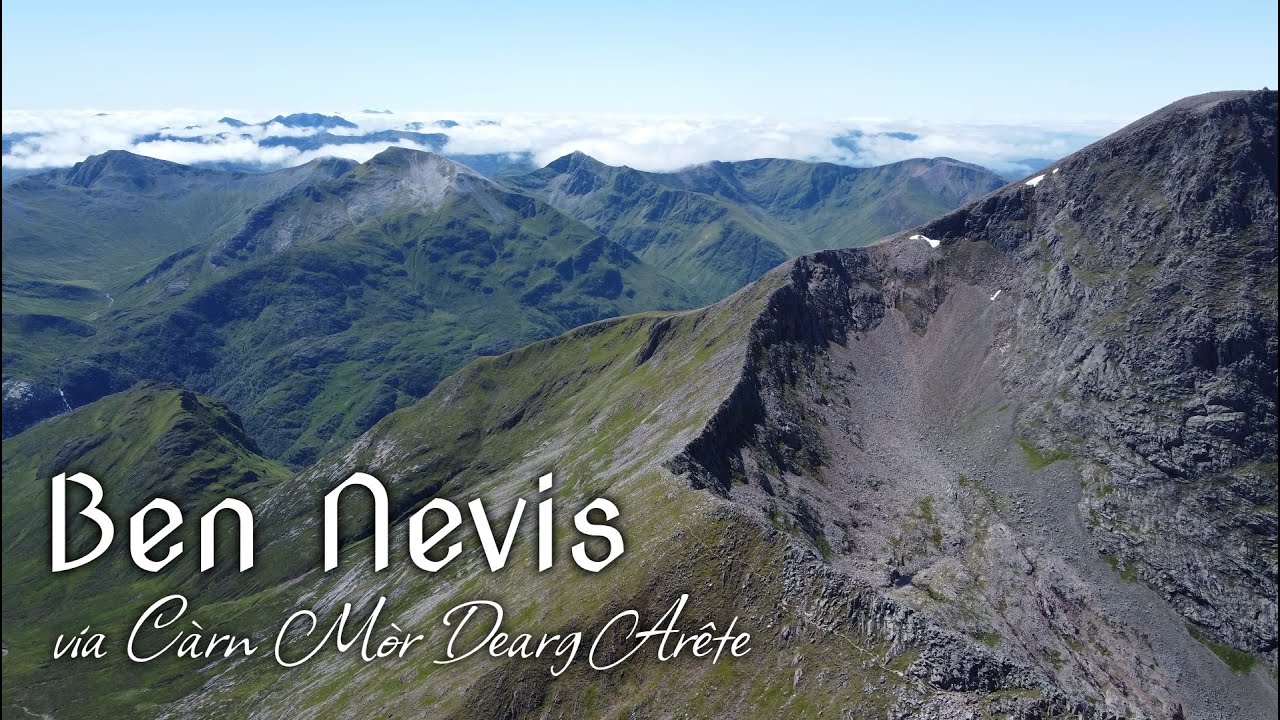
This route is a significant step up in difficulty and is not recommended for beginners. It requires a steady head for heights, physical stamina, and a willingness to navigate boulder-strewn terrain where "stomach-churning" drops are the norm. The journey begins with the ascent of Càrn Mòr Dearg, Scotland’s 11th highest mountain at 1,220 meters, which serves as the gateway to the ridge itself. Between this peak and the summit of the Ben lies the Arête: a narrow, sweeping crescent of rock that demands respect and delivers pure elation.
The Ridge Experience: Boulders and Exposure
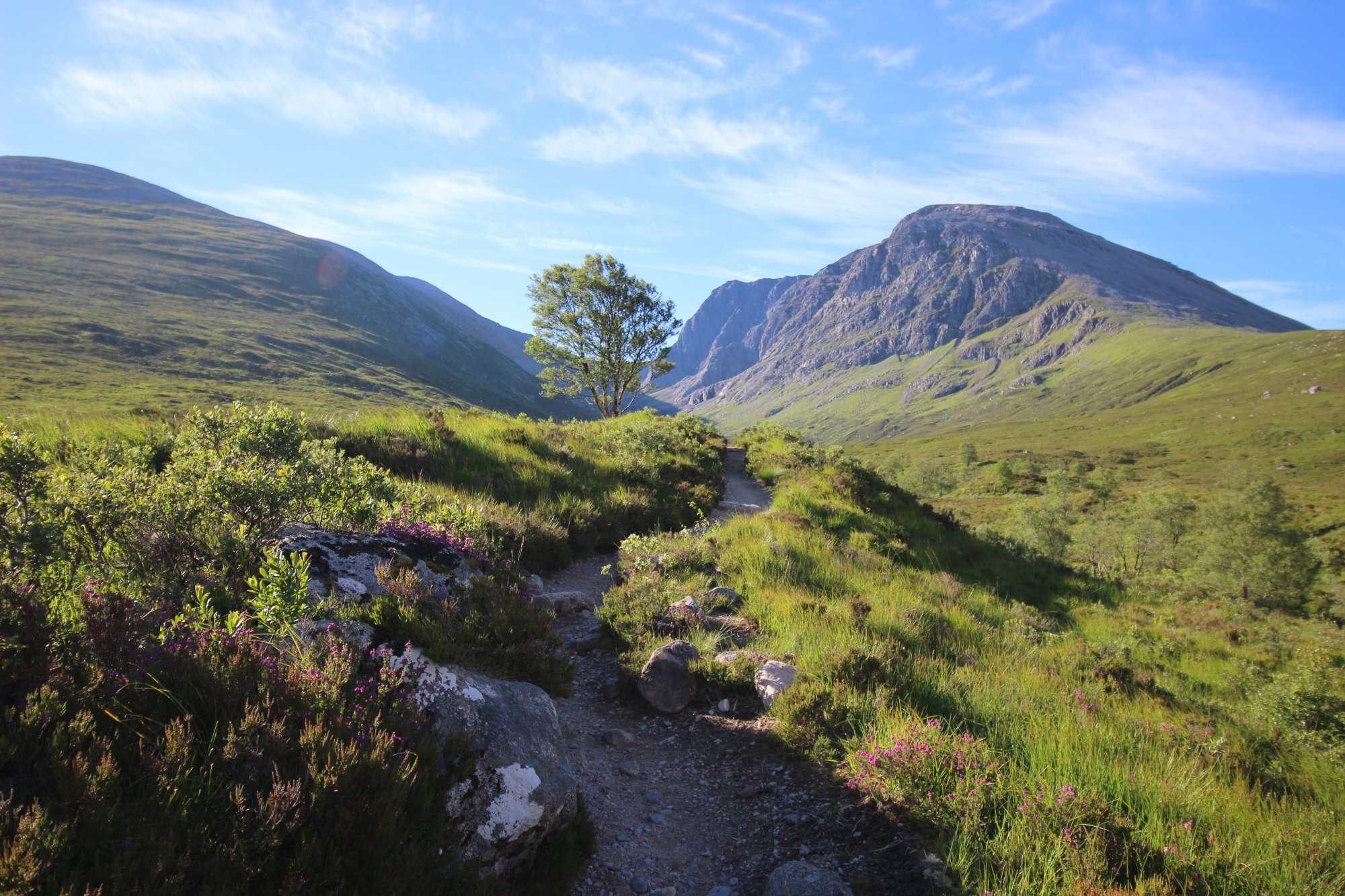
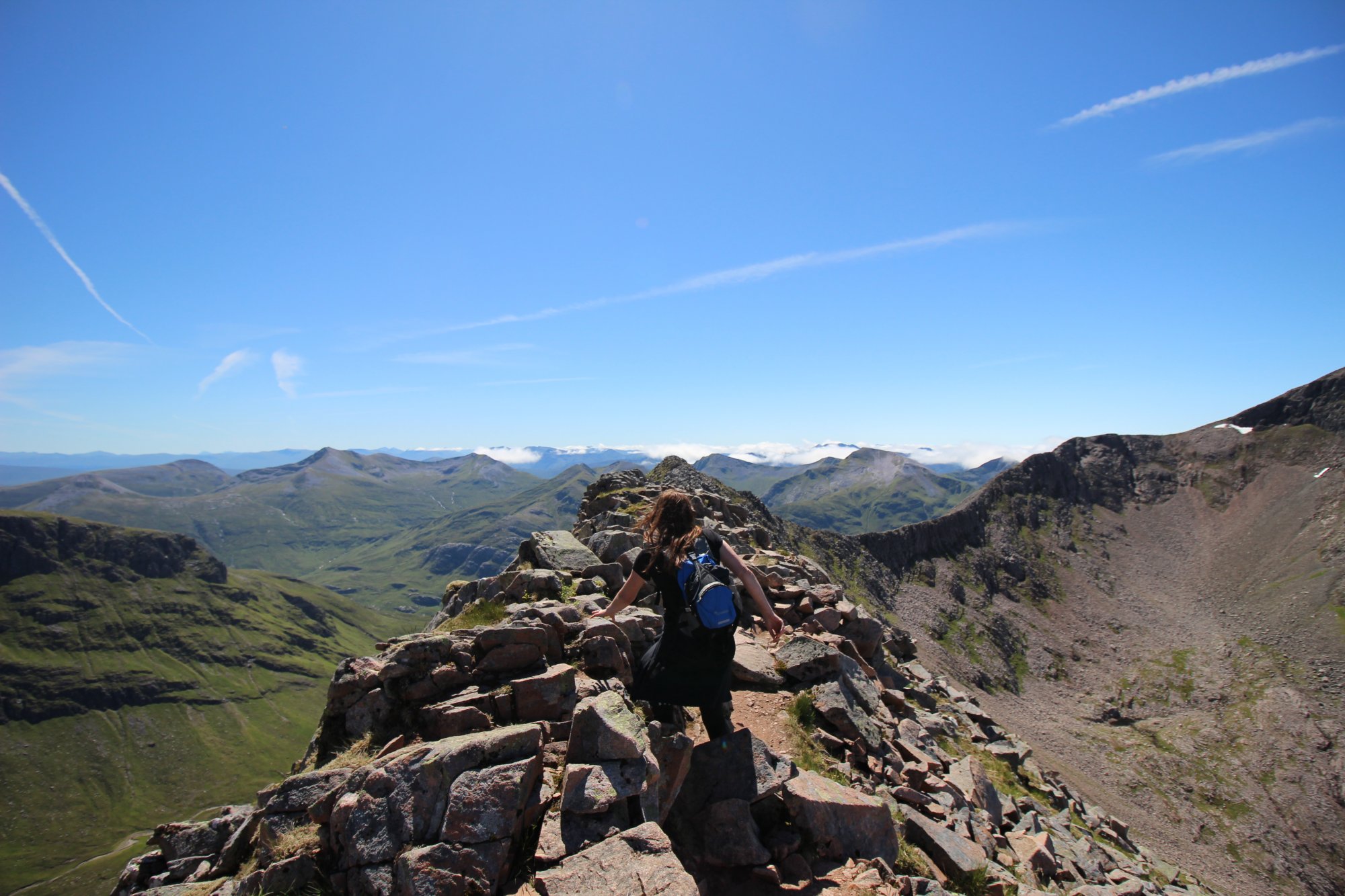
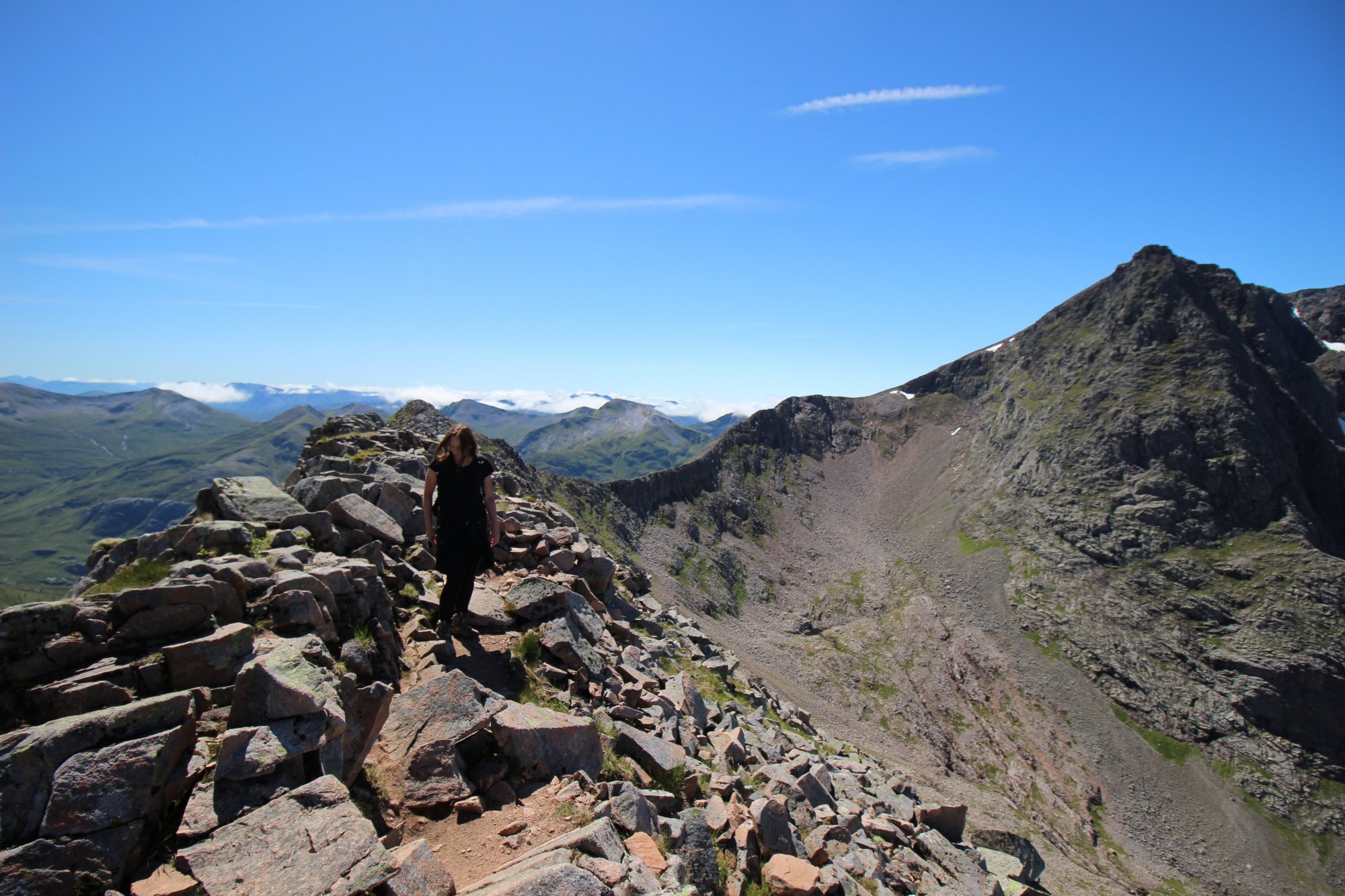
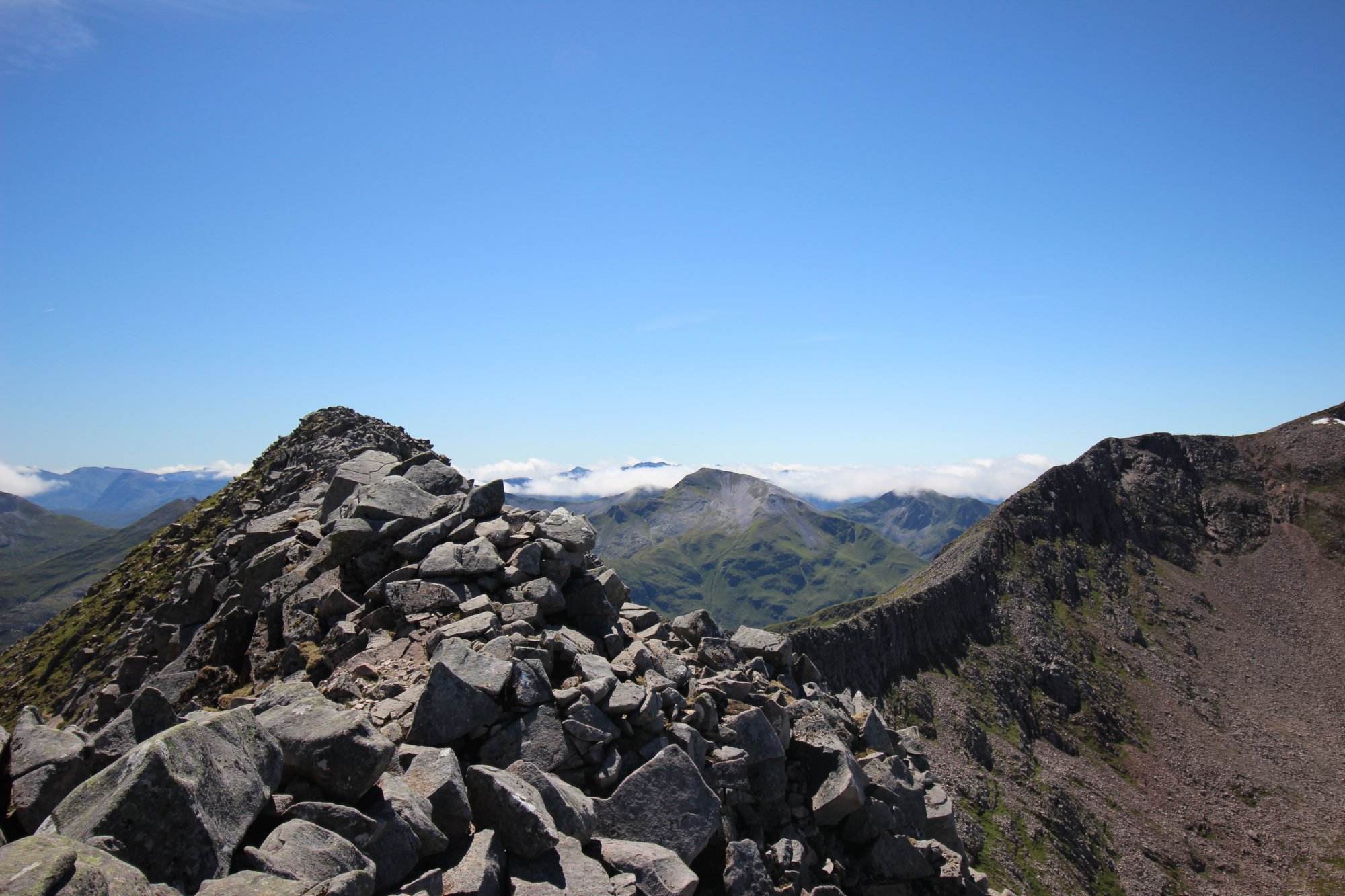
In 2026, the CMD Arête remains a "bucket-list" traverse for experienced hikers. The path from the North Face car park often begins with a notorious bog-trot; even with high-quality waterproof boots, expect "wet socks" as you navigate the saturated moorland toward the base of CMD. Once you reach the summit of Càrn Mòr Dearg, the true scale of the challenge reveals itself. The ridge is a jagged spine of granite boulders that must be either sidestepped or scrambled over.
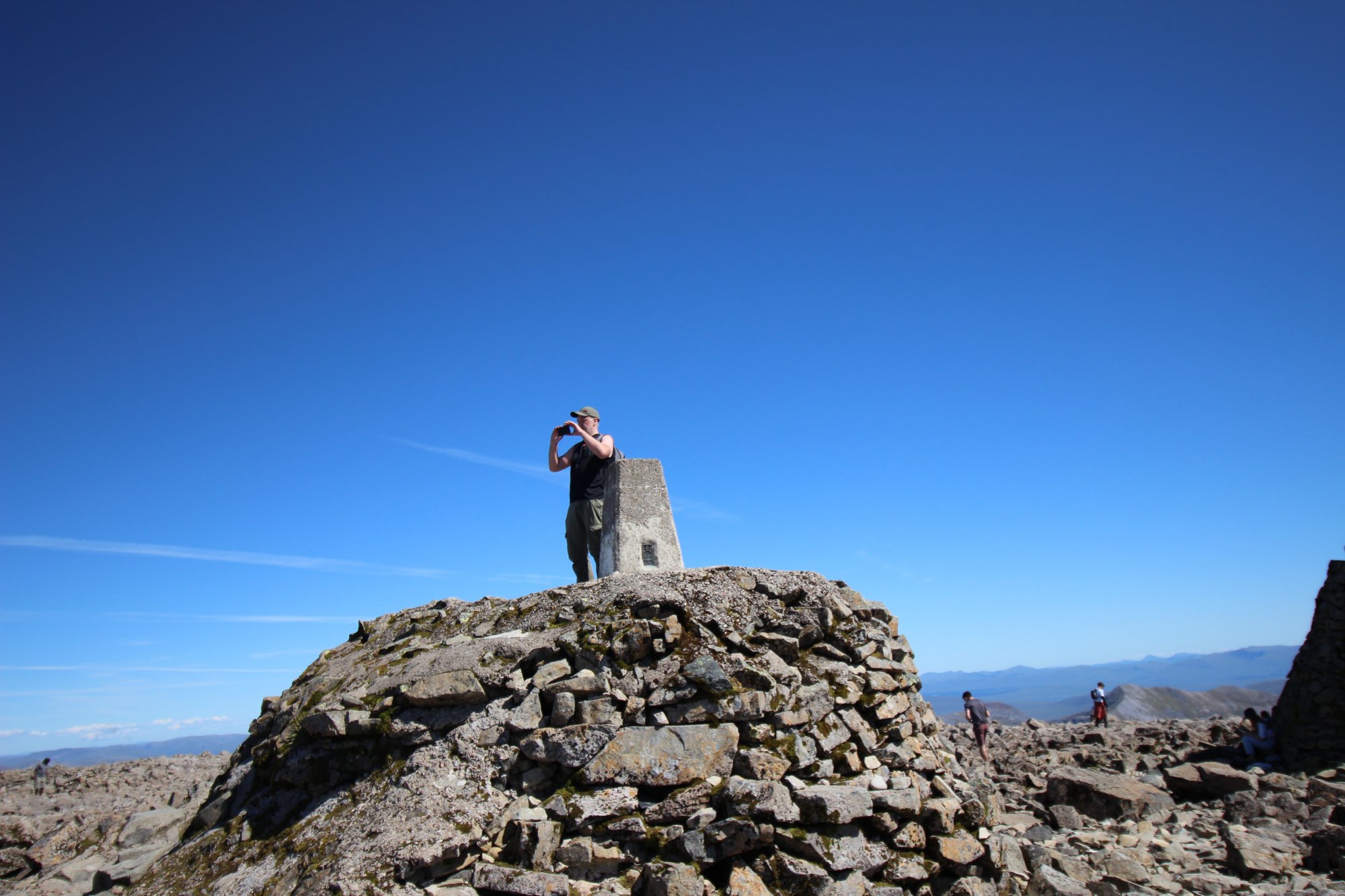
While a faint bypass path exists a few meters below the crest on the left side, it is often eroded and offers only a slight psychological reprieve from the exposure. The final stage of the ridge is a relentless "boulder bash" up the eastern flank of Ben Nevis. There is no fixed path here; you must pick your line through a massive pile of loose rocks to reach the summit plateau. Reaching the top via this route provides a stark contrast: after hours of near-total solitude on the ridge, you emerge into the bustling atmosphere of the summit, where dozens of hikers who ascended via the Pony Track gather at the trig point.
Wildlife and the High-Altitude Desert
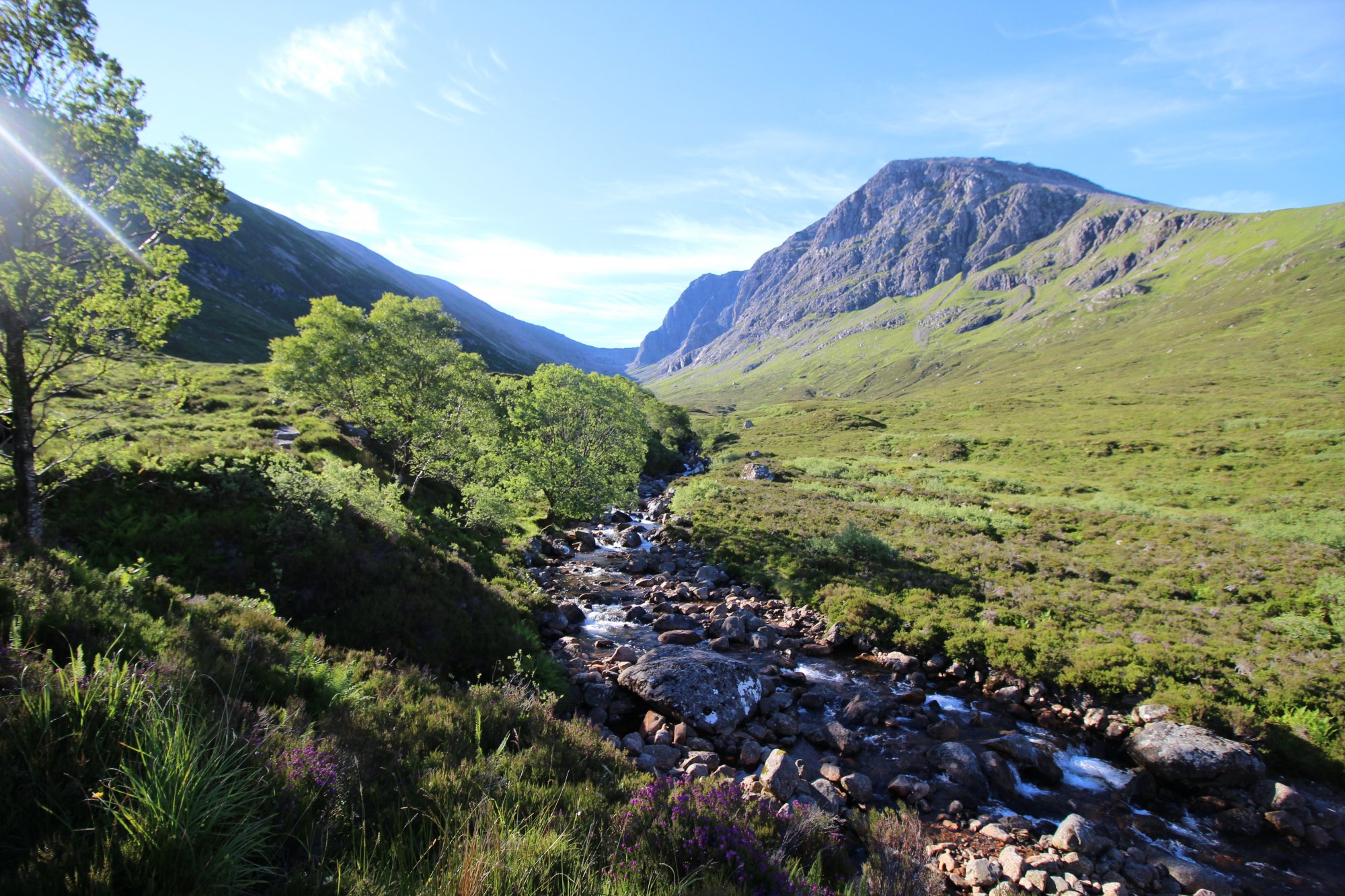
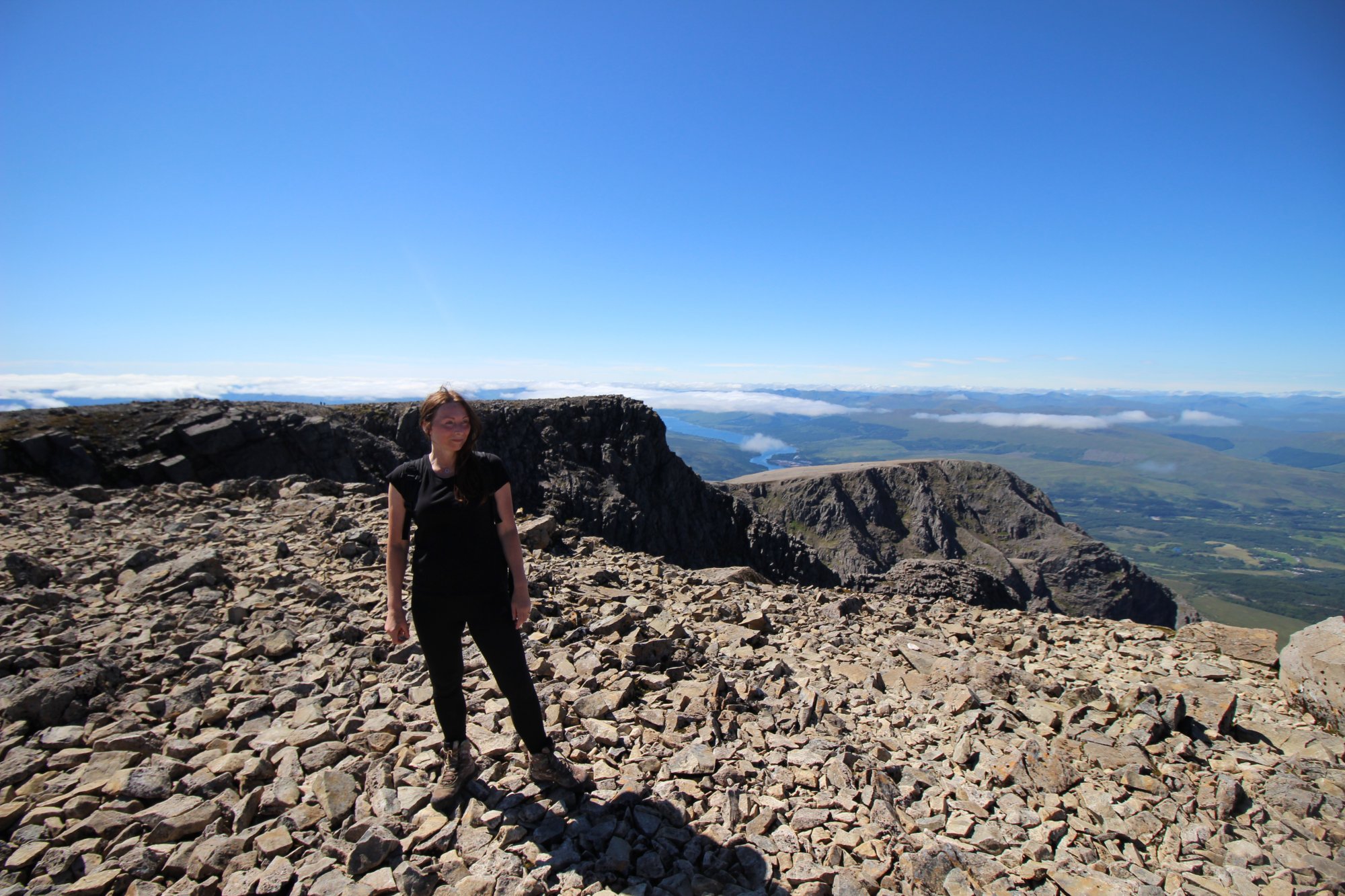
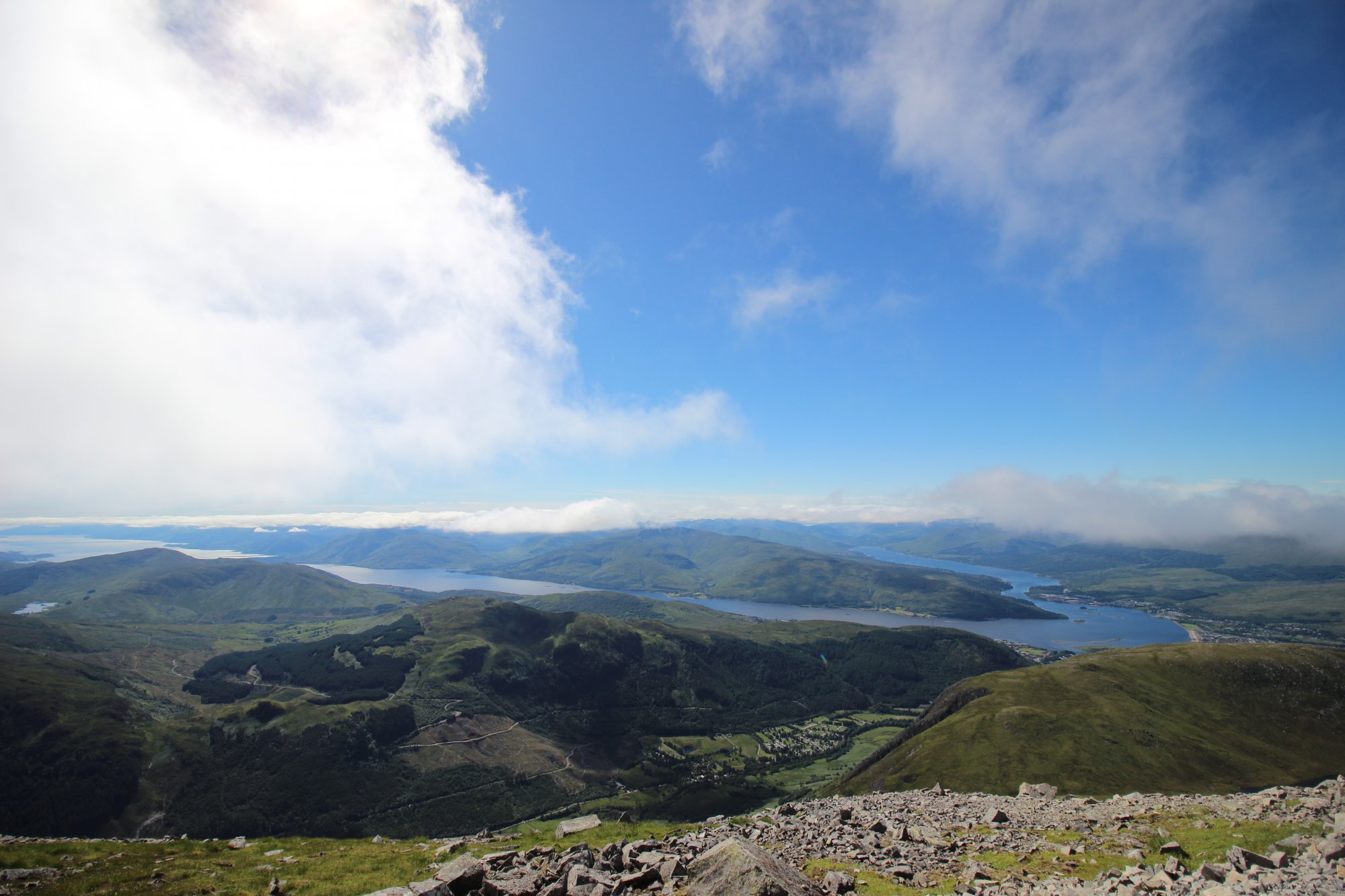
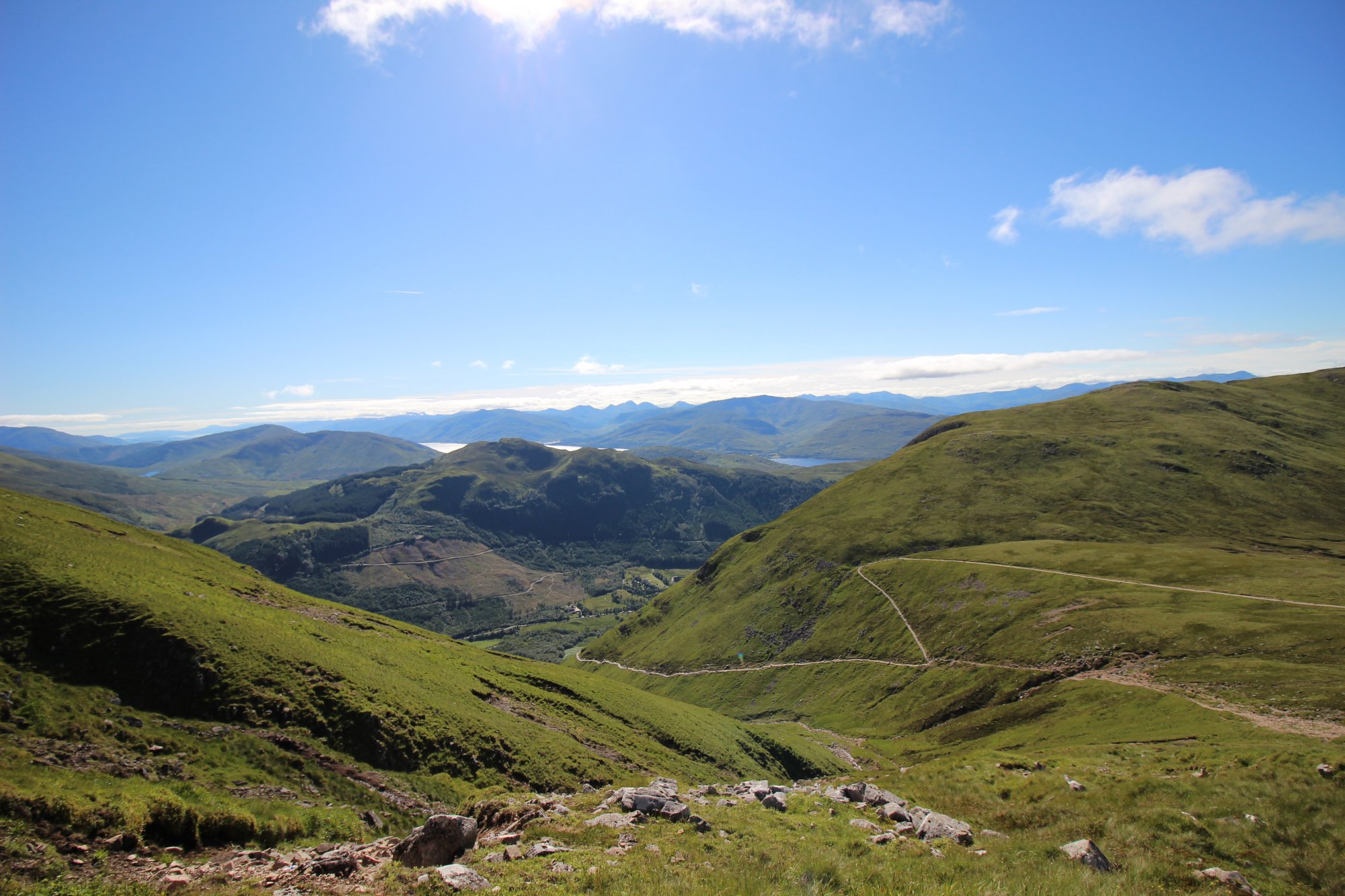
The high plateau of Ben Nevis and the CMD Arête are classified as an "arctic-alpine" environment. In 2026, the area remains a sanctuary for specialized species such as the Snow Bunting and the Ptarmigan, which are often spotted darting among the rocks. On the lower slopes, the North Face car park area is a prime spot for seeing red deer and the occasional golden eagle soaring over the Allt a' Mhuilinn valley. The lack of vegetation on the upper reaches gives the mountain a lunar, desert-like quality that makes the views of the lush Glen Nevis and the distant Glencoe peaks feel even more vibrant.
Practical Tips for the 2026 Season
- Preparation and Water: This is a 10 to 12-hour undertaking for most. In 2026, mountain rescuers emphasize that the western face of the Ben acts as a sun-trap. Despite the altitude, heat exhaustion and severe sunburn are common; carry at least 3 liters of water and high-factor UV protection, as there are no water sources once you leave the valley floor.
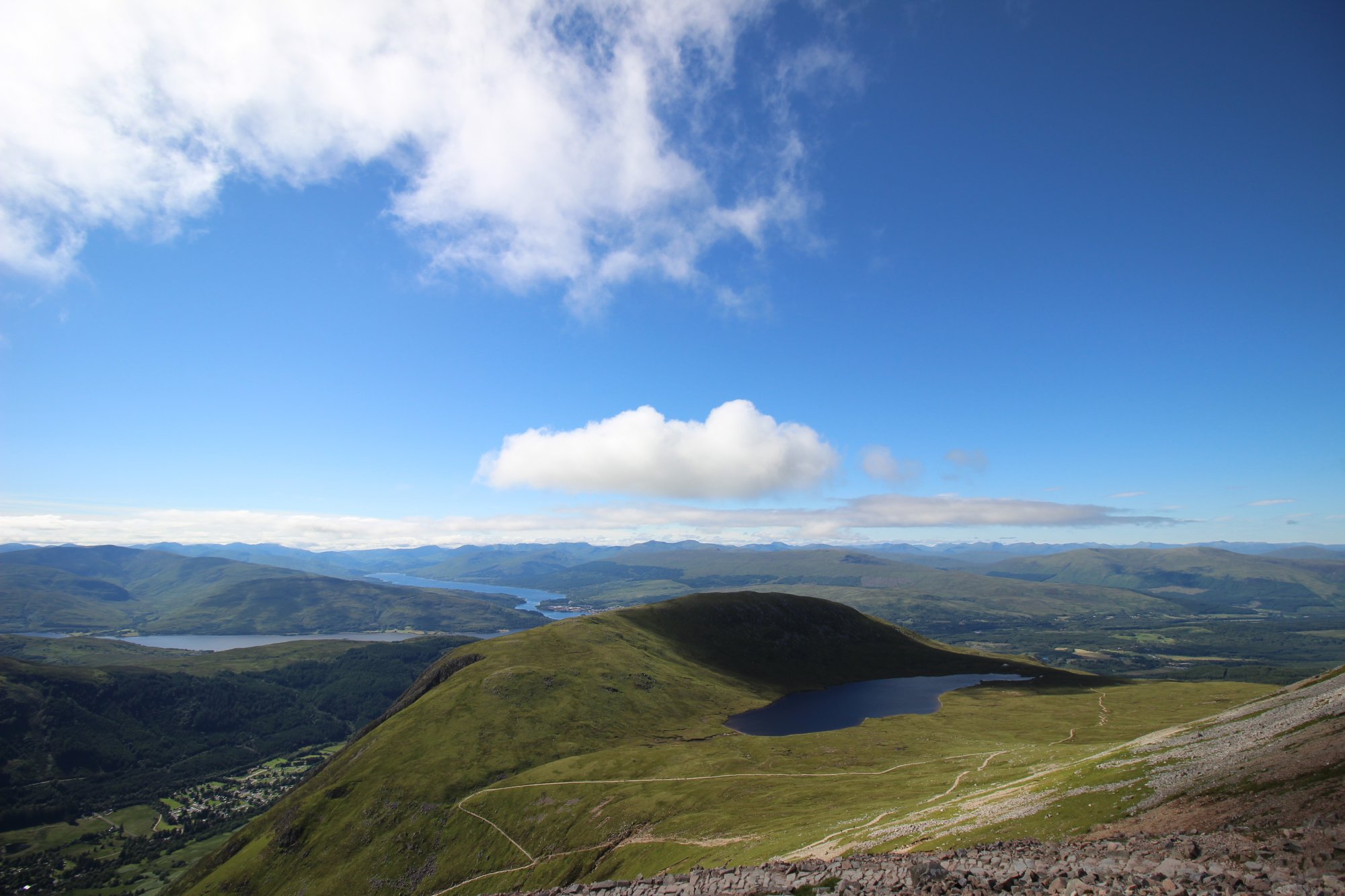
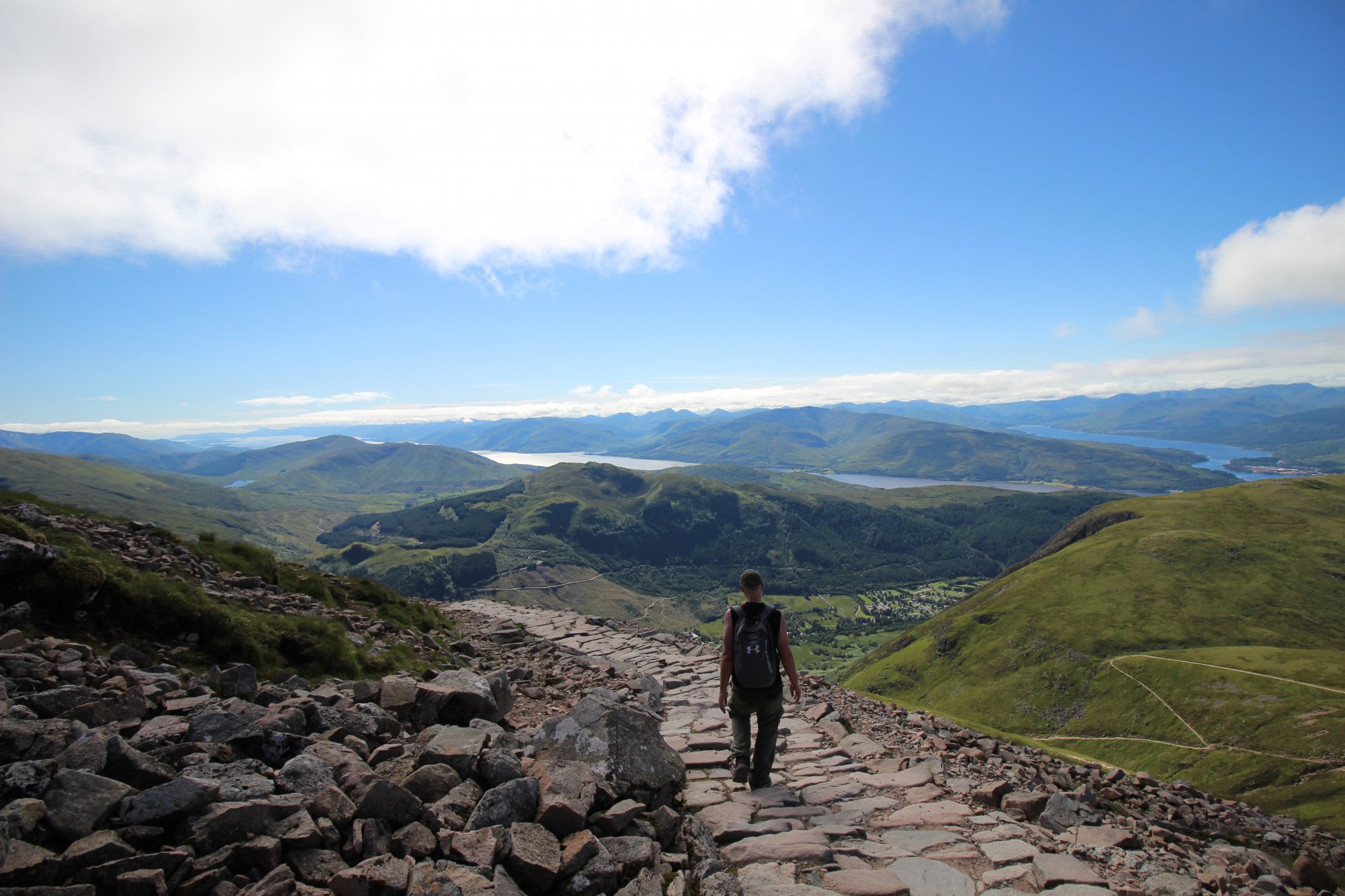
- Navigation: The descent from the summit back to the North Face car park can be tricky. Most hikers descend via the upper Pony Track to the "Halfway Lochan" (Lochan Meall an t-Suidhe). From there, you must strike off-path to the north to rejoin the original trail. In 2026, this "shortcut" remains extremely boggy and requires careful navigation to avoid the marshy ponds.
- Equipment: Sturdy mountain boots with stiff soles are non-negotiable for the boulder fields. Trekking poles are highly recommended for the descent but should be stowed on your pack during the scrambling sections of the Arête to keep your hands free.
- Parking: The North Face car park (Torlundy) is the standard starting point. In 2026, it is equipped with electronic payment systems. Arrive before 7:30 AM to ensure a space and to maximize your daylight hours.
- Safety: The ridge is highly dangerous in high winds or icy conditions. In early 2026, the Arête can hold "cornices" of snow well into May, making it a serious winter mountaineering trip requiring an ice axe and crampons.
A Life-Changing Ascent
The CMD Arête is more than just a hike; it is a profound engagement with the rawest elements of the Scottish Highlands. It offers a sense of achievement that few other trails in the UK can match. As you balance on the narrow granite spine, with the abyss of the North Face on one side and the sweeping views of Loch Linnhe and Fort William on the other, you experience the true majesty of "The Ben." It is a journey of terror and beauty in equal measure—a definitive Highland epic that will stay with you long after you’ve washed the mud from your boots.