




Beinn Eighe: The Quartzite Giant of Torridon
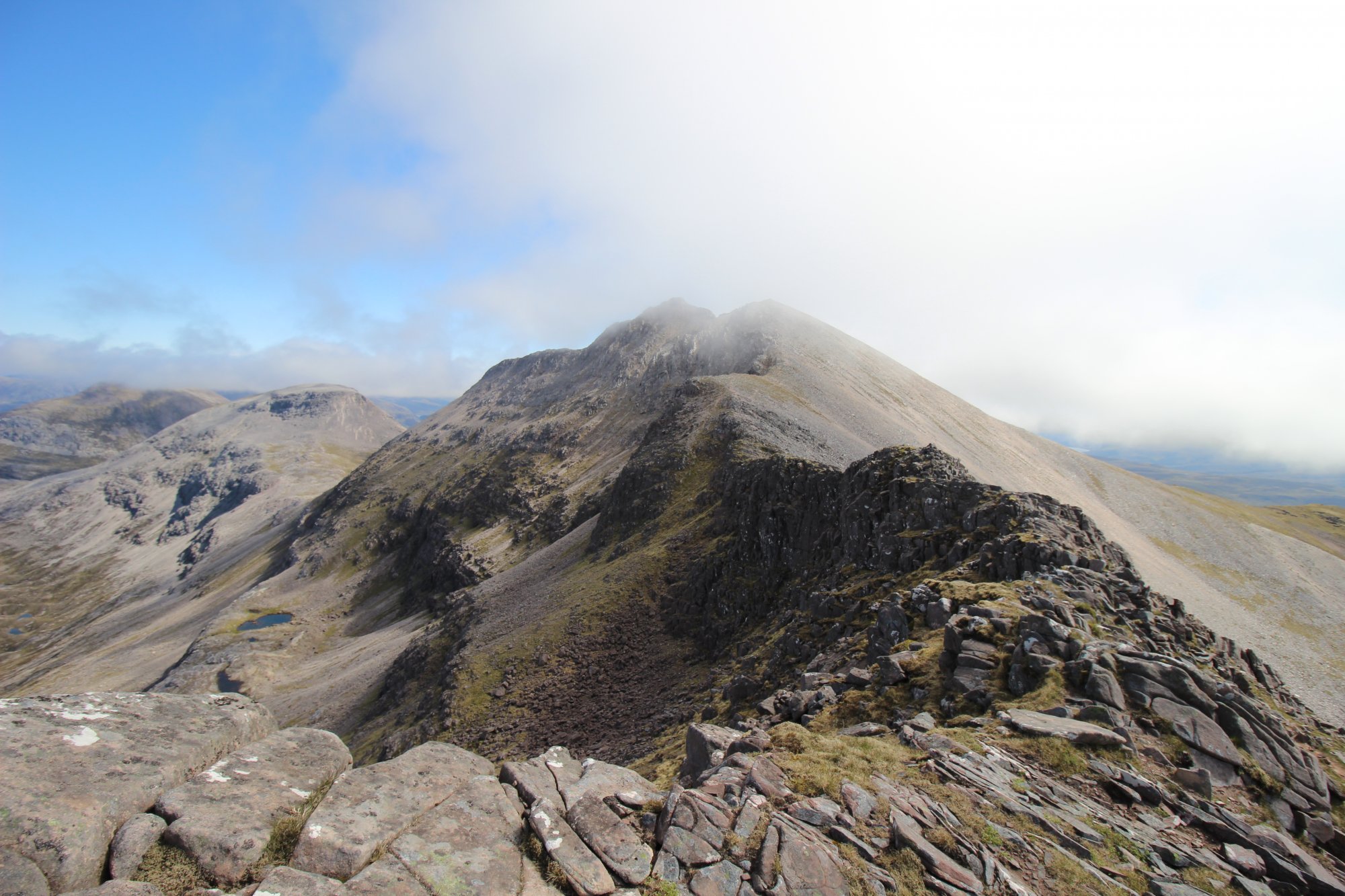
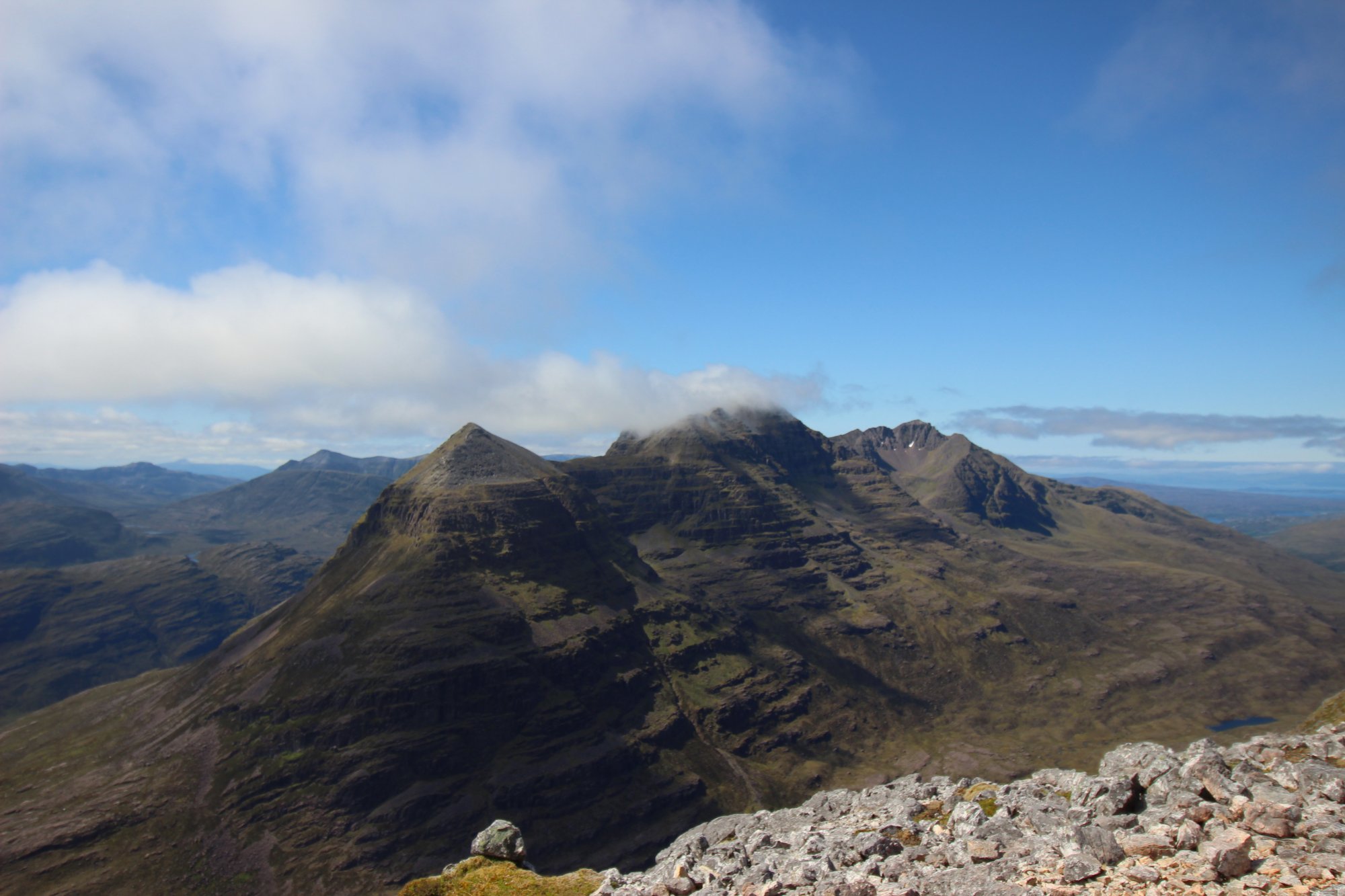
Widely considered one of the most beautiful and geologically significant mountains in the British Isles, Beinn Eighe is a sprawling massif of ancient rock located in the Torridon forest of Wester Ross. Unlike its neighbors, which are dominated by red Torridonian sandstone, Beinn Eighe is capped with a brilliant layer of white Cambrian quartzite. From a distance, this give the mountain a permanent "snow-capped" appearance as the sun reflects off the scree slopes. This jagged, pale fortress comprises a complex network of seven distinct summits, numerous deep corries, and two Munros: Spidean Coire nan Clach (993 meters) and the more remote Ruadh-Stac Mòr (1,010 meters).
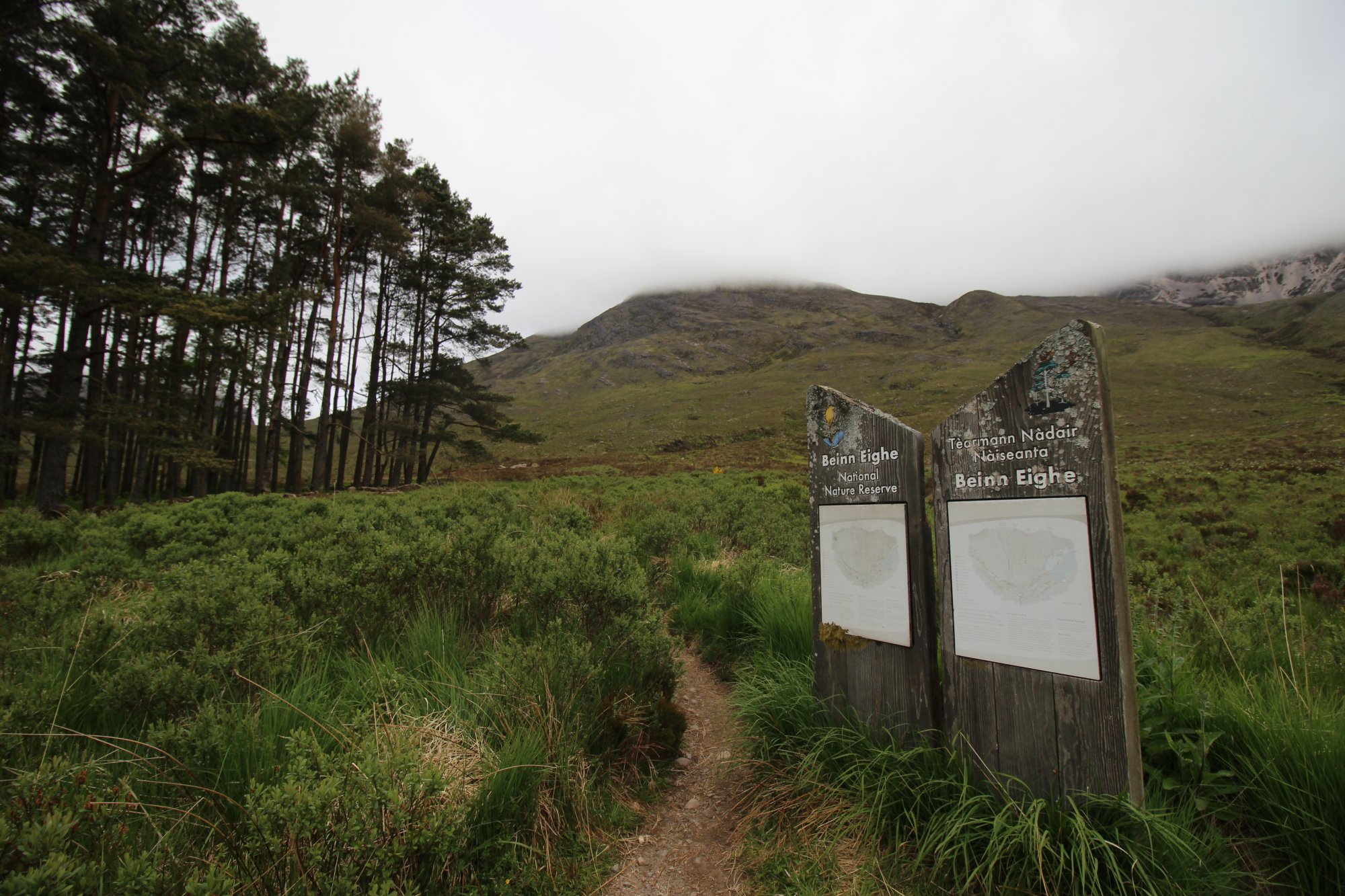
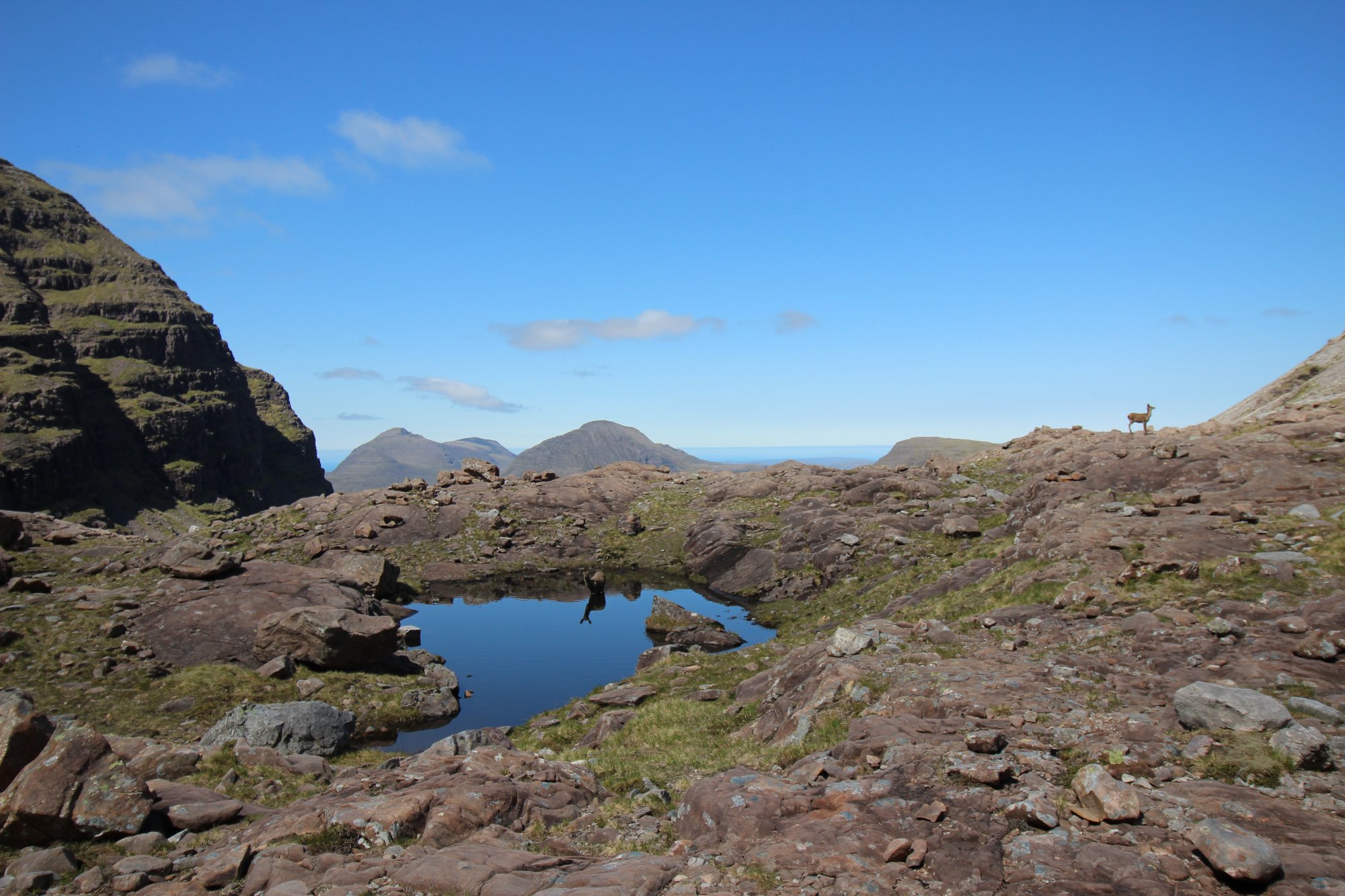
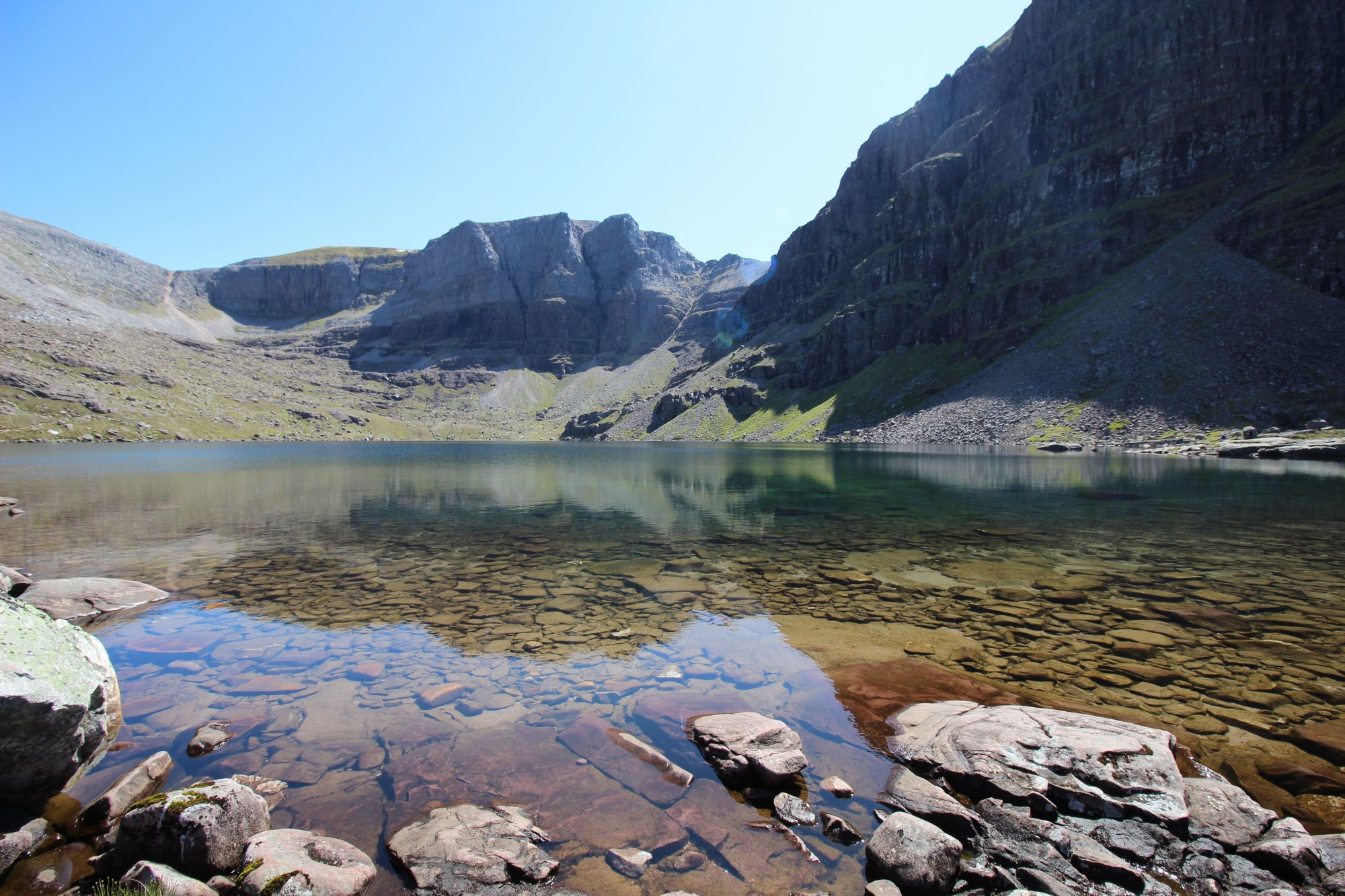
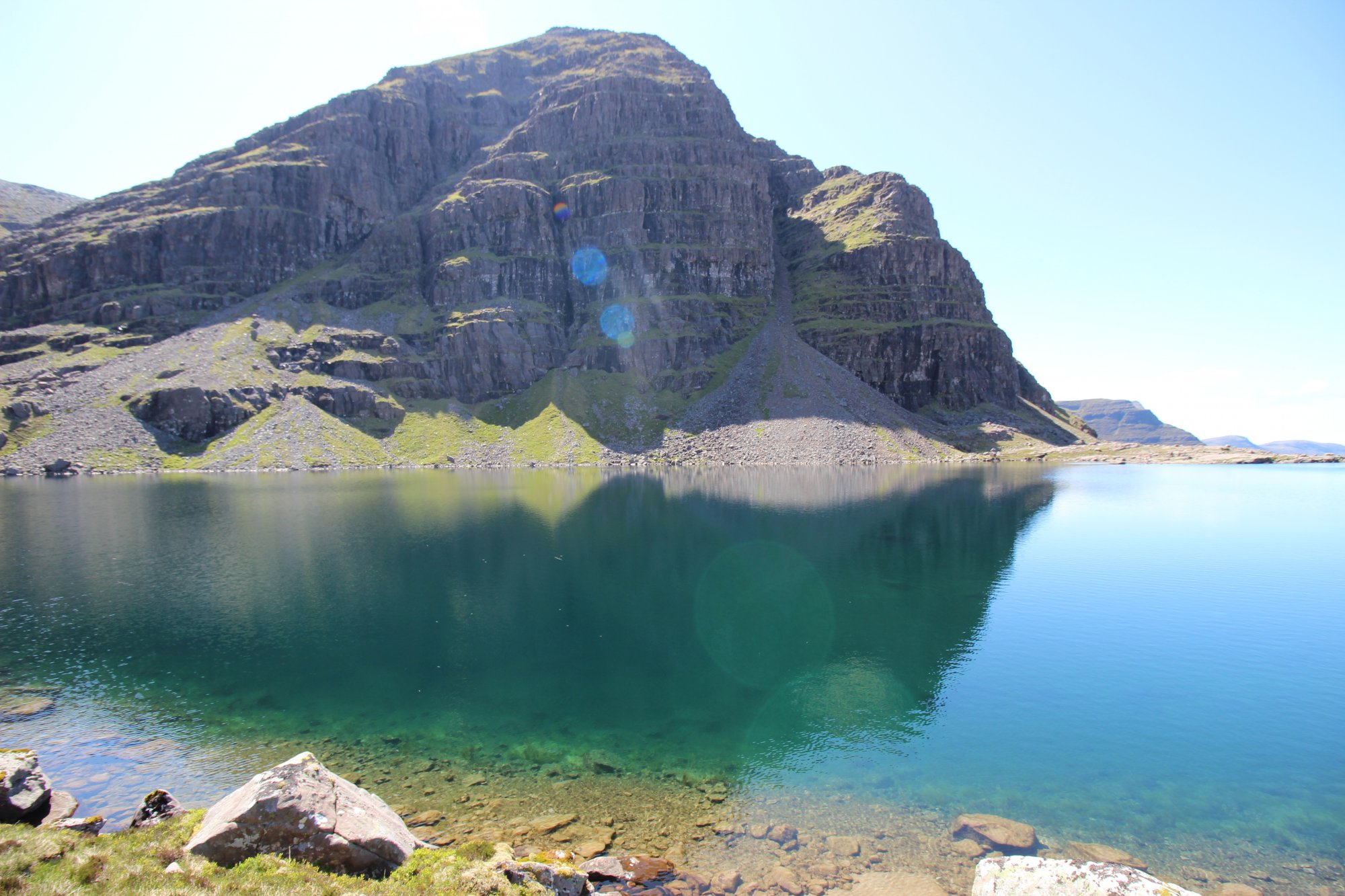
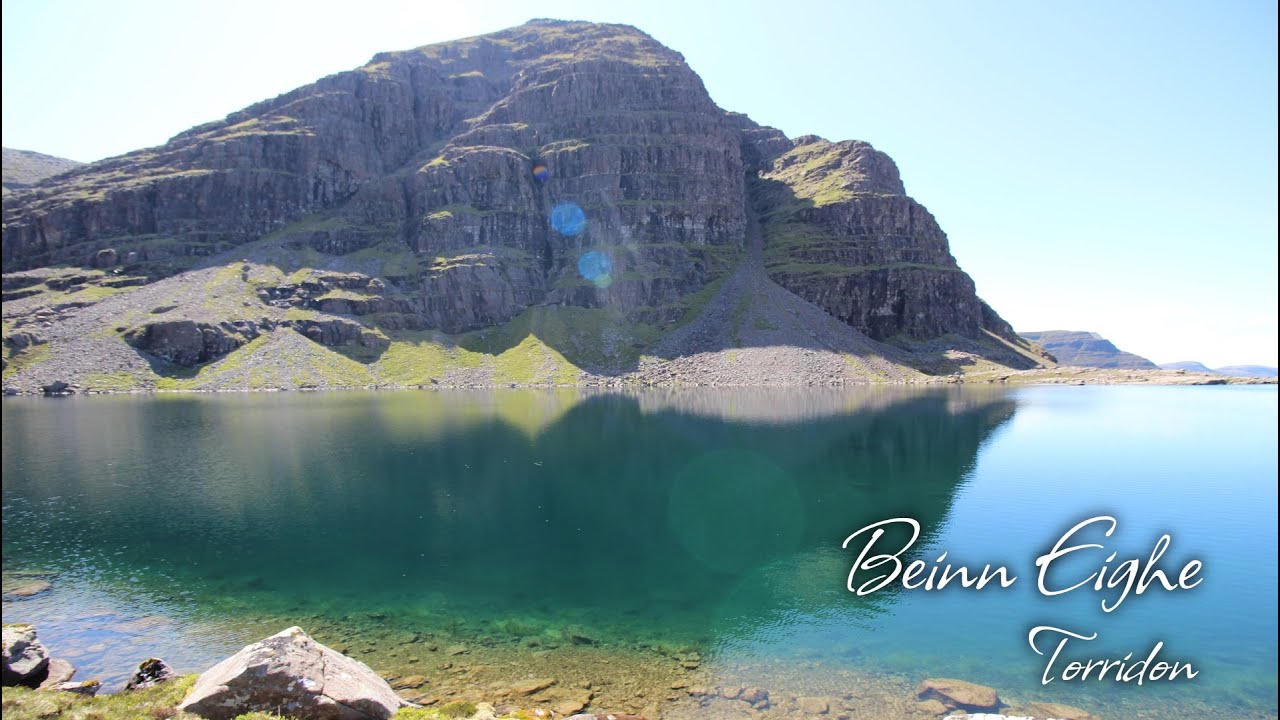
Beinn Eighe holds a special place in the history of British conservation, as it became the centerpiece of the UK’s first National Nature Reserve in 1951. The estate encompasses roughly 4,750 hectares of wild Highland terrain, ranging from the ancient Caledonian pine fragments on the shores of Loch Maree to the high-altitude "arctic-alpine" plateaus. The mountain is most famous for the Coire Mhic Fhearchair, a breathtaking glacial cirque hidden on its western side. Here, the "Triple Buttresses" of ancient sandstone rise vertically from the edge of a crystal-clear lochan, creating a scene of such raw, prehistoric beauty that it is often cited as the most dramatic mountain landscape in Scotland.
The Two Munros and the Ridge Traverse
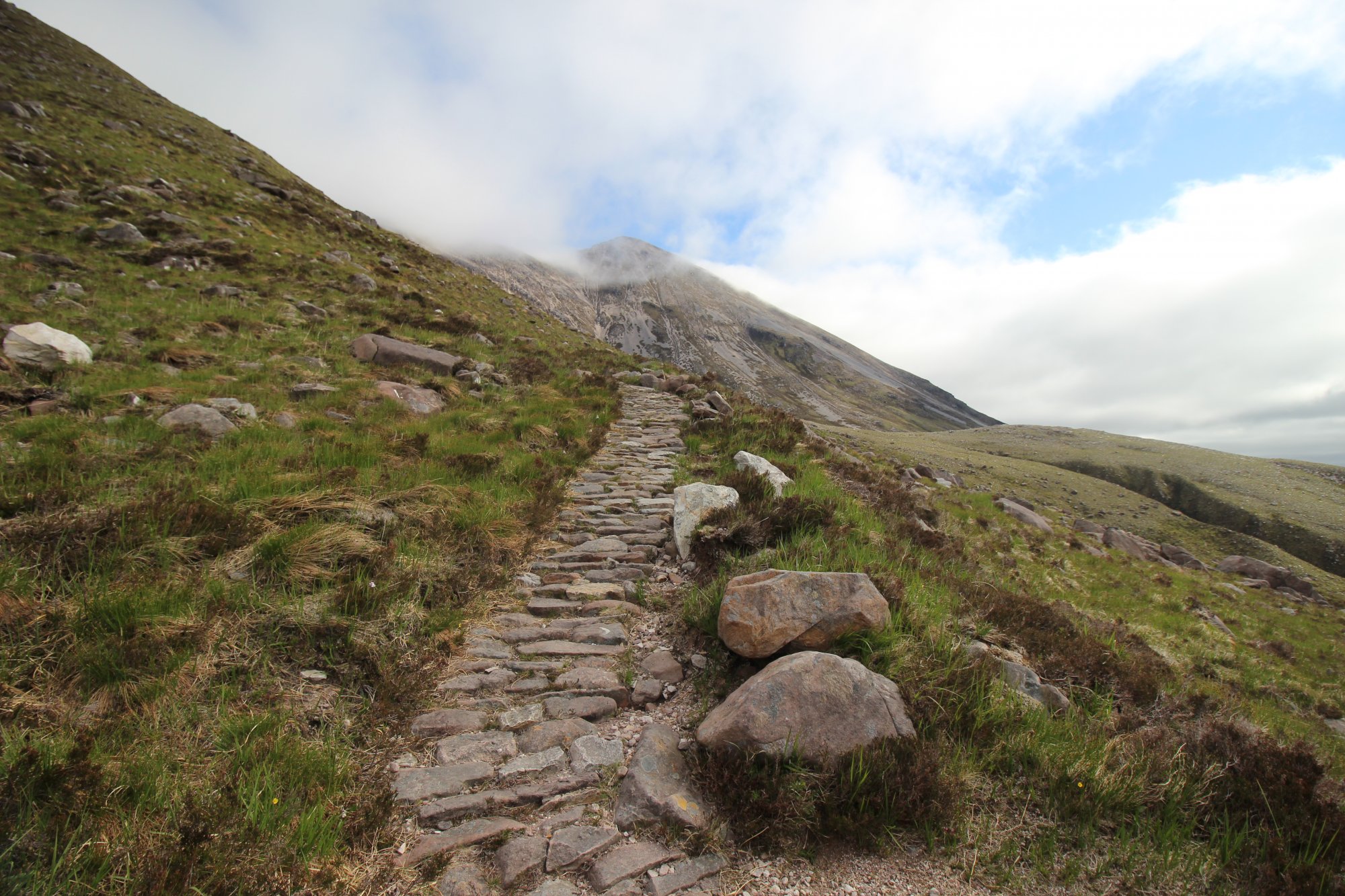
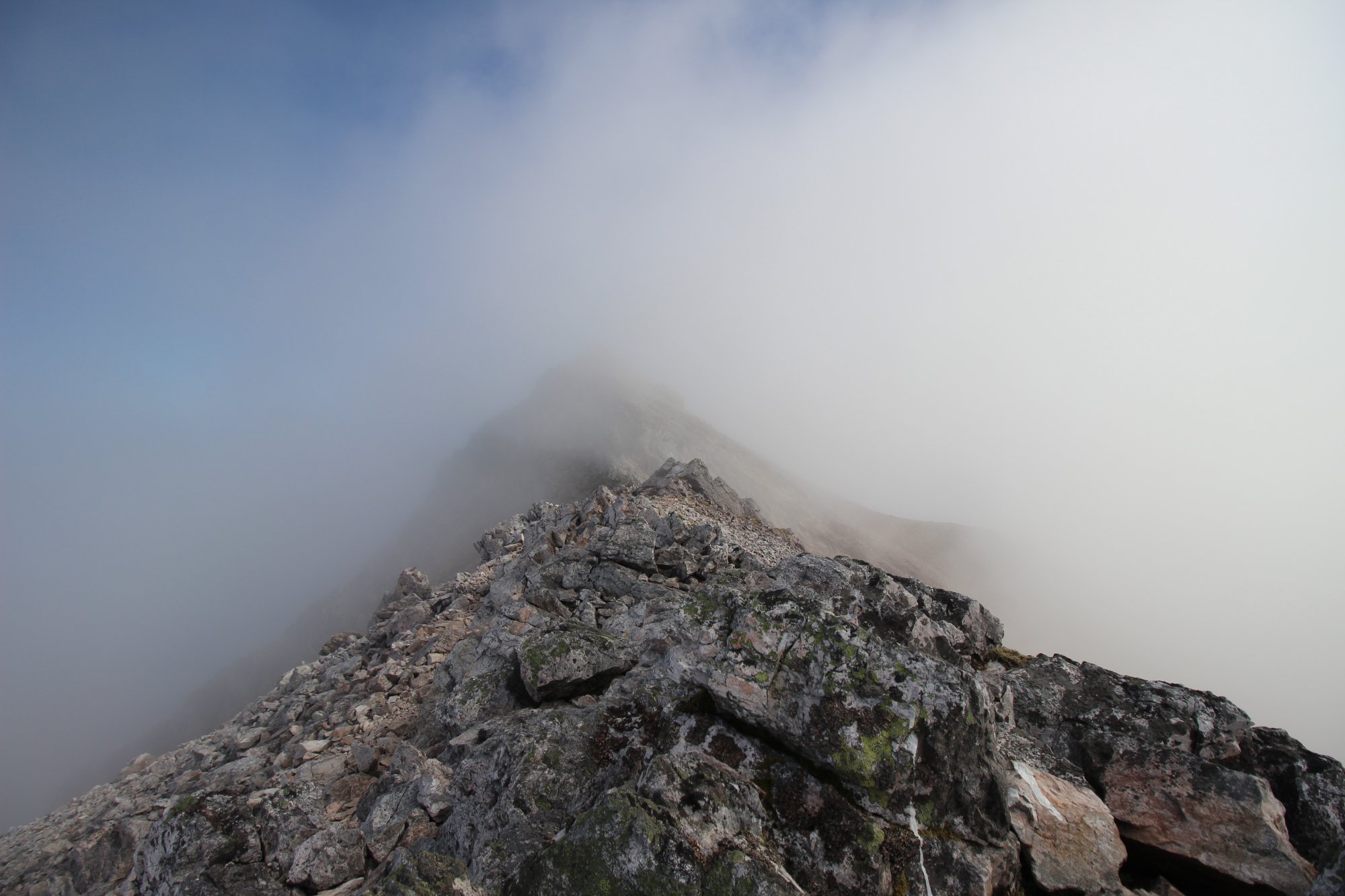
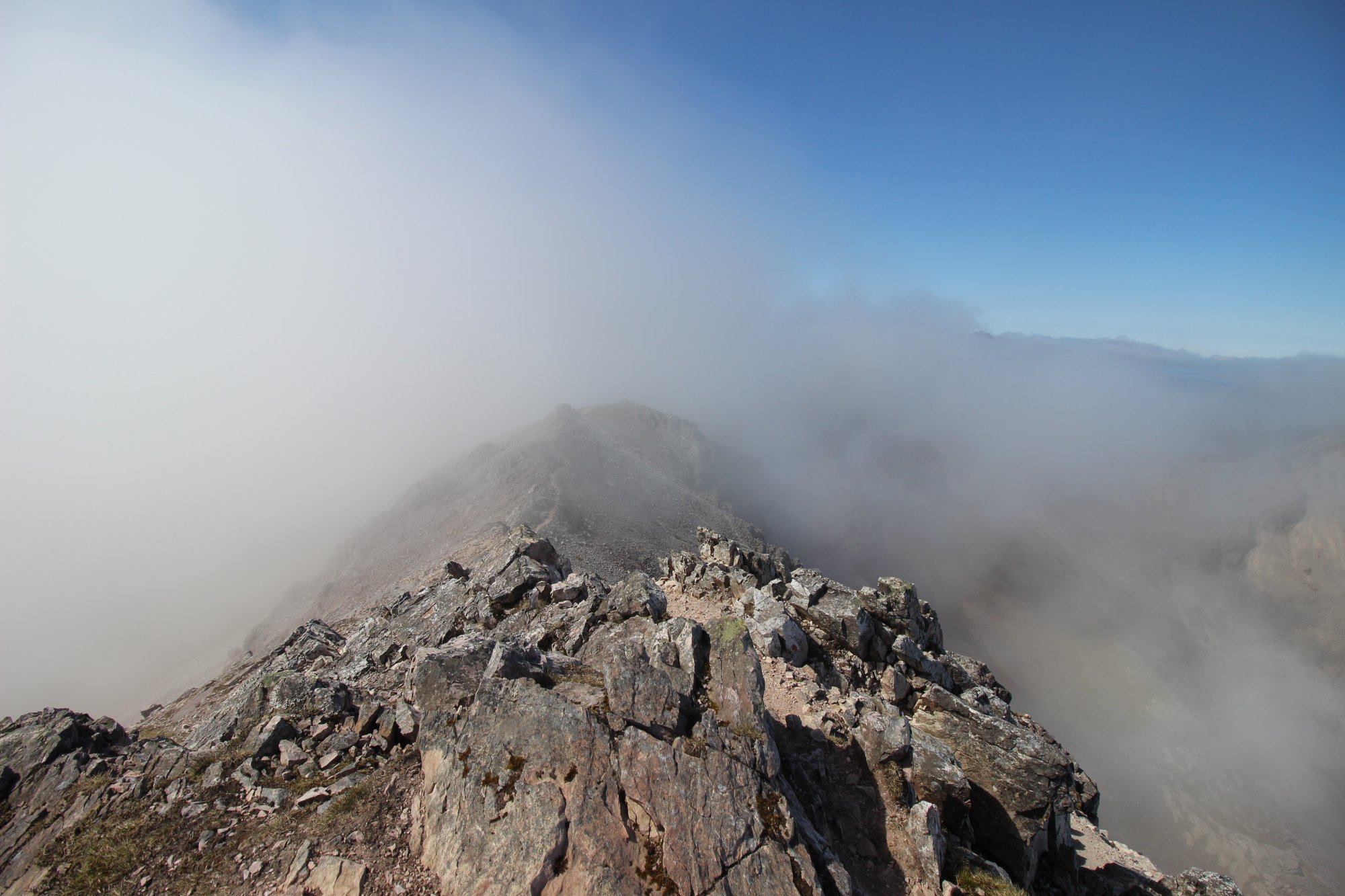
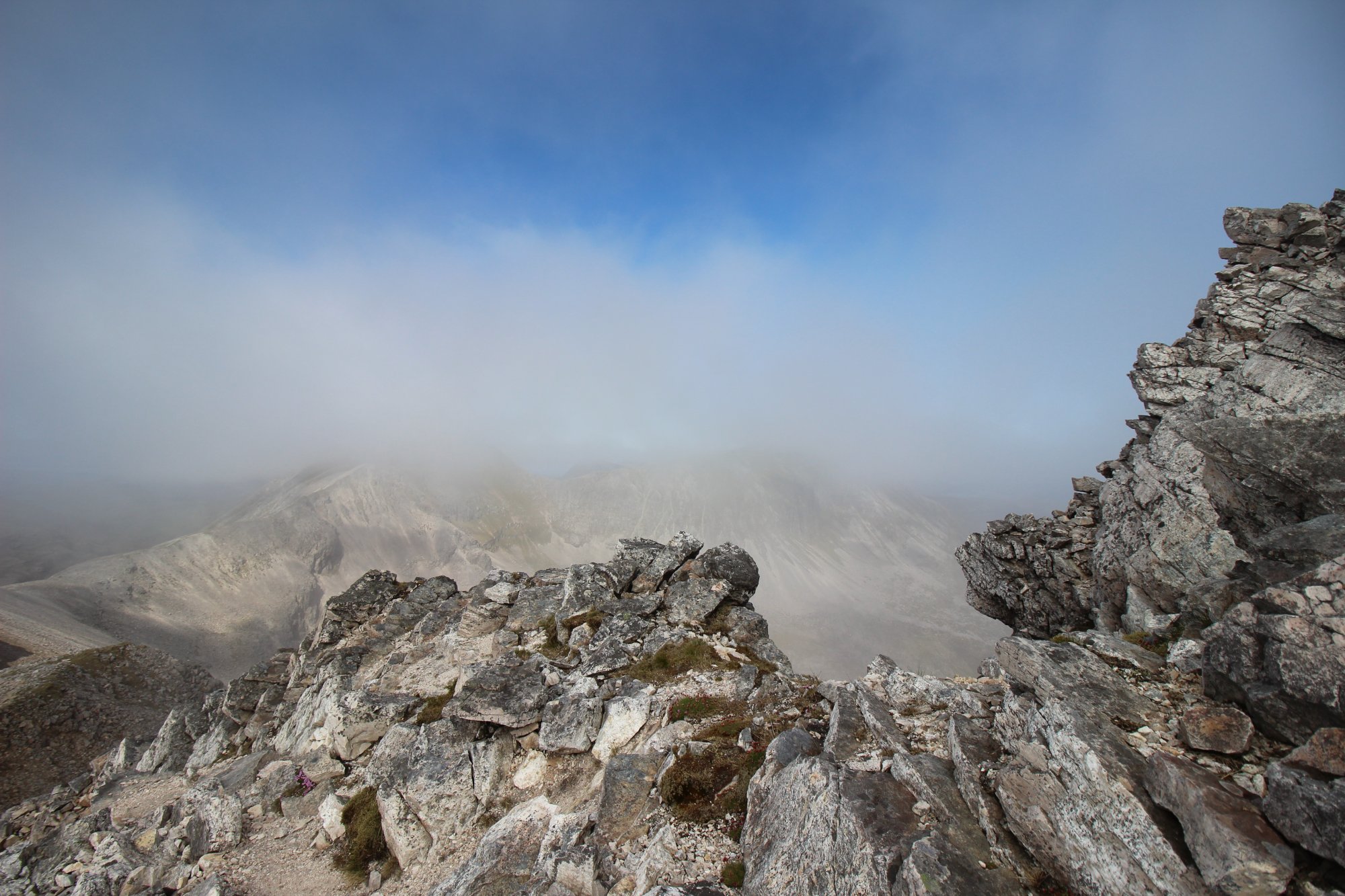
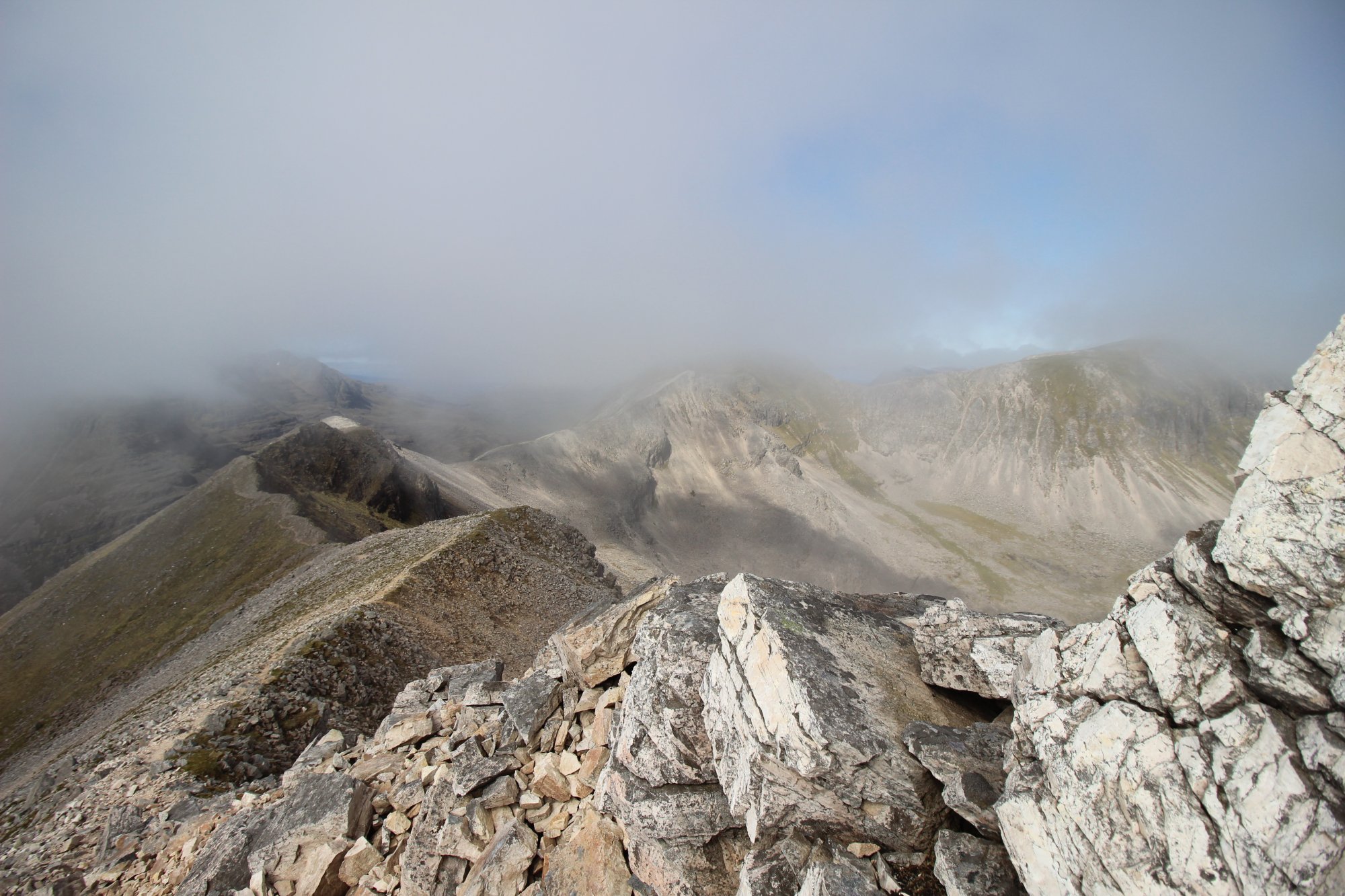
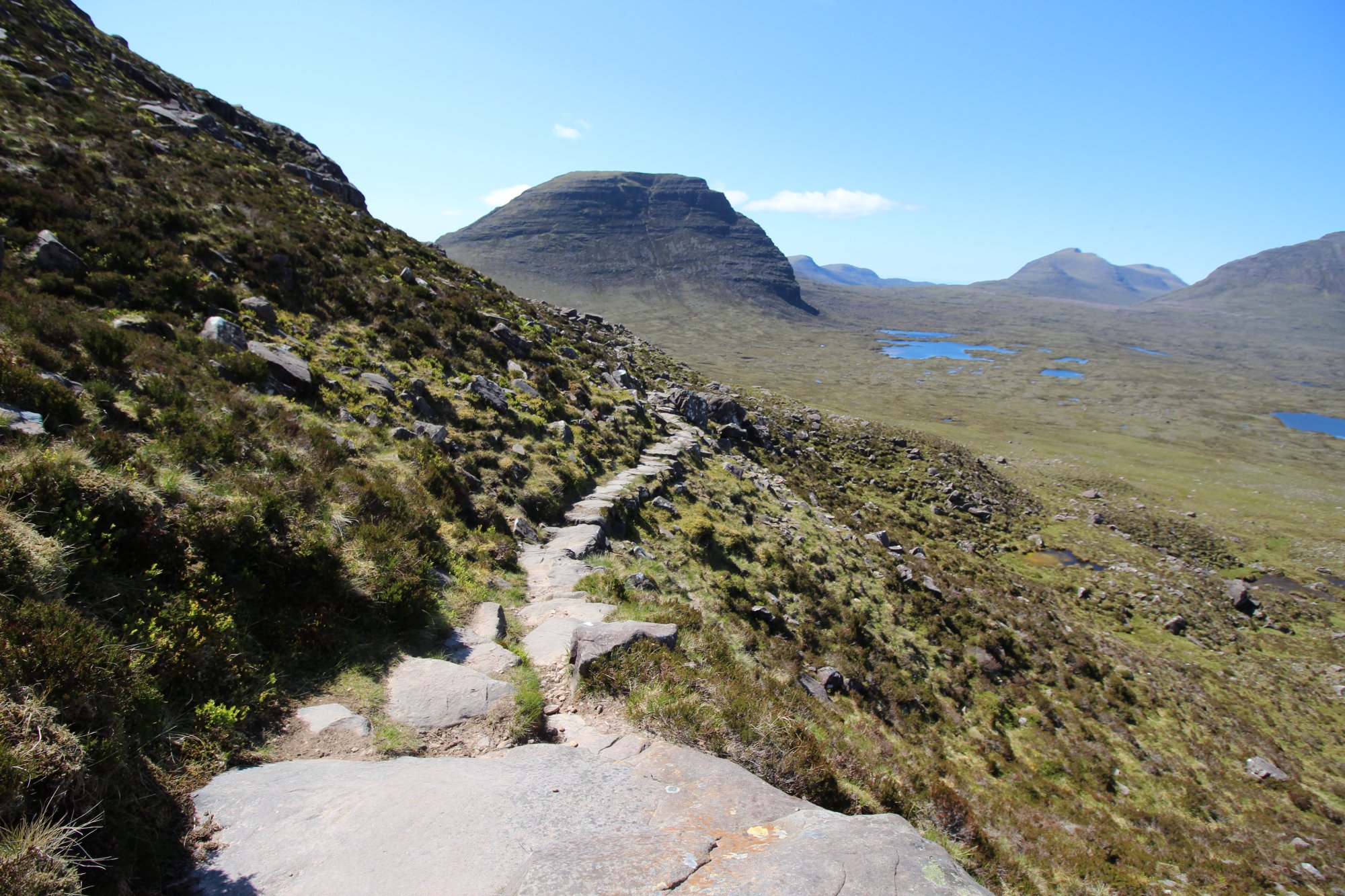
For the 2026 season, the most popular route for mountaineers begins at the car park between Beinn Eighe and Liathach on the A896. The ascent typically targets Spidean Coire nan Clach (The Peak of the Corrie of Stones) first, following a well-maintained but steep path through the quartzite scree. Once on the ridge, the walking is exhilarating but requires careful footwork; the "broken" nature of the quartzite makes the terrain uneven. From the first summit, the ridge sweeps westward toward Ruadh-Stac Mòr. The views from this high-altitude traverse are staggering, offering a 360-degree panorama of the Slioch massif across Loch Maree, the jagged Achnashellach hills, and the distant shimmer of the Atlantic Ocean.
The Triple Buttresses and the 1951 Wreckage
For those who prefer a lower-level (but still demanding) adventure, the "Mountain Trail" or the path to Coire Mhic Fhearchair offers a world-class experience. The corrie is not only a geological wonder but also a site of somber historical interest. In the back of the corrie, beneath the Triple Buttresses, scattered wreckage can still be found from a Lancaster bomber that crashed into the mountain in 1951. In 2026, visitors are requested to treat this site as a memorial and leave the wreckage undisturbed. The walk to the corrie and back is a 13-kilometer (8-mile) journey that showcases the best of Torridon's wild scenery without requiring a full ridge traverse.
Practical Tips for the 2026 Season
- Parking and Facilities: In 2026, the primary parking area for the mountain is at the Coille na Glas-Leitire woodland trails on the A832, or the smaller gravel laybys on the A896 for the ridge ascent. These fill rapidly by 8:30 AM. There are public toilets and a seasonal information center located at the Beinn Eighe NNR visitor center near Kinlochewe.
- Footwear and Scree: The quartzite scree on Beinn Eighe is notoriously sharp and unstable. In 2026, rangers emphasize that thin-soled trainers are unsuitable for this terrain; high-quality mountain boots with ankle support and a stiff sole are essential for safe travel on the higher ridges.
- Wildlife and Conservation: The reserve is a sanctuary for the rare Scottish crossbill and the golden eagle. In 2026, ongoing "woodland expansion" projects are visible on the lower slopes as the NNR team works to restore the ancient pine forest. Hikers are asked to stick to the paths to avoid damaging the fragile bryophytes and lichens that grow on the quartzite.
- Weather Awareness: The white rock of Beinn Eighe can be blinding in bright sunlight and disorienting in the mist. In low visibility, the white scree blends into the clouds, making navigation difficult. Always carry an offline map and compass, and be aware that temperatures on the ridge are often 10°C colder than at the trailhead.
- Tide and Timing: A full traverse of the two Munros typically takes 7 to 9 hours. For those visiting in early 2026, be aware that snow can linger in the deep shadow of the Triple Buttresses well into June, necessitating an ice axe and crampons for safe passage.
A Masterpiece of the Northwest
Beinn Eighe is a mountain that defies simple description. It is a place where deep time is visible in the layers of rock and where the silence of the high corries is broken only by the call of a raven. Whether you are searching for the wreckage of a lost era, scrambling over the white quartzite ridges, or simply standing in awe of the Triple Buttresses, Beinn Eighe remains a mandatory pilgrimage for anyone who seeks the soul of the Scottish Highlands. It is, and perhaps always will be, the "Jewel of Torridon."