



Where the Atlantic Meets Deep Time: The Marine Splendor of Loch Torridon
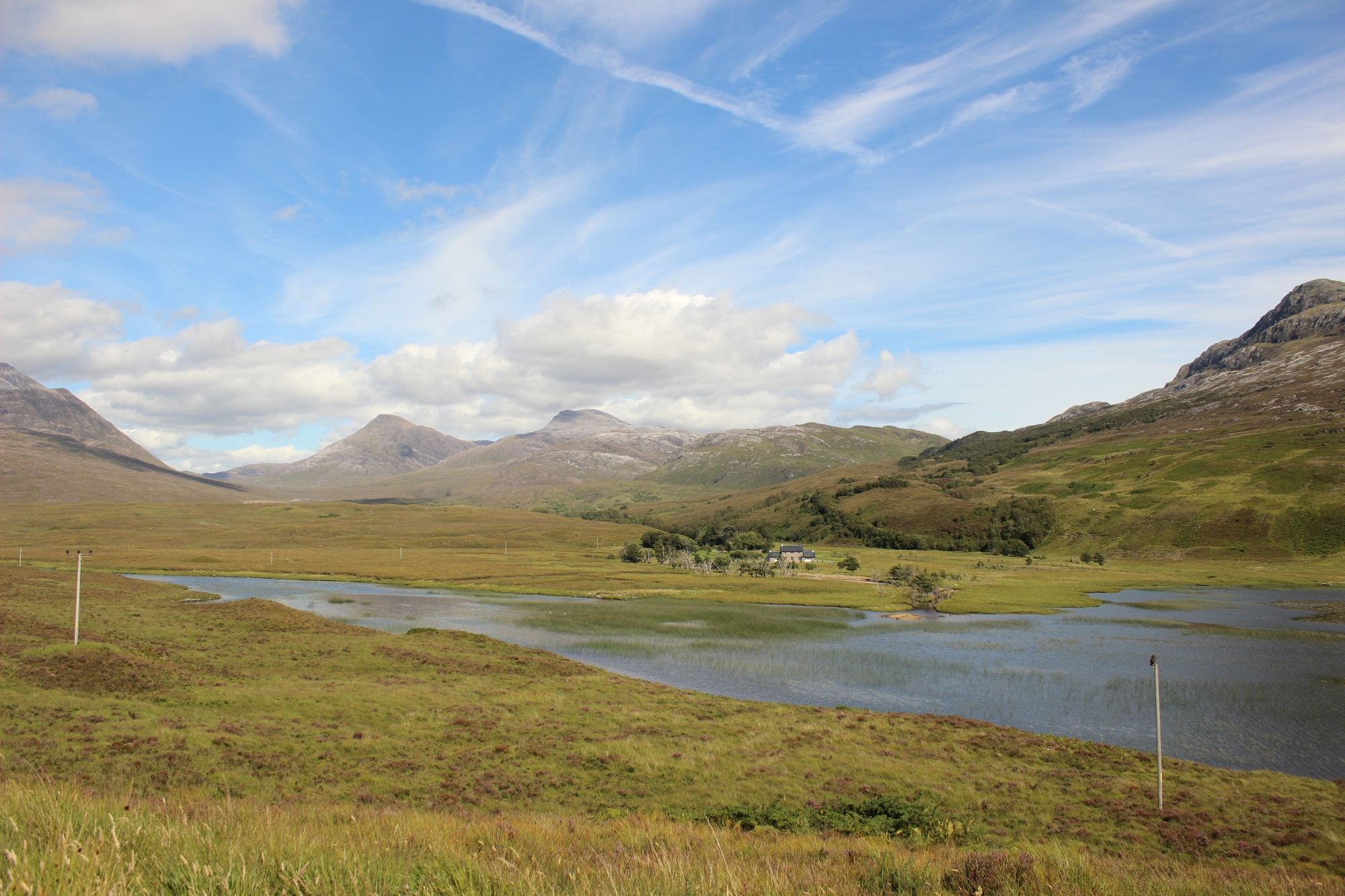
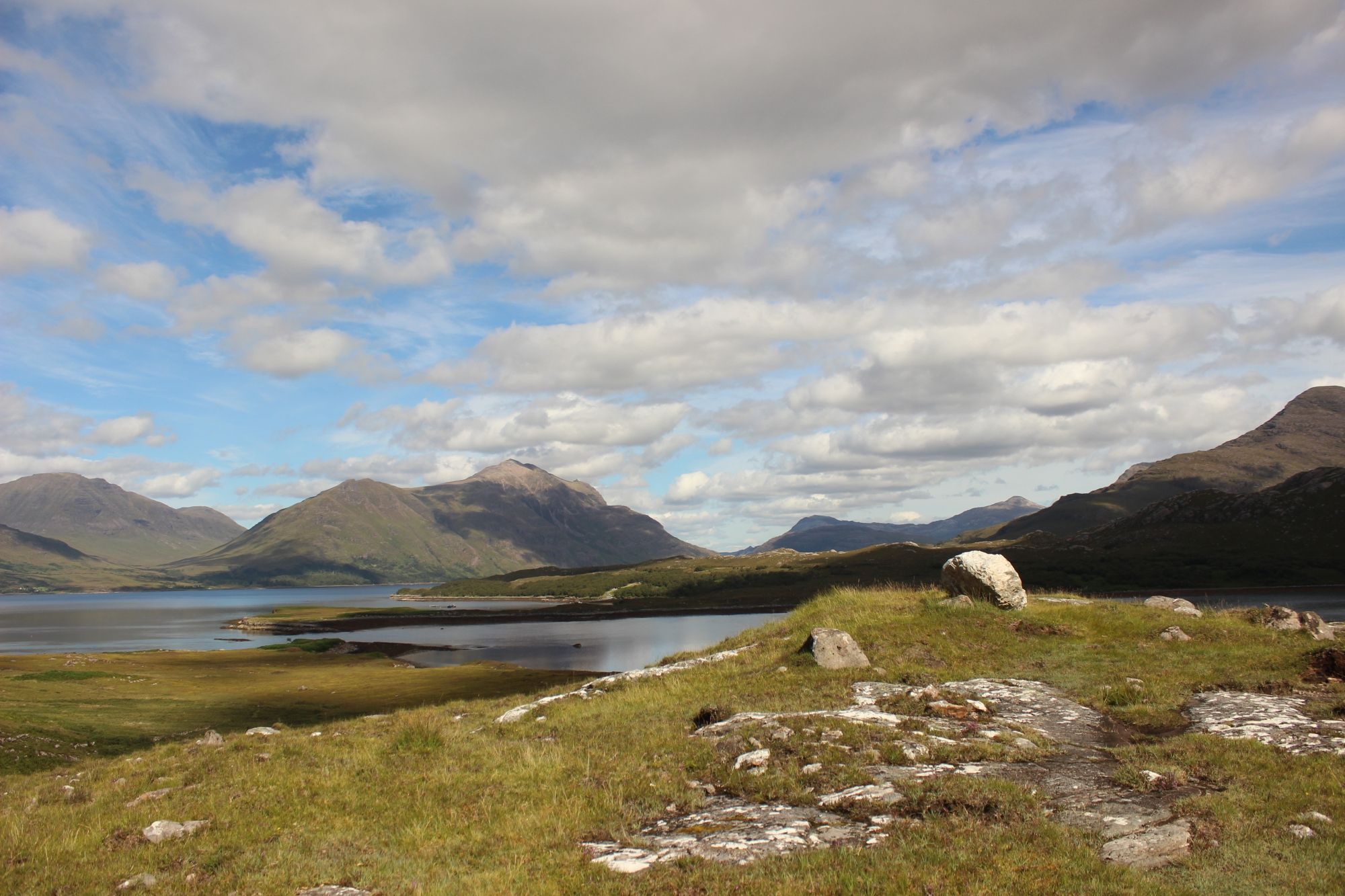
While the colossal mountain peaks grabbing the headlines often define Wester Ross, it is the dark, tidal heart of Loch Torridon that truly anchors this iconic landscape. Extending deep into the ancient foundations of the Northwest Highlands, this magnificent saltwater fjord is a complex, multi-layered marine system that balances raw ocean currents with serene coastal sanctuaries. Far more than just a viewpoint at the base of the ridges, the loch itself is a living highway of crystal-clear water, changing character with every pulse of the Atlantic tide.
An Anatomy of Three Lochs
Loch Torridon is not a single body of water, but a vast, interconnected tapestry of three distinct marine basins, each with its own atmosphere and visual identity. To understand the loch is to understand how these waters flow together:
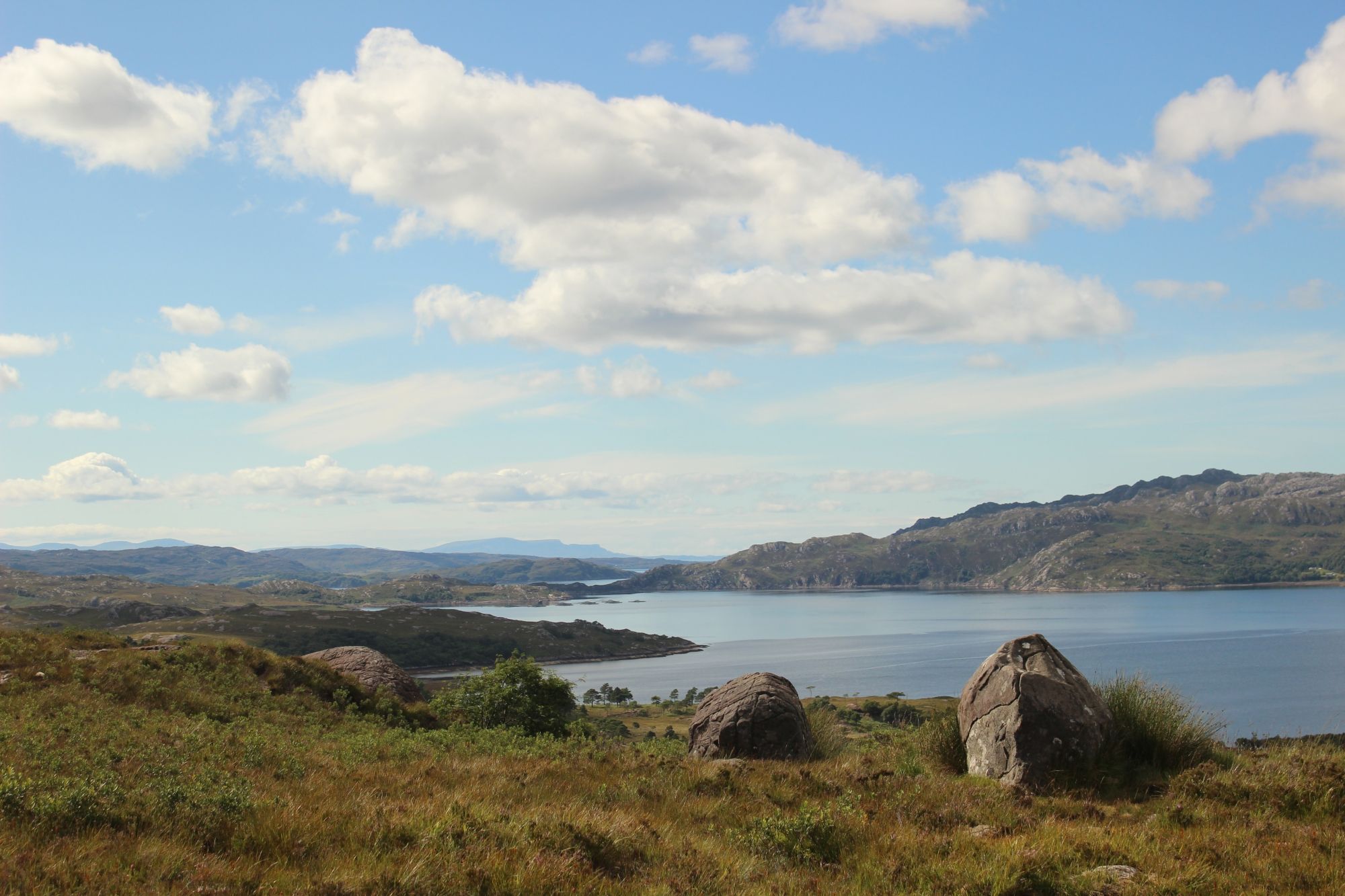
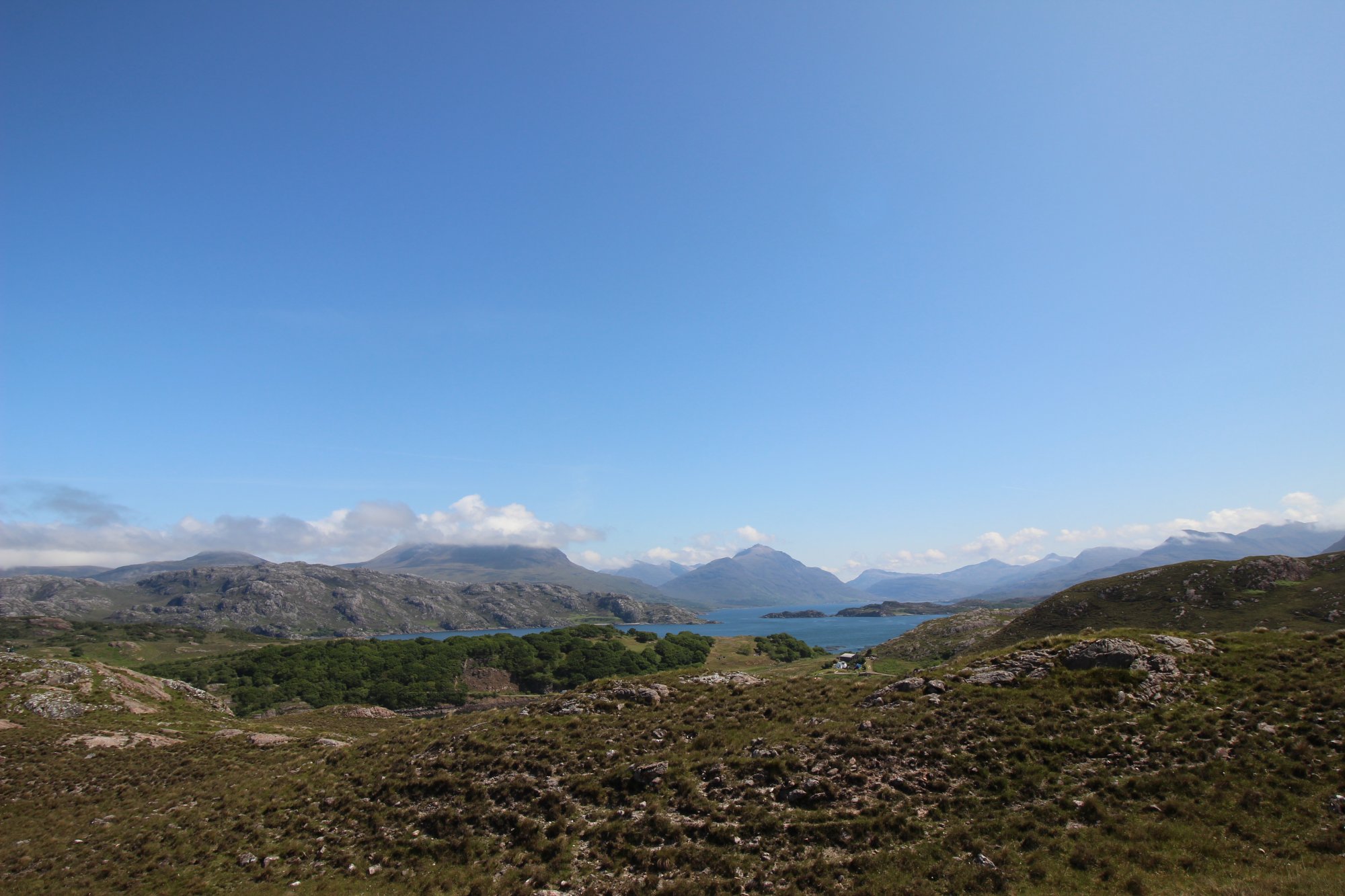
- Outer Loch Torridon: Opening directly into the Minch and looking across toward the Isle of Skye, this wide gulf bears the full brunt of Atlantic weather. It is a place of big skies, rolling waves, and wild, rocky coastlines scoured by salt spray.
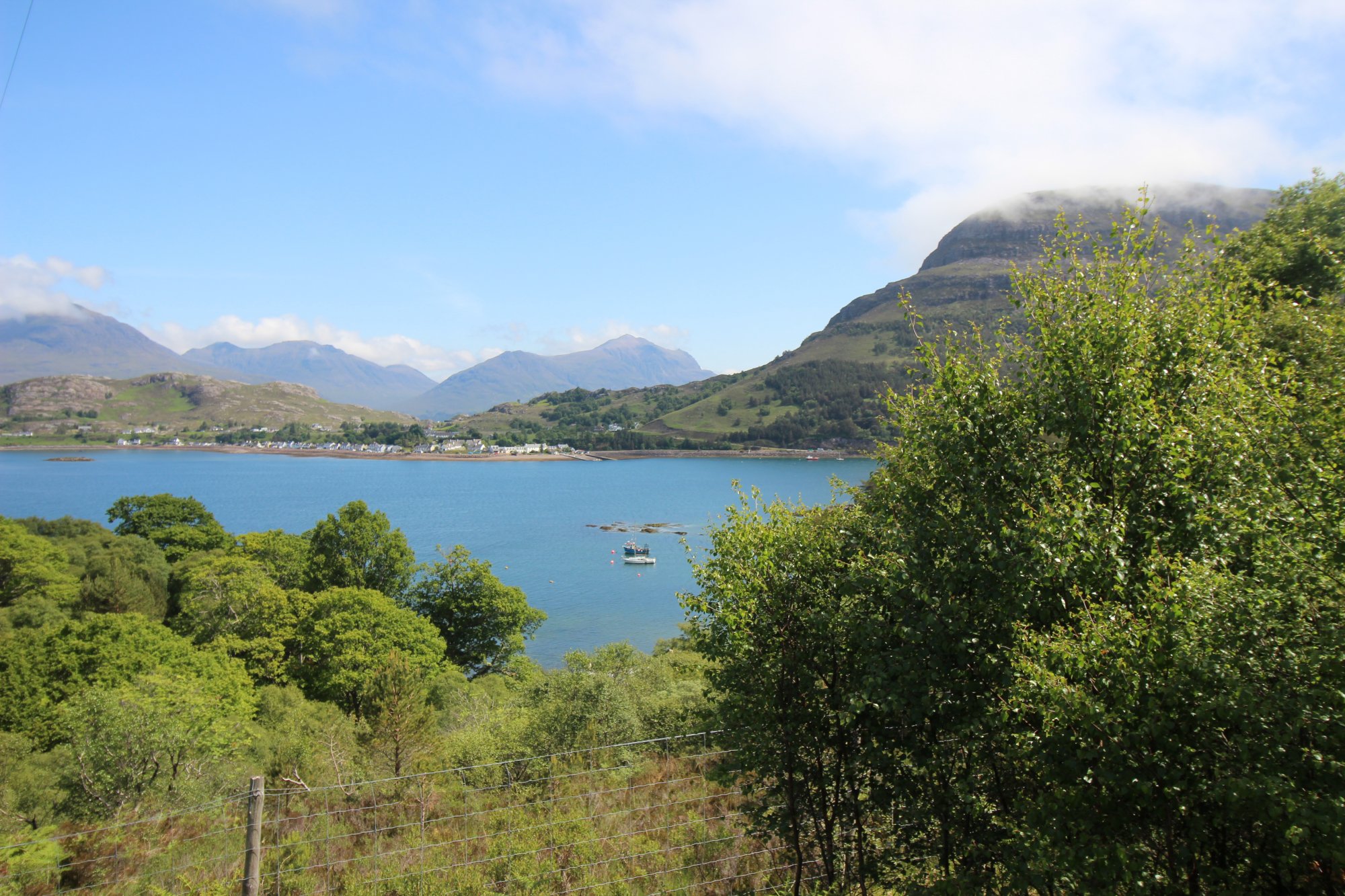
- Loch Shieldaig: Branching south from the main outer loch, this protected bay offers a sudden, welcome sanctuary of calm water. It wraps beautifully around the historic village of Shieldaig and its offshore island, creating a safe haven warmed gently by the North Atlantic Drift.
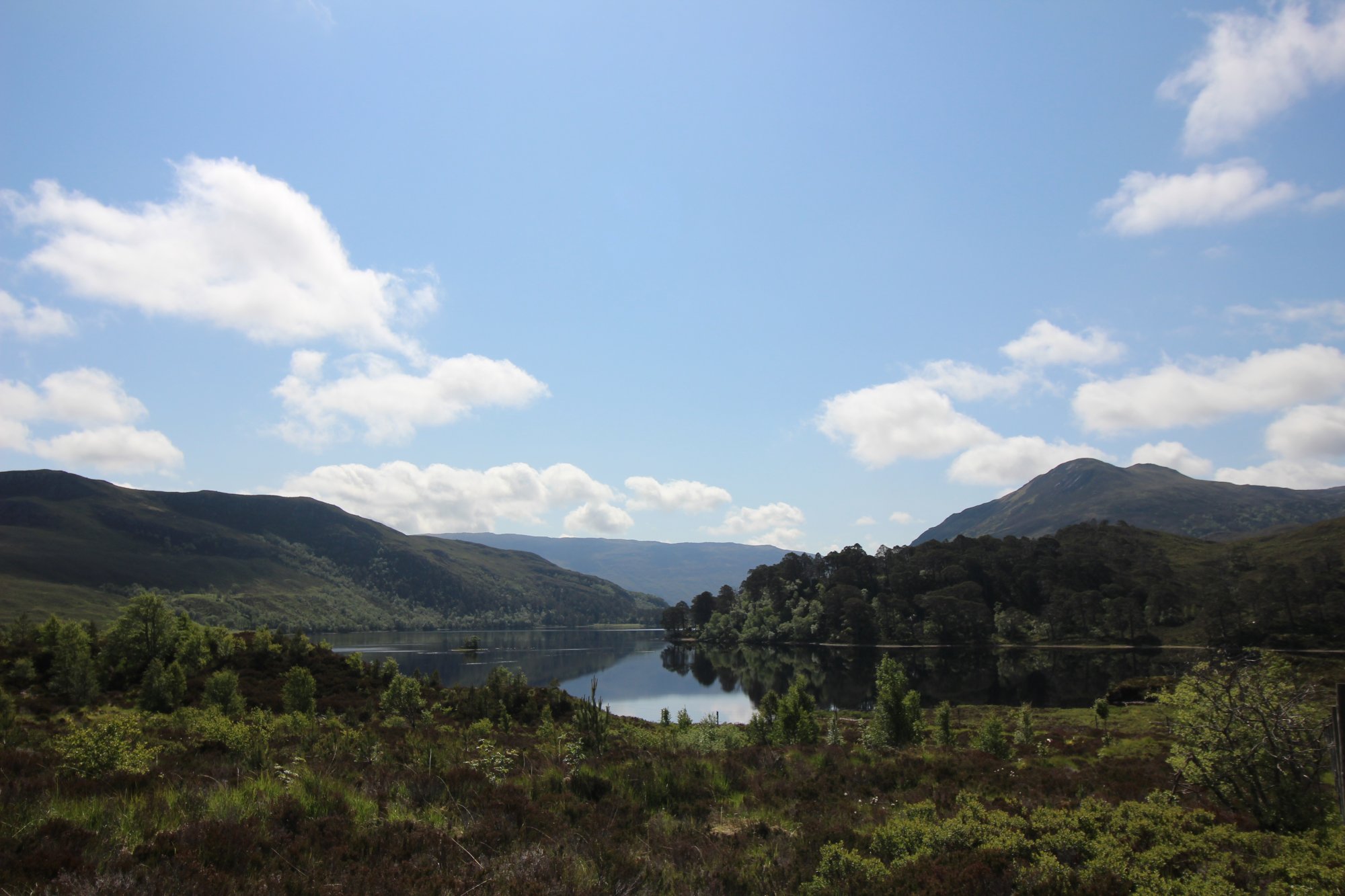
- Upper Loch Torridon: Accessed through a narrow, rushing tidal bottleneck, the inner loch penetrates deep into the alpine heart of Wester Ross. Bordered by the picturesque village of Fasag at its eastern tip, it forms a dramatic, sheltered amphitheater where the water surface regularly turns into a pristine glass mirror.
Framed by Fortresses of Stone
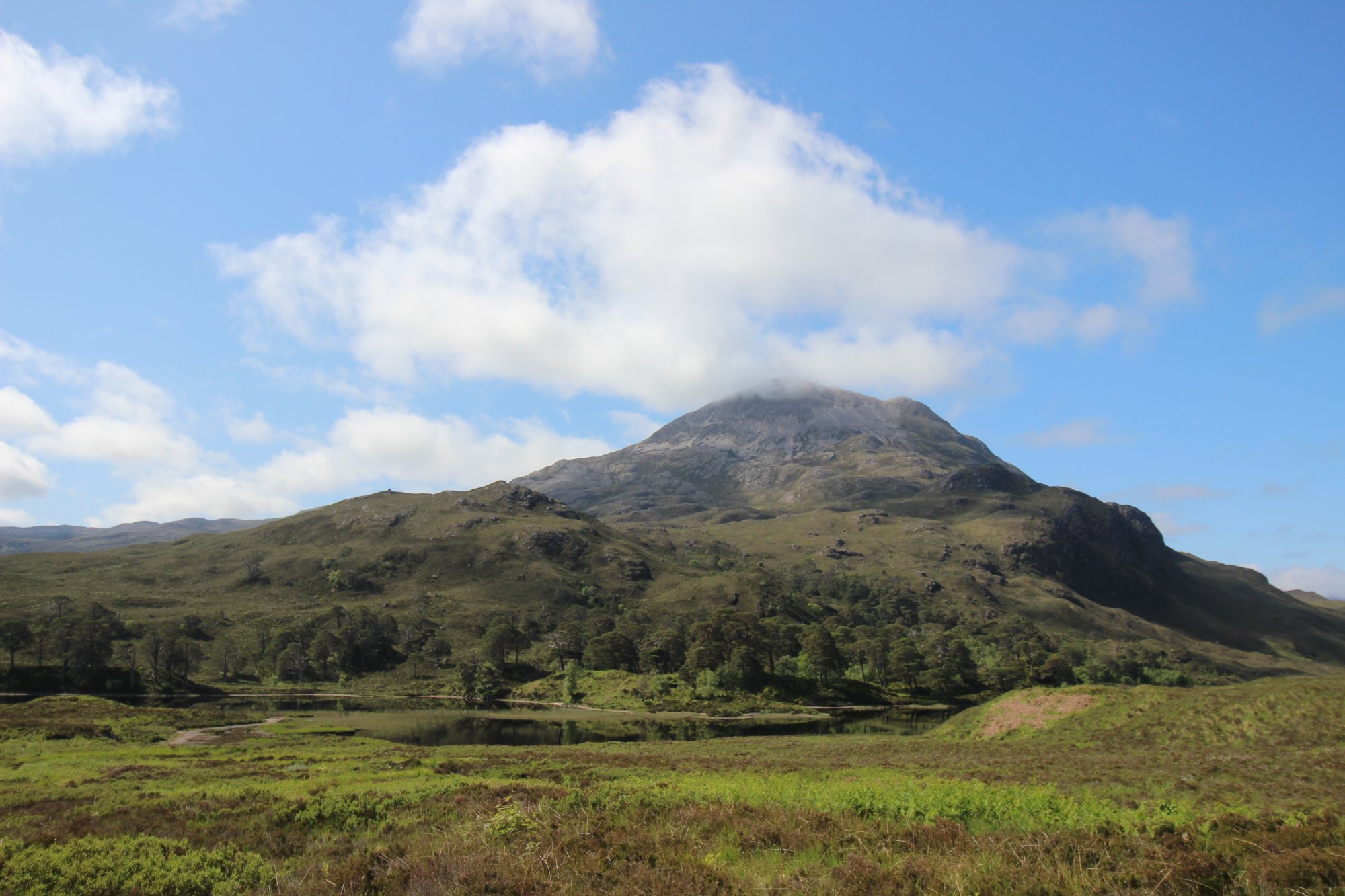
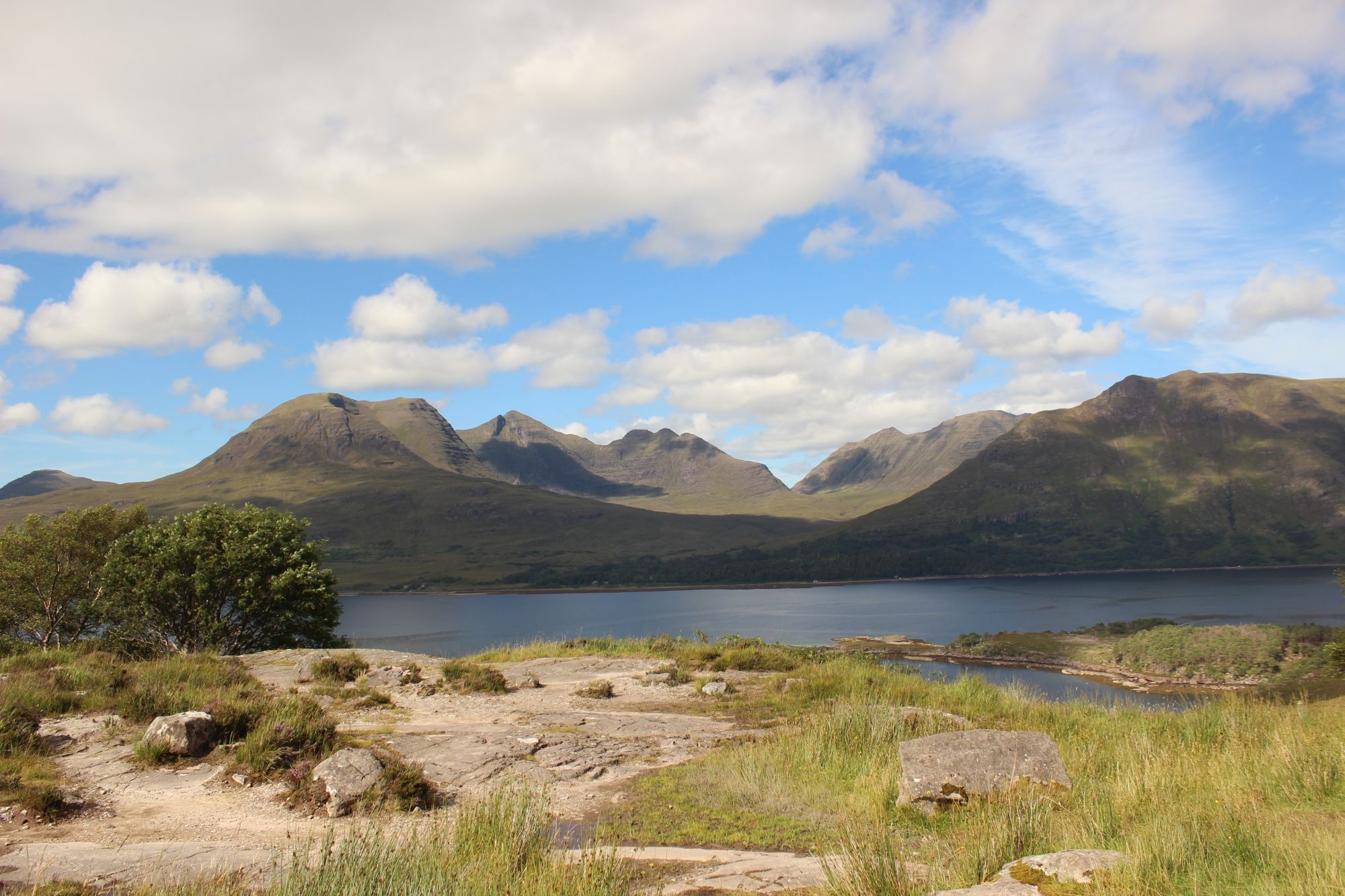
The water of Loch Torridon is defined by what towers directly above it. The shoreline sits nestled beneath the staggering massifs of the "Big Three"—Liathach, Beinn Eighe, and Beinn Alligin. Composed of 1.2-billion-year-old Torridonian sandstone and capped with glistening white quartzite, these giant mountain fortresses plunge steeply down into the sea.
On calm, overcast days, the inner waters of Upper Loch Torridon act as a flawless natural mirror. The red-brown terraced rock steps and glacial corries of the peaks are perfectly inverted in the dark, peat-tinted salt water. For filmmakers and landscape photographers, this interplay between the immense, immovable vertical stone walls and the fluid, symmetry of the glassy tide creates an unmatched cinematic composition.
A Sea Kayaker’s Paradise and Wildlife Haven
For those who explore the region from water level, Loch Torridon offers one of the premier sea kayaking environments in Europe. Paddling along the shoreline allows you to intimately experience the geological transitions of the coast, where the steep sandstone cliffs give way to low skerries of 3-billion-year-old Lewisian Gneiss.
The exceptional purity and tidal movement of the water make it a thriving sanctuary for marine wildlife. Harbor seals routinely haul themselves onto the rocky islets of Upper Loch Torridon, watching kayakers with quiet curiosity, while elusive European otters hunt among the dense kelp beds of the shoreline. Looking up from the water, you are just as likely to spot magnificent White-tailed Sea Eagles soaring out from their nesting grounds on Shieldaig Island, their massive wingspans silhouetted against the mountain ridges.
The Coastal Detour to Lower Diabaig
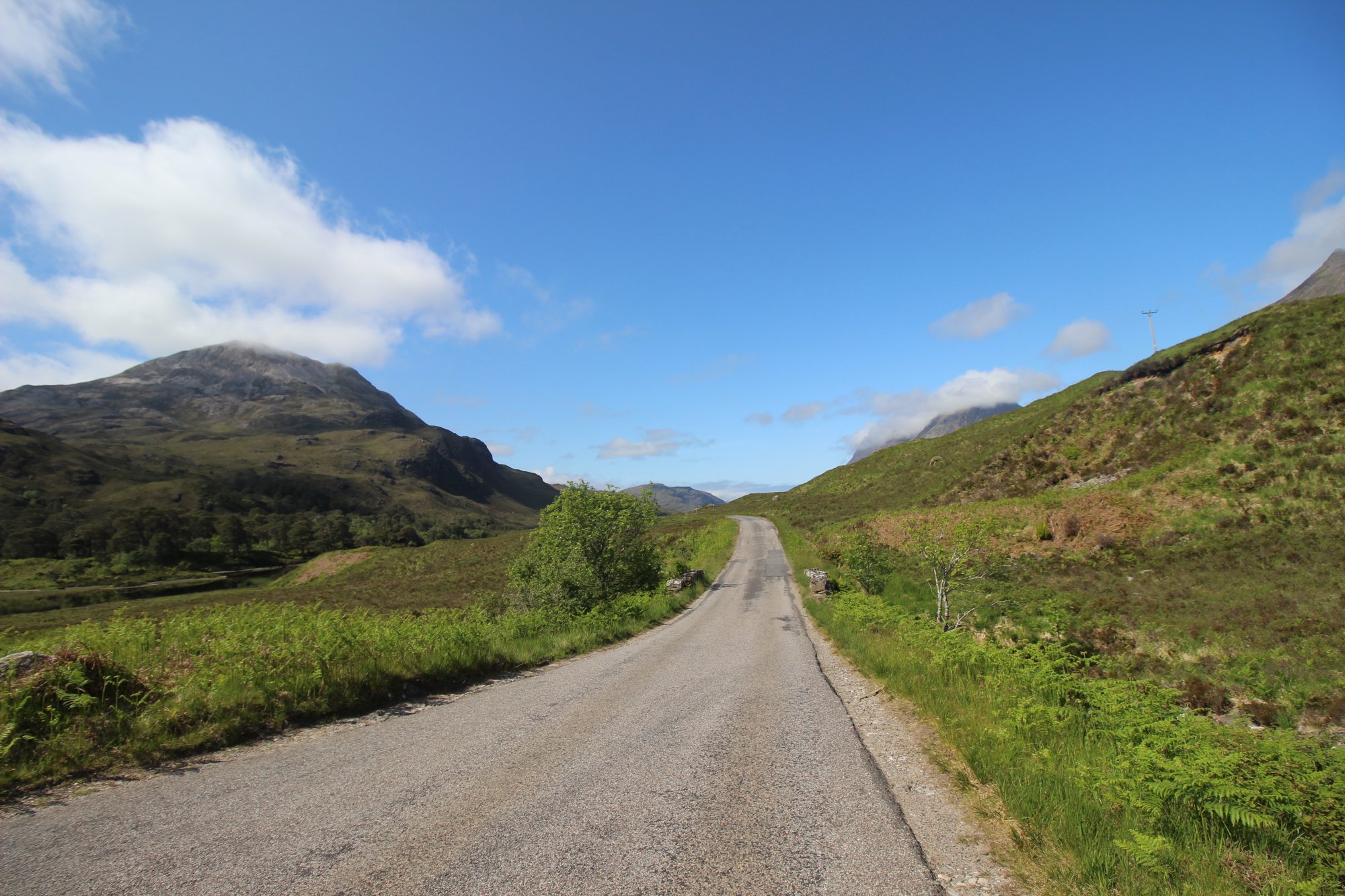
To fully appreciate the outer reaches of the loch system, follow the single-track road threading along the northern coast from Fasag village out to Lower Diabaig. This rollercoaster route climbs over steep rocky passes before dropping into a tiny, timeless fishing hamlet huddled around a perfectly protected natural harbor.
Standing on the historic stone pier of Diabaig, you look out across the vast expanse of Outer Loch Torridon toward the dramatic northern horizon of Skye. The juxtaposition between the absolute stillness of the sheltered harbor basin and the deep, dark ocean currents rolling just beyond the headland perfectly encapsulates the dual nature of this legendary sea loch.
Practical Visitor Information
Exploring by Water: Launching points for sea kayaks and packrafts are easily accessible from the slipway at Fasag (Upper Loch Torridon) or from the sheltered shingle shoreline of Shieldaig. Always check local marine tidal charts, as the narrow channels connecting the inner and outer lochs can produce powerful tidal currents.
Shoreline Viewpoints: For the ultimate photographic perspective of the mountains reflecting in the water, stop at the various roadside laybys along the south side of Upper Loch Torridon (A896). The early morning hours, before the daytime valley winds pick up, offer the best chance for a perfect mirror reflection.
Waterfront Delicacies: The marine environment provides an incredible harvest. Sampling locally caught langoustines, squat lobsters, or hand-dived scallops at the coastal pubs and cafes in Shieldaig or Fasag is an essential culinary highlight of any journey along the loch.
Conclusion: The Tidal Heart of Wester Ross
Loch Torridon is the element that binds this majestic wilderness together. While the surrounding massifs provide the structural grandeur, the sea loch provides the soul, the movement, and the light. By bridging the raw energy of the Atlantic Ocean with the ancient, silent glens of the Scottish Highlands, it remains an unforgettable expanse of water that captures the very essence of the wild maritime North.