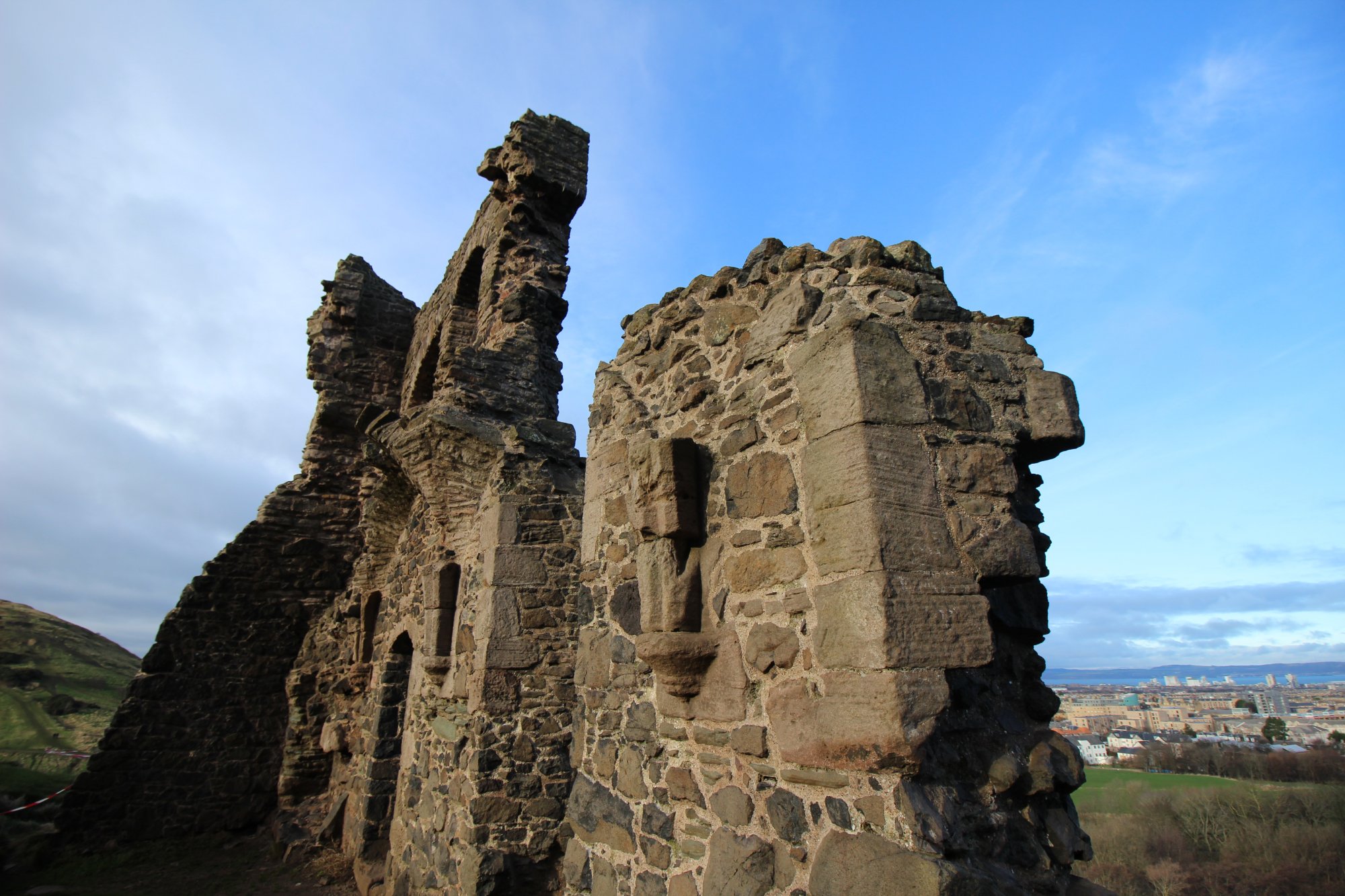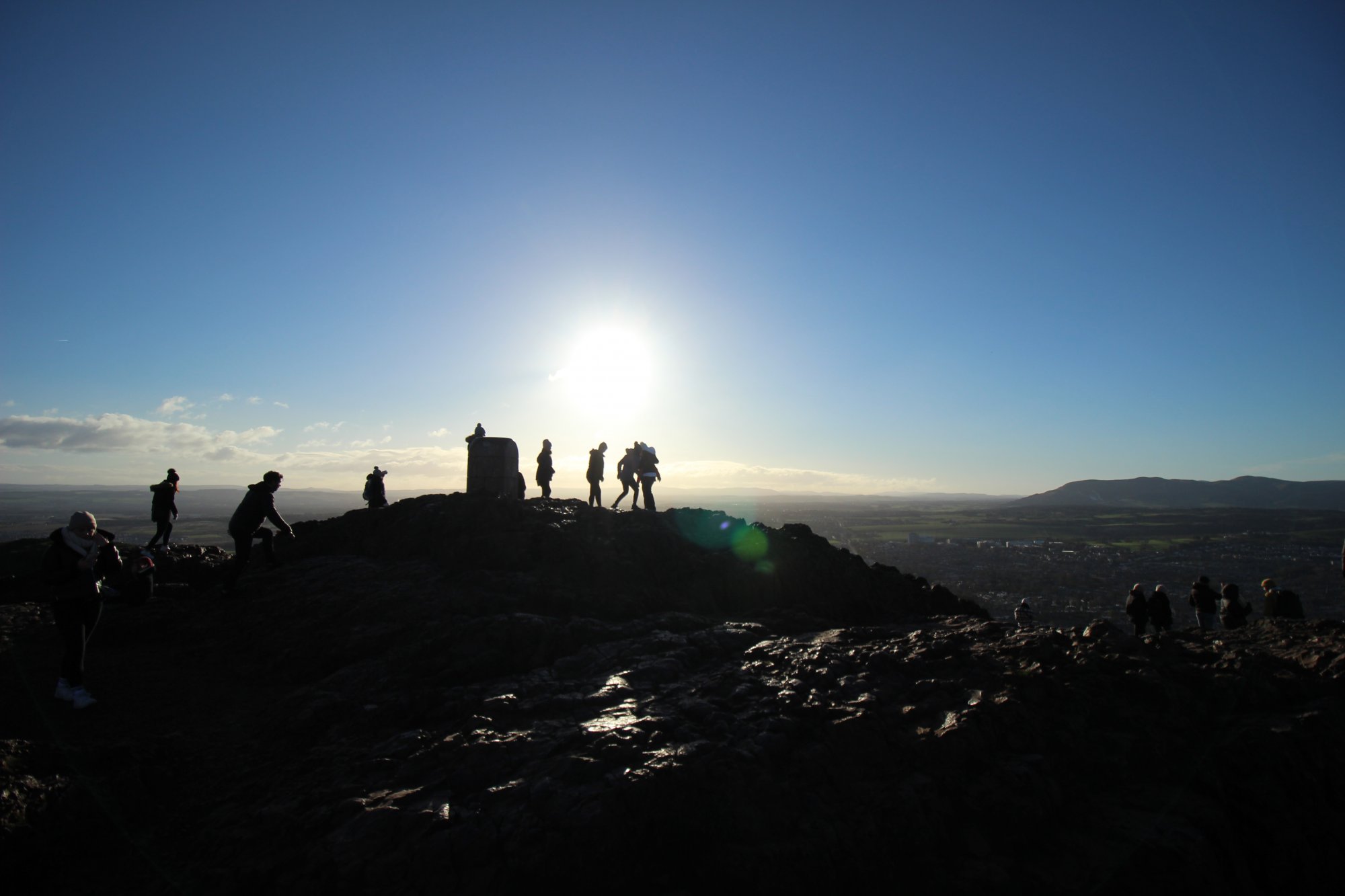



Arthur’s Seat: The Ancient Guardian of Edinburgh
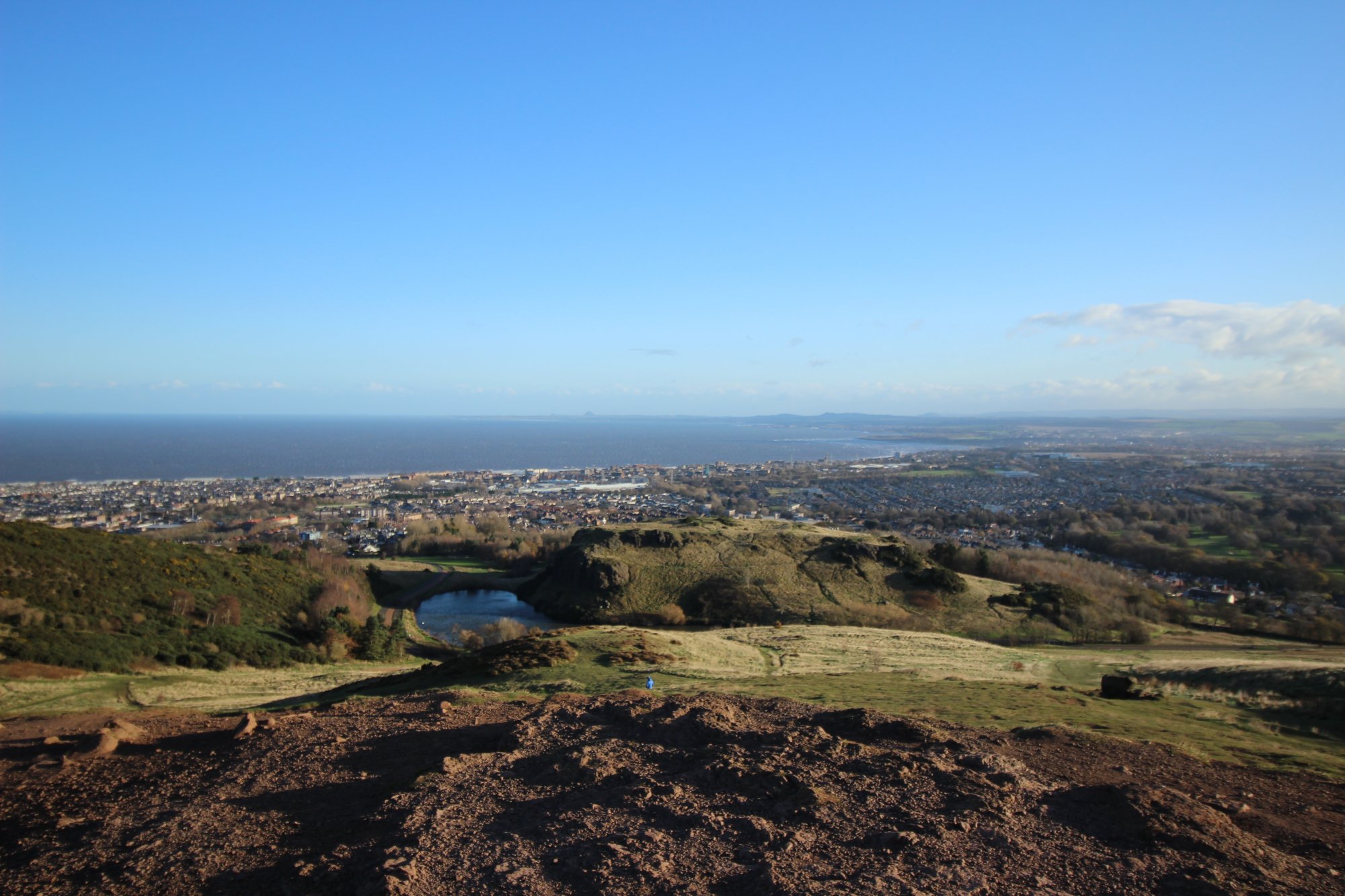
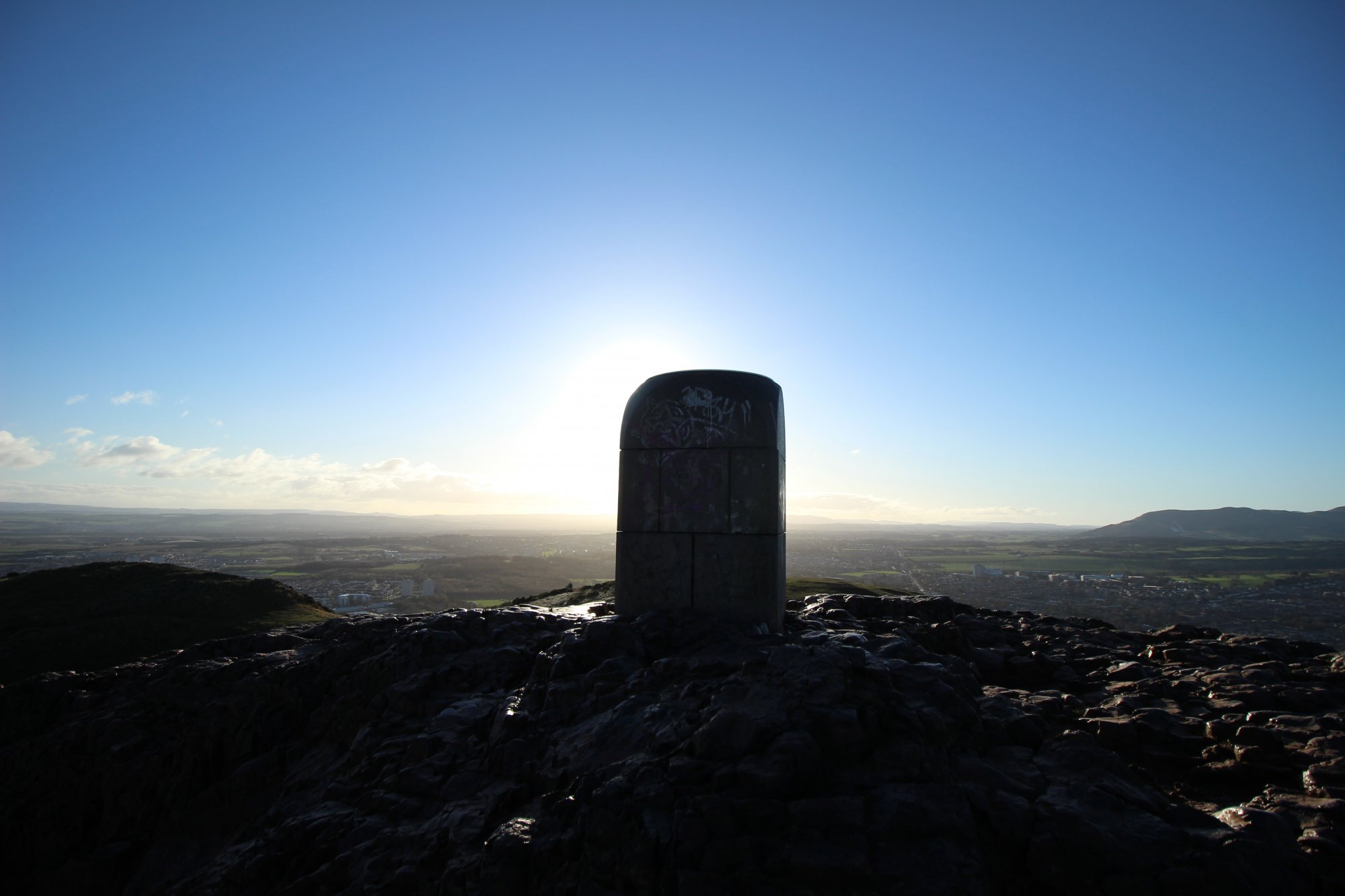
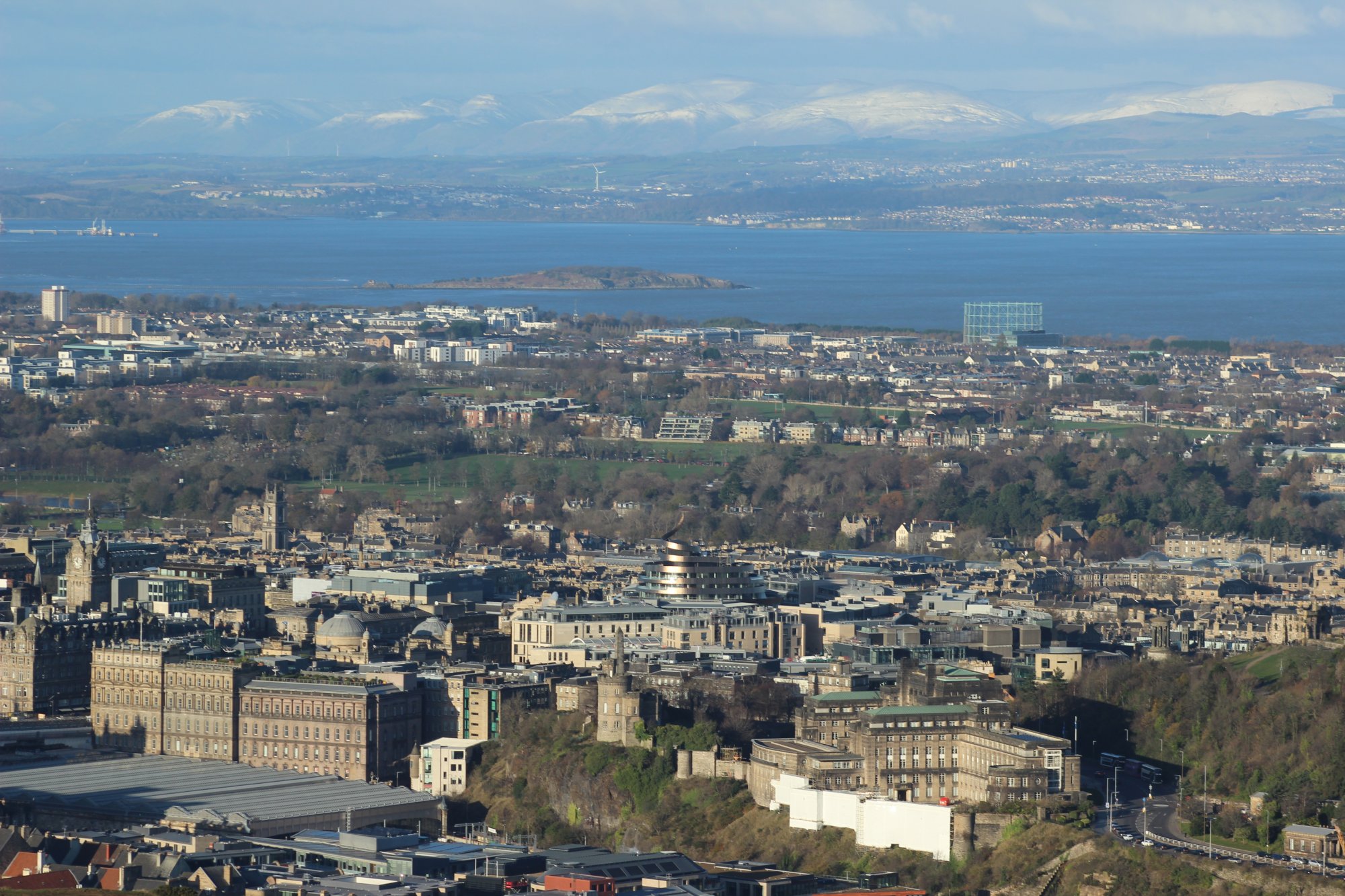
Dominating the skyline of Scotland’s capital, Arthur’s Seat is a spectacular volcanic monument that serves as both a natural playground and a window into deep geological time. Rising 251 meters (823 feet) above the city, this jagged peak is the highest point of Holyrood Park, providing an unparalleled 360-degree panorama that stretches from the Firth of Forth to the distant Highlands. Far more than just a hill, it is the weathered remains of a massive volcano that first erupted roughly 350 million years ago, subsequently carved into its iconic "lion-like" silhouette by the relentless force of prehistoric glaciers.
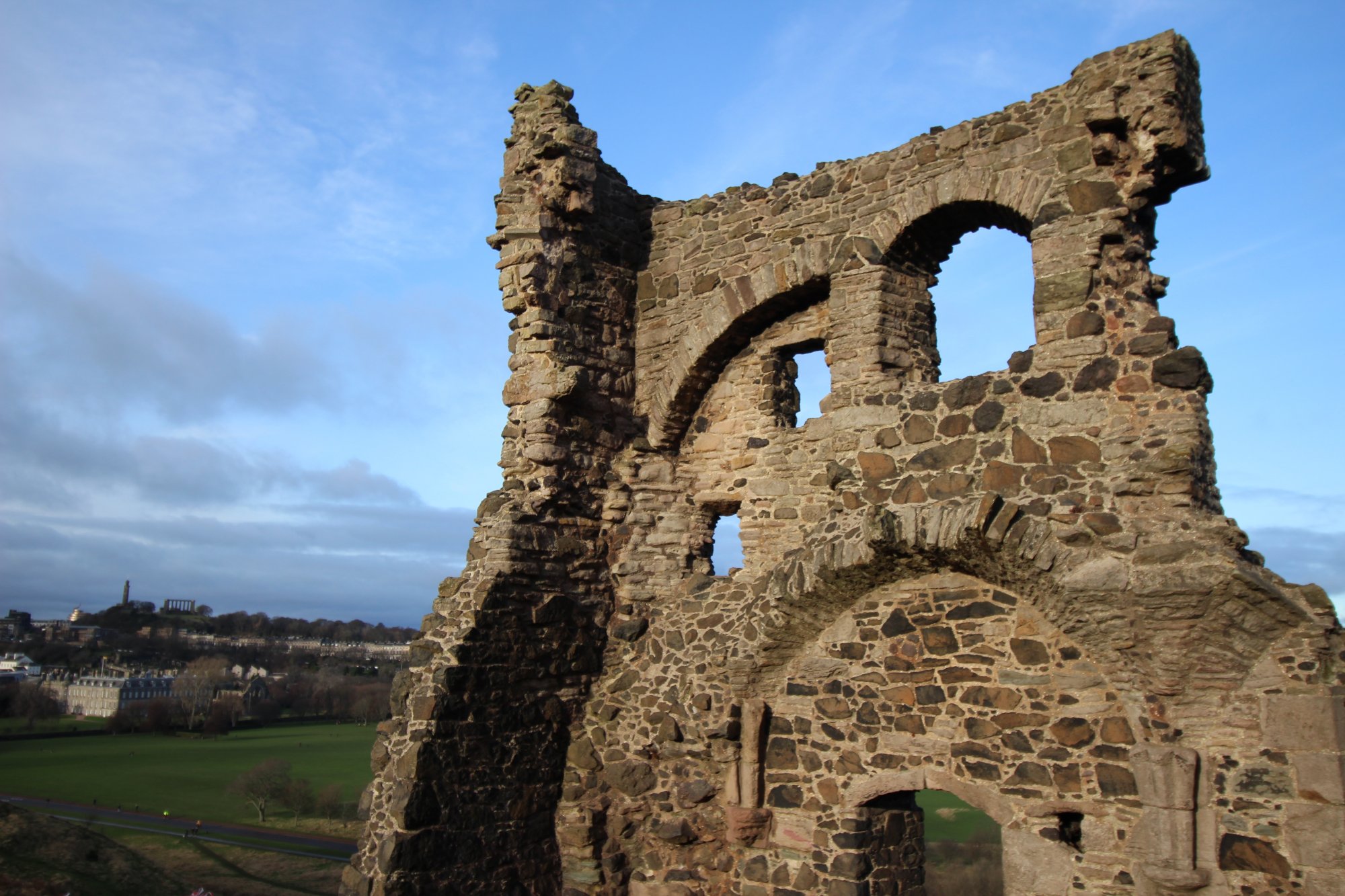
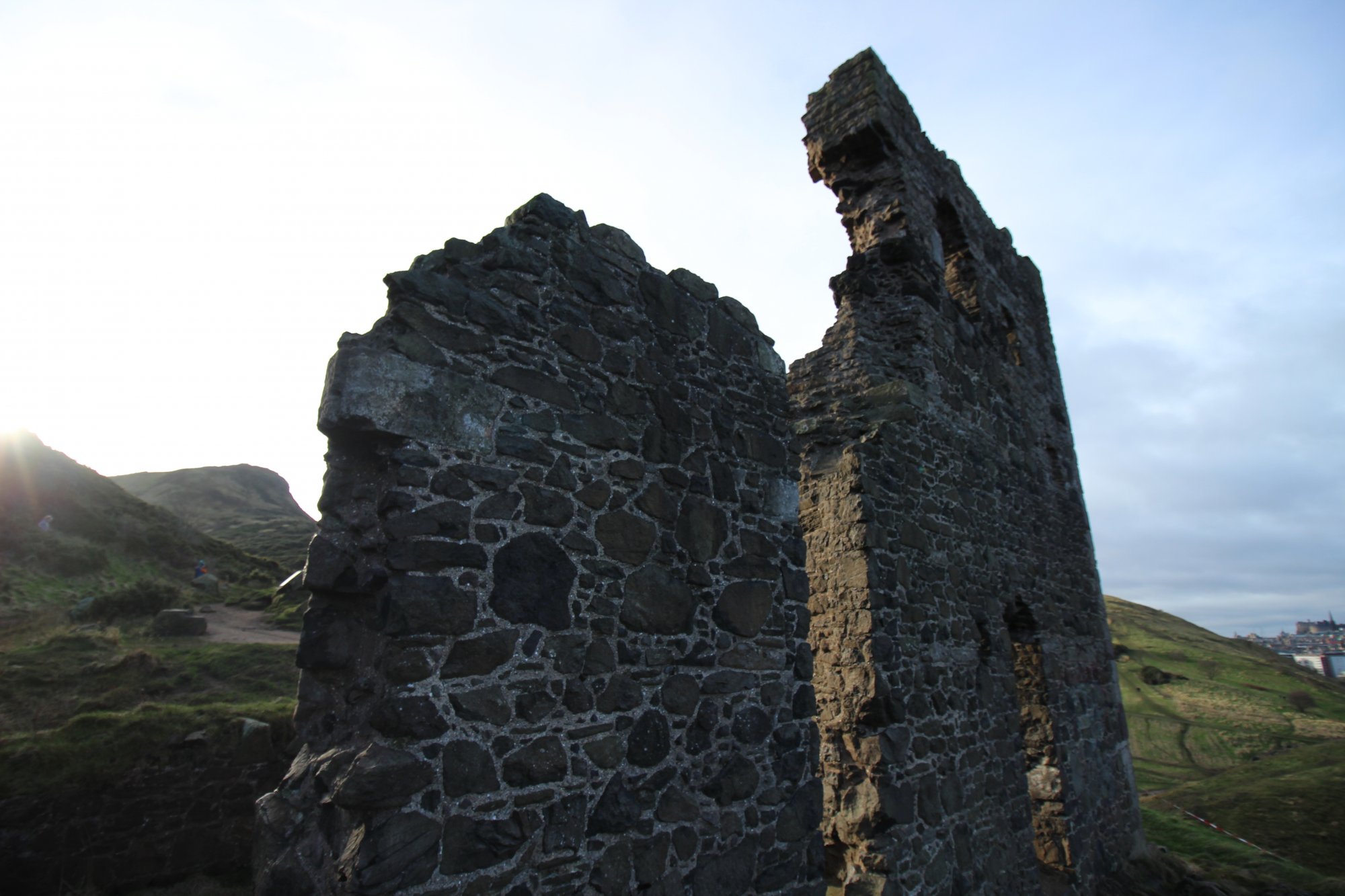
The name itself is steeped in romantic mystery, with the first written records appearing in 1562. While many believe it is named after the legendary King Arthur, others suggest its roots lie in the Gaelic "Ard-na-Said," meaning the Height of Arrows. Regardless of its etymology, the hill has been a site of human activity for millennia; it is home to four ancient hillforts dating back 2,000 years, making it part of a defensive network that included Castle Rock and Calton Hill. Today, it remains a protected Site of Special Scientific Interest (SSSI), harboring rare flora like the Maiden Pink wildflower and providing a sanctuary for kestrels and fulmars right in the heart of the urban environment.
The Geology of Fire and Ice
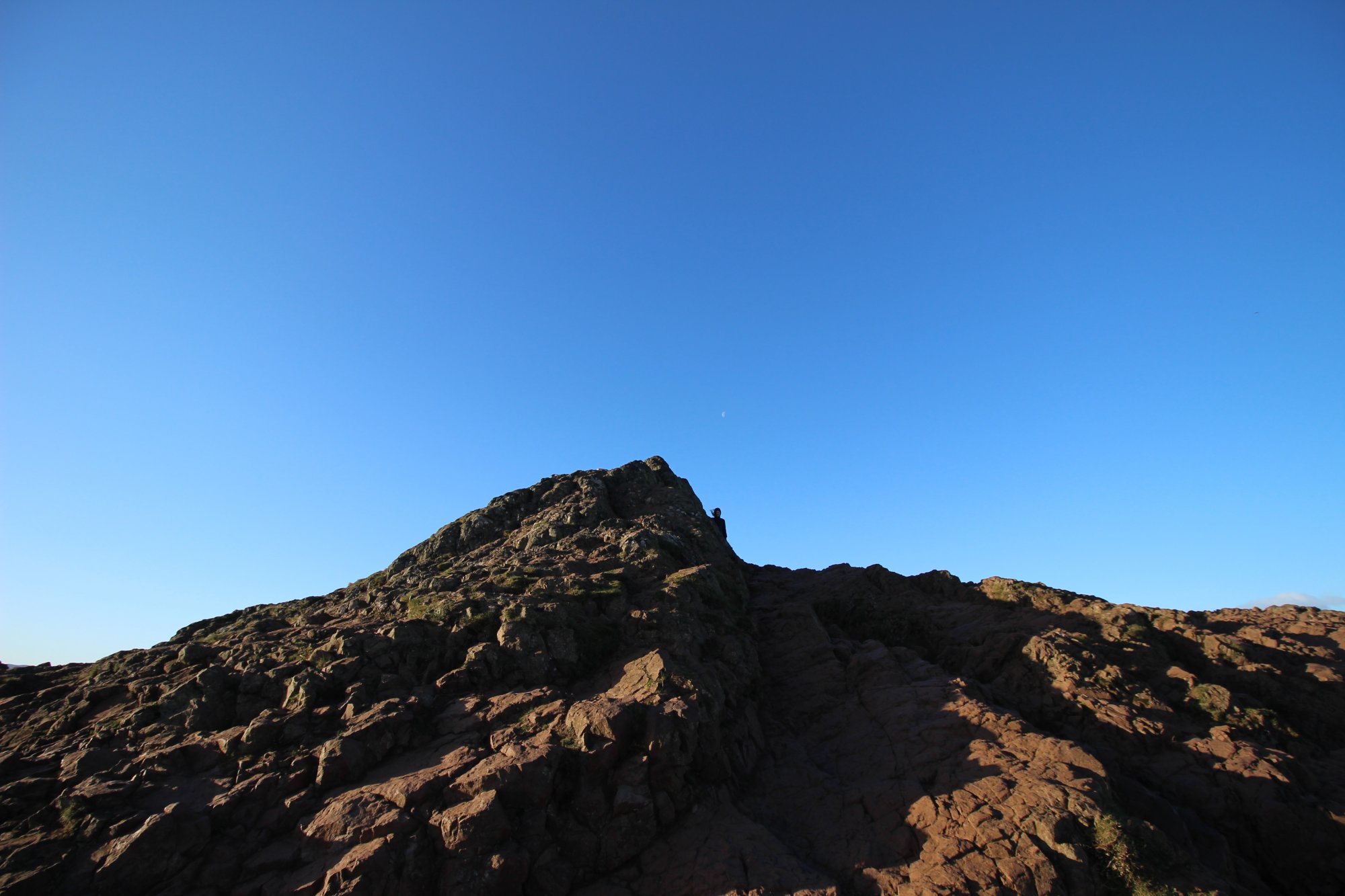
To walk upon Arthur’s Seat is to traverse a landscape forged in fire. The peak is a "volcanic plug," formed when magma solidified in the vent of an active volcano. Nearby, the dramatic Salisbury Crags showcase massive sills where molten rock was forced between layers of sedimentary stone. These formations famously inspired James Hutton, the "Father of Modern Geology," whose observations here in the 18th century fundamentally changed our understanding of the Earth's age. As of 2026, visitors can join specialized "Arthur’s Secrets" ranger-led walks to explore these hidden geological stories, including the famed "Hutton’s Section," where the transition between rock types is most visible.
Routes and the Radical Road Update
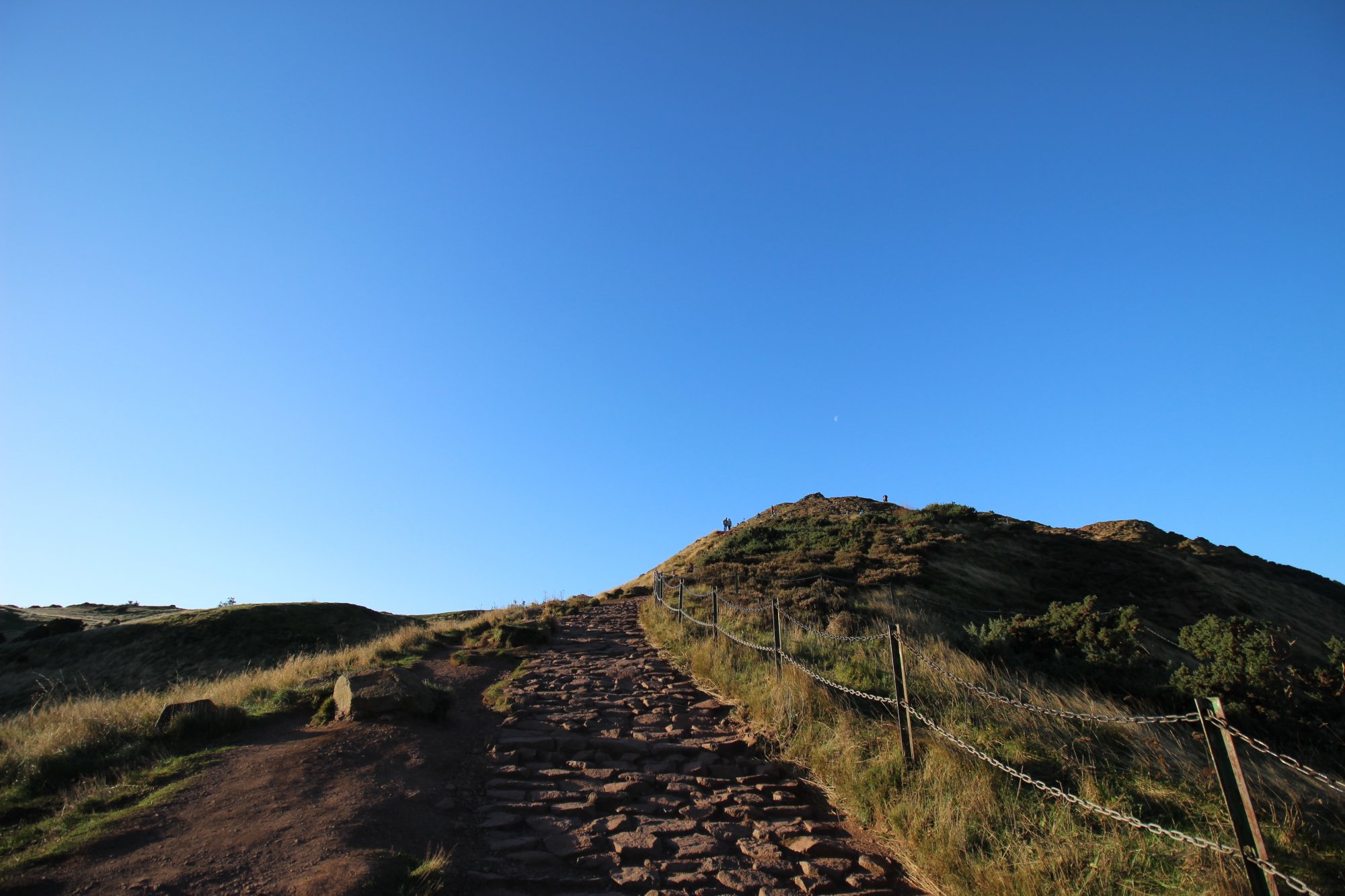
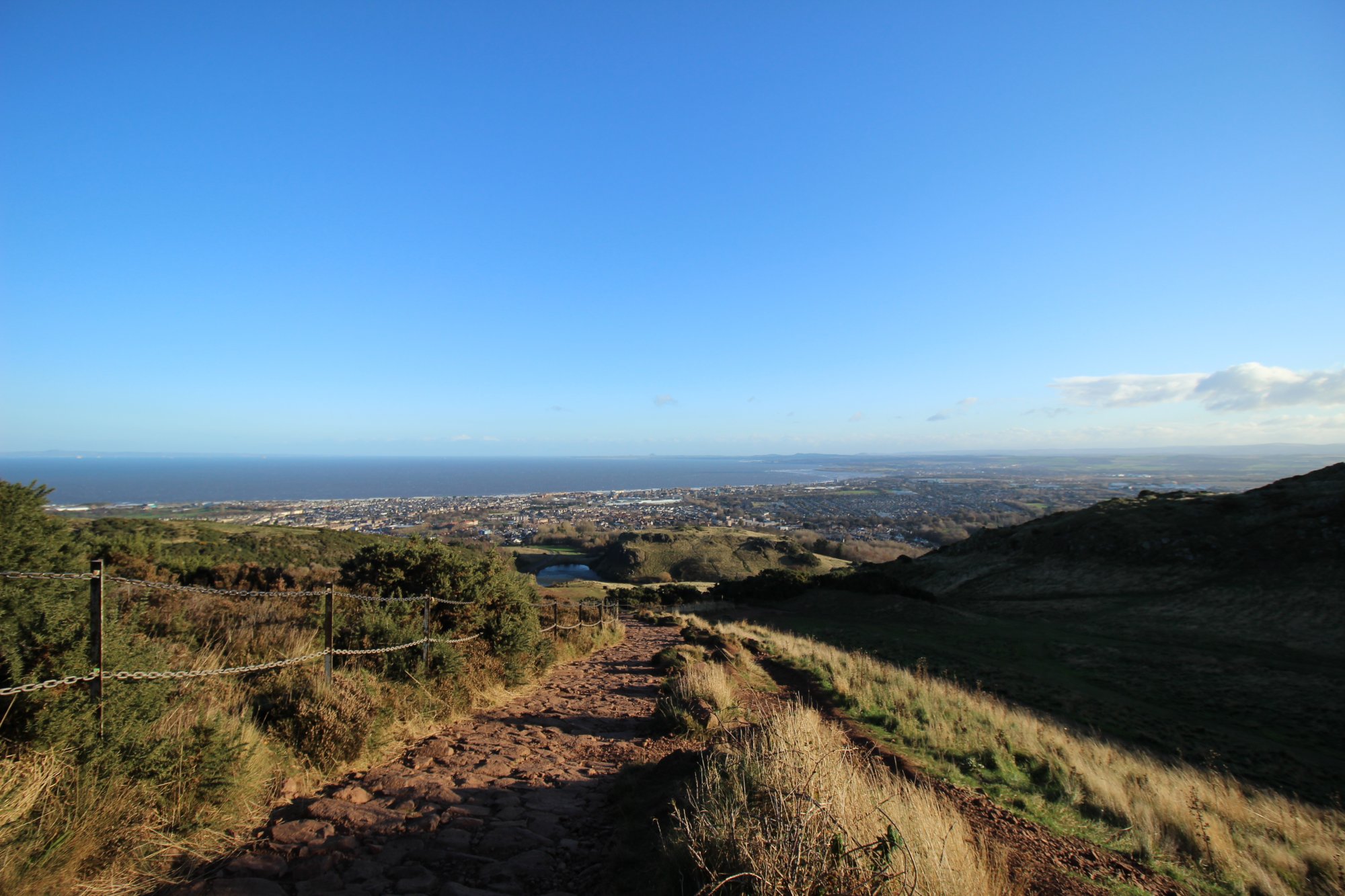
There are several ways to conquer the summit, ranging from gentle grassy slopes to steep, rocky scrambles. The most popular "Red Route" begins near Holyrood Palace, offering a steady climb with rewarding views at every turn. For those seeking a more direct challenge, the "Purple Route" from the south provides a steeper ascent. A significant development for the 2026 season is the partial reopening of the Radical Road, a historic path built by unemployed weavers in 1820. After being closed for several years due to rockfall risks, sections are now accessible via guided tours, coinciding with the 300th anniversary of James Hutton’s birth.
Practical Tips for the 2026 Season
- Road Closures and Access: In 2026, Holyrood Park continues its commitment to a "car-free" weekend experience. All roads within the park are closed to motor vehicles on Saturdays and Sundays between 8:15 AM and 3:45 PM. During the week (Tuesday to Thursday), the High Road and Dunsapie Loch car park remain open only between 9:30 AM and 3:00 PM.
- Parking and Facilities: Pay-and-display parking is available at the Broad Pavement car park near Holyrood Palace for £1 per hour. Public toilets are located at the Holyrood Park Education Centre, with hours varying by season (typically 8:00 AM to 6:00 PM during peak summer months).
- Equipment: While the paths are well-trodden, the final scramble to the summit involves slippery, polished volcanic rock. Sturdy footwear with good grip is essential, and walkers should be prepared for sudden weather changes, as the wind at the summit can be significantly stronger than at street level.
- Wildlife and Conservation: To protect the fragile archaeological sites and rare grasslands, visitors are urged to stick to the designated trail network. Dunsapie Loch, located on the eastern side, is a fantastic spot for birdwatching, particularly for mute swans and various waterfowl.
A Must-Visit Edinburgh Landmark
Arthur’s Seat offers a rare opportunity to escape the city’s bustle without ever leaving its boundaries. It is a place where history, geology, and nature collide, offering a rugged wilderness experience just a short walk from the Royal Mile. Whether you are seeking a morning workout, a photographic masterpiece, or a quiet moment to look over the "Old Smoky" chimneys of the Old Town, the summit of this ancient volcano remains the ultimate Edinburgh experience.