



Dundurn Hill: The Historic Pictish Hillfort of Strathearn
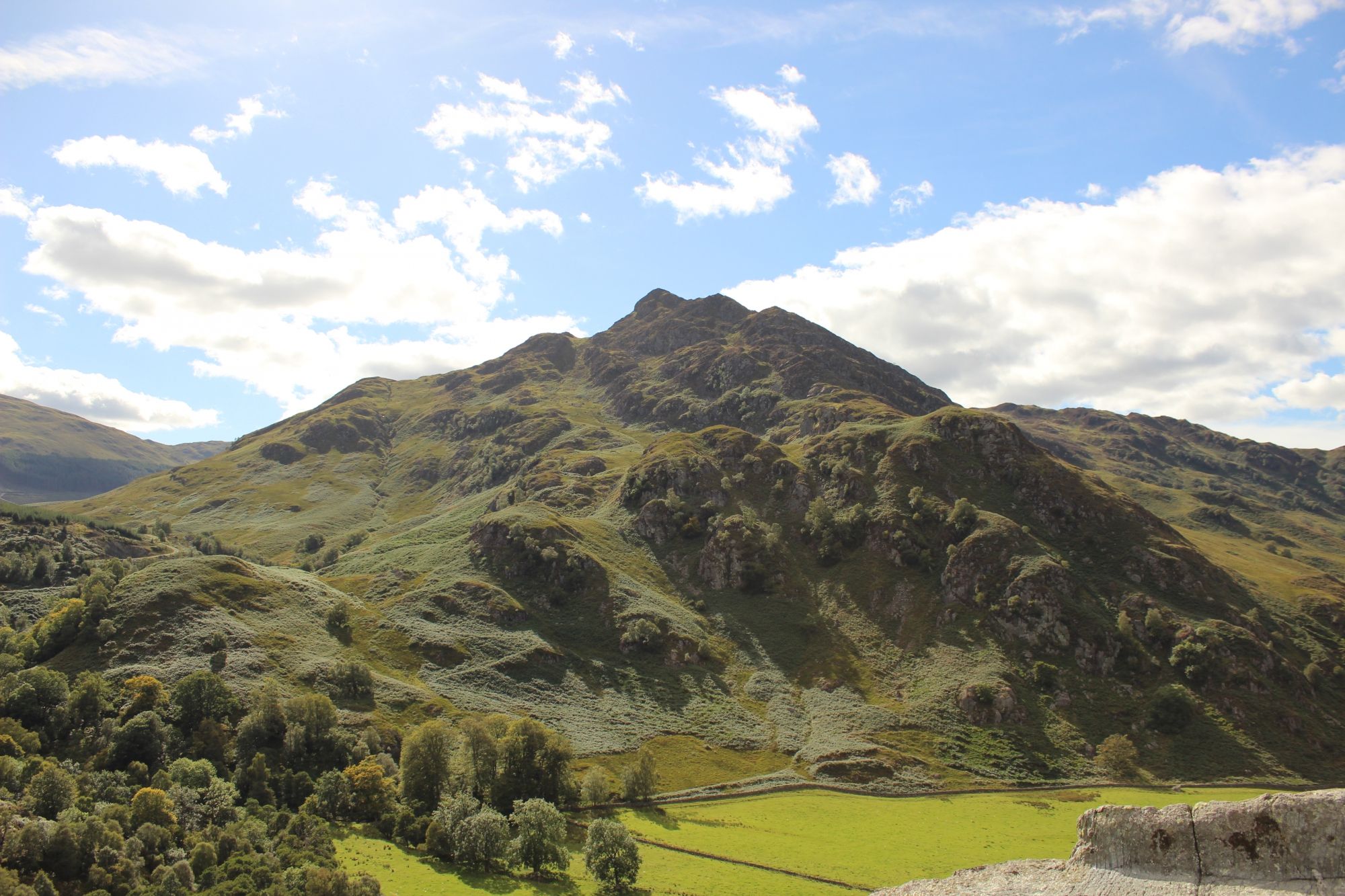
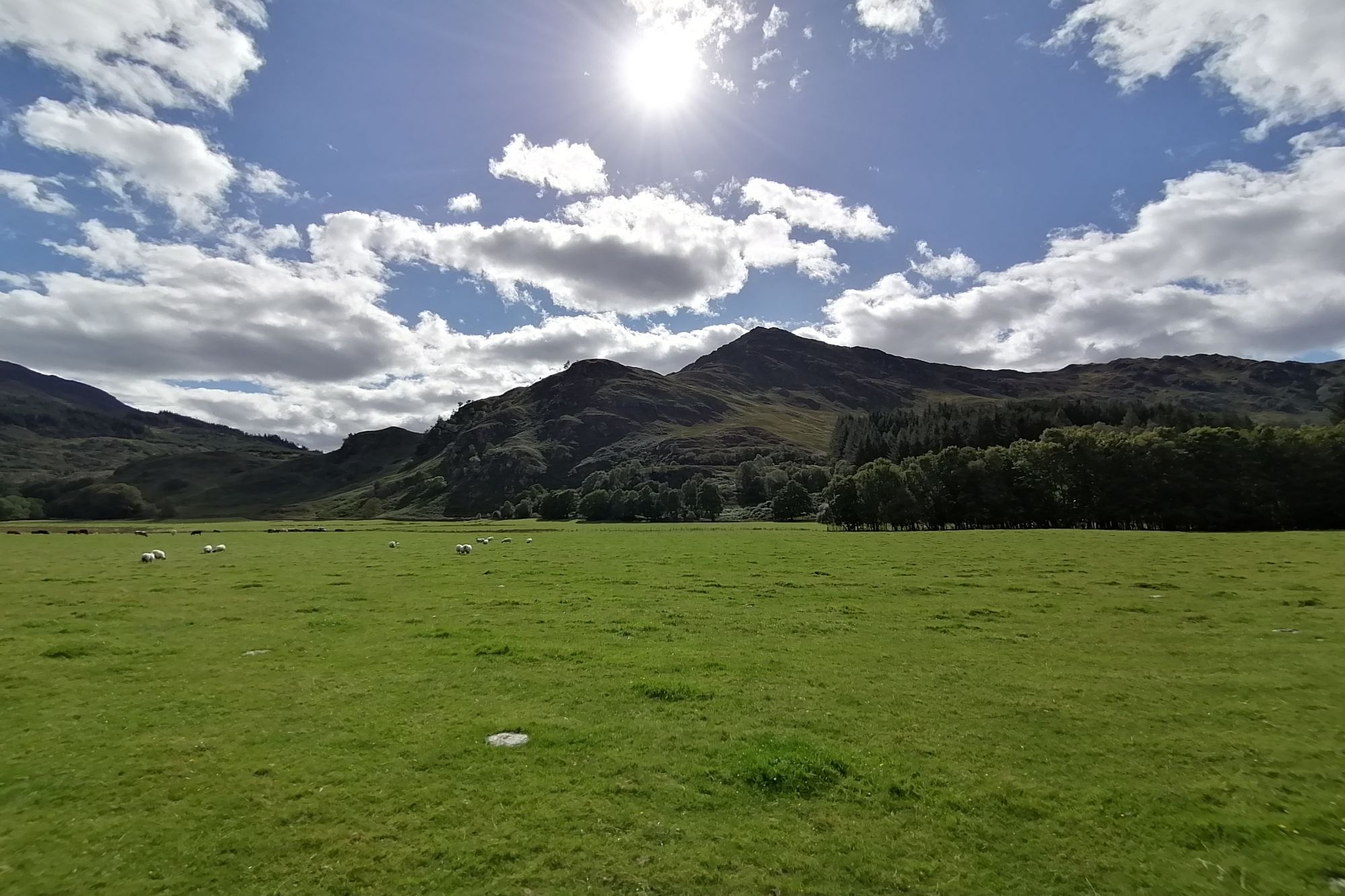
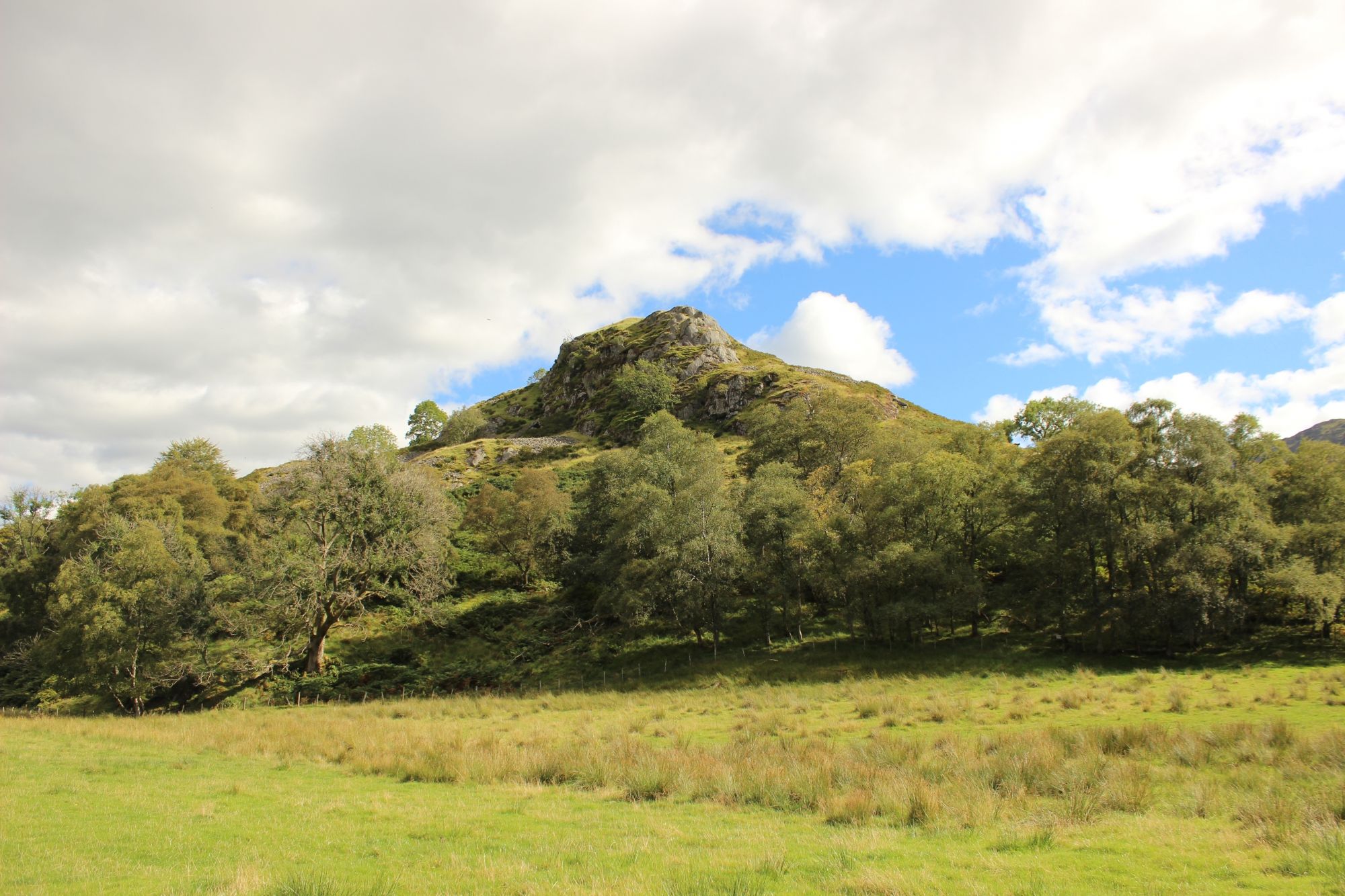
Rising like a solitary, rocky wave from the flat floor of Strathearn near the village of St Fillans, Dundurn Hill is a place where ancient history and tranquil landscape seamlessly blend. While it may not possess the soaring, razor-sharp peaks or the sweeping, dramatic scale of the larger Highland giants nearby, this modest hill holds an quiet charm and immense historical weight all its own. Dundurn is an exceptionally well-defined, isolated volcanic knoll that served as a major power center during the Dark Ages. Today, it offers an approachable, highly rewarding outing for walkers seeking a less strenuous excursion that trades extreme altitude for deep-rooted heritage and a peaceful, scenic atmosphere.
The Seat of Kings: A Mysterious Pictish Stronghold
Despite its gentle appearance today, Dundurn Hill was once a heavily fortified and fiercely defended royal stronghold. Archaeological excavations have revealed that this strategic crag was a major **Pictish hillfort** dating back to at least the 6th and 7th centuries. Known in early Irish annals as Dun Duirn, it was a vital defensive bastion guarding the western frontier of the Pictish kingdom against Gaelic invaders from Dal Riata. The natural terracing of the hill was cleverly modified with stone and timber ramparts, creating a multi-layered citadel where a Pictish king or high-ranking chief once looked out over their territory. For history enthusiasts, wandering up the grassy slopes reveals the faint, fascinating contours of these ancient, altered defensive terraces.
The Walk: An Easy and Approachable Ascent
As a walking destination, Dundurn Hill is highly regarded as an easy, family-friendly trail that provides a gentle introduction to Highland hill-walking. The physical approach can be experienced through a short, satisfying trek:
- The Trailhead: The walk typically begins along a quiet back road near the eastern edge of Loch Earn. There is a small area for parking, and the initial path leads smoothly past local farmland and through a pocket of peaceful, mature woodland.
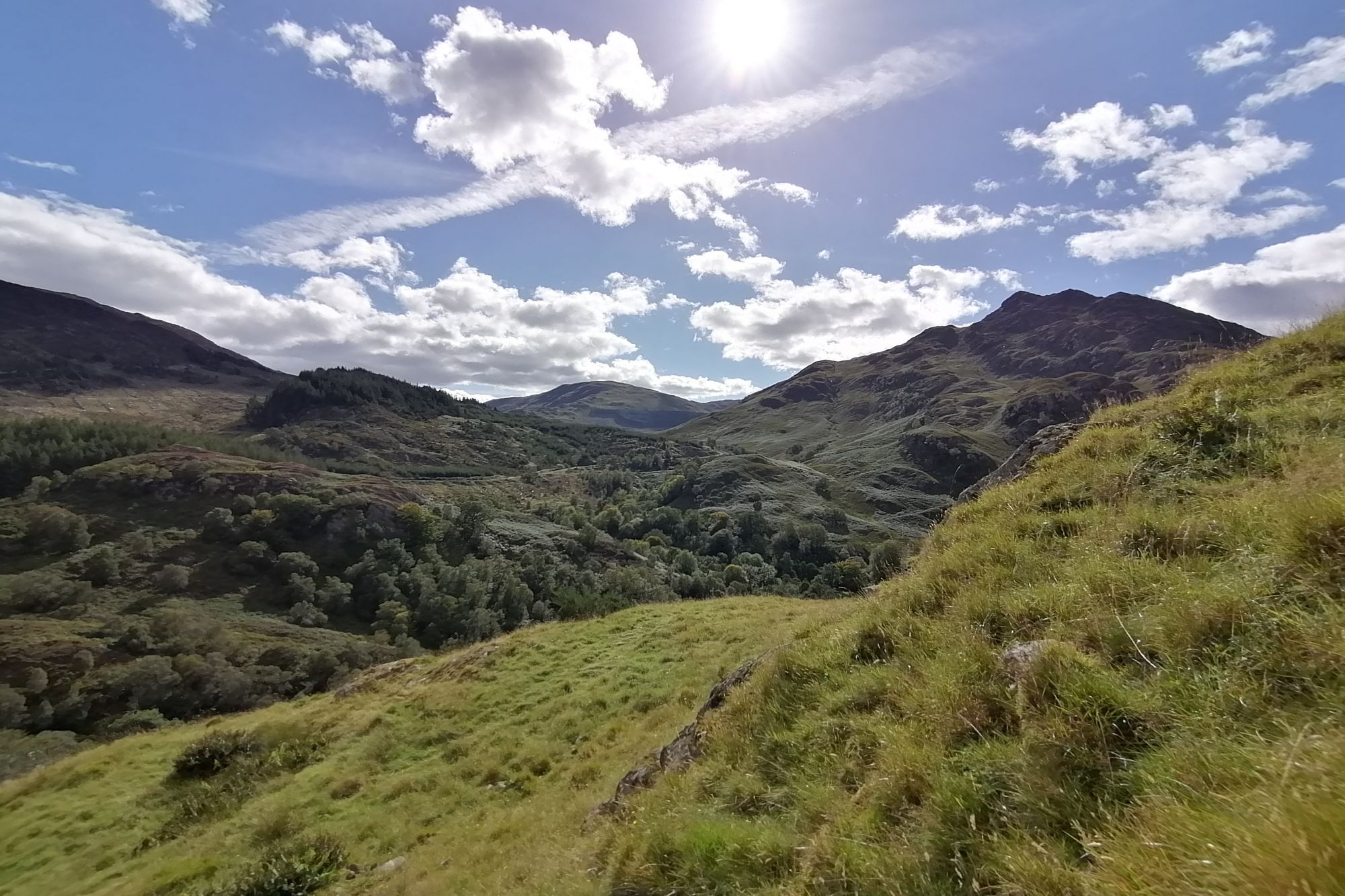
- The Grassy Slopes: Leaving the trees behind, the path trends upward along the green, grassy flanks of the knoll. The incline is steady but short, making it accessible to walkers of all ages and fitness levels without requiring specialized mountaineering gear or scrambling.
- The Summit: Reaching the top takes a modest amount of time. The summit area is marked by rocky outcrops and a sense of wide-open space, allowing visitors to leisurely explore the historic footprint of the old fort.
Beautiful, Pastoral Views Without the Hard Climb
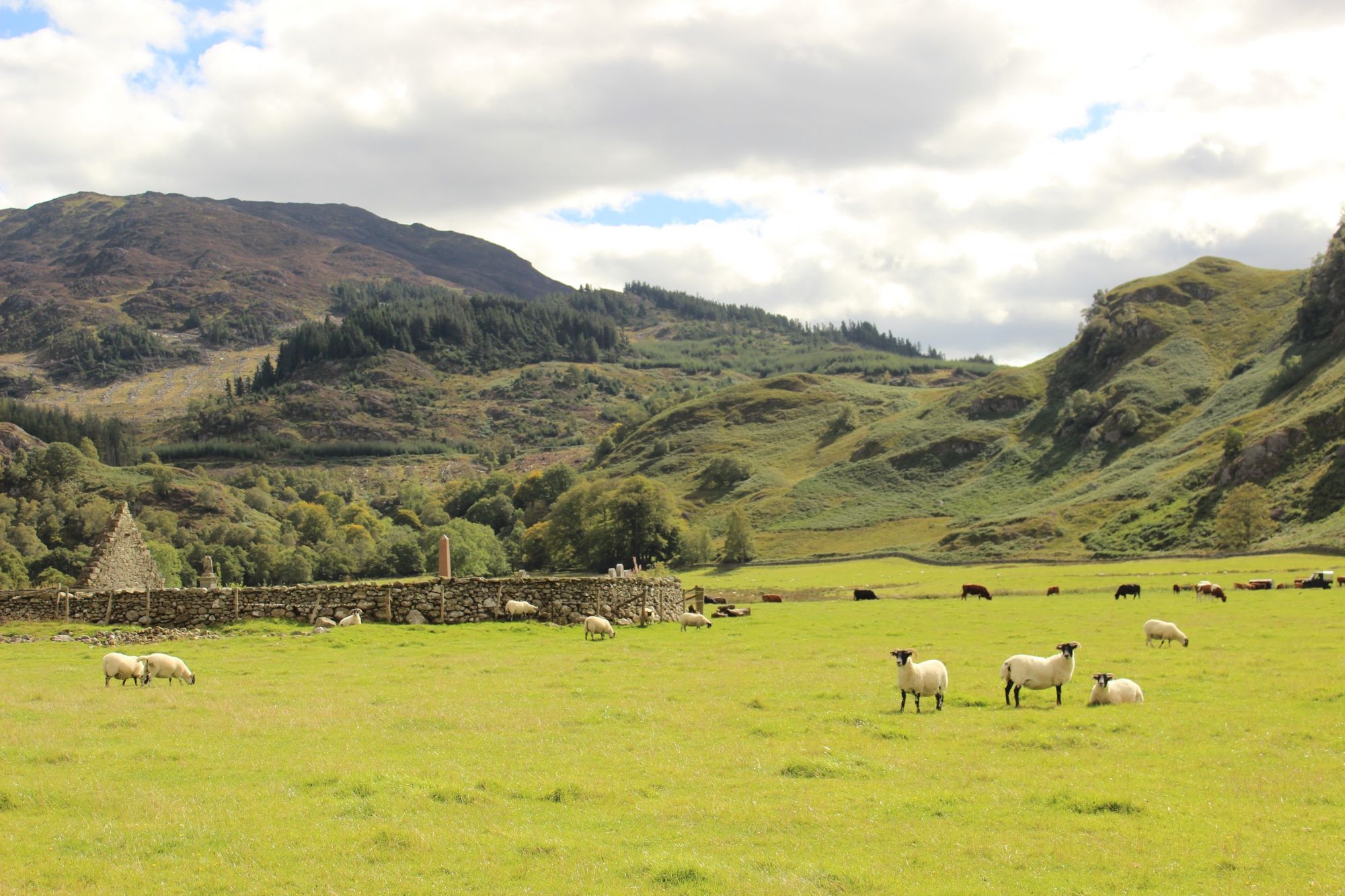
While Dundurn Hill may not be as spectacular or vertiginous as the towering Munros of Glencoe or the Cairngorms, the panoramic views from its summit are undeniably beautiful. Because the hill sits isolated on the valley floor, it acts as a natural viewing platform. Looking westward, you are treated to a wonderful, glittering glimpse of Loch Earn framed by the rising mountains beyond. To the east, the view opens up into the rich, pastoral farmland of Strathearn, with the River Earn winding its way through the landscape below. It is a soft, poetic scenery that captures the gentle transition where the Scottish Lowlands meet the dramatic Highlands.
Visiting in 2026: Practical Advice
In 2026, Dundurn Hill remains a wonderful off-the-beaten-path option, completely free from tourist crowds. The path can become quite muddy and slick after classic Scottish rainfall, so a sturdy pair of walking shoes or light hiking boots is highly recommended. Because the trail runs through active farmland, visitors should expect to encounter grazing livestock and must ensure that gates are closed and dogs are kept under close control. Given its short duration, a walk up Dundurn Hill is easily paired with a lunch stop in St Fillans or a broader scenic drive around the shores of Loch Earn.
Conclusion: A Rewarding Step into Scotland's Past
Dundurn Hill proves that a mountain doesn't need to be towering or hazardous to be thoroughly captivating. It offers a perfect balance of easy physical accessibility, serene natural beauty, and a deep, tangible connection to Scotland's early royal history. Standing on its rocky summit, looking down at the quiet glens where Pictish warriors once stood watch, provides a uniquely grounding and memorable experience that captures the quiet, enduring soul of Perthshire.