



Burn O'Vat: The Hidden Subterranean Cauldron of Deeside
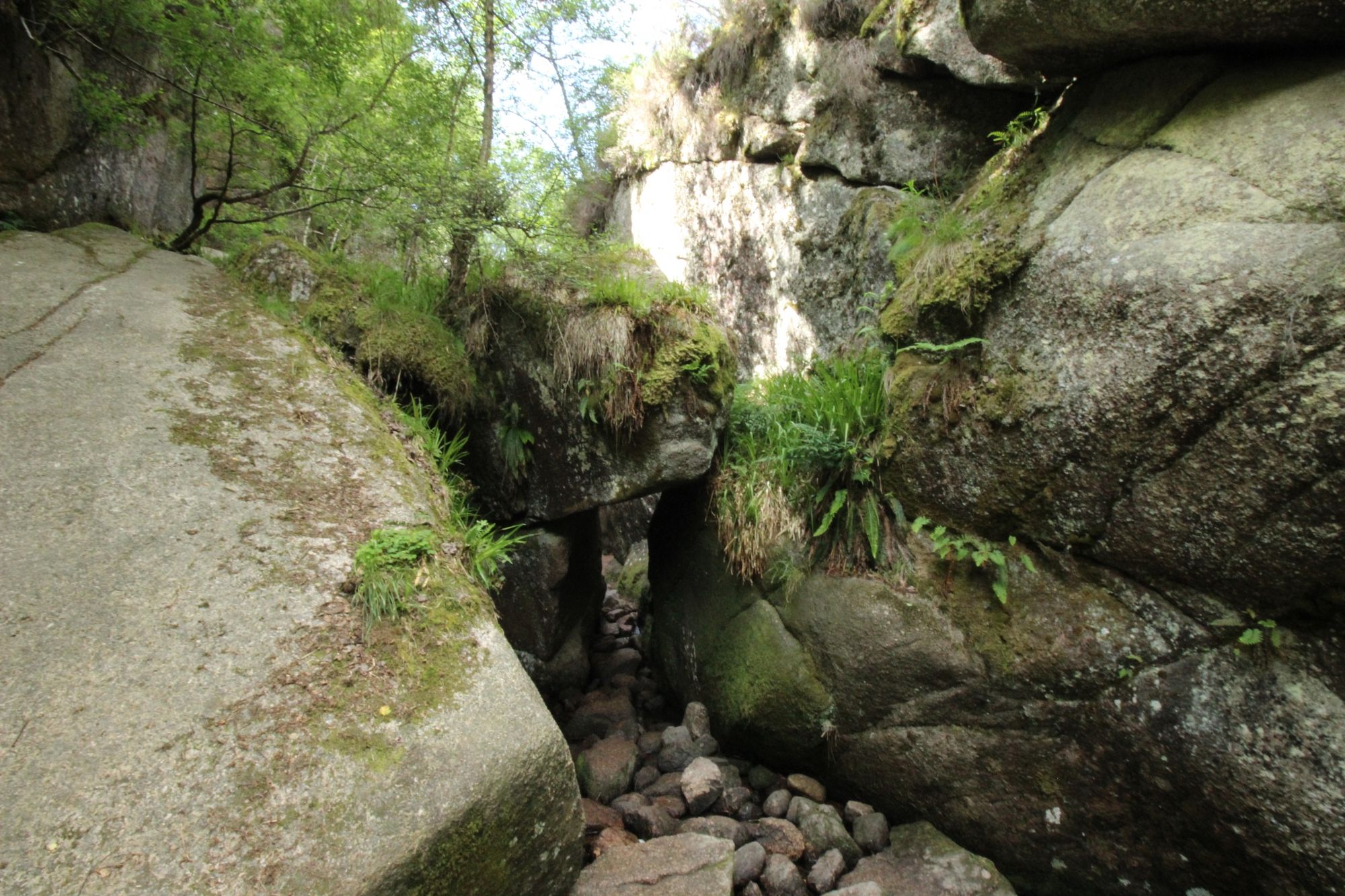
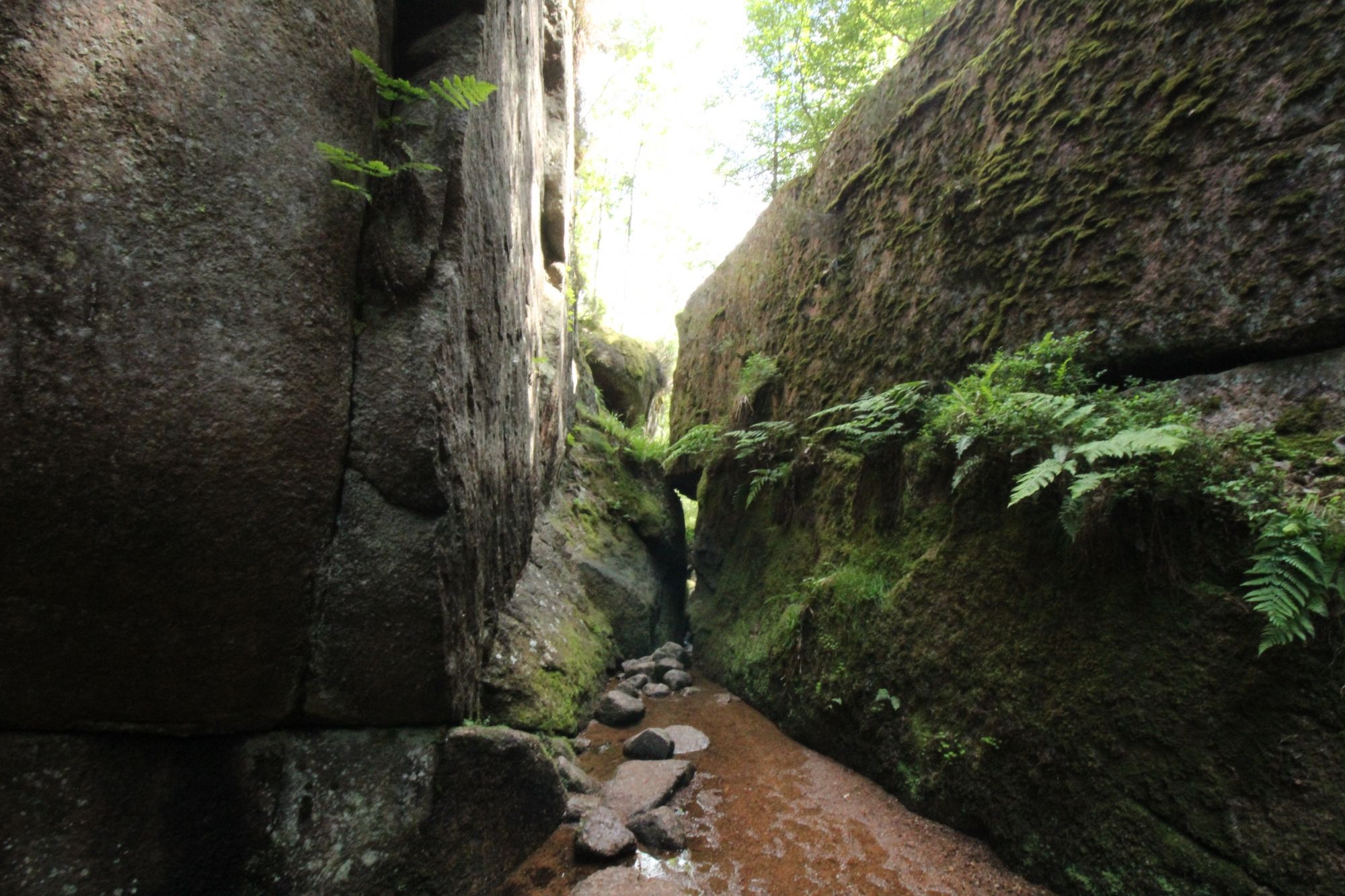
Tucked away within the Muir of Dinnet National Nature Reserve in Aberdeenshire, Burn O'Vat is one of Scotland's most dramatic and sensory natural wonders. Hidden completely out of sight from the surrounding pine forests, this spectacular geological feature is a massive, water-carved granite pothole that feels like a secret subterranean cathedral. To enter, visitors must carefully scramble through a narrow crack in the cliff face, stepping across the rushing waters of the Vat Burn. In 2026, it remains a spellbinding destination for adventurers, nature lovers, and geologists looking to witness the raw, sculpting power of Scotland's ancient ice ages.
Carved by the Torrent of a Dying Ice Sheet
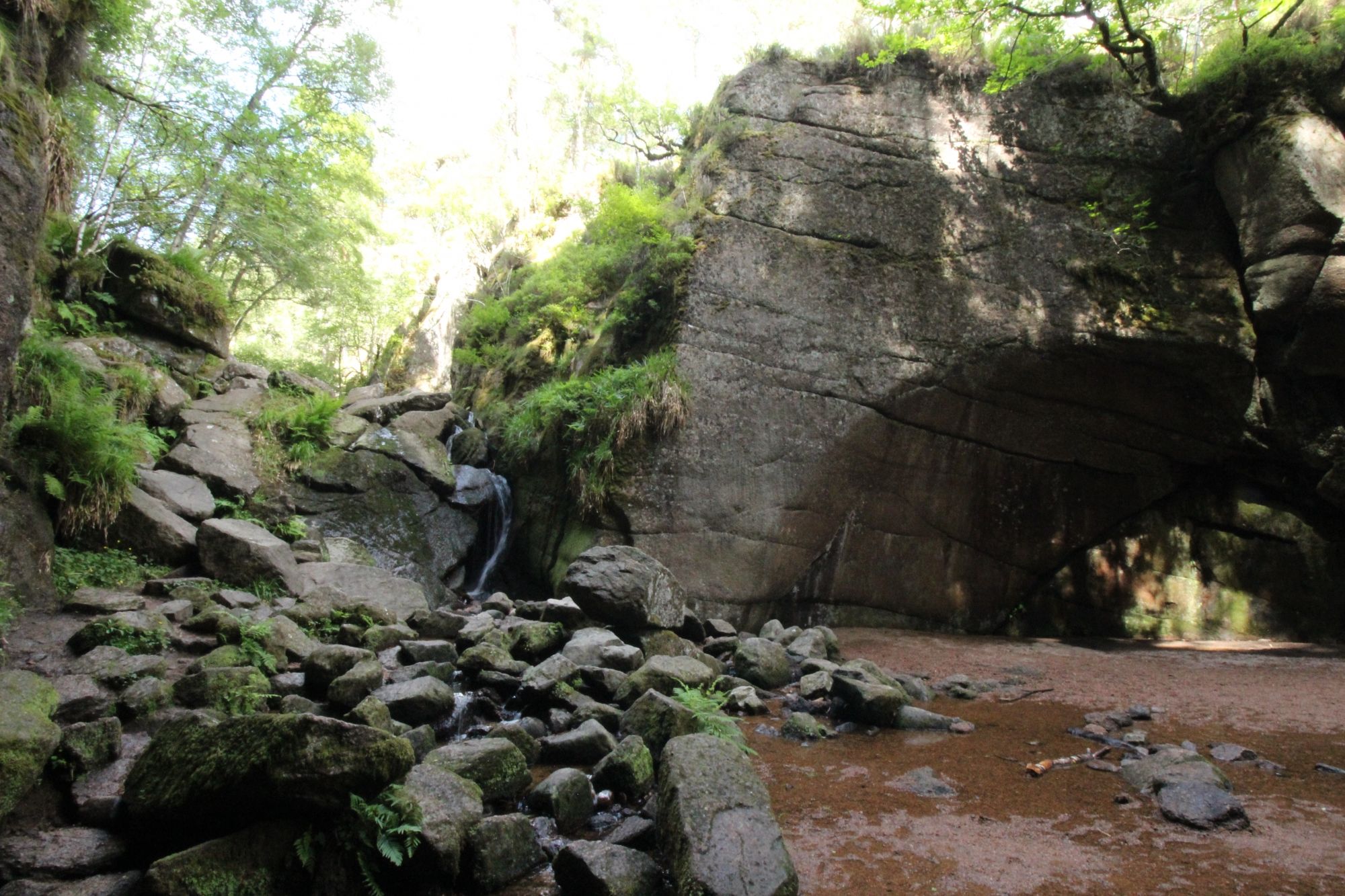
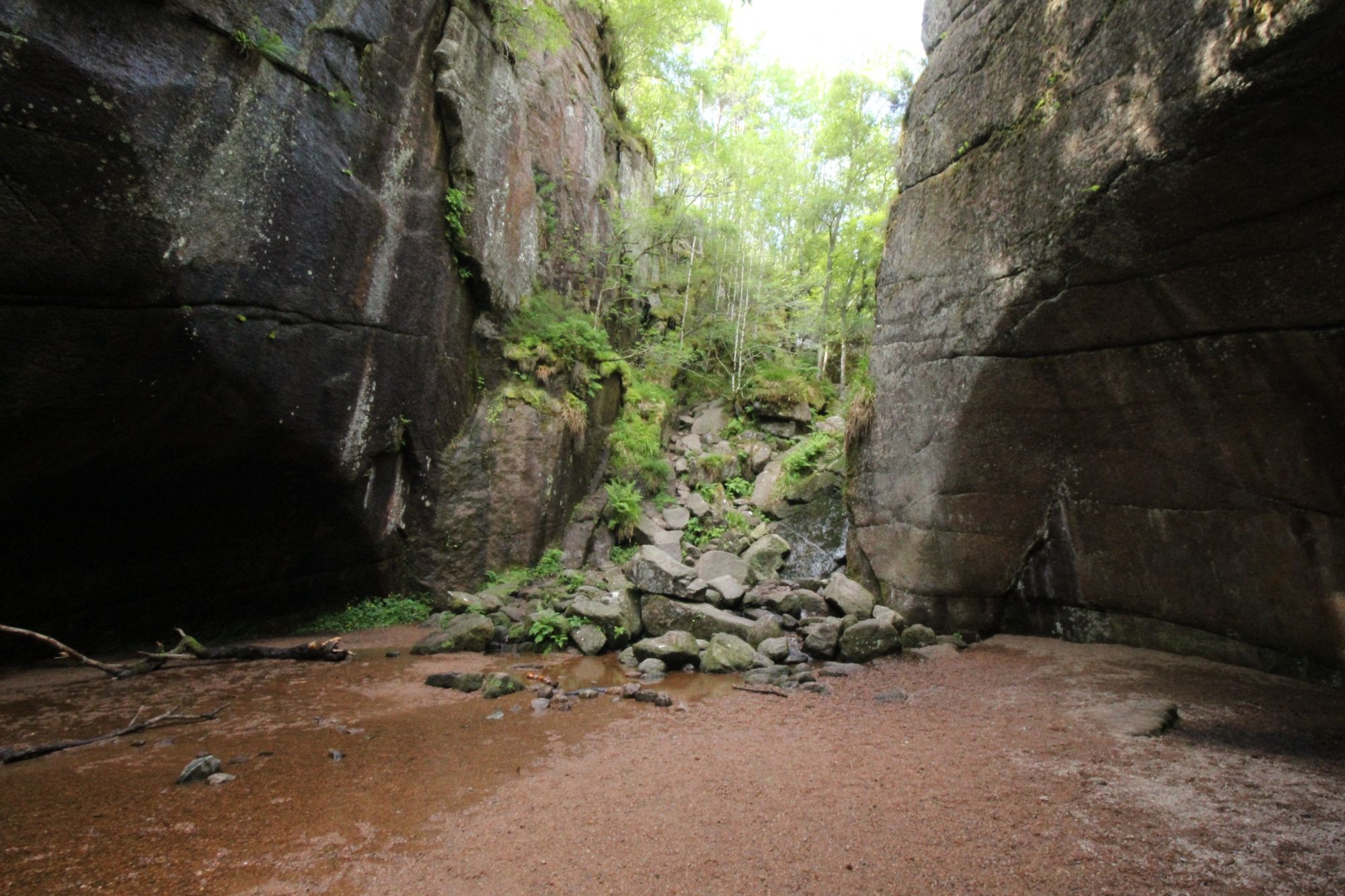
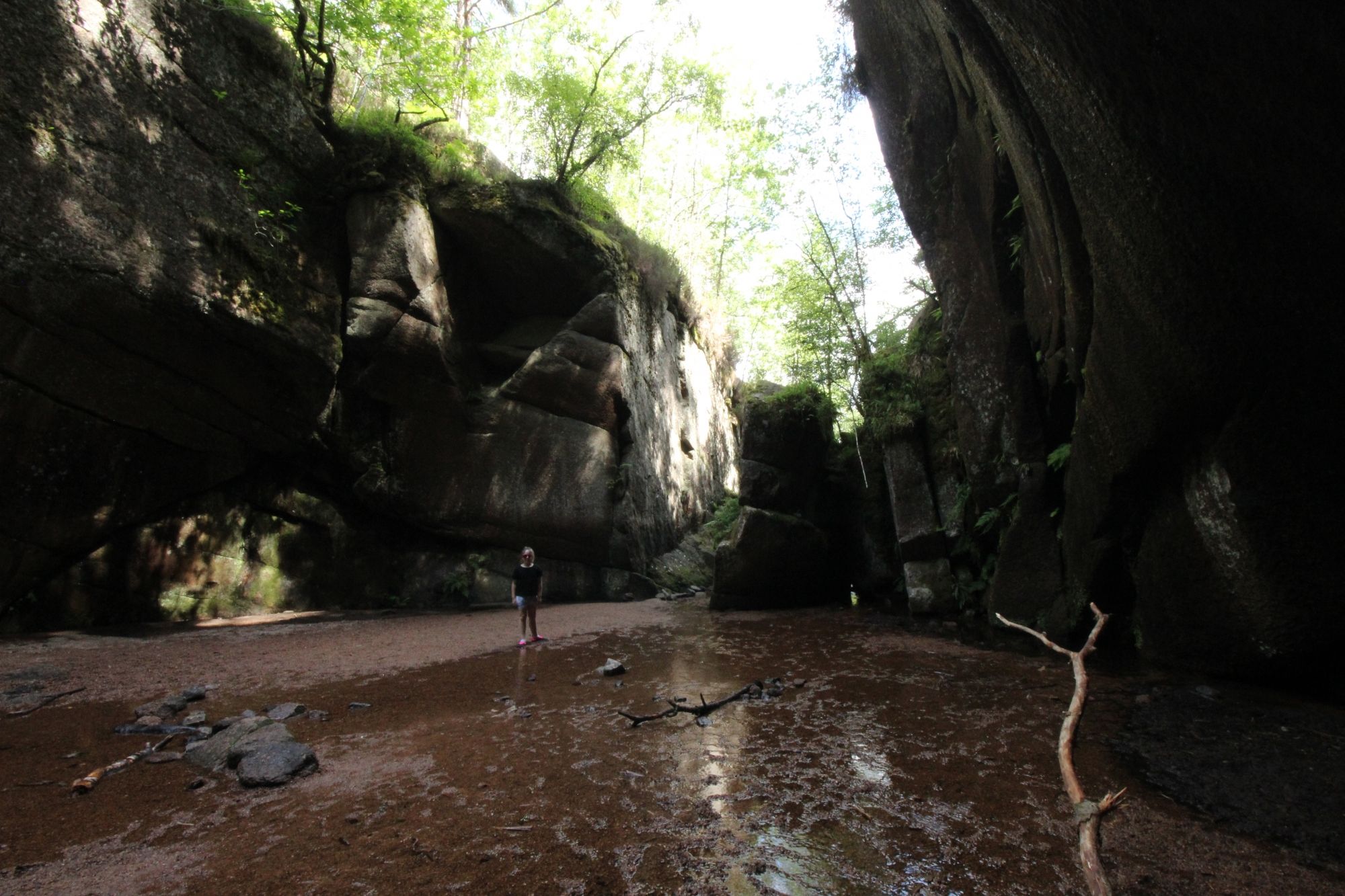
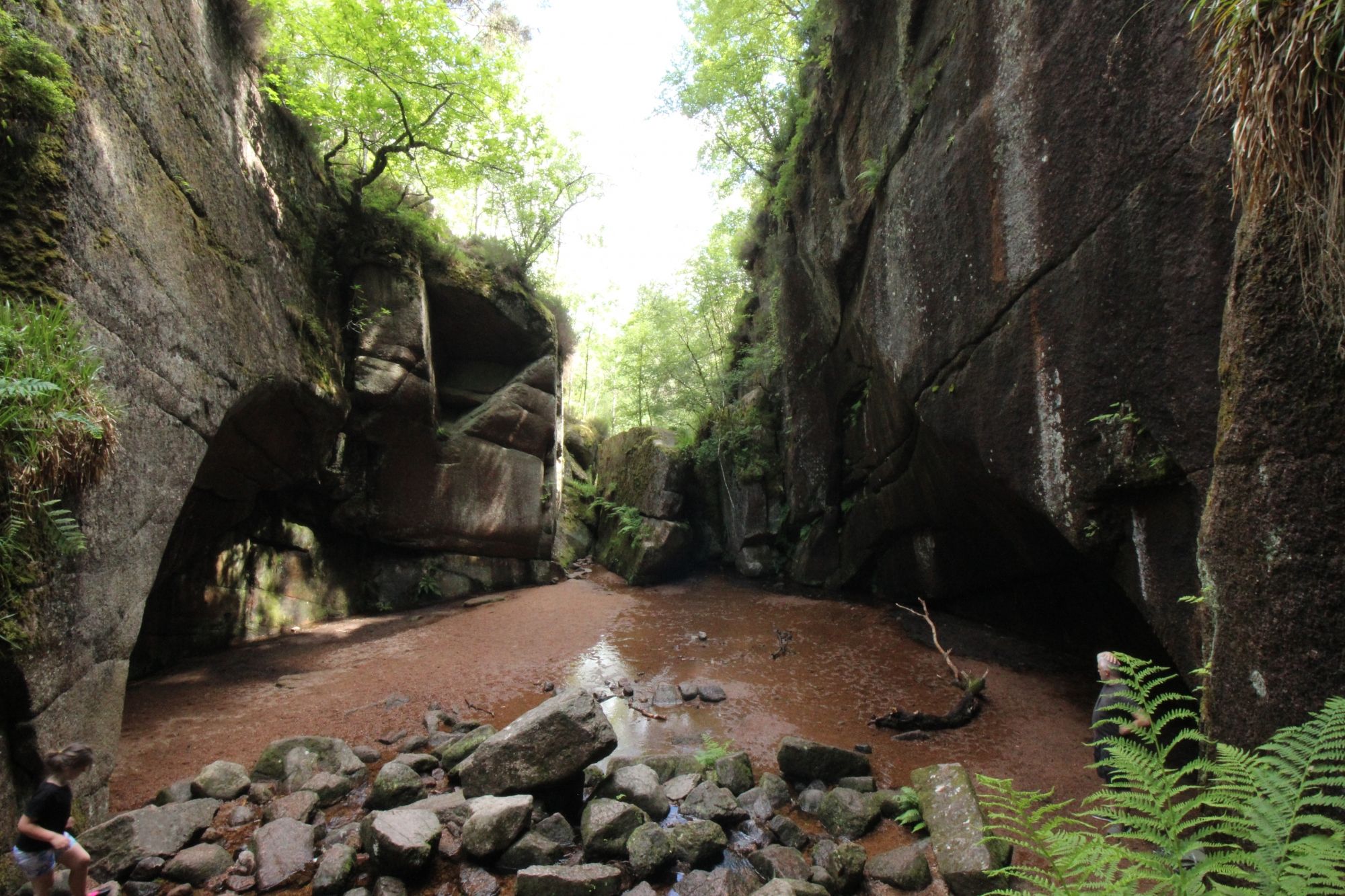
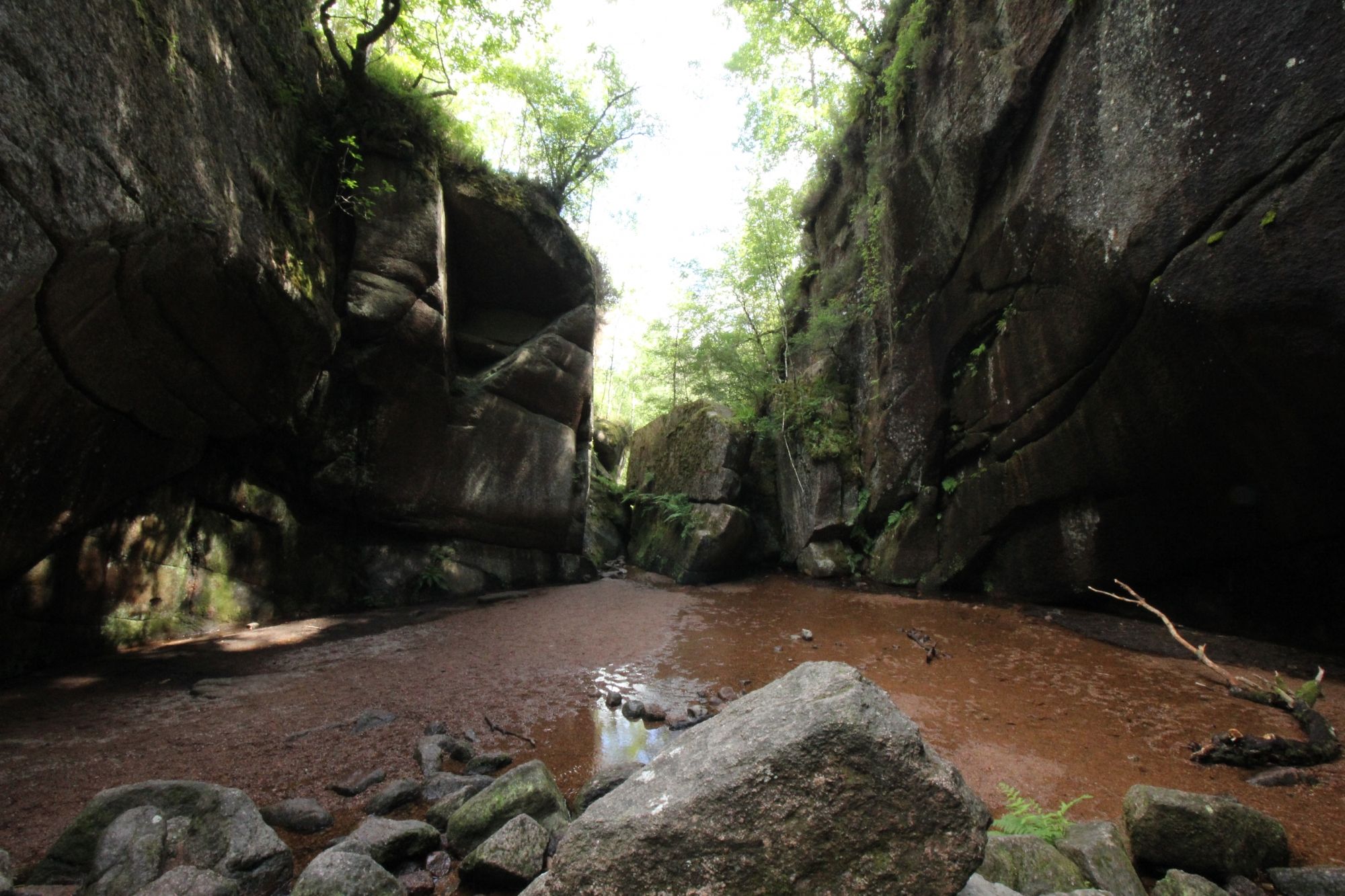
The creation of the Vat is an extraordinary tale of prehistoric climate change. Around 16,000 years ago, a colossal glacier covering the region began to melt rapidly. A massive meltwater stream carrying a high volume of heavy rocks, gravel, and sand became trapped in a swirling eddy. Functioning like a giant, natural drill, these spinning rocks ground deeply into the bedrock over centuries, hollowing out a cavernous bowl that measures roughly 18 meters across and 13 meters high. Today, the roof of the cave has long since collapsed, leaving a towering, open-topped amphitheater lined with moss-covered granite walls and a cascading waterfall at its rear.
The Lair of the Notorious Outlaw Rob Roy
Beyond its scientific marvel, the Vat is steeped in Highland history and outlaw lore. Its most famous resident was Patrick Gilroy Macgregor (often associated in local storytelling with the legendary rogue Rob Roy MacGregor), a notorious 17th-century bandit and cattle rustler who terrorized the lands of Deeside. The Vat served as his ultimate hideout. Because the entrance to the cave is practically invisible from the outside, Gilroy and his band of men could retreat into the stone bowl, completely undetected by the authorities who pursued them. The sheer acoustics of the cave also allowed the outlaws to hear anyone approaching long before they reached the narrow entrance.
Practical Information and Visitor Center
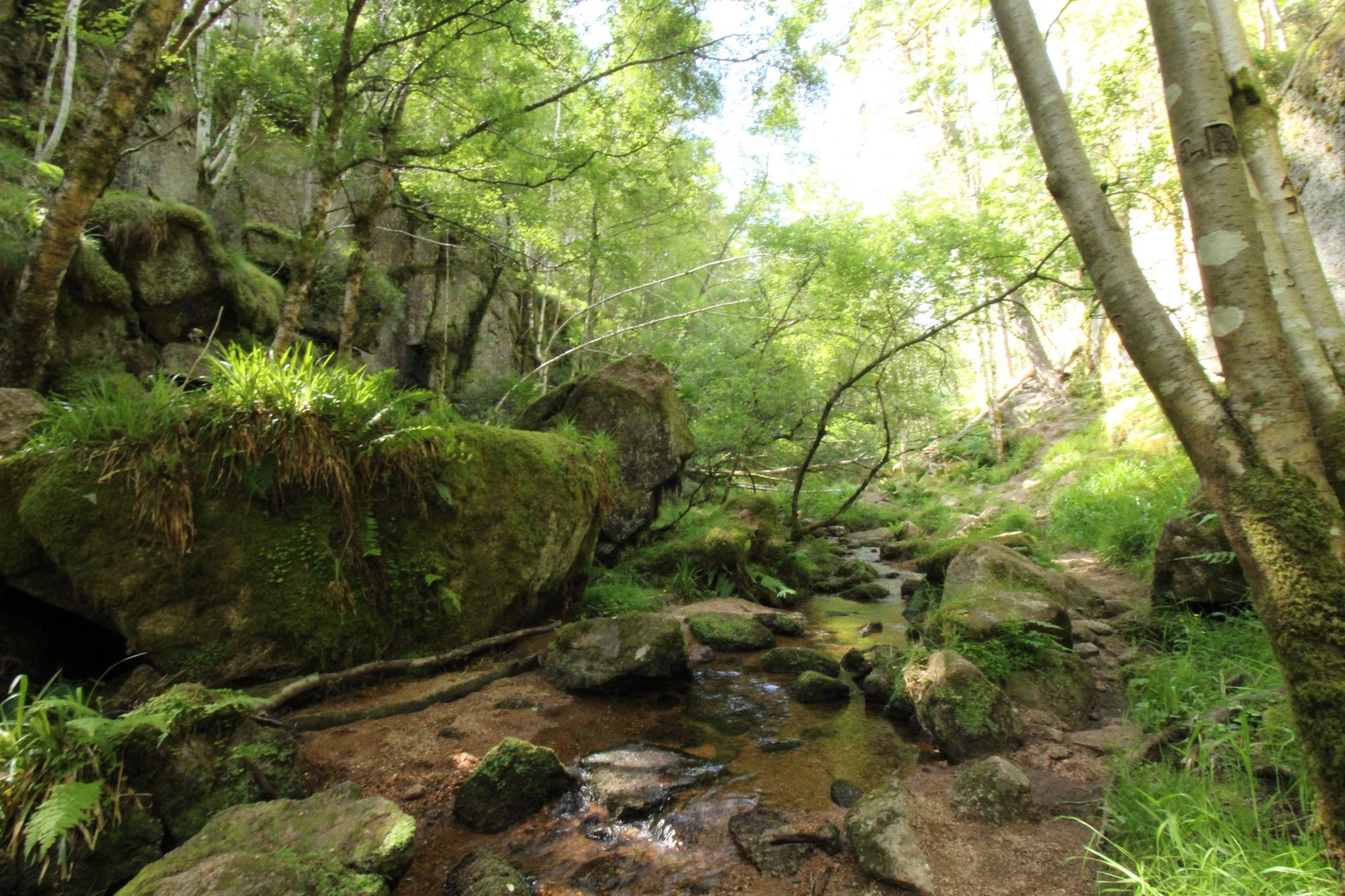
Visiting Burn O'Vat is an accessible and highly immersive experience. The journey begins at the excellent Muir of Dinnet Visitor Centre, which offers dedicated parking, public toilets, and fascinating exhibitions detailing the flora, fauna, and geology of the reserve. From the car park, a beautifully maintained, family-friendly trail meanders through ancient birch and Scots pine woodlands, taking roughly 15 to 20 minutes to reach the cave entrance. Because entering the Vat requires stepping on wet, slippery stepping stones within the stream, waterproof footwear with excellent grip is essential. During periods of heavy, sustained rain, the burn can swell significantly, making the entrance unsafe to cross.
Conclusion: A Hidden World Awaits
Burn O'Vat is a masterclass in natural drama. The transition from the quiet, sun-dappled paths of the Aberdeenshire woods to the roaring, stone-walled interior of the Vat is an experience that genuinely feels like stepping into another world. It stands as a timeless testament to the glacial forces that shaped the modern Scottish landscape, wrapped in the thrilling romanticism of Highland history.