


Crichope Linn: The Hidden Red Sandstone Chasm of Dumfriesshire
Hidden deep within the quiet woodlands of Dumfries and Galloway, near the village of Thornhill, Crichope Linn is one of the most atmospheric, historically charged, and geologically striking hidden gems in the south of Scotland. This spectacular red sandstone gorge, carved out over millennia by the churning waters of the Crichope Burn, offers an immediate descent into a subterranean world of deep shadows, moss-covered cliffs, and rushing waterfalls. Unlike the wide-open, heather-clad expanses of the Highland peaks, Crichope Linn provides an intimate, slightly eerie sense of enclosure that has captivated explorers for centuries. It is a place where nature’s raw carving power meets centuries of romantic Scottish lore, making it an unmissable stop for travelers who love seeking out the country's most secretive and dramatic river canyons.
A Geological and Historical Sanctuary
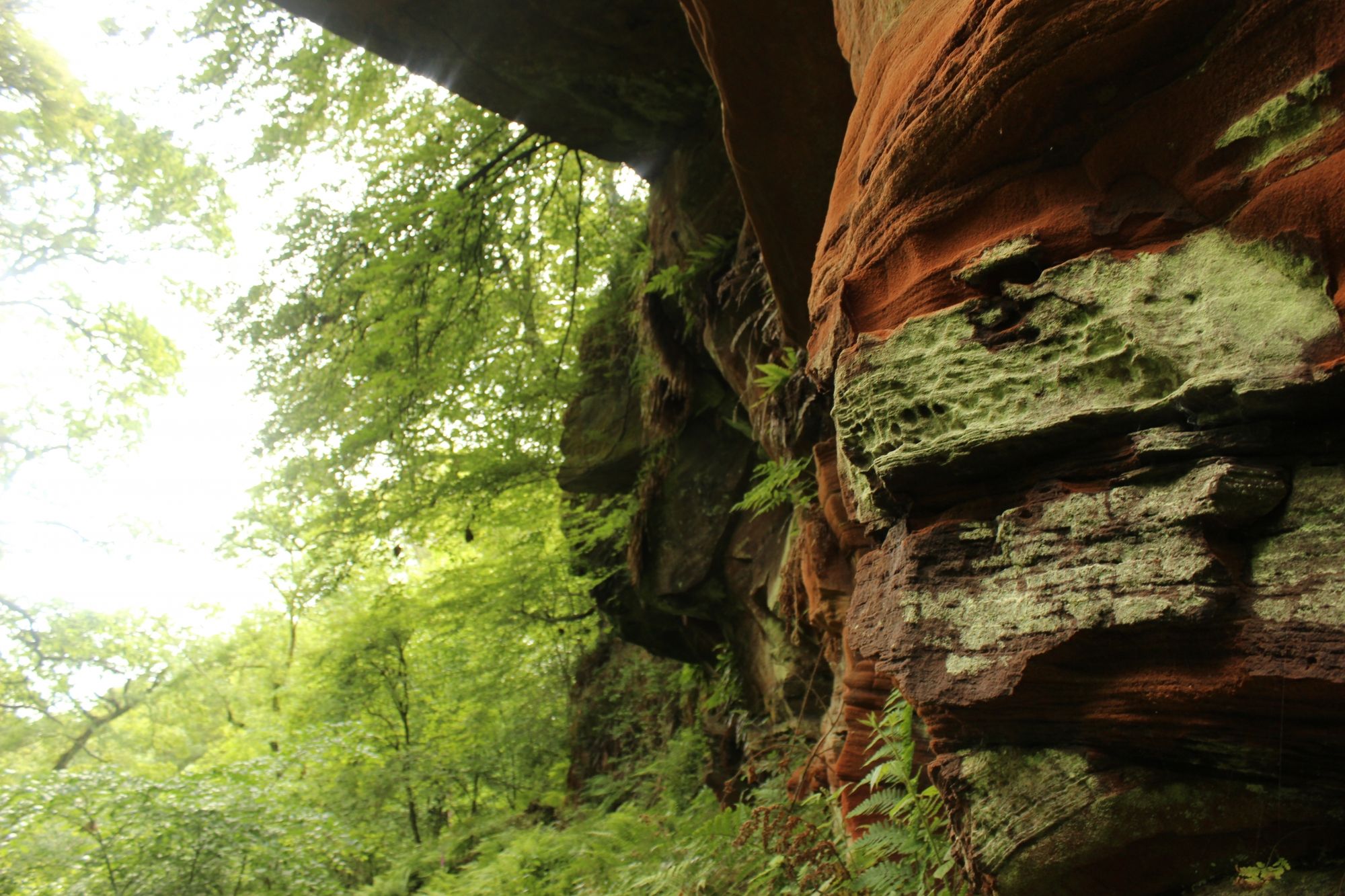
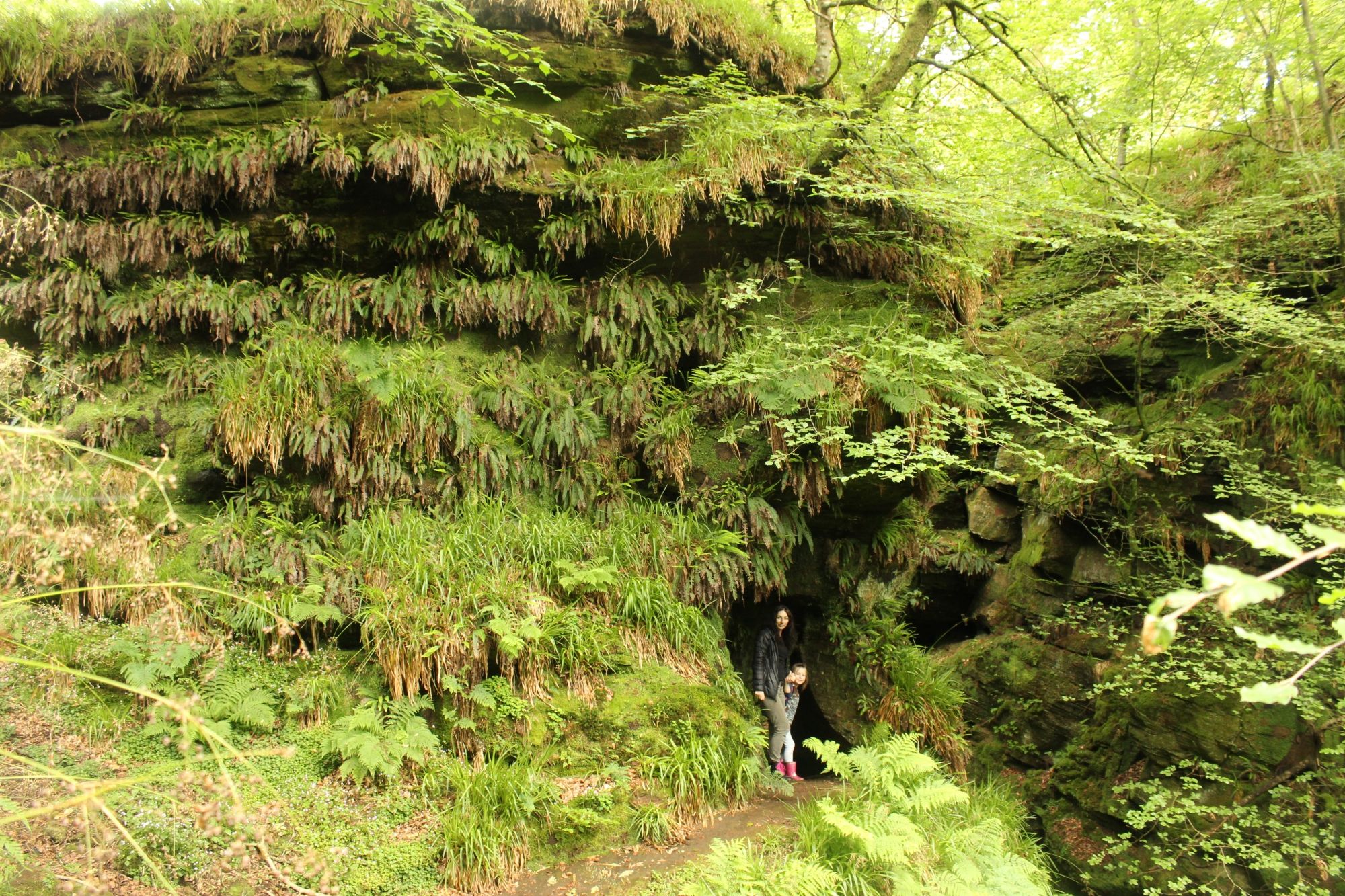
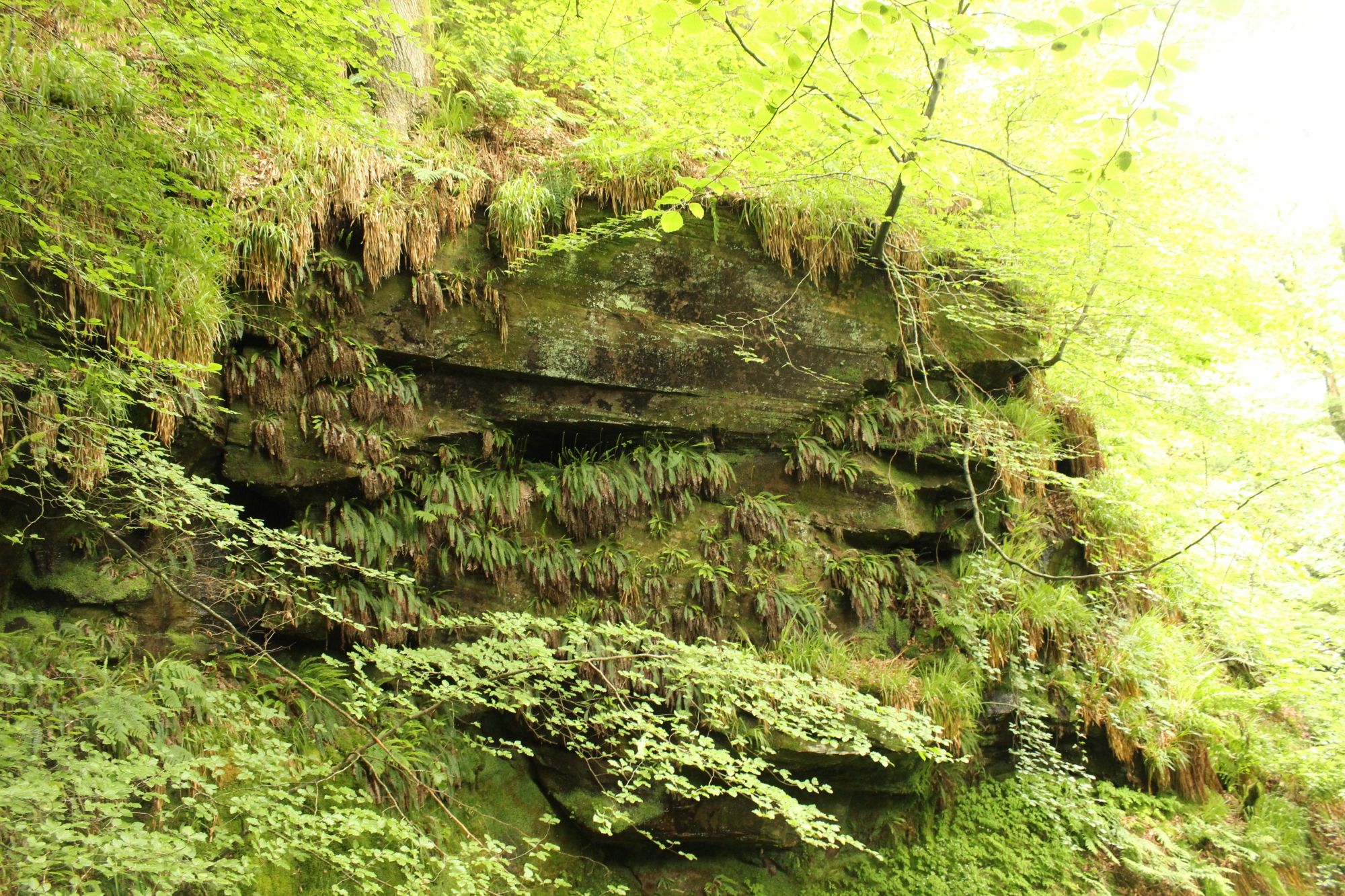
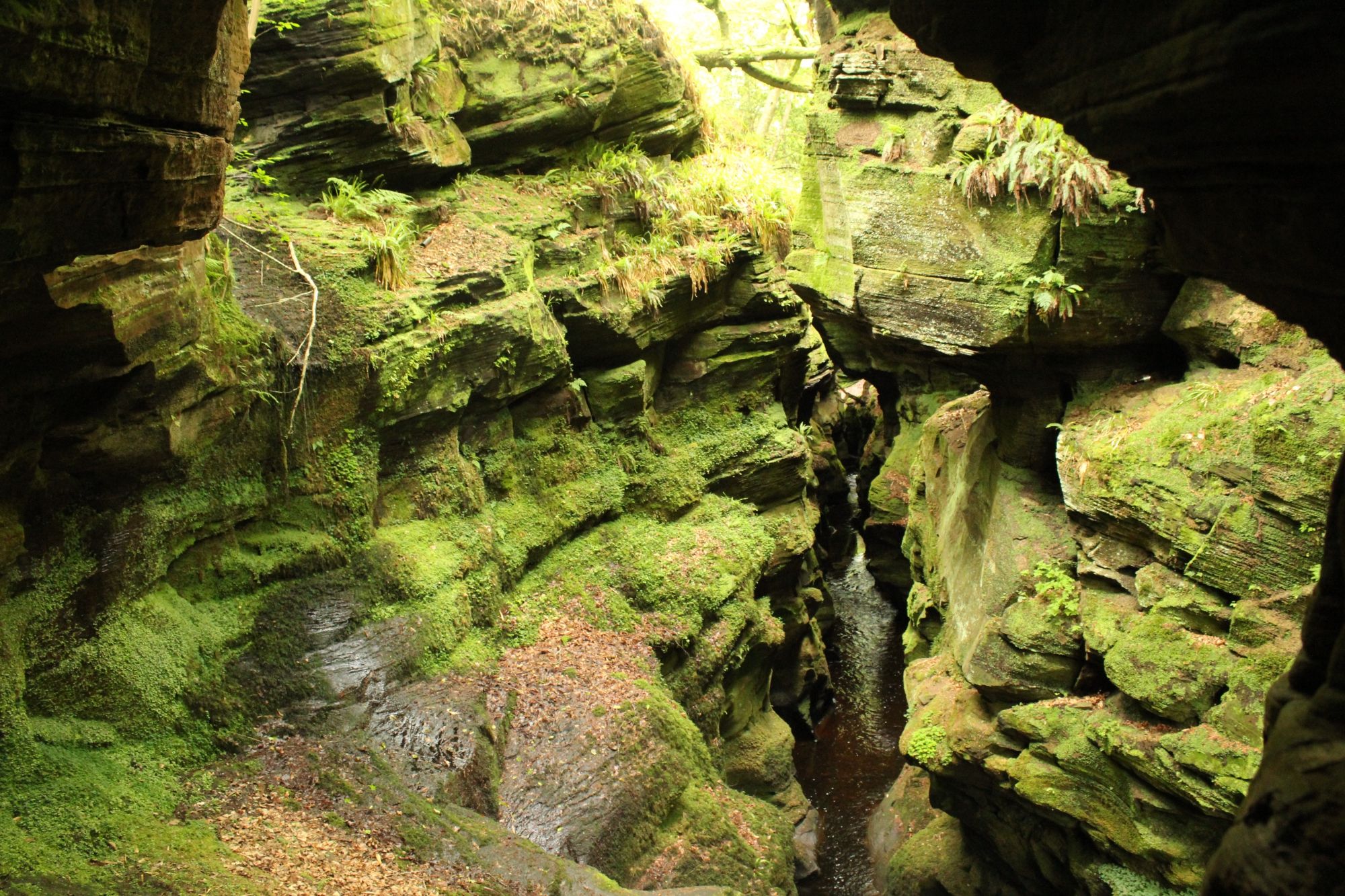
The defining feature of Crichope Linn is its striking red Permian sandstone, which the river has sliced through to create vertical walls that soar up to a hundred feet above the water. The damp, sheltered microclimate inside the chasm allows an incredible variety of ferns, liverworts, and thick green mosses to cling to every rock face, creating a prehistoric, jungle-like aesthetic. Because of its legendary concealment, the gorge served as a vital, impenetrable hiding place for the Covenanters—the 17th-century Scottish Presbyterian movement—as they fled persecution from government forces. Standing on the floor of the glen, looking up at the narrow slit of sky above, it is easy to see how a small group of people could vanish completely into this labyrinth of stone and water, using the roaring waterfalls to drown out the sound of their presence.
The Literary Inspiration of Sir Walter Scott
The moody, romantic grandeur of the Linn has left a permanent mark on classic Scottish literature. The legendary author Sir Walter Scott visited the gorge in the early 19th century and was so deeply moved by its dramatic, gloomy atmosphere that he used it as the direct inspiration for the fictional hiding place of Balfour of Burley in his famous 1816 novel, Old Mortality. Scott was particularly fascinated by a bizarre, naturally sculpted rock seat that projects out over the rushing torrent, which locals subsequently dubbed "Balfour’s Seat." Following Scott's descriptions, the gorge became a highly fashionable destination for Victorian travelers seeking the ultimate "sublime" nature experience, with even the famed poet Robert Burns and essayist Thomas Carlyle visiting to marvel at its dark, echoey depths.
The Trail: A Rugged and Atmospheric Woodland Walk
The journey into Crichope Linn is a short but physically engaging excursion that requires careful footing. Starting from a small, unassuming layby on the minor road near Gatelawbridge, the trail immediately plunges into mature deciduous woodland, tracing the high banks of the gorge. The experience can be broken down into three key aspects:
- The High Path: The initial trail winds along the top edge of the red cliffs, offering dramatic, dizzying glimpses down into the dark, churning pools of the burn below through the dense canopy of trees.
- Sinner’s Steps: To reach the heart of the chasm, walkers must descend a series of historic steps carved directly into the living red sandstone. Known locally as the Sinner's Steps, this section can be incredibly slick, narrow, and steep, requiring handholds on the damp rock walls to ensure a safe descent.
- The Floor of the Linn: Once at the bottom, the trail enters the narrowest part of the gorge. Here, you can walk directly alongside the water, marveling at the beautifully smooth, scalloped rock formations worn down by centuries of floods, and look up at the spectacular waterfall crashing into the deep sandstone bowl.
Visiting in 2026: Practical Advice and Safety
In 2026, Crichope Linn remains an wild, unmanaged, and raw natural site, meaning there are no formal visitor centers, neat gravel paths, or safety railings. Because of this, visiting requires a high degree of personal responsibility. High-quality, high-grip walking shoes or boots are absolutely mandatory, as the sandstone steps and muddy riverbanks are permanently wet and notoriously slippery. Parking is extremely limited, consisting of a small rough layby that holds only a few cars, so arriving early in the morning or on a quiet weekday is essential to secure a spot. Furthermore, because the gorge is exceptionally narrow, it is highly prone to sudden flash flooding; visiting during or immediately after a severe Highland rainstorm is dangerous and should be avoided, as the water levels inside the red walls can rise with terrifying speed.
Conclusion: A Secret World Frozen in Time
Crichope Linn is a powerful reminder that some of Scotland's most breathtaking landscapes are hidden beneath the earth rather than raised up into the clouds. It is a destination that feels utterly frozen in time—a moody, green-cloaked sanctuary where the air is cool, the sandstone is rich, and the history is palpable. Whether you are drawn to its depths by the romantic words of Sir Walter Scott, the gripping history of the hidden Covenanters, or simply the desire to see a masterclass in river erosion, Crichope Linn delivers an unforgettable experience. It stands as a majestic, hauntingly beautiful hidden world that rewards those brave enough to step off the beaten track and descend into the shadows.