


Bridge Over the Atlantic: A Historic Gateway to Great Bernera
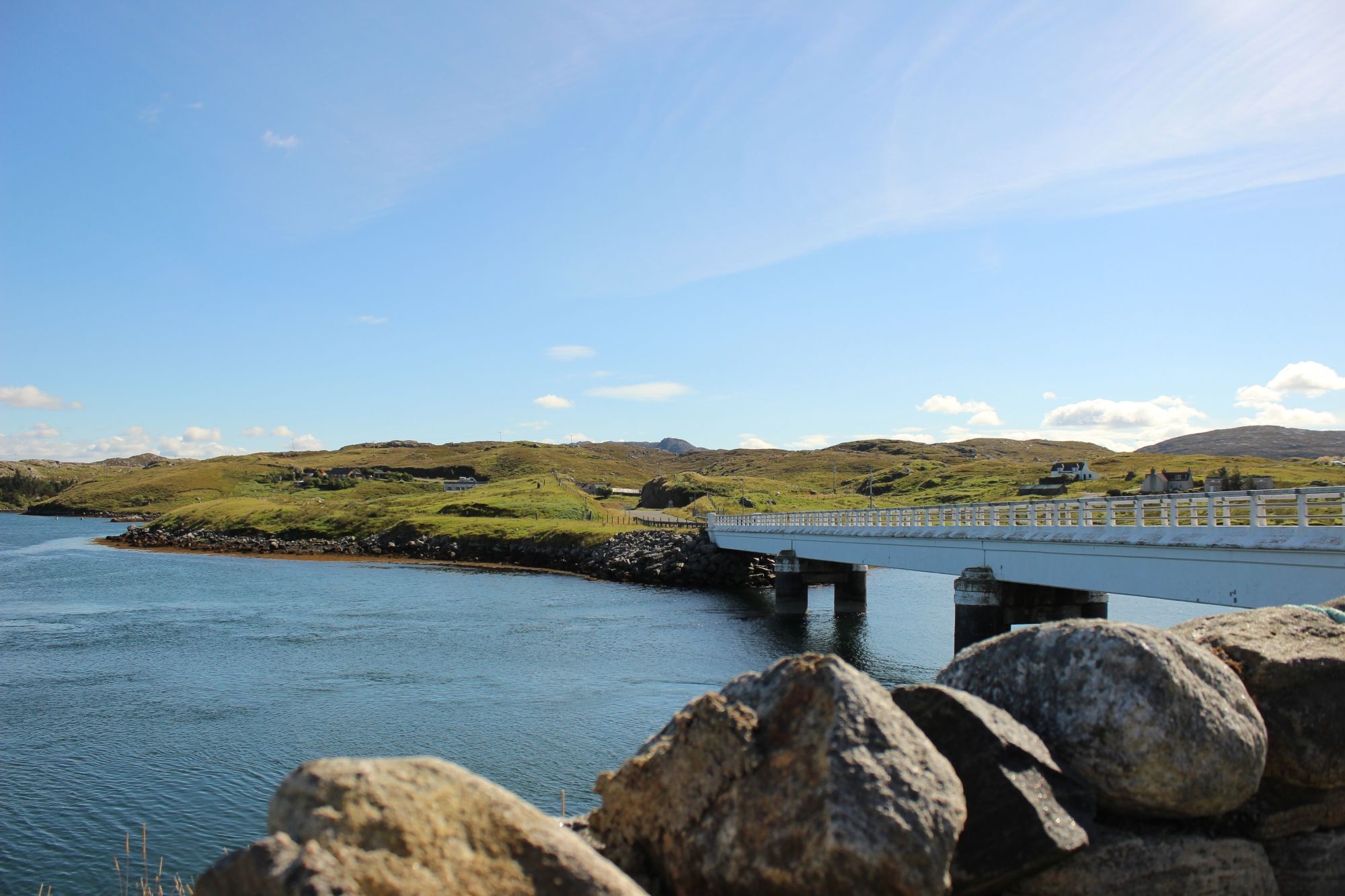
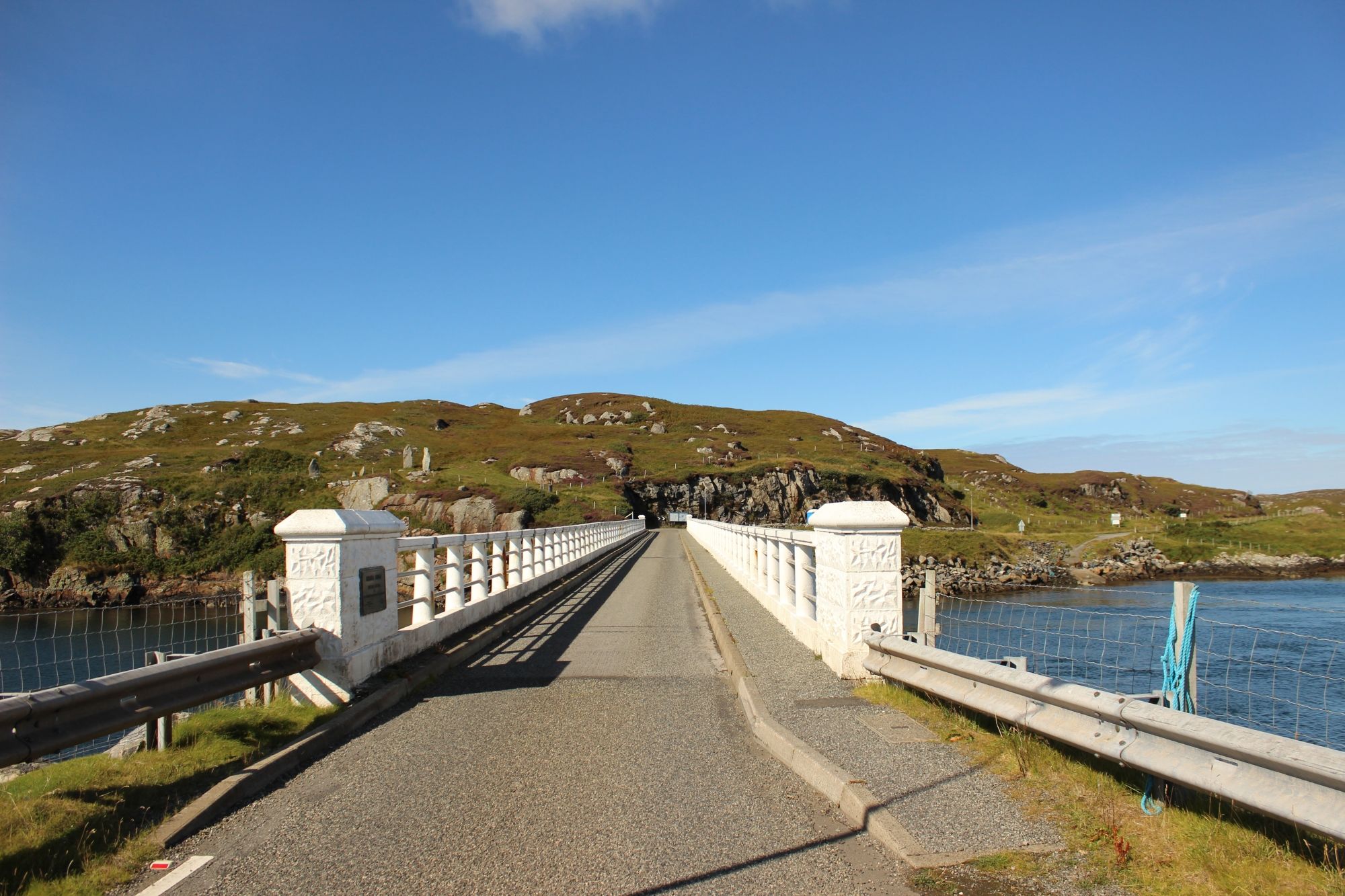
One of the most uniquely named landmarks in the Outer Hebrides, the Bridge Over the Atlantic (Clachán Bridge) is a vital link connecting the main Isle of Lewis to the smaller, rugged island of Great Bernera. Spanning the narrow but turbulent waters of Loch Roag, this stone-built structure gained its grand nickname because the waters it crosses flow directly into the vast Atlantic Ocean. In 2026, it remains an essential stop for travelers venturing toward the breathtaking Bosta Beach, offering more than just a passage—it is a symbol of Hebridean engineering and the historical isolation of these remote island communities.
A Monument to Island Determination
Before the bridge was completed in 1953, the only way to move people and livestock across the sound was by ferry or a hazardous swim at low tide. The construction of the bridge was the result of a long-fought campaign by the residents of Bernera, who famously threatened to dynamite the hillsides to create their own causeway if the government did not act. When it finally opened, it was the first bridge in the world to be constructed using a specialized prestressed concrete technique, a fact that draws engineering enthusiasts from across the globe. Standing on the bridge today, you can feel the immense tidal pull of the Atlantic surging beneath your feet, a reminder of the power of the sea that once dictated the rhythm of life on these islands.
Wildlife and Scenery of Loch Roag
The area surrounding the Bridge Over the Atlantic is a haven for naturalists and photographers. The deep, clear waters of Loch Roag are home to a diverse array of marine life, and it is not uncommon to spot common seals lounging on the nearby rocks or otters playing in the kelp-rich shallows. In 2026, the bridge serves as a perfect vantage point for birdwatching, with golden eagles and white-tailed sea eagles frequently seen soaring above the hills of Bernera. The landscape here is quintessentially Hebridean: a mix of ancient Lewisian Gneiss rock formations, vibrant salt marshes, and the ever-changing light that makes the Scottish islands so ethereal.
Practical Information for Travelers
Crossing the bridge is an easy drive, located about 25 miles west of Stornoway. While the bridge itself is the main attraction, there are small parking areas on both the Lewis and Bernera sides where visitors can safely stop to take photographs and read the interpretive plaques. Just across the bridge on the Bernera side, visitors will find a small local community center that often hosts seasonal exhibitions about the island's history. For those traveling with a motorhome or campervan, the roads on Great Bernera are narrow and single-track with passing places, so extra care should be taken after crossing. There are no immediate shops at the bridge, so stocking up in Stornoway or at the local shop in Breasclete is recommended before making the journey.
Conclusion: A Bridge Between Worlds
The Bridge Over the Atlantic is far more than a functional road crossing; it is a point of pride for the people of the Outer Hebrides. It marks the transition from the "mainland" of Lewis to the quieter, even more ancient-feeling world of Great Bernera. Whether you are stopping to admire the engineering feat or simply pausing to watch the Atlantic tides rush through the narrows, the bridge provides a sense of connection to the spirit and history of the Western Isles. It is a landmark that perfectly captures the beauty and defiance of life on the edge of the world.