



The Callanish Standing Stones: The Neolithic Heart of the Isle of Lewis
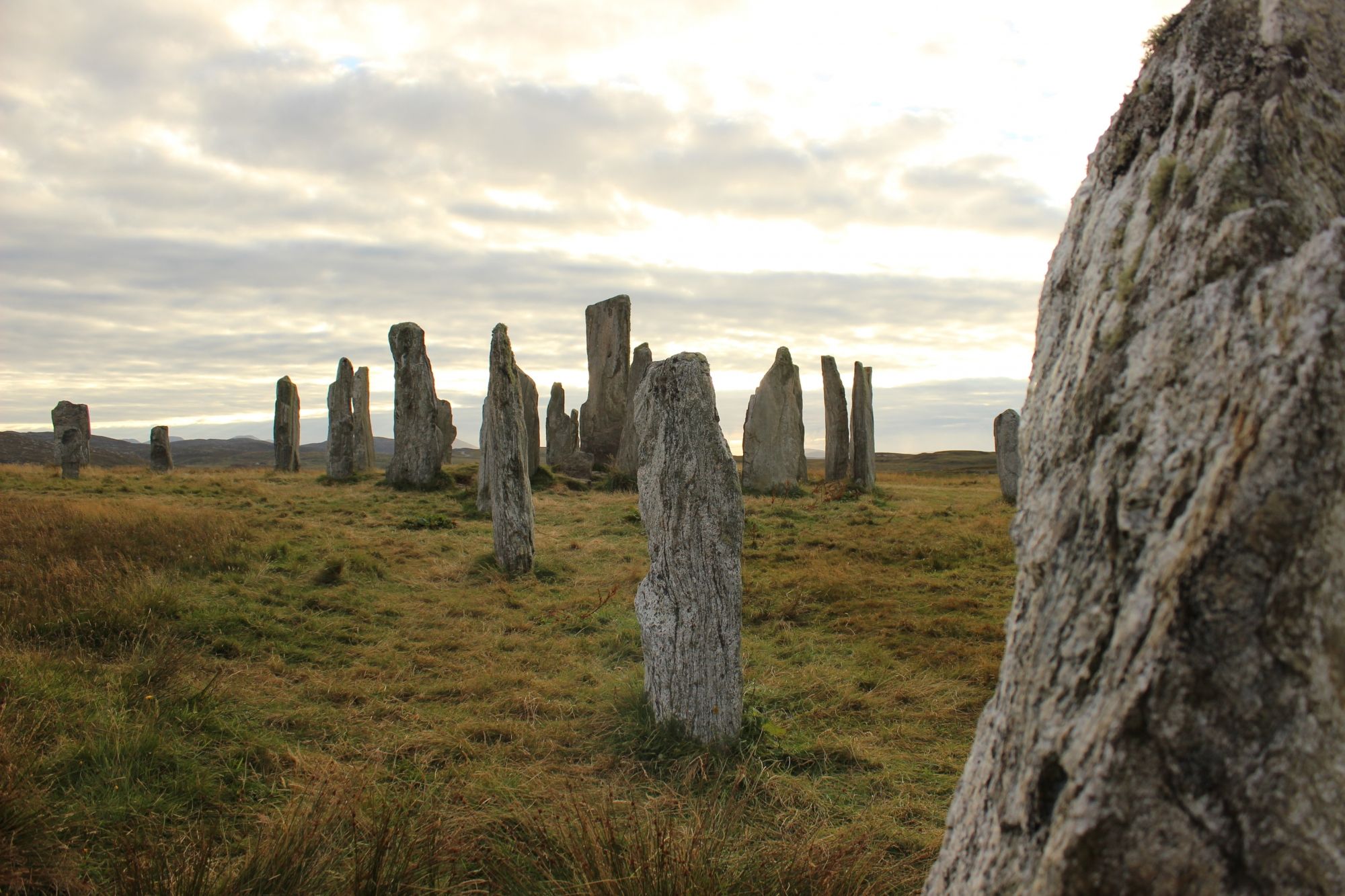
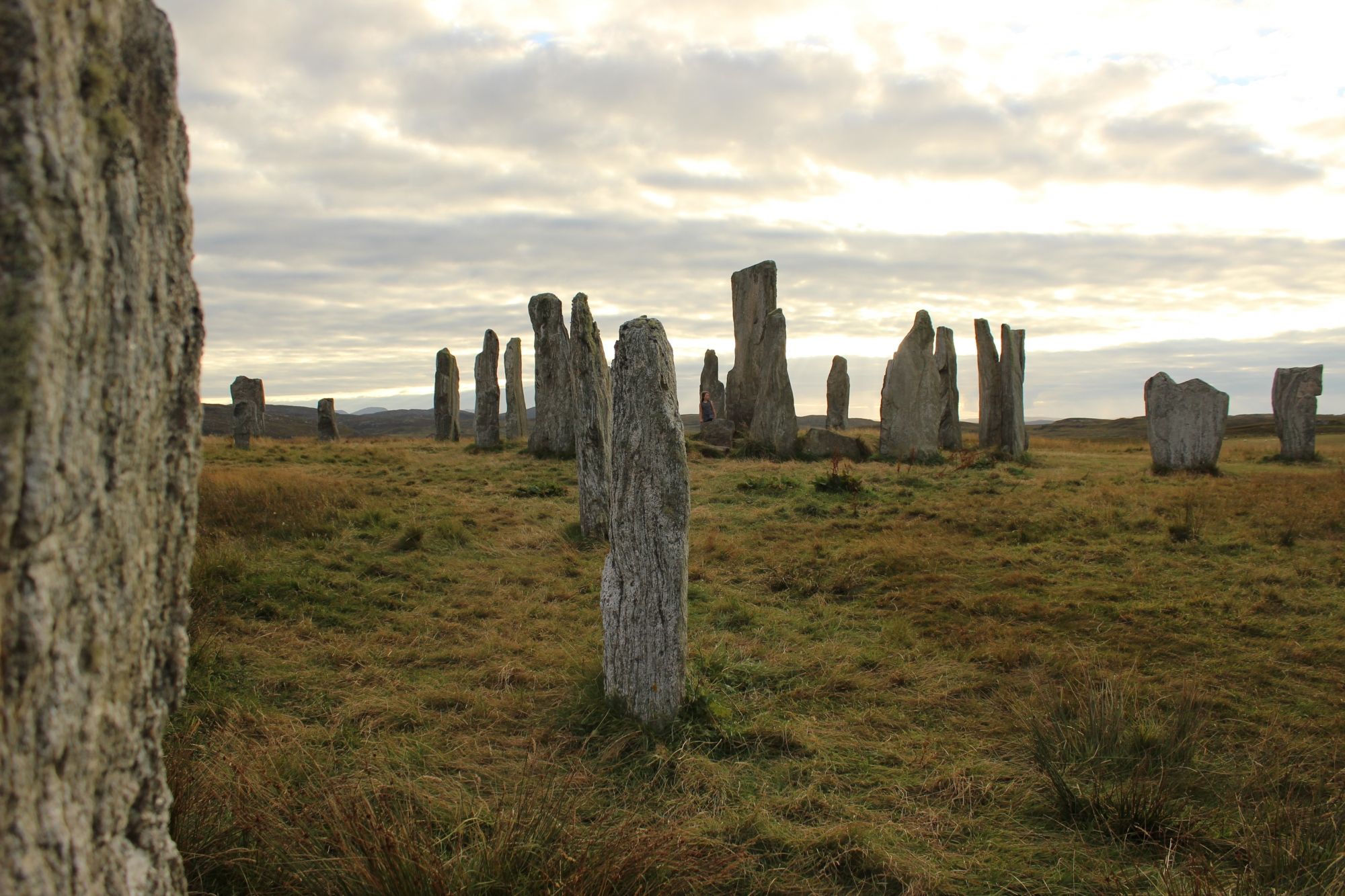
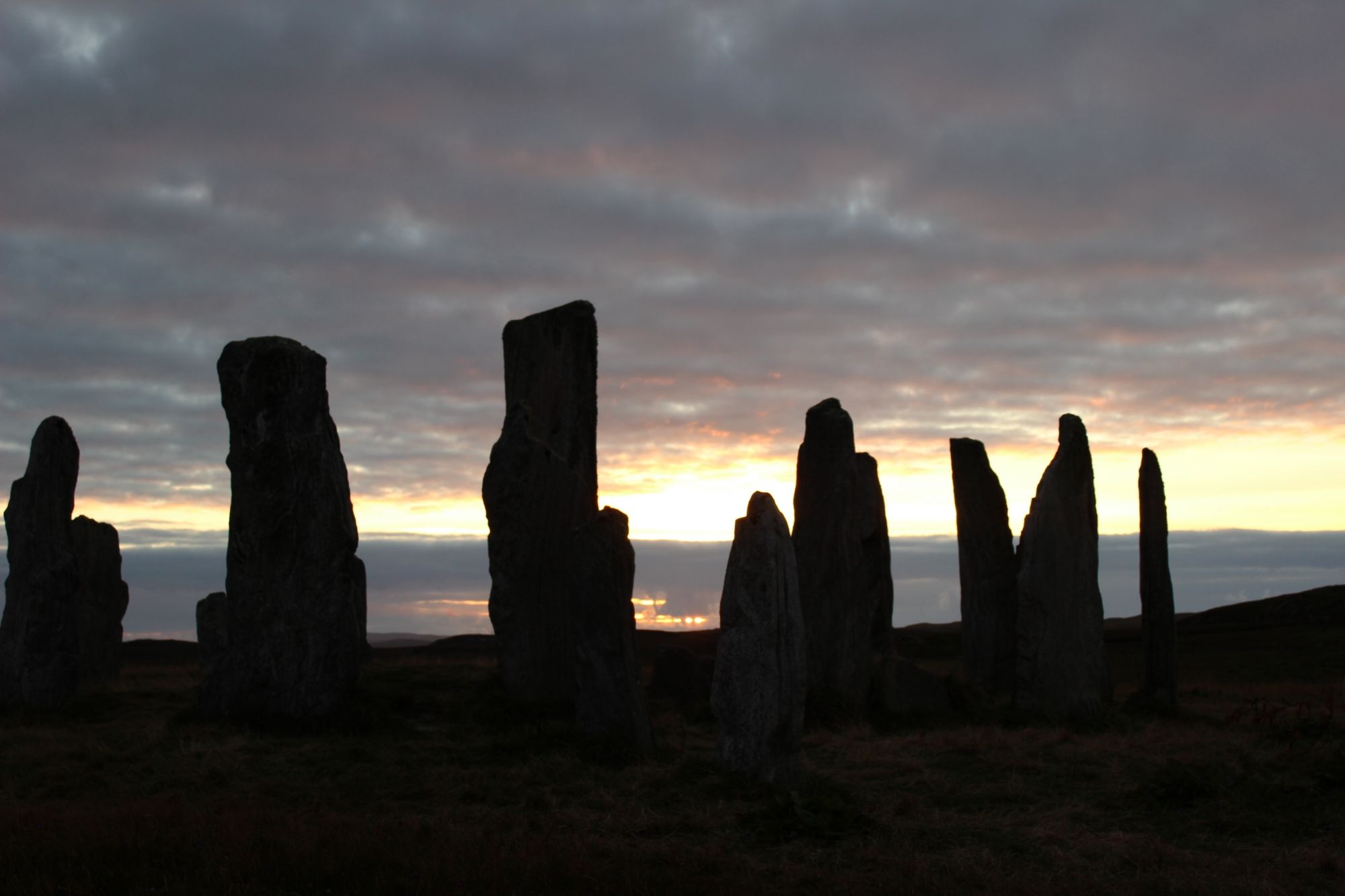
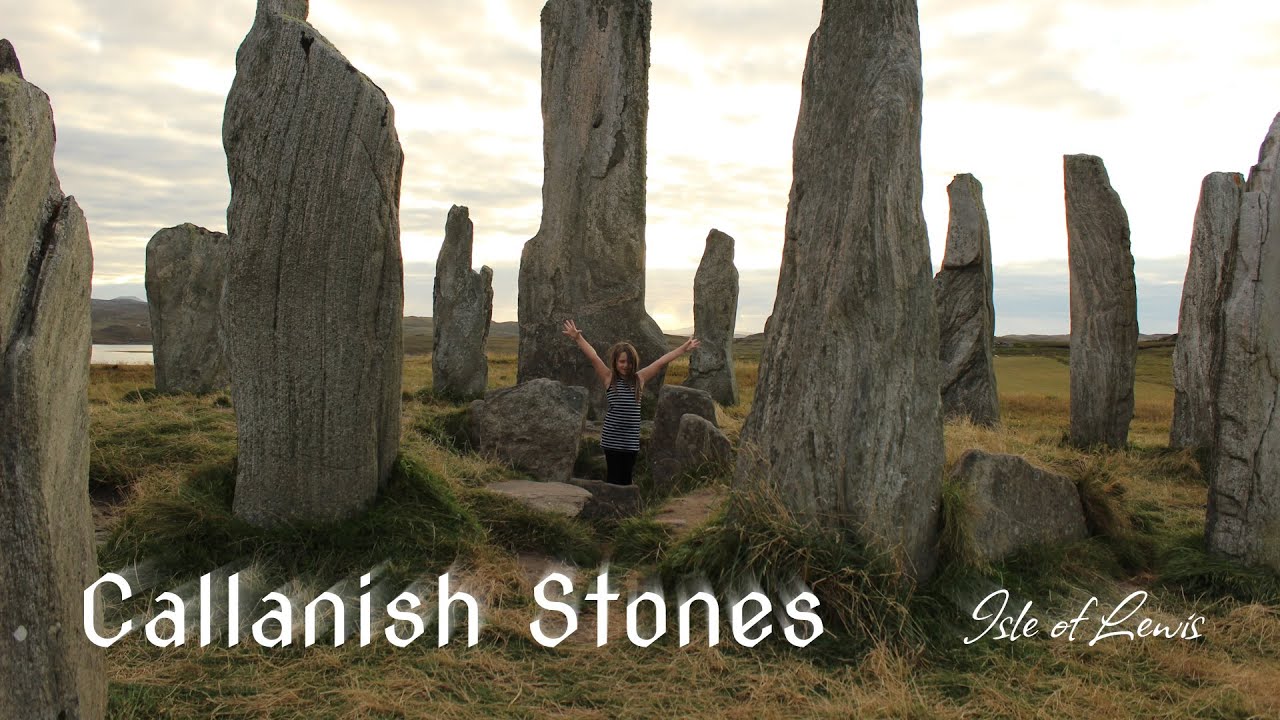
Standing on a windswept ridge overlooking the waters of Loch Roag on the Isle of Lewis, the Callanish Stones (Calanais) represent one of the most sophisticated and awe-inspiring examples of Neolithic architecture in the world. Often referred to as "Scotland’s Stonehenge," this prehistoric monument is actually 500 years older than its famous counterpart in Wiltshire. Erected approximately 5,000 years ago, around 3000 BC, the stones were a focal point for ritual activity for at least two millennia. Crafted from Lewisian Gneiss—a metamorphic rock that is nearly three billion years old—the stones possess a shimmering, silver-grey texture that seems to change color with the shifting Hebridean light. Unlike the smooth, shaped lintels of Stonehenge, the Callanish stones are raw, jagged, and primitive, looking like a group of "petrified giants" frozen in time.
The Layout: A Cross in the Landscape
What makes Callanish (Callanish I) unique is its layout. While many Neolithic sites feature a simple circle, Callanish is arranged in a complex "cruciform" or cross-like shape.
- The Central Circle: A perfect ring of 13 large stones surrounds a central monolith that stands nearly 5 meters (16 feet) tall.
- The Avenue: Leading north from the circle is a long, dual-rowed avenue of stones, which creates a dramatic entrance to the sacred space.
- The Arms: Shorter, single rows of stones stretch out to the east, west, and south, completing the cross formation.
At the heart of the circle, nestled against the central monolith, lies a small chambered tomb. Excavations have shown that this was added later, suggesting that the site’s purpose evolved over centuries, shifting from a celestial observatory to a place of ancestral burial.
The 18.6-Year Mystery: The Lunar Standstill
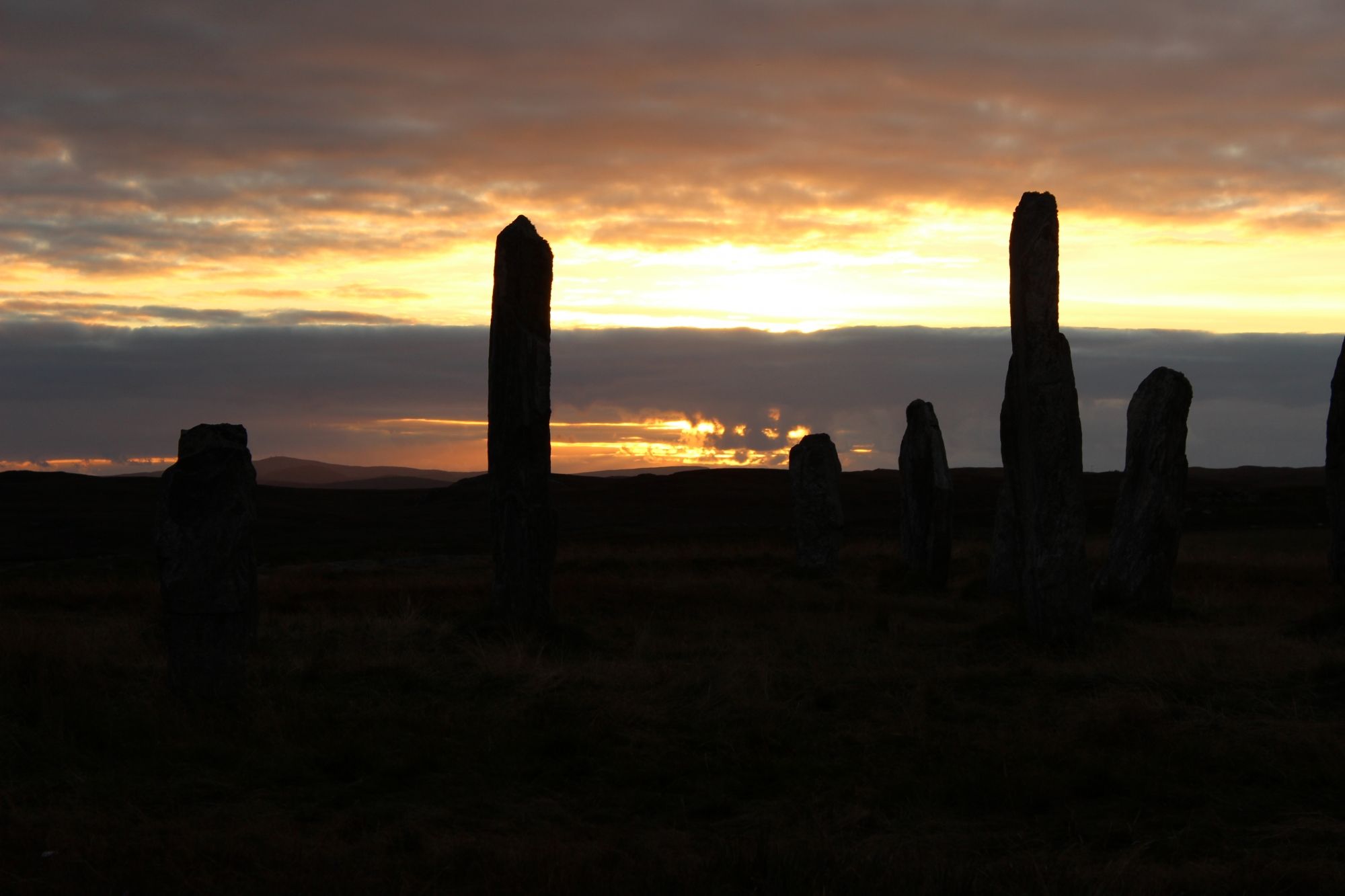
The most compelling theory regarding the purpose of Callanish is its alignment with the moon. Archaeologists and astronomers have noted that the stones are precision-engineered to track the Major Lunar Standstill—a celestial event that occurs only once every 18.6 years. During this period, the moon appears to "skim" the horizon of the hills to the south. From the perspective of the stones, the moon follows the silhouette of a mountain range known as Cailleach na Móna (The Old Woman of the Moors), which resembles the profile of a reclining woman. As the moon passes over "the belly" of the mountains, it appears to move through the very center of the stone circle. The peak of the Major Lunar Standstill cycle concluded around 2024–2025, and as we move through 2026, the site remains a global hotspot for those studying the intersection of ancient culture and astronomy.
The Sacred Landscape: Callanish II and III
While most visitors spend their time at the main circle (Callanish I), the area is actually home to several satellite sites that are well worth the walk.
- Callanish II (Cnoc Ceann á Gharaidh): Located just a short walk away, this smaller circle is more intimate and offers a stunning view back toward the main monument.
- Callanish III (Cnoc Fillibhir Bheag): Known as "The Two Circles," this site consists of two concentric rings of stones. It is often much quieter than the main site, allowing for a more meditative experience.
Seeing these sites in conjunction proves that the entire peninsula was a massive "sacred landscape," carefully planned by a civilization with a deep understanding of geometry and the stars.
Visiting in 2026: Practical Information
The popularity of Callanish has grown significantly due to its appearance in popular culture (inspiring the "Craigh na Dun" stones in Outlander). As of 2026, there have been updates to how the site is managed:
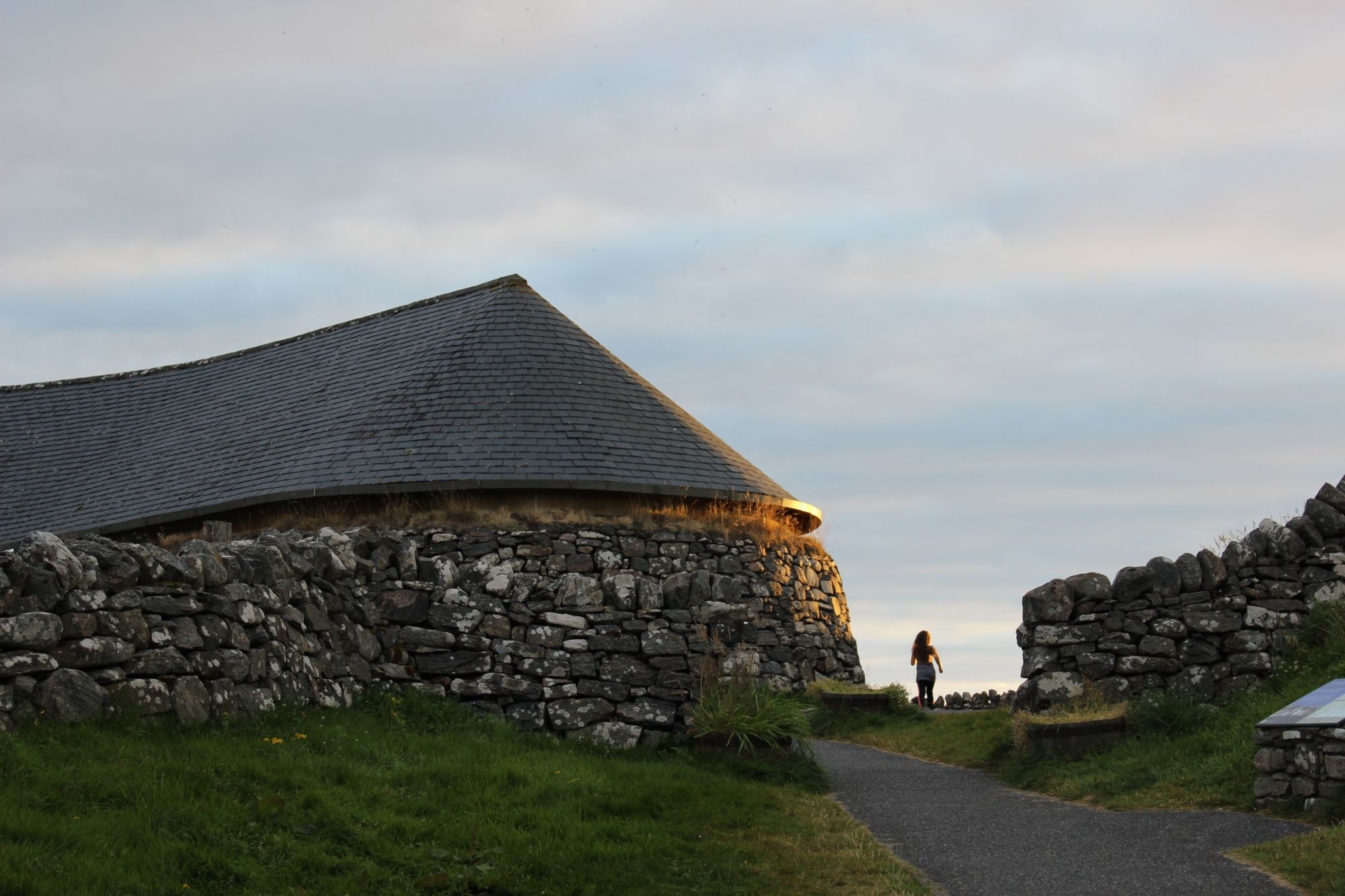
- The Visitor Centre: Managed by Urras nan Calanais (The Callanish Trust), the visitor center features an excellent exhibition, a gift shop, and a café. Entry to the stones themselves remains free, but a small fee is charged for the exhibition, which we highly recommend for context.
- Access and Parking: In 2026, the car park has been expanded to accommodate more visitors. However, if you are visiting in a motorhome, be aware that spaces are still limited. It is best to arrive before 10:00 AM or after 4:00 PM to avoid the tour bus crowds.
- Respecting the Stones: There are no fences around the stones, allowing you to walk among them. However, the ground is extremely fragile. Visitors are asked to stay on the designated paths during wet weather to prevent erosion around the base of the gneiss pillars.
- Photography: The best time for photography is during the "Golden Hour" before sunset. The low sun catches the mica and quartz in the Lewisian Gneiss, making the stones appear to glow from within.
Why Callanish Endures
There is an undeniable energy at Callanish. Unlike many historical sites that feel like museums, Calanais feels alive. Whether you believe the stones were an astronomical calendar, a temple to forgotten gods, or a bridge between the land and the sea, the experience of standing at the center of the circle is humbling. As you look out across Loch Roag toward Great Bernera, you are seeing the same horizon that Neolithic people saw 5,000 years ago. In an ever-changing world, the Callanish Stones remain a permanent, silver-grey anchor to our ancient past.