

Blair Castle: A Tale of Dukes, Dynasties, and the Atholl Highlanders
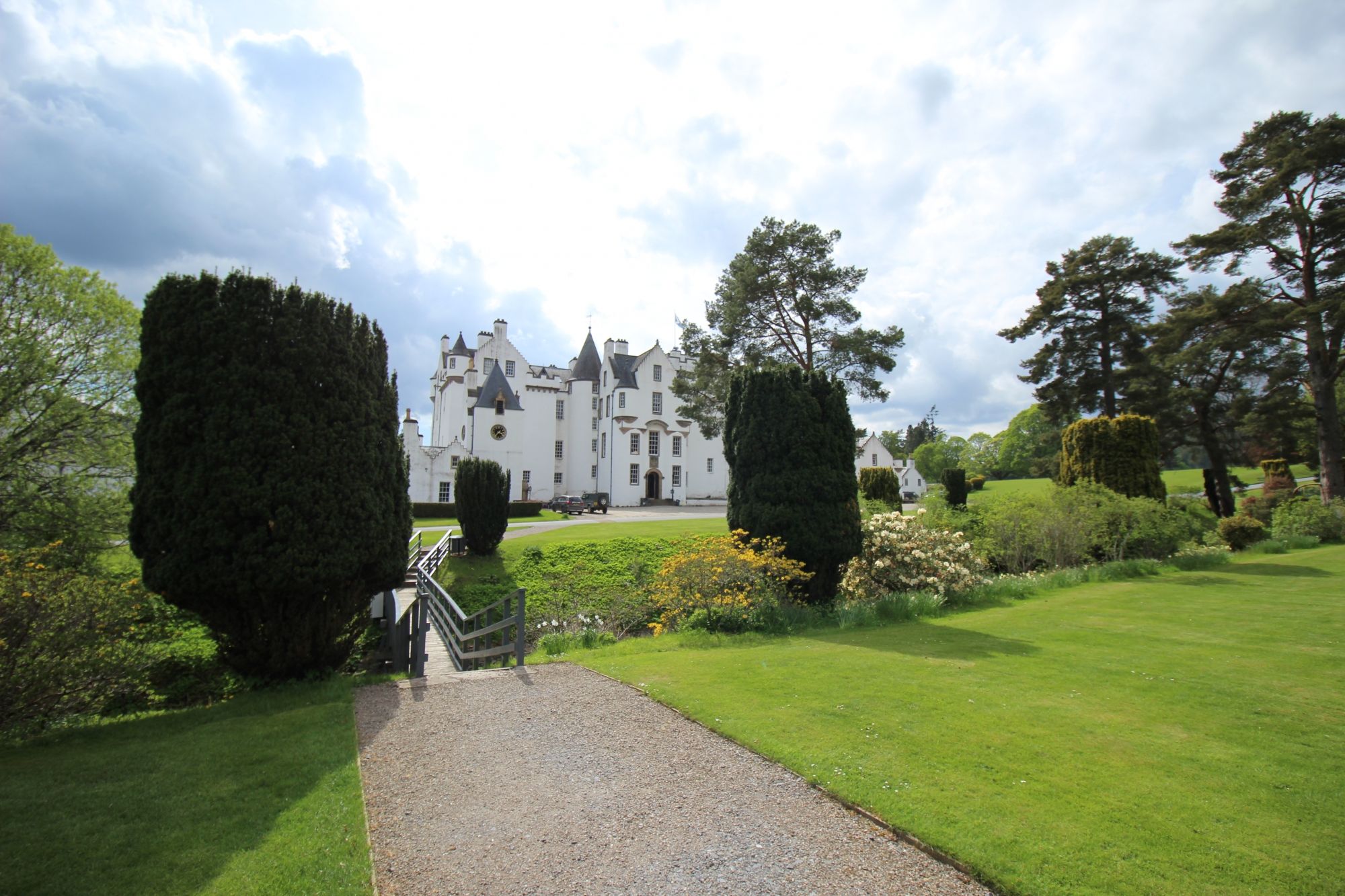
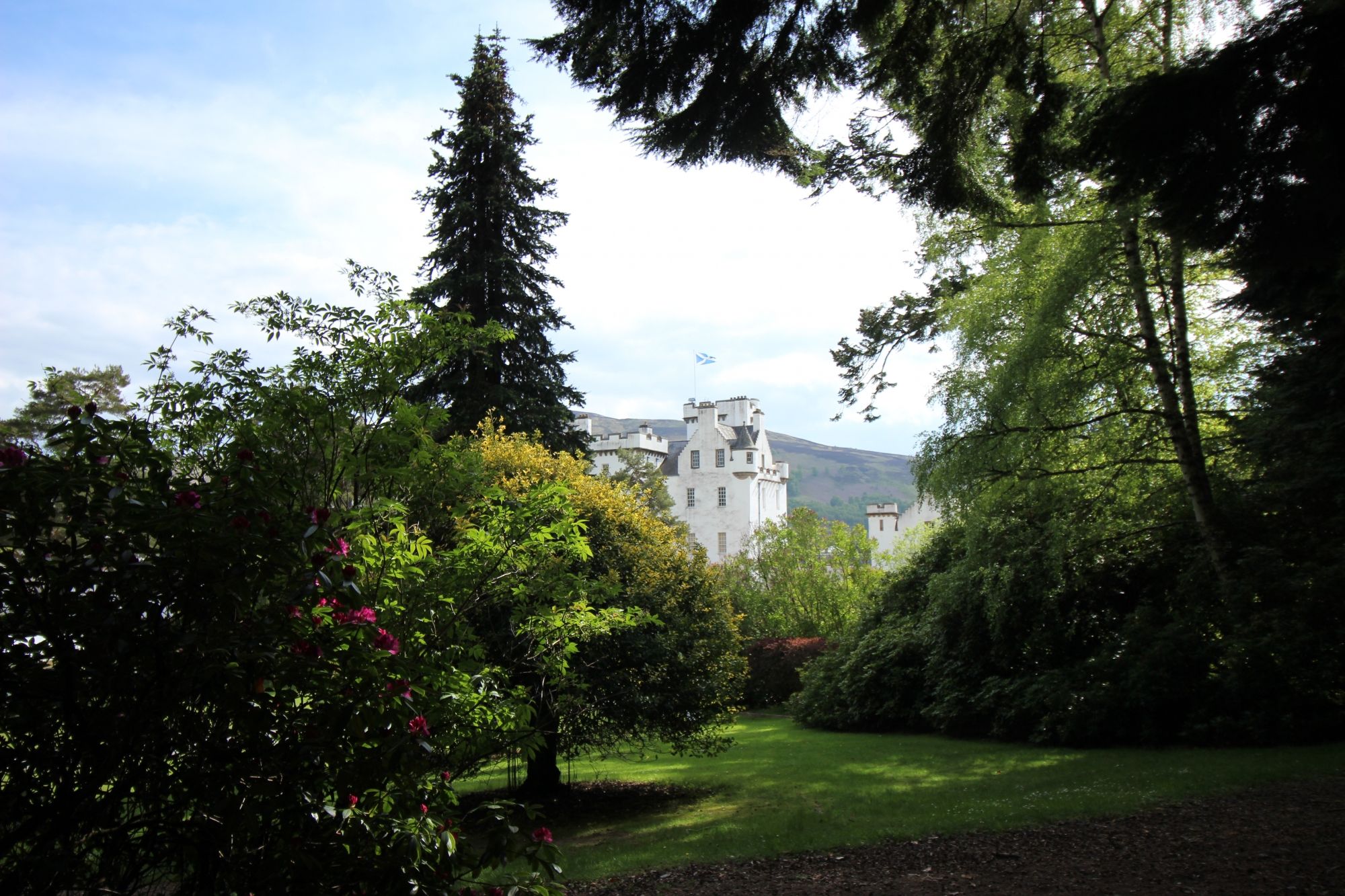
Standing proudly at the gateway to the Cairngorms National Park, Blair Castle is perhaps the most distinctive fortress in Scotland. Its stark, white-harled walls and turreted skyline contrast sharply against the deep greens of the surrounding Perthshire hills. For over 750 years, this has been the seat of the Dukes and Earls of Atholl, chiefs of the Clan Murray. In 2026, the castle remains a premier heritage destination, offering a unique blend of medieval fortification, Georgian opulence, and Victorian pageantry. It is a place where the history of the Jacobite risings, the visitations of royalty, and the traditions of the only private army in Europe come to life.
The Only Private Army in Europe: The Atholl Highlanders
One of the most fascinating aspects of Blair Castle is its role as the headquarters for the Atholl Highlanders. This private infantry regiment was granted the right to carry arms by Queen Victoria in 1844, following her stay at the castle, during which the Duke provided a personal guard for the monarch. While they have no military role today, they serve as the Duke’s ceremonial bodyguard. Every May, the castle grounds come alive for the annual Atholl Highlanders’ Parade and Gathering. In 2026, this tradition continues to draw thousands of spectators who come to witness the unique spectacle of a private regiment parading in their traditional Murray of Atholl tartans, complete with a full pipe band. This living link to Scotland’s martial past is a cornerstone of the Blair Atholl experience.
A Journey Through Thirty Rooms of History
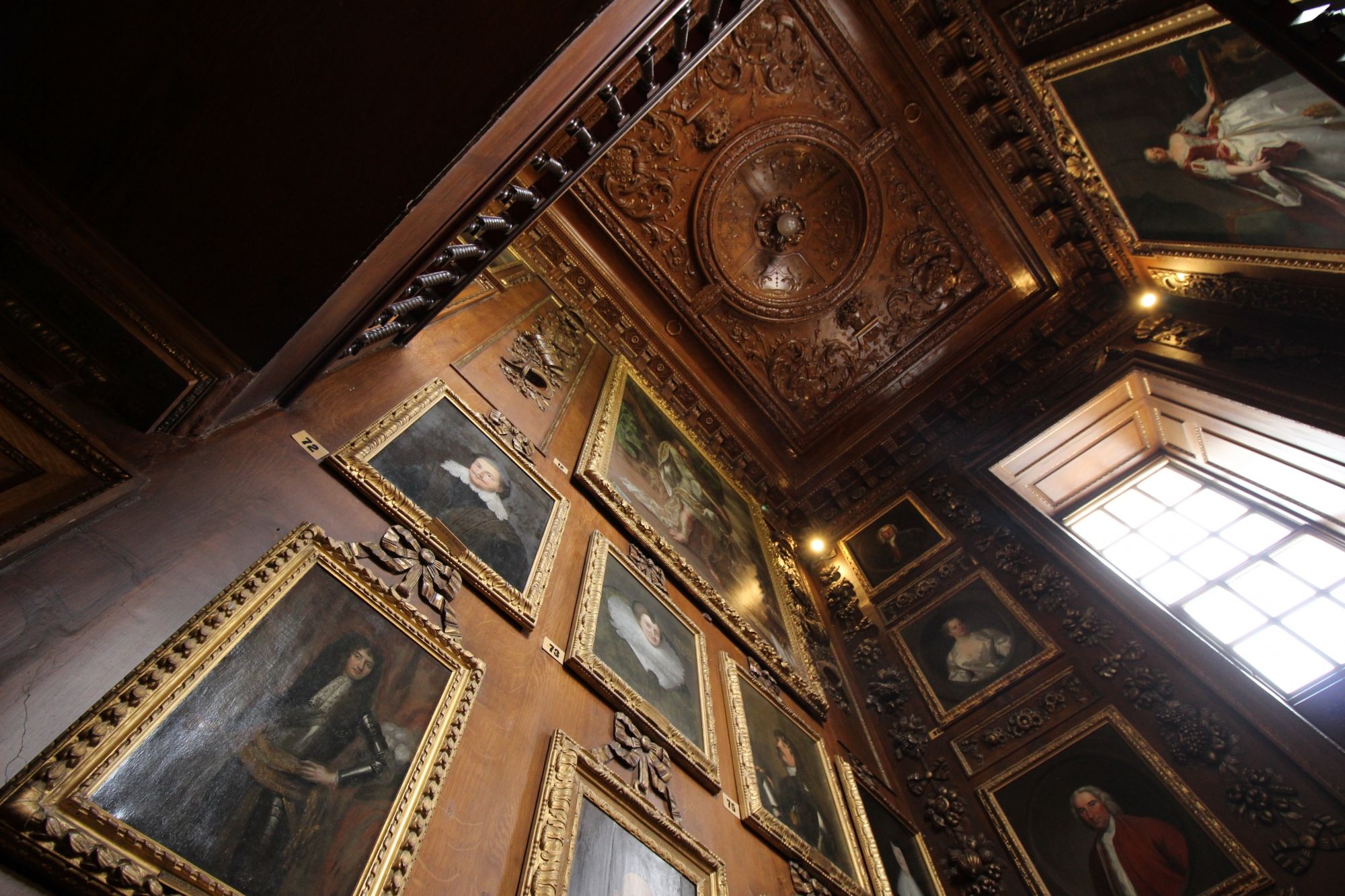
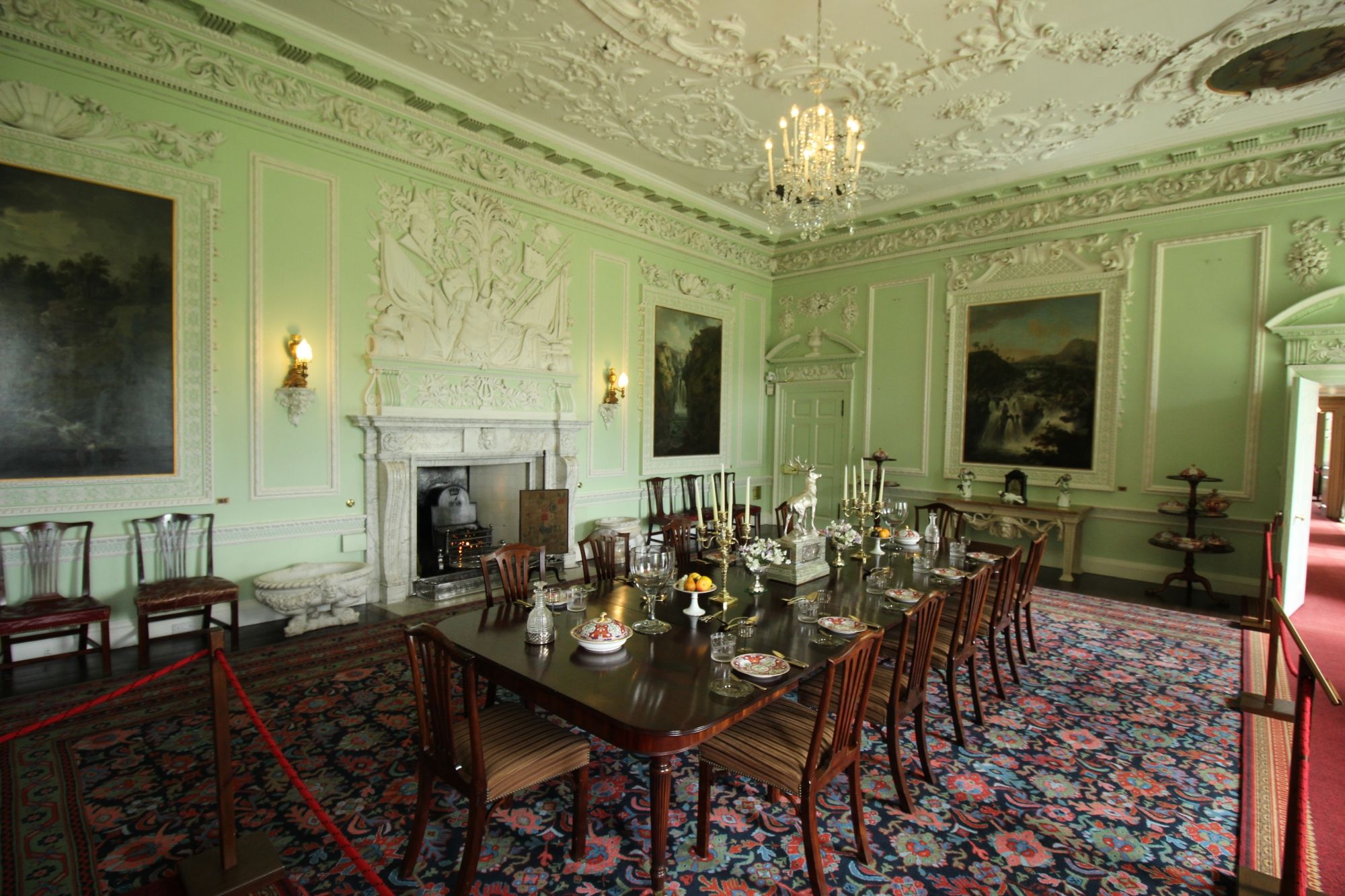
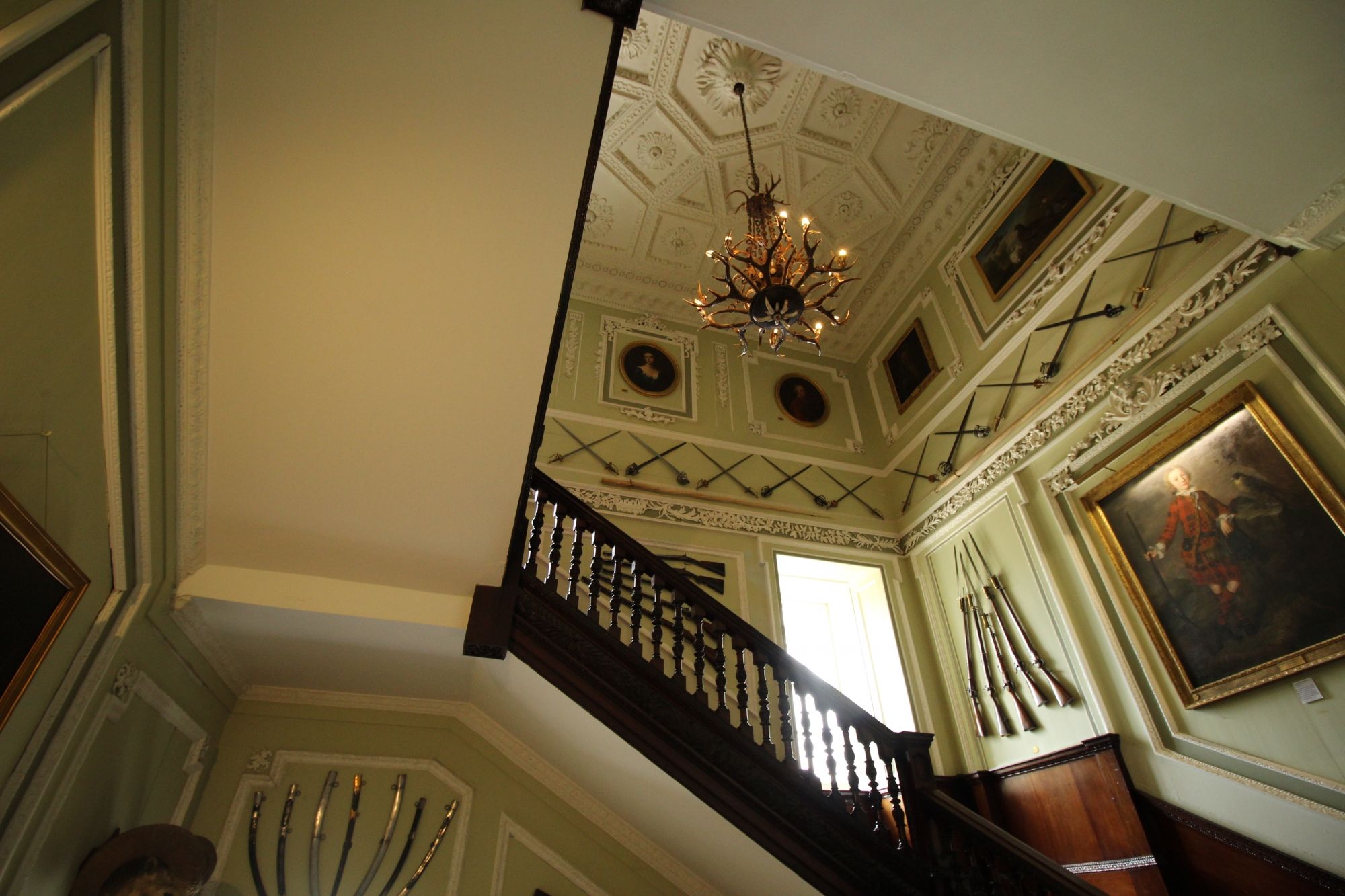
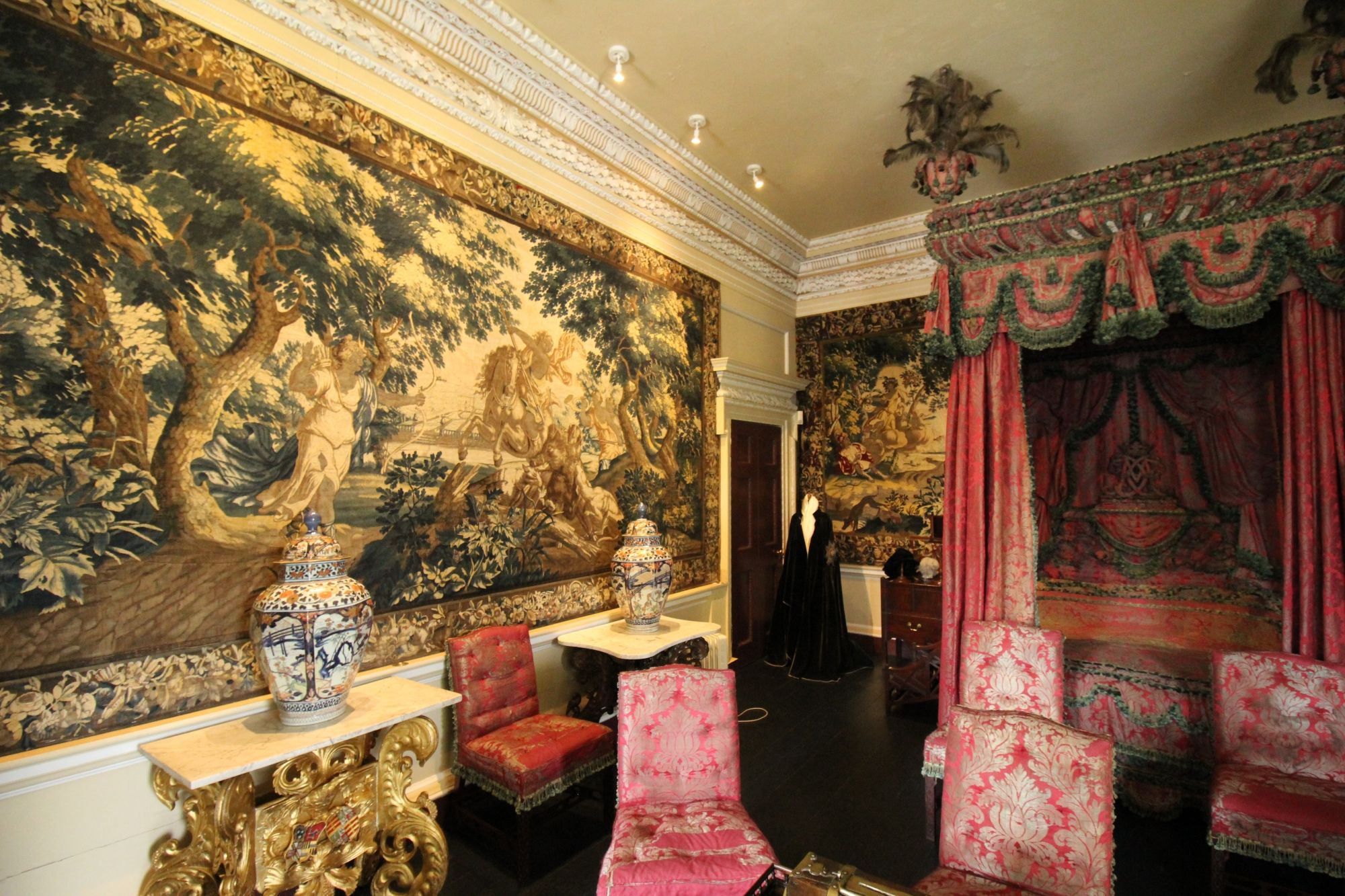
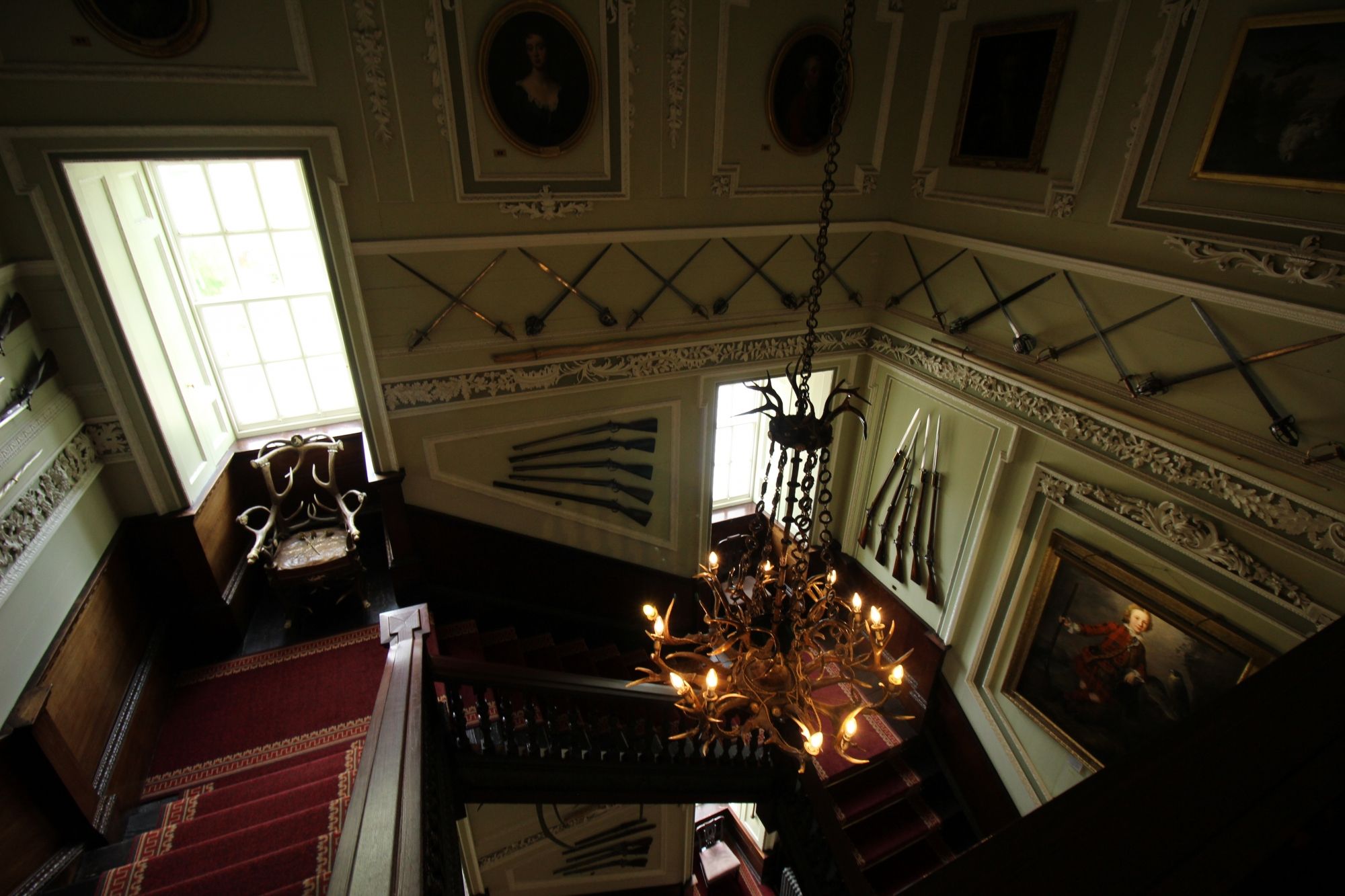
Stepping inside Blair Castle is a journey through the changing tastes and fortunes of one family. The castle boasts over 30 rooms open to the public, ranging from the medieval Comyn’s Tower—the oldest part of the building, dating back to 1269—to the grand Victorian ballroom. The Grand Staircase, adorned with a spectacular collection of weaponry used at the Battle of Culloden, serves as a sobering reminder of the castle's strategic importance during the Jacobite Risings. In contrast, the state dining rooms and drawing rooms are masterpieces of Georgian design, filled with fine plasterwork, rare portraits by Zoffany and Lely, and exquisite furniture. In 2026, the castle’s "Attic Tours" have become a popular feature, allowing visitors to see the servant quarters and hidden corridors that reveal the behind-the-scenes life of a great Highland estate.
The Hercules Garden and the Sculpture Trail
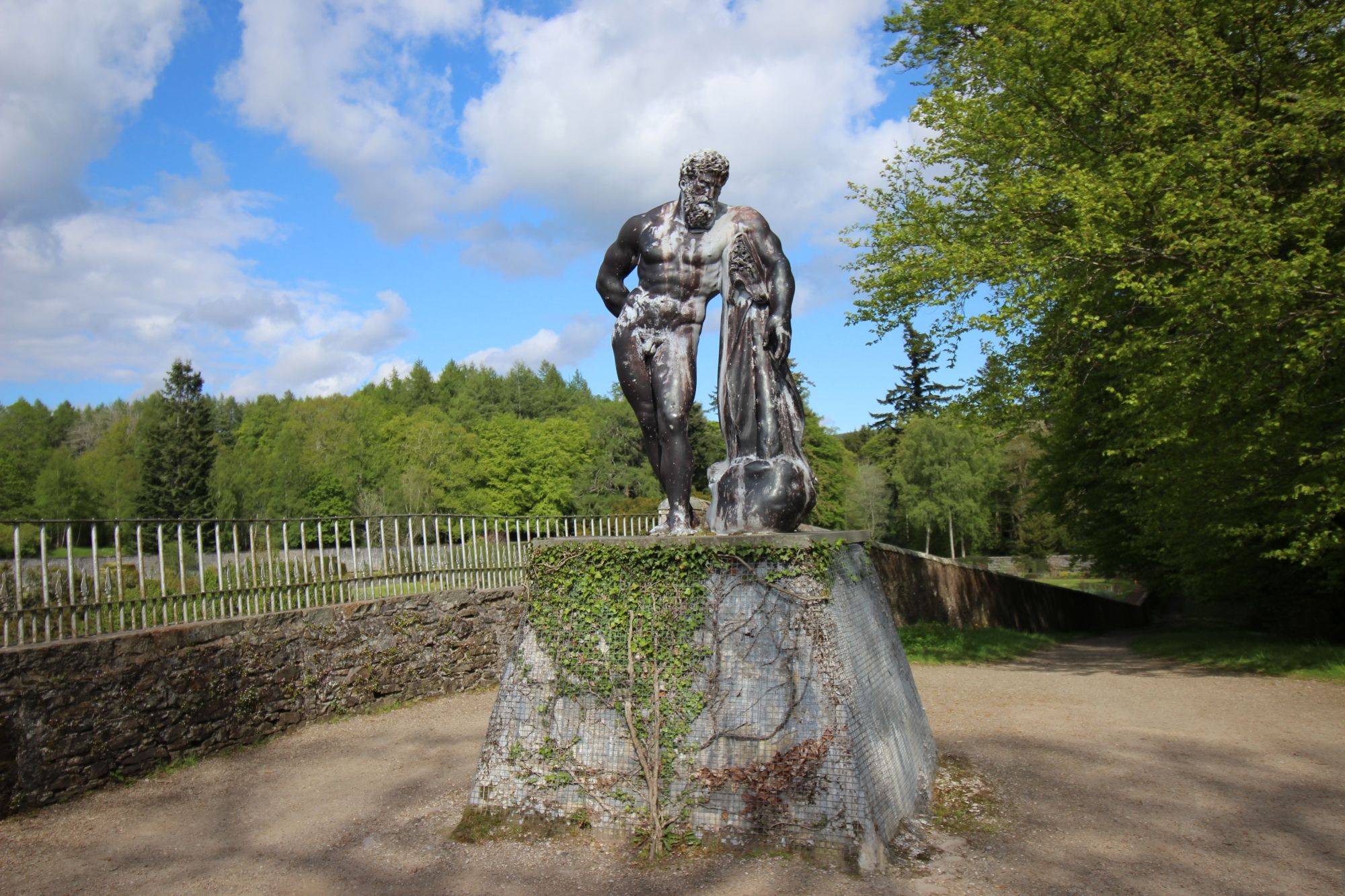
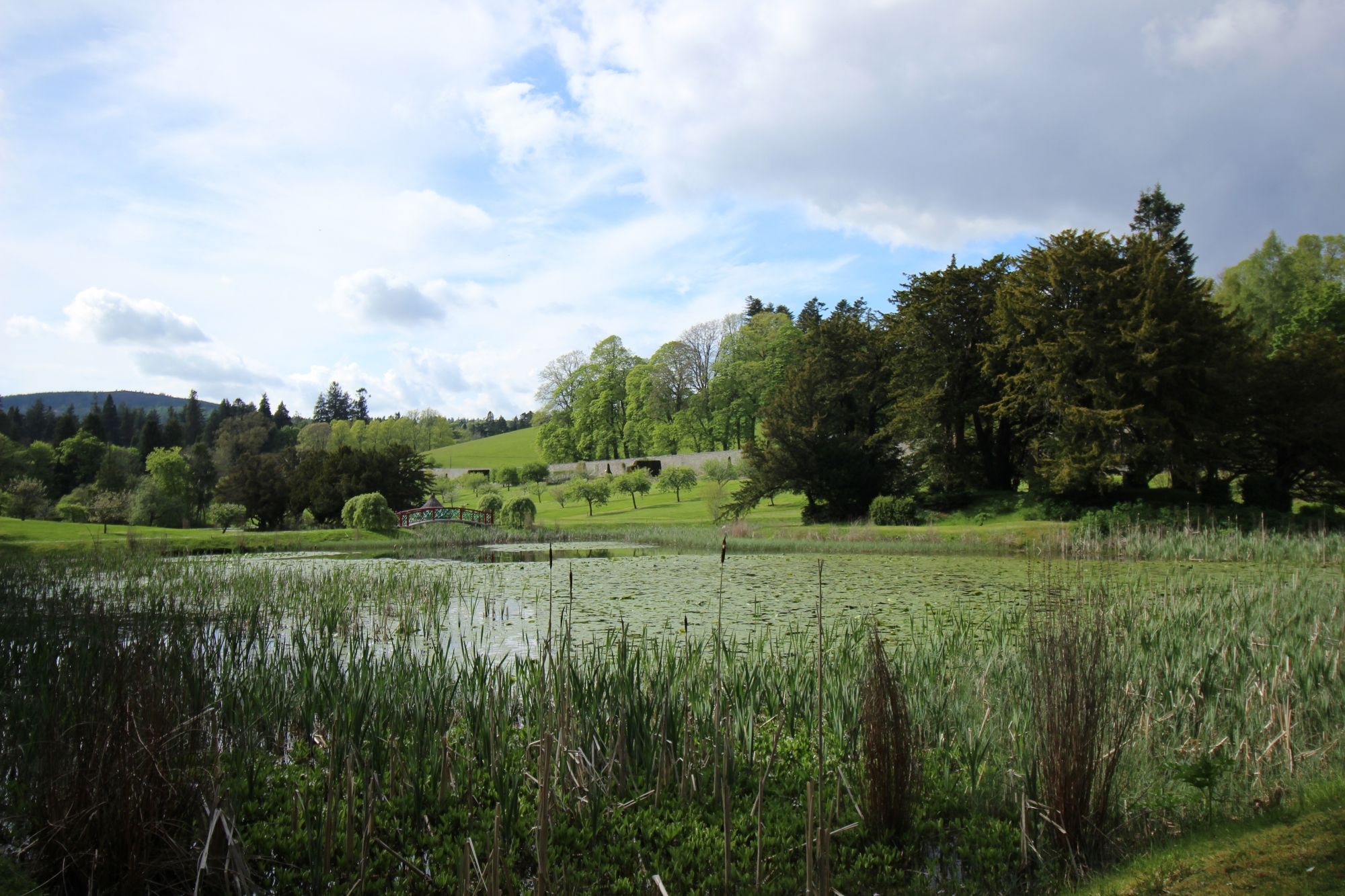
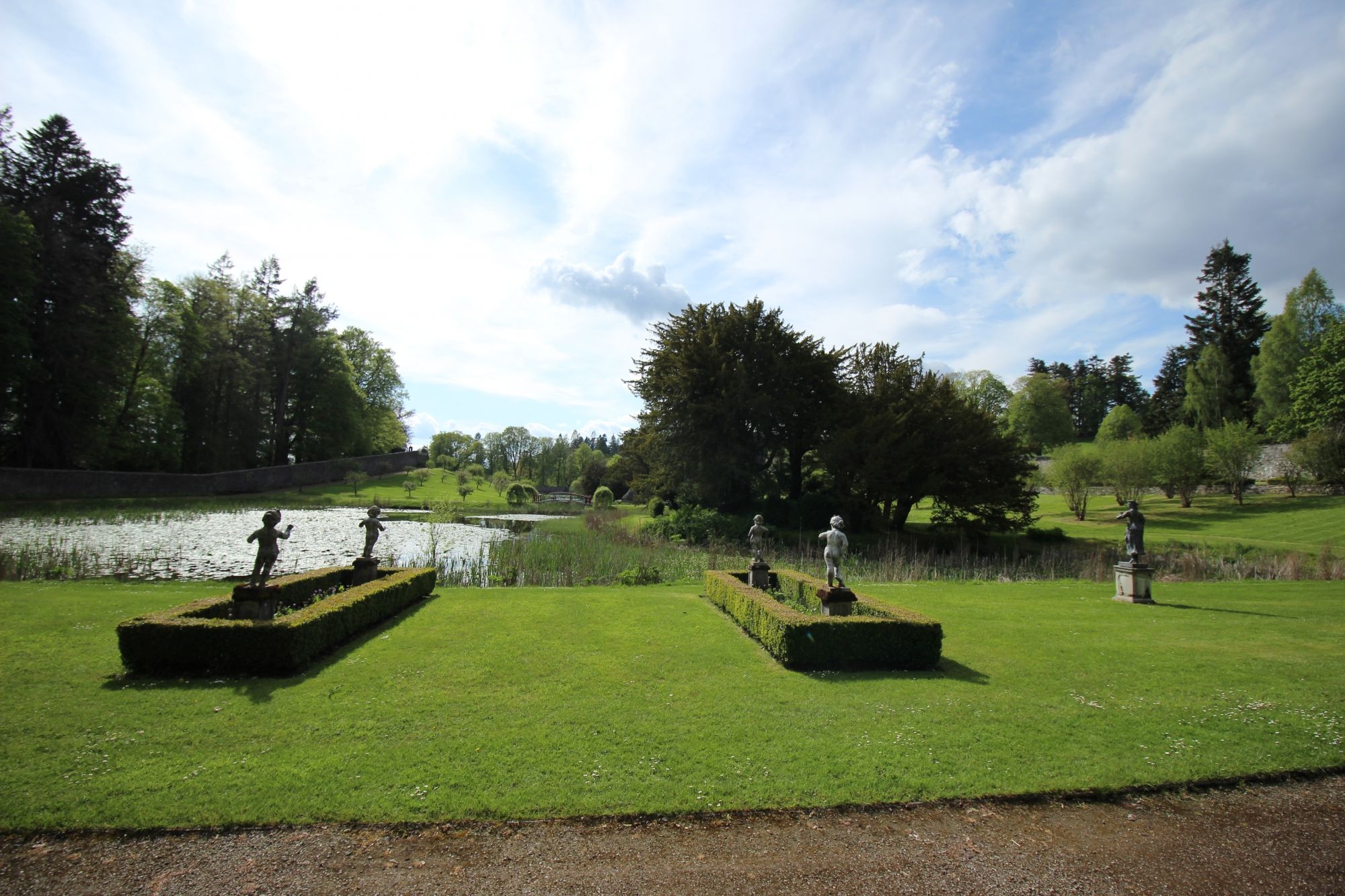
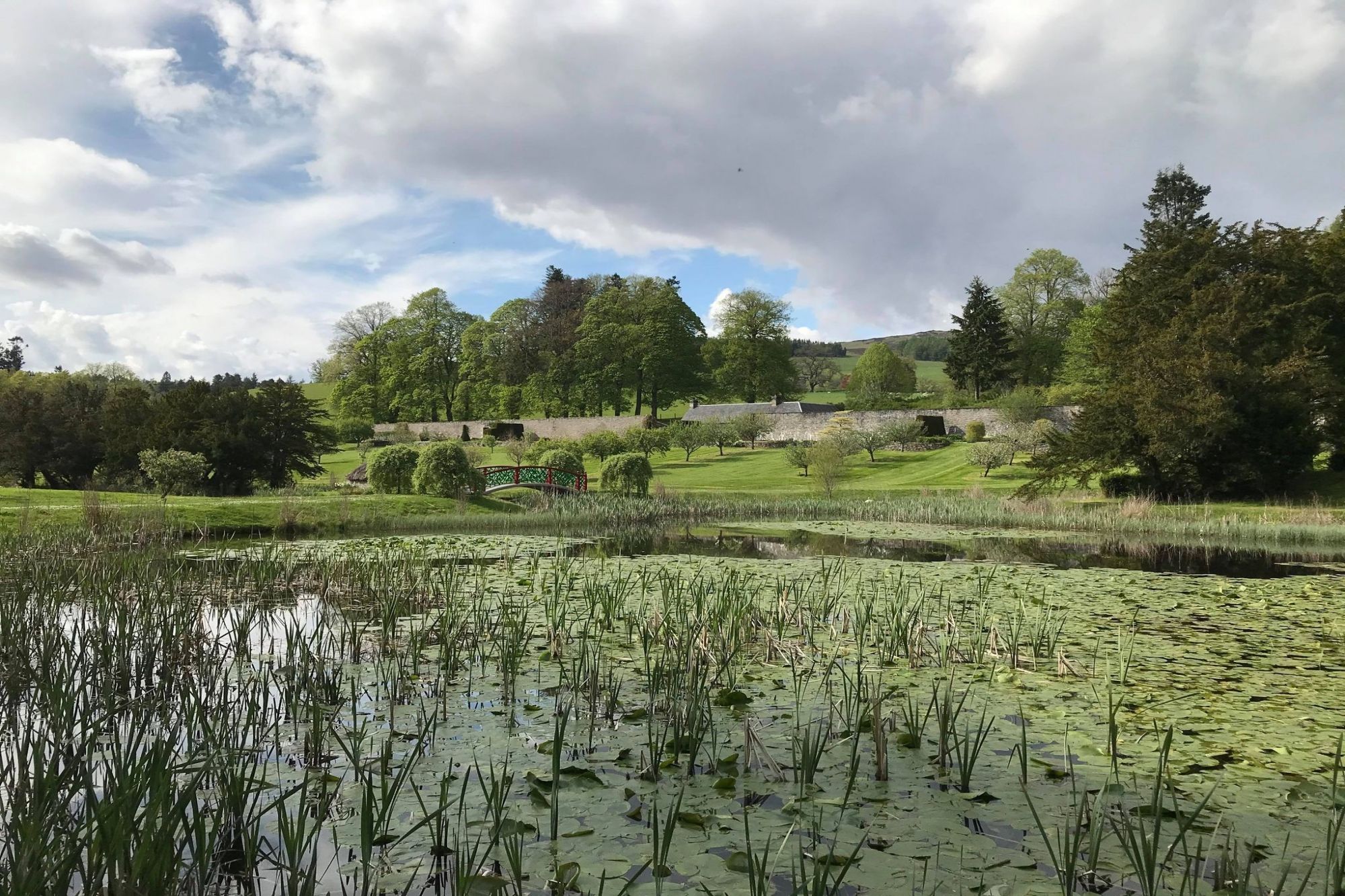
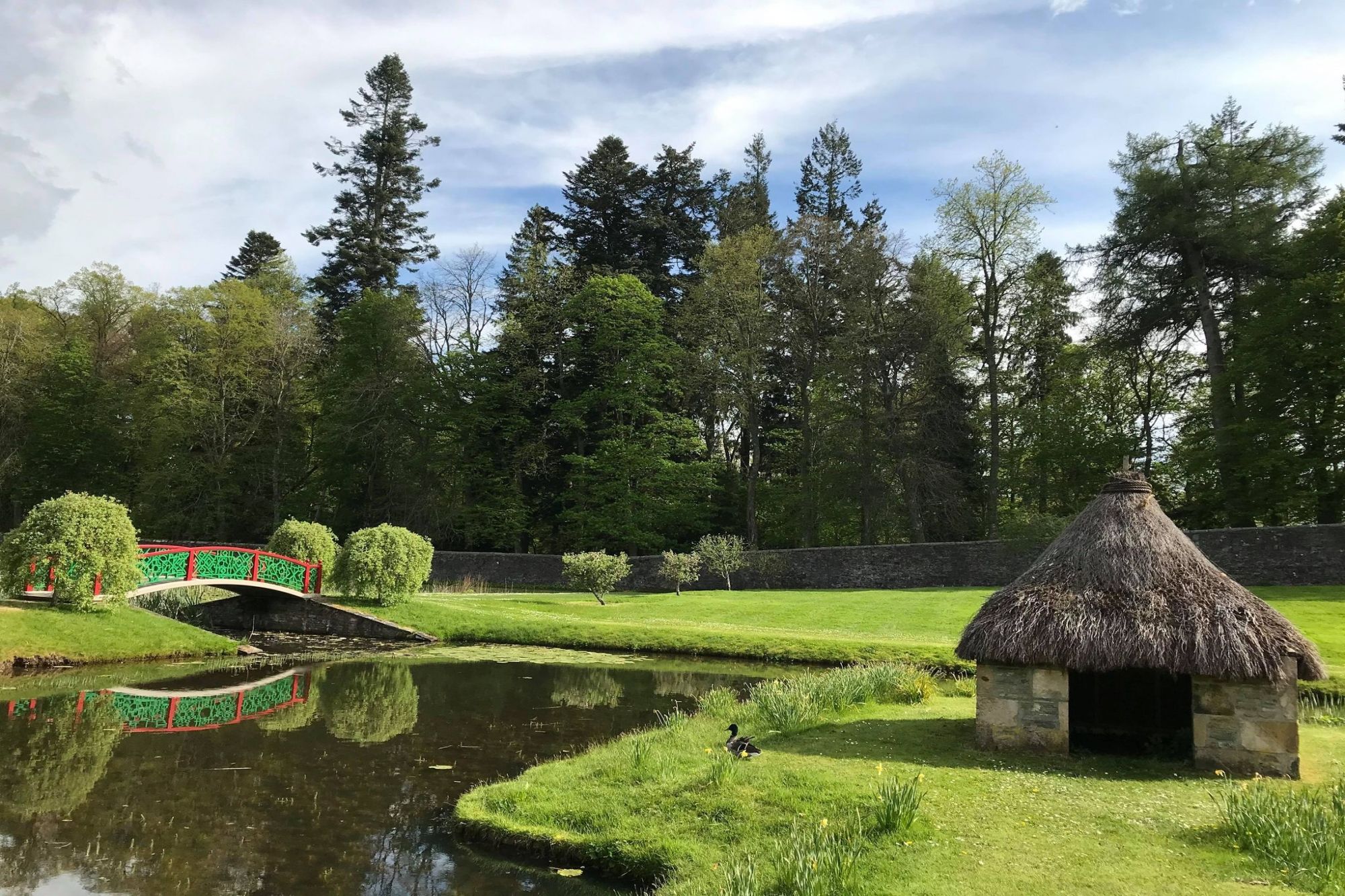
The estate surrounding Blair Castle is just as impressive as the building itself. Spanning 145,000 acres at its height, the grounds are home to the Hercules Garden, a nine-acre walled sanctuary named after the life-sized statue of Hercules that overlooks it. This 18th-century landscape garden features a central pond, an orchard of heritage fruit trees, and a beautifully restored Chinese bridge. Visitors in the 2026 season can explore the Diana’s Grove, home to some of the tallest and oldest trees in the UK, including massive Grand Firs and Douglas Firs. The sculpture trail through the gardens blends contemporary art with the natural landscape, providing a serene environment for reflection away from the grandeur of the castle interior.
Jacobites and Royals: A Strategic Stronghold
Blair Castle’s history is a microcosm of Scottish history. It was the last castle in the British Isles to be besieged, during the Jacobite Rising of 1745, when it was actually attacked by its own family members! Lord George Murray, a key Jacobite general, laid siege to his ancestral home while it was occupied by government forces. Centuries later, the castle became a favorite of Queen Victoria, whose love for the Highlands helped popularize Scottish tourism. The castle museum houses a rich collection of artifacts from these eras, including Mary Queen of Scots’ personal harp (the Lamont Harp) and intricately carved Highland dirks. Each object tells a story of a family that managed to navigate the turbulent waters of Scottish politics for nearly eight centuries.
Practical Information for the 2026 Season
- Location: Located in the village of Blair Atholl, just off the A9 road. It is easily accessible by train, with the Blair Atholl station a short walk from the castle gates.
- Touring: Allow at least 3 to 4 hours to see both the castle interior and the Hercules Garden. Self-guided audio tours are available in multiple languages.
- Dining: The Tullibardine Restaurant on-site serves traditional Scottish fare, including afternoon teas and local venison.
- Accessibility: Due to its historic nature, some parts of the castle (like the towers) involve steep stairs, but the ground floor and gardens are largely accessible.
- Events: Check the 2026 calendar for the "Blair Horse Trials" in August, one of the most prestigious equestrian events in the UK, held on the castle grounds.
Conclusion: The Heart of the Highlands
Blair Castle is more than just a museum; it is a vibrant, evolving estate that bridges the gap between Scotland’s warrior past and its cultural present. It offers a sense of continuity that few other landmarks can match. From the polished floors of the ballroom to the quiet shaded paths of Diana’s Grove, the castle invites visitors to immerse themselves in a world of Highland tradition. In 2026, it remains an essential pillar of any Scottish itinerary, a white-walled beacon that continues to tell the story of the people who shaped the heart of Perthshire.