
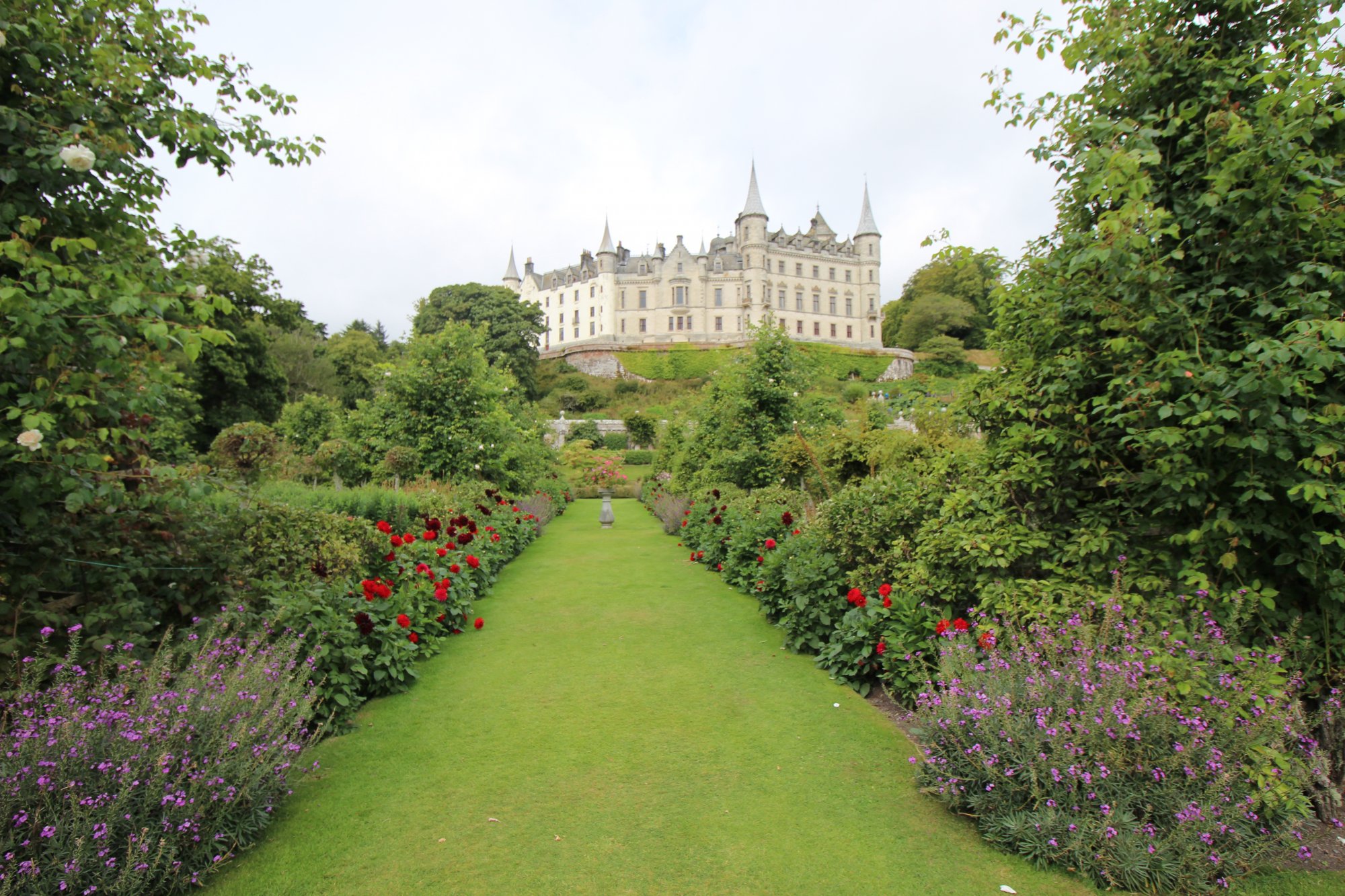



Dunrobin Castle: The Fairytale Chateau of the Northern Highlands
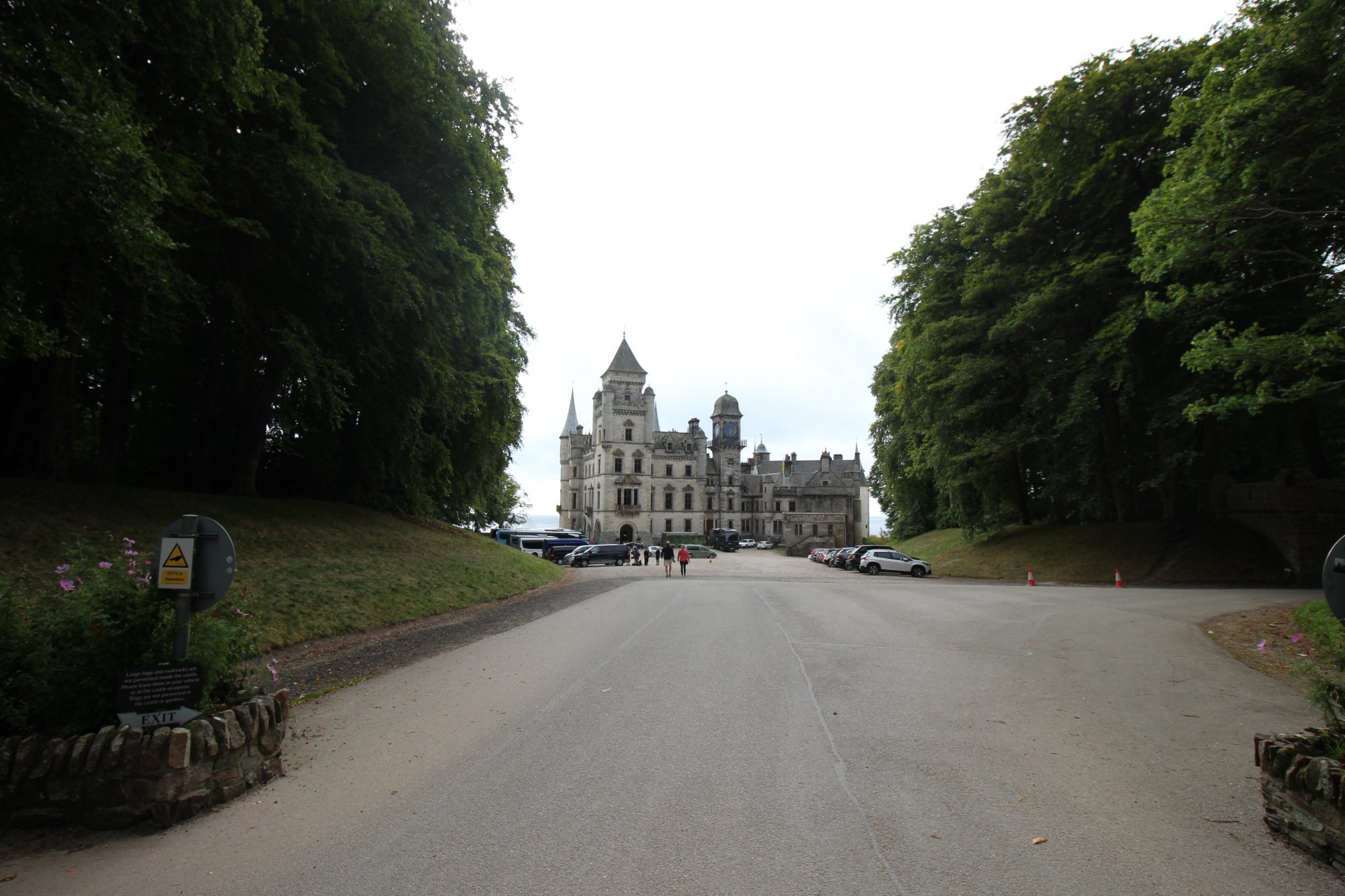
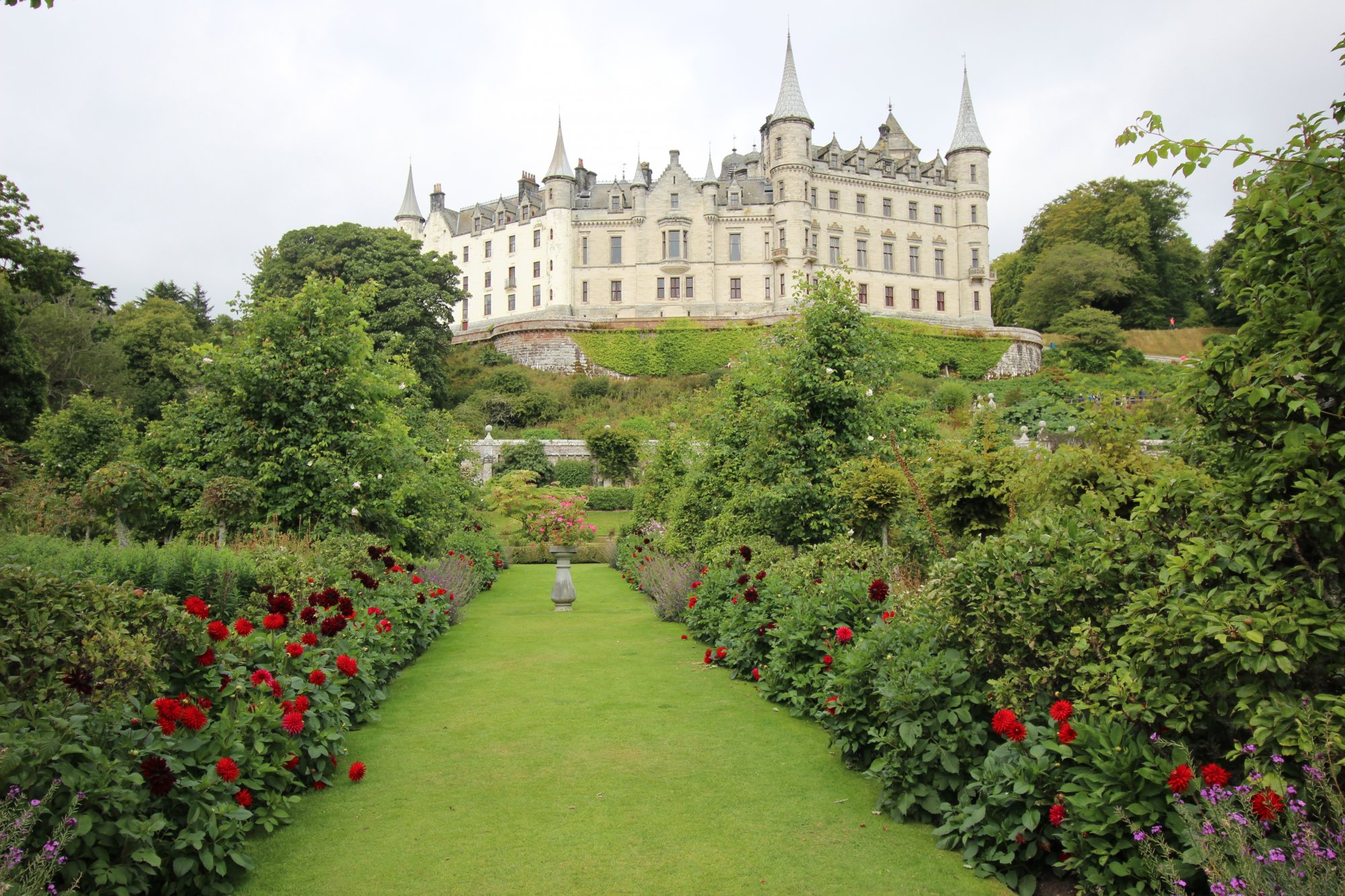
Rising majestically against the cold blue backdrop of the Moray Firth near Golspie, Dunrobin Castle is one of the most breathtaking, unexpected, and distinctly aristocratic grand houses in Scotland. With its towering conical spires, gleaming white limestone facades, and meticulously manicured French-style gardens, Dunrobin looks less like a brutal medieval Scottish fortress and more like a fairytale chateau transported straight from the Loire Valley. Serving as the historic family seat of the Earls and Dukes of Sutherland, this grand estate is the largest house in the Northern Highlands, boasting an incredible 189 rooms. Today, it stands as a premier highlight along the eastern stretch of the famous North Coast 500 (NC500) route, offering visitors a dazzling combination of high-Victorian opulence, formal French landscaping, and deep-rooted Highland history.
The Ancient Keep Beneath the French Facade
While Dunrobin Castle presents a strikingly modern, fairytale appearance from the outside, its structural core is steeped in early medieval antiquity. The earliest parts of the castle date back to around 1275, established as a heavily fortified stone keep by William, the 5th Earl of Sutherland. The name "Dunrobin" itself translates from the Gaelic to "Robin's Fort," likely named after Robert, the 6th Earl. For centuries, this keep stood as a compact, defensible stronghold, surviving numerous regional clan conflicts and siege attempts. The dramatic transformation we see today occurred much later, primarily between 1845 and 1850. The wealthy 2nd Duke of Sutherland commissioned the celebrated architect Sir Charles Barry—the brilliant mind behind the Houses of Parliament in London—to completely redesign the building, enveloping the ancient, grim medieval fort within a sweeping, romantic French Renaissance palace.
The Versailles of the North: Formal Gardens and Falconry
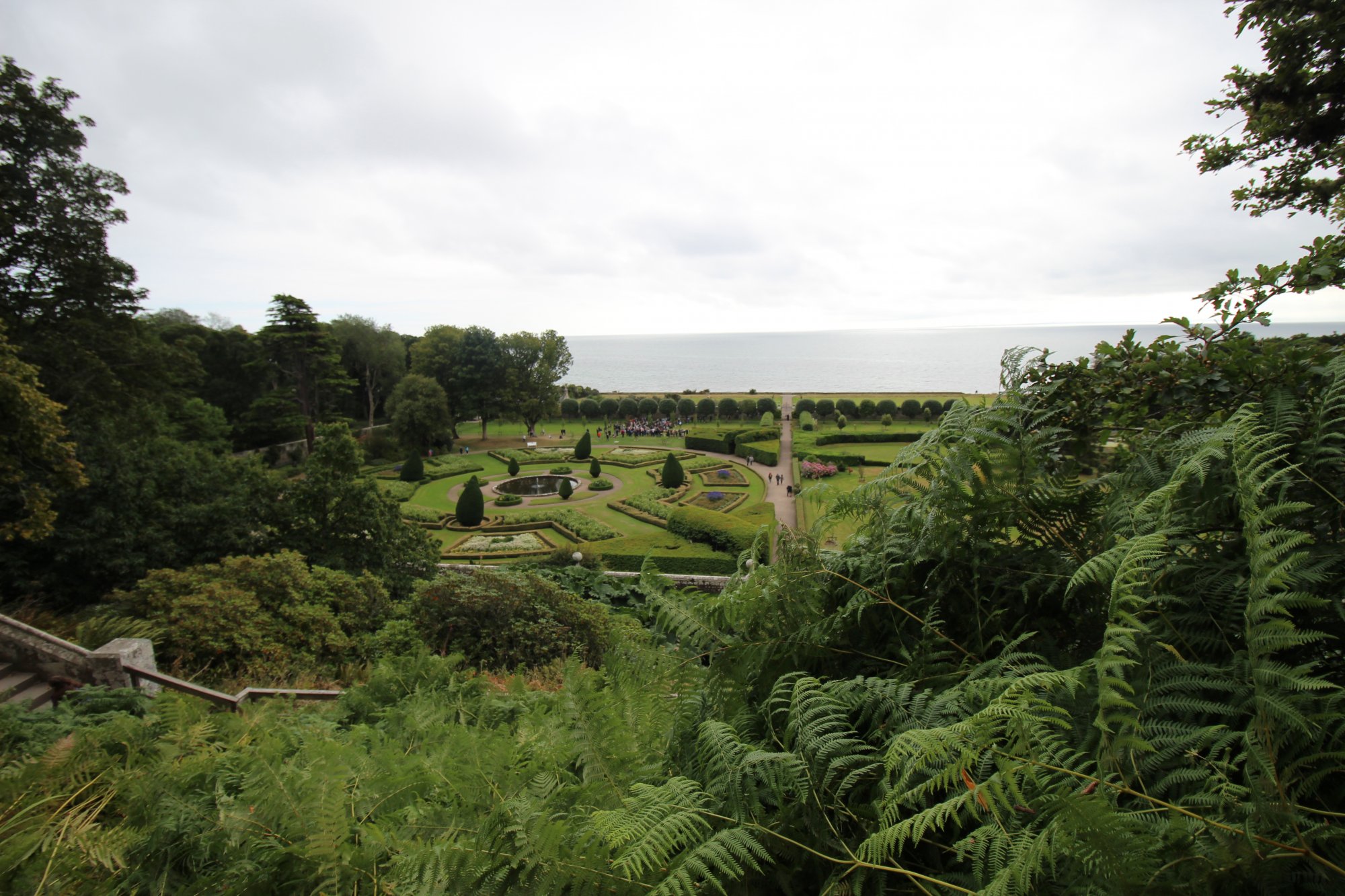
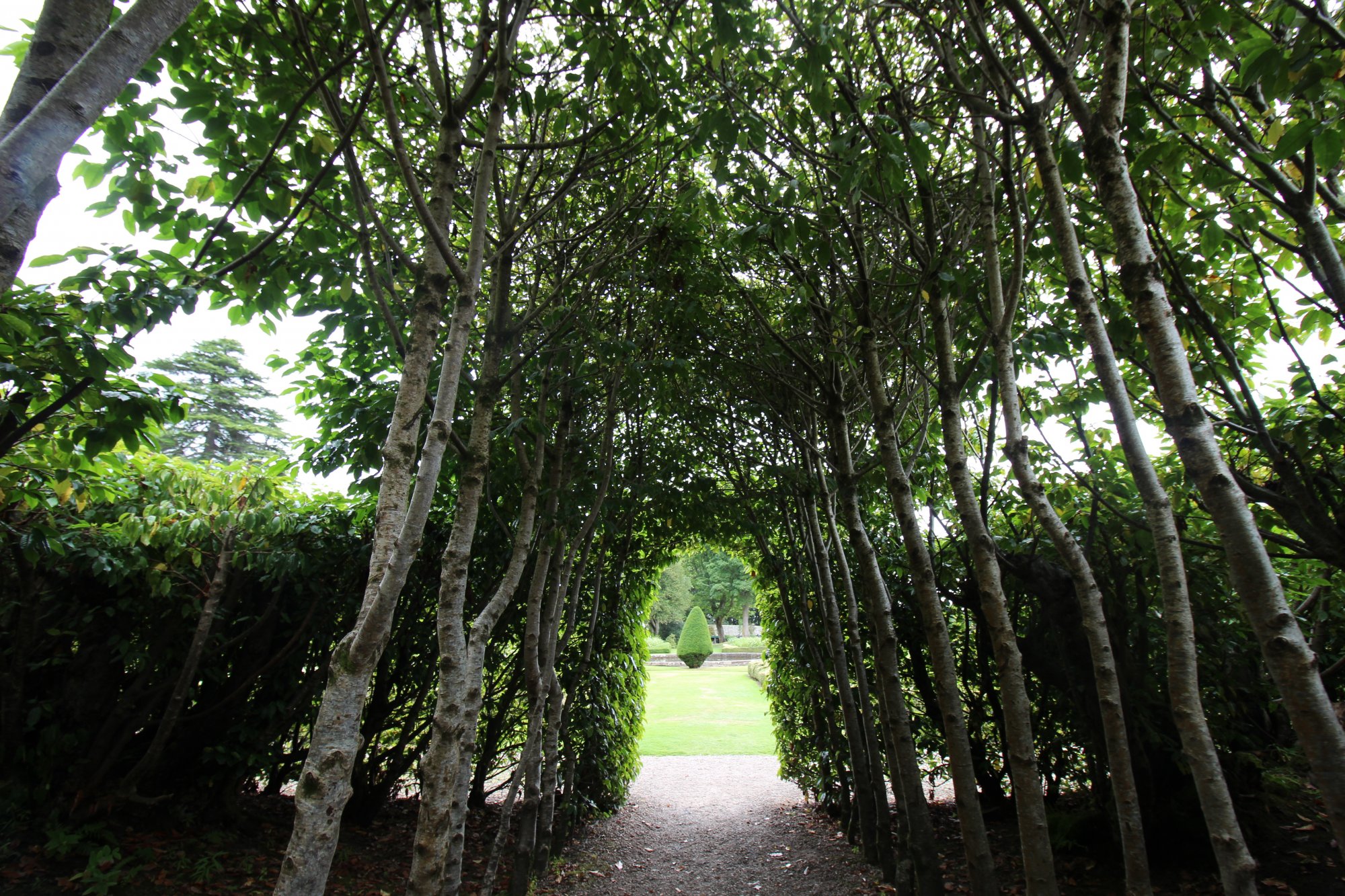
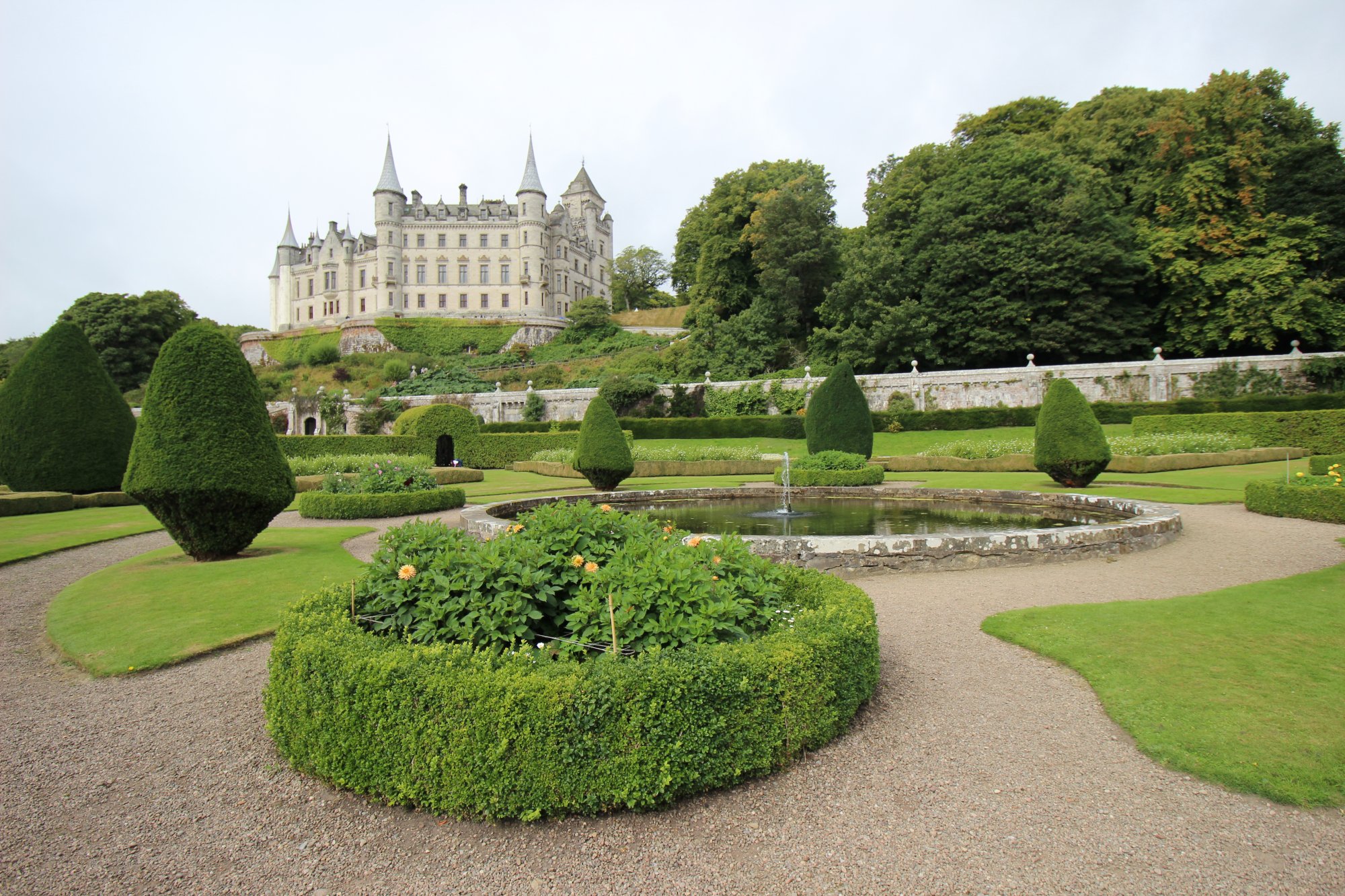
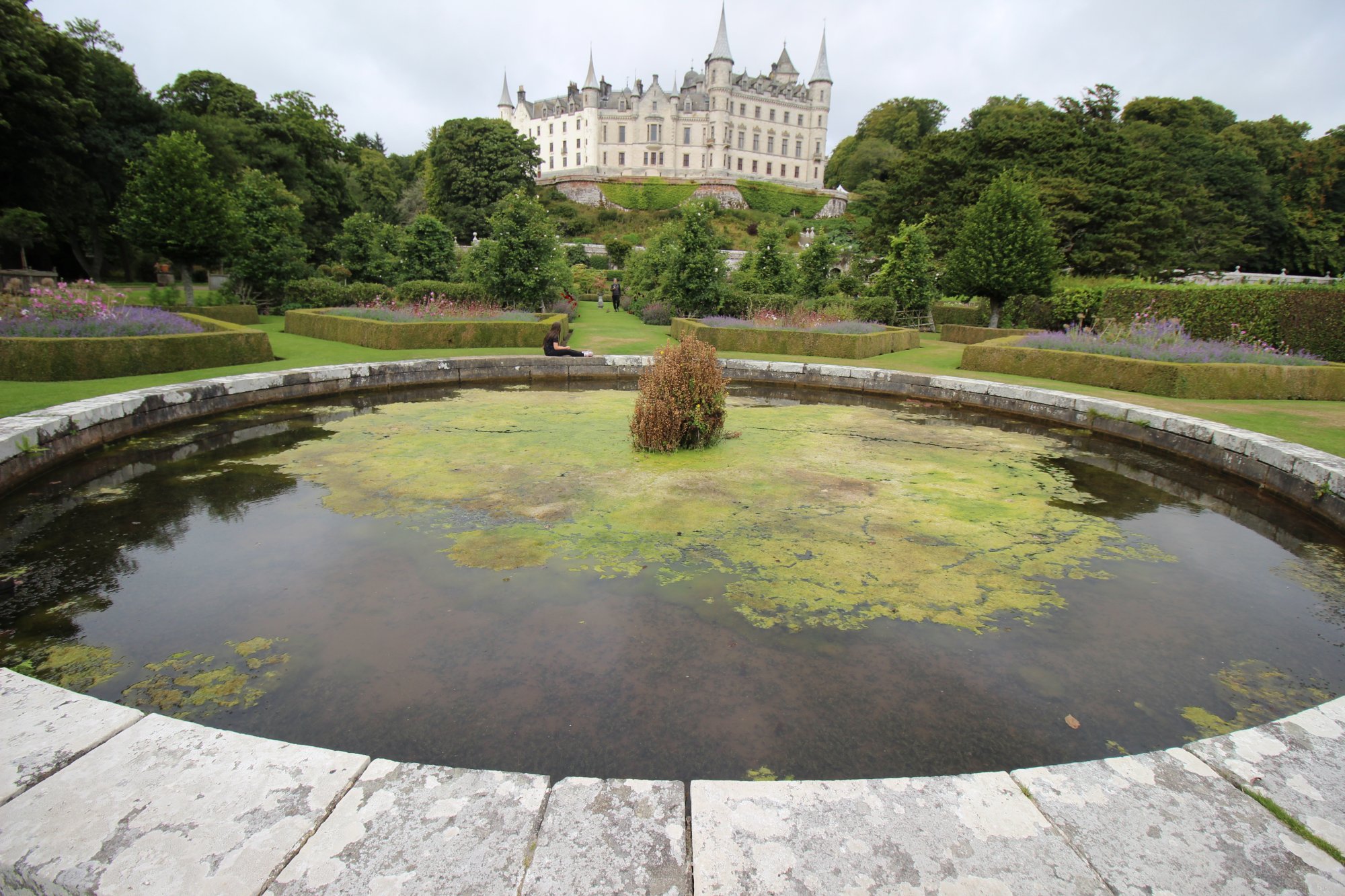
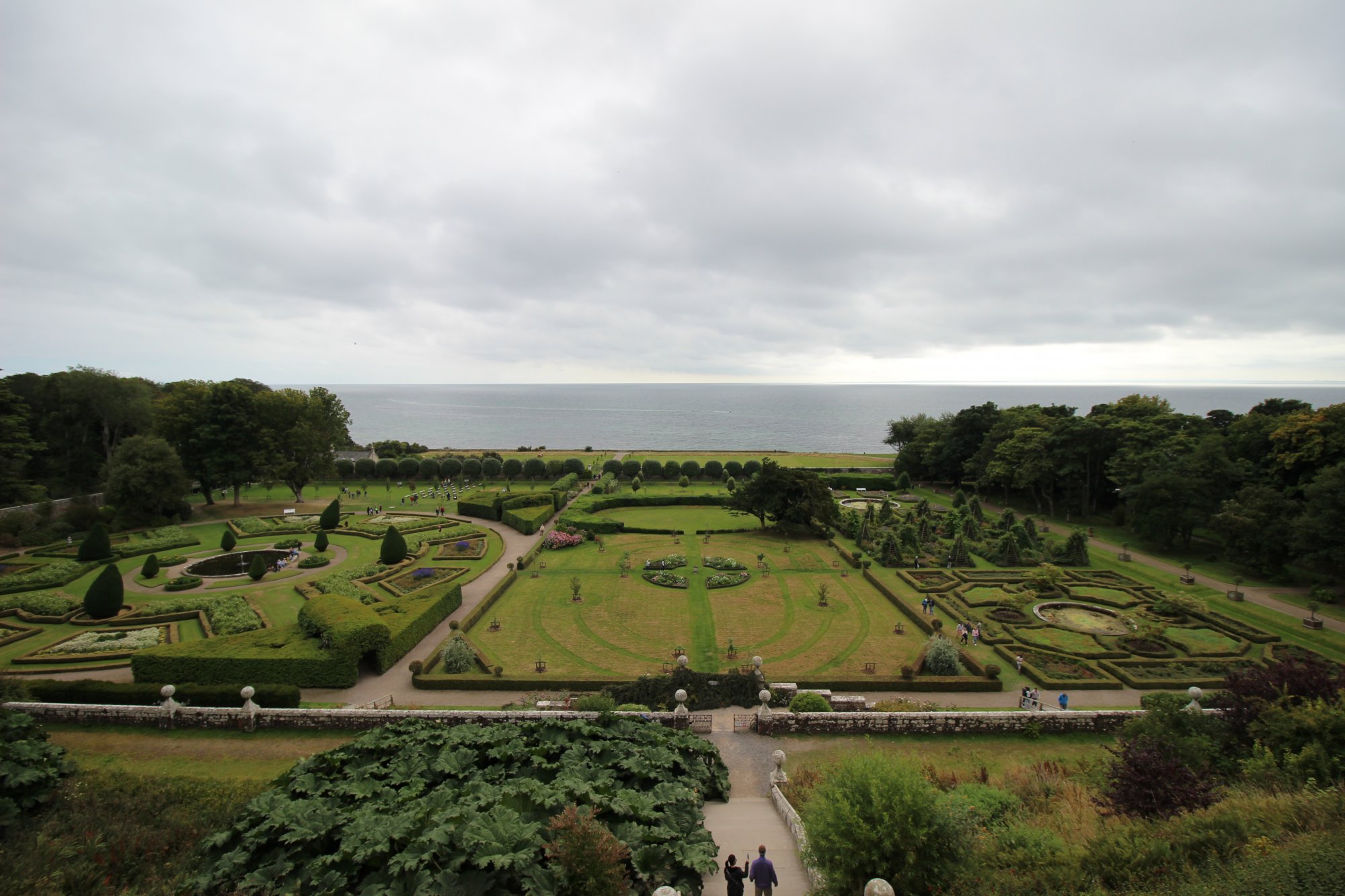
The true crown jewel of the Dunrobin experience is the spectacular formal garden, which slopes elegantly from the base of the castle down to the edge of the rocky sea. Designed by Sir Charles Barry and heavily inspired by the absolute symmetry and grand vistas of the Palace of Versailles in France, these spectacular gardens are entirely unique in northern Scotland. The sheltered, micro-climatic coastal position allows a surprising variety of delicate flora, massive structural topiary, and ornate fountains to thrive year-round. Adding to the atmospheric charm of the gardens is the castle's renowned **Falconry Displays**. Visitors can gather on the lawns to witness incredible, daily flying demonstrations featuring golden eagles, peregrine falcons, and owls, highlighting the ancient, aristocratic sport that has been practiced on the Sutherland estate for hundreds of years.
Inside the Palace: Victorian Grandeur and a Hidden Museum
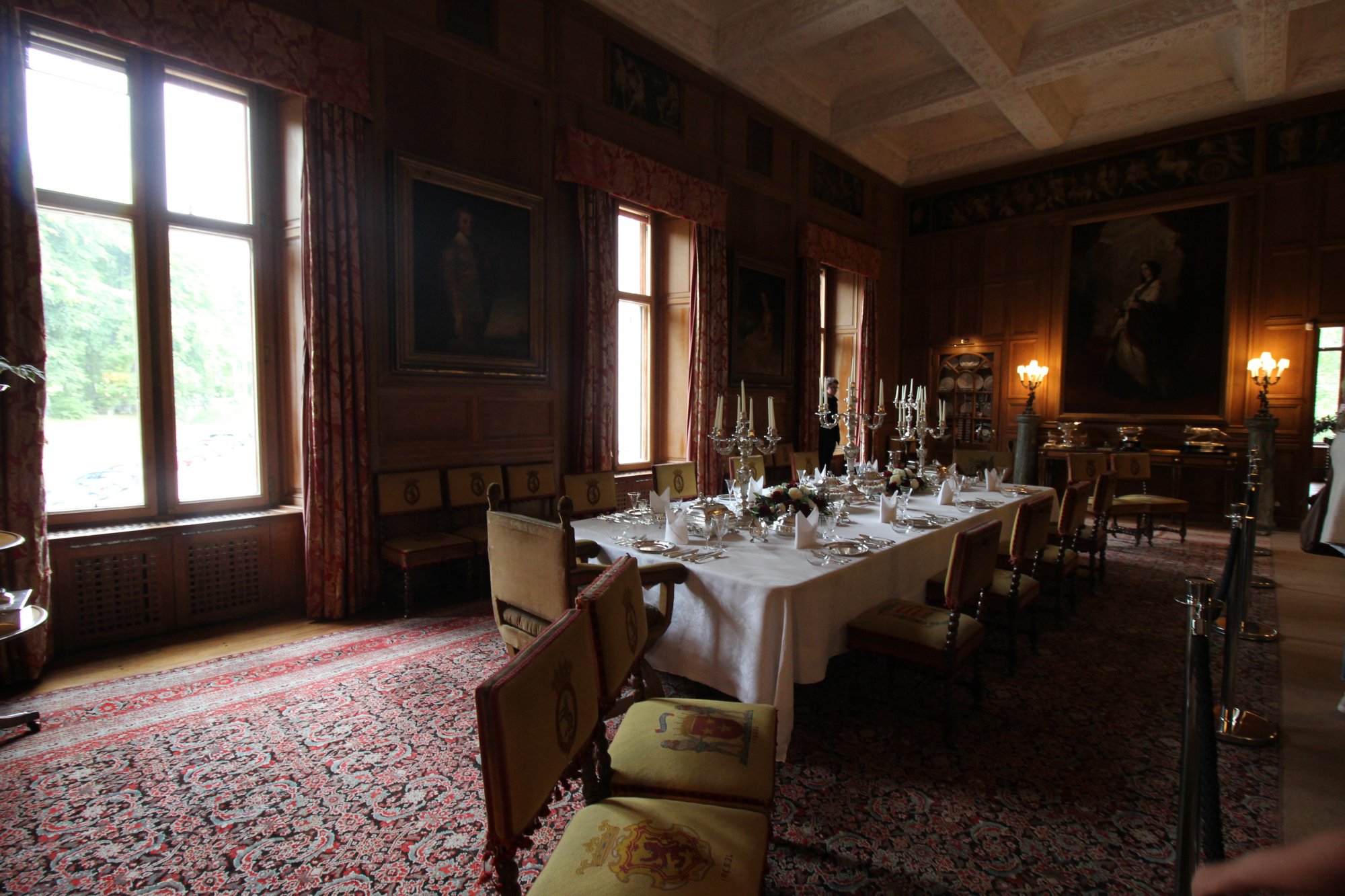
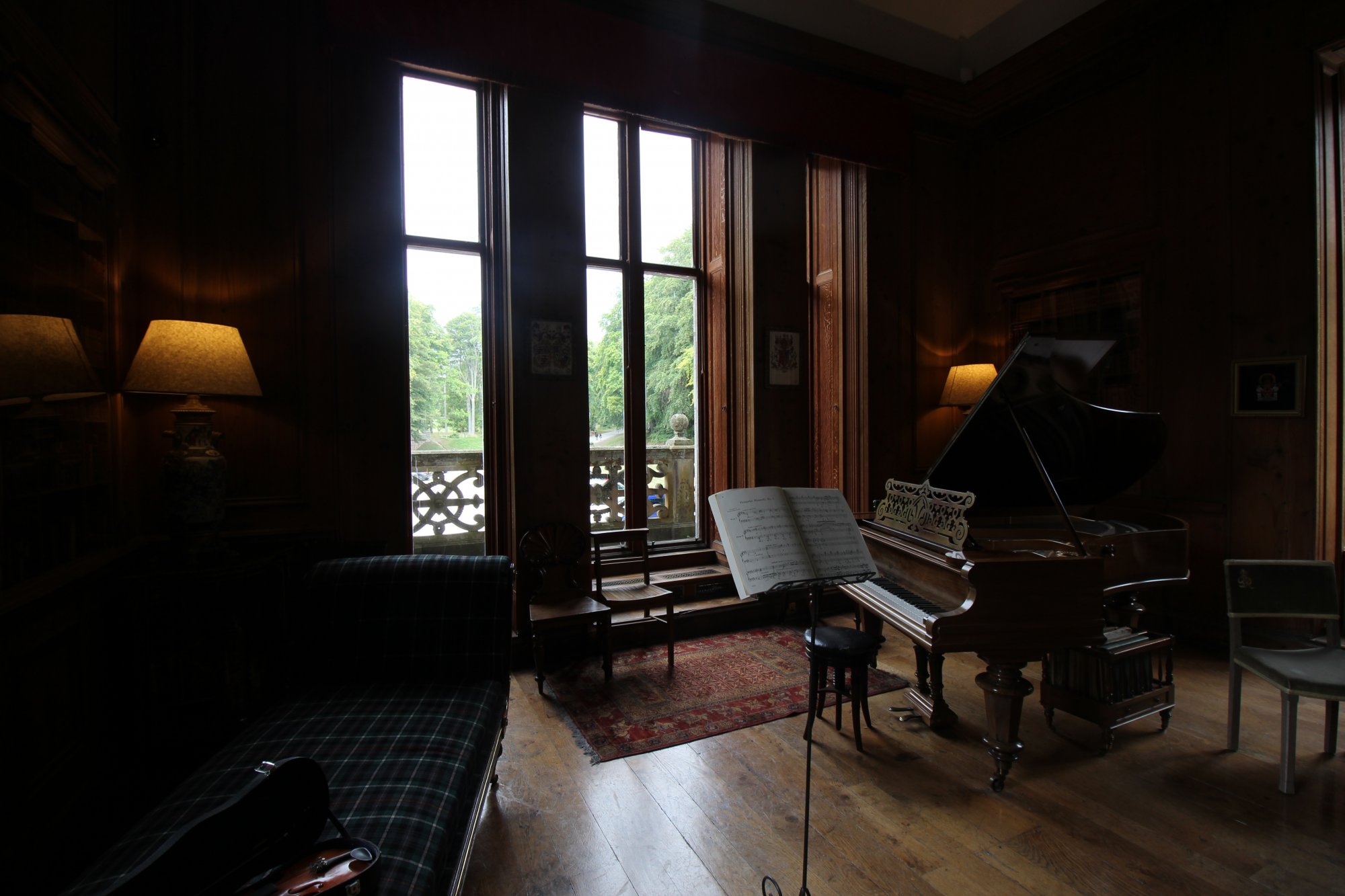
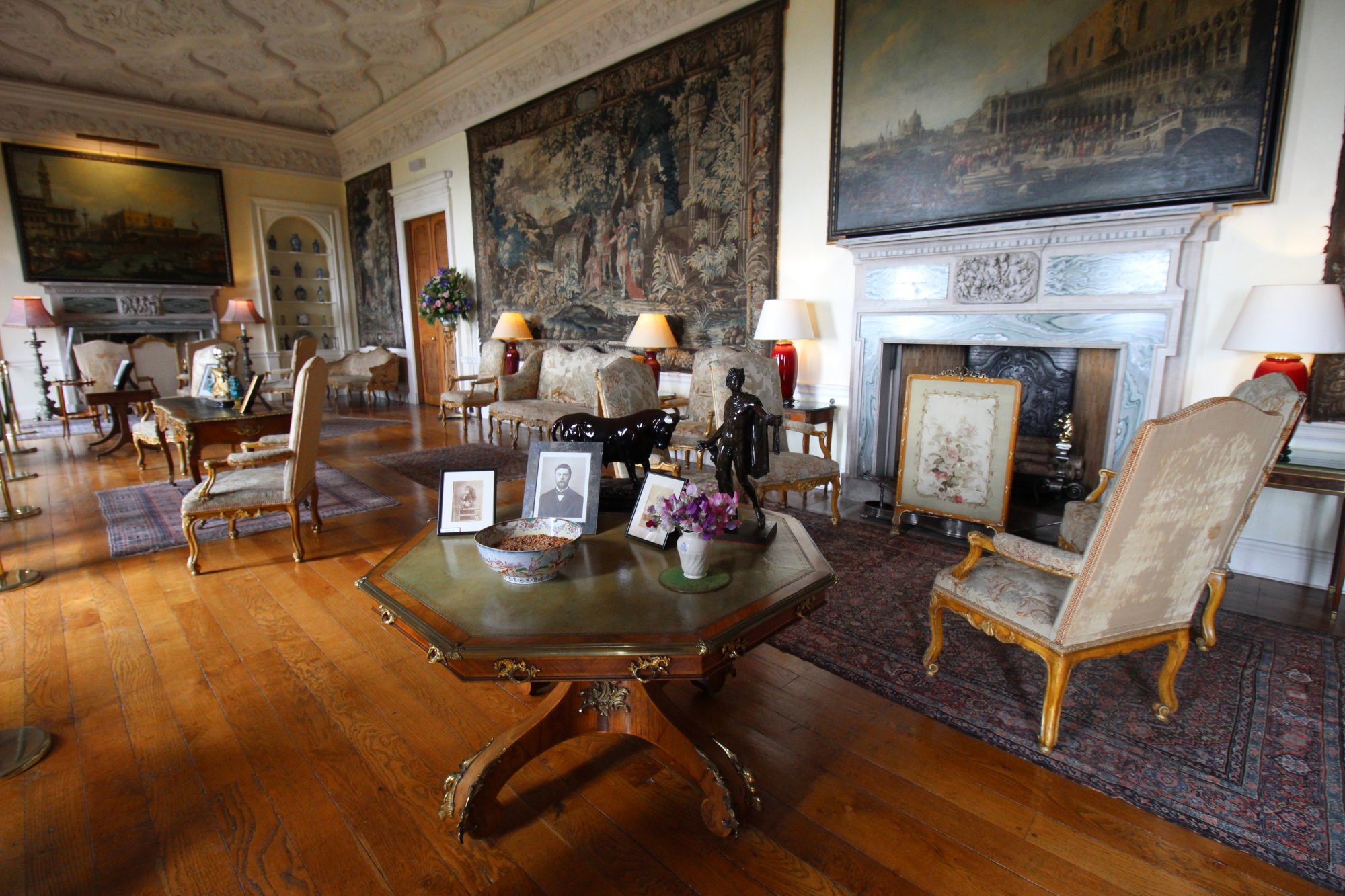
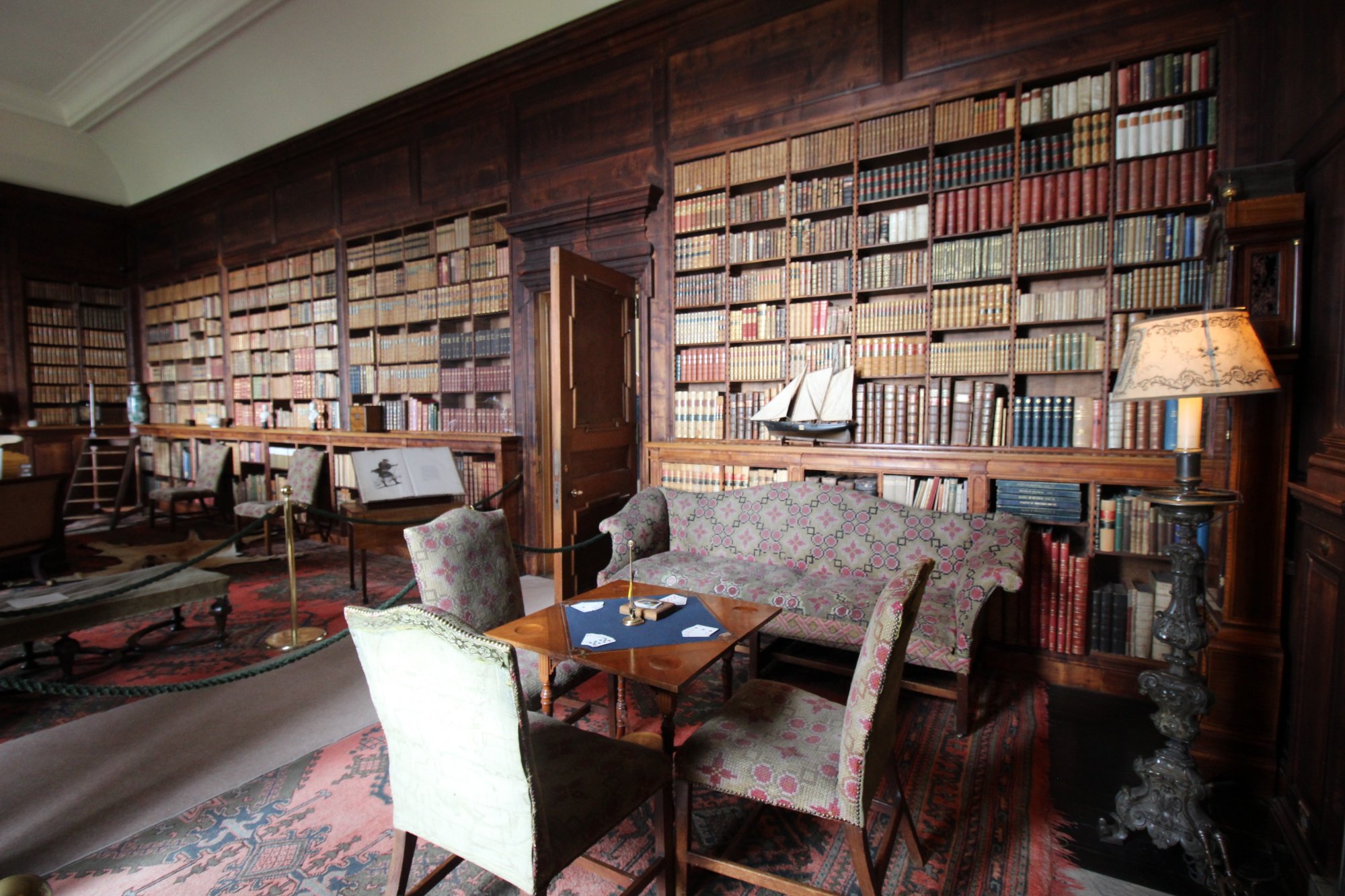
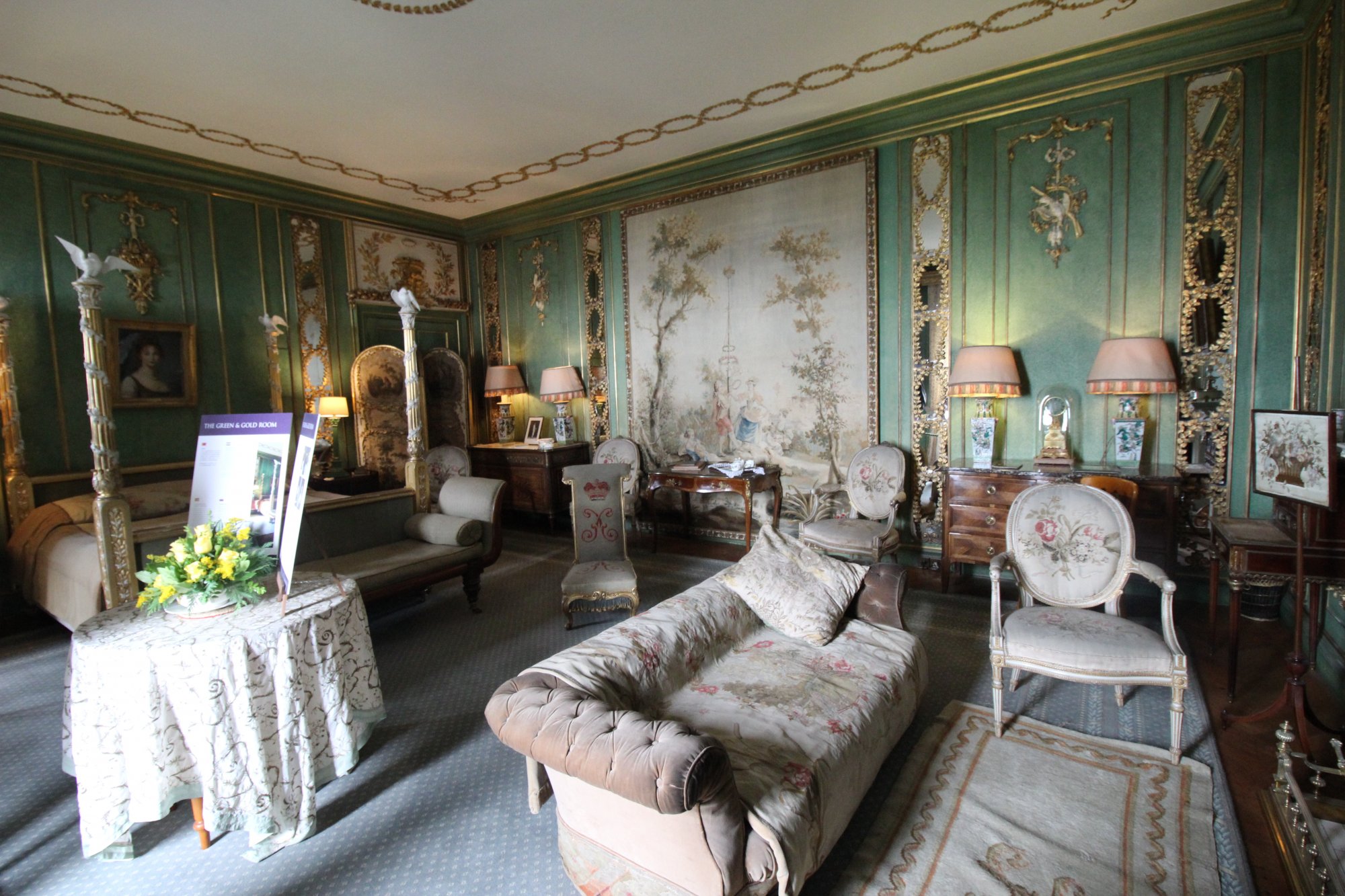
Stepping inside Dunrobin Castle reveals an exceptionally well-preserved interior that offers a fascinating look into the immense wealth and daily lives of Victorian high society. Visitors can tour a spectacular sequence of public rooms, including the grand dining room, a massive wood-paneled library housing over 10,000 historic volumes, and elegant drawing rooms packed with fine European art and historic furnishings. Tucked away on the edge of the formal gardens stands another hidden treasure: the **Dunrobin Castle Museum**. Originally built as a Victorian summer house, this fascinating building now houses an incredible, eccentric family collection of historic hunting trophies, archaeological artifacts, and a globally significant collection of beautifully carved ancient **Pictish symbol stones** discovered across the northern estates.
Visiting in 2026: Practical Advice
In 2026, Dunrobin Castle operates as a seasonal destination, welcoming travelers from April through October. Located just off the main A9 road, it features a massive dedicated car park that easily accommodates cars and campervans exploring the NC500, though it can fill quickly in mid-summer. For rail travelers, the castle features its very own seasonal request stop on the scenic Far North Line, making it a highly accessible day trip from Inverness. Photography enthusiasts will find that the absolute best viewpoint for that "iconic" chateau shot is from the lower gravel paths of the formal gardens, looking up toward the soaring white towers. Sturdy footwear is recommended if you wish to explore the extensive woodland pathways that loop around the outer estate grounds.
Conclusion: An Unforgettable Northern Masterpiece
Dunrobin Castle represents a stunning, harmonious marriage between continental European architectural romanticism and the raw, untamed spirit of the Scottish coastline. It is a destination that constantly surprises visitors, challenging the traditional image of a dark, stone-built Highland fort with its bright, fairytale elegance and manicured garden terraces. Whether you are tracing the medieval roots of the Sutherland clan, marveling at the speed of a diving falcon, or simply taking a peaceful walk along the coastal lawns, a visit to Dunrobin Castle provides a profoundly memorable, majestic, and elegant highlight to any journey through the Far North.