



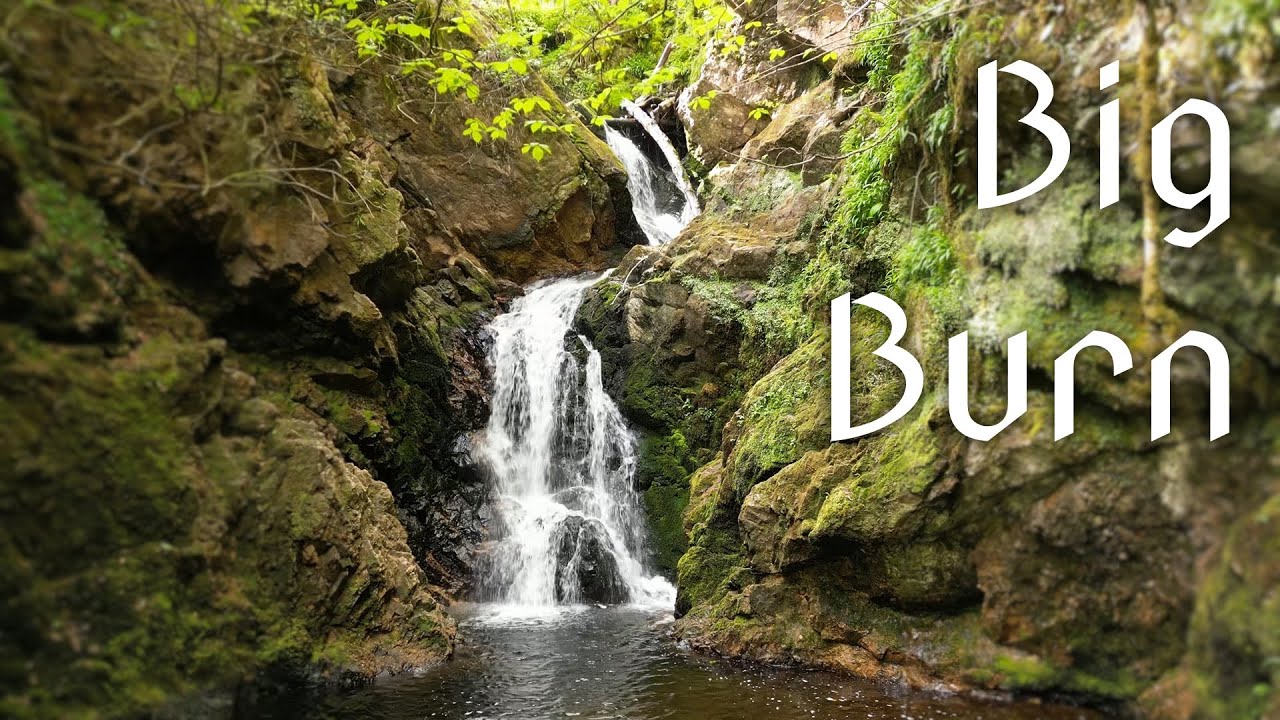

Big Burn Walk: A Hidden Woodland Sanctuary in Golspie
Located on the tranquil periphery of the famous North Coast 500 route, the Big Burn walk in Golspie offers a refreshing, emerald-green escape from the rugged coastal cliffs of Sutherland. Situated just a stone's throw from the fairytale spires of Dunrobin Castle, this trail is a masterclass in Victorian landscape engineering and natural woodland beauty. The walk follows the Golspie Burn as it carves a path through a limestone gorge, shaded by a dense canopy of ancient trees. In 2026, it remains one of the most accessible and family-friendly woodland walks in the Highlands, providing a sheltered microclimate that contrasts sharply with the exposed moorlands found further north along the NC500.
The Network of Bridges and the Dramatic Gorge
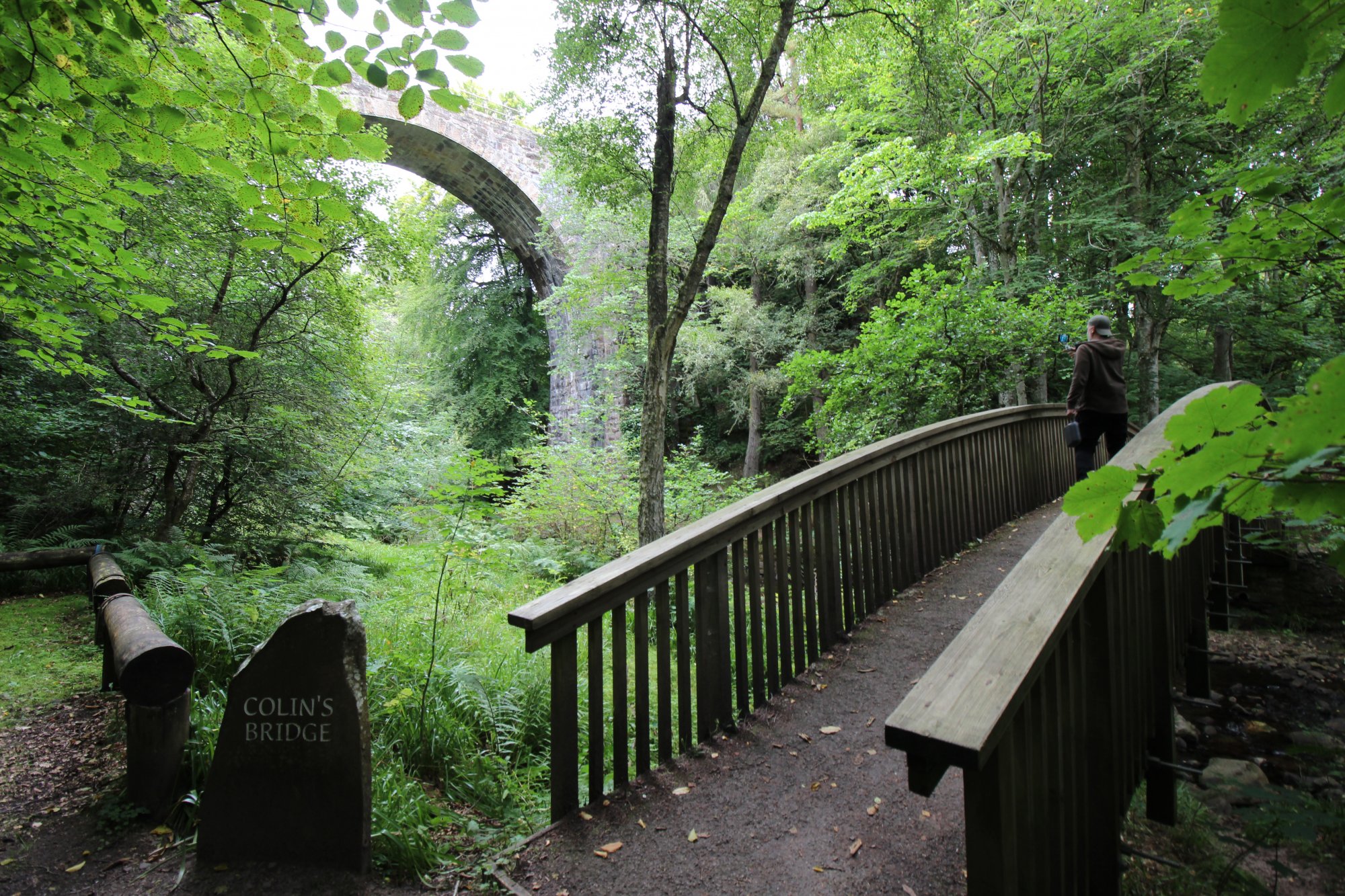
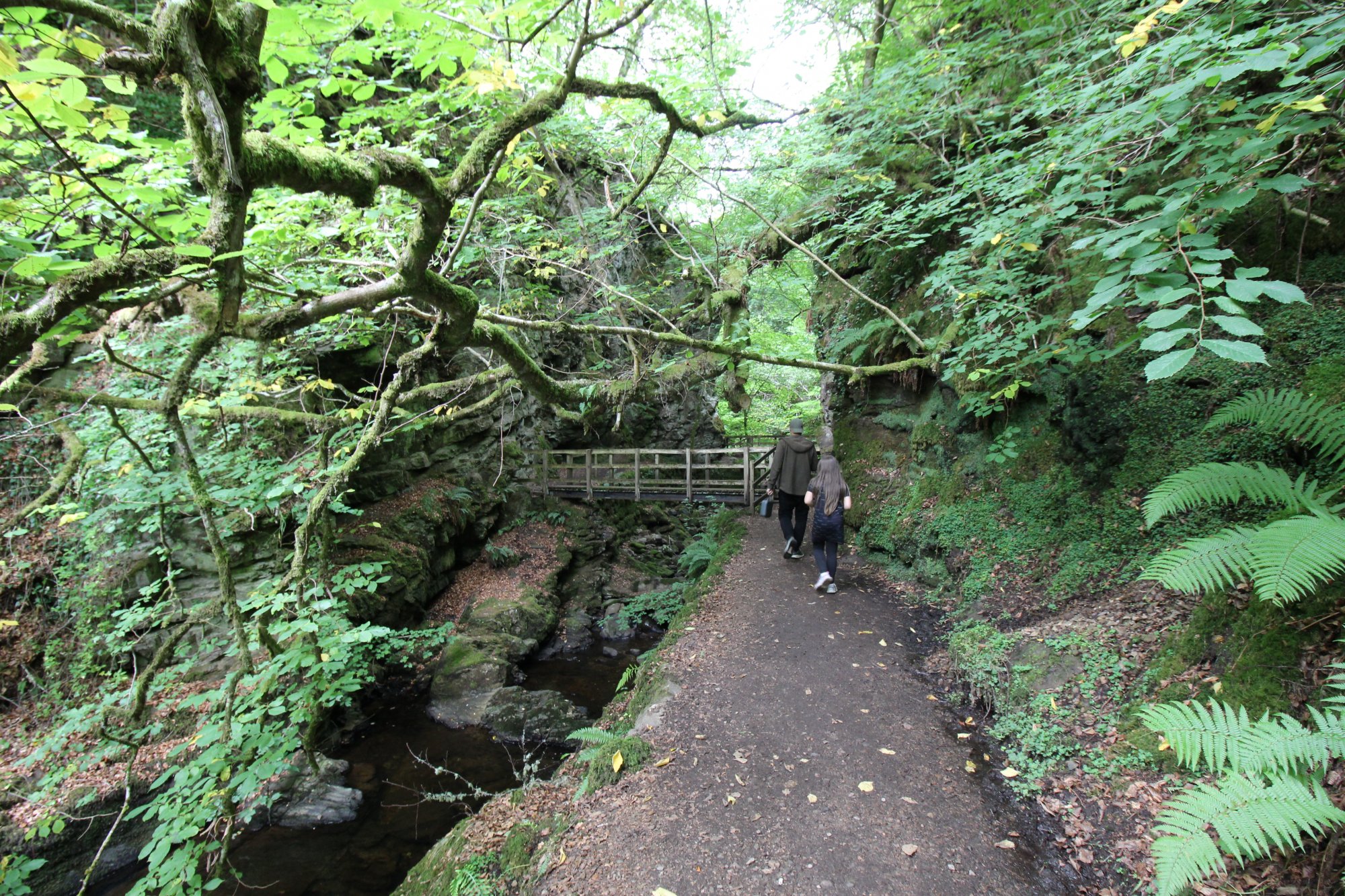
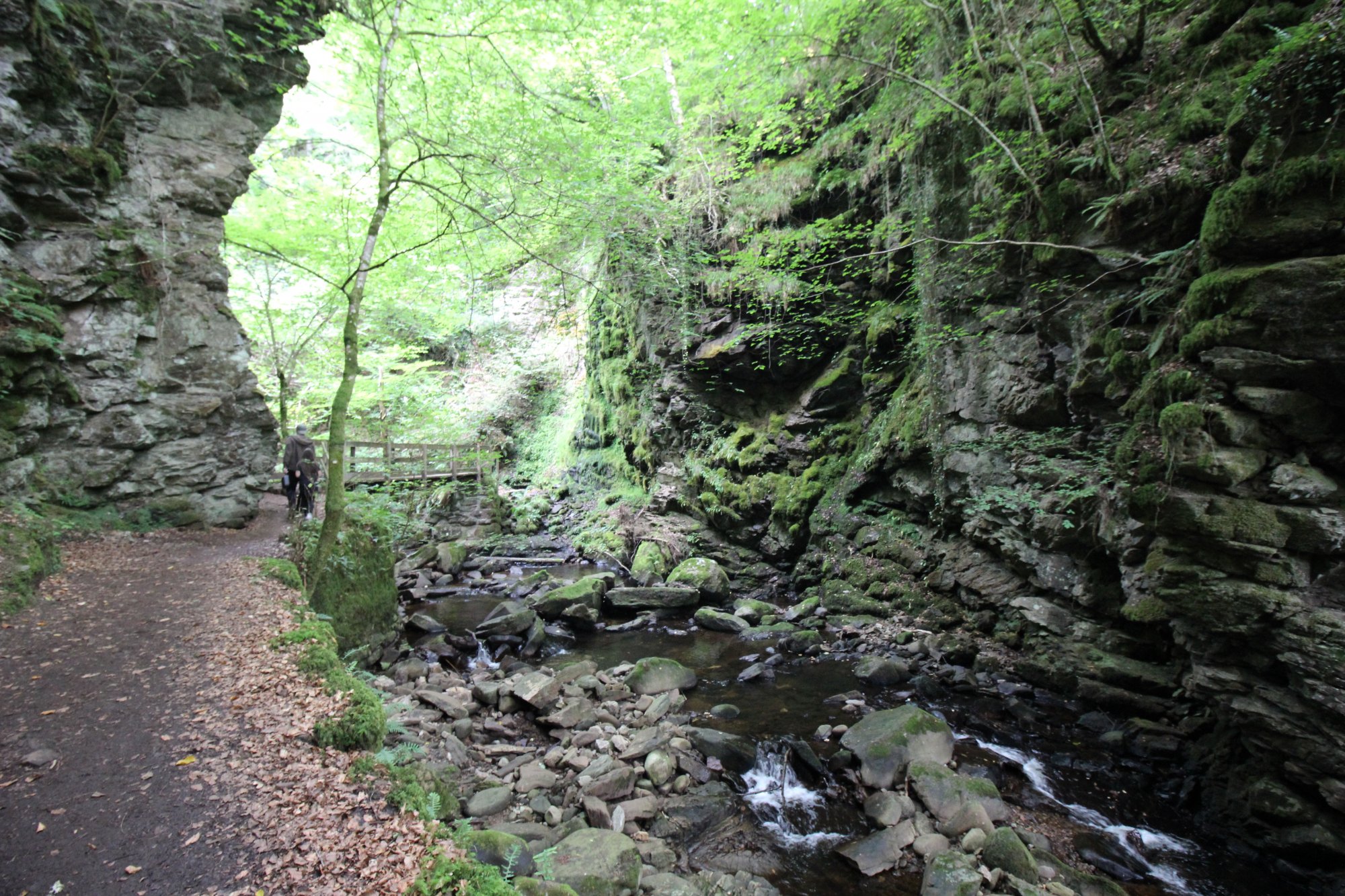
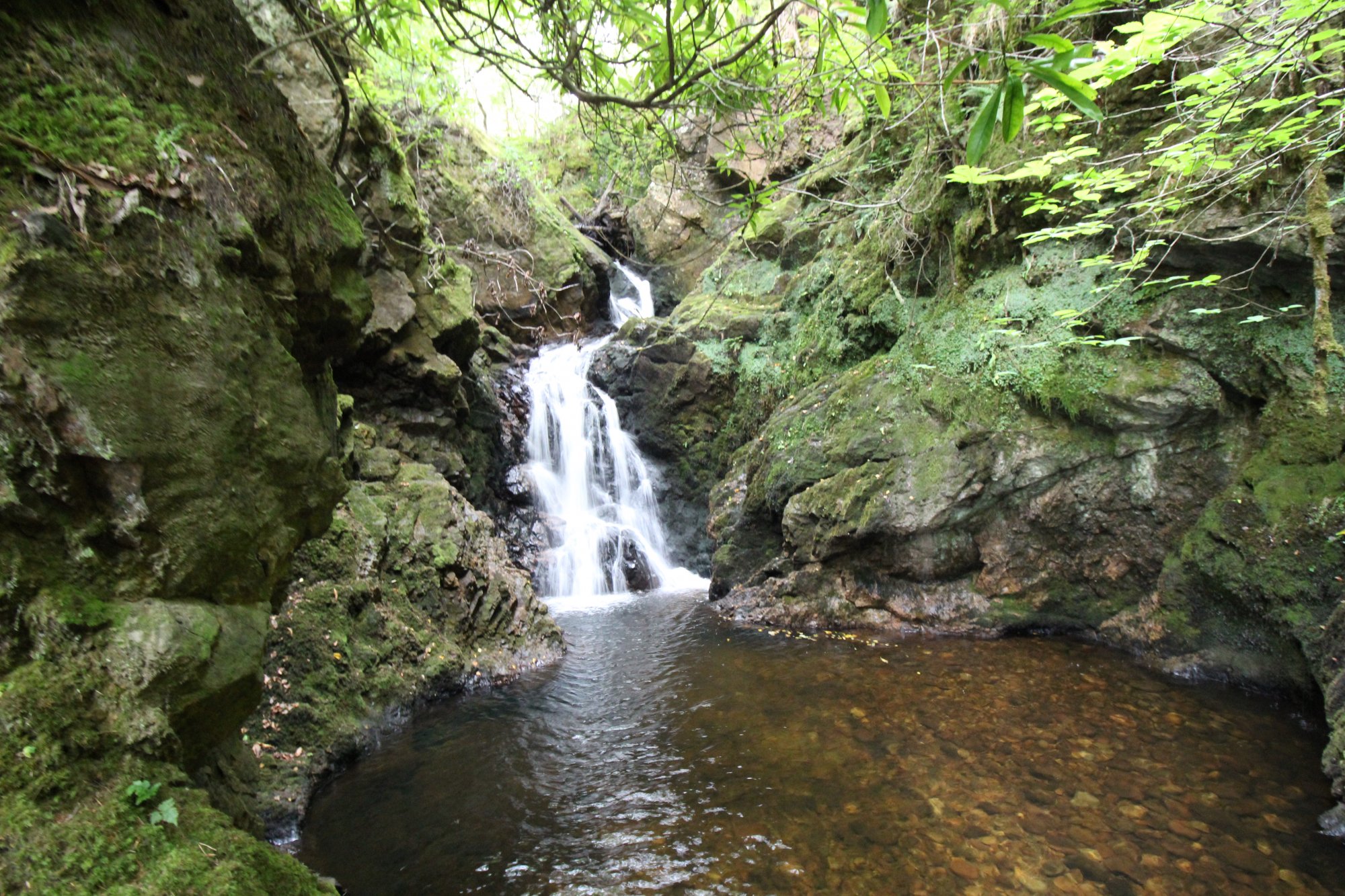
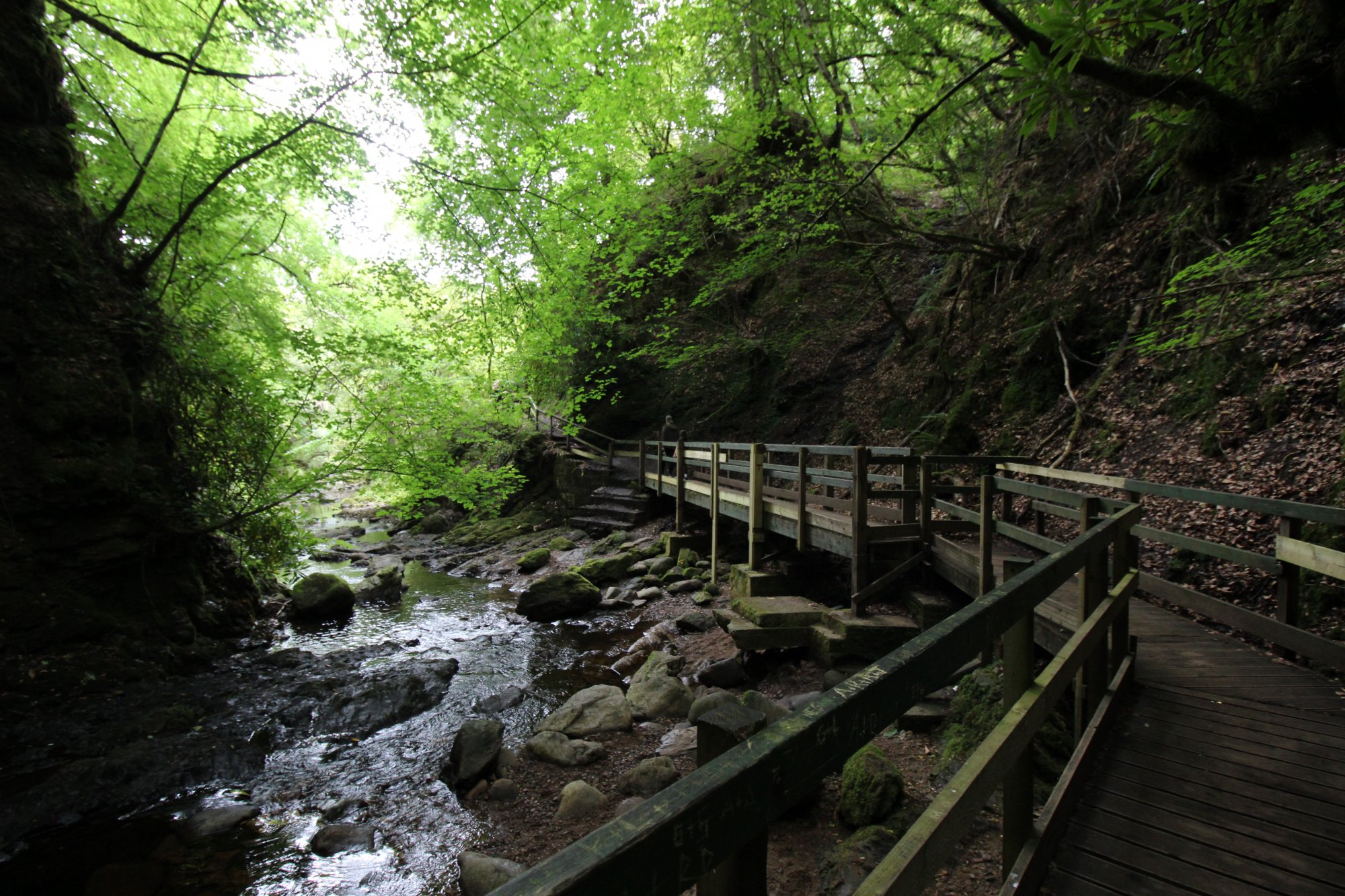
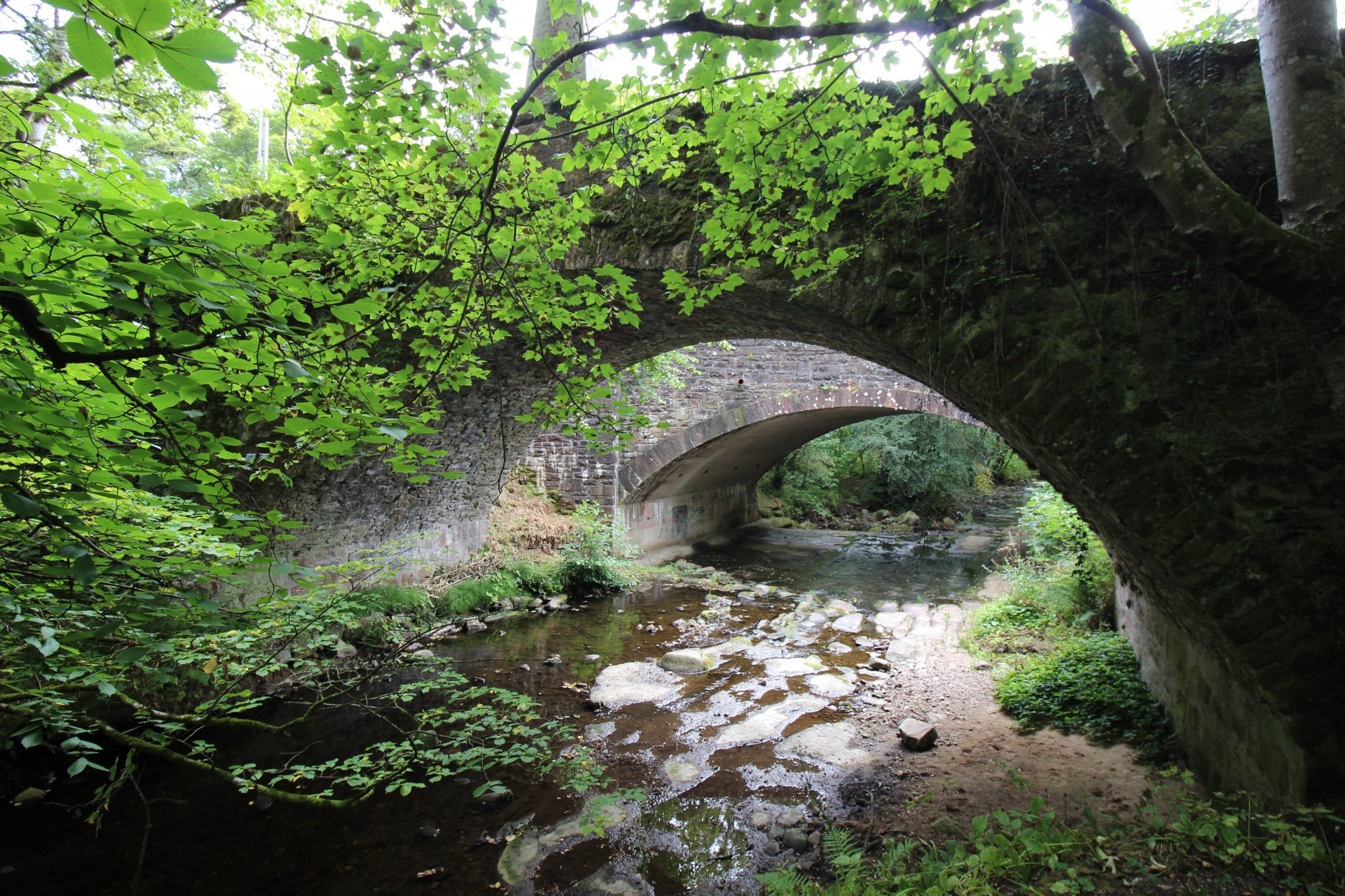
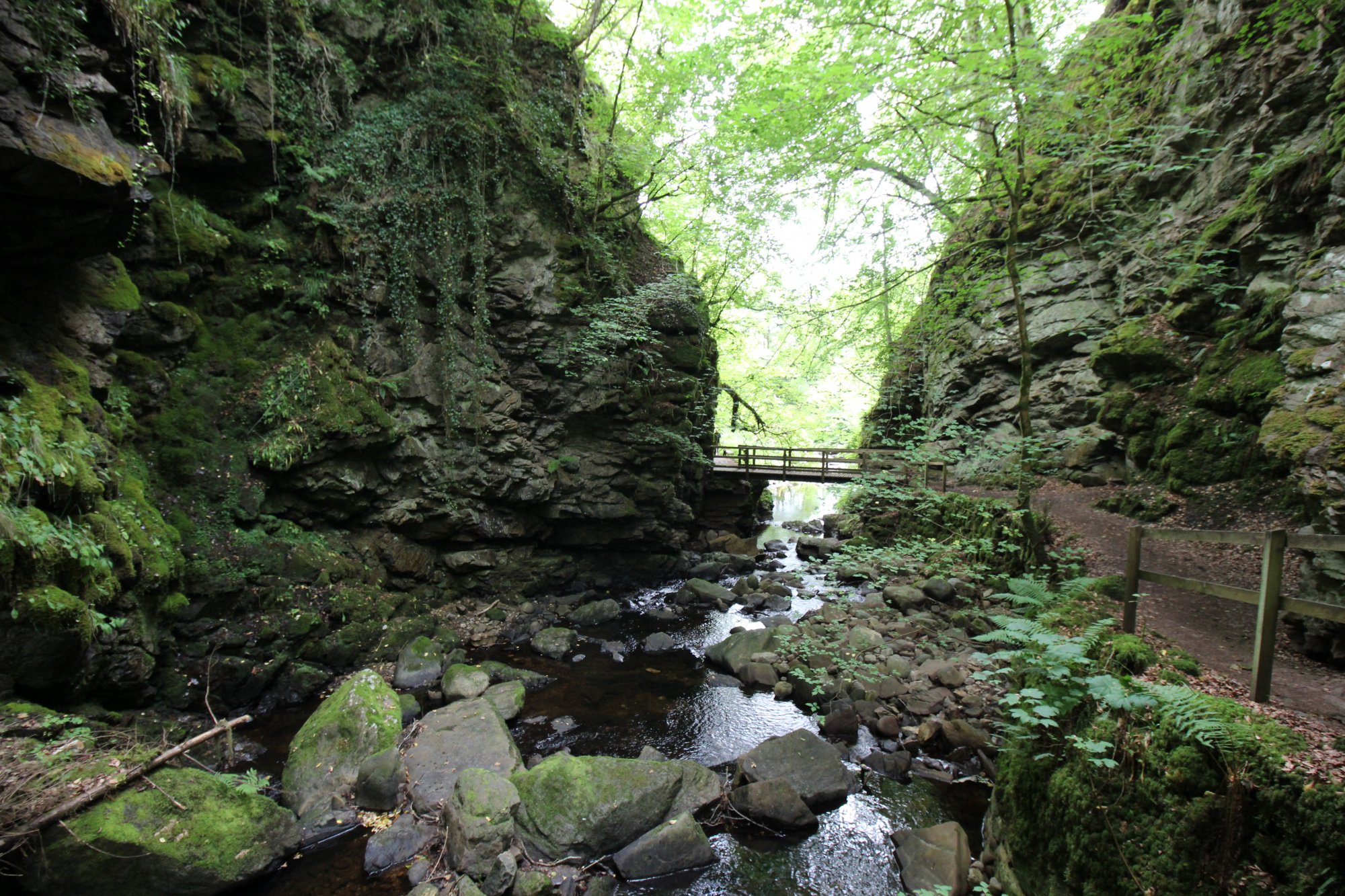
The defining characteristic of the Big Burn is its intricate network of wooden bridges. As the path winds its way upstream, it criss-crosses the water multiple times, offering ever-changing perspectives of the cascading burn. These bridges are not merely functional; they are strategically placed to highlight the most picturesque bends and rock formations of the gorge. As you move deeper into the trail, the valley walls tighten, and the atmosphere becomes noticeably cooler and more humid. Here, the limestone rock faces are draped in a thick carpet of mosses and liverworts, creating a "lost world" feel. The sound of the water echoing off the steep cliffs provides a constant, rhythmic soundtrack to the journey, culminating in a charming, multi-tiered waterfall that serves as the trail's natural climax.
A Glimpse into History: The Skating Pond
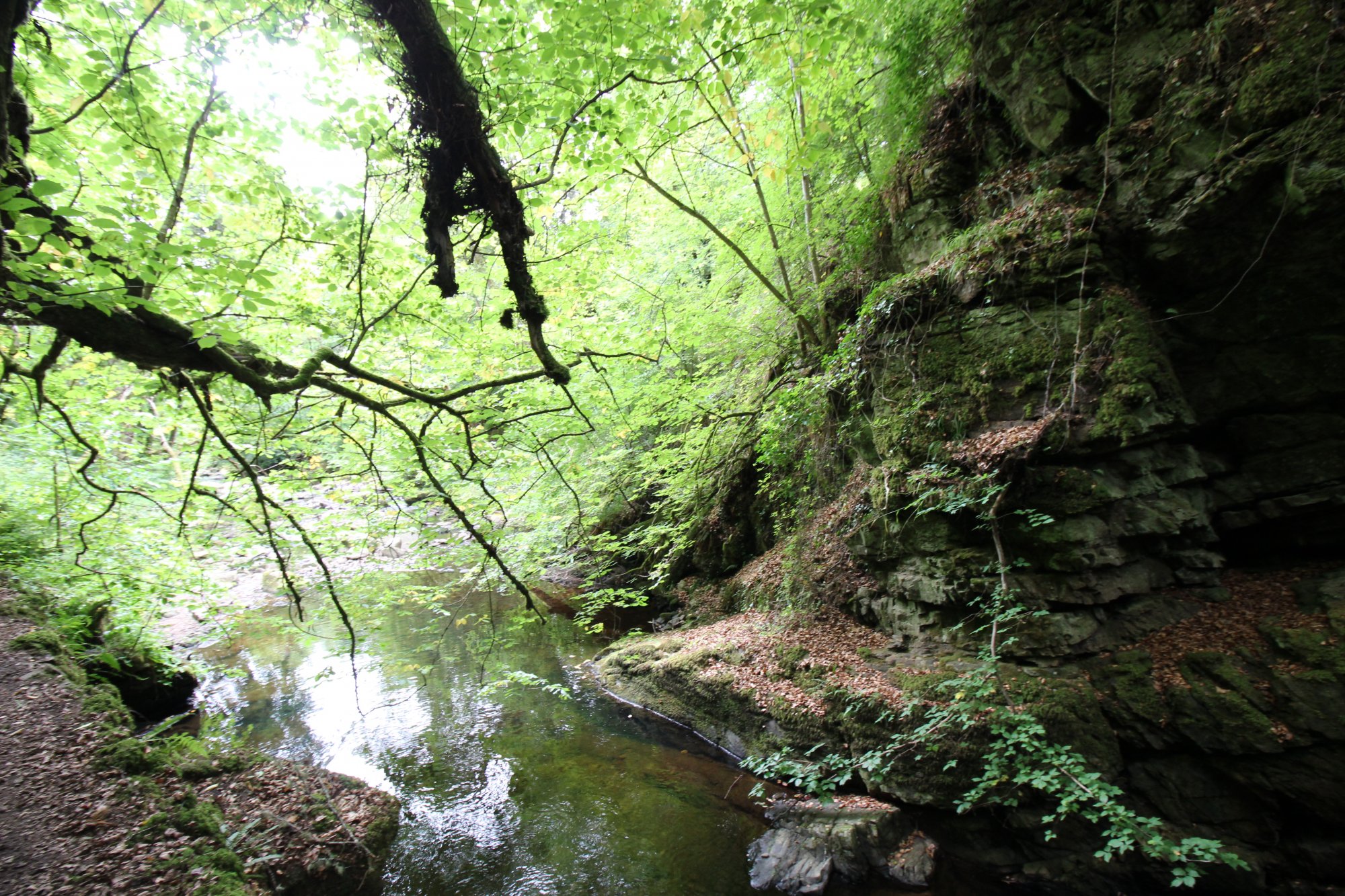
Midway through the walk, visitors encounter a small, serene body of water that carries a touch of local nostalgia. Historically, this "little lake" served as a skating pond for the residents of Golspie. In an era before modern indoor rinks, the freezing winters of the north would turn this sheltered pool into a community hub for ice skating. While the pond is now a quiet haven for dragonflies and water lilies in the summer of 2026, it stands as a reminder of the estate’s social history. The surrounding area was once part of the sprawling Sutherland Estate, and the meticulous maintenance of the paths today is a legacy of the 19th-century desire to create "sublime" walks for guests of the nearby castle.
A Critical Perspective: Big Burn vs. Scotland’s Iconic Glens
For those who have traveled extensively through Scotland, it is important to manage expectations regarding the "Big" in Big Burn. When compared to the dramatic verticality of Puck’s Glen in Argyll, the literary grandeur of the Birks of Aberfeldy, or the expansive vistas of the Ochil Hills glens, Big Burn is a more intimate and modest affair. It does not possess the overwhelming scale of the Cairngorms or the raw power of the waterfalls in Wester Ross. If you are visiting this site at the conclusion of a 500-mile journey around the north coast, it may seem understated. However, its strength lies in its tranquility and its role as a "palate cleanser" between more rugged landscapes. It is a place for slow observation—watching for the flash of a dipper bird or the intricate patterns of ferns—rather than adrenaline-fueled exploration.
The Gateway to the North: Strategic Planning
For travelers starting their NC500 journey in 2026, Big Burn is strategically perfect. After the long drive north from Inverness, the 1.5 to 2-hour circuit provides the ideal opportunity to stretch the legs before tackling the more demanding sections of the Sutherland and Caithness coastlines. It serves as a gentle introduction to the Highlands, easing visitors into the pace of northern life. Furthermore, the walk’s proximity to Ben Bhraggie—crowned by the controversial Duke of Sutherland monument—allows for a varied day of hiking, where one can combine the sheltered woodland of the Burn with a steep climb to a high-altitude viewpoint overlooking the Moray Firth.
Practical Advice for the 2026 Season
- Getting There: The trail starts from a dedicated car park just off the A9, near the northern end of Golspie village. In 2026, the car park remains free to use, though it can get busy during the peak summer months of July and August.
- Footwear: While the paths are well-maintained and largely flat, the wooden bridges and rocky sections near the gorge can become extremely slippery when wet. Sturdy walking shoes or boots with good grip are highly recommended.
- Wildlife: Keep a sharp eye out for red squirrels in the canopy and roe deer in the quieter, upper sections of the forest. The burn itself is home to trout and, occasionally, otters.
- Accessibility: The initial section of the walk is relatively level and suitable for most walkers, but the full circuit involves some steps and narrow sections that are not wheelchair accessible.
Conclusion: An Essential Stop for the Mindful Traveler
Big Burn may not be the "biggest" or the most "impressive" gorge walk in Scotland, but it possesses a quiet, restorative charm that is uniquely its own. It represents the softer side of the Highlands—a world of dappled sunlight, historic ponds, and gentle waterfalls. In 2026, as the NC500 continues to draw crowds to the more famous landmarks, Big Burn remains a peaceful sanctuary where one can reconnect with nature at a slower pace. Whether you are beginning your northern adventure or looking for a quiet moment near Golspie, this woodland trail is a reminder that beauty in the Highlands often comes in smaller, more intimate packages.