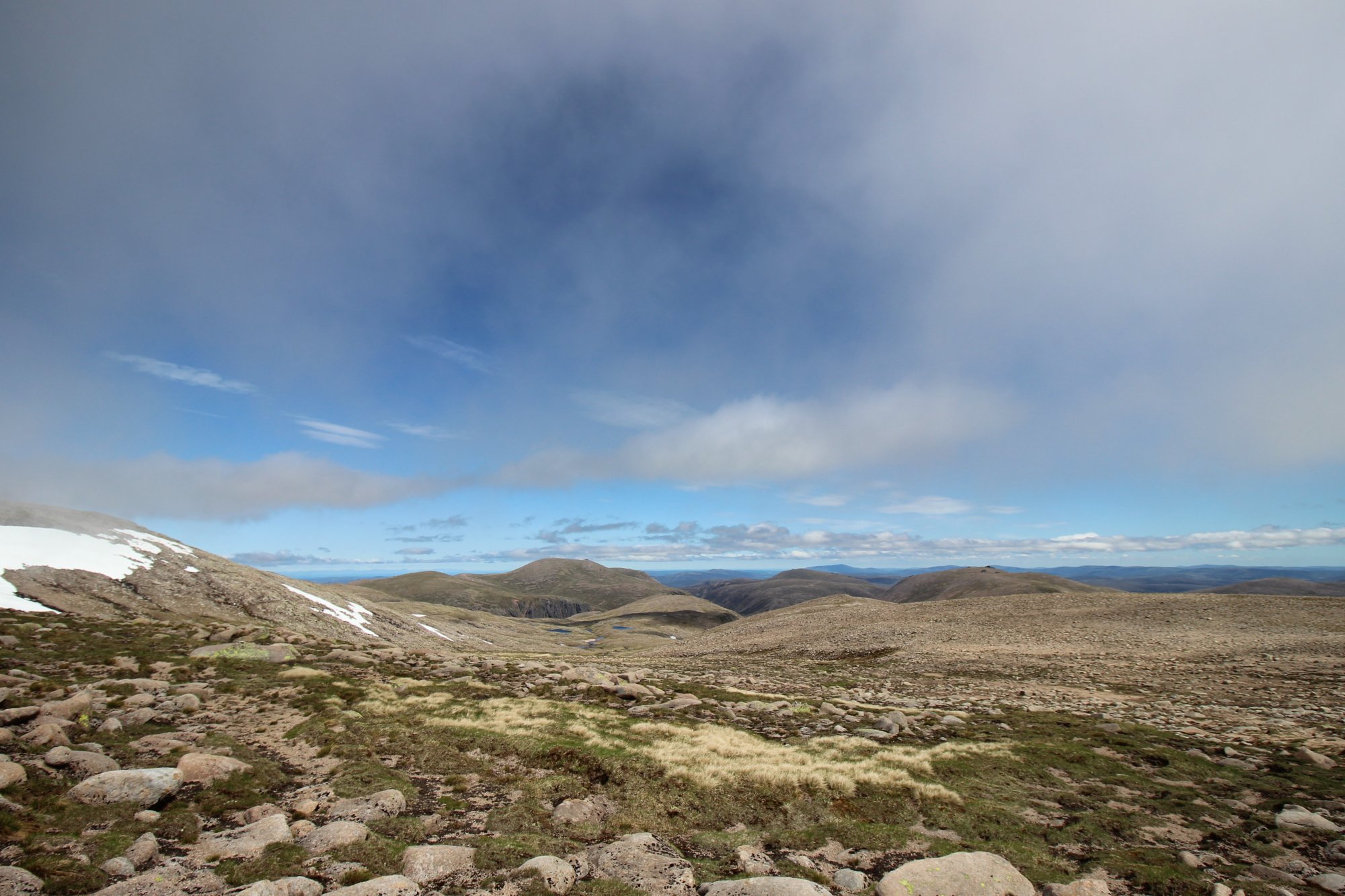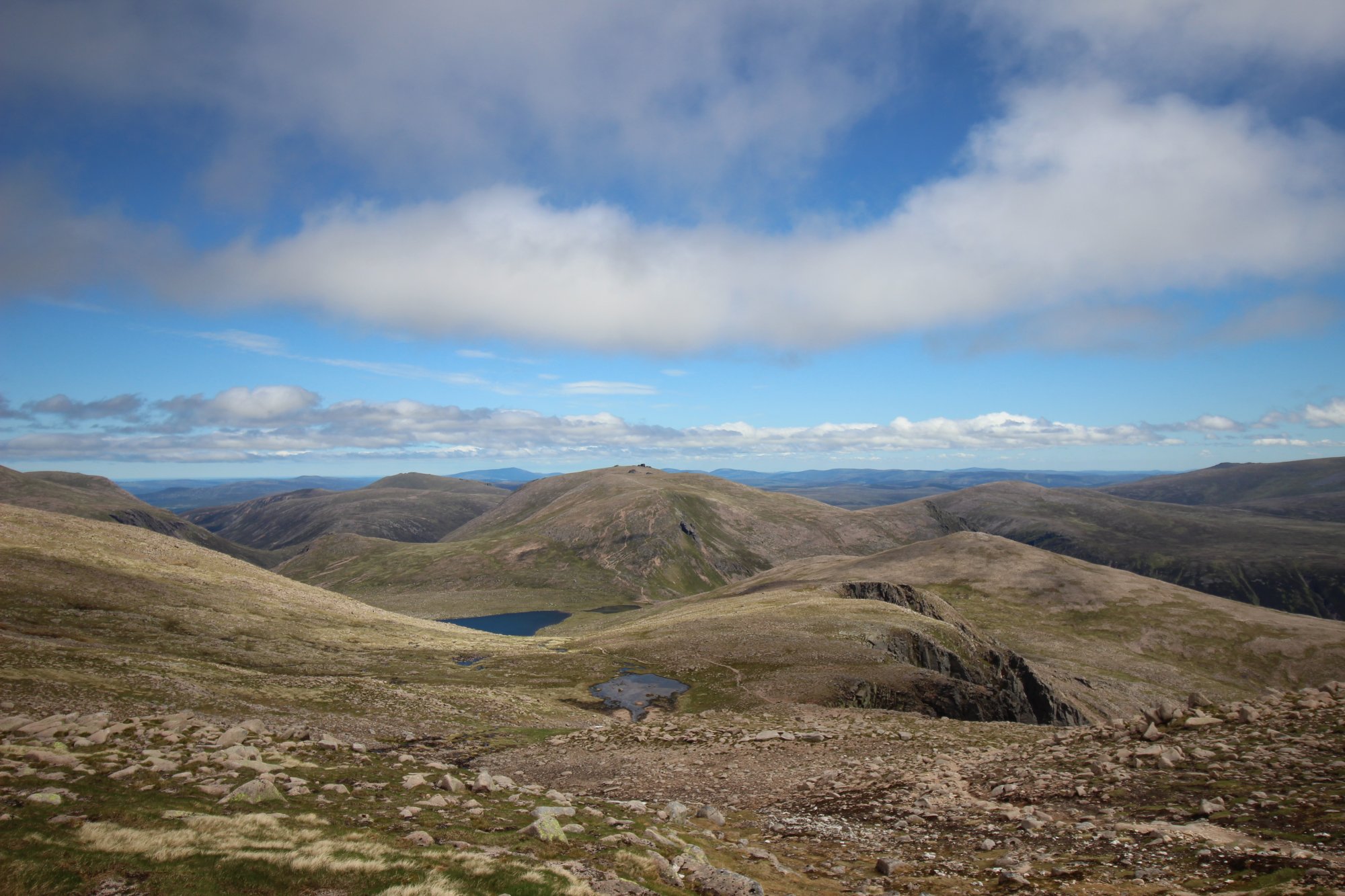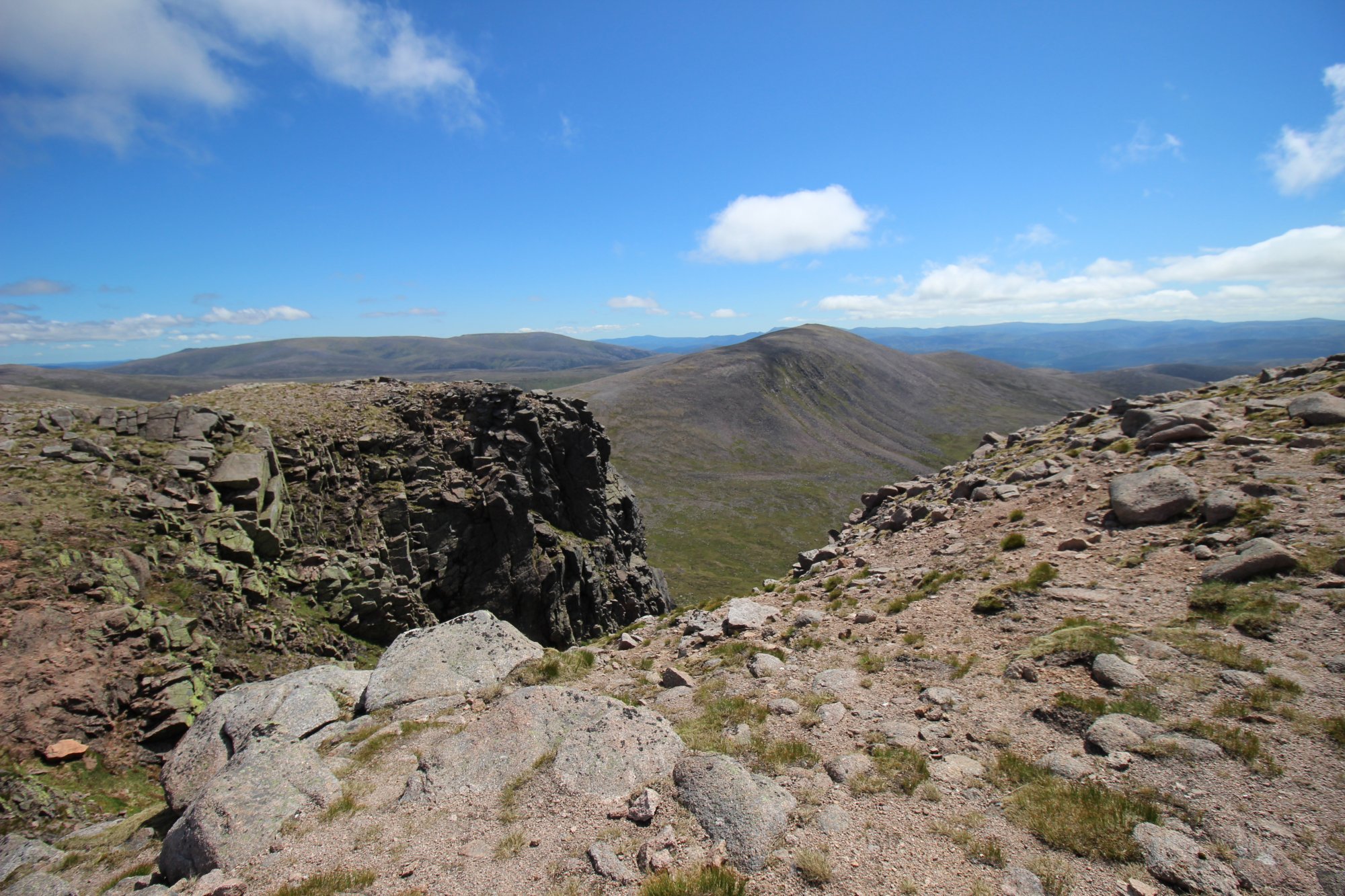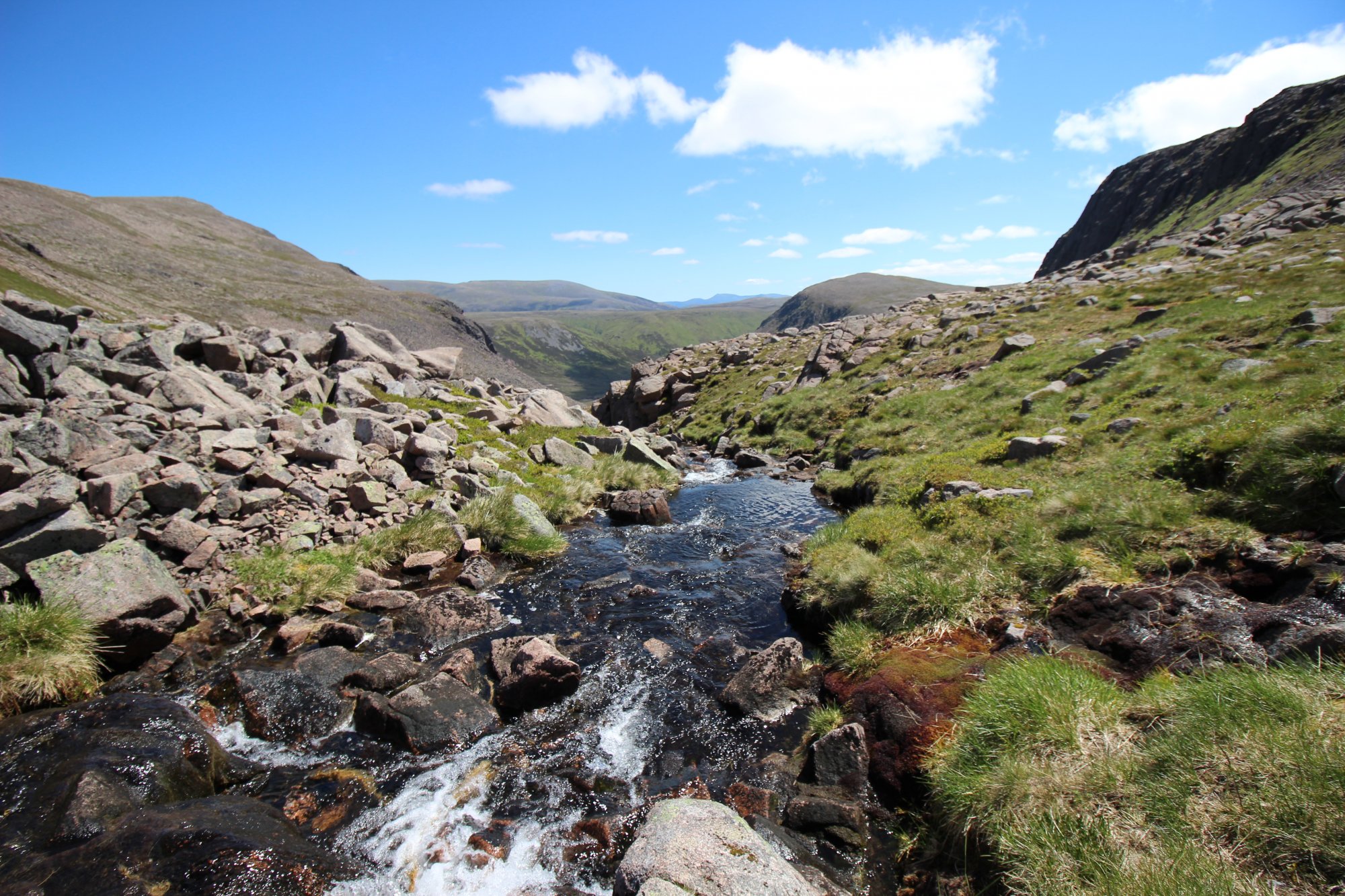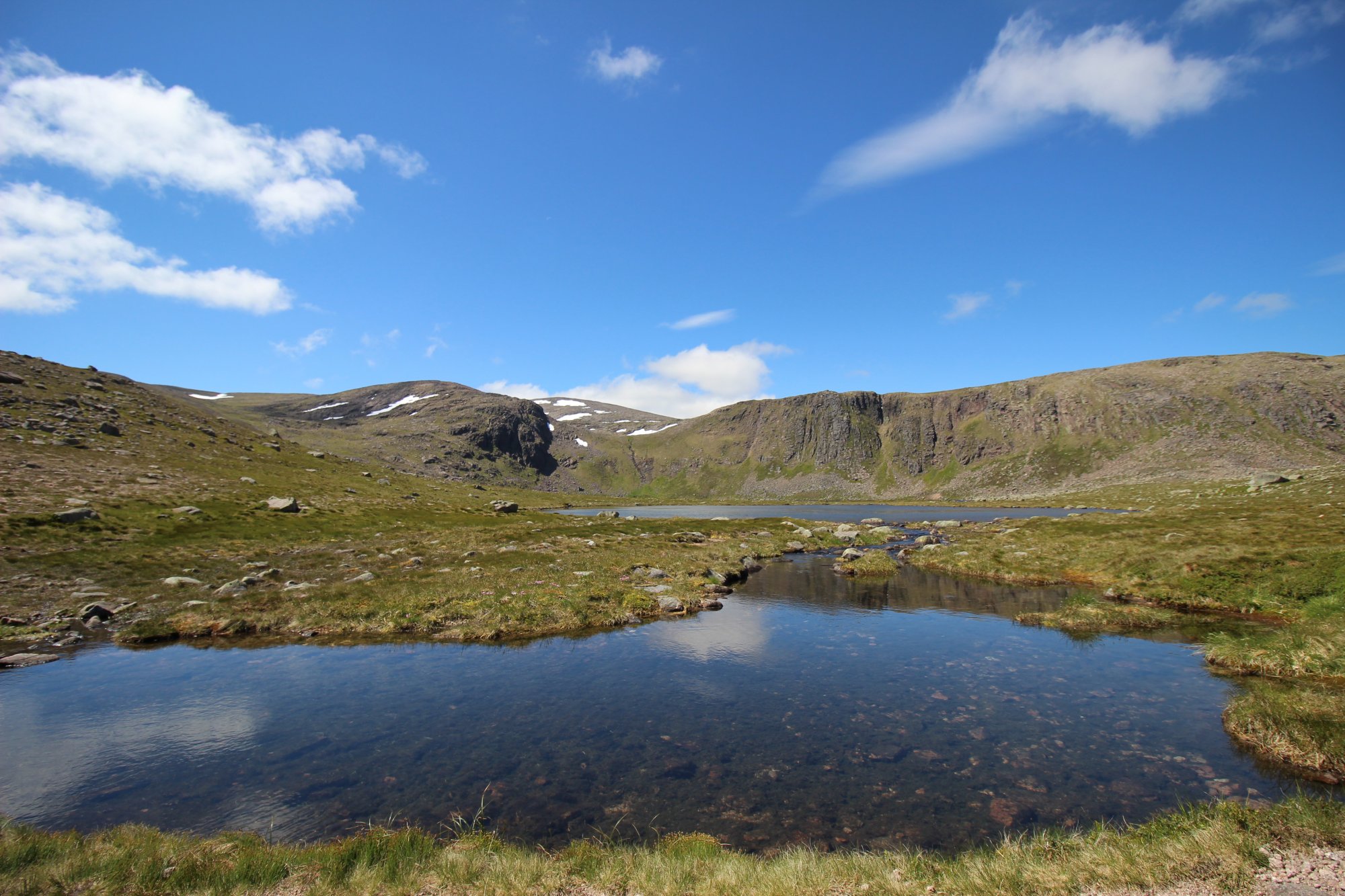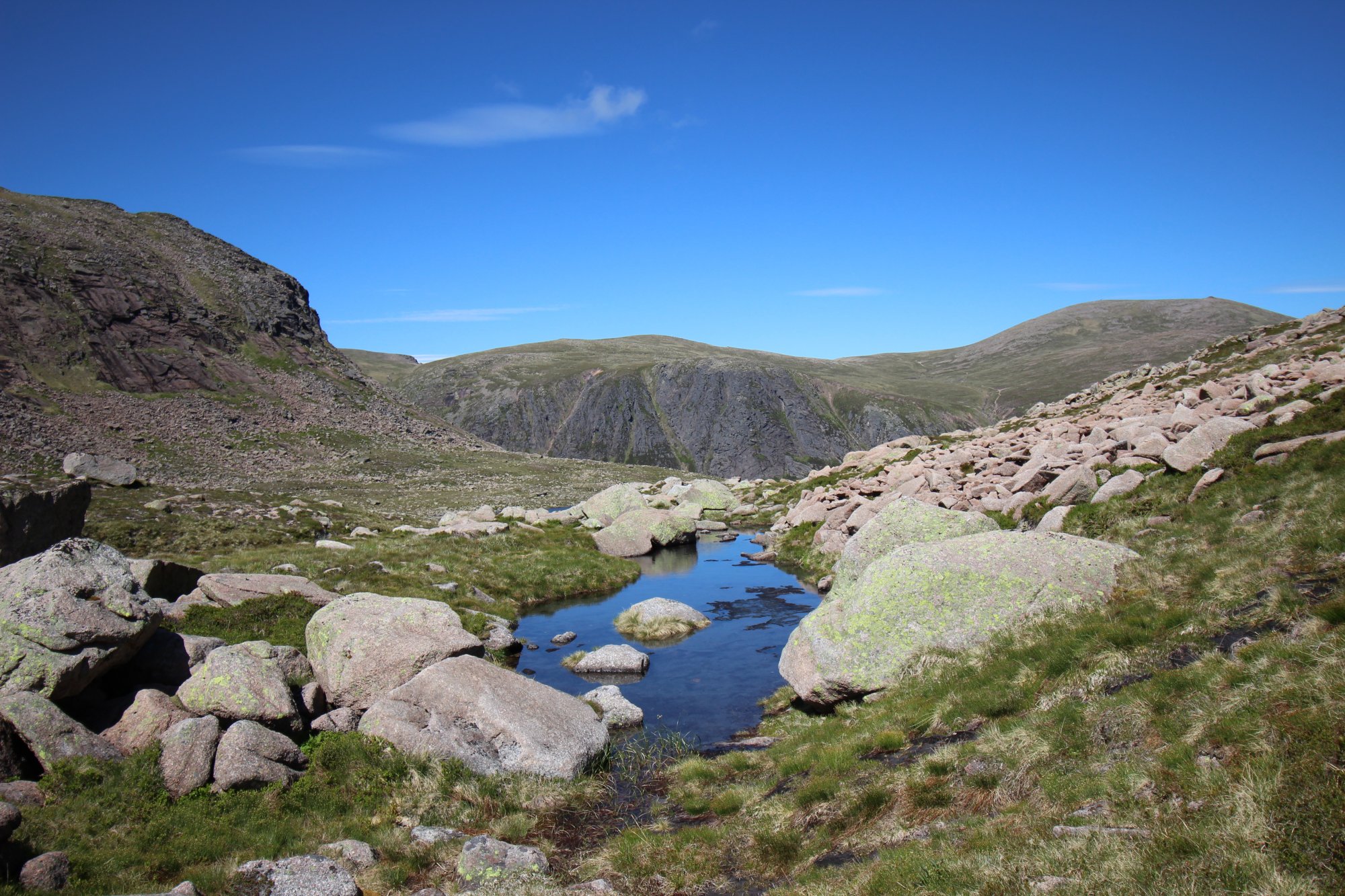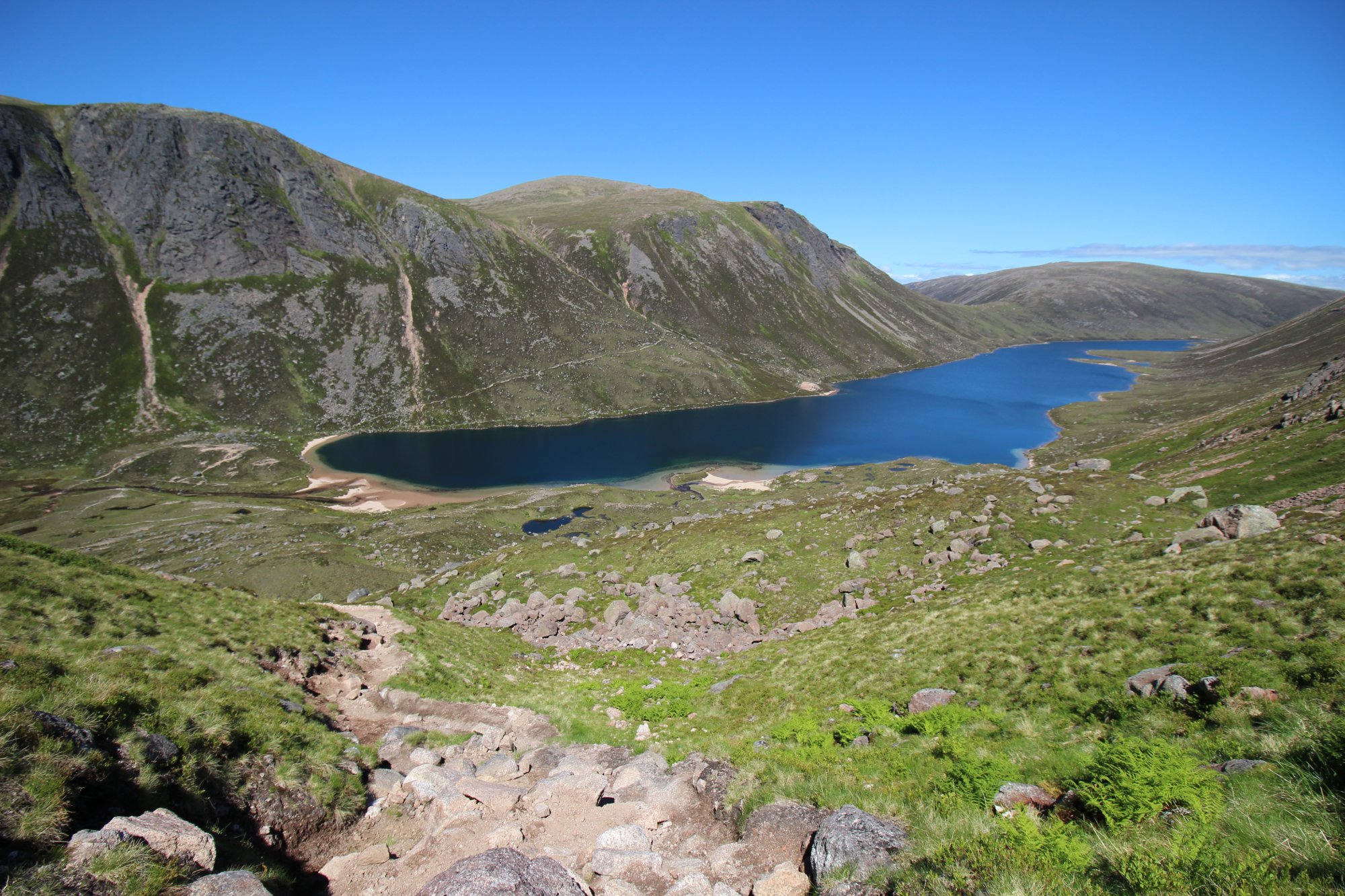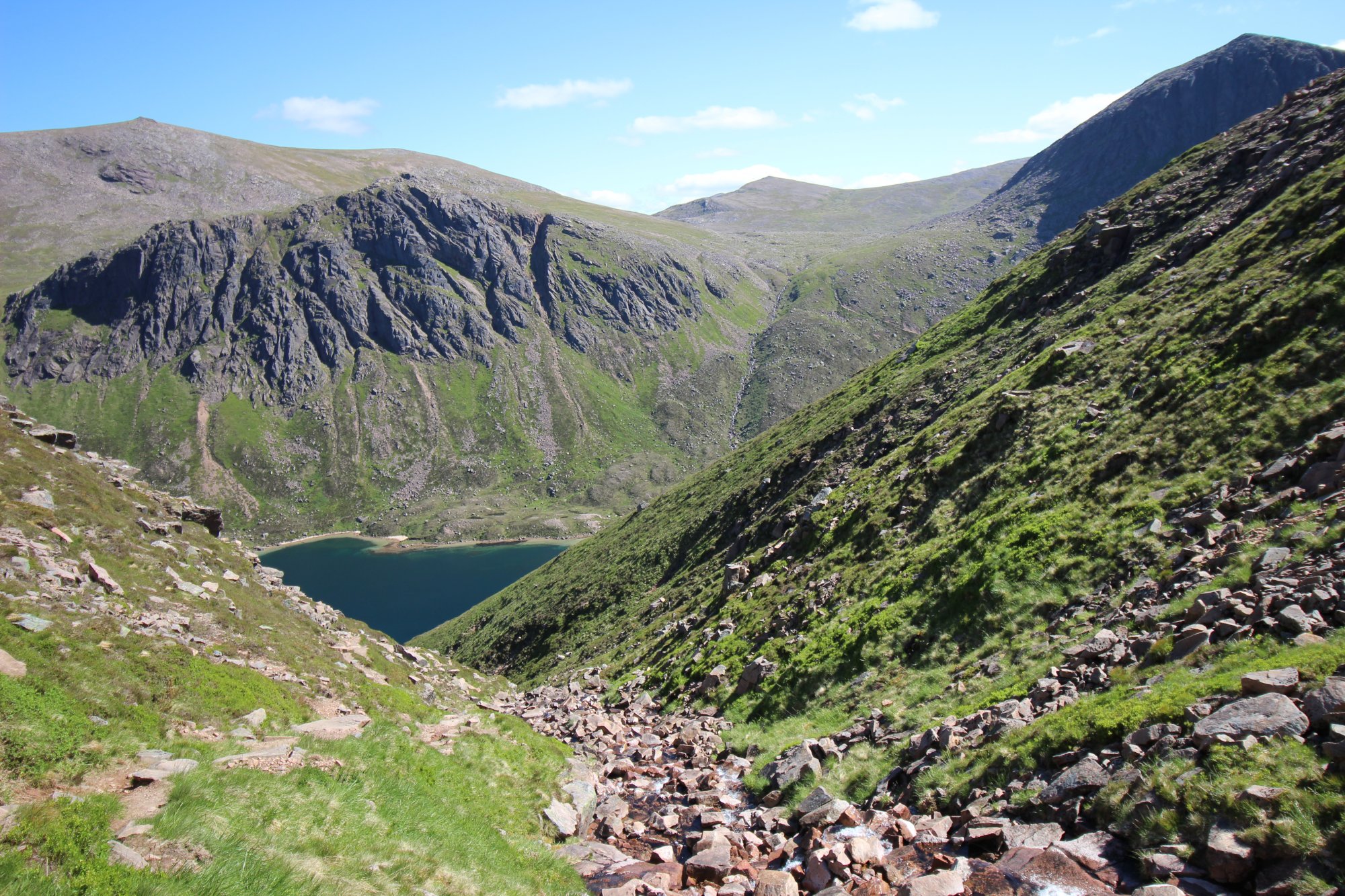


The central massif of the Cairngorms National Park is home to a landscape unlike any other in the British Isles. At its heart sit two of Scotland's most famous giants: Ben Macdui, the second-highest mountain in the UK, and Cairn Gorm, the peak that gives this entire range its name. Together, they form a vast, high-altitude plateau that feels more like the Norwegian tundra than the rolling hills of the south.
While Cairn Gorm is known for its accessibility and world-class skiing, Ben Macdui is a wild, remote, and often intimidating peak. To hike between the two is to experience the rawest elements of the Scottish wilderness.
Ben Macdui: The Haunted King of the Cairngorms
Standing at 1,309 meters (4,295 feet), Ben Macdui (Beinn Mac Duibh or MacDuff’s Mountain) was actually thought to be the highest mountain in Britain until the mid-19th century, when accurate surveys finally gave the title to Ben Nevis. For many hikers, however, Macdui remains the superior peak due to its isolation and the sheer scale of the surrounding granite wilderness.
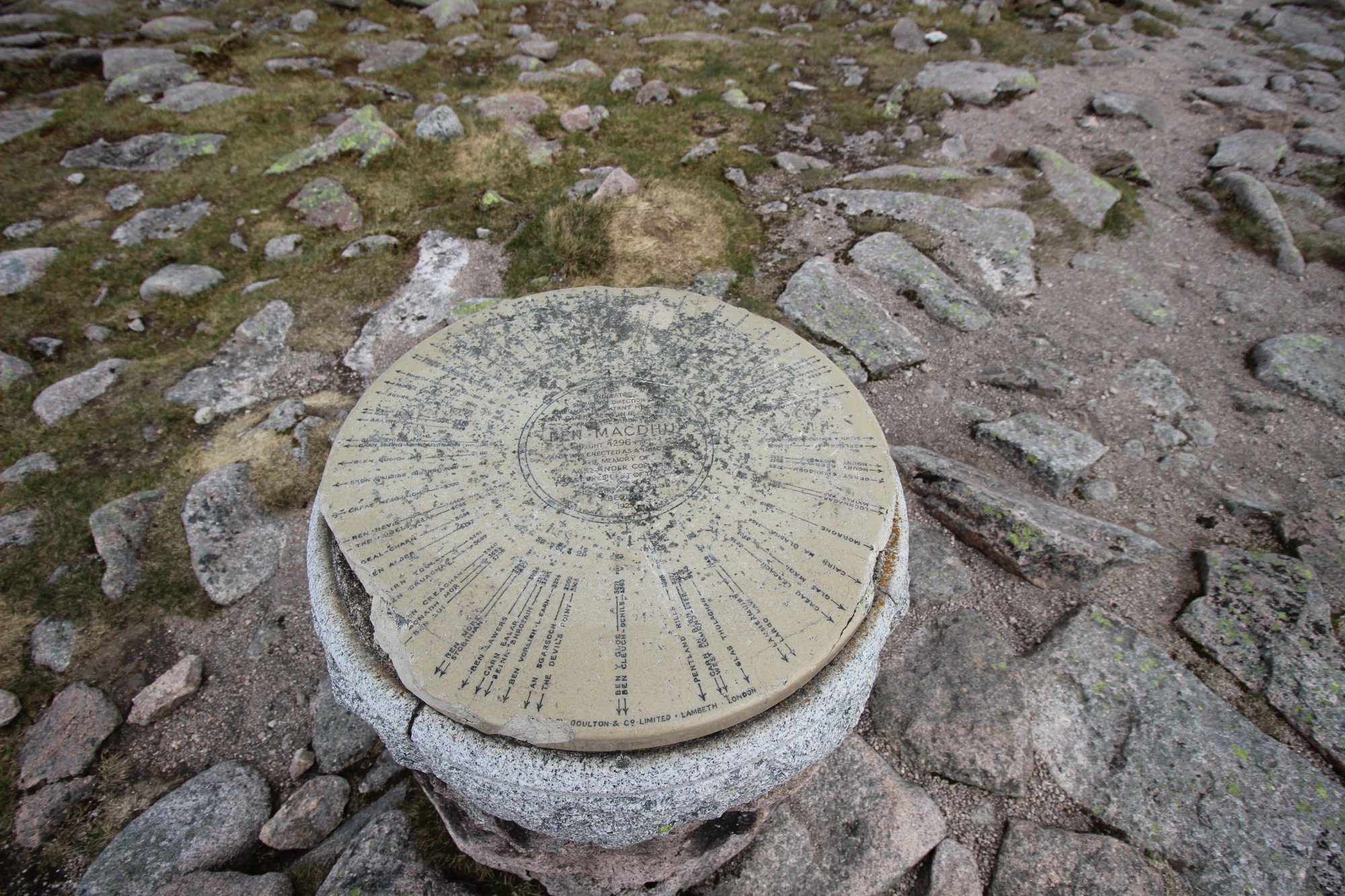
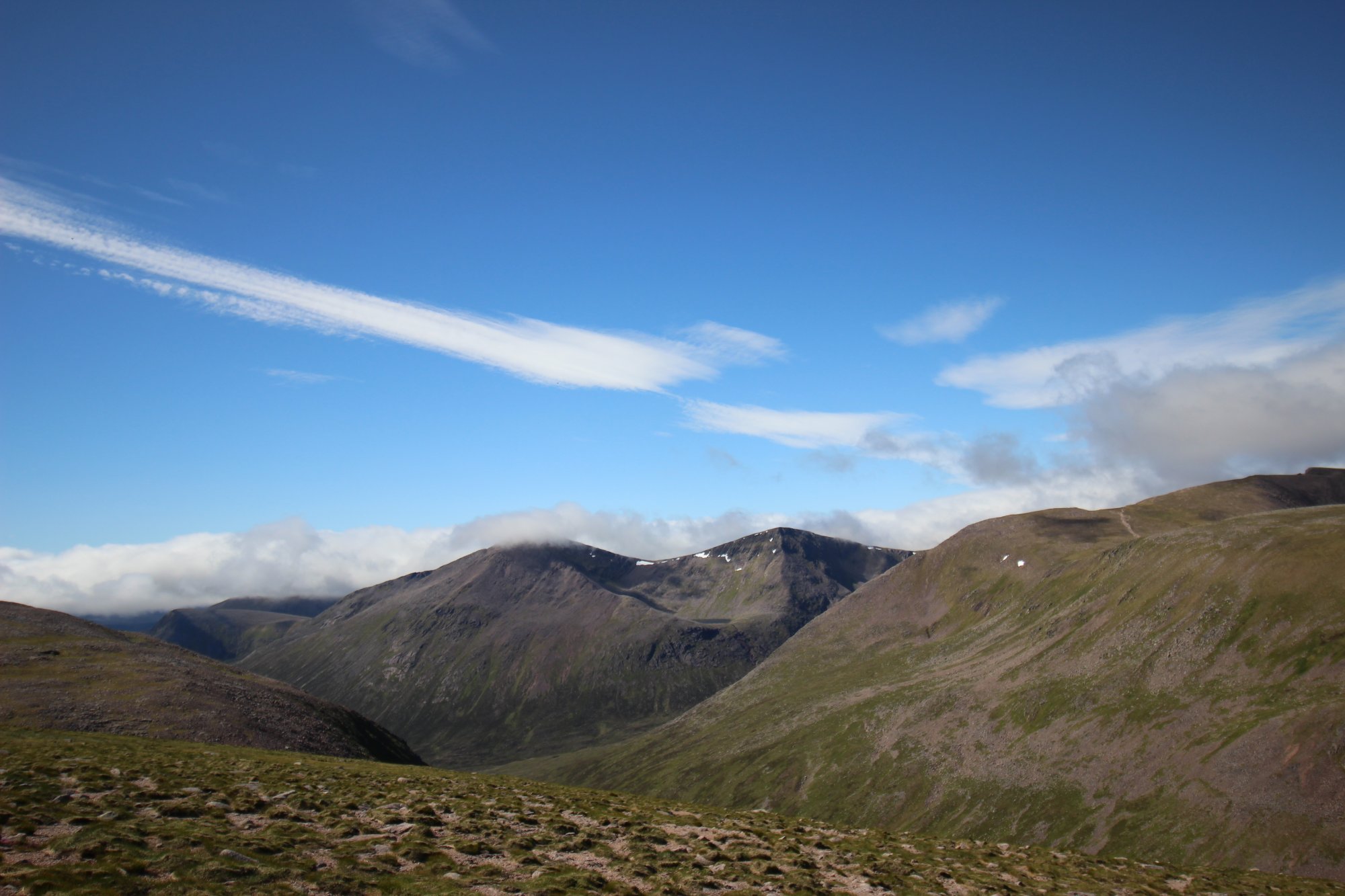
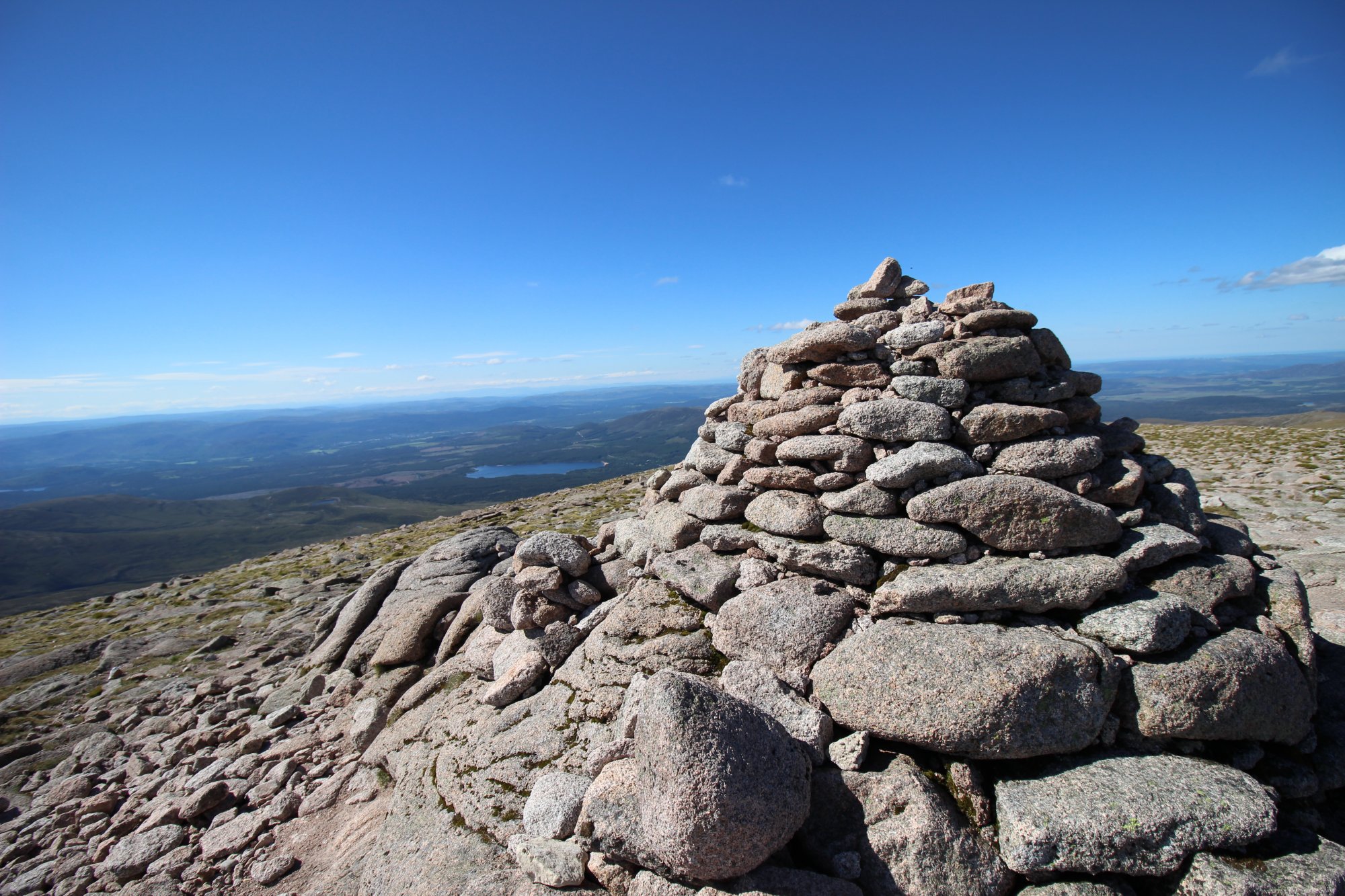
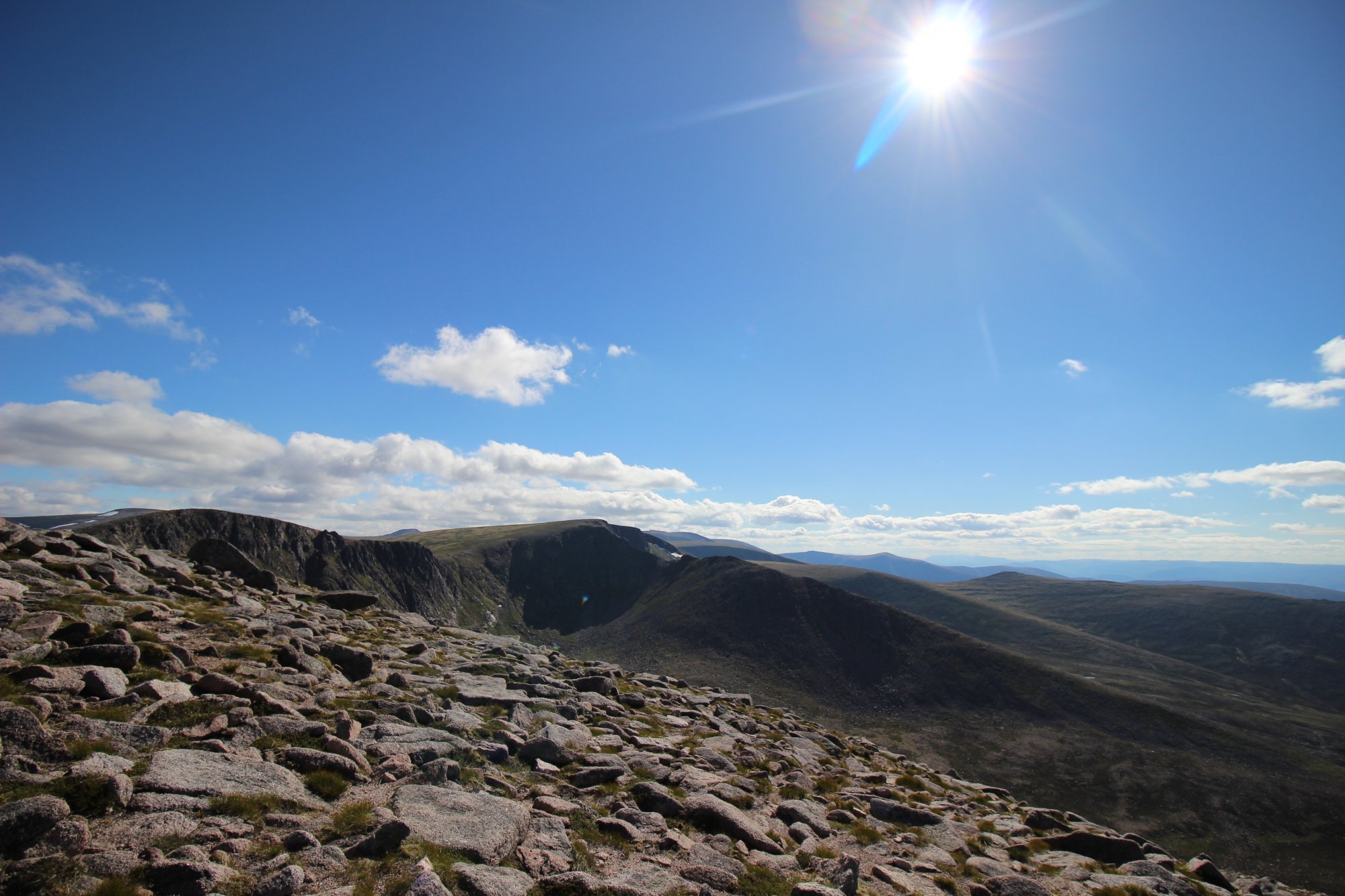
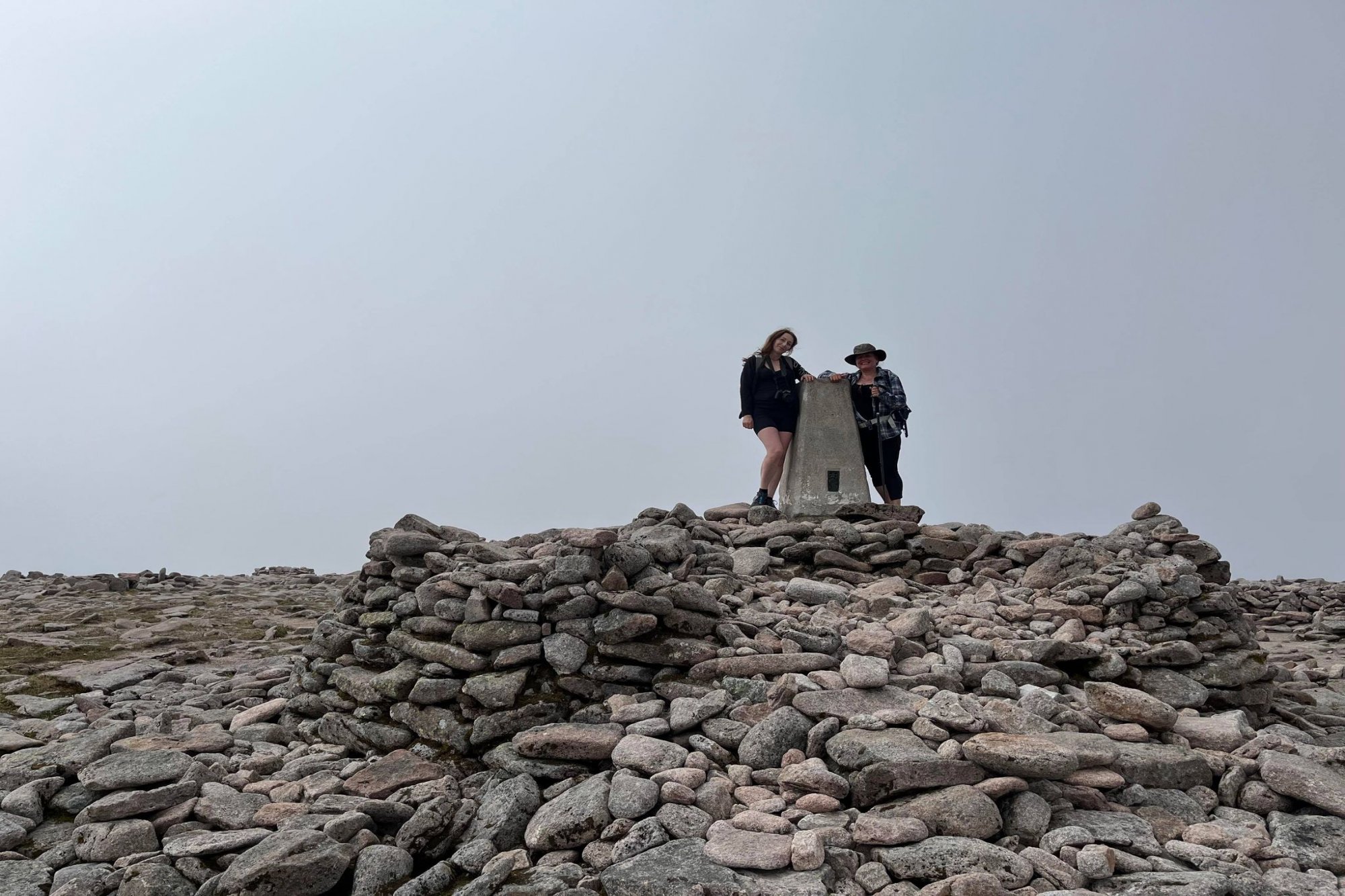
The summit of Ben Macdui is a sprawling, boulder-strewn plateau. From the trig point, the views are staggering. To the west, you look across the deep, dark chasm of the Lairig Ghru pass toward the massive peaks of Braeriach and Cairn Toul. To the east, you can see the shimmering blue of Loch Etchachan, the highest water body of its size in the UK. On a clear day, the direction indicator at the summit allows you to identify peaks as far away as Lochnagar in Deeside.
The Mystery of the Big Grey Man (Am Fear Liath Mòr)
Ben Macdui is not only a beautiful mountain but a mysterious one. It is the legendary home of Am Fear Liath Mòr, or the Big Grey Man. This isn't just a campfire story; since the late 19th century, highly respected mountaineers have reported a terrifying presence on the summit.
Witnesses describe hearing heavy footsteps crunching in the gravel behind them through the mist, or feeling an overwhelming sense of dread that forces them to flee the plateau. Whether this is a supernatural entity, a "Brocken Spectre" (an atmospheric optical illusion), or simply the effect of high-altitude isolation, the legend adds a layer of eerie allure to the mountain. When the mist rolls in—as it frequently does—you’ll find yourself looking over your shoulder more than once.
Cairn Gorm: The Gateway to the High Ground
Cairn Gorm (1,244 meters / 4,081 feet) may be lower than its neighbor, but it is the most famous peak in the range. It is unique among the high Munros because of the Cairngorm Mountain Resort on its northern slopes. This makes it one of the most accessible 4,000ft peaks in Scotland, with a car park situated at 635 meters, effectively giving hikers a "head start."
While the ski infrastructure (fences and tow bars) dominates the northern side, once you reach the summit cairn and look south, the wild heart of the National Park opens up. Cairn Gorm offers a spectacular vantage point over Loch Avon and the "Saddle," providing a birds-eye view of the route you might take to reach Ben Macdui.
The Trek Between the Two: The "Northern Corries" Route
The most popular way to experience both mountains in a single day is to start from the ski center car park. We highly recommend a circular route that takes you around the rim of the Northern Corries (Coire an t-Sneachda and Coire an Lochain).
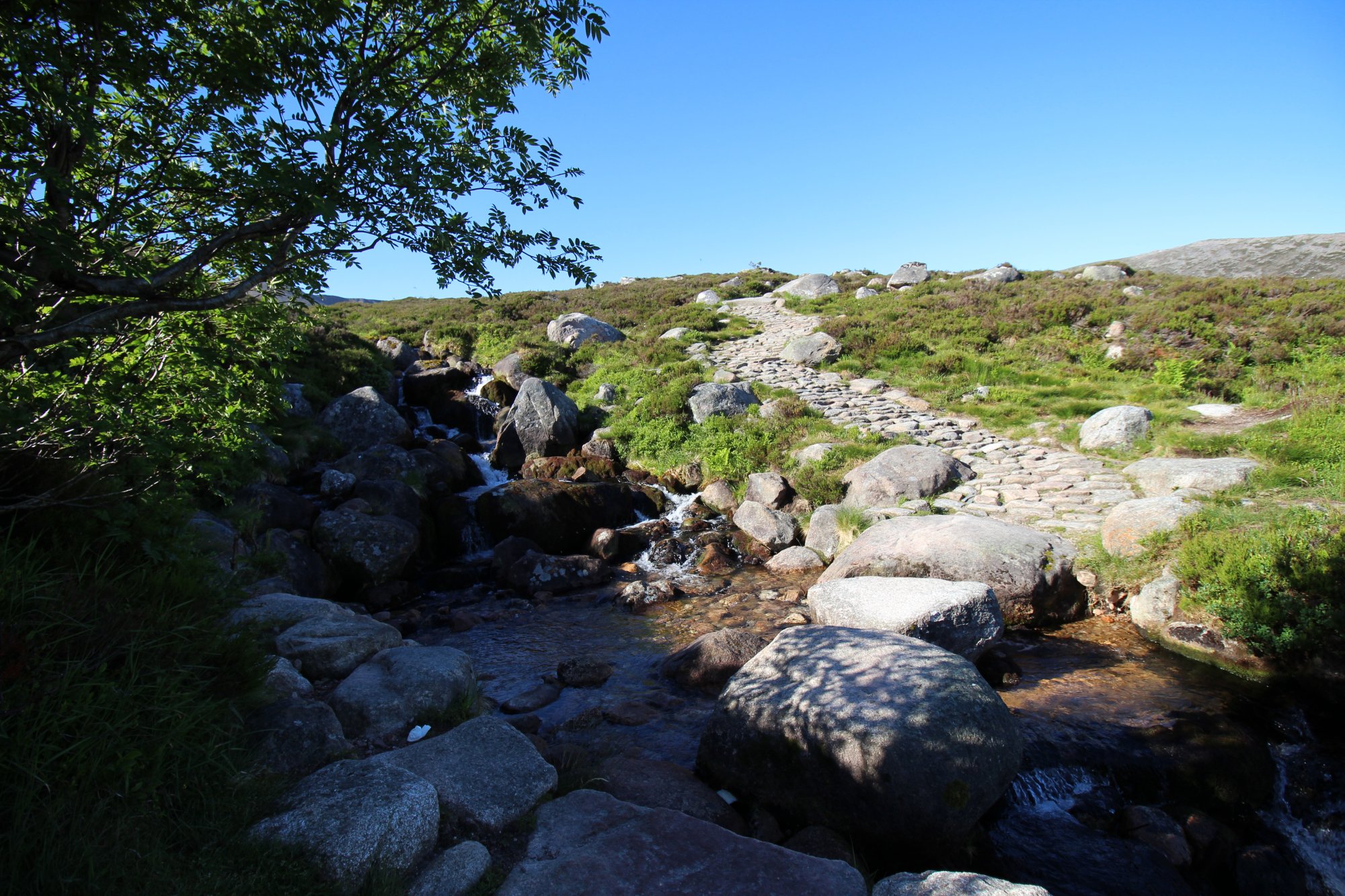
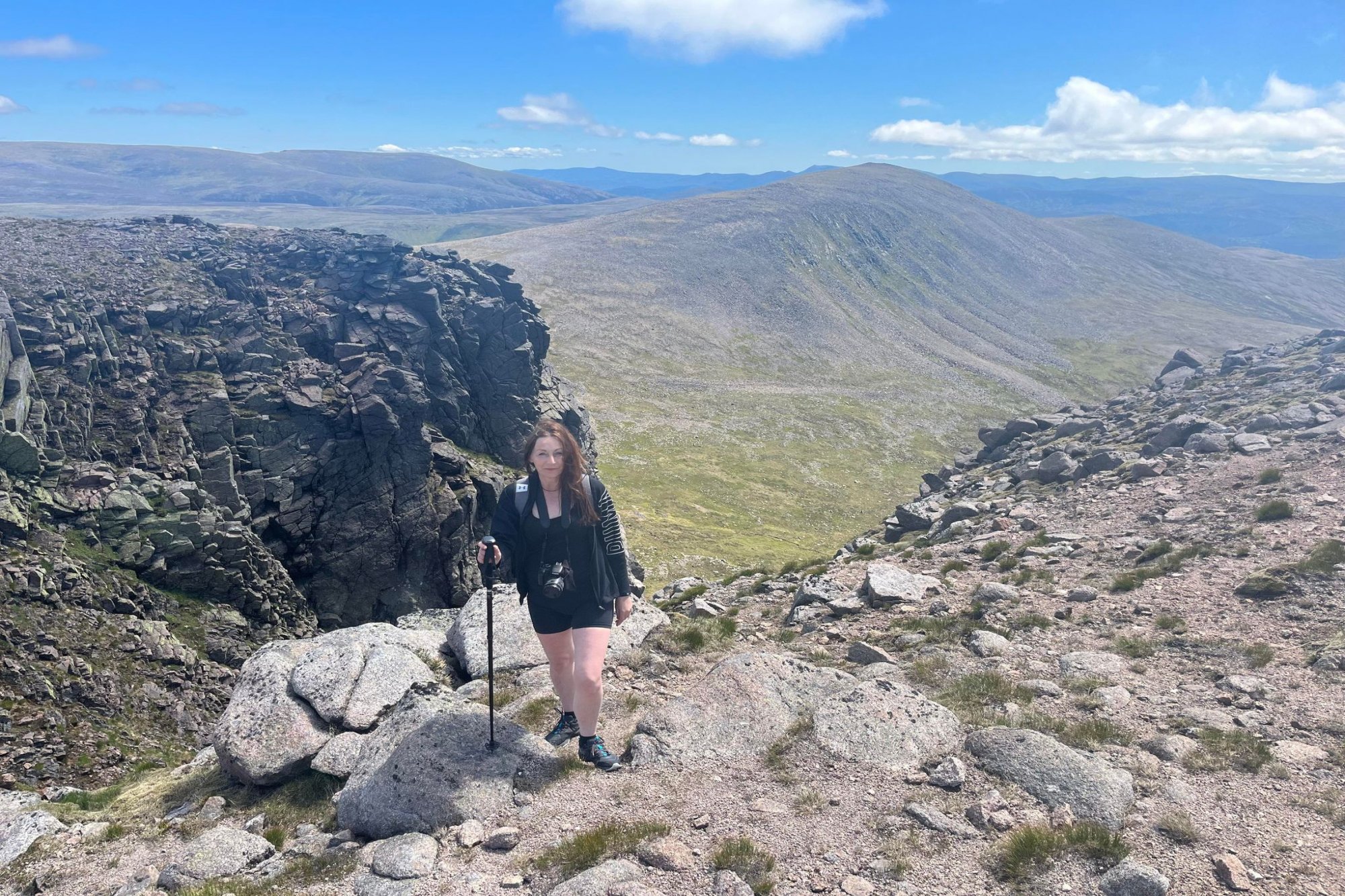
- The Ascent: Follow the path up toward the "Miadan Creag an Leth-choin" (The March Burn). This route keeps the dramatic cliffs of the corries on your left, offering incredible views of climbers tackling the granite buttresses.
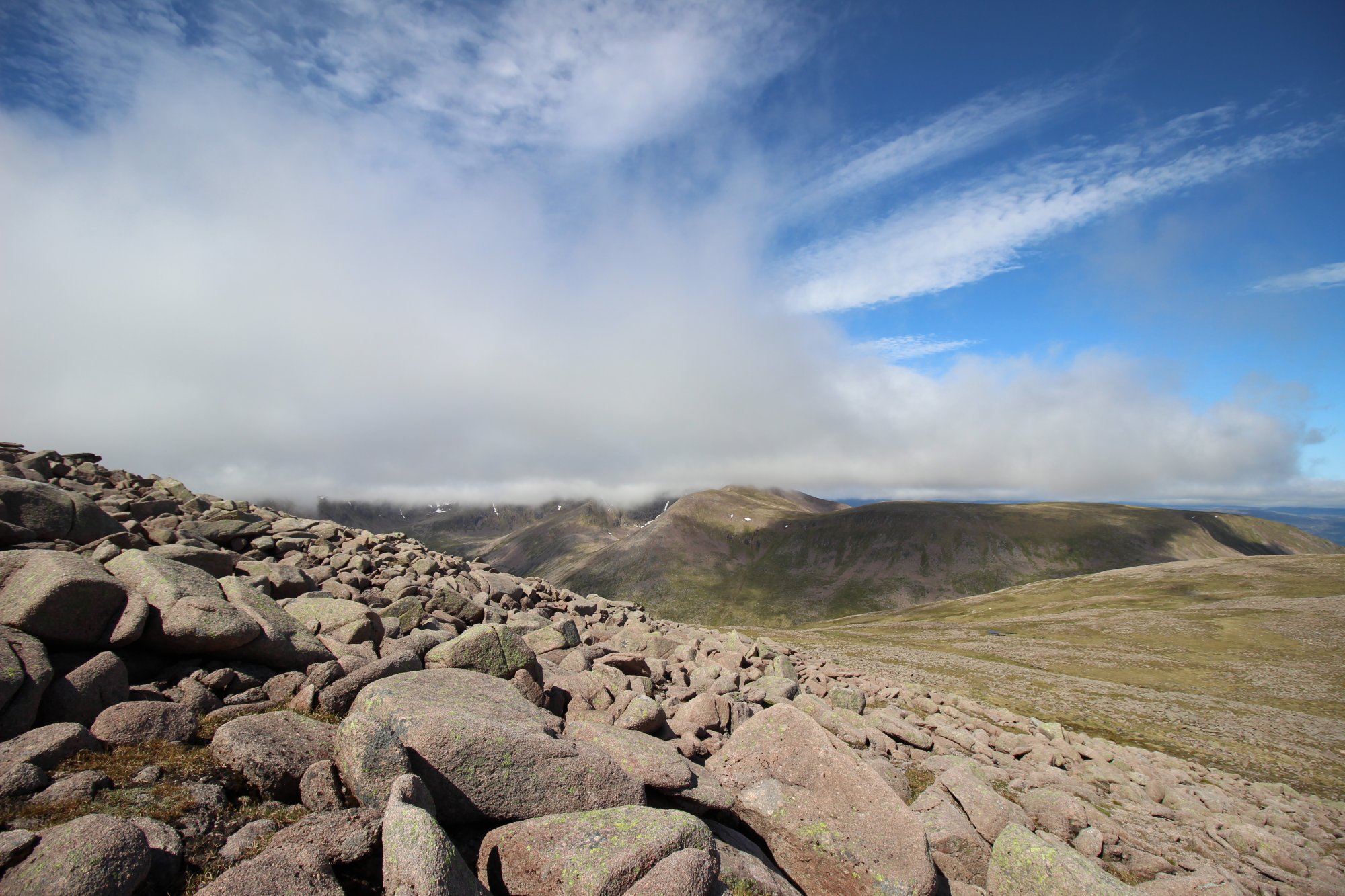
- The Plateau: Crossing from Cairn Gorm to Ben Macdui involves navigating the high plateau. In the summer, this is a vast "moonscape" of granite. In the winter, it is a lethal Arctic environment.
- The Descent via Loch Avon: For a truly epic day, we recommend descending from the plateau toward the head of Loch Avon. This adds significant effort but allows you to see the "Shelter Stone" before climbing back up to the "Saddle" for the return leg.
Safety and the Arctic Climate
The Cairngorm plateau is the highest, coldest, and snowiest plateaux in the British Isles. It is a Site of Special Scientific Interest (SSSI) because it hosts rare Arctic-alpine plants and wildlife, such as the Ptarmigan (which changes color to white in winter) and the Dotterel.
However, this environment is notoriously dangerous:
- Navigation: In "whiteout" conditions, the plateau becomes featureless. Without a compass and the ability to walk on a bearing, it is incredibly easy to walk off the edge of a cliff in the Northern Corries.
- Wind: Wind speeds on the summit of Cairn Gorm have been recorded at over 170 mph. Always check the specialized mountain weather forecast (MWIS) before heading out.
- Footwear: Sturdy, waterproof mountain boots are essential. The terrain is composed entirely of granite "scree" (loose rocks) which can be very hard on the ankles.
Ben Macdui and Cairngorm
Aberdeenshire
Jola's score:

Bart's score: