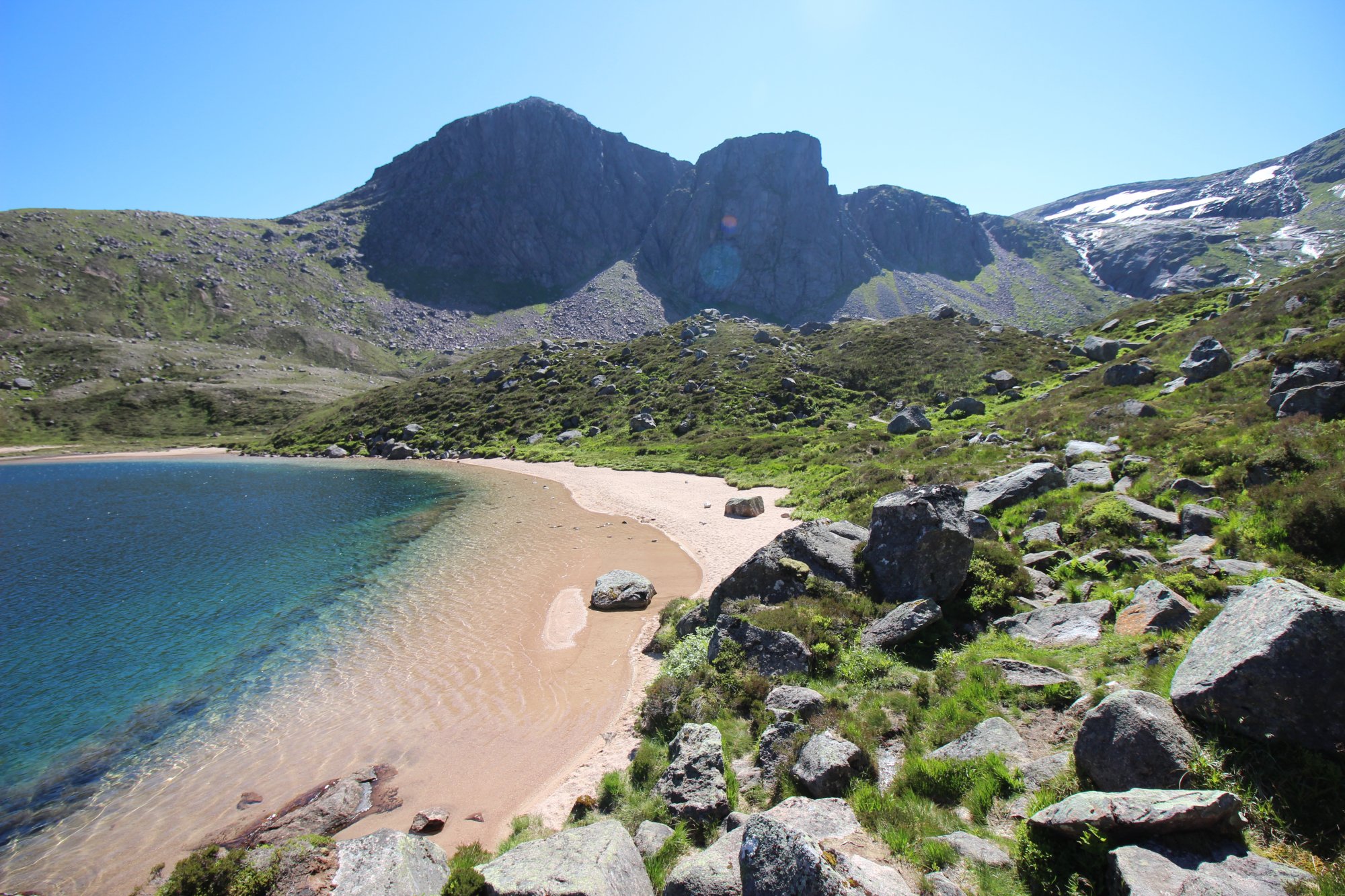



The Arctic Heart of the Cairngorms: A Guide to Loch Avon
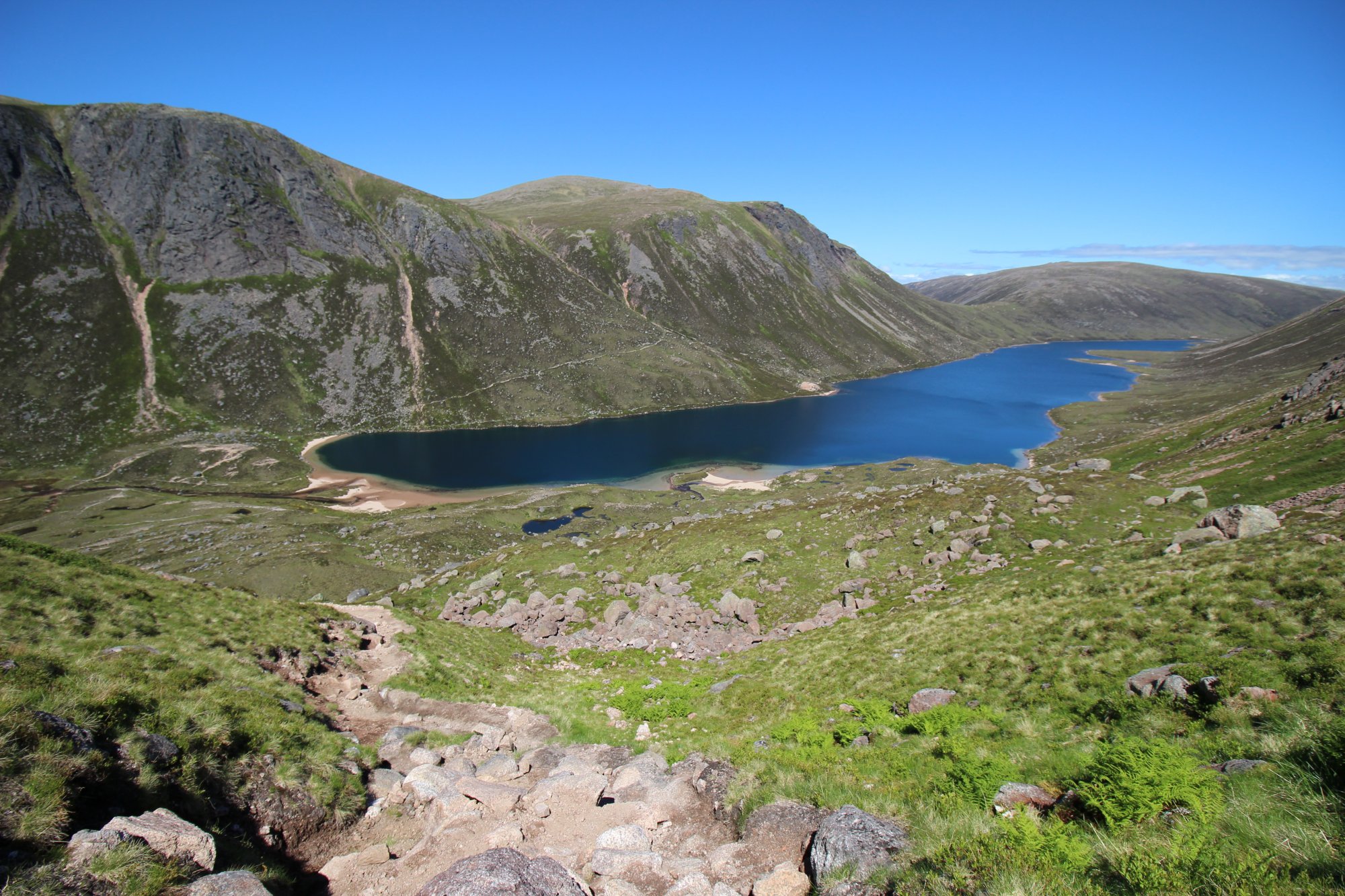
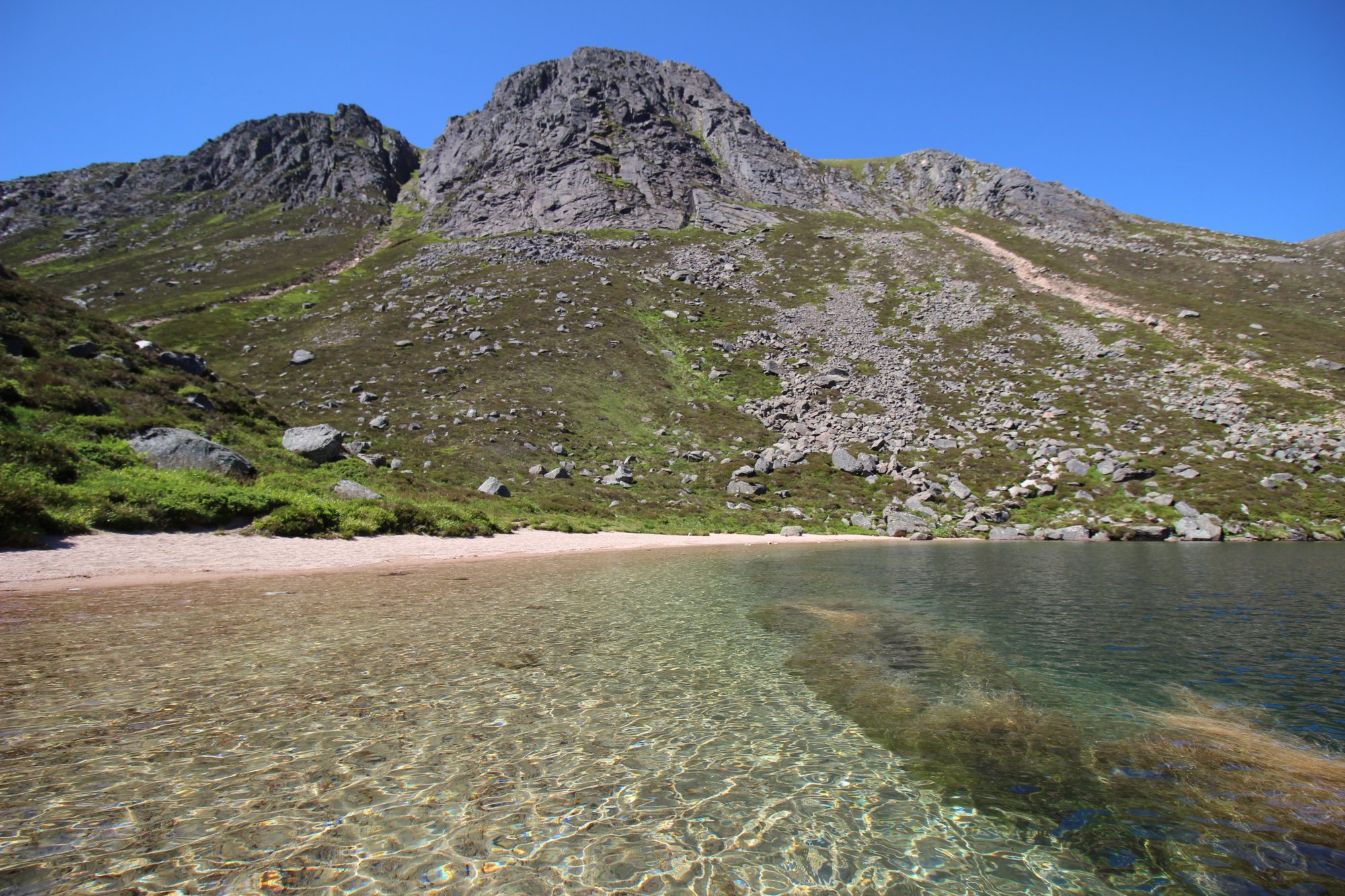
If you are searching for the true, unyielding spirit of "wild" Scotland, you will find it at Loch Avon (locally pronounced Loch A'an). Sitting at an impressive altitude of 725 meters above sea level, this spectacular freshwater body is a textbook example of a glacial hanging valley, or deep mountain trough. Hemmed in on three sides by near-vertical granite cliffs that bleed directly into the high plateau, Loch Avon delivers an unmatched sense of total isolation. Even on a busy summer day in the Cairngorms, you can sit by its remote shores and genuinely feel like the only person left on Earth.
Crystalline Waters and the Shelter Stone
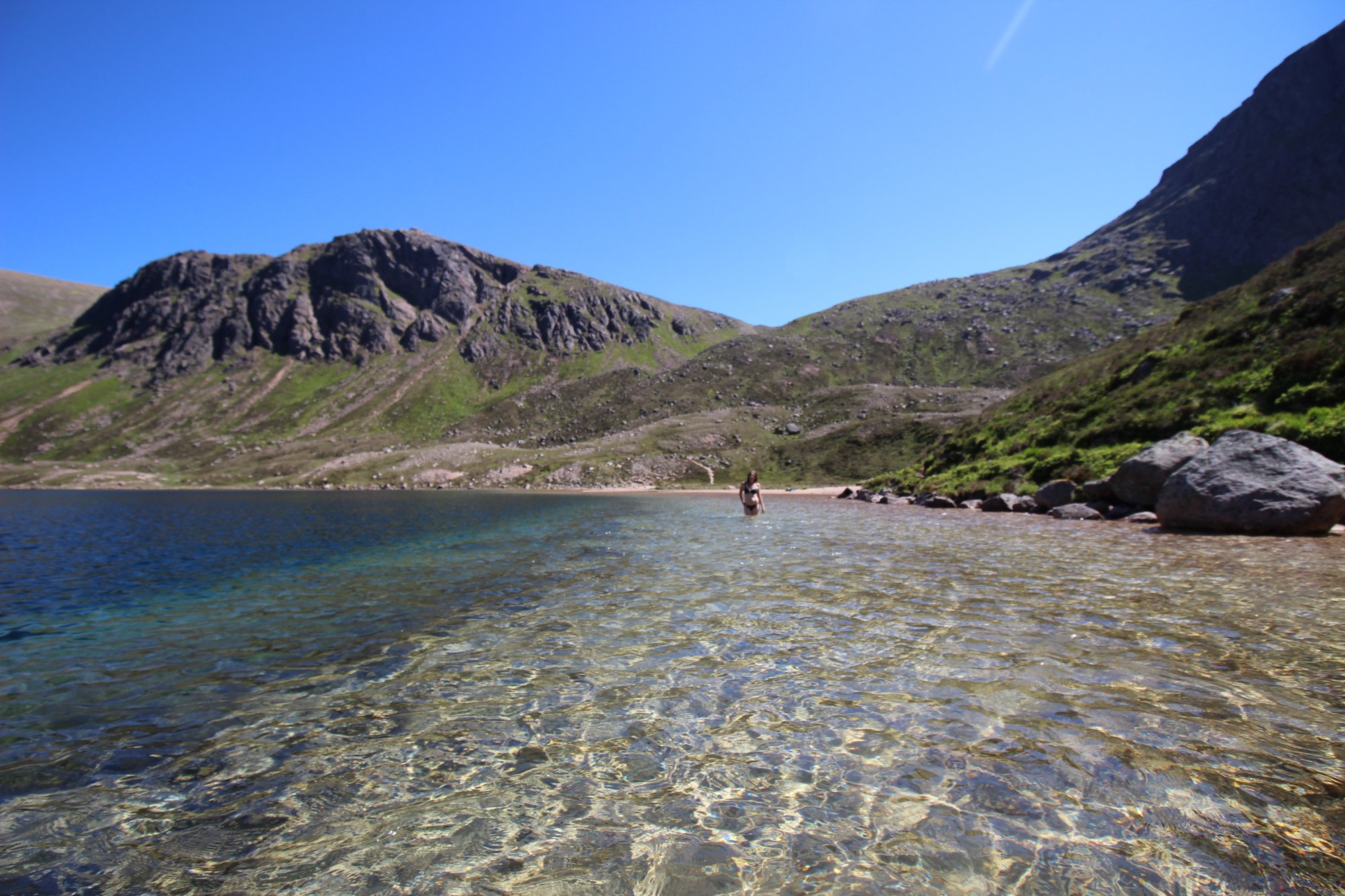
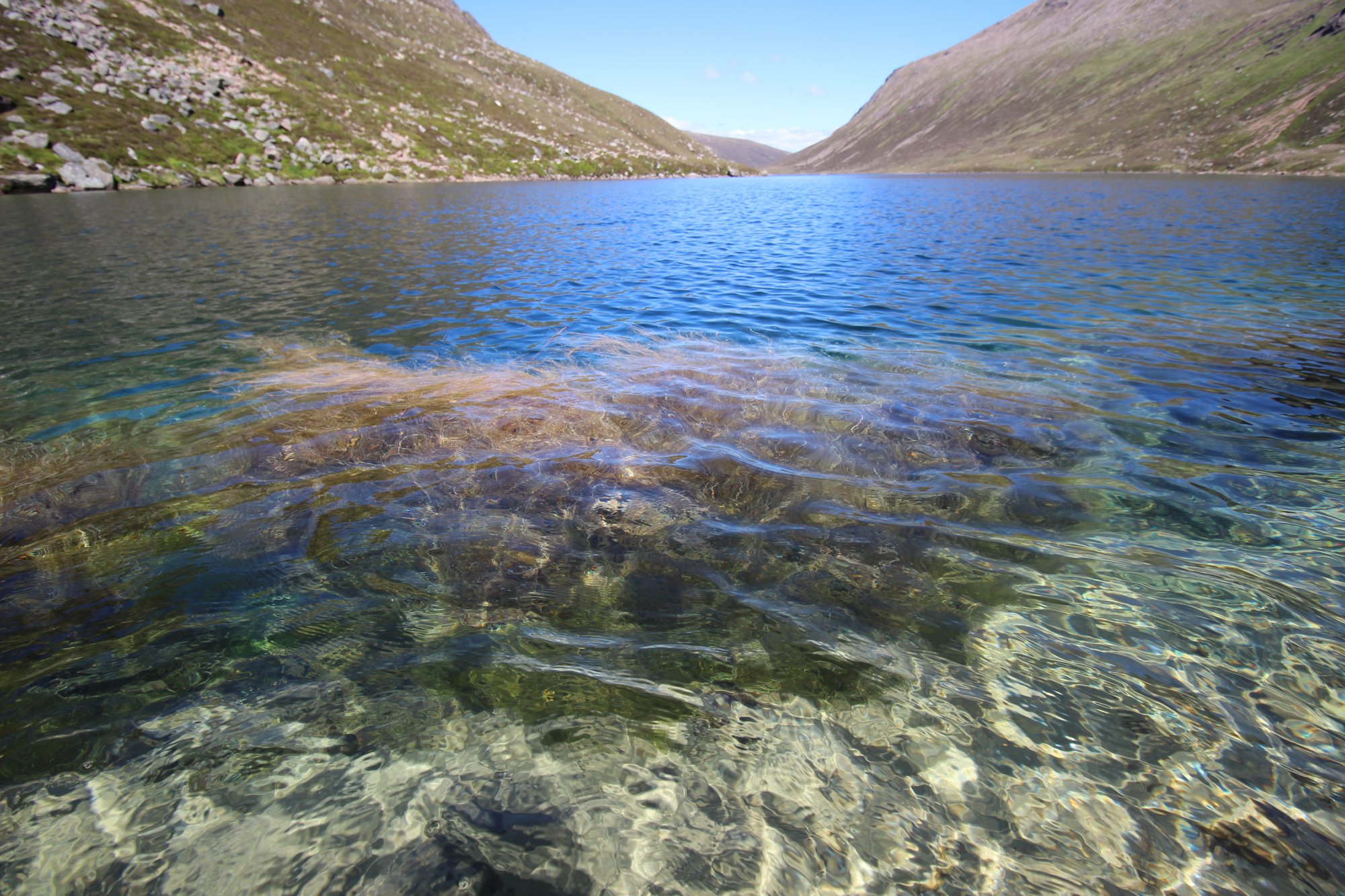
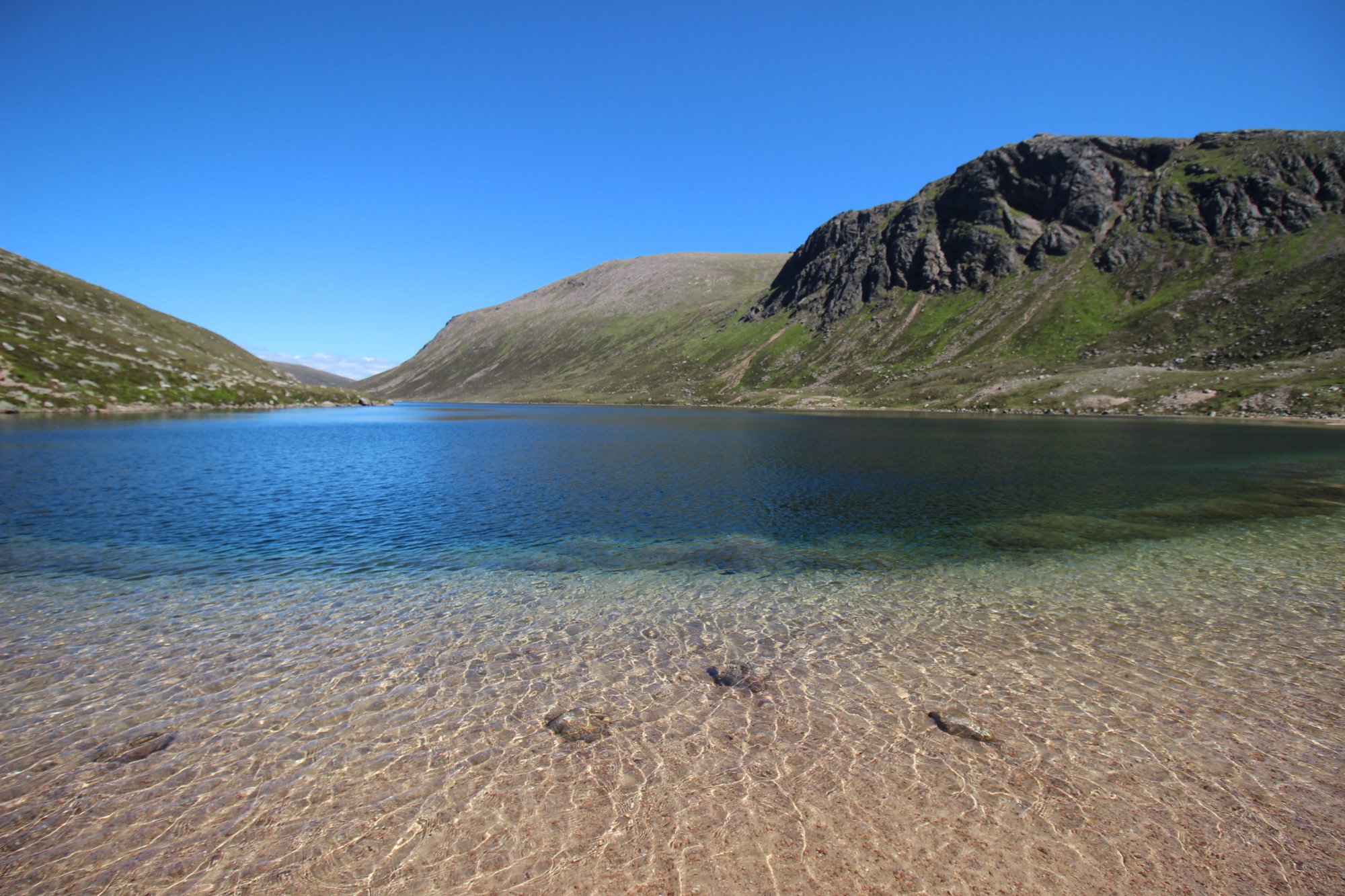
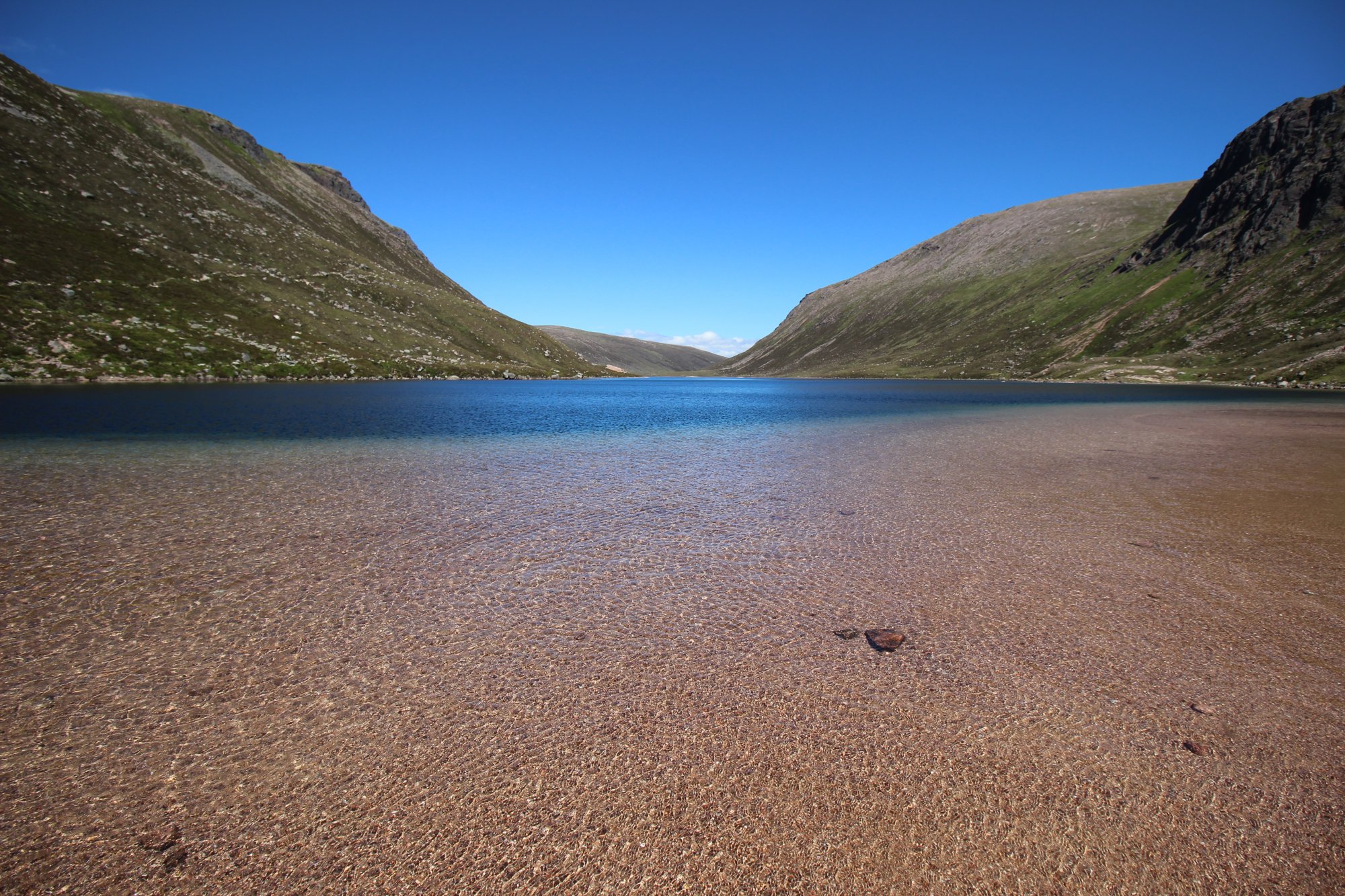
The water of Loch Avon is legendary among hillwalkers for its startling, pristine clarity. Heavily fed by high-altitude snowmelt and naturally filtered through vast fields of granite scree, the water takes on a brilliant, crystalline turquoise hue. In calm morning light, the basin resembles a Mediterranean cove rather than a sub-arctic Highland trough—until you dip a toe in and realize the water remains perpetually ice-cold throughout the year.
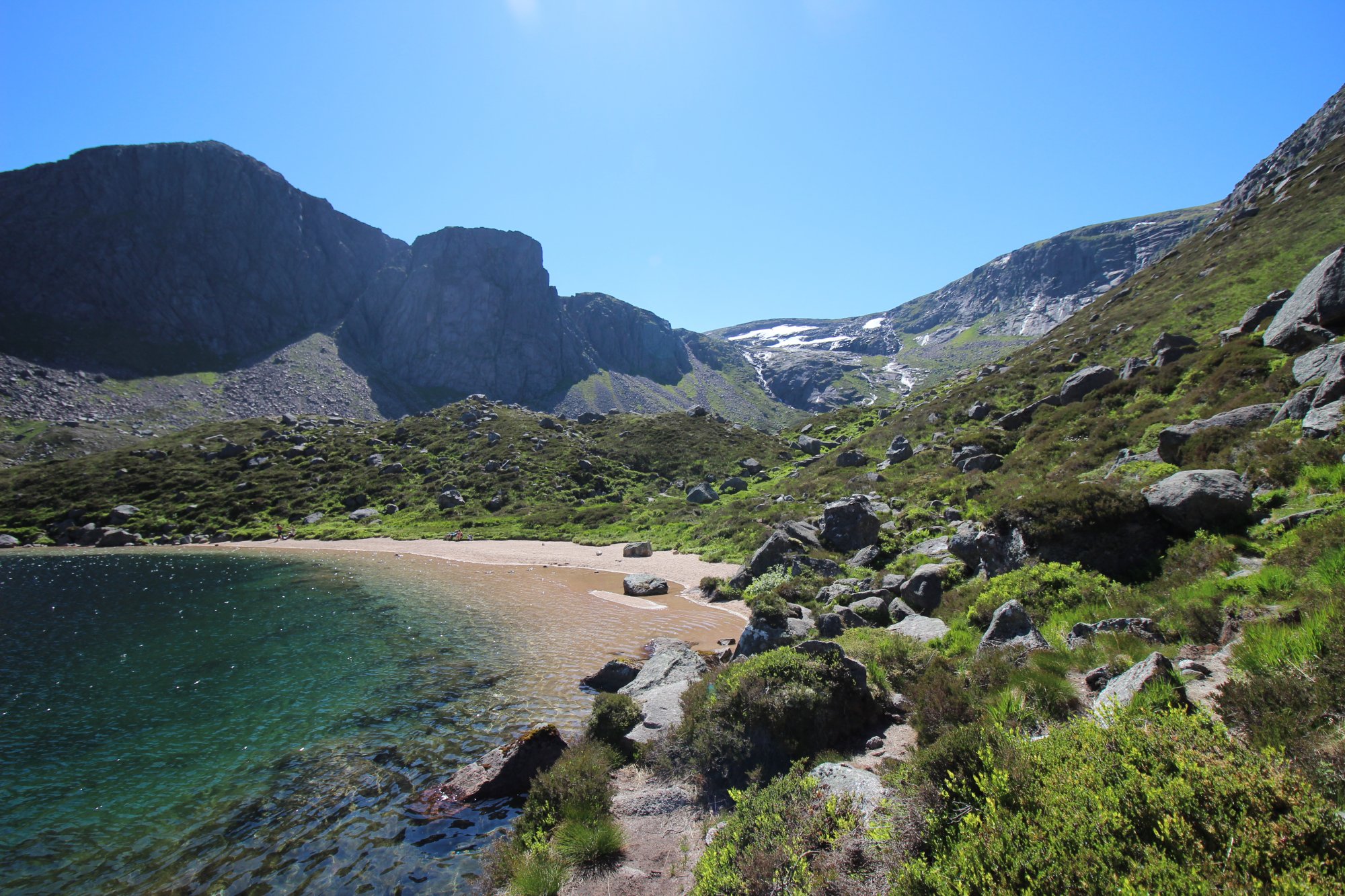
No guide to this remote basin is complete without mentioning the legendary Shelter Stone (Clach Dhíon). Located within the massive boulder field at the western head of the loch, this colossal fallen block has formed a natural cave underneath its flanks. For more than a century, it has served as a famous, rudimentary "hotel" for mountaineers and hardy wild campers. While spending a night tucked under its damp, dark granite ceiling is a traditional rite of passage for Scottish hillwalkers, the interior is notoriously cold; a high-quality, insulated sleeping mat and a heavy winter sleeping bag are absolute prerequisites for survival.
Mountain Routes: The Saddle vs. Coire Raibert
There is no easy, casual way to reach Loch Avon. Most mountaineers begin their journey from the Cairn Gorm Ski Center car park, crossing the high ridges before attempting a descent into the trough. Hikers generally choose between two primary approaches:
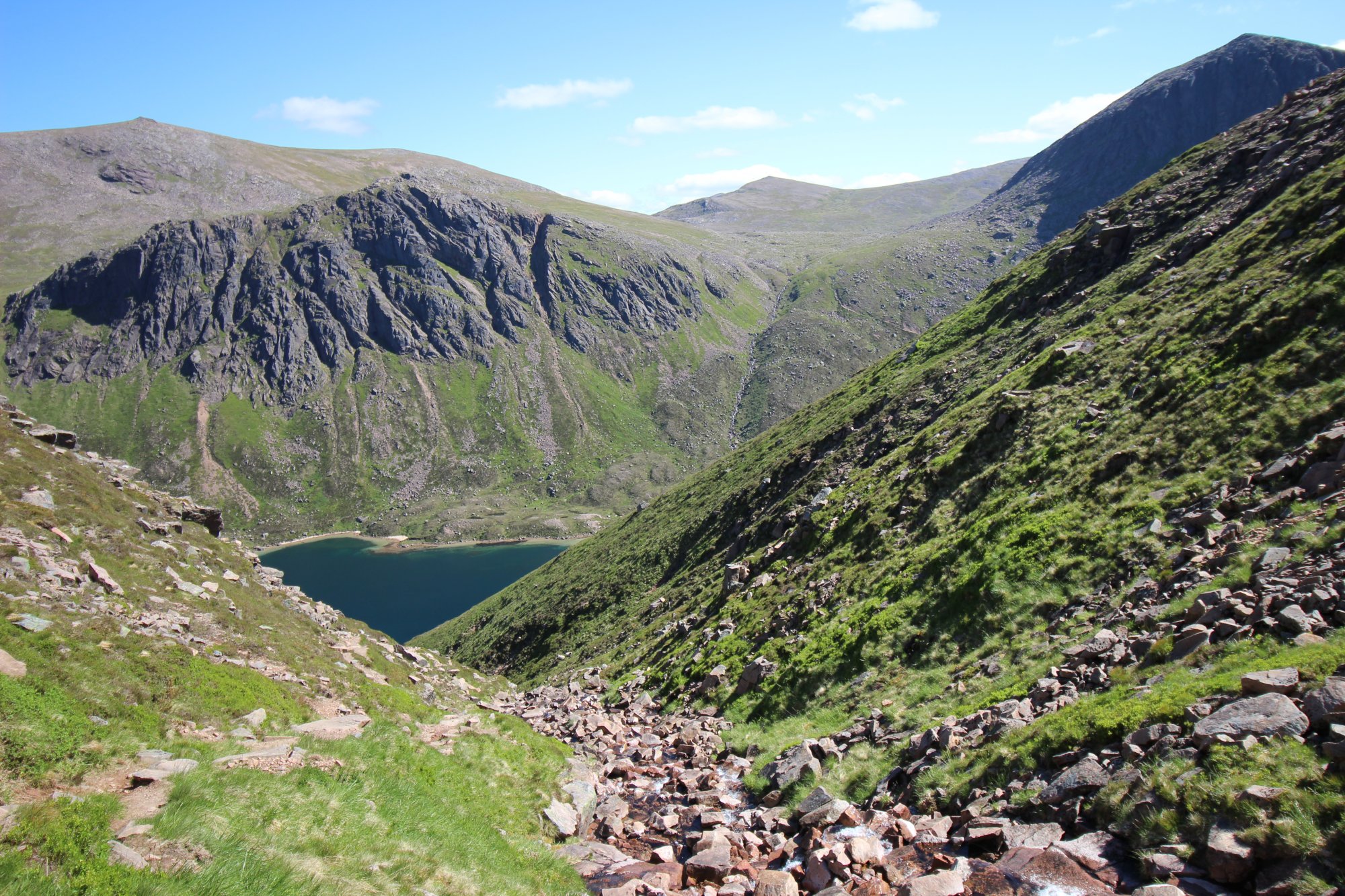
- The Saddle Route: The most scenic and visually rewarding approach. The trail climbs steadily toward the high mountain pass (The Saddle) between Cairn Gorm and Bynack More. As you crest the ridge, the deep blue ribbon of the loch suddenly reveals itself far below, framed perfectly by towering crags. The subsequent descent to the shore is steep, loose, and requires careful, deliberate footwork.
- The Coire Raibert Scramble: A much more direct but highly technical route. This involves navigating a steep, rocky mountain "staircase" directly alongside a crashing burn. In wet, foggy weather, the wet granite boulders become treacherous and exceptionally slippery. It is strictly recommended for experienced hillwalkers with sturdy boots and a steady head for heights.
Whichever path you select, remember that the return journey requires a grueling, significant ascent back onto the plateau. Reaching the loch is only half the battle; climbing back out requires a strong second wind.
An Arctic Microclimate
The high Cairngorm plateau is the closest equivalent to an Arctic tundra landscape within the United Kingdom. Because Loch Avon is tucked into such a deep, steep-walled bowl, it develops its own distinct microclimate. Dense snow patches on the surrounding Feith Buidhe slabs regularly linger well into July, and during cooler cycles, they can survive the entire summer without melting.
This severe, pristine environment provides a rare sanctuary for specialized alpine flora and hardy mountain birds, including the well-camouflaged Ptarmigan and the elusive Snow Bunting. If you maintain a quiet, respectful presence along the high ridges or the loch's upper flats, you may also encounter members of the free-roaming Cairngorm Reindeer Herd grazing on the sparse mountain lichens, adding an unmistakable "North Pole" atmosphere to the landscape.
Practical Advice & Safety
Photography Tip: Capturing the true scale of Loch Avon is incredibly challenging due to the immense height of the enclosing cliffs. A dedicated ultra-wide-angle lens (equivalent to 14mm or 16mm) is essential to pull the water and the Shelter Stone Crag into a single frame. Because the loch rests in a deep mountain trough, it loses direct sunlight early in the afternoon. Visit during the morning for bright water tones, or late afternoon to capture the dramatic, high-contrast shadows ideal for moody black-and-white photography.
Mountain Safety: Loch Avon is stunningly beautiful, but it can quickly become a deadly trap for the under-prepared. The weather on the plateau can deteriorate in minutes, and sudden "whiteouts" or dense mist can reduce visibility to near-zero. A physical OS Map, a reliable compass, and proven navigation skills are non-negotiable. Additionally, the fast-flowing burns feeding the loch (such as the Garbh Uisge) can transform into impassable torrents during heavy rainfall, cutting off access to the safety of the Shelter Stone.
No Signal: Do not rely on mobile communication. The massive granite walls completely block all cellular networks. If an emergency arises, you must be entirely self-sufficient until you can climb back onto the high ridges.