



Beinn Dòrain: The Conical Sentinel of the West
Standing as one of the most recognizable landmarks in the Southern Highlands, Beinn Dòrain is a mountain of breathtaking geometric perfection. To anyone traveling the A82 road or the West Highland Line railway toward Bridge of Orchy, its soaring, grass-covered conical profile dominates the skyline like a green pyramid. Rising to 1,076 meters (3,530 feet), this Munro is immortalized in Scottish Gaelic literature through Duncan Ban MacIntyre’s 18th-century masterpiece, Moladh Beinn Dòrain (Praise of Beinn Dòrain), which celebrates the mountain's elegance and the deer that roam its high corries.
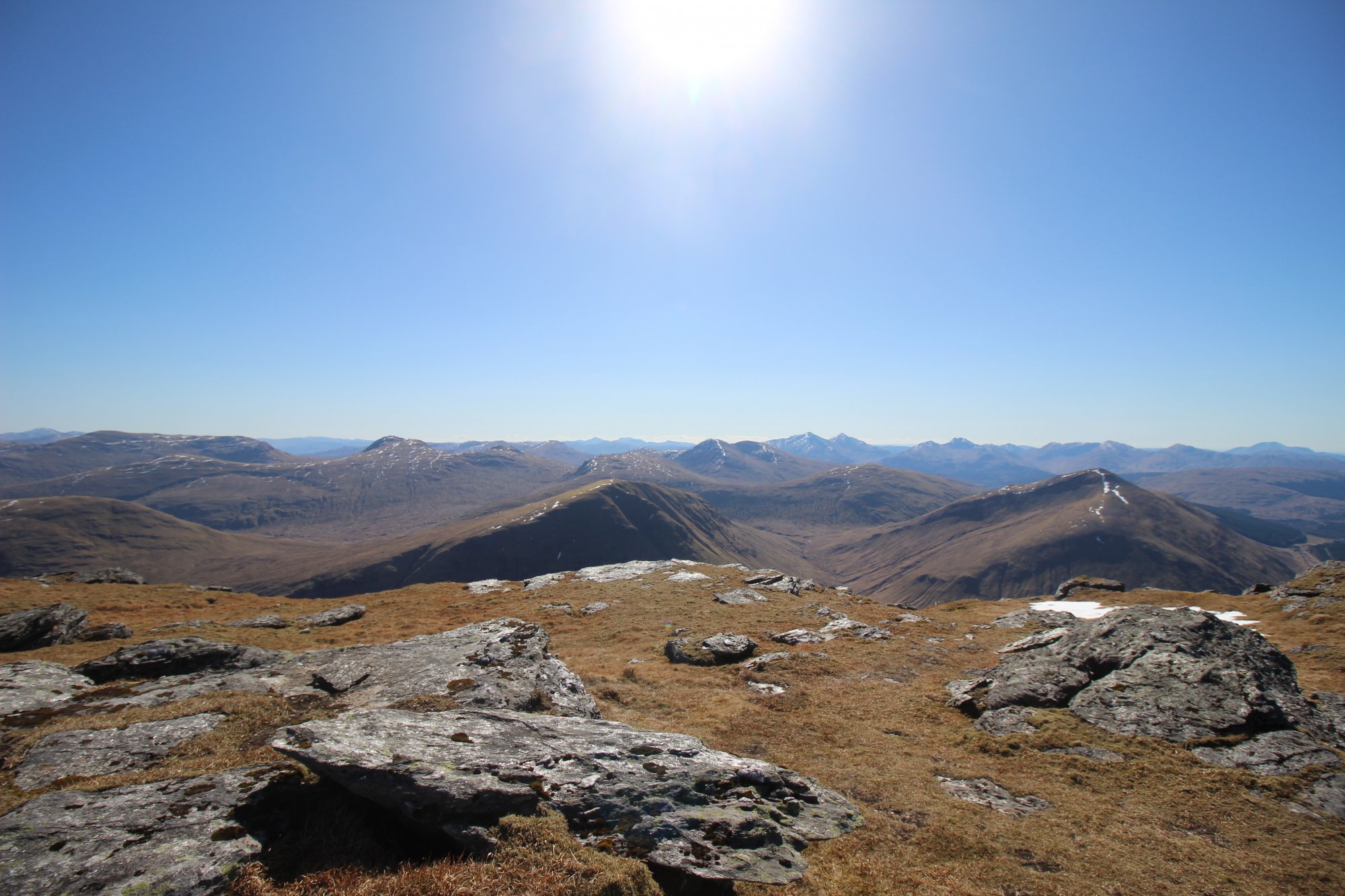
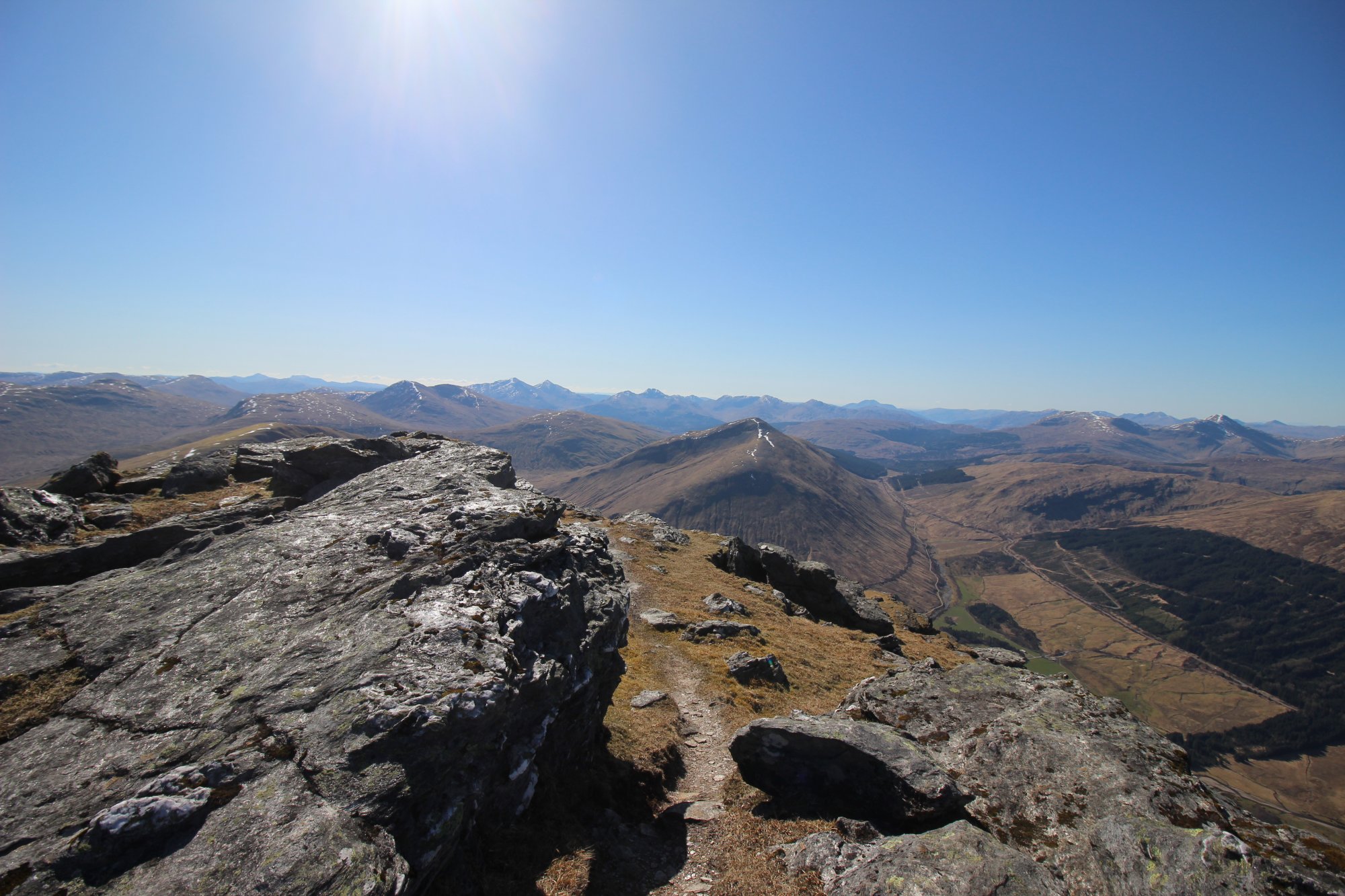
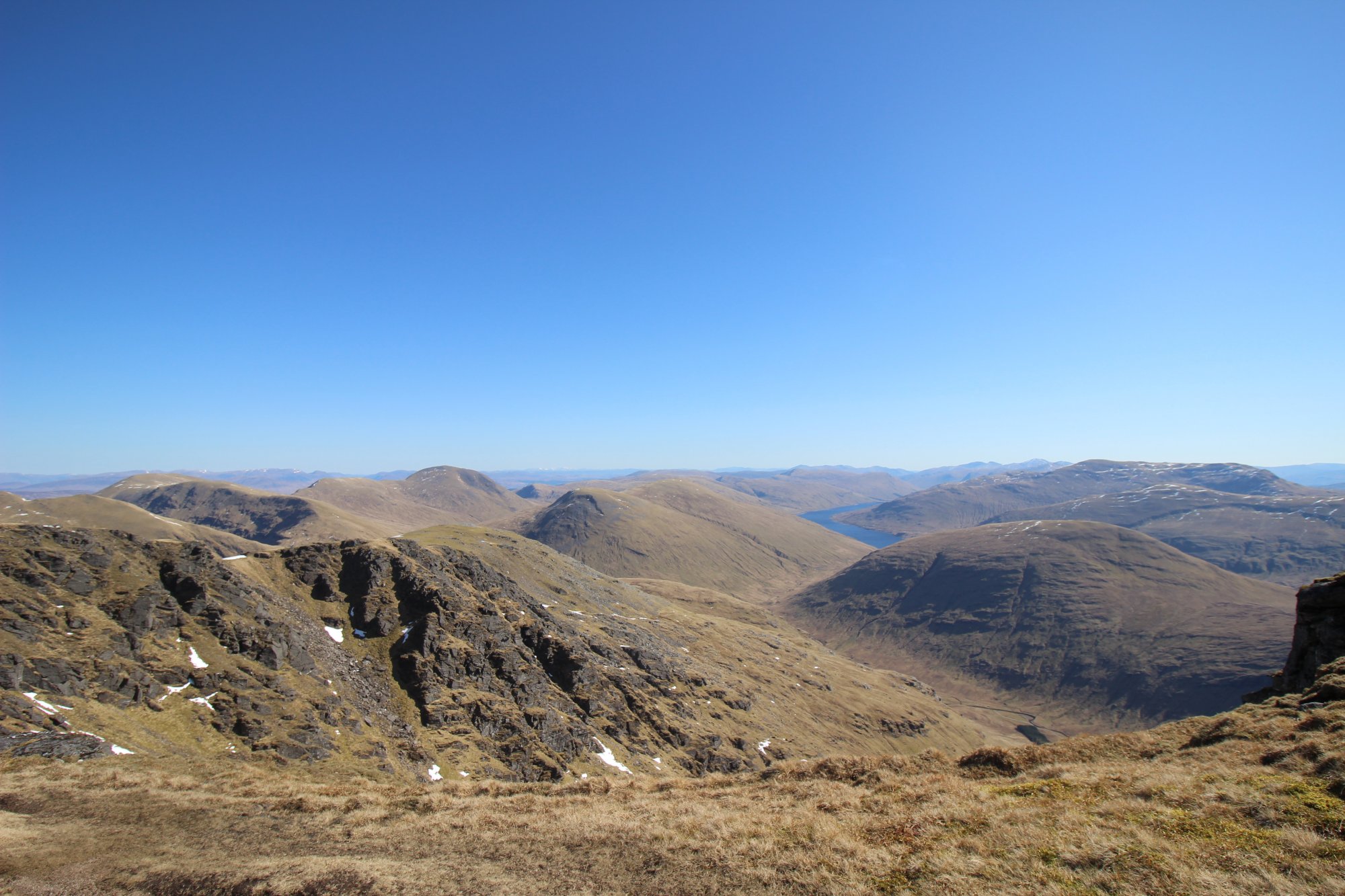
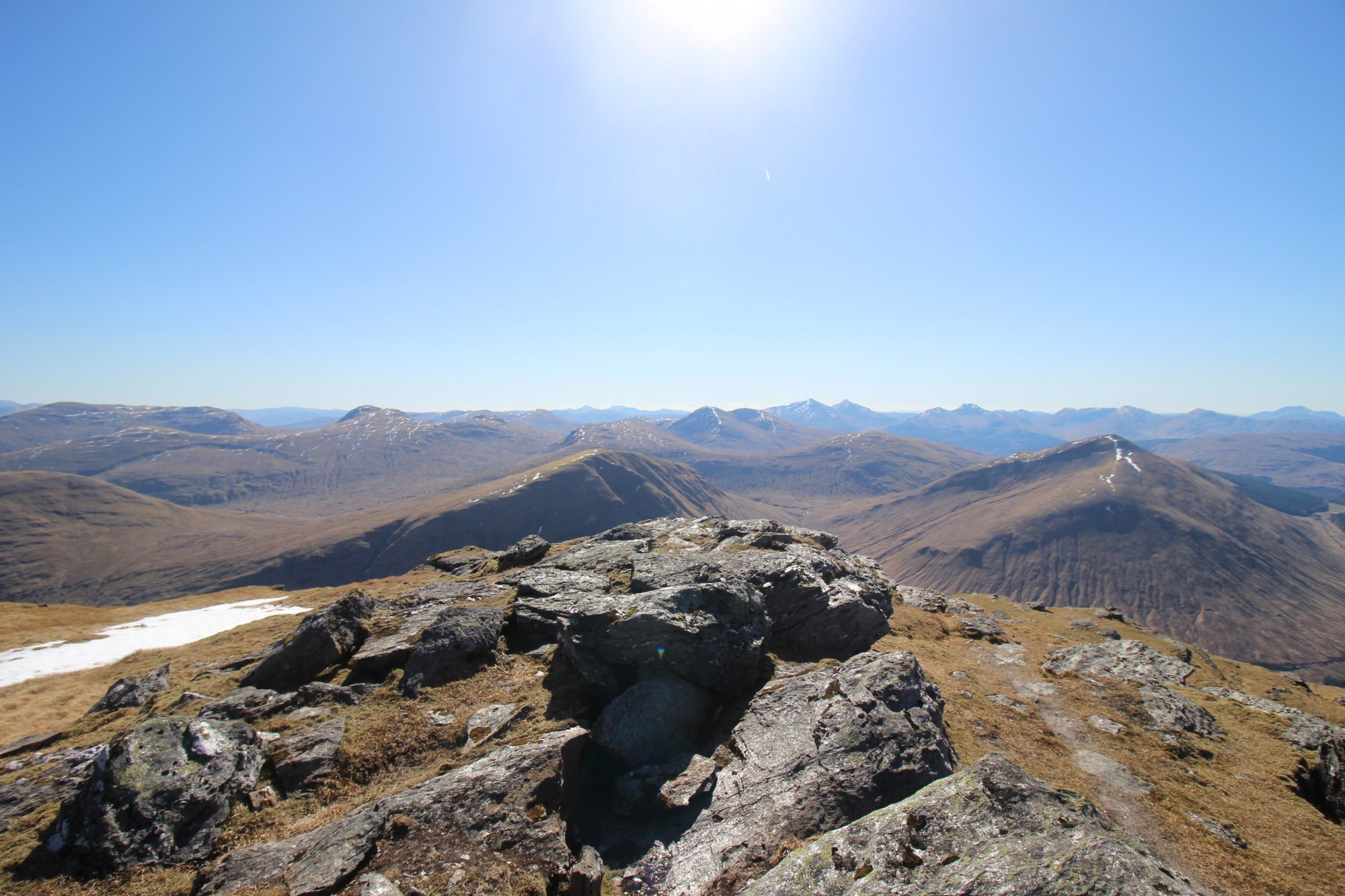
Geologically, Beinn Dòrain is a massive wall of steep slopes and hidden corries, forming a long ridge that connects to its neighboring Munro, Beinn an Dòthaidh. Despite its formidable appearance from the roadside, the mountain is remarkably accessible. The ascent reveals a series of "shelves" and rocky outcrops that provide an ever-changing perspective of the desolate Rannoch Moor and the distant peaks of Glencoe. It is a mountain that feels ancient and storied, offering a pure Highland experience that blends literary heritage with rugged physical challenge.
The Ascent from Bridge of Orchy
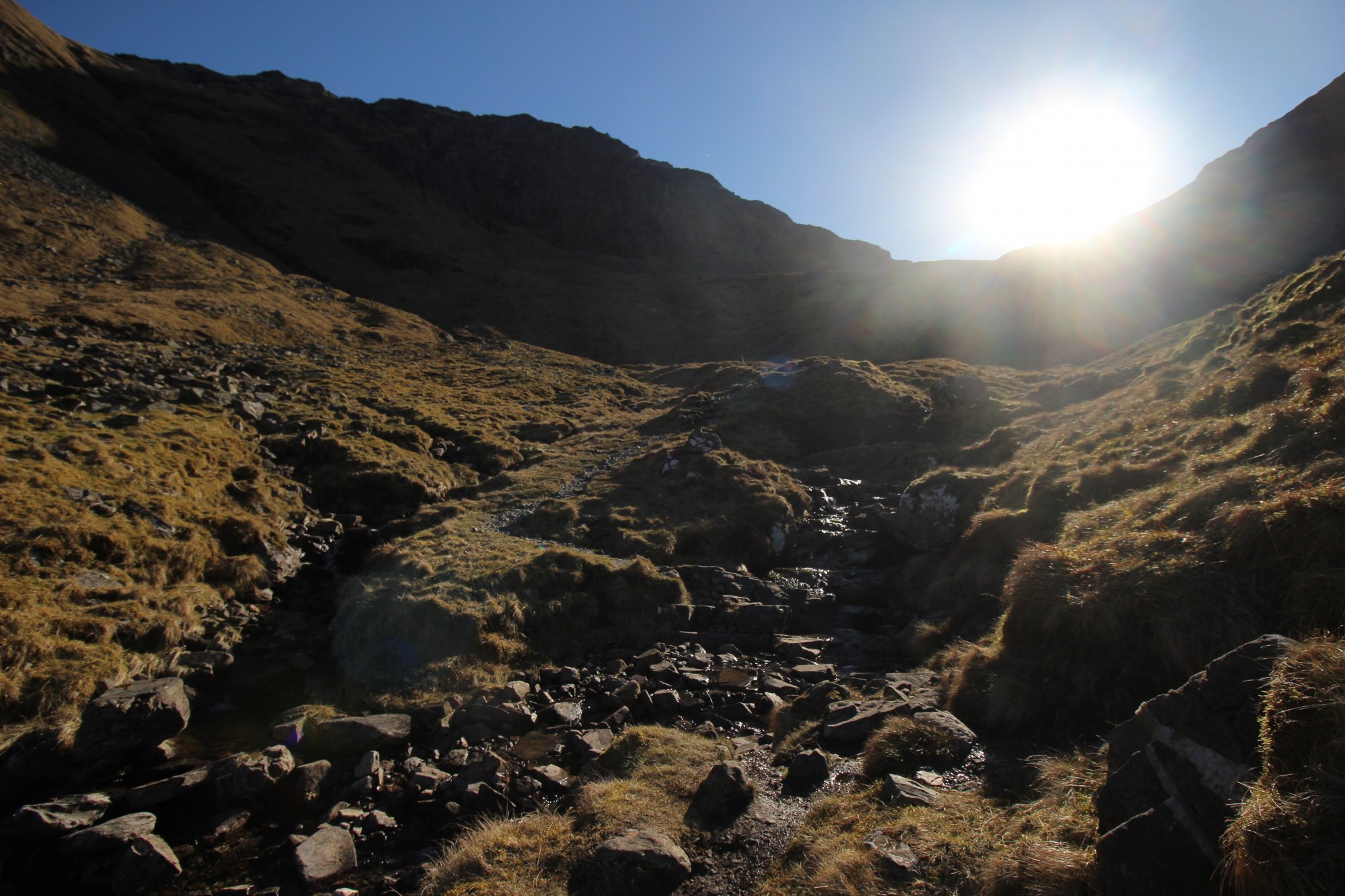
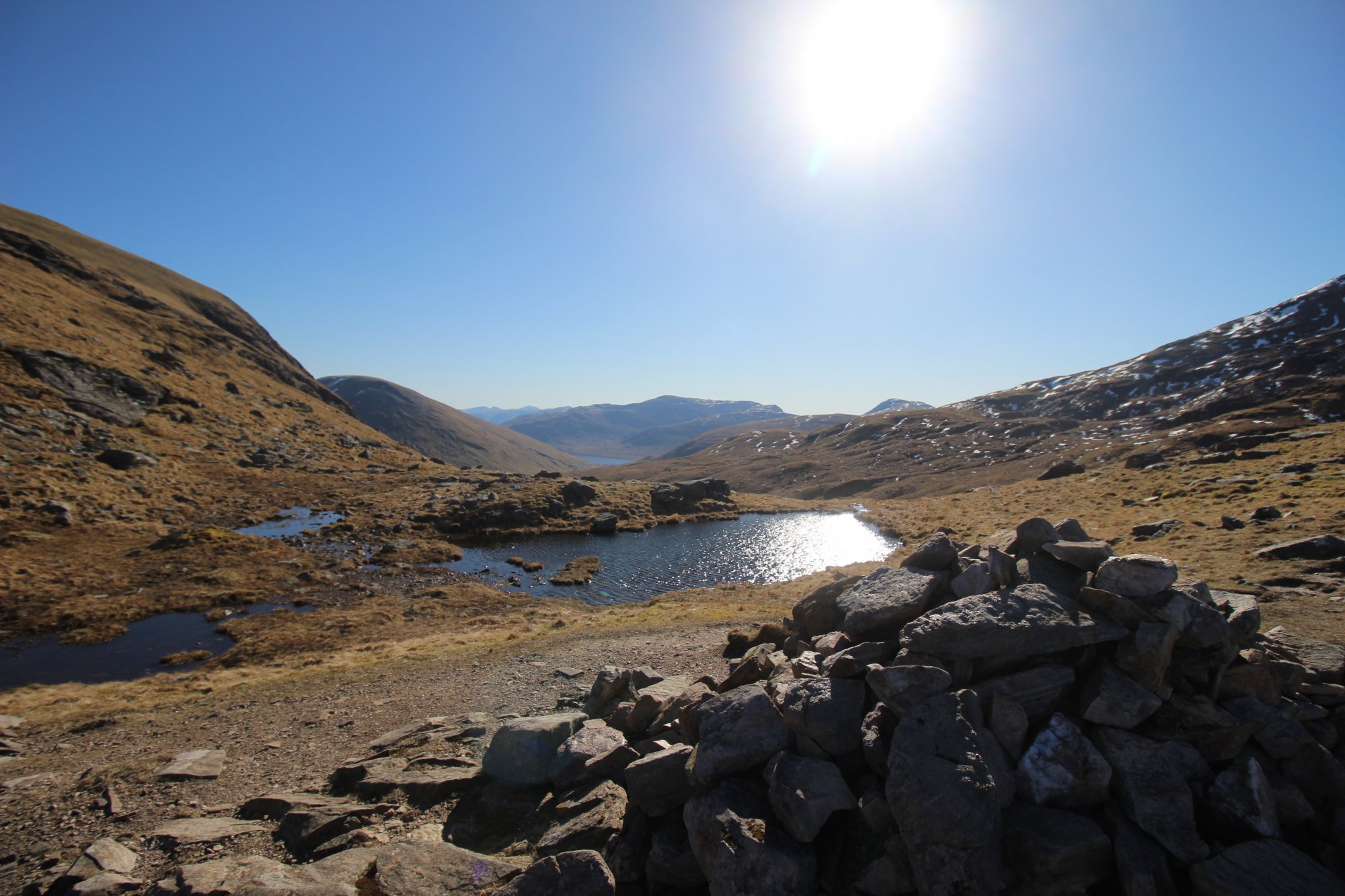
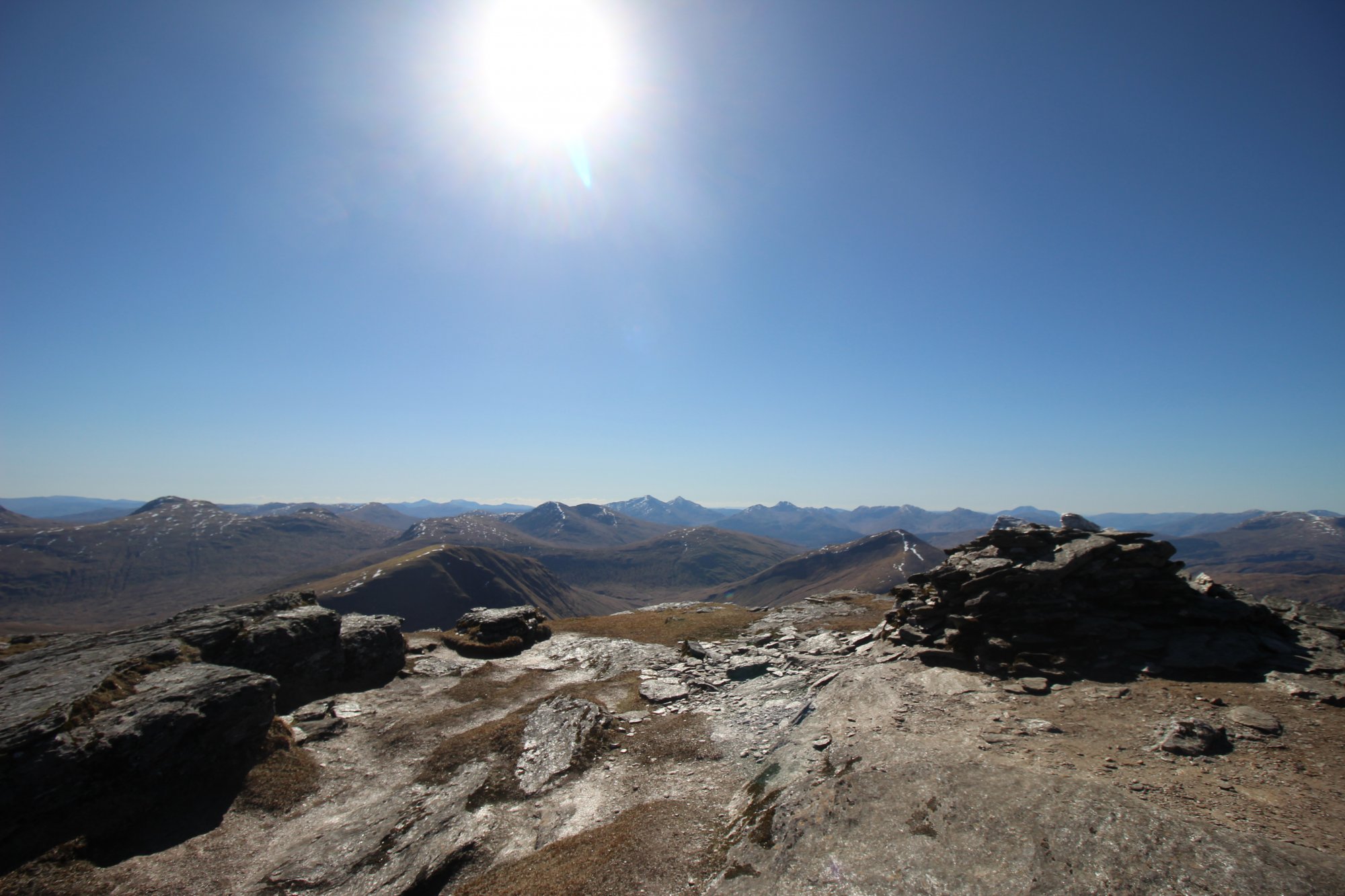
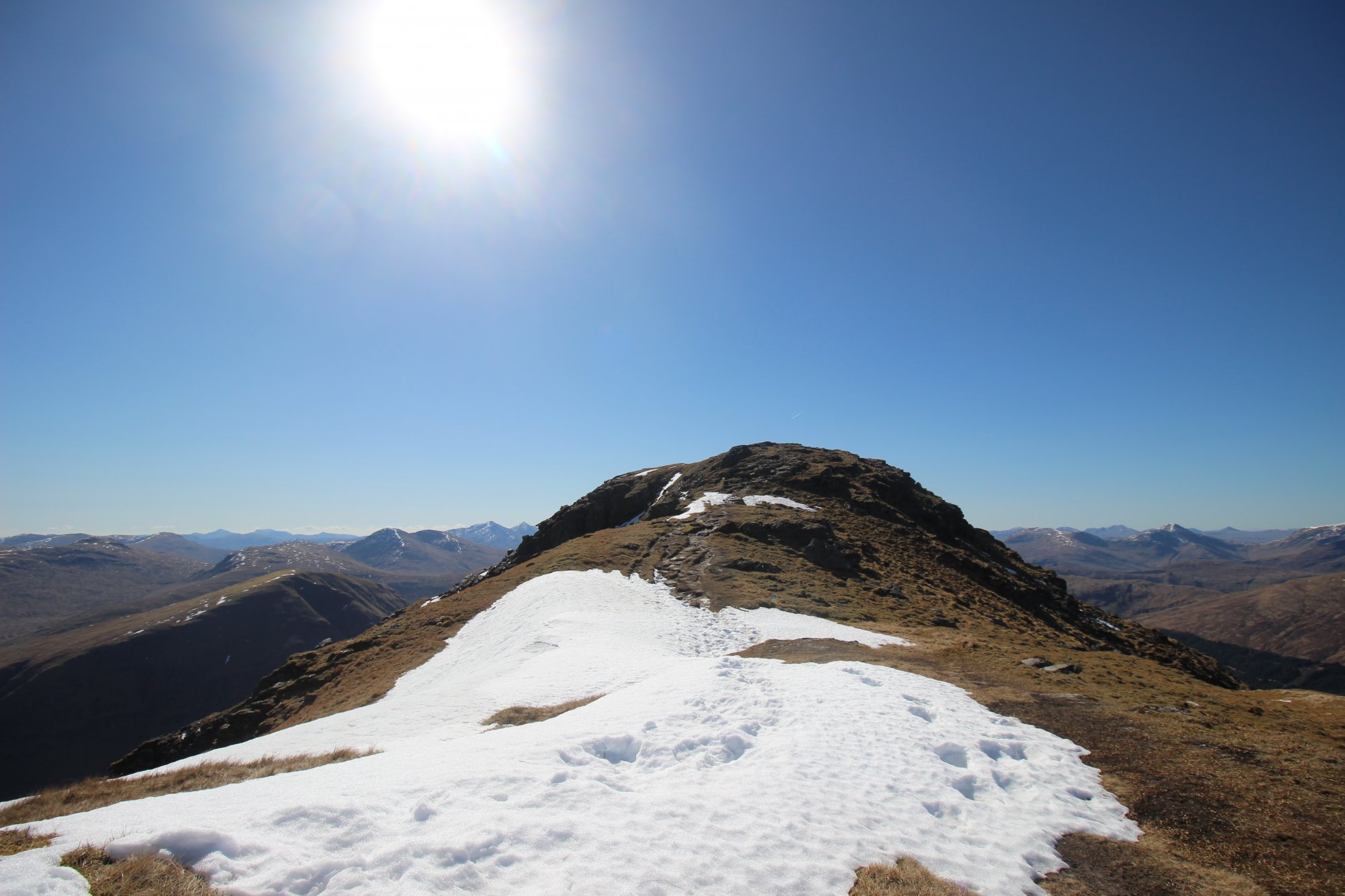
For the 2026 season, the classic route begins at the Bridge of Orchy railway station. The path climbs steeply toward the bealach (mountain pass) situated between Beinn Dòrain and Beinn an Dòthaidh. This initial climb is sustained and can be boggy in the lower reaches, but the path is well-defined. Once the pass is reached at roughly 750 meters, the character of the walk shifts. The final push to the summit of Beinn Dòrain follows the broad northern ridge, winding through quartzite scree and grassy banks. The summit itself is marked by a large cairn, offering a dizzying view down into the depths of Glen Etive and southward toward the Arrochar Alps.
Wildlife and the "Praise" of the Mountain
True to the poems of Duncan Ban MacIntyre, Beinn Dòrain remains a premier location for spotting red deer. In 2026, the mountain's eastern corries are managed with a focus on sustainable deer populations, and hikers frequently encounter large stags grazing on the high-altitude grasses. The mountain is also a site for seeing the elusive ptarmigan, which change their plumage from mottled brown to snowy white as the seasons shift. The National Trust for Scotland and local estates continue to work on path restoration in 2026, helping to manage the impact of increased footfall while preserving the "wild" character that has inspired poets for centuries.
Practical Tips for the 2026 Season
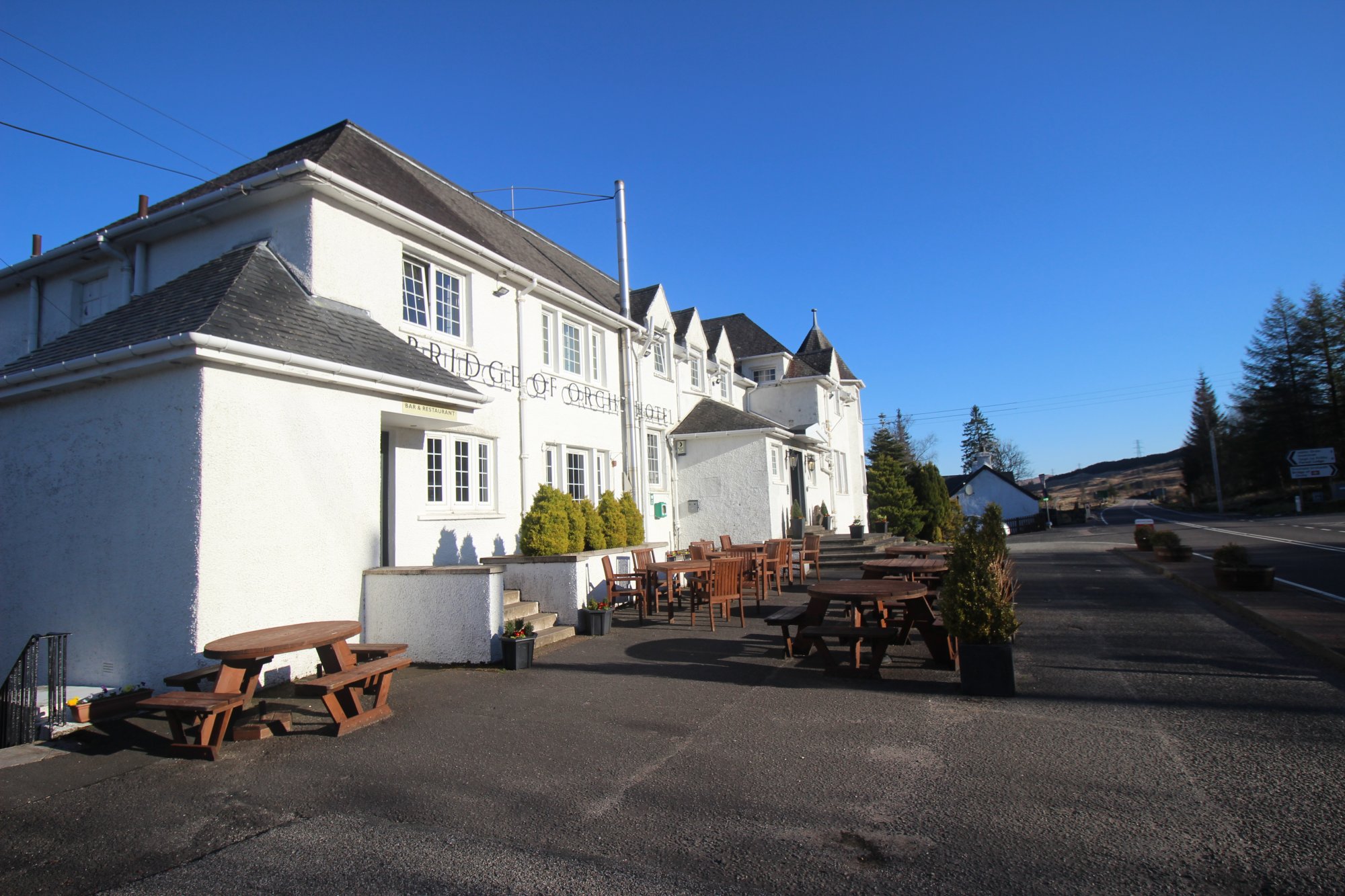
- Travel and Rail Access: Beinn Dòrain is one of the few Munros perfectly suited for "rail-hiking." In 2026, the West Highland Line stops regularly at Bridge of Orchy, allowing you to start your hike just meters from the platform. For those driving, there is a designated car park near the Bridge of Orchy Hotel, though it often fills up early on weekends.
- Navigation: The broad summit plateau can be notoriously difficult to navigate in the "clag" (thick cloud). In 2026, several false cairns can mislead hikers; always use a compass or GPS to ensure you are following the correct ridge back to the bealach, especially as the western drops are exceptionally steep.
- Water Sources: While there are several burns (streams) in the lower corrie, they can dry up during rare dry spells in the summer. In 2026, it is advised to carry sufficient water from the start, as the higher slopes are primarily dry scree and grass.
- Difficulty: While not technically a scramble, the sheer vertical gain of over 800 meters from the station makes this a strenuous day out. Sturdy footwear and walking poles are highly recommended to aid with the descent, which can be taxing on the knees.
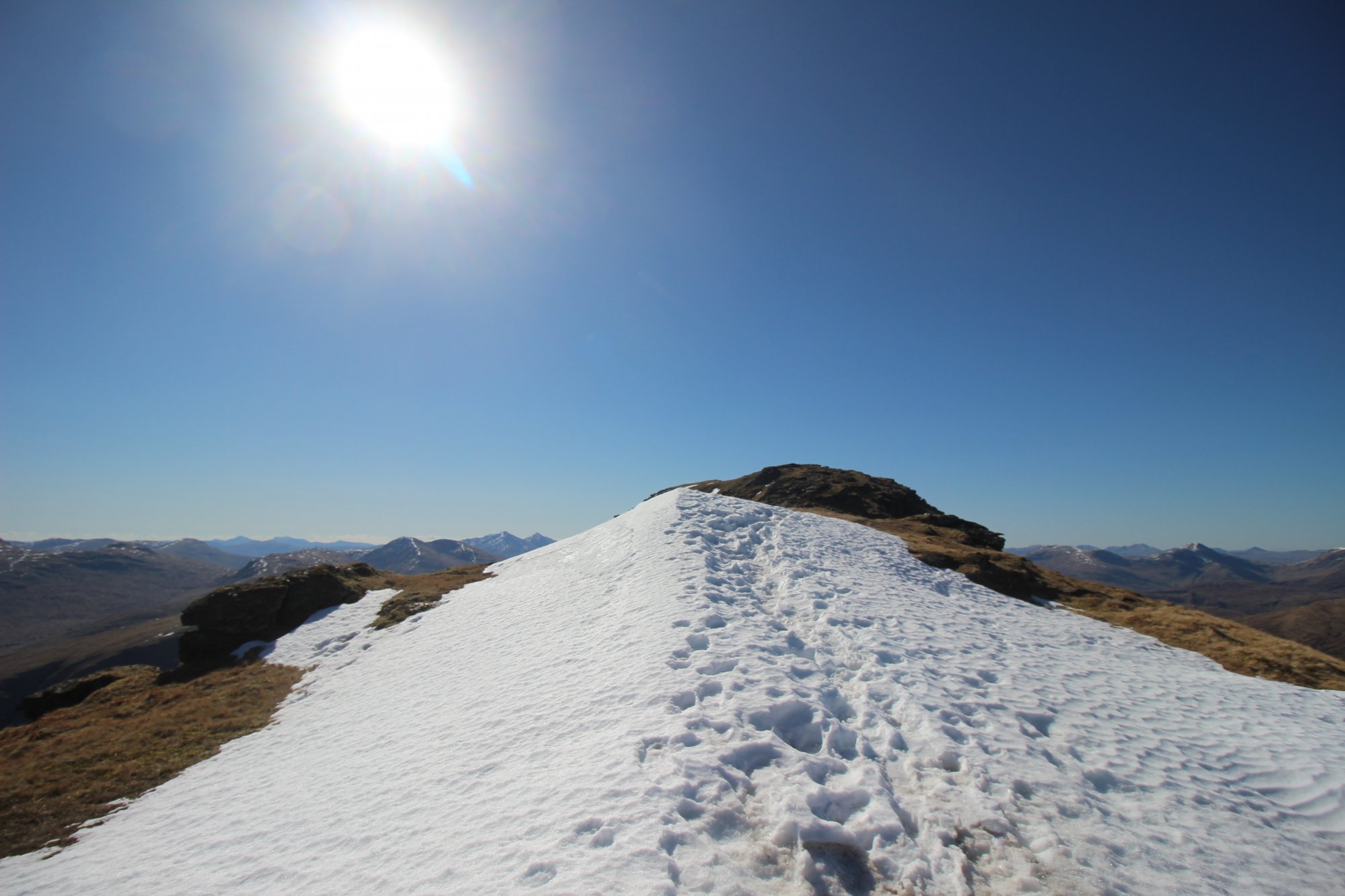
- Winter Conditions: Beinn Dòrain is famous for its "cornices" (overhanging snow) along the eastern edge of the ridge. If visiting in early 2026 before the spring thaw, full winter equipment (ice axe and crampons) and the knowledge to use them are essential.
A Monument of the Highlands
Beinn Dòrain is a mountain that commands affection from all who climb it. It is a singular, massive presence that defines the transition from the lowlands to the true West Highlands. Whether you are following in the footsteps of 18th-century poets or seeking a high-altitude escape from the modern world, the "Conical Hill" offers a timeless journey. Its combination of accessibility, literary significance, and sheer physical majesty ensures it remains one of the most beloved summits in the Scottish landscape.