



The Gateway to the Moor: The Haunting Beauty of Lochan na h-Achlaise
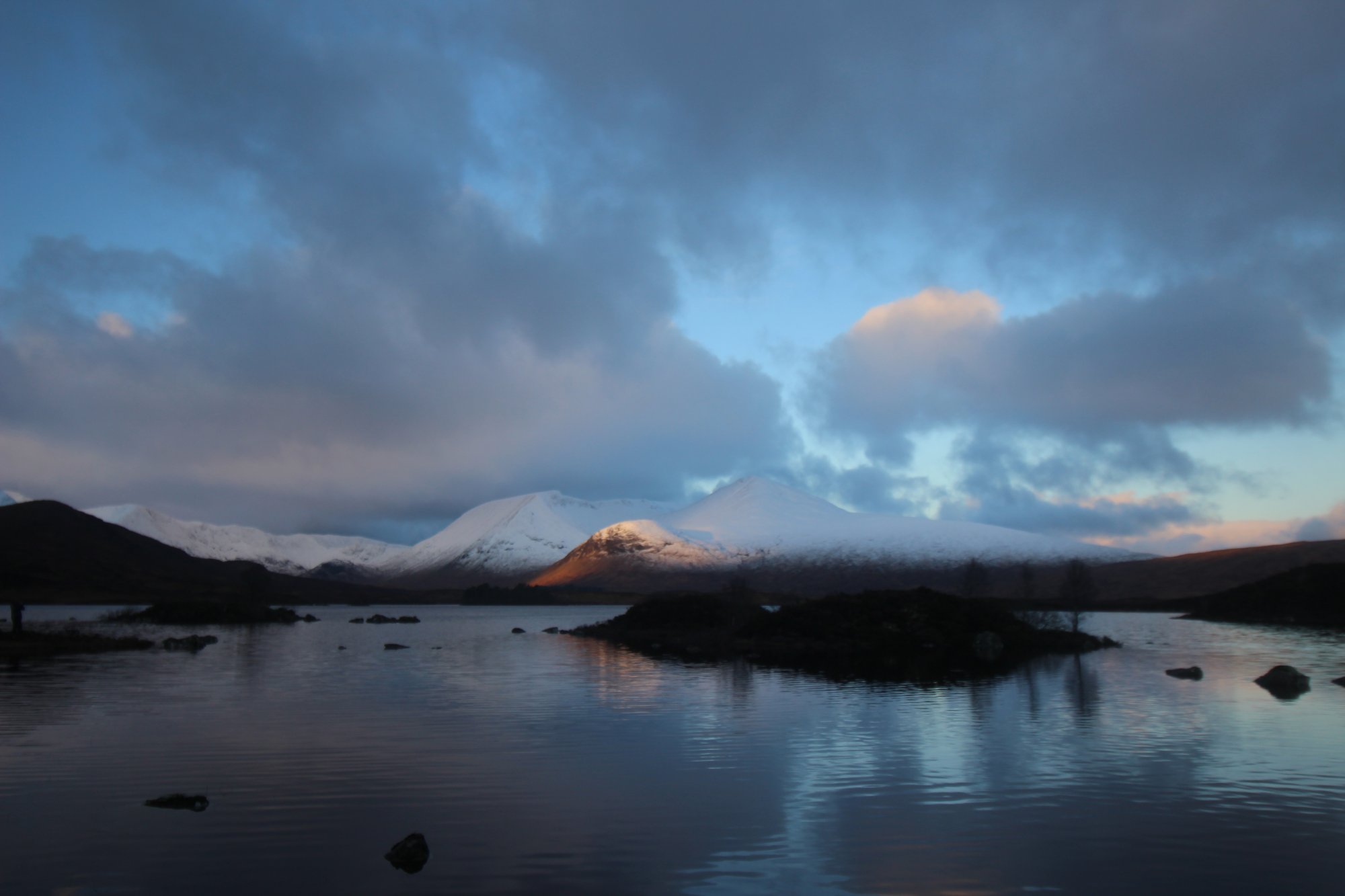
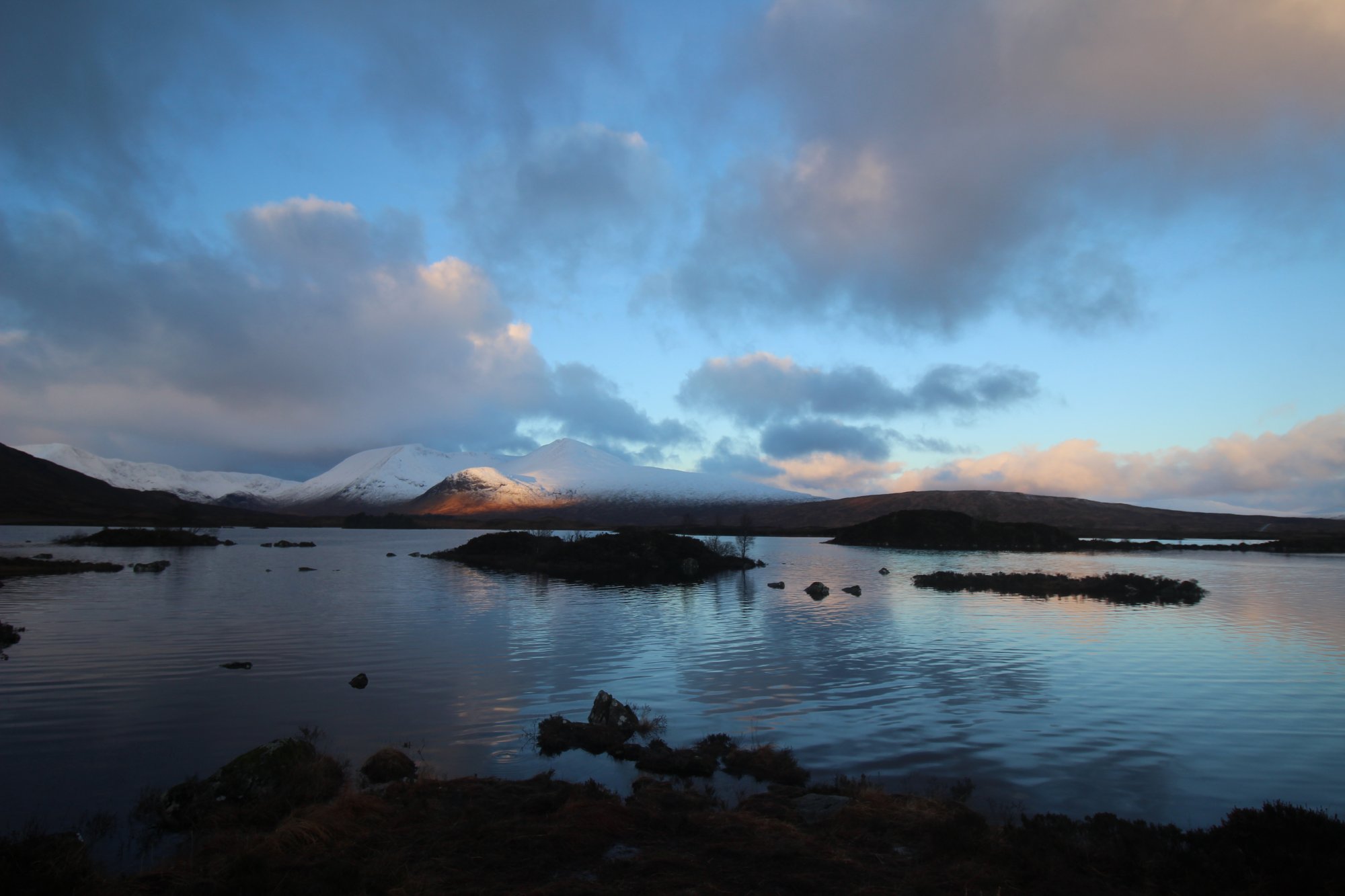
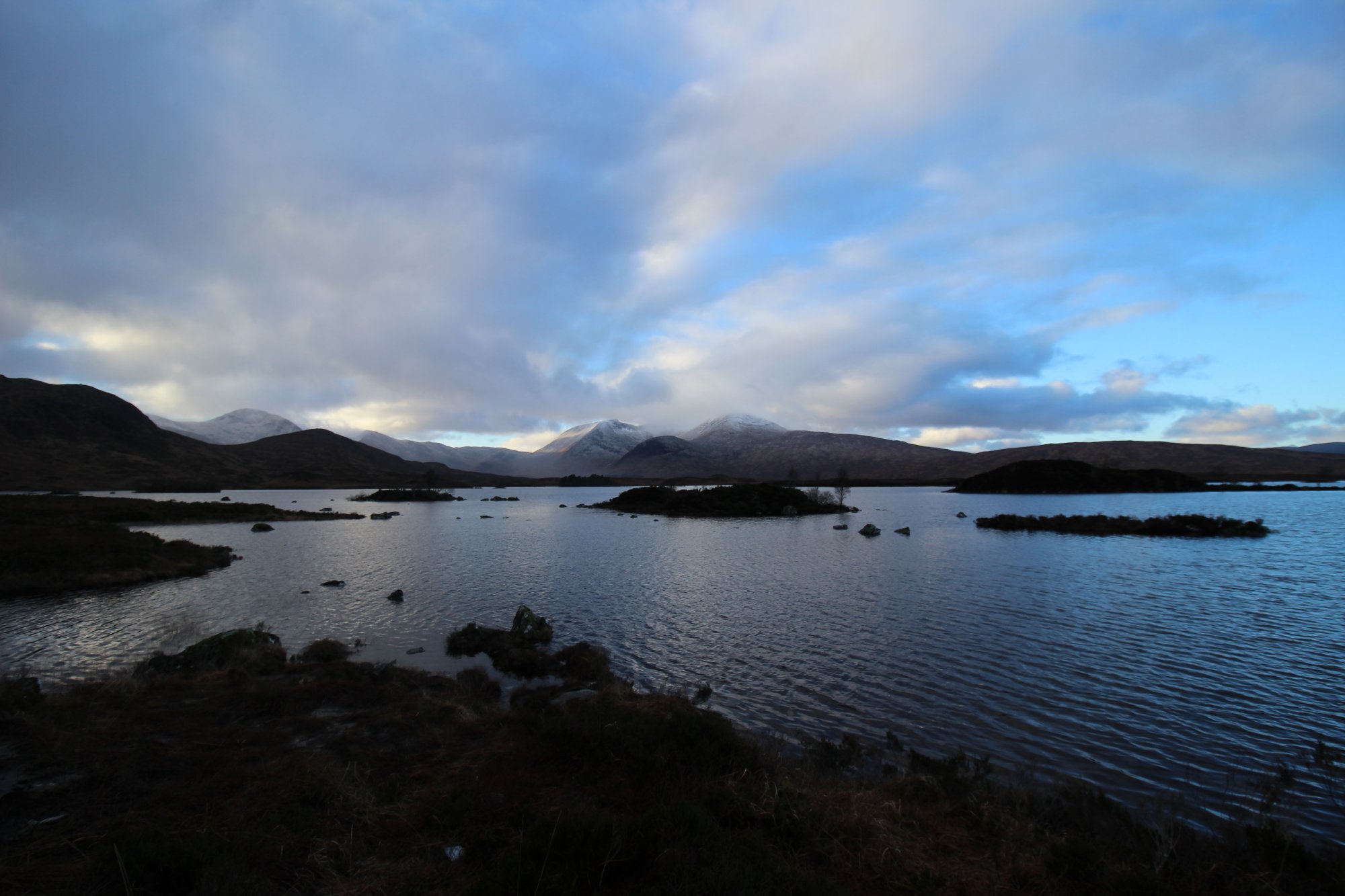
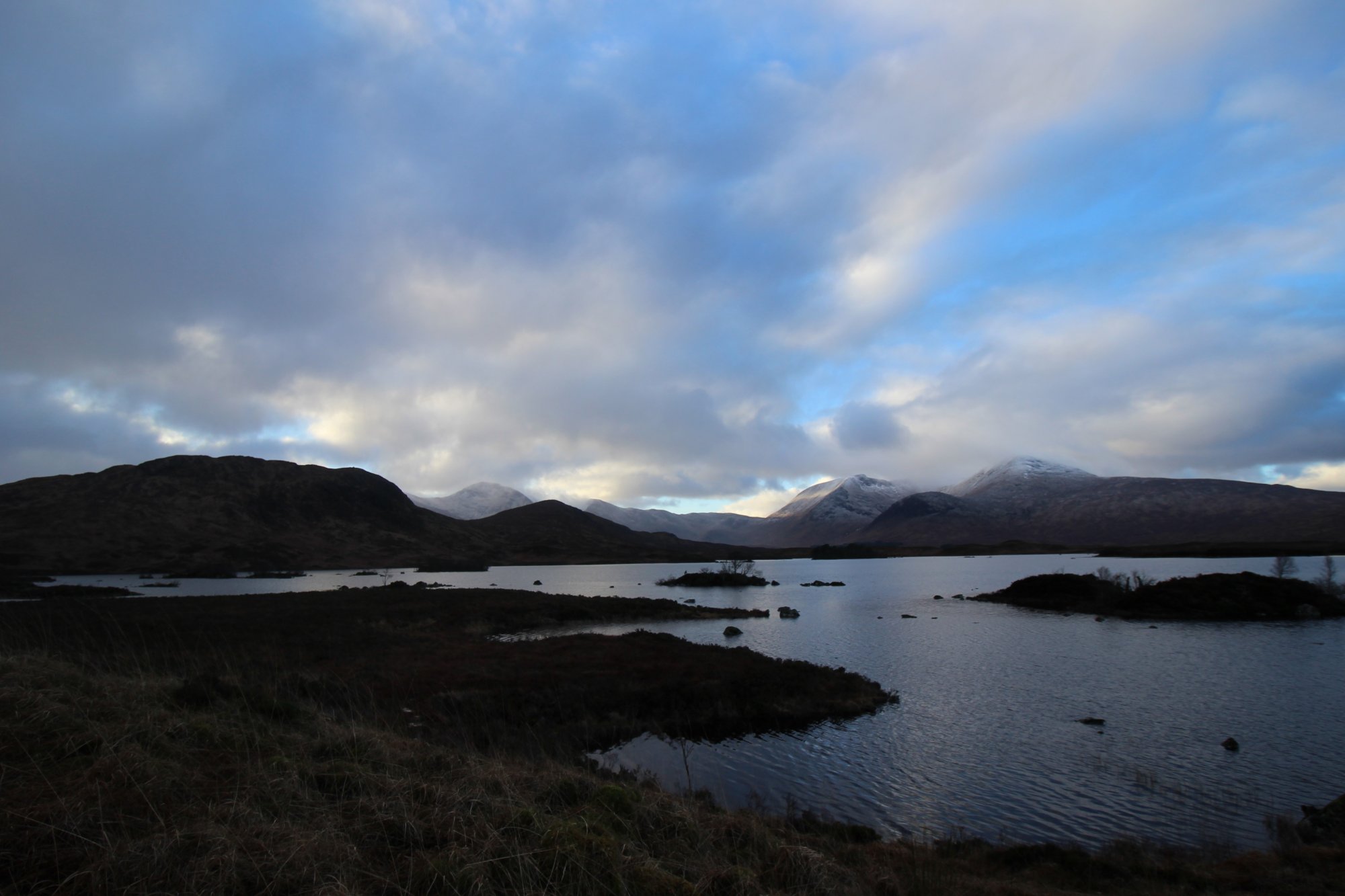
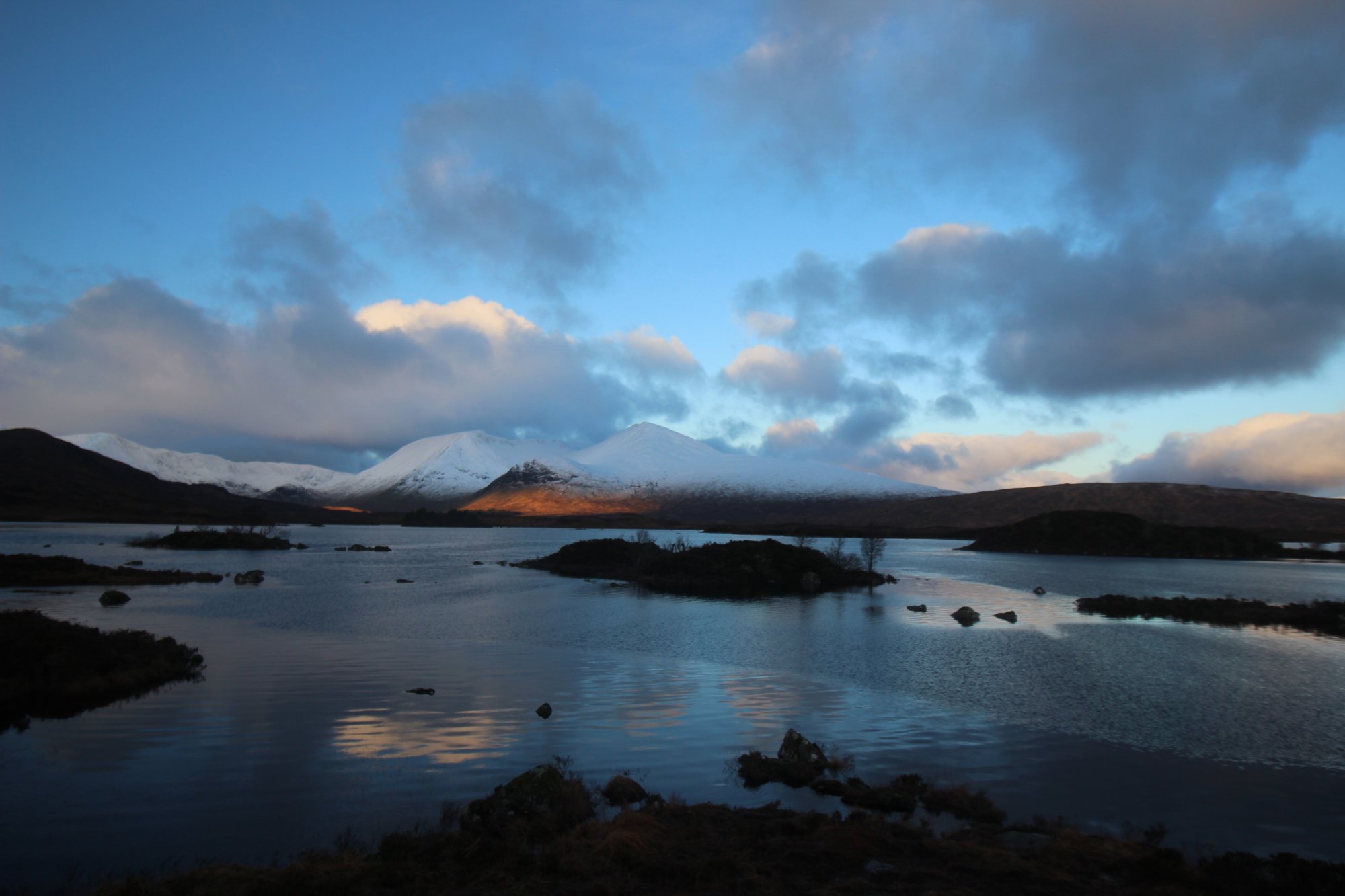
If you have ever seen a professional landscape photograph of the Scottish Highlands featuring a mirror-like pond, ancient Scots pines clinging to tiny peat islands, and a brooding backdrop of jagged peaks, chances are you were looking at Lochan na h-Achlaise. Situated on the vast, elevated expanse of Rannoch Moor, this iconic body of water is far more than just a convenient roadside pull-off along the A82; it acts as the visual gateway to one of Europe’s last true, untamed wildernesses. Located right between the dramatic mountain gates of Glencoe and the serene, sweeping reaches of Loch Rannoch, this area offers an atmospheric landscape so desolated and beautiful that it feels as though time has stood still for millennia.
The Last Vestige of the Ice Age
To truly appreciate the raw, melancholic beauty of Lochan na h-Achlaise, one must understand the ancient ground upon which it rests. Rannoch Moor was once the frozen heart of a massive, prehistoric icefield that covered much of Western Scotland. When the glacial ice finally retreated thousands of years ago, it left behind a vast, high-altitude plateau of granite boulders, deep peat bogs, and a chaotic labyrinth of water and land known geologically as a "knock and lochan" topography.
Today, the ground surrounding the water is famously unstable and waterlogged—a true sponge of deep peat and hidden mires. Because of its unique post-glacial history and specialized ecosystem, the entire moor is designated as a Site of Special Scientific Interest (SSSI). It serves as an irreplaceable sanctuary for rare Highland flora and fauna, including highly specialized insects and unique mosses that exist nowhere else on Earth. For the passing explorer, however, it is the stark visual contrast that captivates most: the nearly flat, water-speckled moorland set against the immense vertical grandeur of the Black Mount mountains looming directly to the northwest.
The Photographer’s Holy Grail
Lochan na h-Achlaise is arguably one of the most photographed and filmed vantage points in northern Scotland. On still mornings, it is common to find a dedicated line of landscape photographers silently setting up their tripods in the freezing, pre-dawn darkness, all waiting for a single, fleeting moment of perfect light. This specific lochan holds a legendary status in visual media due to a unique alignment of three natural features:
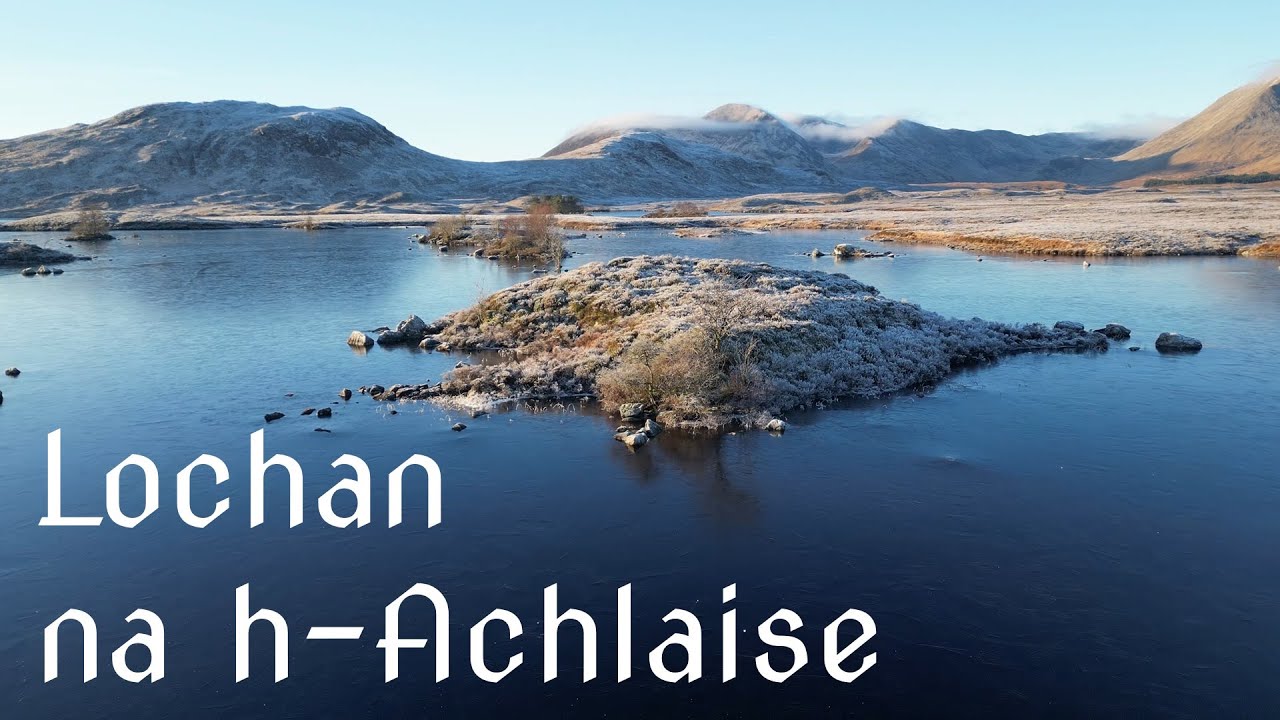
- The Floating Islands: The dark water of the lochan is dotted with small, picturesque mounds of peat. Several of these isolated islands host lone, weather-beaten Scots Pines. These resilient trees stand as living symbols of the ancient Caledonian Forest that once covered this entire territory before eons of climate shifts and human deforestation.
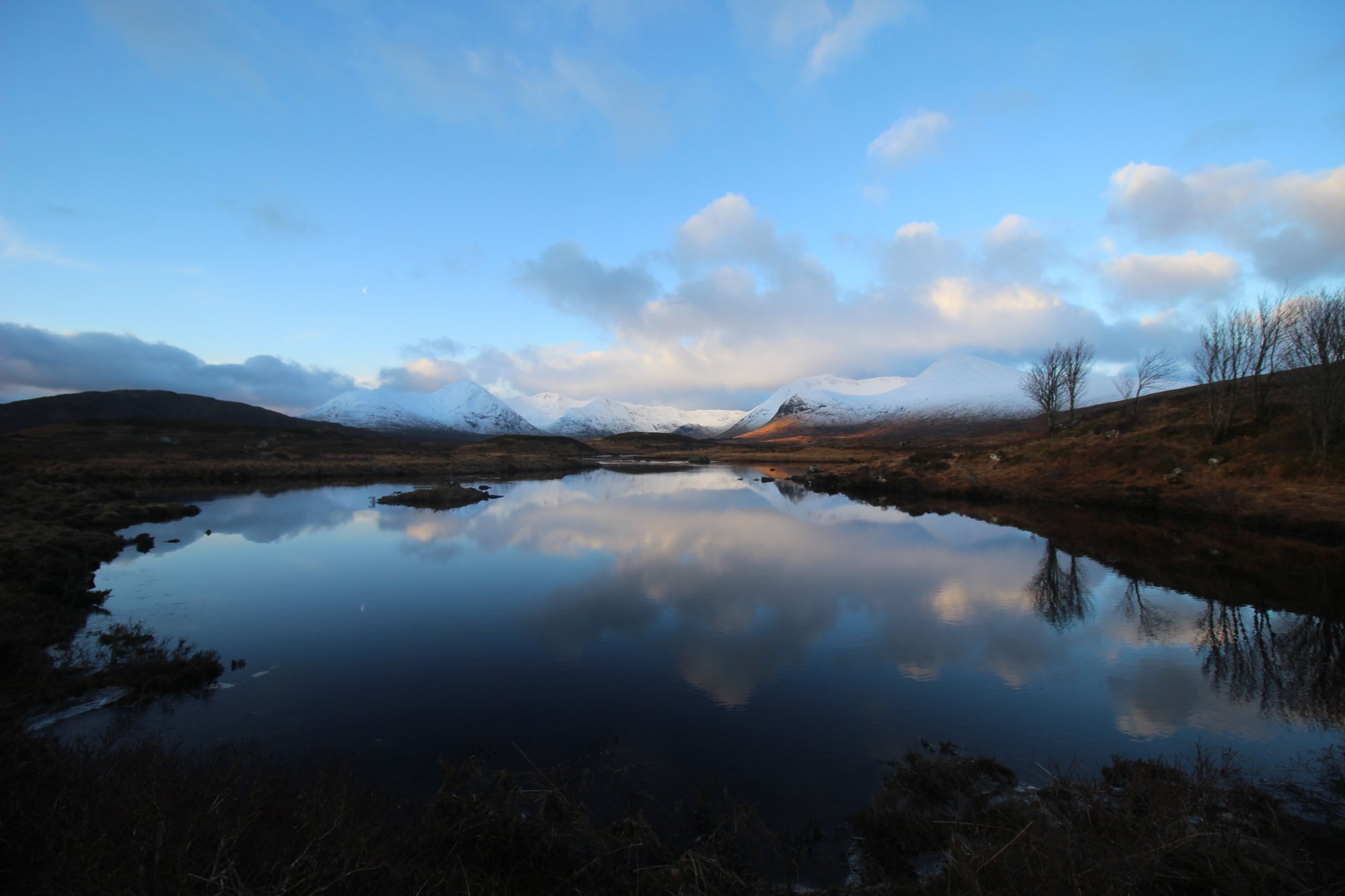
- The Black Mirror: Because Rannoch Moor is an exposed high plateau, the winds sweeping across the landscape can be exceptionally fierce. However, on perfectly calm mornings, the water of the lochan becomes a flawless, glassy black mirror, perfectly duplicating the sky and ridges above with absolute symmetry.
- The Mountain Frame: Rising directly behind the western shoreline is the jagged "Black Mount" range, including the iconic, towering peak of Stob a' Choire Odhair. This imposing ridge provides a rugged mountain frame that adds an immediate sense of immense scale, depth, and verticality to any composition.
Navigation, Access, and Viewpoints
One of the great ironies of Rannoch Moor is that while it represents an incredibly hostile and remote wilderness, it is also highly accessible to travelers. The A82 road, the main artery for tourists traveling toward Fort William and the West Highlands, cuts directly through the heart of the peat plateau. While most travelers simply speed through the moor on their way to Glencoe, Lochan na h-Achlaise deserves a dedicated stop. For the best perspectives, visitors can utilize two primary roadside lookouts:
The first is the classic Lochan na h-Achlaise view point. This is the definitive, highly sought-after location for framing the pine-studded islands against the Black Mount. The parking area here is relatively small and can fill up completely by mid-morning, particularly during the autumn "gold" season when the grasses turn a striking copper hue. Just a short distance away sits the Lochan na h-Achlaise South view point, which offers a slightly alternative angle over the southern shoreline, revealing more of the complex, watery fingers stretching across the boggy terrain.
Chasing the Mist: Seasonal Magic
To experience the true, primeval magic of the moor, one must commit to an early arrival. An unforgettable natural spectacle occurs when the freezing night air collides with the relatively warmer water of the lochan, generating a thick, ethereal surface mist. As the sun creeps over the eastern horizon, its early beams illuminate the shifting fog banks in vibrant shades of orange, pink, and gold, turning the desolate peat land into a cinematic dreamscape.
If you visit during the height of winter, the entire landscape transitions into a stark, Arctic environment. The shallow waters of the lochan freeze over completely into sheets of dark ice, while the surrounding peaks of the Black Mount are heavily capped with snow. This creates a striking, monochrome world that feels incredibly vast, silent, and wonderfully lonely.
Practical Safety Tips
Stick to Established Verges: While the moor appears deceptively flat and easy to traverse, the ground is an active, liquid sponge of deep peat bogs. Venturing away from the gravel viewpoints without proper mountain navigation skills, high-cut waterproof boots, or a clear understanding of the terrain can quickly lead to a dangerous situation.
Parking Etiquette: Because the designated viewpoint car parks are small and highly sought-after, never attempt to park on the soft, grassy verges of the A82 if the bays are full. The ground is incredibly soft and waterlogged; vehicles frequently sink and get stuck instantly, creating severe traffic hazards on this fast-moving mountain highway.
Midge Protection: During the damp summer months, the extensive standing water of Rannoch Moor makes it a primary breeding ground for the notorious Highland midge. If the wind drops below five miles per hour, ensure you have a specialized midge net and repellent ready.
Layering Up: Even in the height of July, the wind whipping across the exposed, high plateau of the moor can be biting. It is highly recommended to pack an extra windproof and waterproof layer, even if the weather down in the nearby village of Bridge of Orchy feels warm and pleasant.
Conclusion: An Indelible Highland Impression
Lochan na h-Achlaise remains the definitive symbol of Scotland's wild, post-glacial beauty. By perfectly balancing the horizontal expanse of a water-speckled moor with the vertical majesty of the Black Mount, it creates a visual tension that captures the imagination of anyone who stops to look. Whether you are catching the golden sun filtering through a thick layer of autumn mist or watching the winter ice form around ancient Scots pines, this small lochan leaves a timeless, indelible mark of Scotland’s eternal wilderness.