

Standing on the lush, south-eastern shores of the Sleat Peninsula, Armadale Castle is a place where the romanticism of a Scottish ruin meets the deep, ancestral roots of one of the world's largest clans. While the jagged silhouettes of Dunvegan or Eilean Donan often capture the headlines, Armadale offers a softer, more verdant beauty. It is a place of tranquil woodland, hidden ponds, and a history that stretches from the medieval Lords of the Isles to the Jacobite risings.
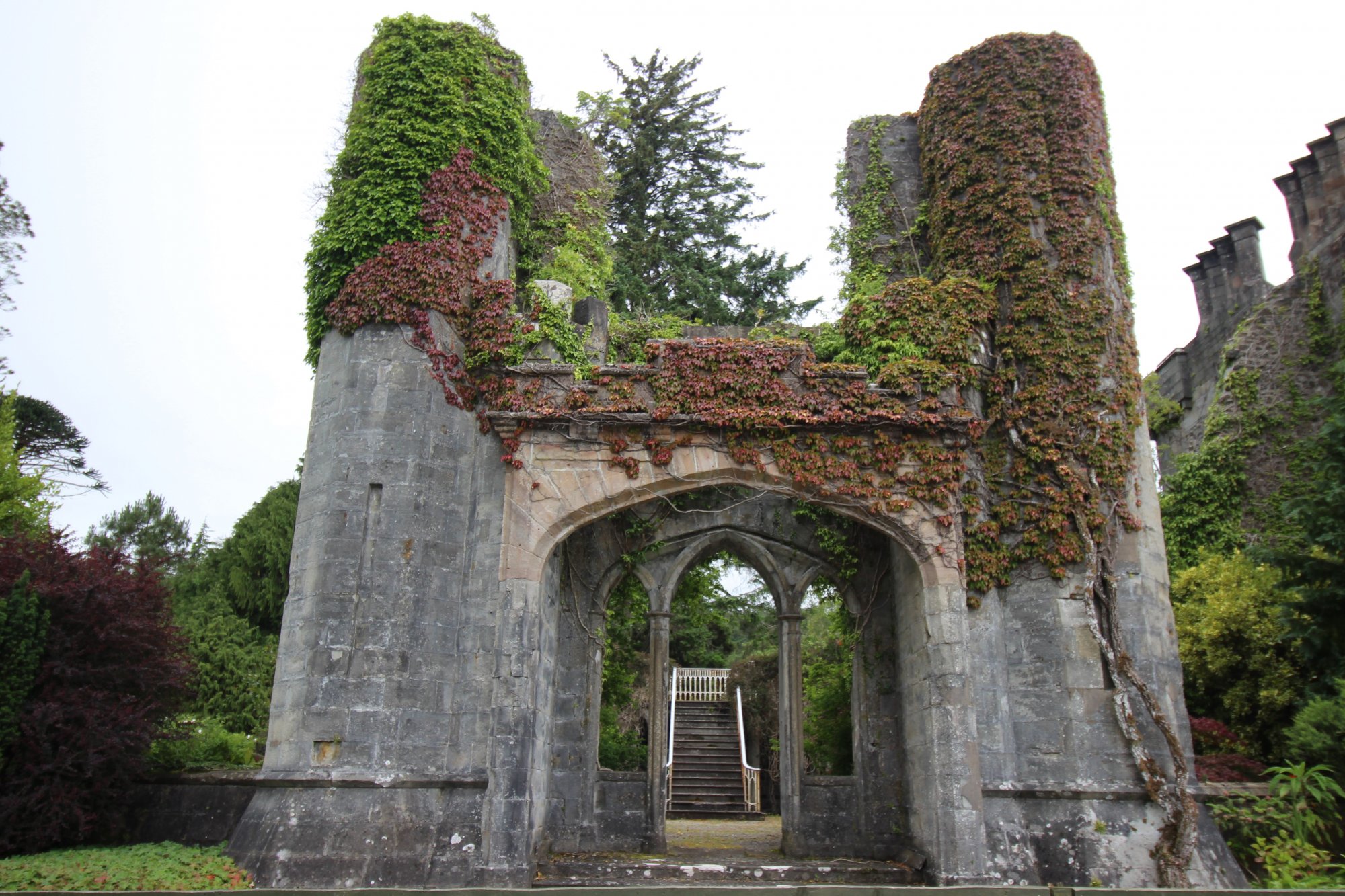
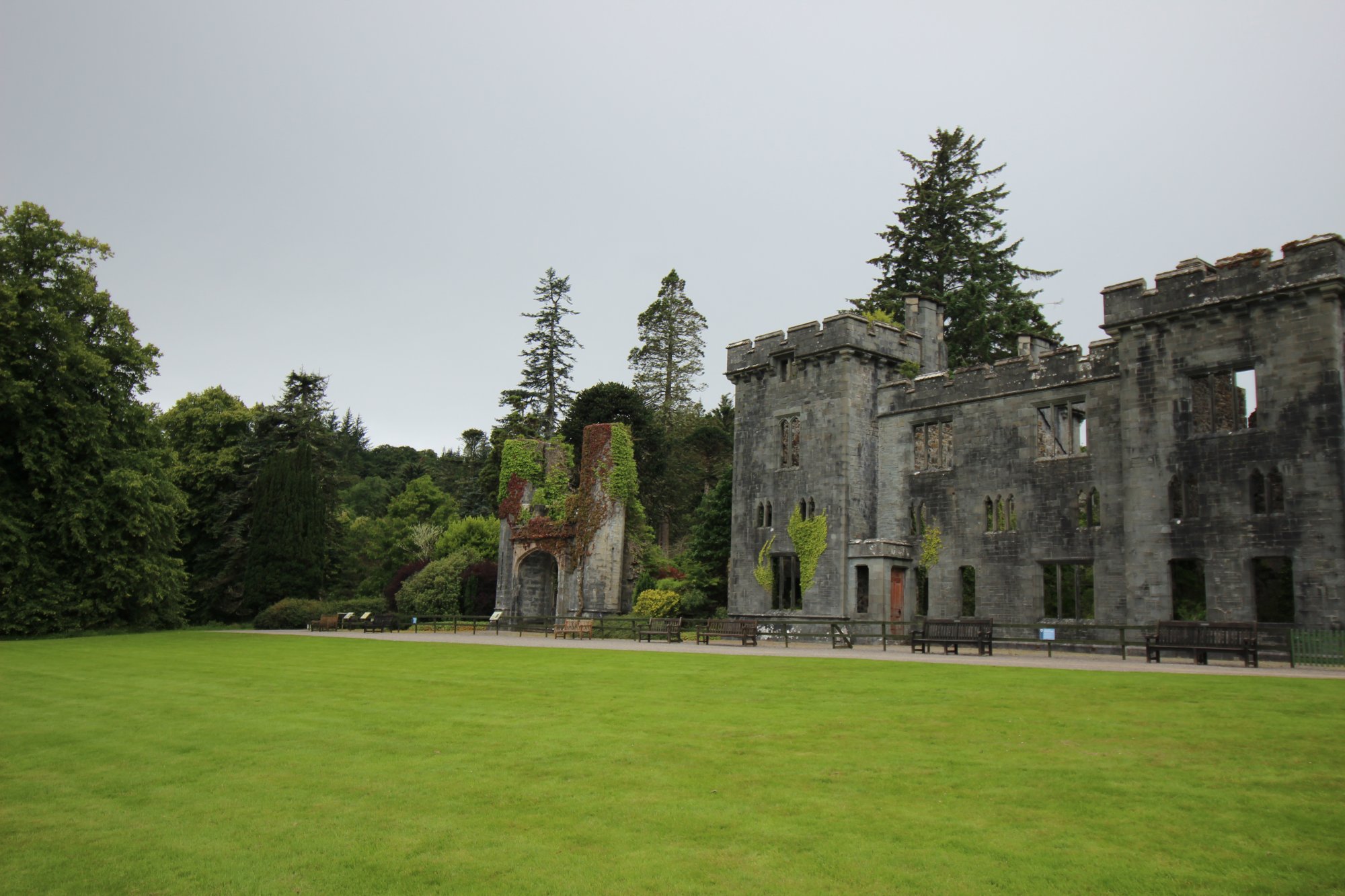
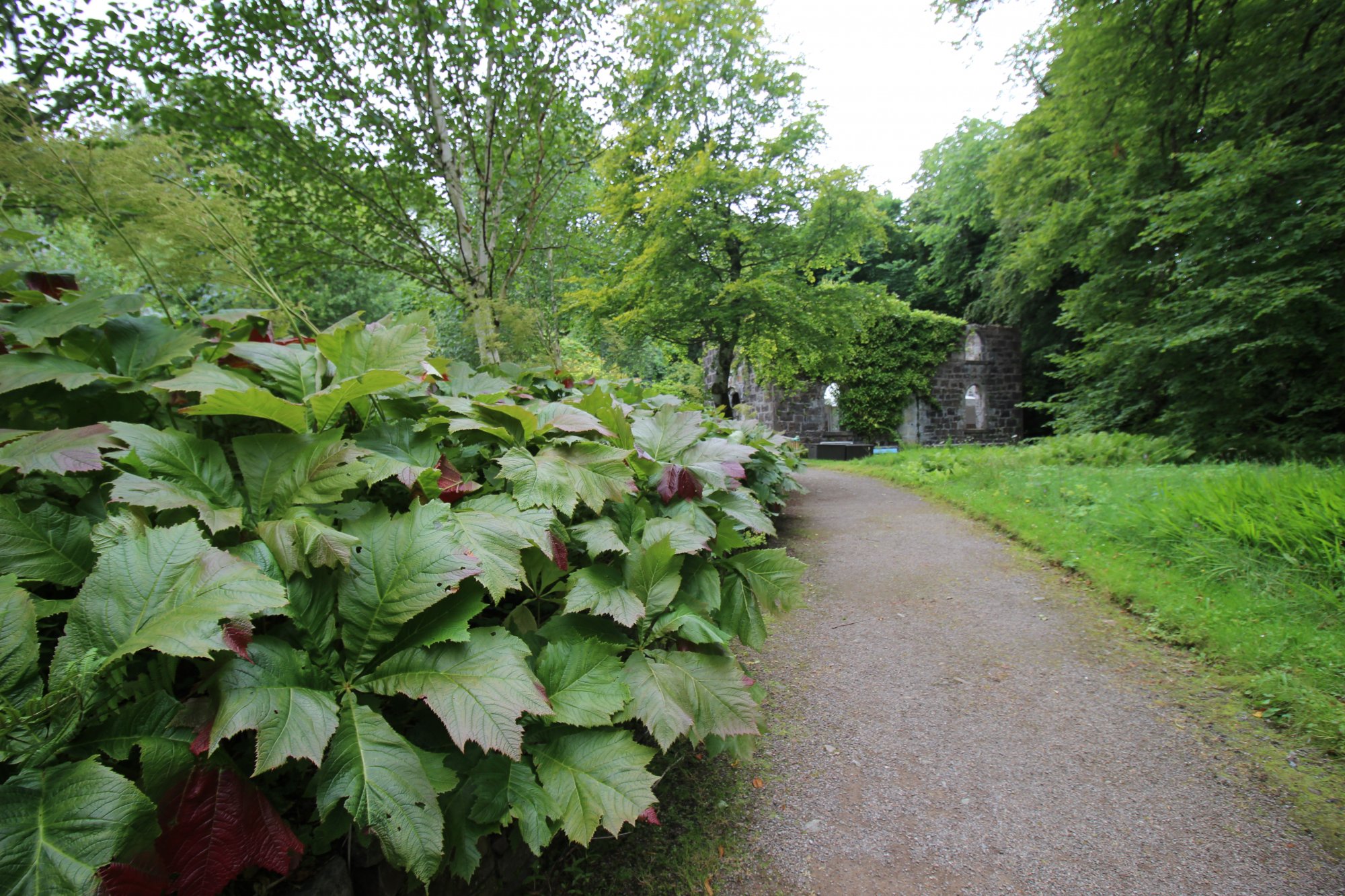
The "castle" itself is actually a grand 19th-century mock-Gothic mansion, built in 1815 to the designs of architect James Gillespie Graham. It was never intended as a fortress against cannons; rather, it was a display of power and prestige for the MacDonalds of Sleat. Today, it stands as a majestic, ivy-clad shell, carefully preserved to allow visitors to wander through the "hollow" grandeur of its former halls.
The Seat of a Mighty Clan
The story of Armadale is inseparable from that of Clan Donald. For centuries, the chiefs of the MacDonalds ruled over a vast maritime empire known as the Kingdom of the Isles. Before moving to the sheltered site at Armadale, the clan chiefs occupied more defensible fortresses like Duntulm Castle and Monkstadt House.
In 1925, the family finally moved to a smaller house on the estate, leaving the great mansion to the wind and the rain. It wasn't until the 1970s that the Clan Donald Lands Trust purchased the estate to prevent its complete decay. Now, as a "romantic ruin," it serves as a powerful monument to the changing fortunes of the Highlands—from bloody battles and clan feuds to the era of the great landlords and the Highland Clearances.
The Museum of the Isles
A visit to the estate is incomplete without spending time in the Museum of the Isles. This award-winning, purpose-built facility is the most important historical resource on the island, taking you on a 1,500-year journey through the history of the Highlands and Islands.
The galleries are a treasure trove for anyone with a connection to Clan Donald or an interest in Jacobite history. You can see rare artefacts such as:
- Jacobite Glassware: Beautifully engraved glasses dedicated to Bonnie Prince Charlie.
- Ancient Weaponry: Including a rare 17th-century firearm known as the "Gunna Breac" (the Speckled Gun).
- Flora MacDonald’s Snuff Mull: A personal item belonging to the woman who famously helped the Prince escape to Skye.
- Highland Life: Exhibits detailing the daily struggle of crofters and the heartbreaking stories of those forced to emigrate during the Clearances.
A Tropical Oasis in the North
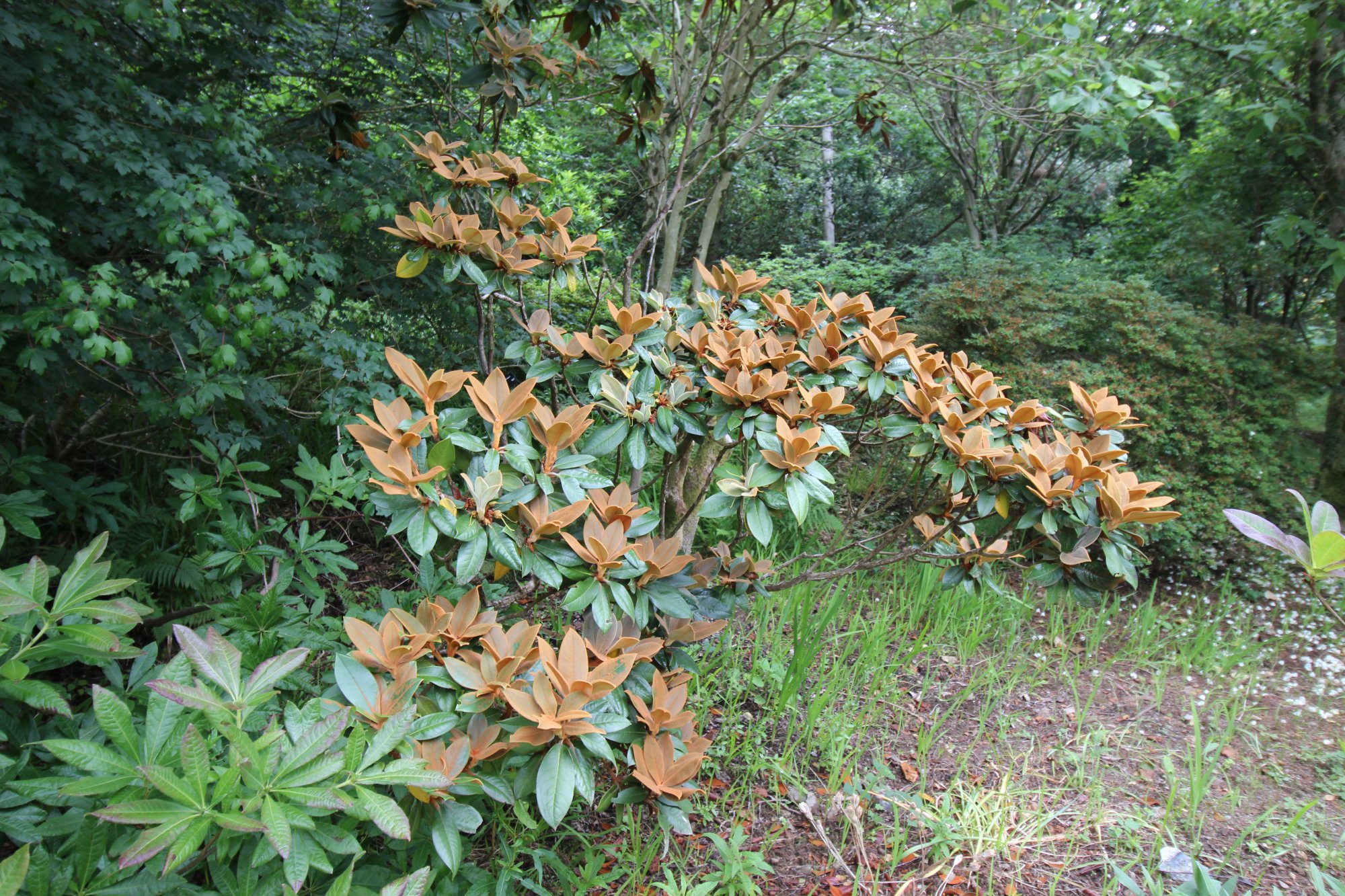
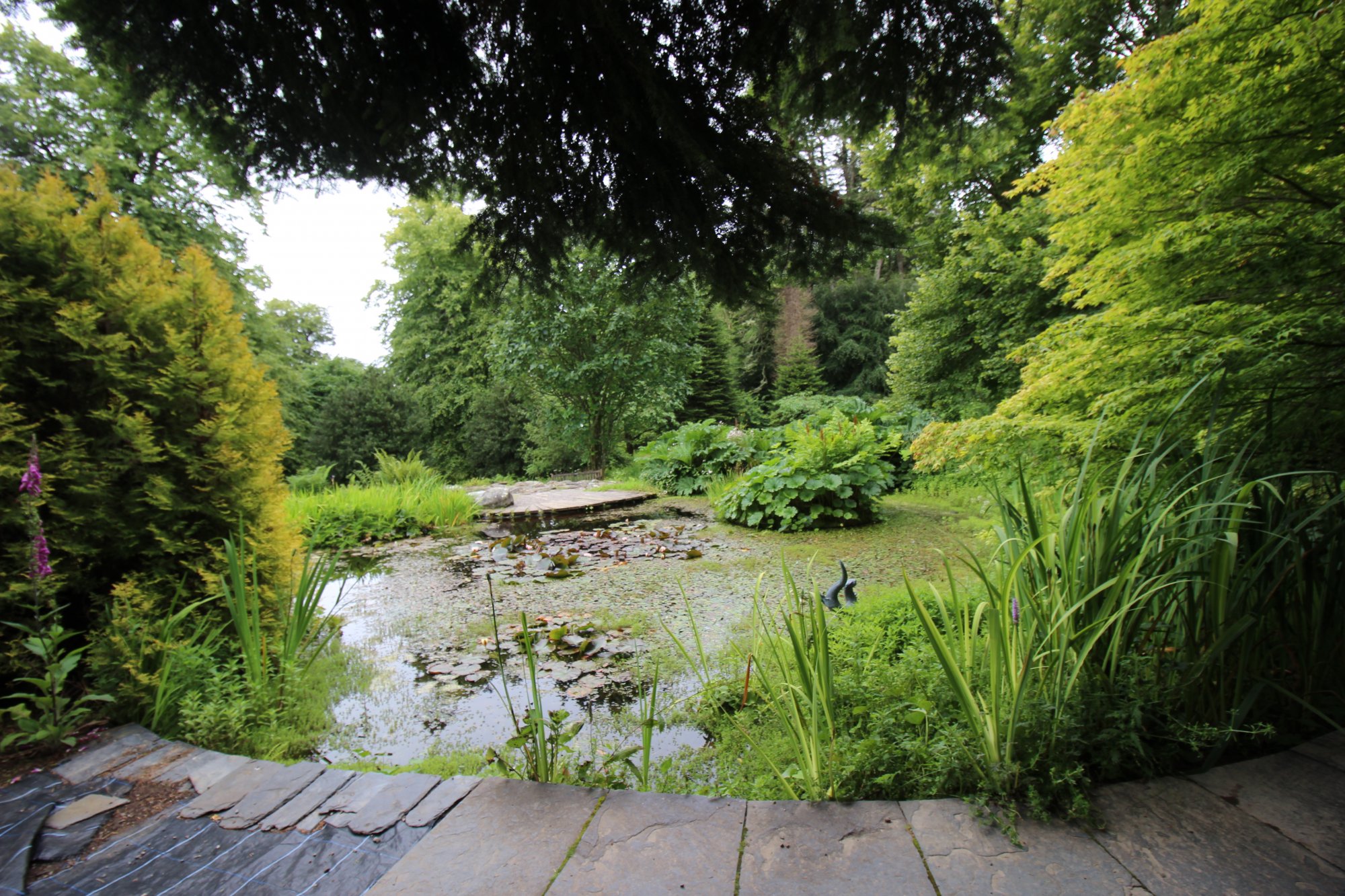
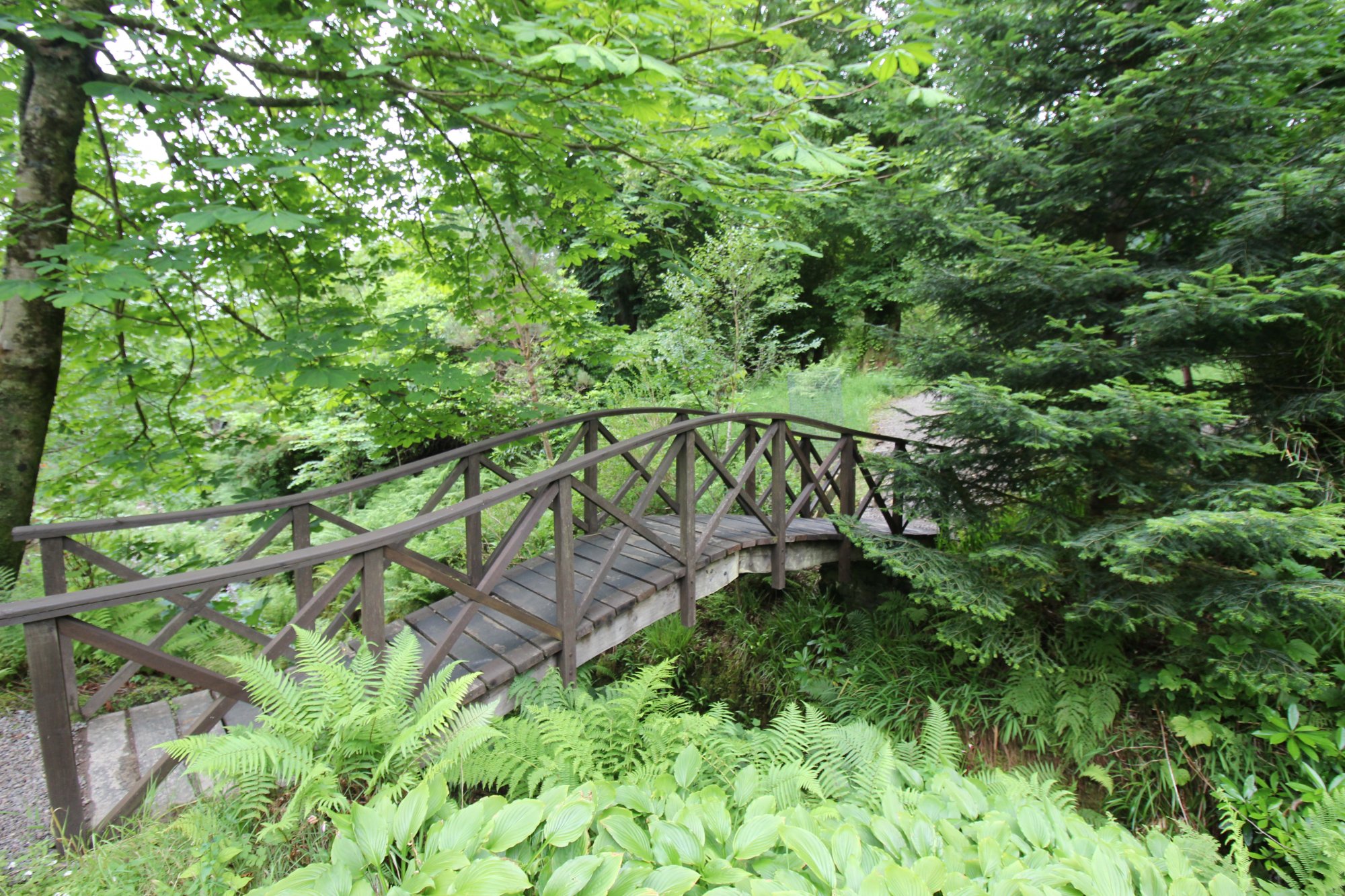
The 40 acres of woodland gardens at Armadale are a biological marvel. Thanks to the sheltered position of the Sleat Peninsula and the warming influence of the Gulf Stream, a surprising variety of exotic and tender plants thrive here that would struggle elsewhere in Scotland.
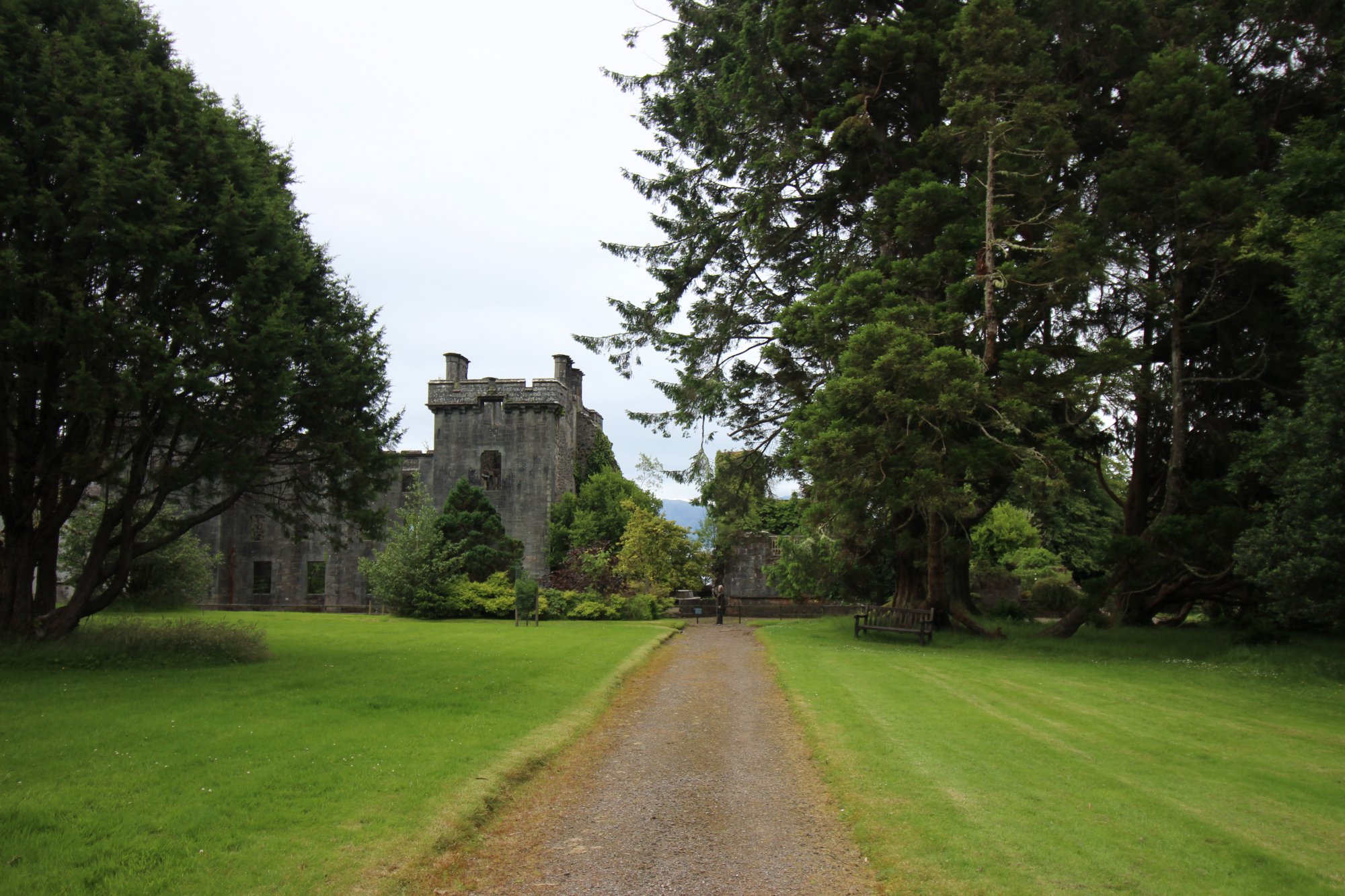
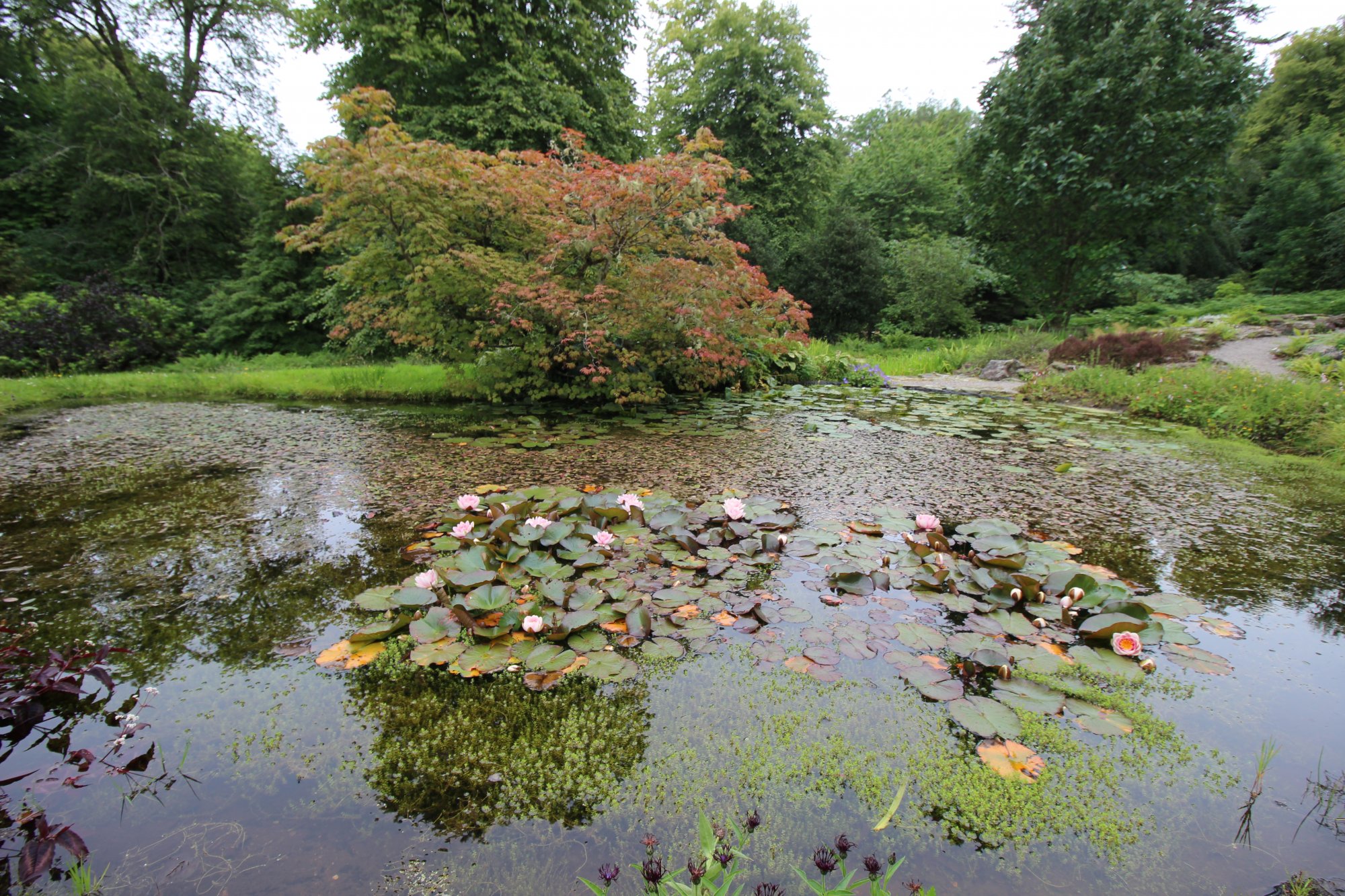
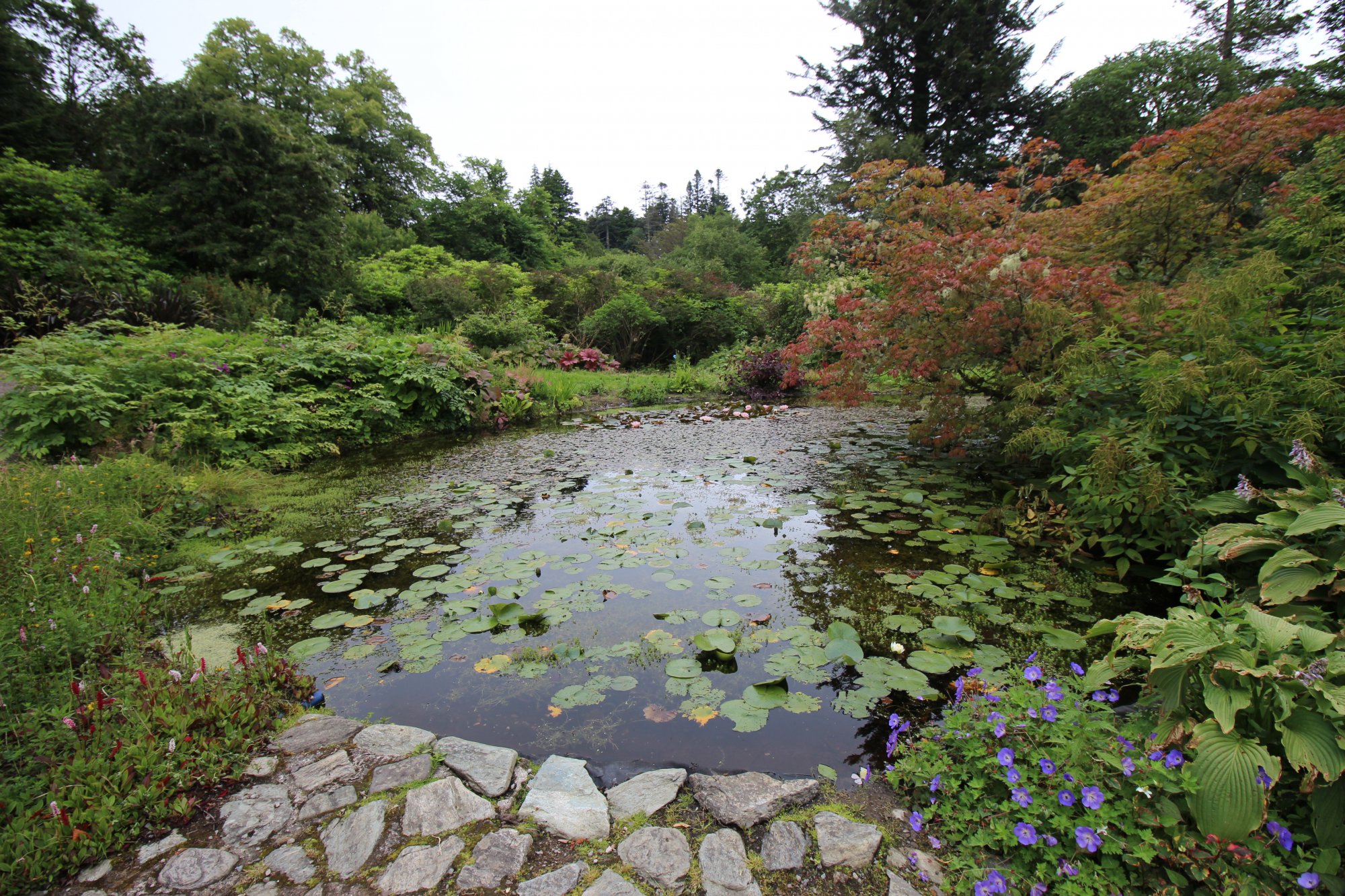
The gardens were originally laid out in the late 18th century, and today they feature a Victorian arboretum with trees over 100 years old. In the spring and summer, the forest floor is carpeted with bluebells and orchids, while the ornamental ponds are filled with waterlilies. Several walking trails lead up into the hills behind the castle, offering panoramic views across the Sound of Sleat to the mainland peaks and the white sands of Mallaig.
Practical Tips for the 2026 Season
- The Ferry Connection: The castle entrance is located just a short distance from the Armadale ferry terminal. If you have a two-hour wait for the CalMac ferry to Mallaig, the gardens and museum offer the perfect way to spend that time.
- Dining and Facilities: The Stables Cafe is located in the restored 1822 stable block and serves excellent local fare, including "garden-to-table" produce. Toilets and accessible facilities are available both at the cafe and the museum.
- Accessibility: Most of the main paths through the gardens and the museum itself are wheelchair friendly, though some of the higher woodland trails can be steep and uneven.
- Safety: While the castle ruins are fenced off for safety, the interpretation boards around the perimeter allow you to imagine the lavish interiors and marble staircases that once defined the mansion.
Why Armadale Stays with You
There is a profound sense of "homecoming" at Armadale. For the thousands of MacDonald descendants who visit each year, it is a pilgrimage site. For everyone else, it is a peaceful sanctuary where the turbulent history of Scotland is etched into the very stones of the ruins. Standing on the front lawn, looking across the water toward the mainland with the ancient trees at your back, you realize that Armadale isn't just a museum—it is the living heart of the Isle of Skye’s southern coast.
Armadale Castle
Isle of Skye
Jola's score:

Bart's score: