



The Elgol Tide-Trap: Precision Logistics for the Strathaird Peninsula's Hidden Cavern
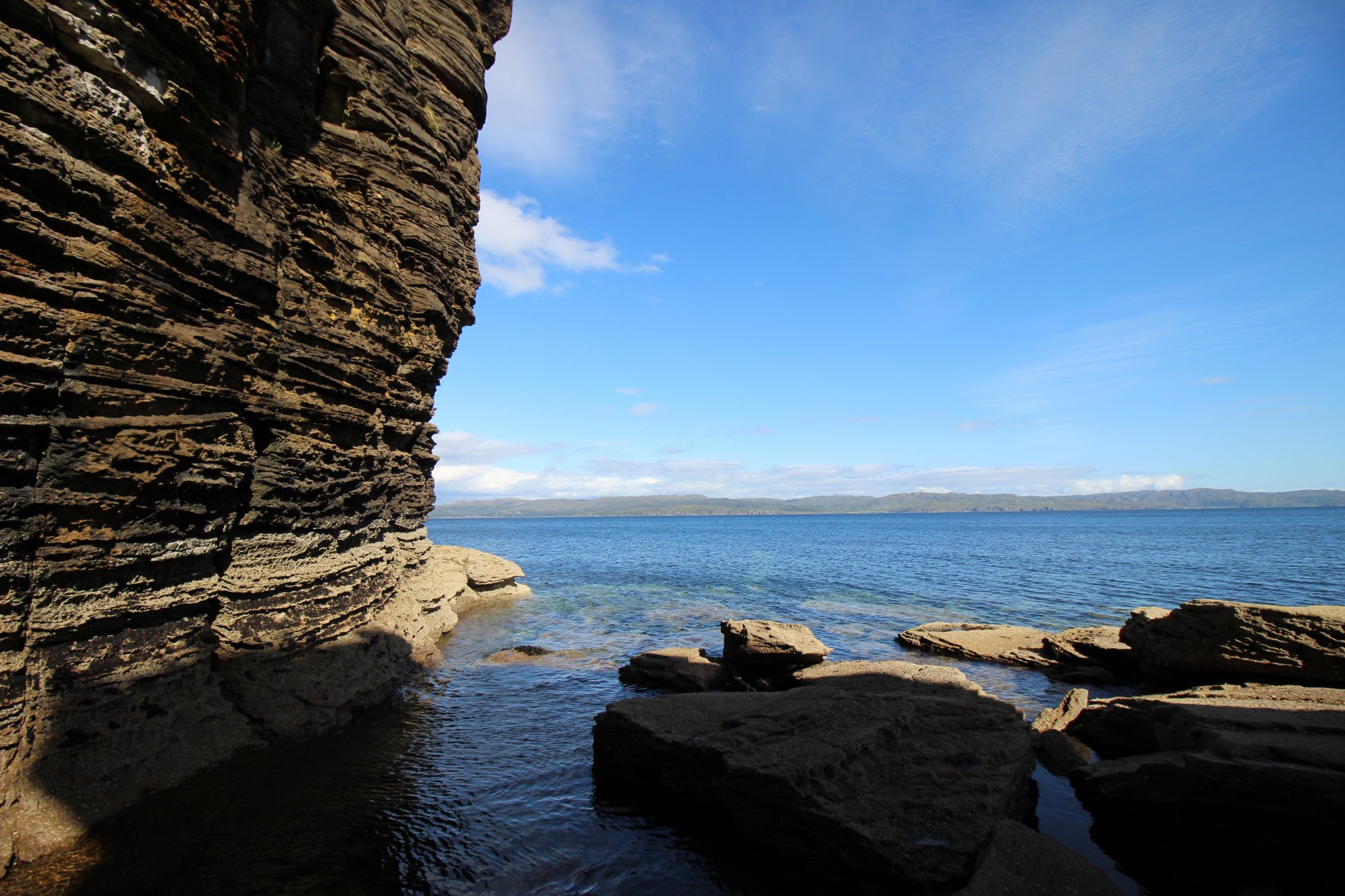
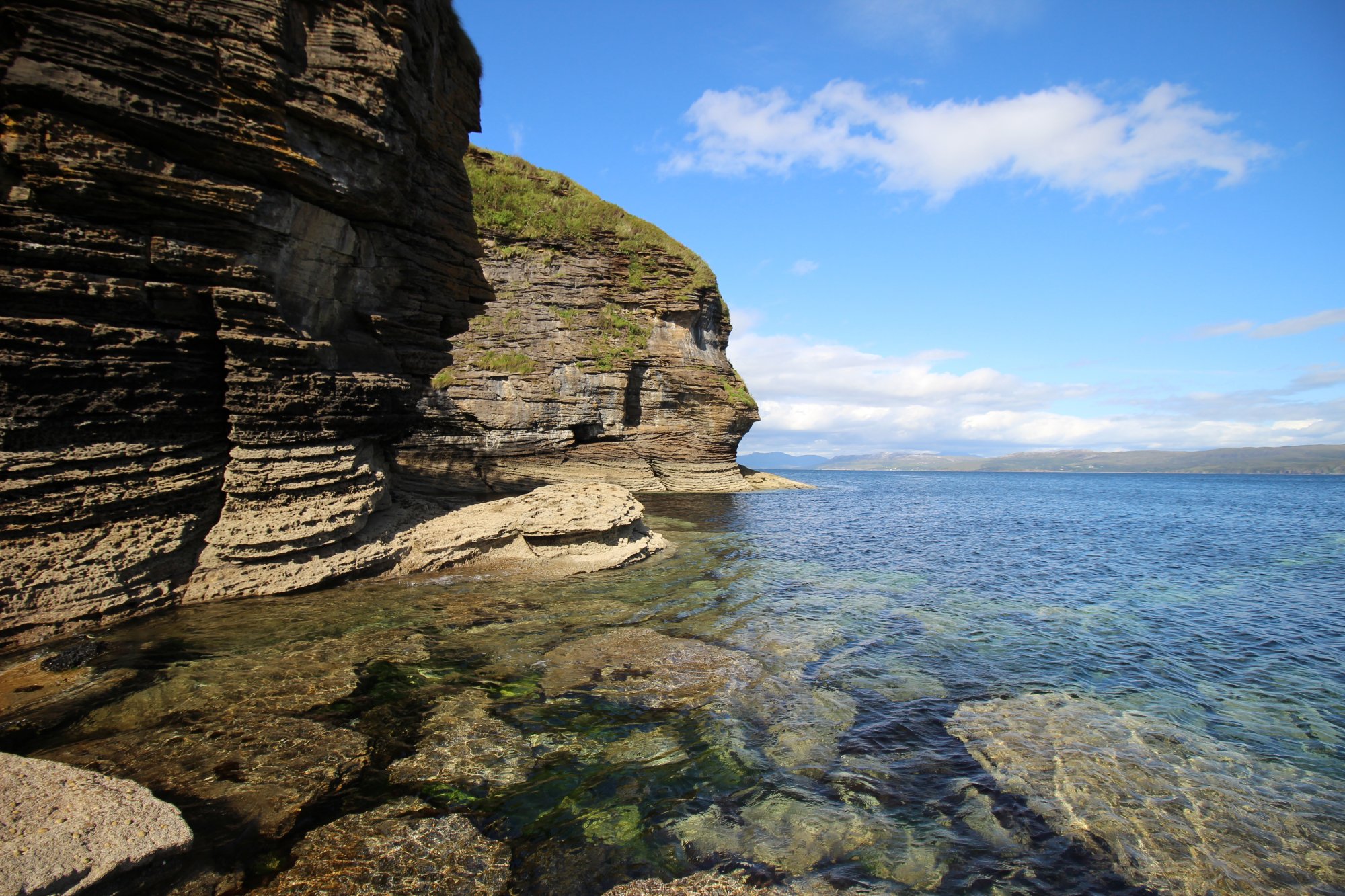
Hidden beneath the fractured, wind-scoured limestone cliffs of the Strathaird Peninsula on the Isle of Skye, Spar Cave (known historically in Scottish Gaelic as Uamh an t-Suidhe—the Cave of the Seat) represents one of the most volatile, geologically significant, and rewarding coastal missions in the Inner Hebrides. Unlike terrestrial caverns or managed heritage sites across the Scottish Highlands, Spar Cave operates on a strict, unyielding, and hazardous oceanic clock. Its monumental, wave-carved entrance is a subterranean gateway to a hidden interior of sloping, crystalline calcite galleries that mimic a frozen, glittering geological waterfall. Because the technical coastal approach is entirely submerged by the North Atlantic at high tide, the location serves as a high-stakes test of a traveler’s navigational planning, situational awareness, and physical endurance. It remains a raw, completely unmanaged wilderness site—a true adventurer’s sanctuary that rewards only those who treat the volatile dynamics of the Atlantic tides with absolute professional respect.
The Geography of Strathaird: Sir Walter Scott and the MacLeod Legacy
The cultural and historical footprint of Spar Cave is deeply intertwined with the romantic movement of the 19th century and the ancient clan rivalries of Skye. For centuries, the cave was known to local crofting communities, but it achieved international fame in 1814 when Sir Walter Scott visited the Strathaird estate during his voyage with the Lighthouse Commissioners. Scott was so spellbound by the brilliant, pristine nature of the stalactites that he immortalized the cavern in his epic poem, The Lord of the Isles. This literary endorsement transformed the remote peninsula near Elgol into an overnight sensation for Victorian travelers, who would hire local boatmen from the MacKinnon or MacLeod clans to row them into the gaping sea chasm at low tide.
Tragically, this early wave of unregulated tourism took a heavy toll on the cave's delicate interior ecosystem. Victorian souvenir hunters, carrying open tallow candles and smoky torches, systematically snapped off hundreds of delicate stalactites and left a layer of soot on the lower walls. Despite this historical vandalism, the deeper chambers of Spar Cave have spent the last century healing. Today, the unmanaged ruins of this subterranean palace have largely regained their translucent luster, standing as a testament to the resilient, slow-moving hand of geological time.
Tactical Navigation: The Critical "Tidal Window" and Ravine Approach
Your experience—navigating the physical aftermath of a strenuous Blà Bheinn ascent—perfectly illustrates the primary operational danger of the rugged Elgol coastline: cumulative muscle fatigue versus strict tidal urgency. Attempting to execute a technical coastal traverse when your legs are drained from a Munro climb introduces an unacceptable margin of error. The journey to Spar Cave requires sharp focus, agile footwork, and a flawless understanding of localized hydrography.
- The Tidal Threshold: The coastal path leading from the dead-end road at Glasnakille to the base of the cliffs becomes a dangerous deathtrap as the tide surges back toward the peninsula. Standard safety protocol requires arriving at the jaw of the cavern at least two hours before the local low-tide nadir. This ensures you have adequate time to negotiate the wet approach, explore the interior chambers, and retreat before the incoming Atlantic rollers seal the exit channel. If your mountain timeline pushes you past this critical window, the cave must be considered obdurately off-limits for the day.
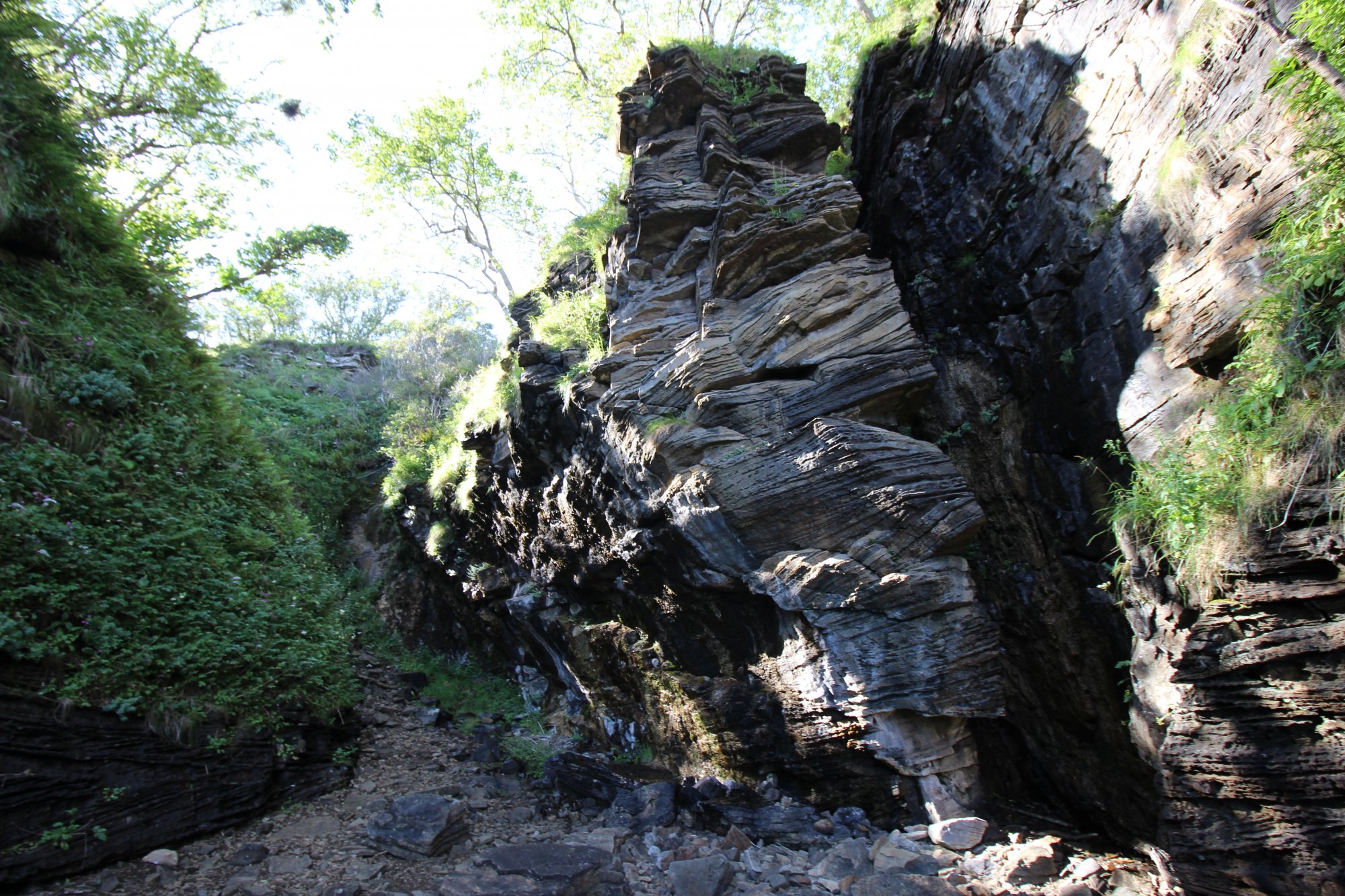
- The Glasnakille Ravine: The descent from the clifftop pastures involves navigating a steep, muddy, and heavily overgrown ravine. The path is frequently washed out by small freshwater springs, turning the clay soil into a slick slide. Hikers must descend slowly, utilizing sturdy, high-ankle trekking boots with aggressive lug patterns. Rushing this descent to "beat the tide" is a primary catalyst for slips, twists, and sprains.
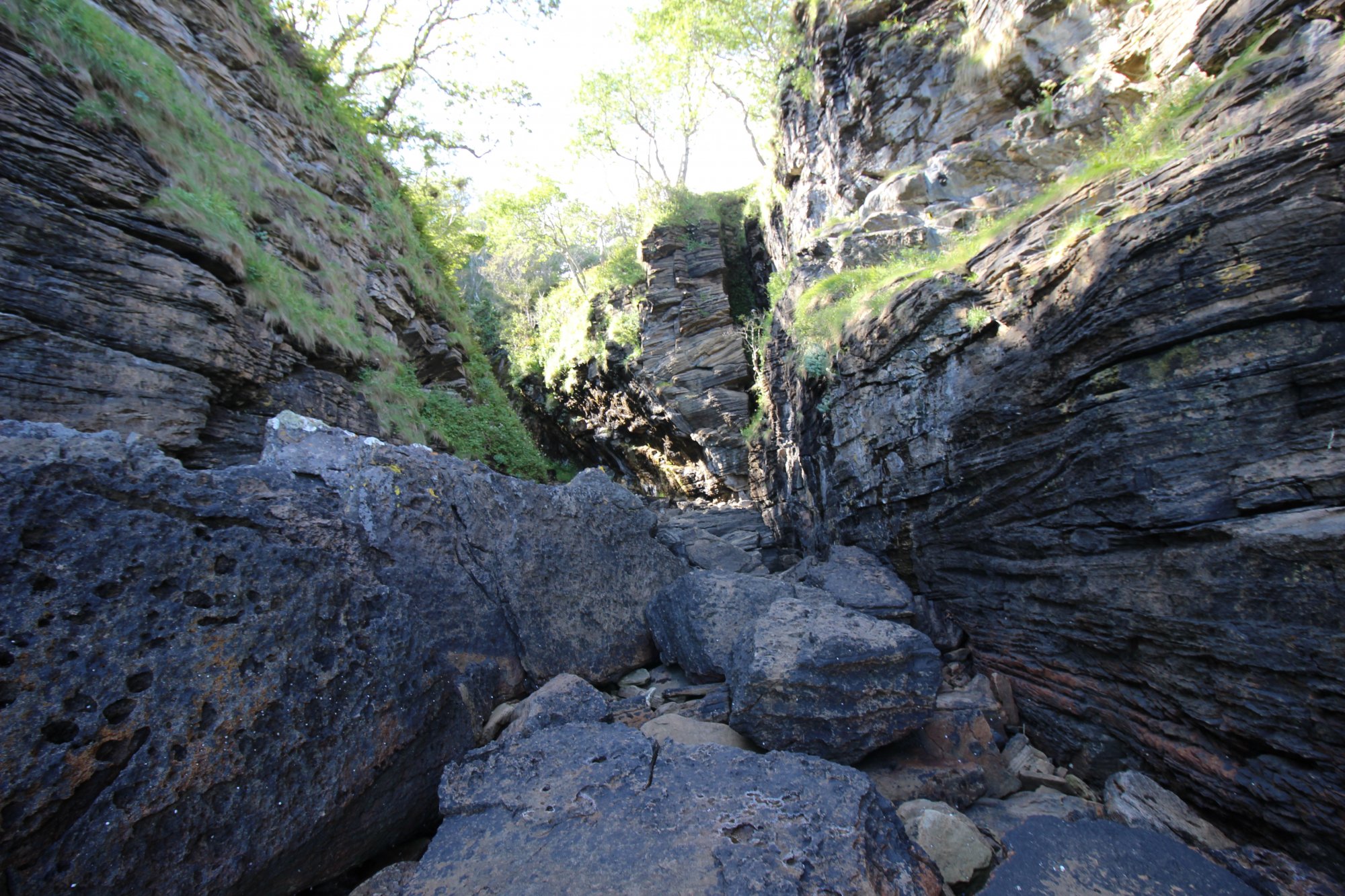
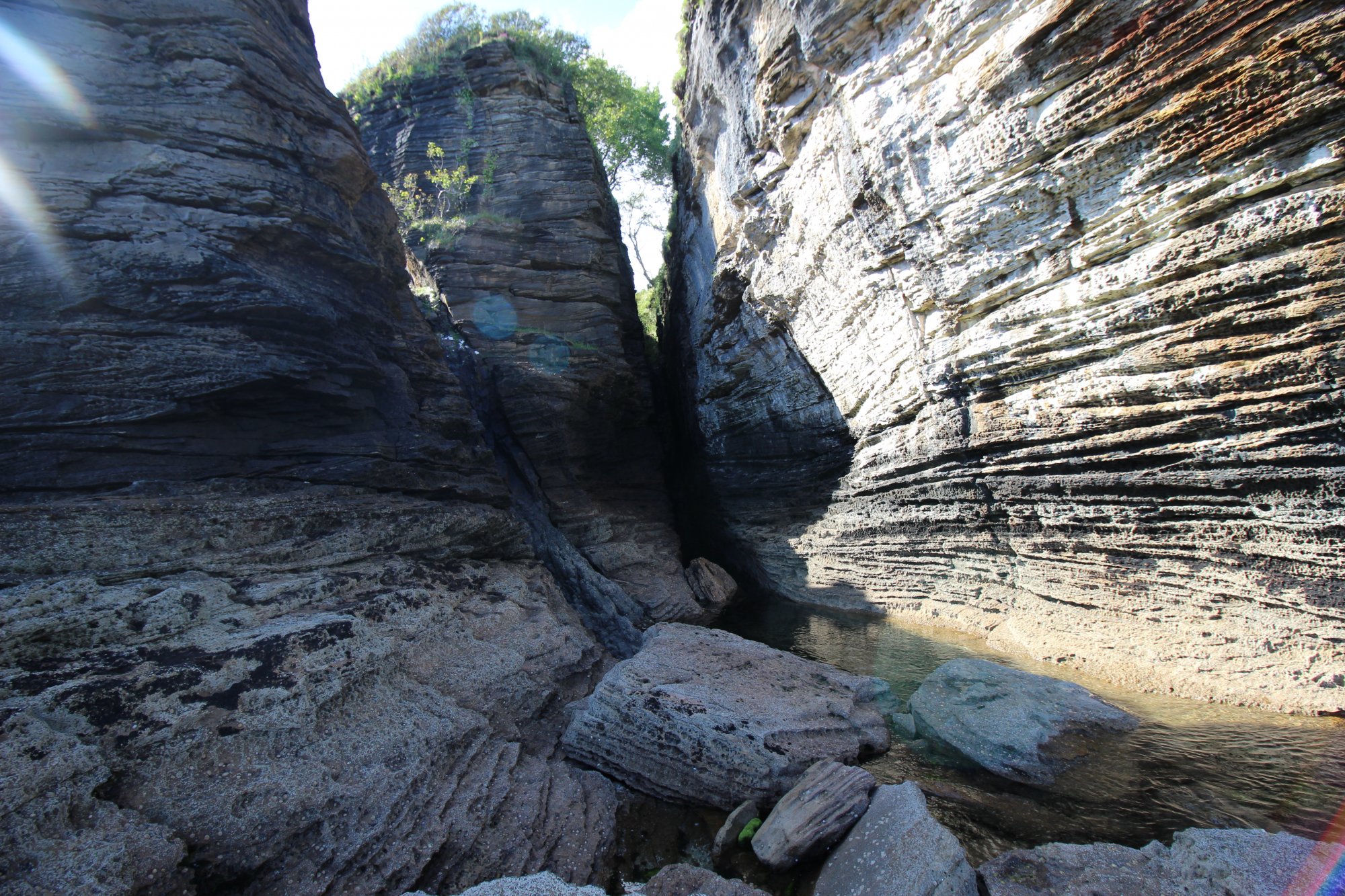
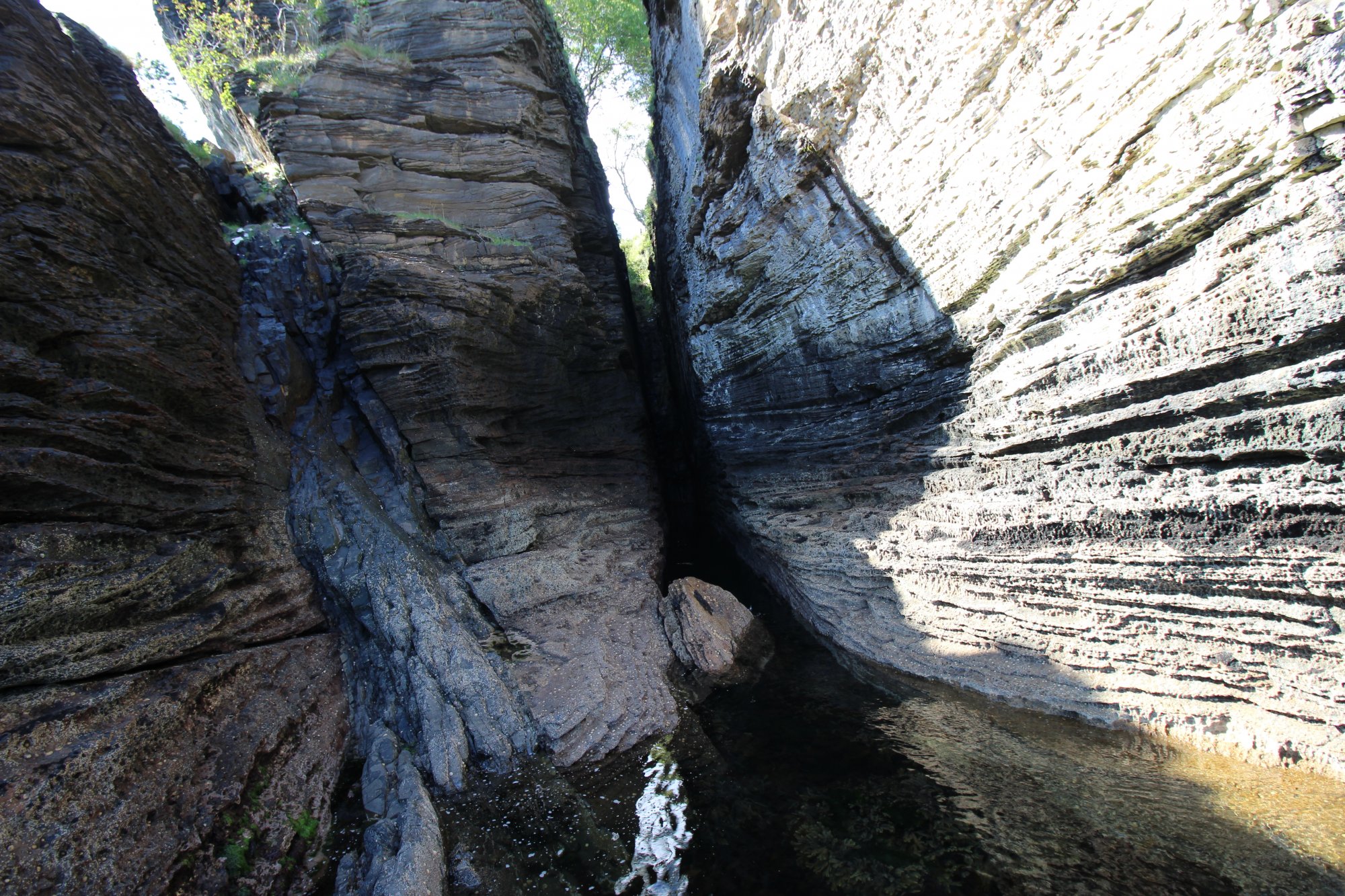
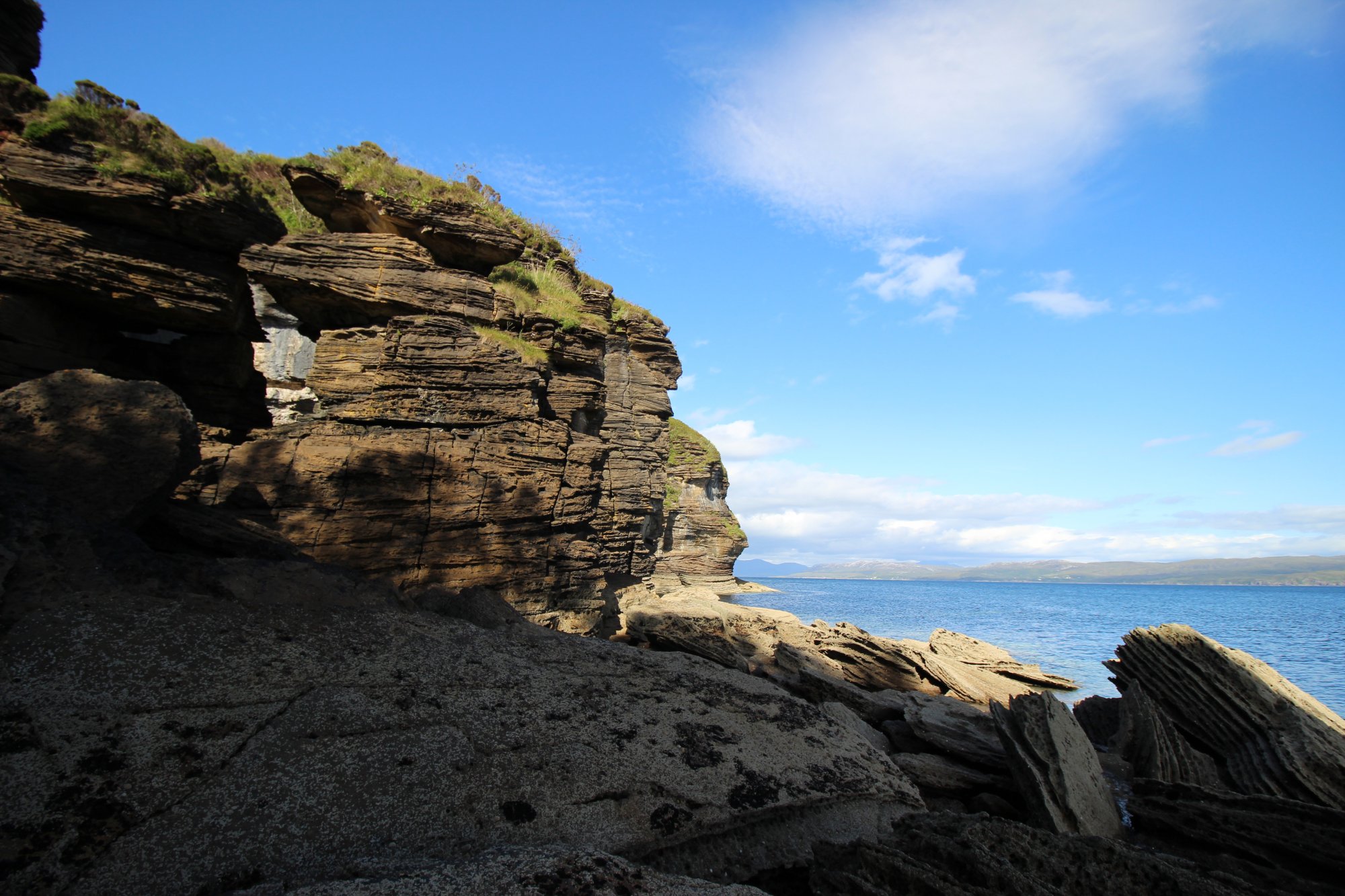
- The Marine Gash: Once on the rocky shore, you must track northward through a colossal, vertical rock cutting or "geo." The walls here rise dozens of feet on either side, completely cutting off your line of sight to the open sea. The floor of this gash is choked with massive, kelp-covered boulders and slick, green sea-lettuce that demands total concentration with every stride.
Subterranean Architecture: Scaling the Crystalline Flowstones
For those who successfully cross the tidal threshold, the interior of Spar Cave reveals a staggering display of calcium carbonate architecture. The cave extends roughly 100 meters into the heart of the Strathaird limestone bedrock, configured in a steep, upward-sloping orientation that challenges traditional horizontal spelunking:
- The Great Calcite Staircase: Immediately upon entering the main cavern, the natural rock floor gives way to a massive, brilliant white flowstone structure. This is the "Spar" that gives the cave its name—a thick, smooth ramp of pure crystalline calcite formed over millennia by mineral-rich water dripping from the ceiling. The incline is steep (approaching a 30-degree angle) and constantly damp. Because the stone is polished by a fine, saline film from sea spray, ascending requires crawling on hands and knees, seeking out small textural dimples in the calcite for grip.
- The Interior Summit and Dark Lake: At the apex of the flowstone ramp, the cave drops away into a dramatic, pitch-black subterranean vault. Here, a deep, still freshwater pool fills the entire width of the passage. To proceed deeper into the final chambers, explorers must wade through this waist-deep, ice-cold water, highlighting the necessity of carrying high-powered, waterproof headlamps and thermal layers.
Drone Production and Subterranean Cinematography Tactics
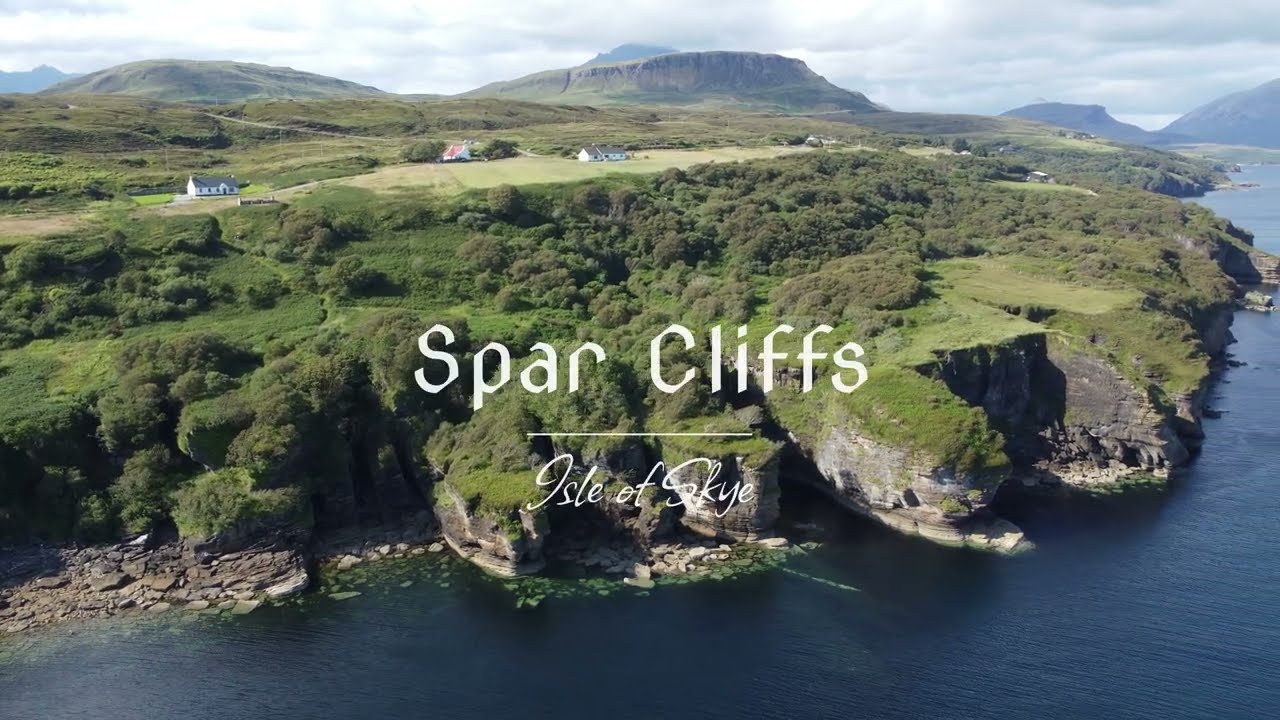
The dramatic visual interplay between the ink-black vertical cliff-lines of Strathaird and the jagged, volcanic skyline of the Black Cuillin makes this one of the premier drone photography and filmmaking zones on the southern coast of Skye. When tidal conditions lock you out of the cave, pivoting to an aerial digital media production workflow is a highly efficient use of resources.
- Cinematic Pivoting and Scale: Shifting from cave-access to aerial documentation of the Elgol coastline provides immediate high-production value for travel channels. Utilize a slow, tracking flight path parallel to the cliff faces while keeping the distant, jagged silhouette of Blà Bheinn or the Cuillin main ridge in the upper third of your frame. The lens perspective compression creates an immense, cinematic sense of scale, contrasting the vulnerability of the coast against the eternal weight of the mountains.
- Managing Dynamic Range and Water Reflections: The blinding contrast between the bright, salt-crusted limestone cliffs and the deep, absorbing indigo of the Minch can easily crush shadows or blow out highlights. Shoot exclusively in a 10-bit log profile (such as D-Log M) to preserve the delicate highlights on the stone walls. A high-efficiency Circular Polarizer (CPL) is mandatory; it cuts through the surface glare of the ocean, exposing the submerged kelp forests and hidden rock reefs that define the coastline's wild character.
- Subterranean Audio Capture: If you return to film inside the cave, audio capture requires specialized discipline. The limestone acoustics are incredibly live, creating long, boisterous echo tails. To capture the pure, atmospheric audio of water dropping into the dark lake without distortion, dial down your microphone preamps to prevent clipping from the sharp, percussive slaps of the water droplets. Wrap all field recorders in moisture-resistant seals to guard against the constant subterranean humidity.
Operational Reality and 2026 Season Guidelines
As you plan your return for the 2026 season, treat Spar Cave with the same tactical respect as an unroped mountain scramble. There are no handrails, no solar-powered lighting systems, and no park rangers to monitor your safety. Pack a minimum of two independent, high-lumens light sources per person, check the updated 2026 Elgol tide tables twice before departing your accommodation, and never allow the desire for cinematic footage to override the cold reality of an incoming Atlantic tide. Leaving the cave for another year when fatigue sets in is not a failure—it is the signature mark of an experienced, resilient Highland explorer.