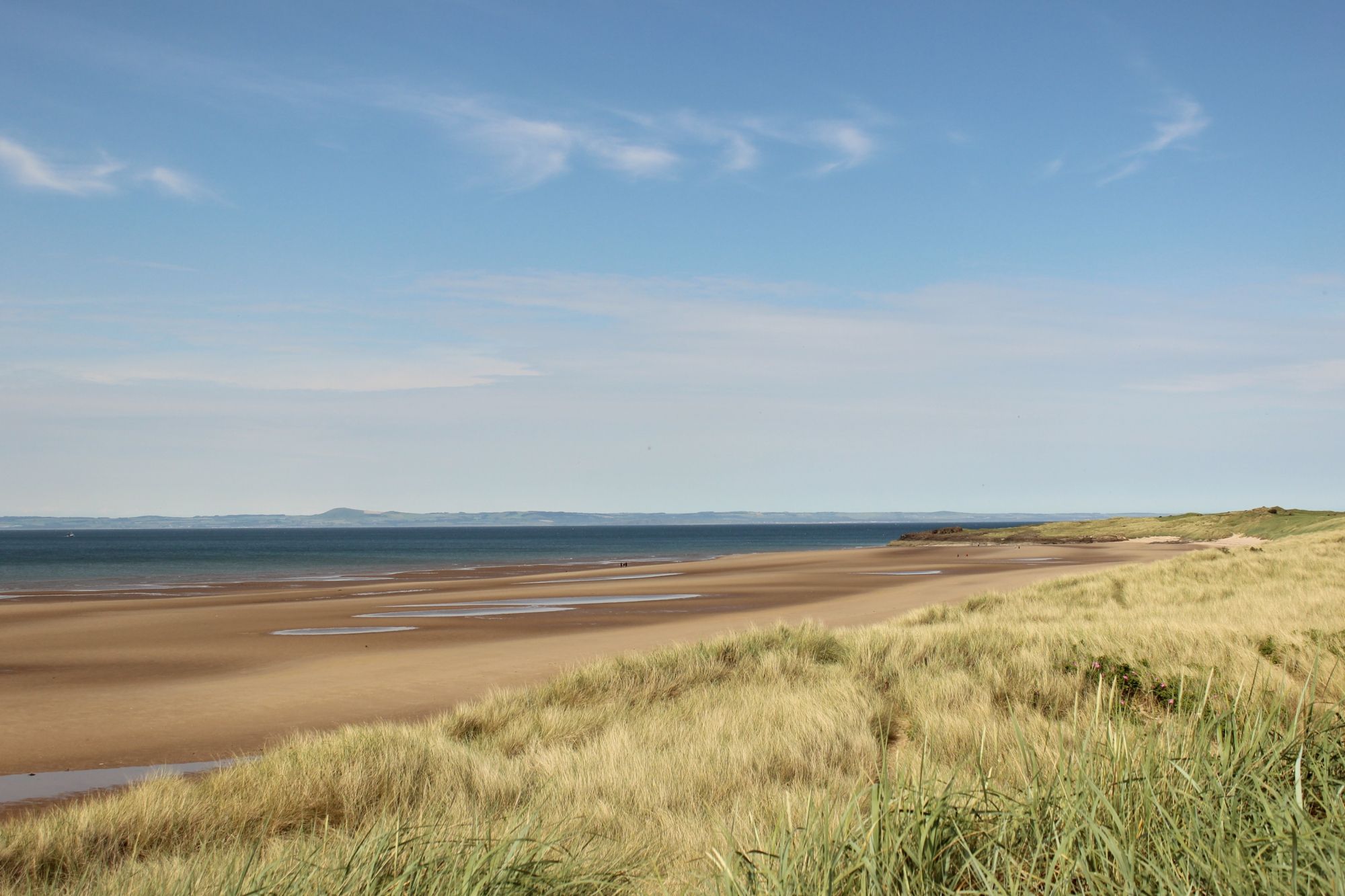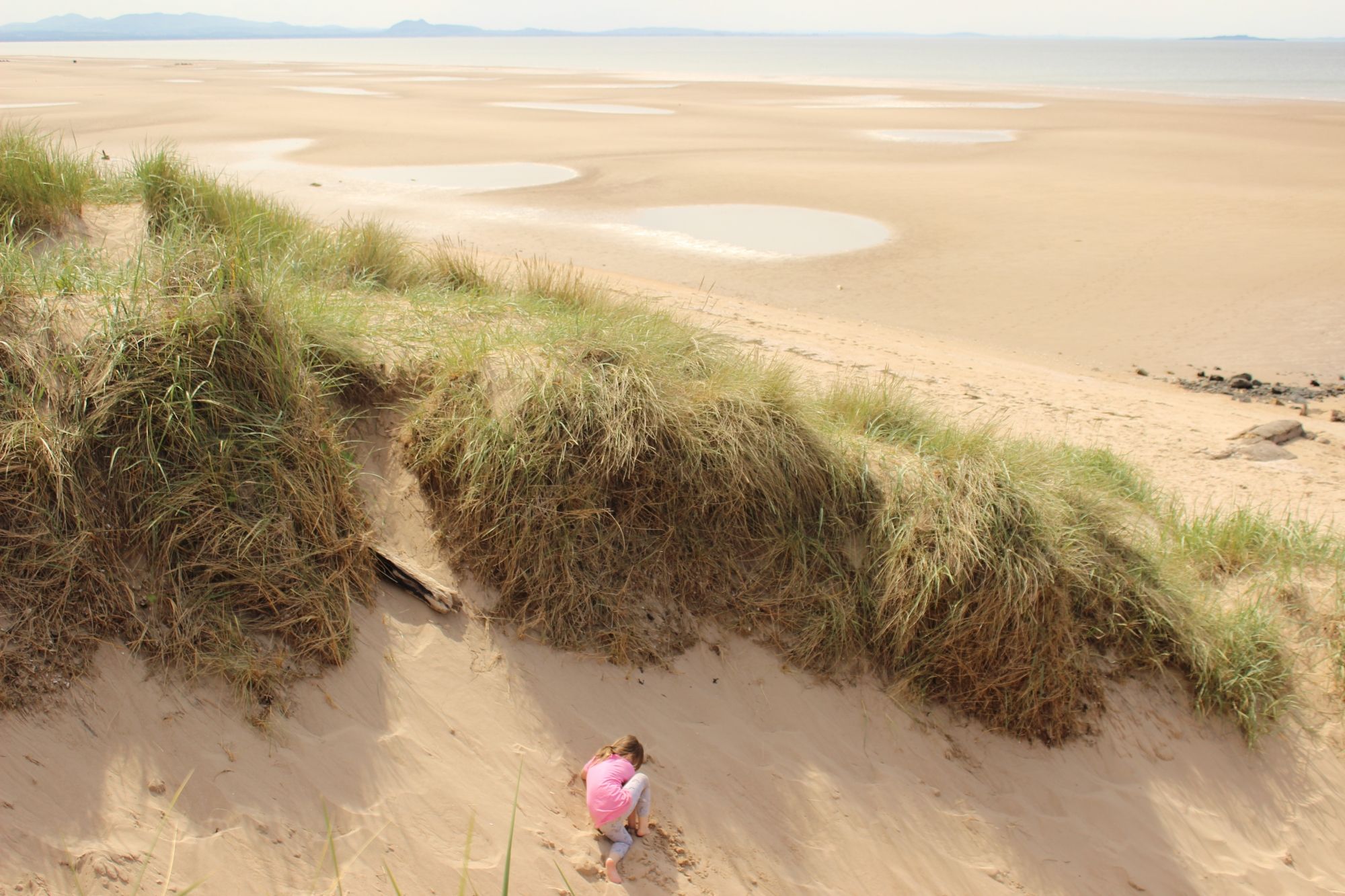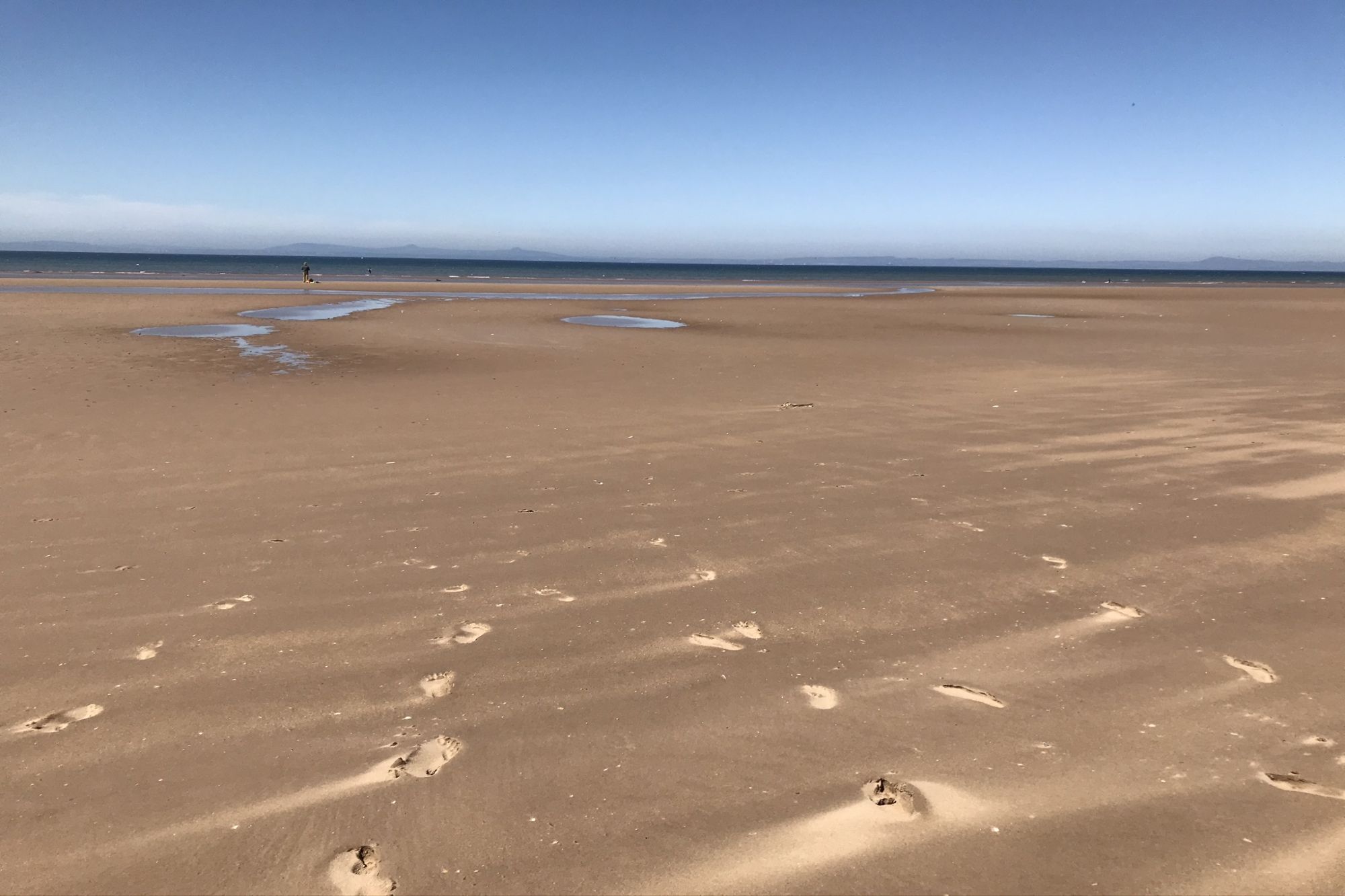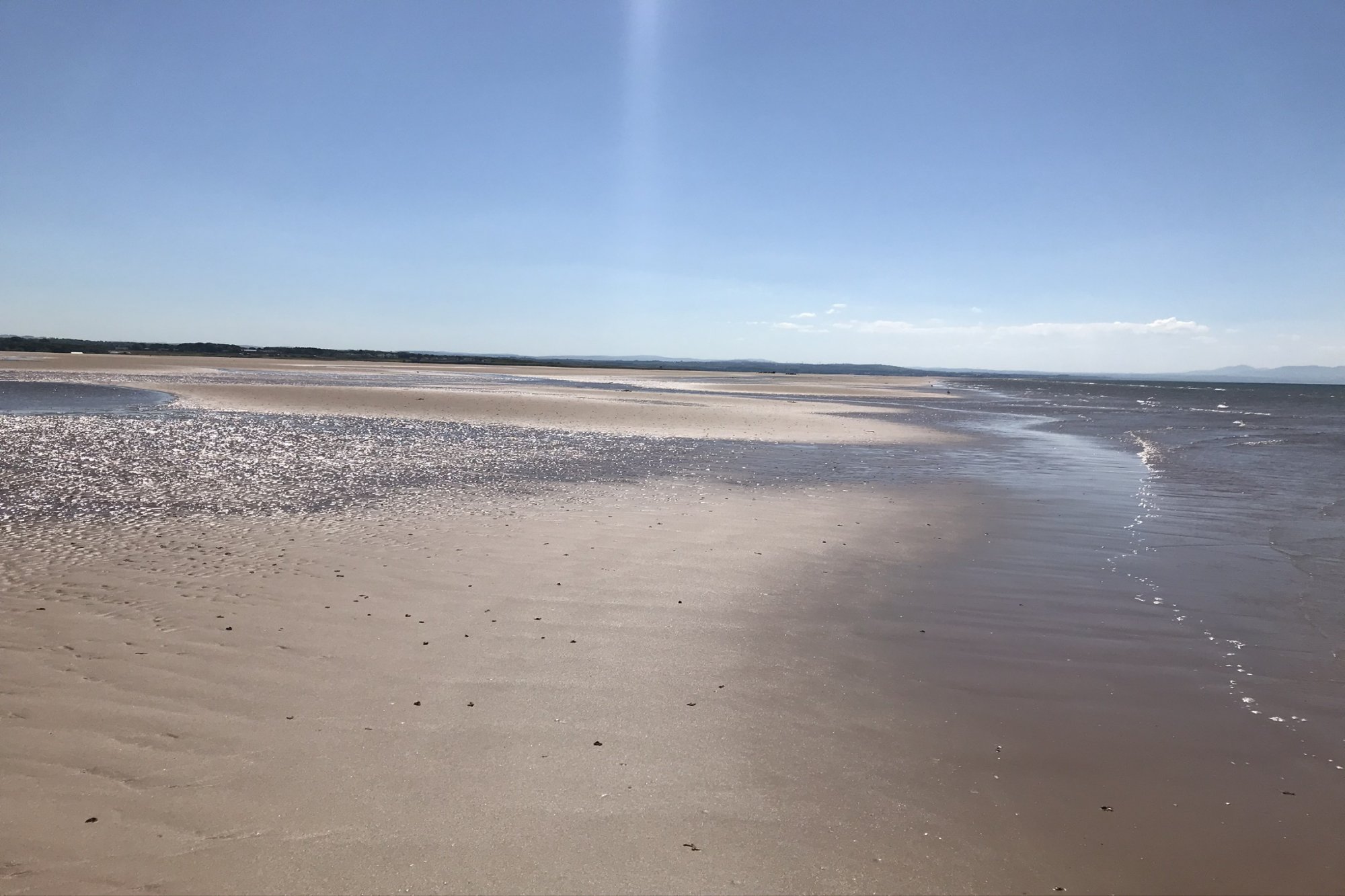



While the nearby beaches of Gullane and Yellowcraig draw the summer crowds with their easy access and bustling car parks, Aberlady Bay remains a sanctuary for those who crave silence and raw, natural beauty. Located just a short drive from Edinburgh, it is a place where the "wild" side of the Firth of Forth is preserved in its purest form.
Aberlady is not just a beach; it is a storied landscape. In 1952, it became the very first site in the United Kingdom to be designated as a Local Nature Reserve. This status has protected its unique mosaic of salt marshes, sand dunes, and tidal mudflats, making it a "must-visit" for birdwatchers, historians, and those seeking a seaside experience far removed from the typical tourist trail.
The Walk In: A Journey Through the Reserve
The primary reason Aberlady remains so peaceful is the effort required to reach the sand. Unlike other East Lothian beaches where you can park almost on the dunes, Aberlady requires a dedicated 30-to-40-minute walk through the Aberlady Bay Local Nature Reserve.
The journey begins at a picturesque wooden footbridge that crosses the Peffer Burn. From here, the path winds through sea-buckthorn bushes and across vast, open heathland. This approach acts as a natural filter; by the time you reach the orange-tinted sands of the beach, the sounds of the road have vanished, replaced entirely by the calls of the thousands of birds that call this reserve home.
The Ghost of the Sands: The Midget Submarines
One of the most remarkable features of Aberlady Beach is a secret hidden in its sands: the wrecks of two World War II X-Craft midget submarines.
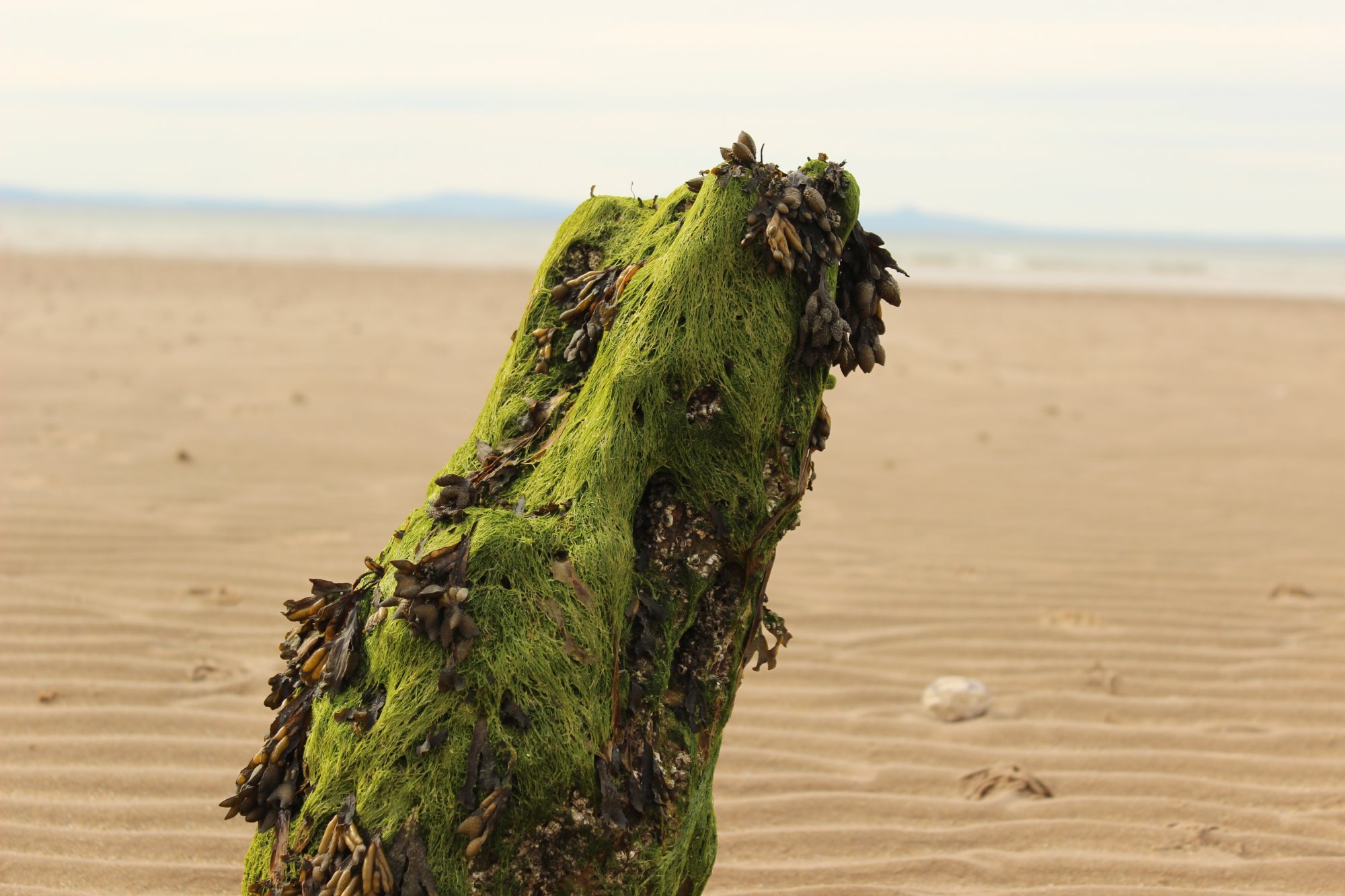
In 1946, these 16-meter-long vessels were towed into the bay and moored as targets for aircraft gunnery practice. Eighty years later, their skeletal remains still emerge from the sand at low tide. They serve as a haunting monument to the crews who trained in these cramped vessels for daring missions, such as the famous 1943 raid on the German battleship Tirpitz.
2026 Pro-Tip: The submarines are located about 1km from the high-water mark. To see them, you must time your visit for low tide. Be extremely cautious of the incoming tide, as the water can move rapidly across the flat sands, cutting off the return path to the dunes.
A Birdwatcher’s Paradise
If you are a photographer or a wildlife enthusiast, Aberlady is incomparable. Depending on the season, the sky and sands are alive with movement:
- The Autumn Spectacle: From October to March, the bay becomes the wintering ground for over 30,000 pink-footed geese migrating from Iceland and Greenland. The sound of thousands of geese taking flight at dawn or returning to roost at dusk is one of Scotland’s great wildlife experiences.
- Spring and Summer: The dunes and salt marshes become nesting grounds for lapwings, redshanks, and ringed plovers.
- Marine Life: The calm, shallow waters of the bay are a nursery for crabs and jellyfish, and it is not uncommon to see seals basking on the distant sandbars during a quiet summer afternoon.
Practical Tips for 2026
- Parking Logistics: The main car park at the nature reserve entrance (near the footbridge) is small, holding about 24 cars. As of 2026, this specific car park remains free of charge, which is a rarity along the East Lothian coast. However, it fills up very quickly.
- Alternative Access: If the main lot is full, you can park on the roadside meadow half a mile toward Gullane. From here, a path leads through the Gullane Links golf course. It is a slightly shorter route to the beach, but remember to stay on the path and be mindful of golfers!
- Reserve Rules: To protect the nesting birds, dogs are strictly prohibited in the first section of the nature reserve (from the footbridge). If you are walking with a dog, you must use the alternative paths that skirt the reserve.
- Amenities: Aberlady is a "wild" beach. There are no toilets, cafes, or trash cans on the sands. Ensure you bring water and snacks from the village of Aberlady and carry all your litter back out with you.
Why Aberlady is so great
Aberlady Beach isn't for everyone. It isn't for the person looking for a quick five-minute walk to a sunbed. It is for the person who wants to fly a kite in a vast, empty sky; for the historian who wants to touch a piece of a sunken submarine; and for anyone who finds peace in the "screams" of a thousand wild birds.
It remains a place of sentiment and solitude. Looking across the Firth of Forth toward the low hills of Fife as the sun sets over the calm water, you realize that the 40-minute walk wasn't a sacrifice—it was the price of admission to one of the most tranquil corners of Scotland.
Aberlady Beach
Lothians
Jola's score:

Bart's score: