



The Chariots of Fire Shore: Navigating the Vast Sands and Dune Systems of St Andrews West Sands
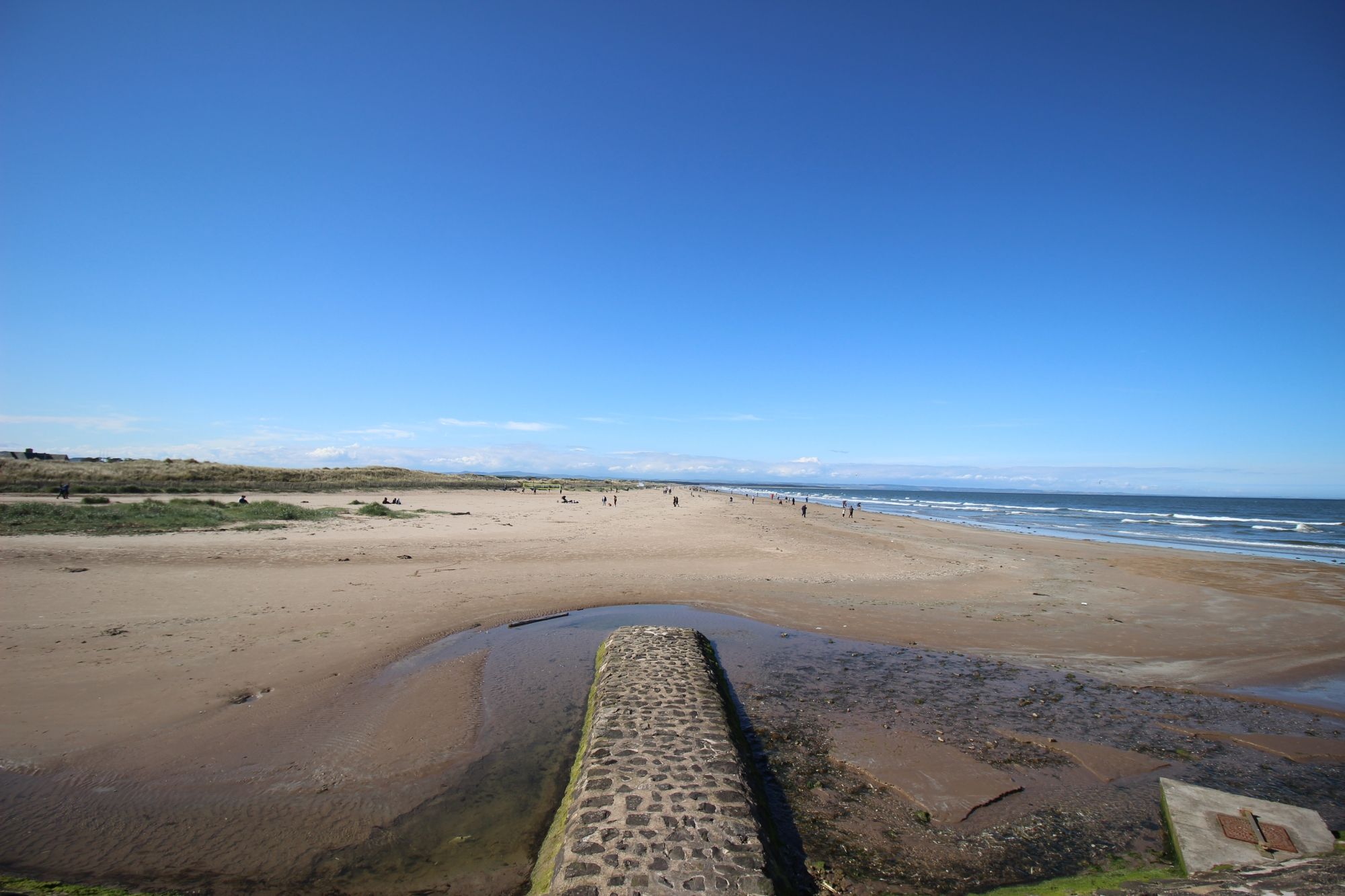
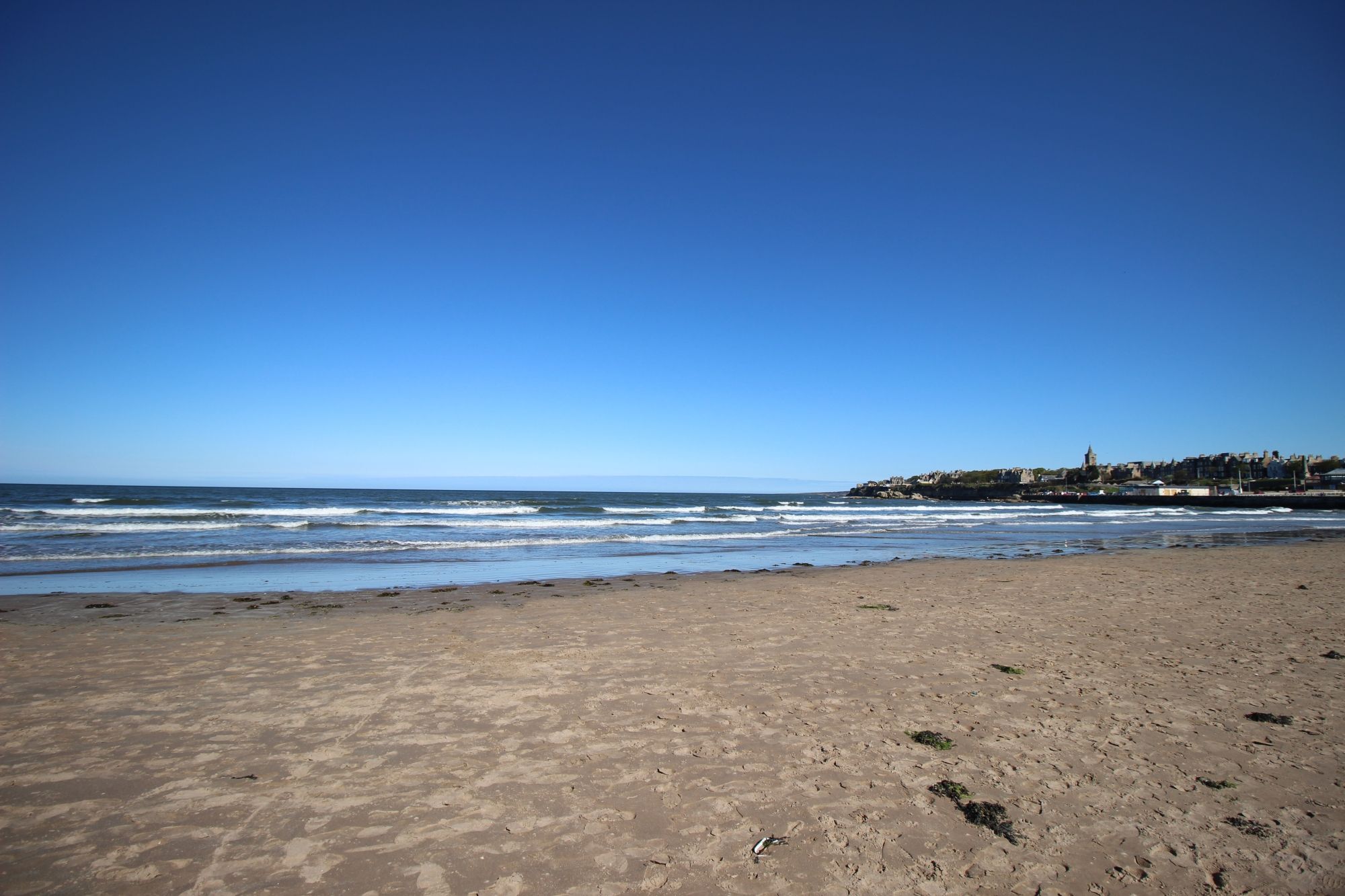
Stretching seamlessly along the eastern edge of the historic home of golf, St Andrews West Sands Beach is a spectacular, wide-horizon expanse of maritime wilderness. Bordered by the pristine fairways of the St Andrews Links Trust and ending at the protected wildlife sanctuary of the Eden Estuary, this two-mile sweep of clean, golden sand is a major focal point for outdoor enthusiasts and content creators alike. Whether framed by the low morning mist coming off the North Sea or captured under the dramatic, raking light of a coastal sunset, West Sands offers an immense feeling of physical scale. However, beneath its popular recreational surface lies a deeply fragile ecosystem, heavily reliant on complex sand dune management frameworks to protect the low-lying town and historic golfing assets from coastal erosion and winter storm surges.
The Ecological Blueprint: The Eden Estuary and Dune Restoration
The unique natural layout of West Sands is defined by its position within a network of highly protected environmental zones, including the Firth of Tay and Eden Estuary Special Area of Conservation (SAC):
- The Outhead Sanctuary: At the northern tip of the beach lies Outhead, where the sand curves into the mudflats of the Eden Estuary Site of Special Scientific Interest (SSSI). This remote spit serves as an essential roosting and feeding ground for vast numbers of migratory waders, wildfowl, and a resident population of common and grey seals. During the nesting season, parts of the upper beach are strictly managed to protect ground-nesting shorebirds, demanding absolute respect from hikers and drone pilots.
- Scotland's Largest Dune Project: Following catastrophic storm surges, the West Sands Partnership (including St Andrews Links Trust and local conservation teams) established a massive natural flood management program. To counteract the severe coastal erosion trends highlighted by NatureScot, teams utilize nature-based solutions. This involves building sand fences, laying boardwalks to direct foot traffic away from fragile areas, and planting thousands of polytunnel-propagated marram and lyme grasses to anchor the shifting sand structures.
- The Christmas Tree Network: Visitors walking along the dune boundary will notice large, fenced-off craters filled with natural Christmas trees. This innovative recycling strategy catches windblown sand, providing an organic foundation that allows pioneering coastal grasses to colonize and form new, resilient dune lines.
The Trail Blueprint: Layout, Parking, and Beach Logistics
Exploring West Sands is a straightforward, highly refreshing walking experience, though the sheer scale of the beach requires consideration of access points and local regulations:
- Route Layout and Terrain: The flat, hard-packed sand close to the water’s edge is exceptionally easy to walk on, making the round trip from the town center to the estuary spit a highly rewarding four-mile ($6.4 ext{ km}$) trek. The paths cutting through the dunes from the parking lots are explicitly marked via timber boardwalks; jumping over these fences or walking directly on the fragile dune faces is strictly prohibited to prevent immediate erosion drop-offs.
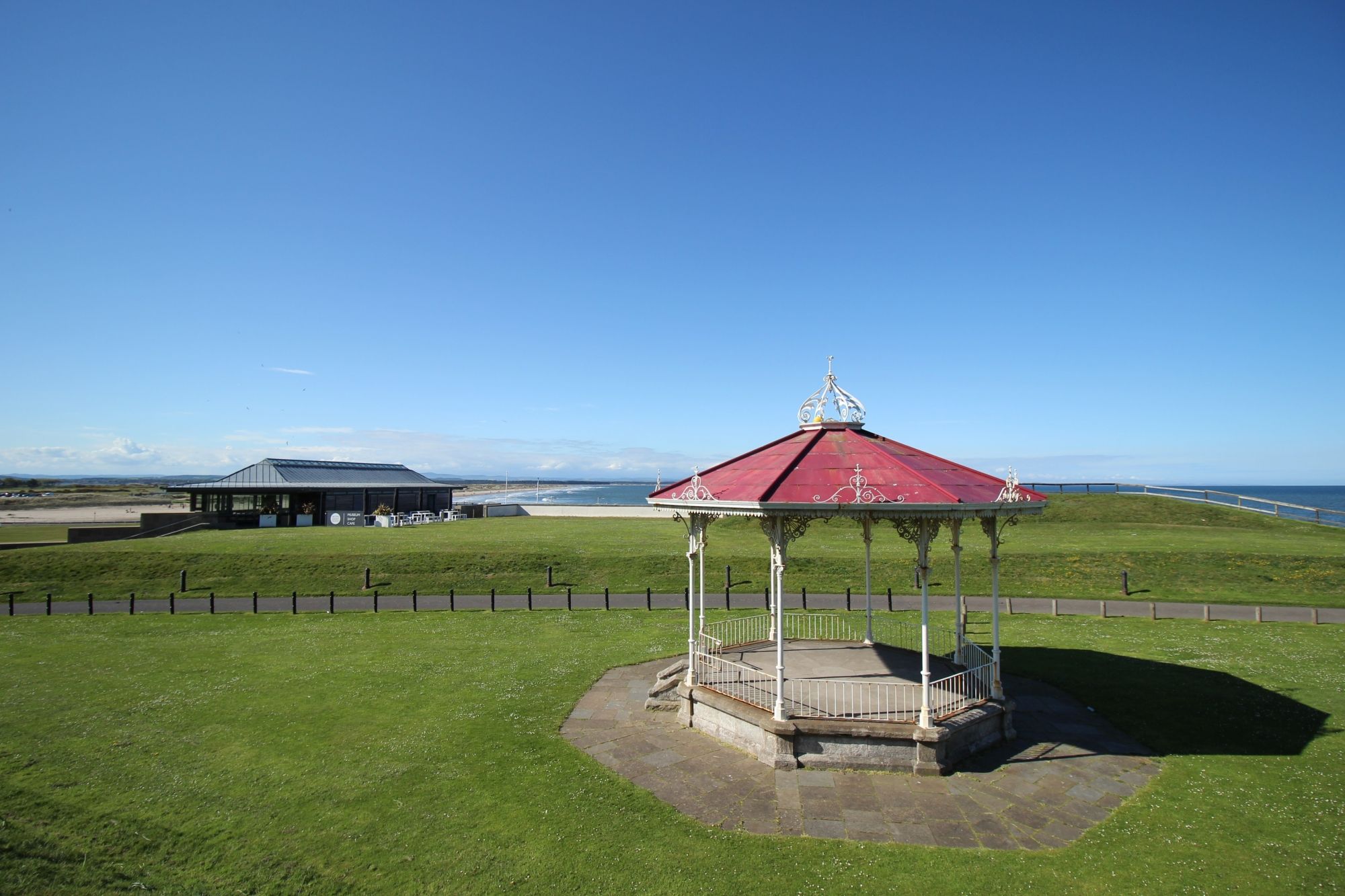
- Infrastructure and Accessibility: The beach is uniquely served by a long, single-track access road running parallel to the sand, offering multiple large, designated parking areas spaced out along the length of the beach. For the 2026 season, standard amenities—including public toilet facilities, outdoor showers, and seasonal food trucks—are concentrated near the first car park closest to the British Golf Museum and the Links Clubhouse. Paid parking applies across these lots, though an alternate option includes parking at the free public facilities on the edge of town and walking past the Old Course to the shore.
Cinematography, Drone Logistics, and Technical Production Integration
For independent travel filmmakers and landscape photographers, West Sands provides an elite outdoor studio where wide-angle compression can create a truly epic sense of cinematic scale:
- Drone Workflow and Airspace Constraints: Flying drones over West Sands demands extreme operational caution. While the wide expanse offers clean lines of sight, operators must remain highly aware of the proximity to the town’s university grounds and active golf courses. Keep flights over the open water or the low-tide intertidal flats to capture the dramatic reflections of the sky on the wet sand. Shoot exclusively in a 10-bit log profile to retain the subtle details in the white sea-foam and the deep, rich textures of the marram grass along the dune crests. Do not fly low over the northern Outhead spit to prevent disturbing the sensitive seal colonies and wading bird populations.
- Managing Dynamic Reflection and Polarizer Tactics: The vast, flat sheets of shallow water left behind on the sand at low tide act as a giant mirror, reflecting the sky with intense brightness. To control this high dynamic range and prevent blowing out your highlights, a high-quality Circular Polarizer (CPL) is mandatory. The filter allows you to cut or enhance the surface reflections, revealing the ripple patterns in the underlying sand or deepening the blues of the sea.
- The Sunrise Chariots Frame: To recreate the timeless look of the famous cinematic opening, position your camera at a low angle near the water's edge during the early morning golden hour. Shooting directly toward the northeast into the rising sun allows the light to catch the edge of the incoming rollers, turning the wet sand into a shimmering golden runway. A neutral density (ND) filter is necessary during these clear morning slots to keep your shutter speed at the correct double-frame-rate setting for smooth, cinematic movement.