



The Fortress of the Rough Bounds: Navigating the Tidal Approaches, Curtain Wall Architecture, and Highland Legacy of Castle Tioram
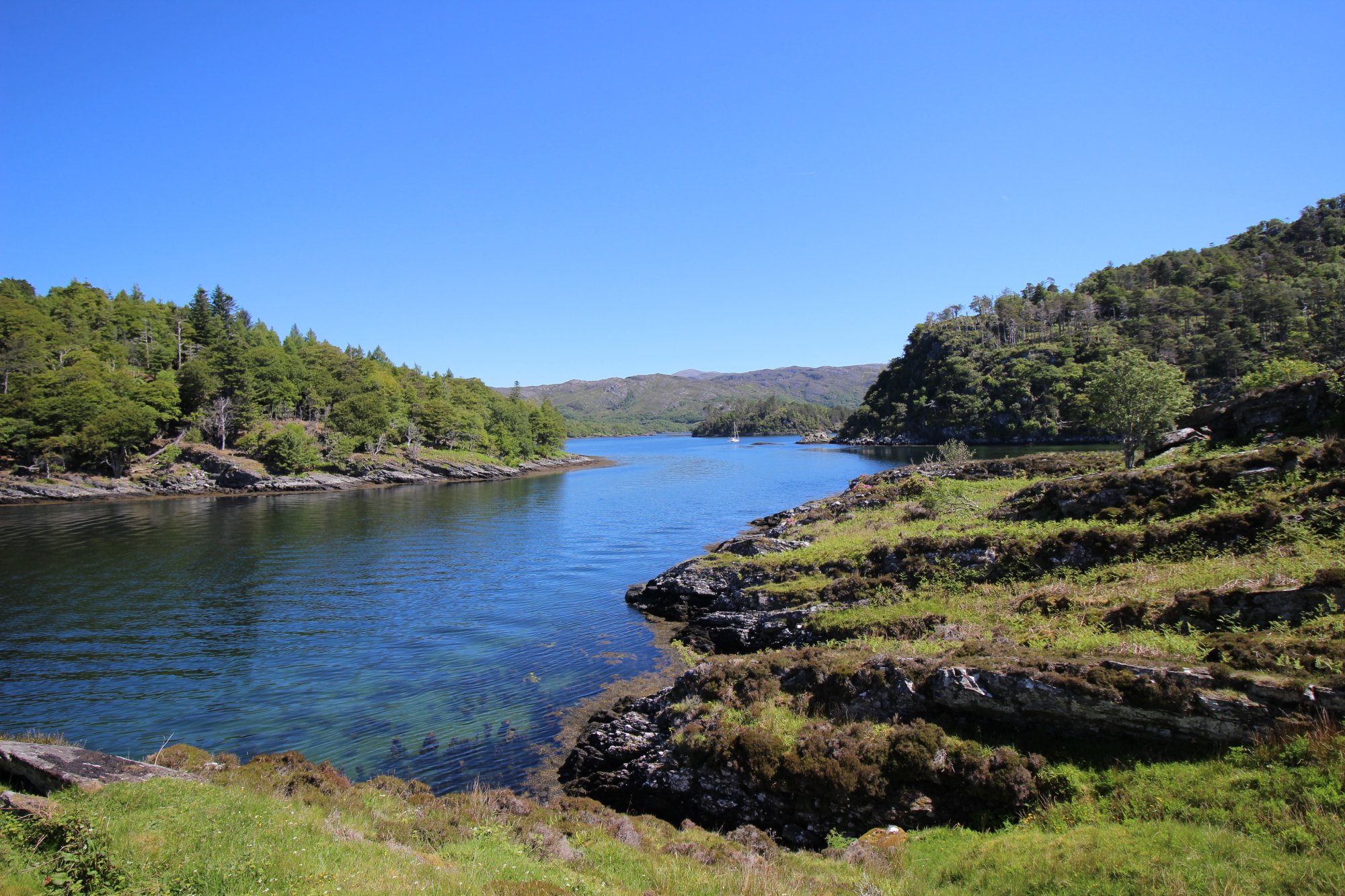
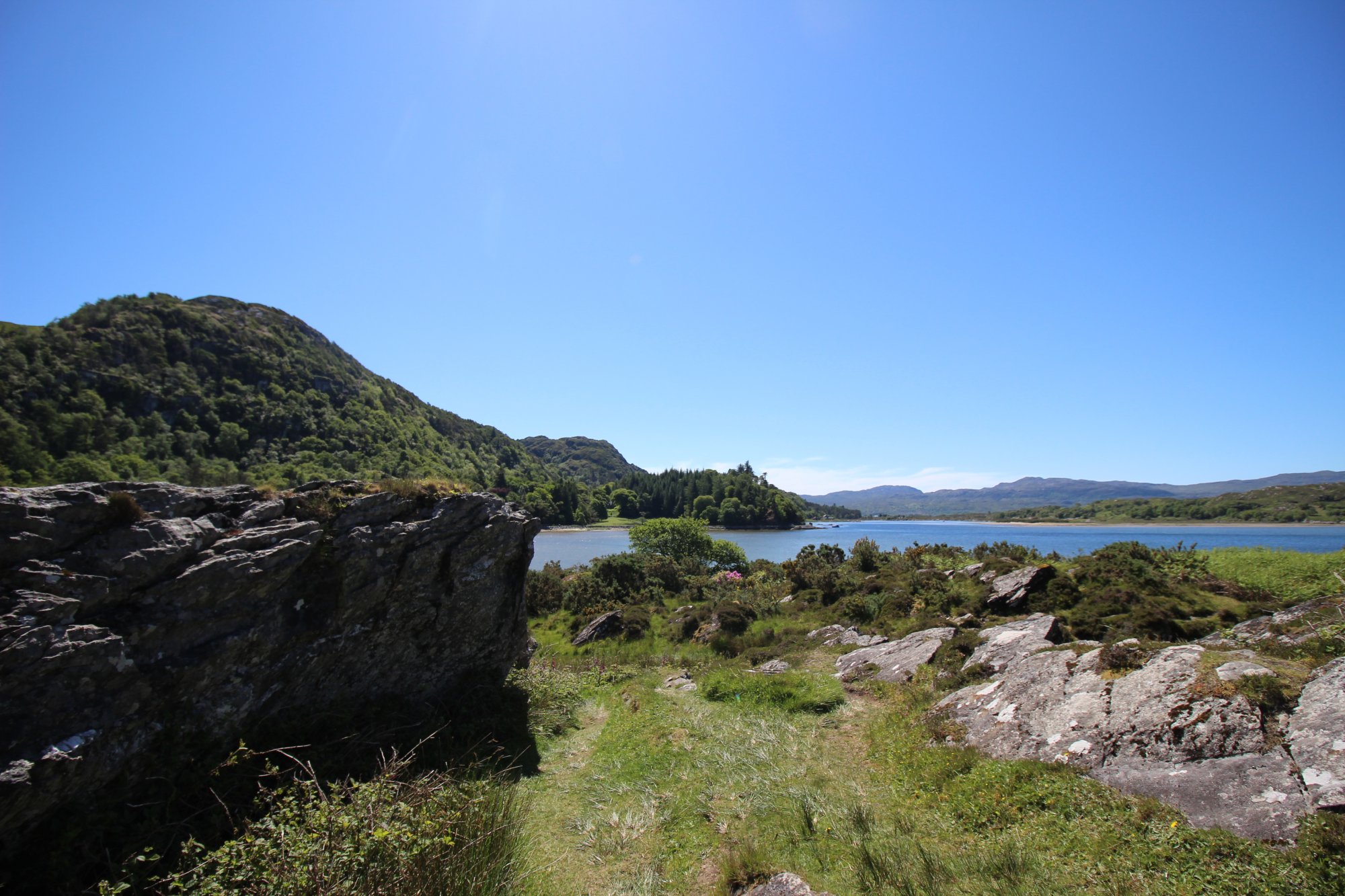
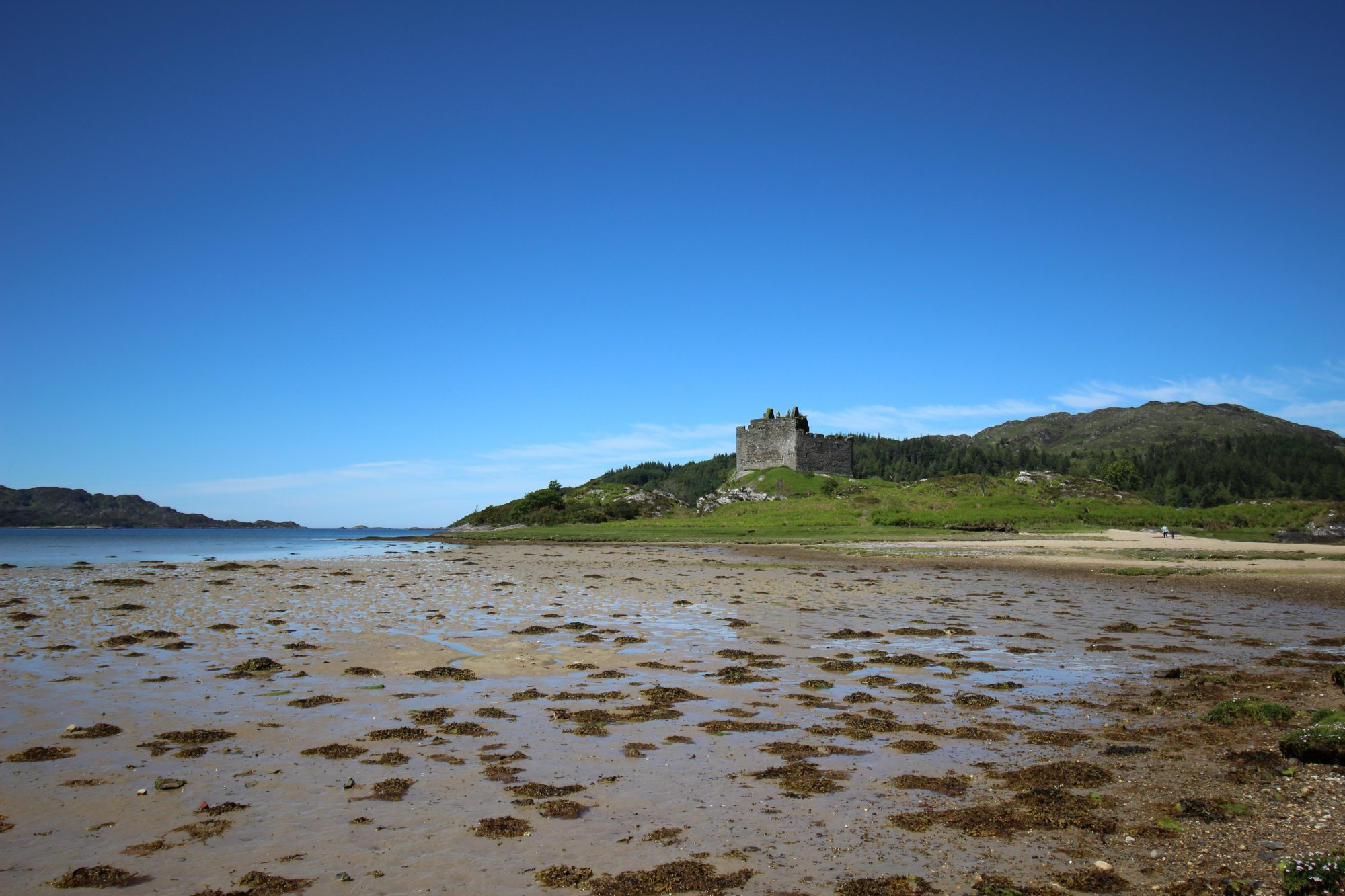
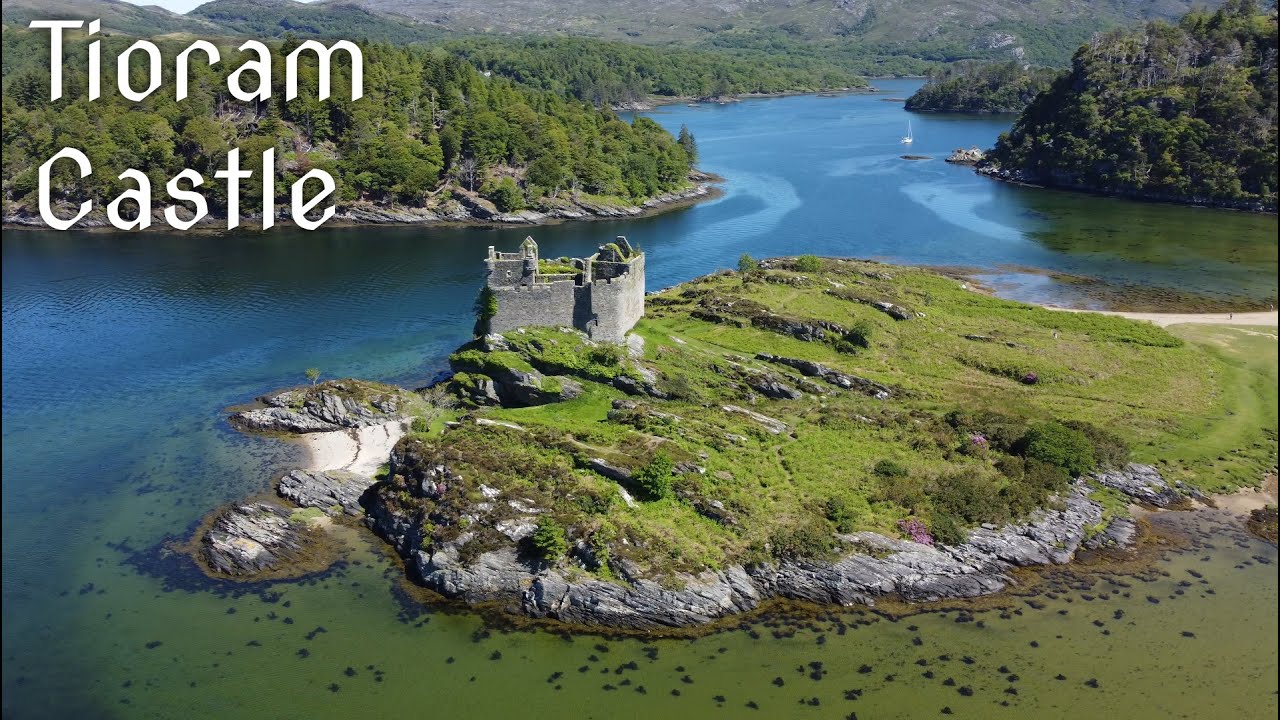
Hidden deep within the wild, fractured coastline of Moidart, Castle Tioram stands as a profoundly evocative monument to medieval maritime power and defensive ingenuity. Positioned on the low, rocky tidal island of Eilean Tioram where the freshwater currents of the River Shiel meet the sea loch of Loch Moidart, this ancient stronghold marks the traditional boundary separating the remote Ardnamurchan peninsula from the wider Lochaber region. This isolated wilderness—historically designated as the "Rough Bounds" due to its near-impenetrable terrain—is framed by steep, craggy hillsides and dense, ancient Atlantic oakwoods. Dating back to the thirteenth century, the castle served for generations as the strategic, ancestral seat of the MacDonells of Clanranald, a powerful branch of Clan Donald. Though the interior remains entirely closed to the public due to masonry stabilization realities, the exterior island paths and surrounding coastal tracks offer independent hillwalkers and historical purists a world-class landscape classroom.
The Structural Blueprint: The Pentagonal Curtain Wall and Highland Ruin
The physical footprint of Castle Tioram is an exceptional example of early Scottish castle construction, adapted perfectly to the defensive contours of its island plinth:
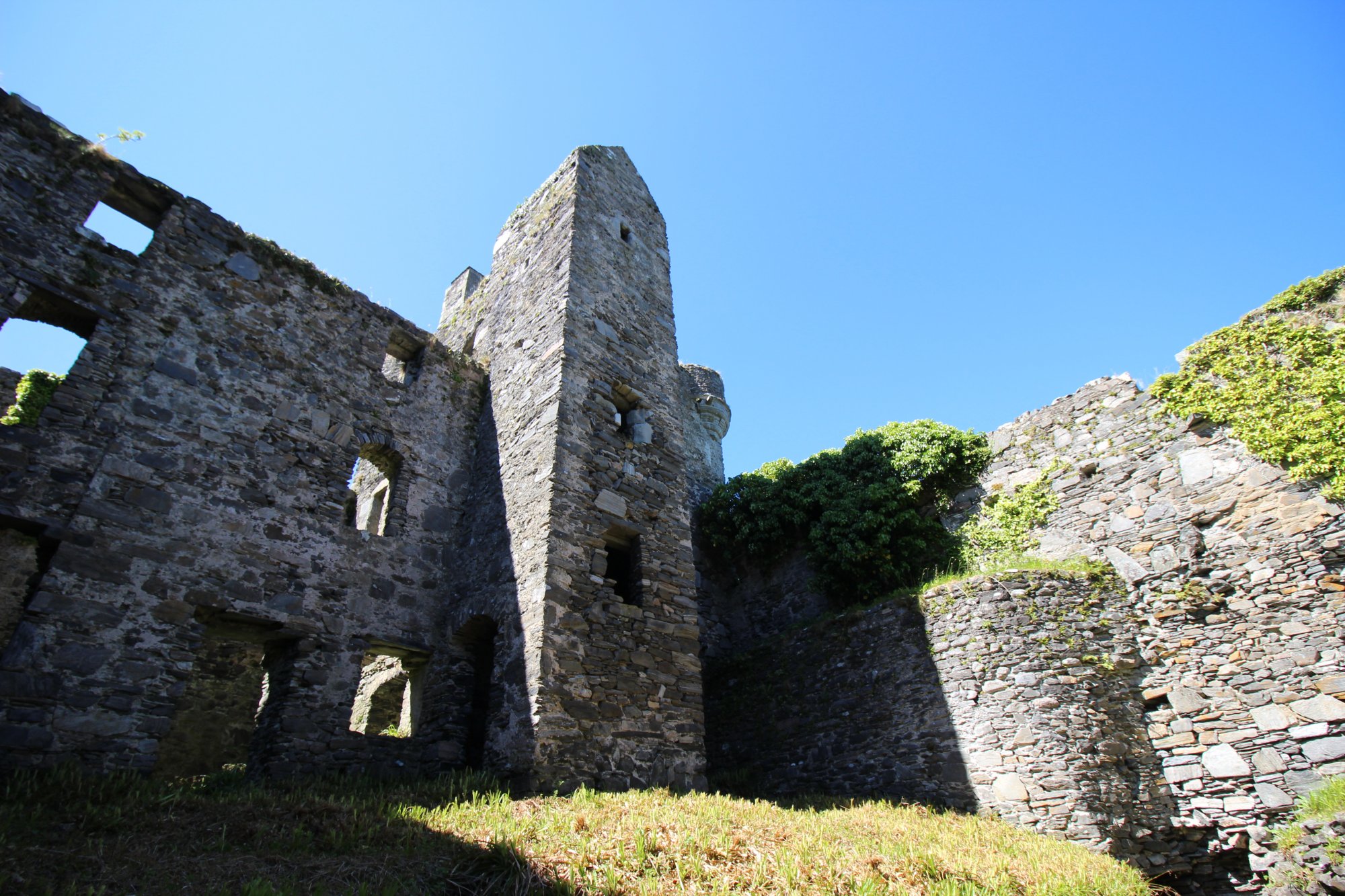
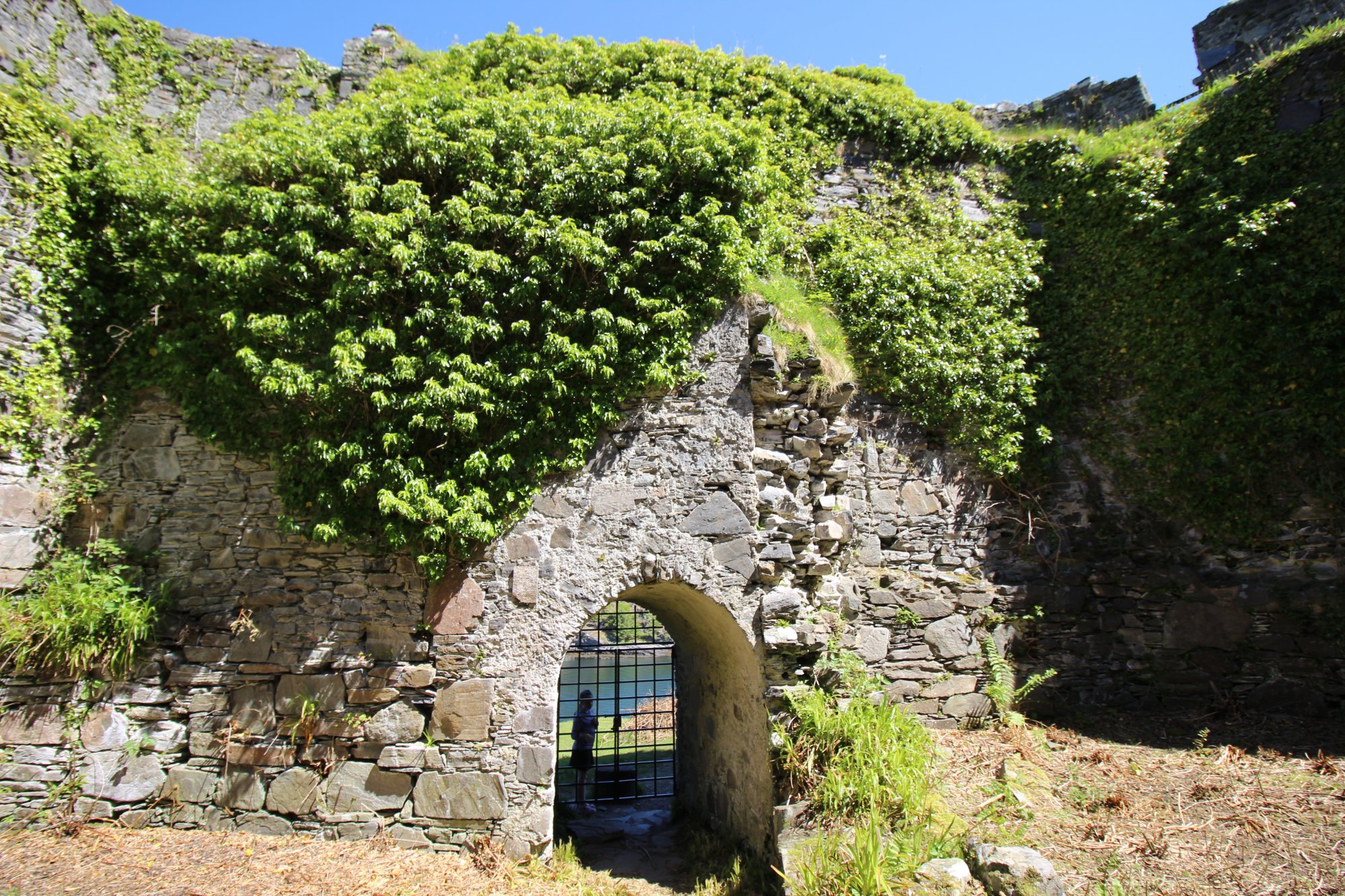
- The Pentagonal Curtain Wall: The defining architectural feature of the fortress is its massive, blind curtain wall, which forms an irregular pentagon tracking the natural shape of the rock. Built using local rubble, schist, and sea-worn stones bound by ancient lime mortar, these soaring, windowless defenses were designed to repel amphibious assaults, offering no easy handholds or vulnerabilities to attackers approaching by boat.
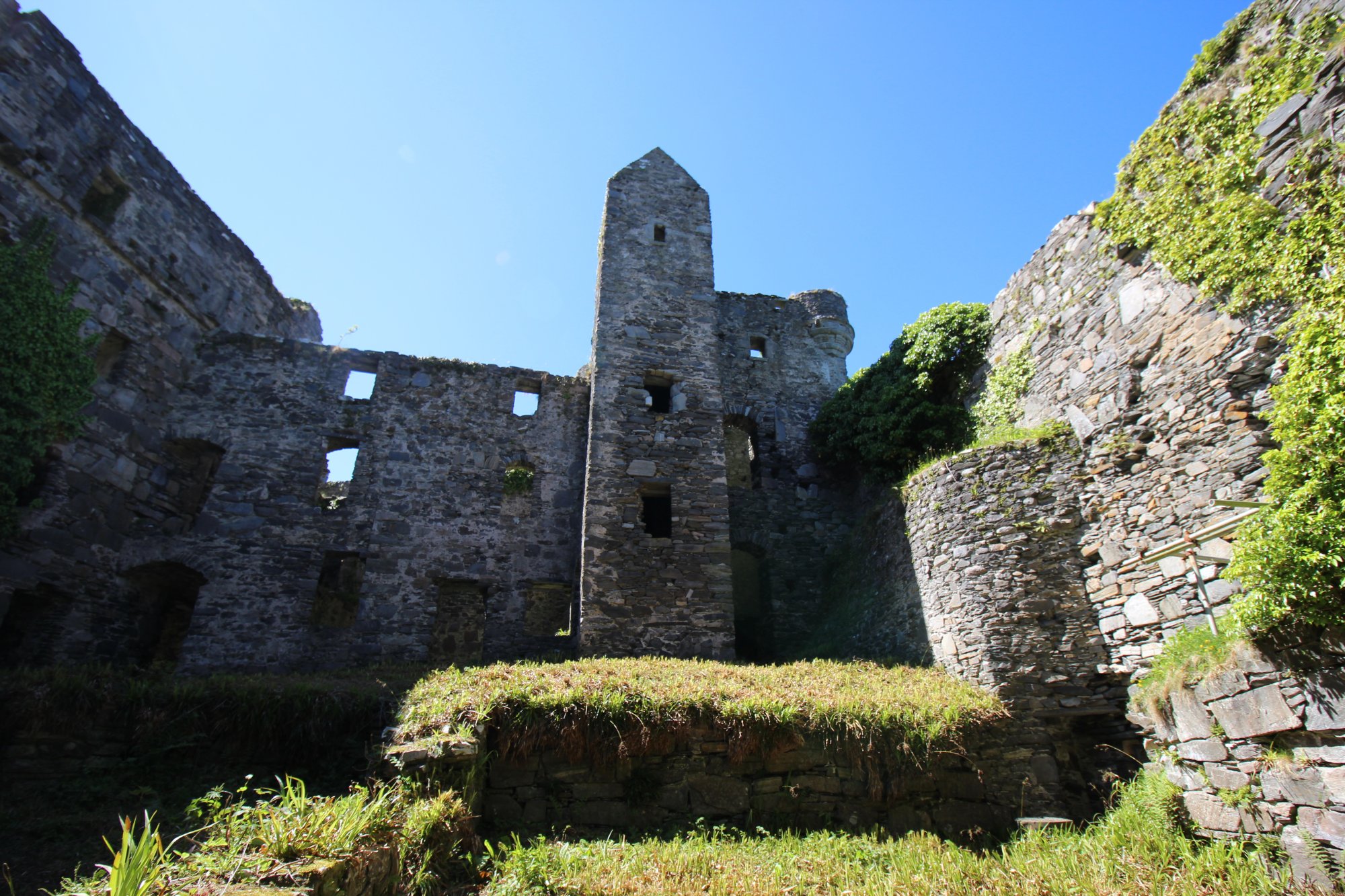
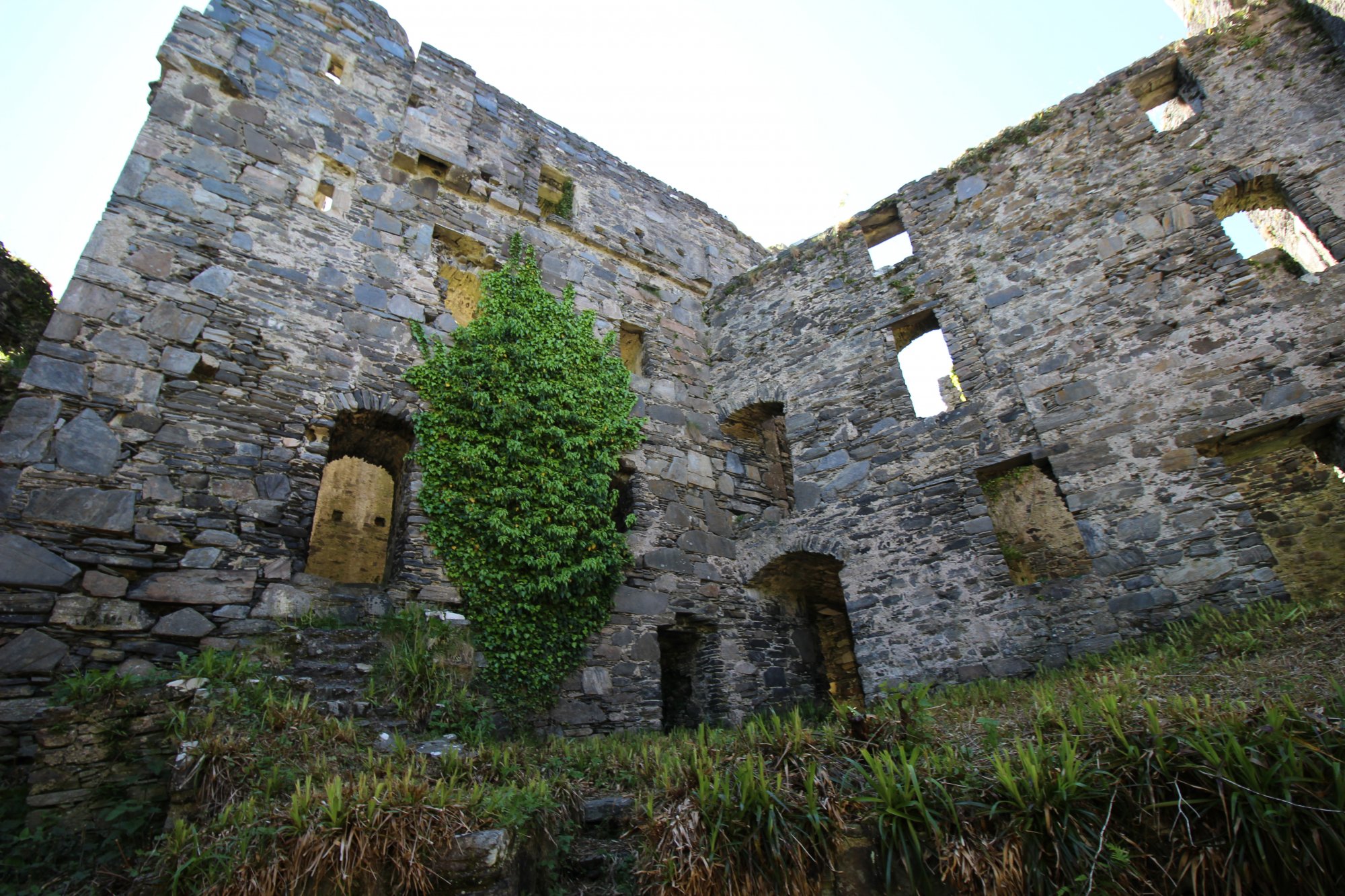
- Internal Evolution and Tower Houses: Within the protective shield of the outer wall, the fortress contains layers of architectural history. The interior layout features a primary fourteenth-century tower house alongside later sixteenth- and seventeenth-century domestic ranges. These internal structures reflect the castle's evolution from a raw, wartime bastion into a sophisticated regional administrative palace for the Clanranald chiefs.
- The Scorched Earth Legacy: The castle’s ruined state is tied to a dramatic act of tactical defiance during the Jacobite risings. To prevent the stronghold from falling into the hands of government forces while the chief was away fighting, the fortress was deliberately set ablaze by its own garrison. The interior structures were completely gutted by the fire, leaving behind the hollowed-out stone shell that stands today.
The Trail Blueprint: Tidal Causways, Parking Logistics, and The Silver Walk
Exploring the shoreline of Loch Moidart and accessing the island requires strict attention to marine cycles and self-sufficient trail navigation:
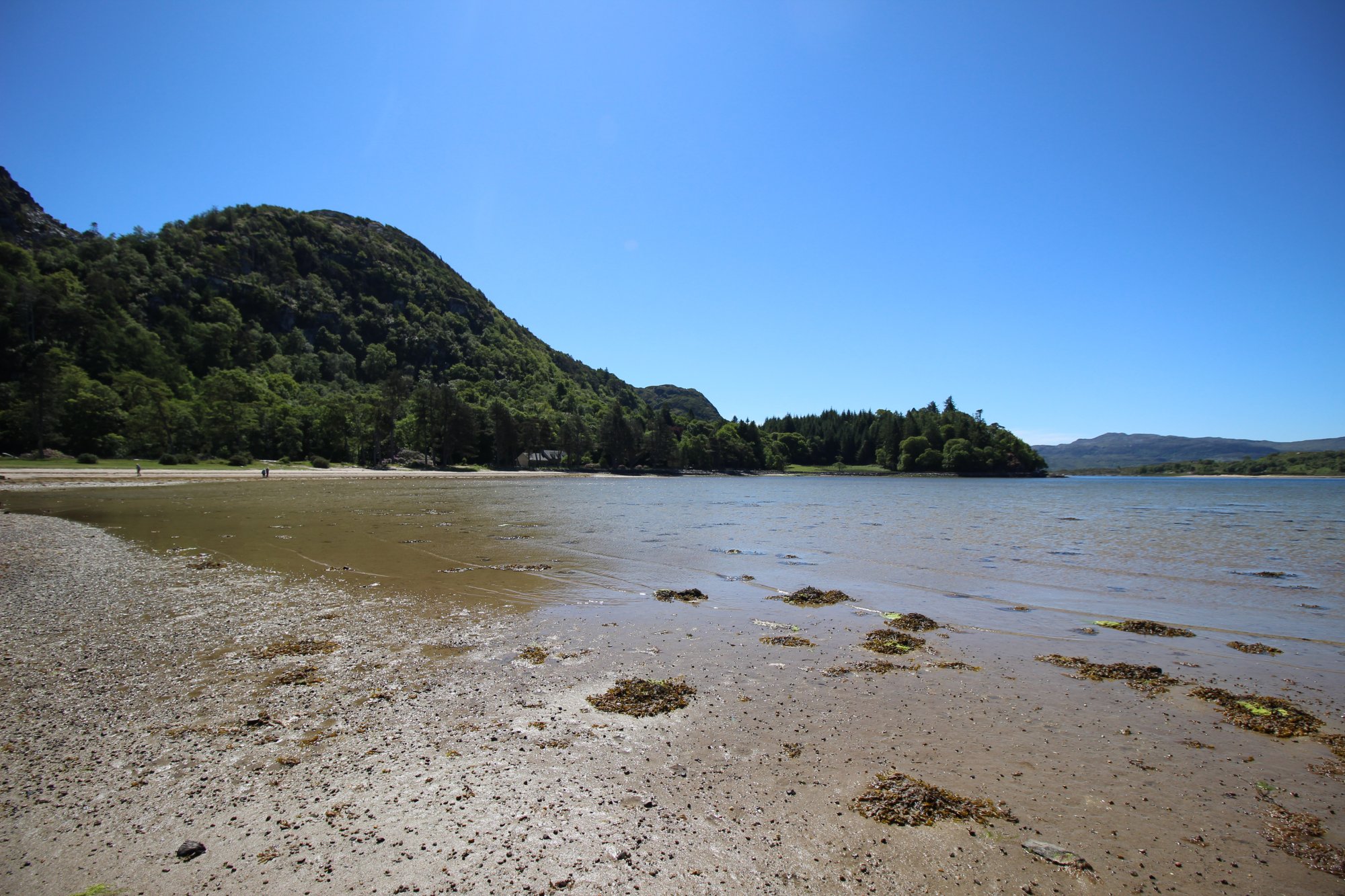
- The Tidal Causeway Crossing: Physical access to Eilean Tioram is determined entirely by the sea. The island is connected to the mainland by a low, sandy shingle causeway that is completely submerged twice a day by high tides. Walkers must consult local tide tables meticulously before setting out; failing to check the water levels can lead to being stranded on the rocky island for hours until the tide recedes.
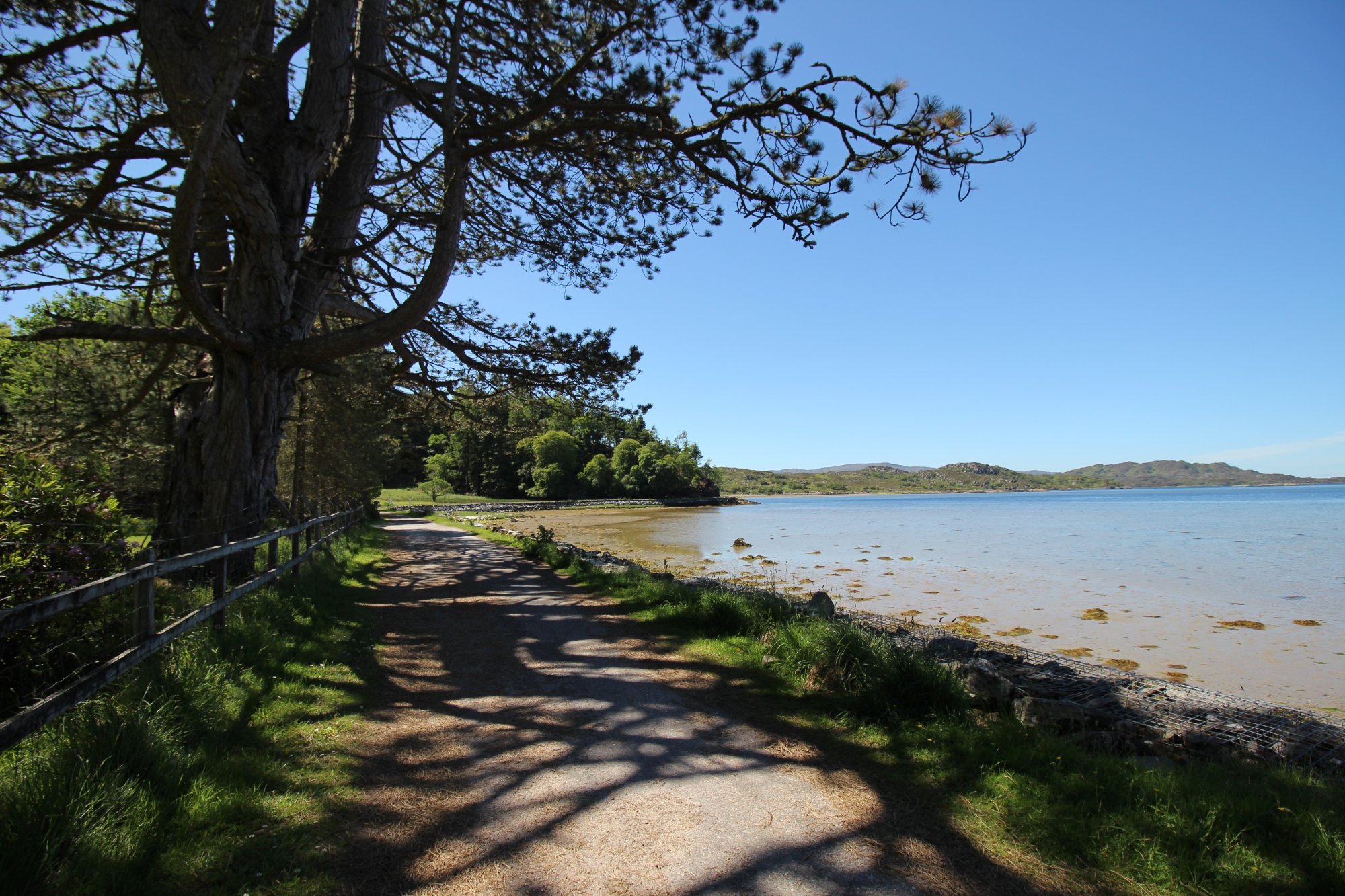
- The Silver Walk Coastal Trail: For hikers looking for an extended expedition, the castle acts as the trailhead for the Silver Walk—a spectacular, rugged circular path that traces the rocky shoreline of Loch Moidart before climbing into the elevated heather moors behind the bay. This trail features narrow, rocky ledges, stone steps, and wet, boggy terrain, requiring sturdy trekking footwear with reliable traction.
- Arrival Logistics and Parking Constraints: Staging is managed via a dedicated gravel car park located at the termination of the single-track road from Acharacle. While the parking footprint is reasonably large, it experiences intense congestion during peak summer weekends. Visitors transporting outdoor equipment are strongly encouraged to coordinate their arrival around low-tide windows and execute early-morning departures to secure a parking position before the midday traffic peaks.
Coastal Hazards, Wilderness Navigation, and Environmental Dynamics
The coastal micro-climate of the West Highlands creates a dynamic environment where marine factors directly dictate safety on the shore:
- Atlantic Wind Funneling: The narrow channels of Loch Moidart act as a natural funnel for westerly Atlantic gales. Even on bright, sunny days, high-velocity winds can sweep across the open sandbars of the causeway, making footing unpredictable on the wet stones and accelerating the speed at which the incoming tide floods the basin.
- Slippery Shoreline Strata and Seaweed Bluffs: The rocky base of Eilean Tioram is heavily blanketed in thick kelp and bladderwrack seaweed. When navigating the perimeter of the castle walls, walkers must exercise extreme caution; the combination of wet sea salt, algae, and smooth metamorphic rock creates a highly hazardous surface that can easily cause trips or falls.
- Masonry Safety Parameters: Due to the ongoing structural instability of the interior stone arches and high parapets, a strict exclusion zone is maintained around the immediate base of the castle walls. Falling masonry remains a real hazard, and visitors must respect all warning signage and perimeter fences, restricting their exploration to the established beach paths and rocky outcrops.