



The Talla Horseshoe: Navigating the Victorian Aqueducts, Glaciated Glens, and Cinematic Ribbons of Talla Falls
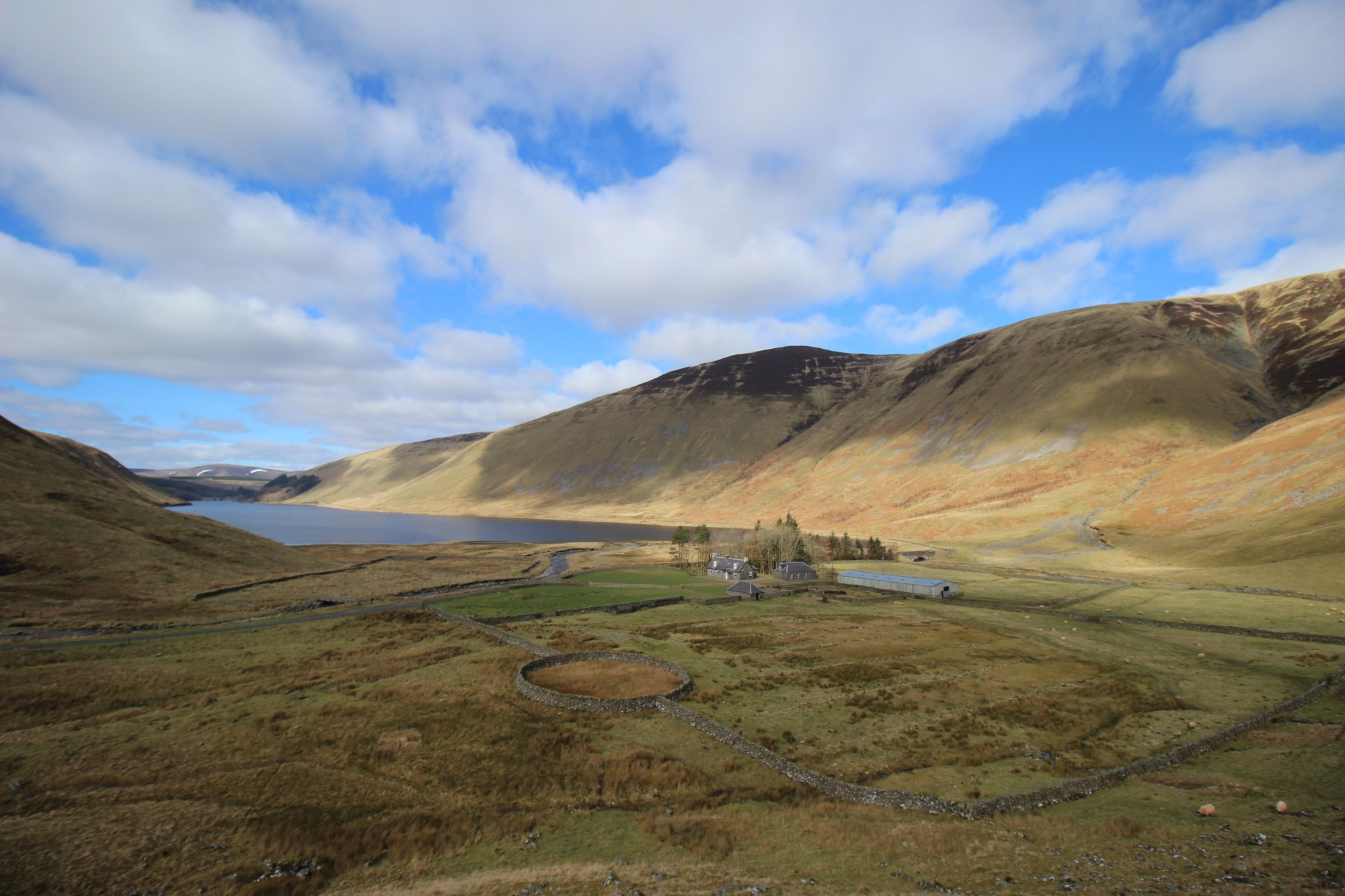
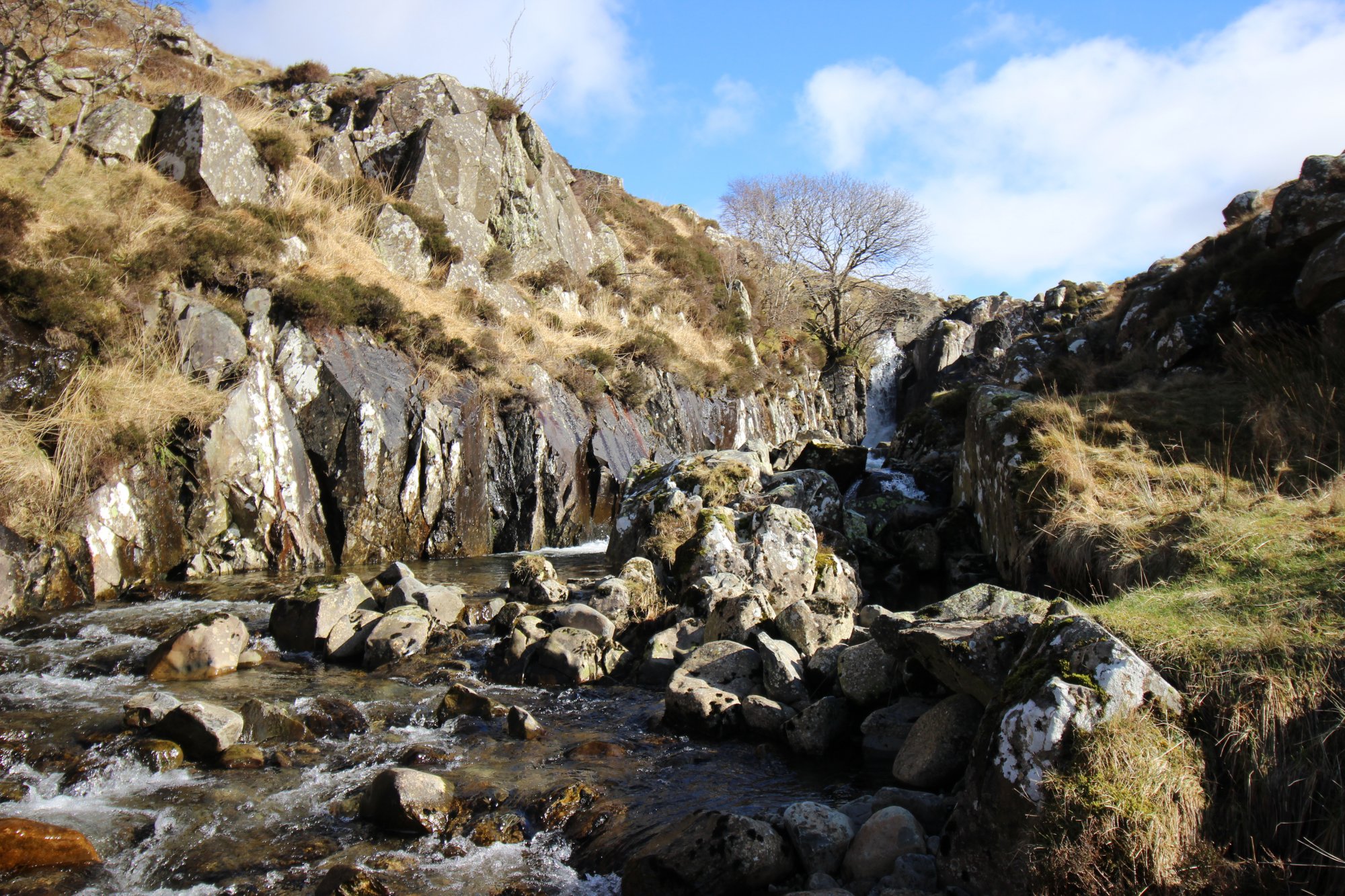
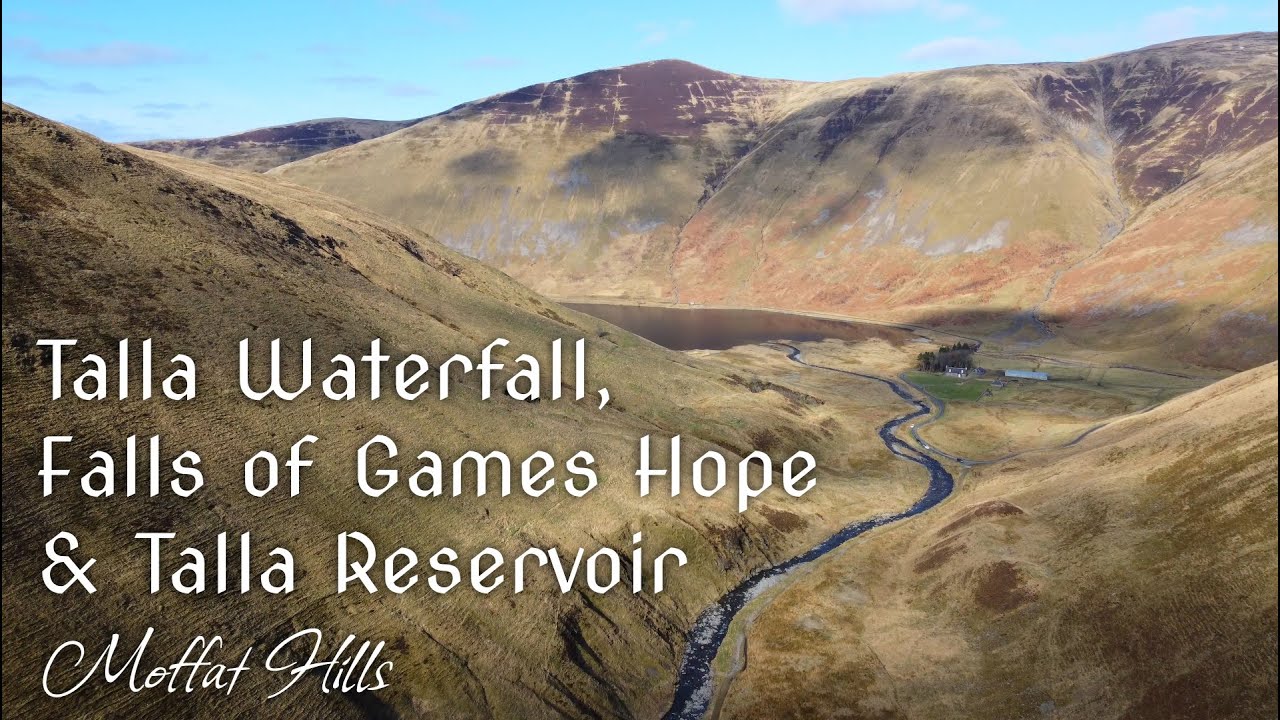
Tucked deep within the remote, rolling massifs of the Moffat Hills, the dramatic basin of Talla Reservoir and the tumbling cascades of Talla Falls stand as a testament to both monumental Victorian civil engineering and raw Southern Uplands topography. Often overshadowed by the nearby tourist honeypot of Grey Mare's Tail, the Talla valley represents a highly significant, lesser-visited arena of glaciated hanging valleys, steep mountain passes, and historic water management. Fed by two major upland streams at its southern terminus—Talla Water and Games Hope Burn—this expansive body of water was engineered during the late 19th century as a primary freshwater source for the city of Edinburgh. The surrounding landscape, marked by a twisting, high-gradient single-track mountain pass and pristine ribbons of falling water, transitions dramatically from a tranquil reservoir shoreline into a rugged upland chasm, offering independent hillwalkers, cycling purists, and landscape cinematographers a world-class, isolated mountain studio.
The Engineering and Topographical Blueprint: Victorian Aqueducts and Glacial Carving
The structural layout of the Talla complex fuses heavy industrial history with classic ice-sculpted valley architecture, creating a compelling visual landscape:
- The Talla Water Scheme and Historical Toll: Commissioned by the Edinburgh and District Water Trust, the construction of the massive earth-fill dam was a staggering feat of late-Victorian infrastructure. To transport the immense volume of water to the capital, engineers constructed the 28-mile-long ($45 ext{ km}$) Talla Aqueduct, which relies entirely on gravity to deliver water north. The project was notoriously hazardous; due to the remote, unforgiving terrain and primitive safety protocols, over thirty workers lost their lives during the construction of the dam and its associated supply railway.
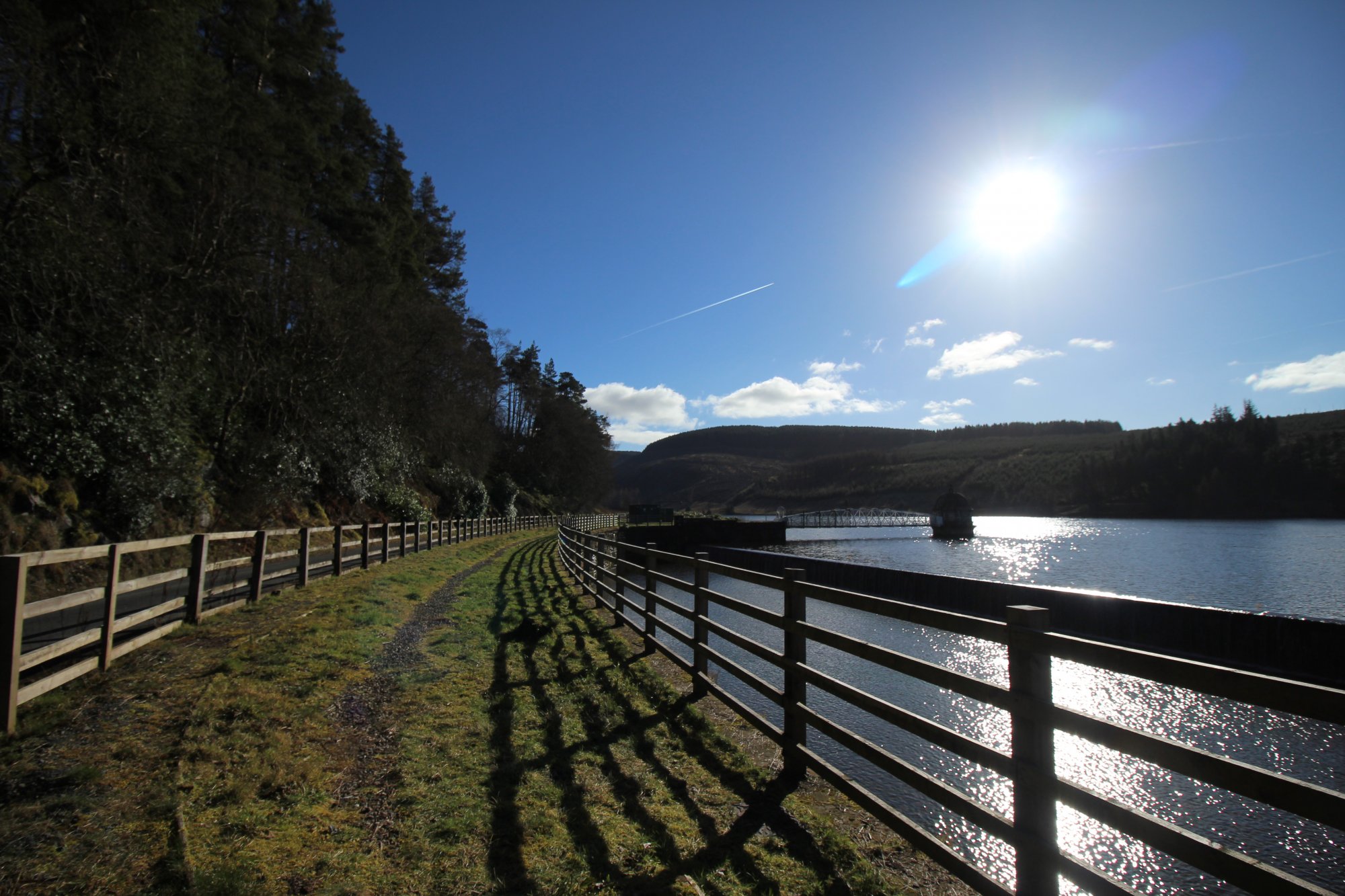
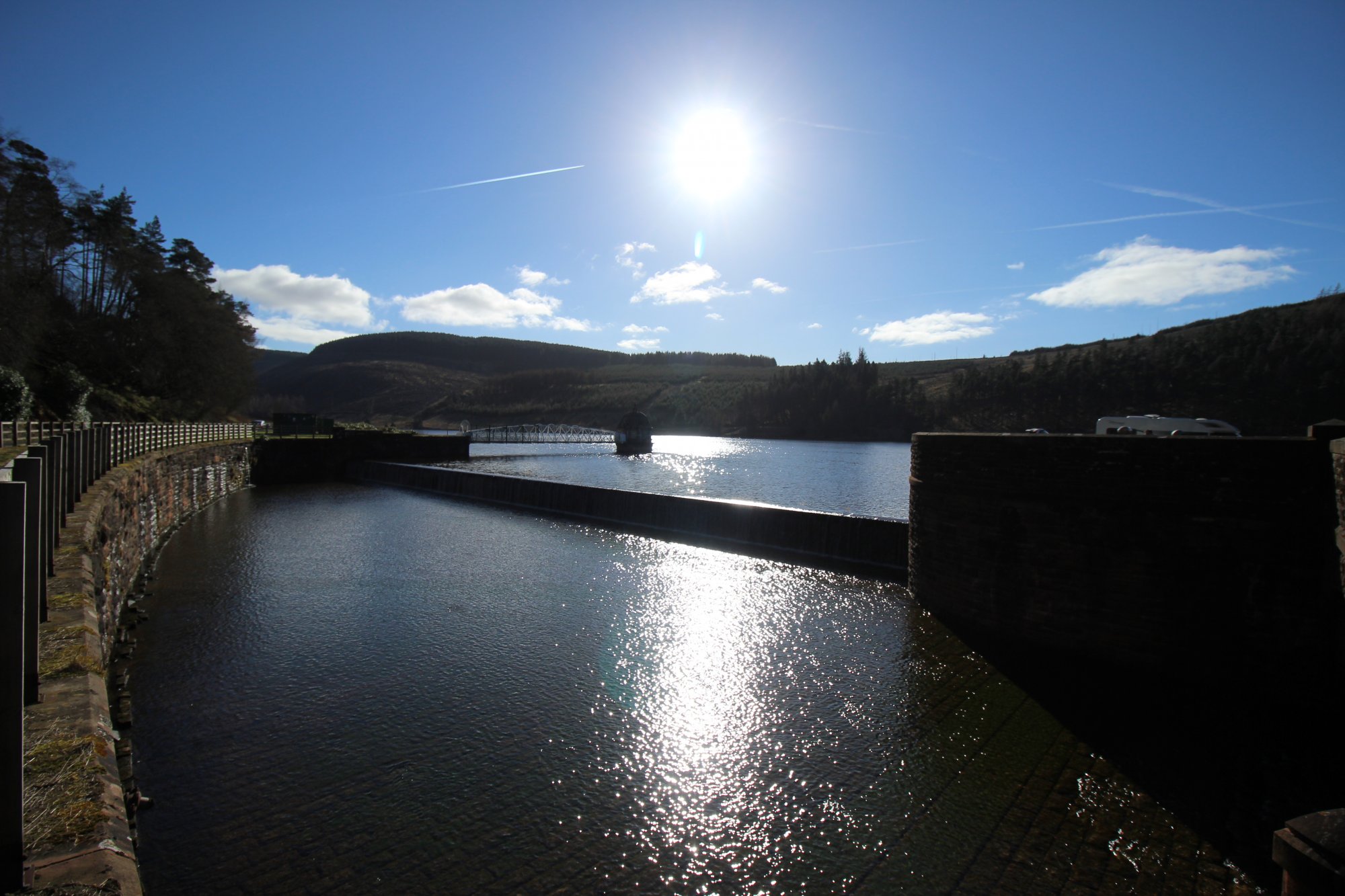
- Architectural Anomalies: The northern end of the reservoir features highly distinct architectural signatures, including an ornamental, baronial-style Victorian valve tower rising from the water, an engineered cobbled overflow channel designed to handle flash flood events, and the elegant, stone-built former water board offices that mimic a traditional Scottish country house.
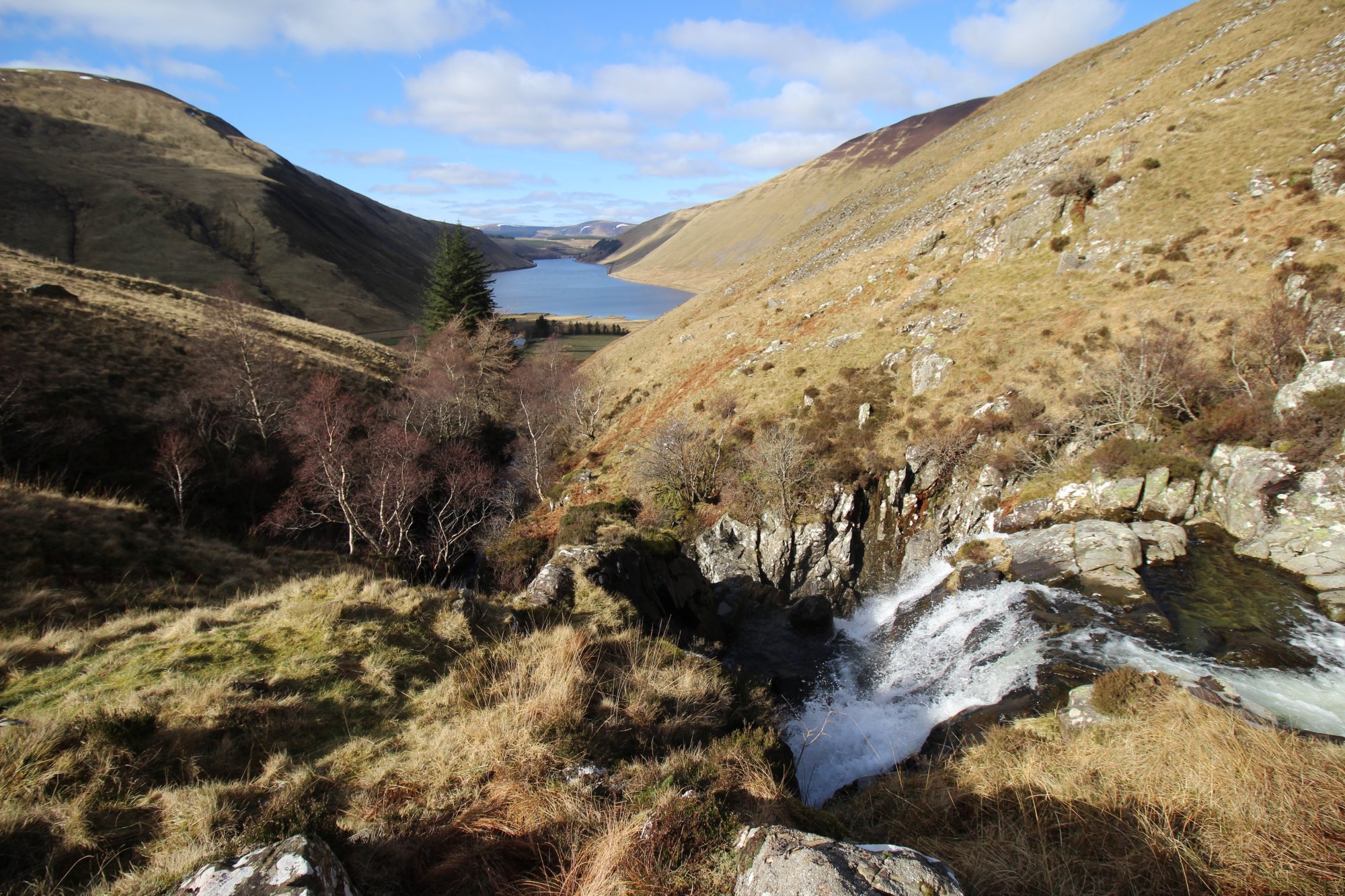
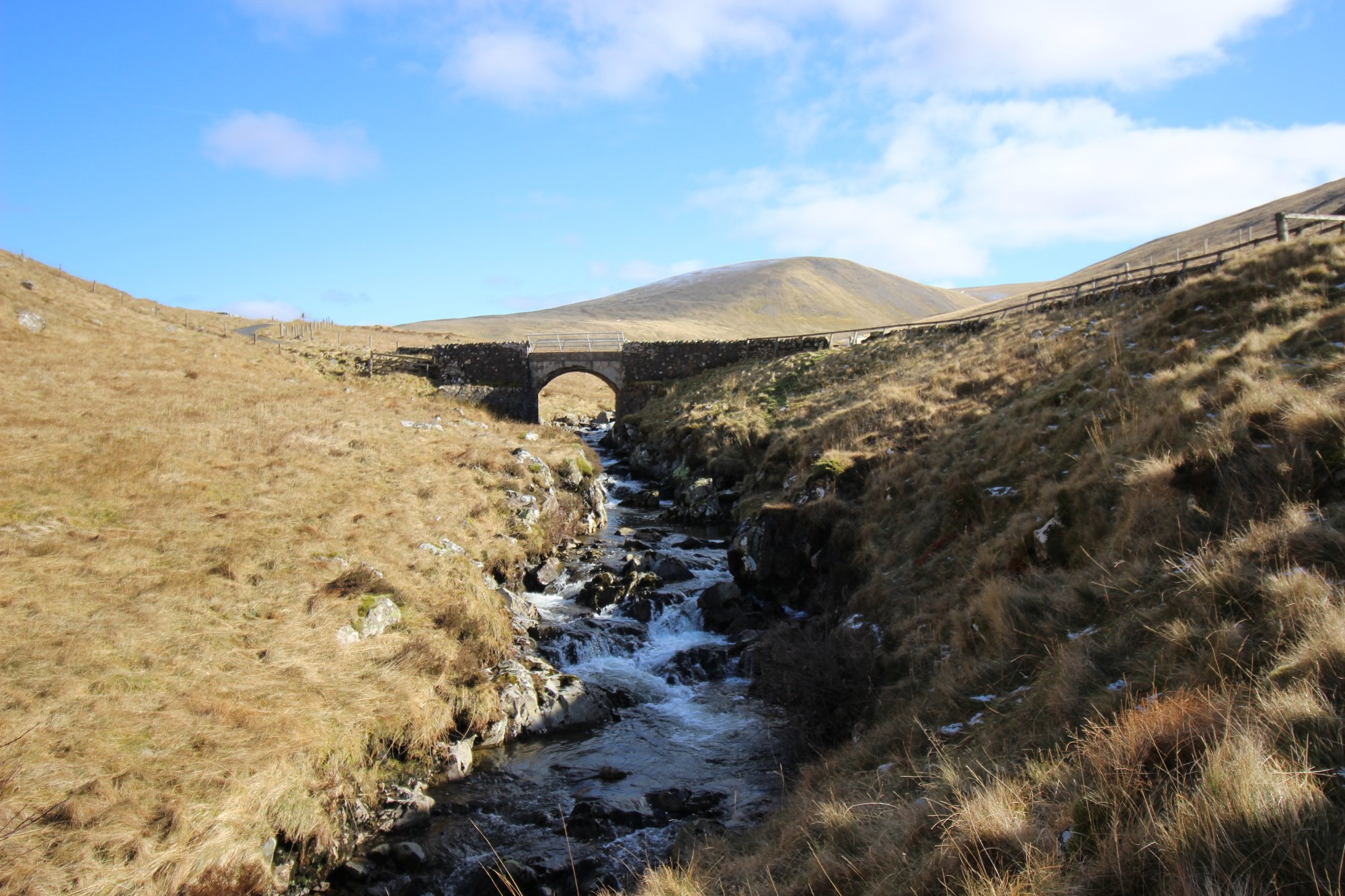
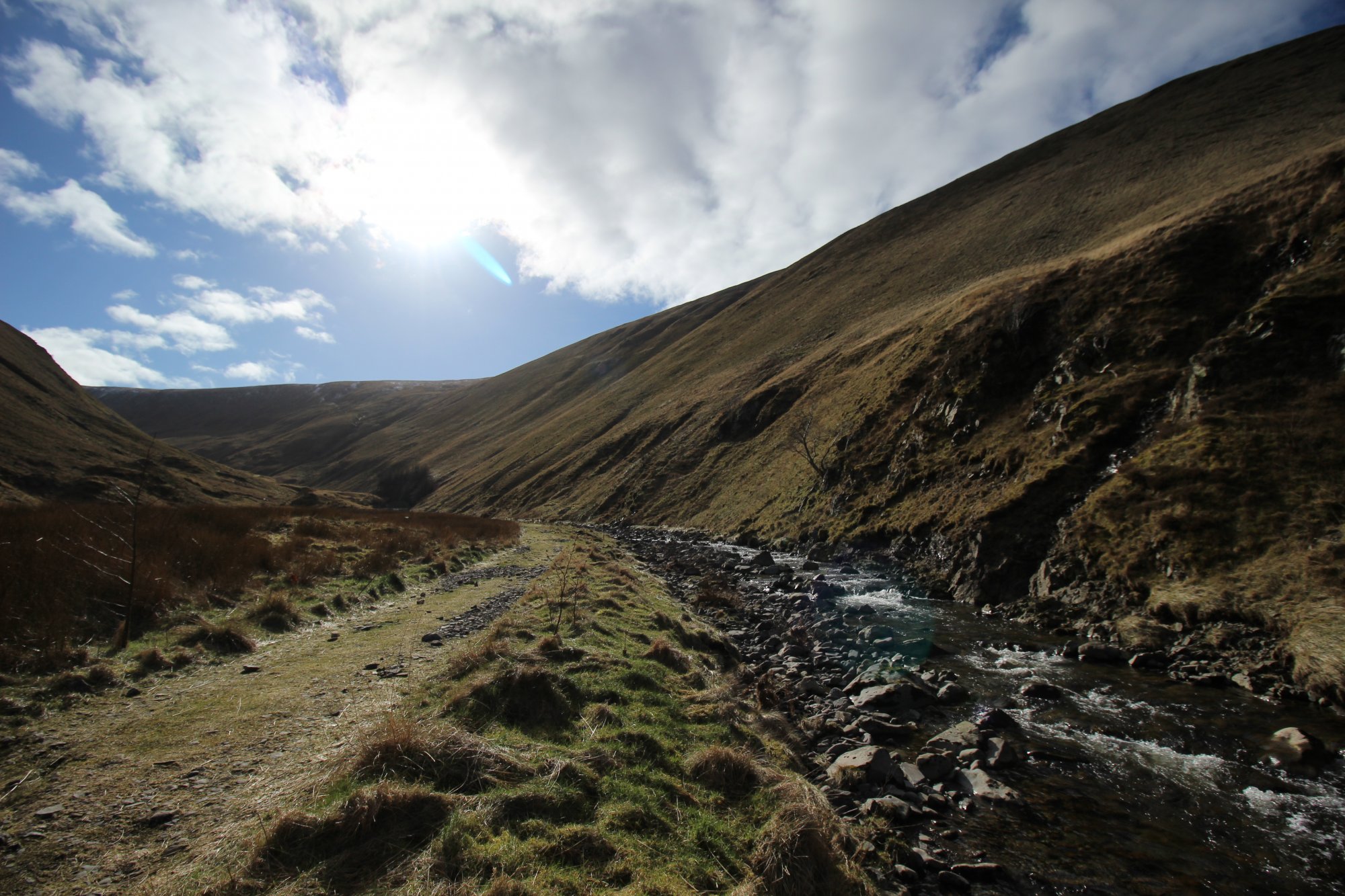
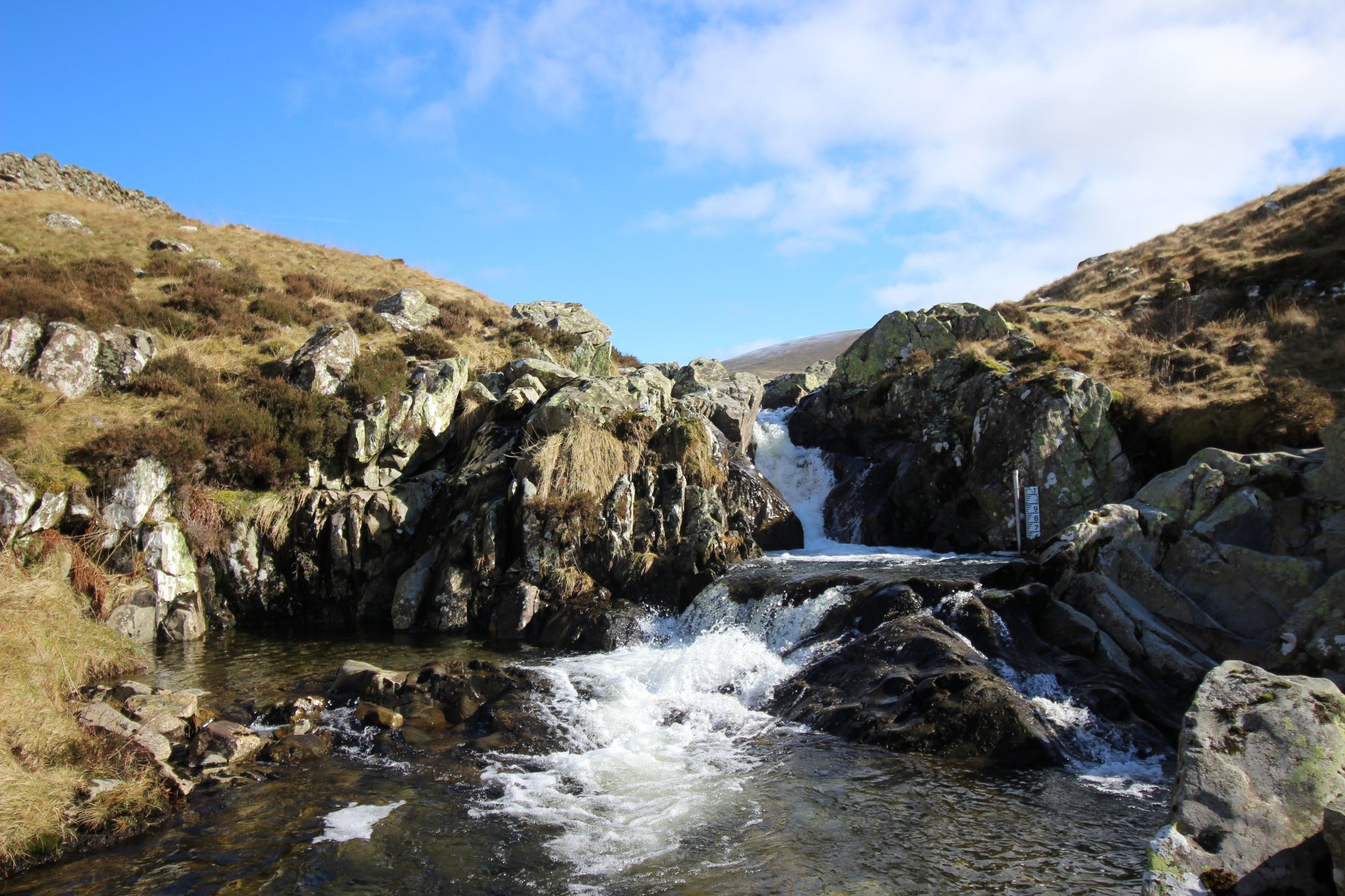
- Glaciated Twin Valleys: At the southern head of the reservoir, the topography splits into two deeply carved glacial troughs. The eastern fork follows Games Hope Burn through a pristine, trackless glen managed as part of wild land restoration projects, while the main southern line tracks the Talla Water as it plummets down the spectacular steps of Talla Falls from the high moorland plateaus above.
The Trail Blueprint: Mountain Pass Logistics and Parking Realities
Exploring the Talla complex involves a mix of smooth shoreline tracking and exceptionally steep mountain driving, demanding careful vehicle management:
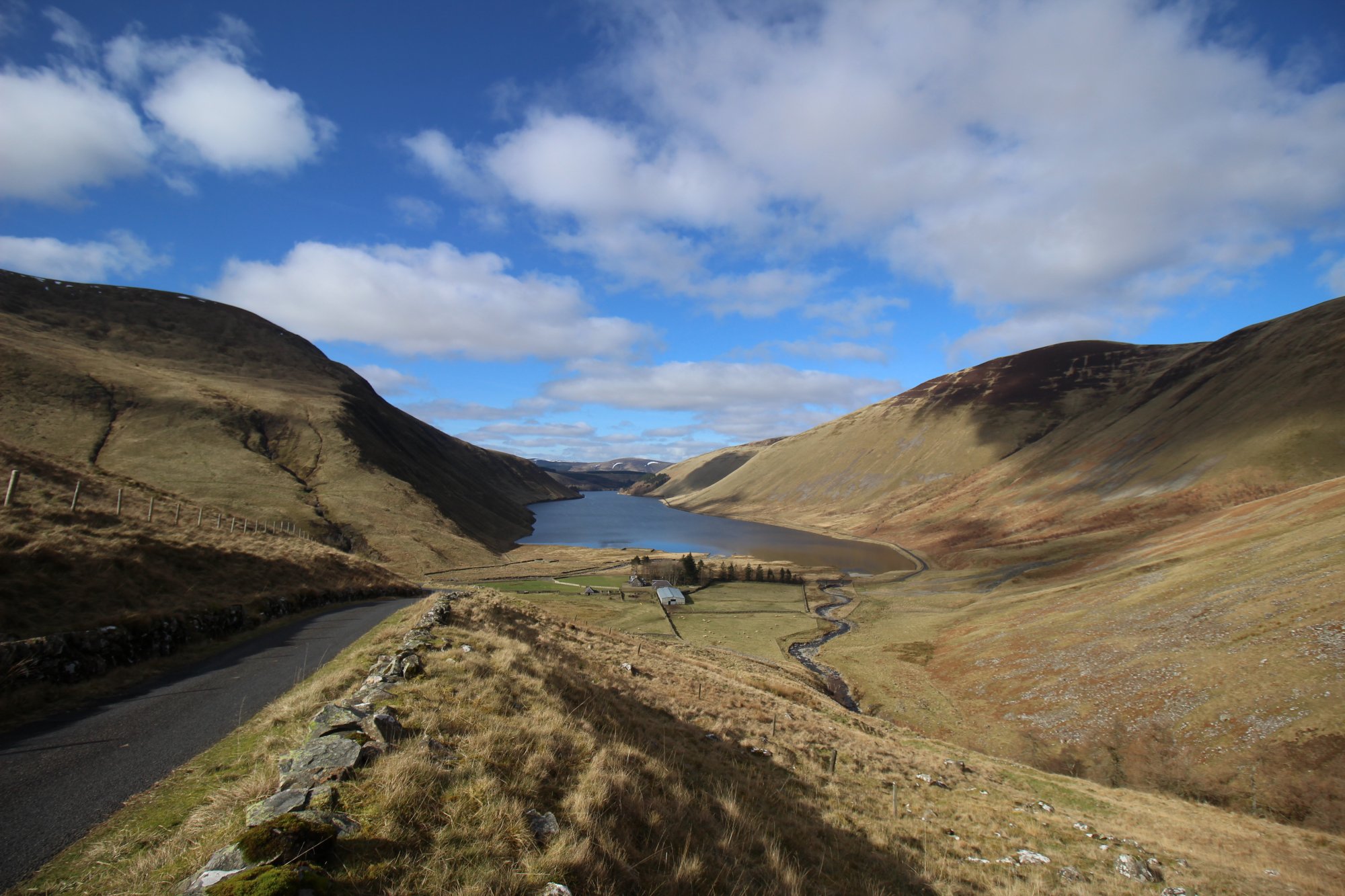
- The Talla Wall and Ground Conditions: The road flanking the reservoir transitions into the infamous "Talla Wall"—a renowned, single-track mountain pass that climbs precipitously toward Megget Reservoir. Boasting gradients that reach a punishing 20%, this road requires absolute driver focus, low gear selection, and a respectful use of passing places. For hikers, the tracks along the reservoir base are flat and well-maintained, but tracking up past the waterfalls or deep into the Games Hope valley transitions rapidly into wet, pathless peat hags and slippery grass slopes that demand water-resistant boots with deep-lug traction.
- Parking Availability and Infrastructure: Unlike the crowded car parks of the central Highlands, the Talla area remains a tranquil haven with three small, dedicated parking hubs. The northern lot sits adjacent to the historic intake tower; the southern lot provides immediate foot access to the junction of the two valley rivers; and a third, high-altitude lay-by is positioned directly at the crest of Talla Falls. While these lots are small, they rarely overflow due to the area’s low-profile status on mainstream tourism maps, making it a highly reliable location for independent film crews needing a guaranteed base.
- Cinematic Heritage: The immense, unblemished scale of the hills flanking the reservoir has caught the eyes of creative directors, notably serving as the sweeping, definitive landscape backdrop for major national media campaigns showcasing the rugged, untamed beauty of the Scottish countryside.
Cinematography, Audio, and Technical Production Integration
For independent travel filmmakers and landscape photographers, the Talla valley functions as an exceptional natural studio, presenting complex horizon lines and unique challenges regarding water exposure:
- Exposing the Ribbon Cascades Against Deep Valleys: Talla Falls descends through a dark, deeply recessed rocky cleft, while the open reservoir below acts as a massive light reflector. To capture the white-water detail of the cascades without overexposing the water surface or underexposing the dark heather hillsides, shoot exclusively in a 10-bit log profile. Deploying a Circular Polarizer (CPL) is mandatory to eliminate distracting glare from the reservoir surface and to enrich the deep ochres and greens of the Southern Uplands moorland.
- Lens Tactics for Valley Scale: To emphasize the sheer depth of the glaciated valley and make the twisting single-track road look like a tiny thread winding through giant hills, set up your camera at the top parking lay-by near the head of the falls. Utilize a medium telephoto lens ($70 ext{mm}$ to $105 ext{mm}$) pointing back down the glen. This compresses the distance, stacking the steep valley walls on top of one another and making the reservoir below appear as a dramatic alpine lake cradled by mountains.
- Acoustic Isolation of Upland Streams: The soundscape transitions from a wide, quiet acoustic space along the reservoir to a noisy, wind-funneled environment near the waterfalls. The steep walls of the Talla Wall road act as an acoustic mirror, bouncing wind shear directly into microphone elements. To capture a clean, immersive nature track or crisp on-camera commentary, directional shotgun microphones must be completely enclosed within a multi-layered fur windjammer (deadcat). Position your recording gear within the natural depressions of the hillside boulders to isolate your audio tracks from high-velocity wind clipping.