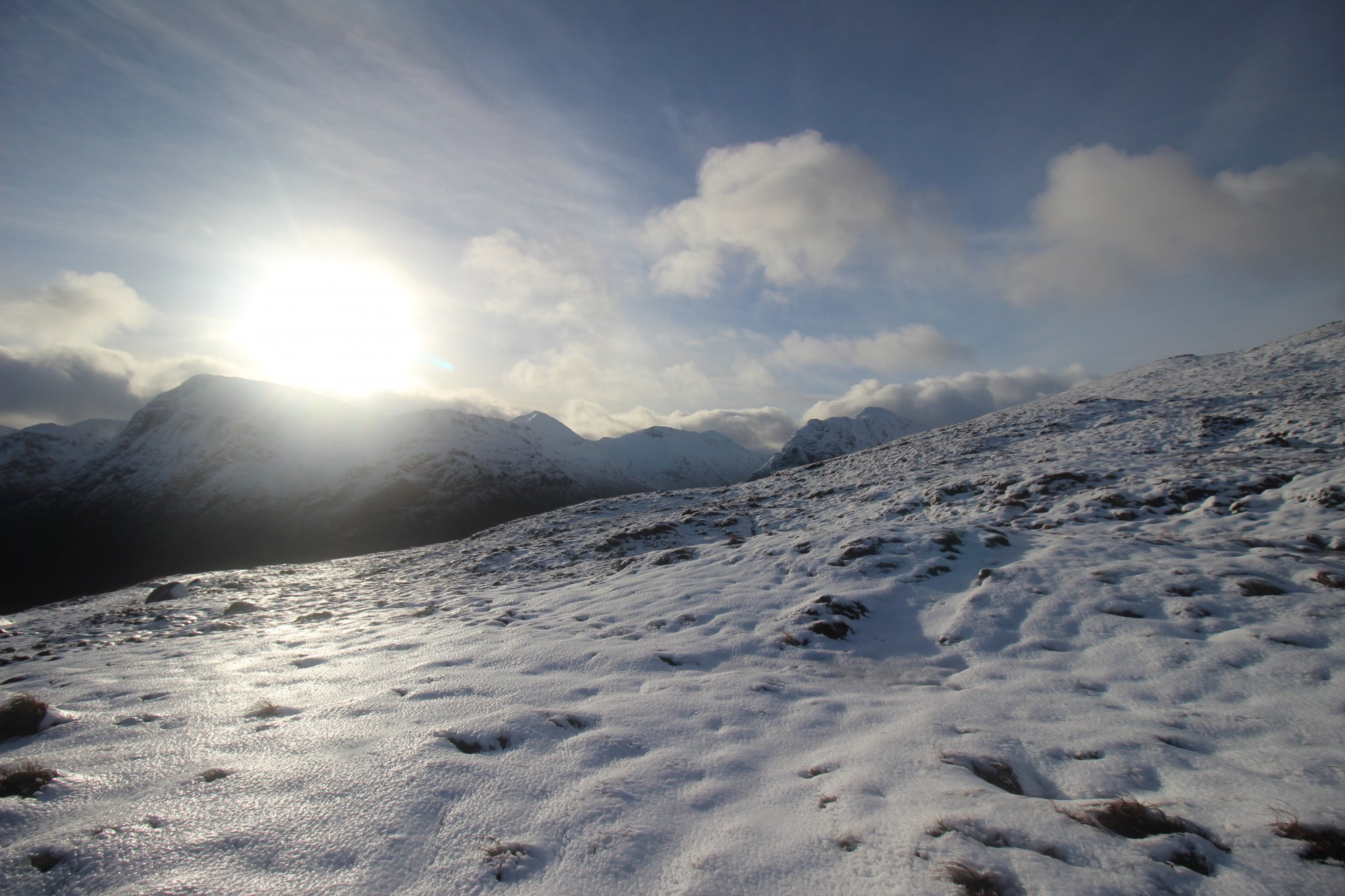



The Gateway to the Highlands: Navigating the Devil’s Staircase, Ridges, and Cinematic Scales of Stob Mhic Mhartuin
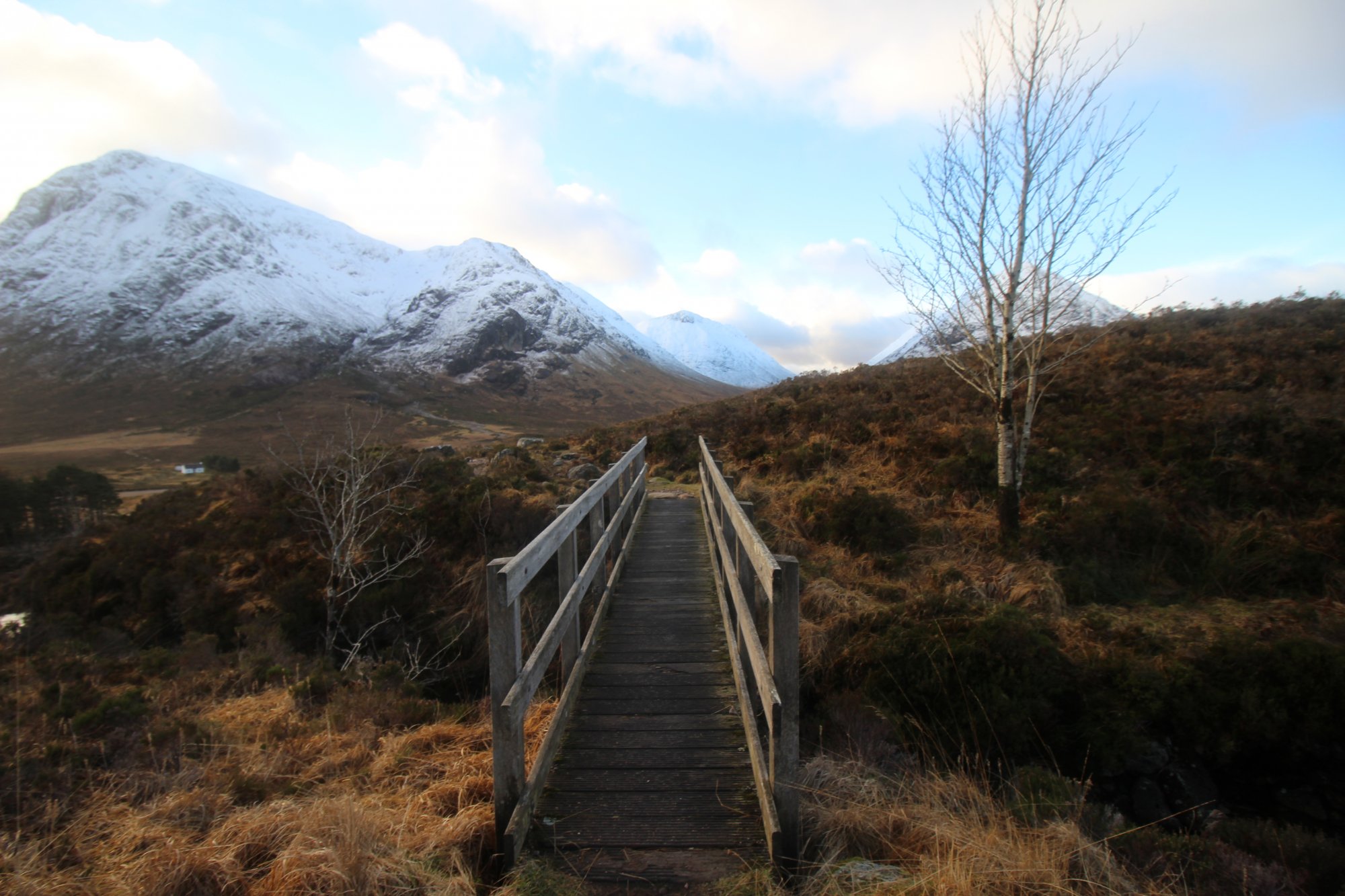
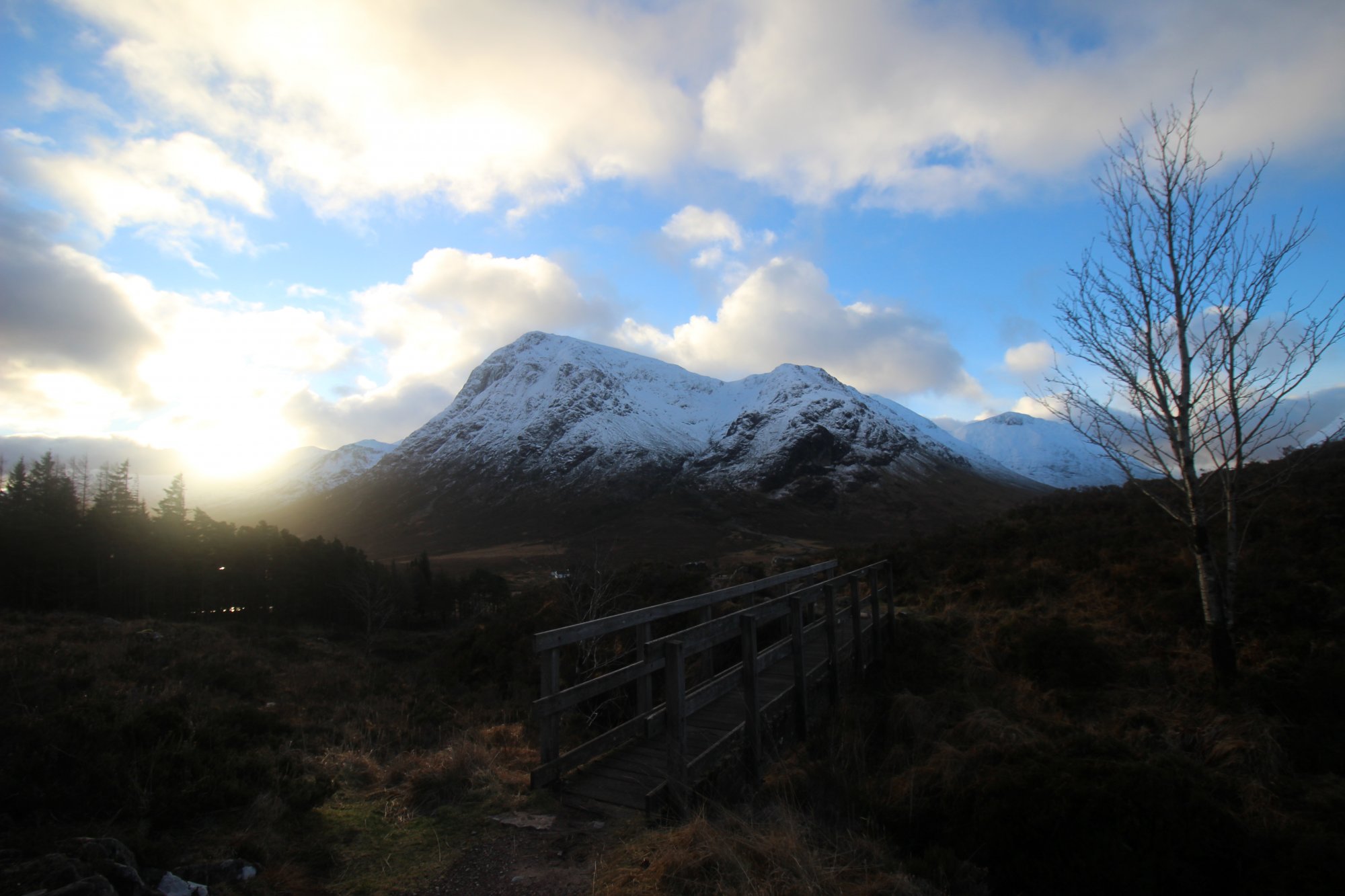
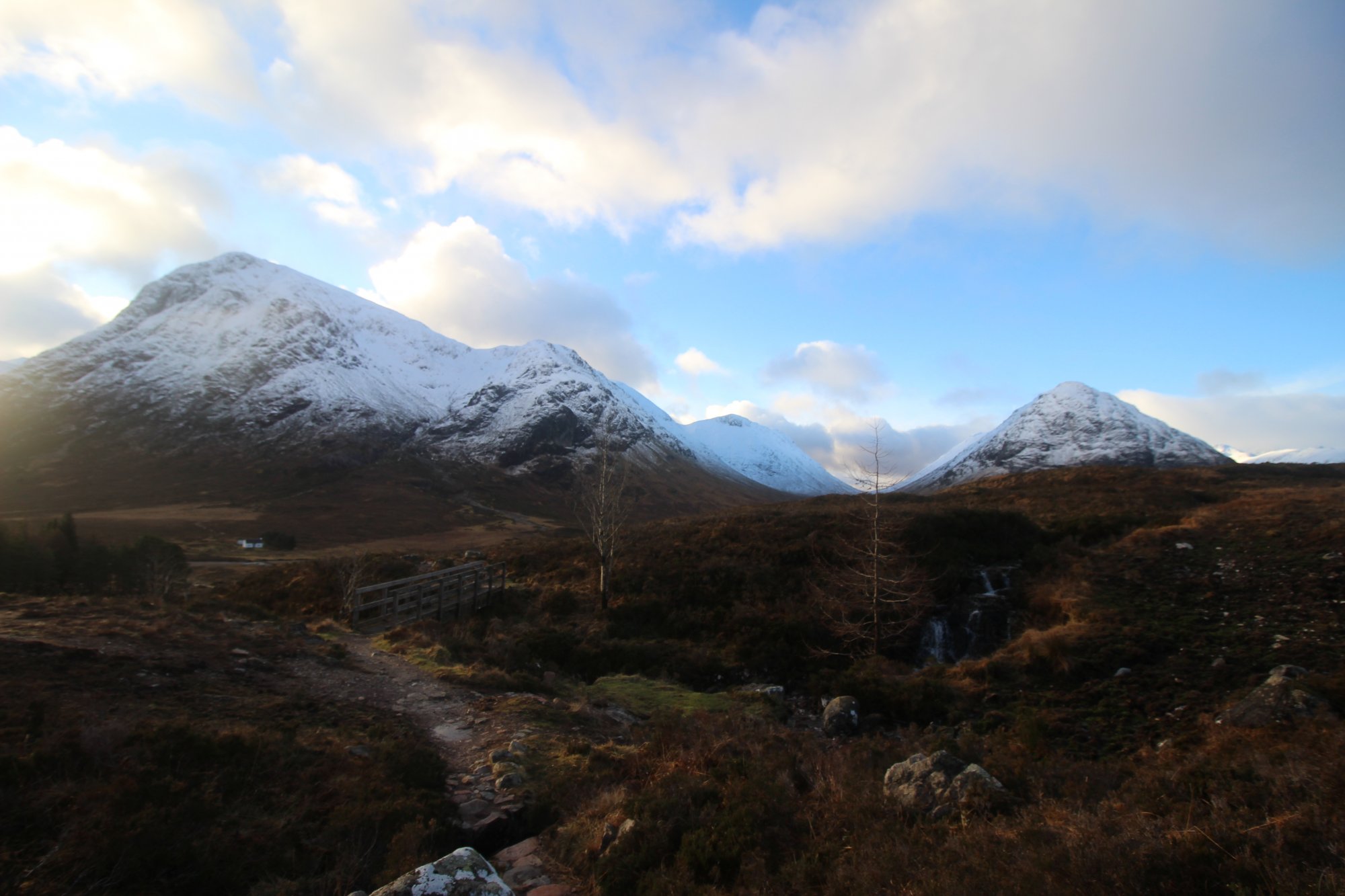
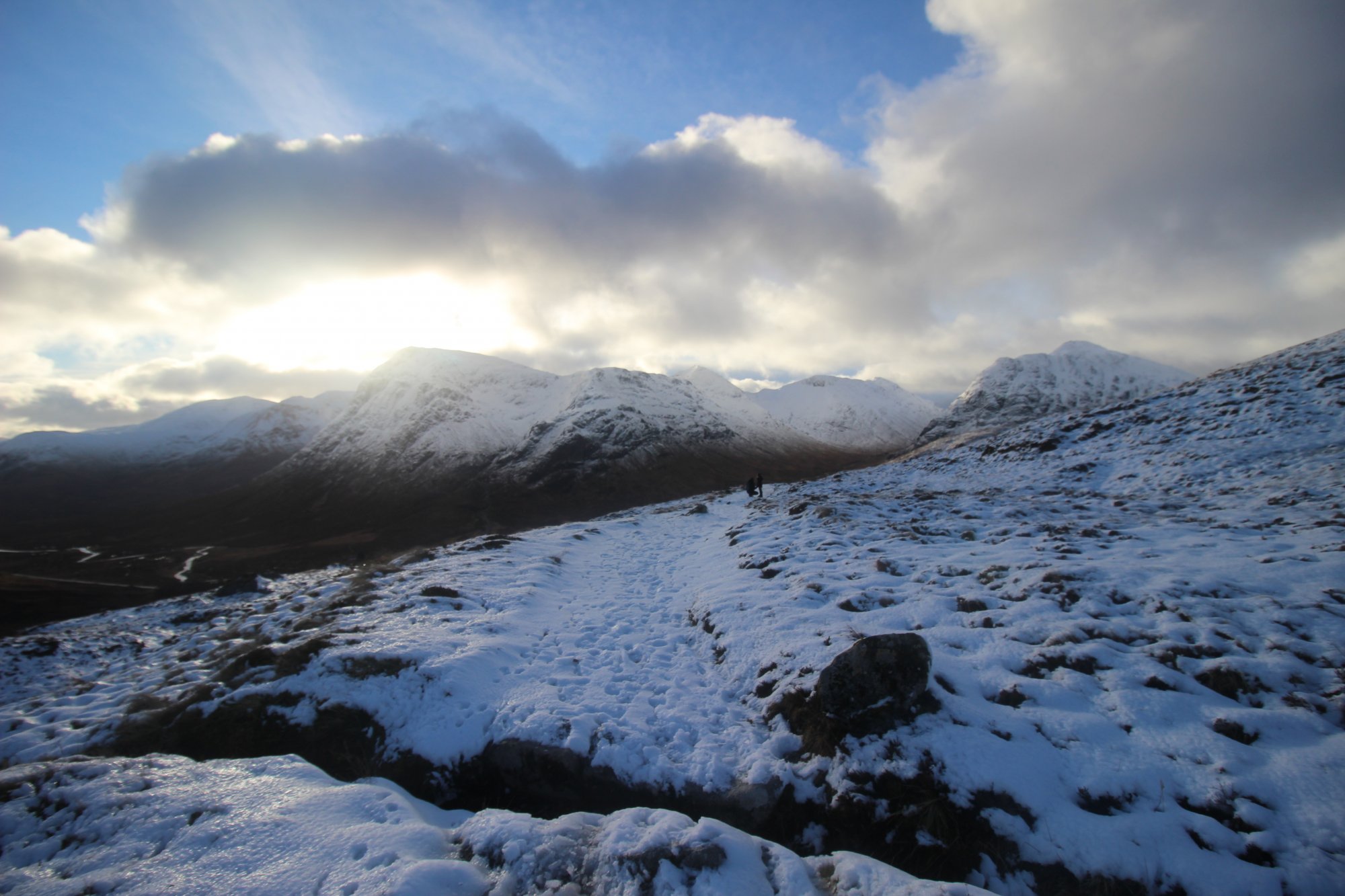
Perched commandingly on the northern wall of the historic Glen Coe caldera, Stob Mhic Mhartuin stands as an exceptionally rewarding, high-altitude vantage point that punches vastly above its modest elevation of 707 meters ($2,320 ext{ feet}$). While technically classified as a Graham top rather than a standalone Munro, this prominent sandstone and volcanic shoulder forms the literal apex of the famous Devil’s Staircase—the most notorious and visually spectacular mountain pass along the entire 96-mile length of the West Highland Way. Rising steeply from the floor of the glen directly opposite the colossal wall of the Three Sisters and the towering mass of Bidean nam Bian, Stob Mhic Mhartuin acts as a pivotal geographic hinge. The trail transitions efficiently from an ancient military road into a rugged mountain crest, offering independent travelers, long-distance hikers, and digital filmmakers an elite natural platform to capture the wild, structural geometry of the Lochaber mountains.
The Geological and Cinematic Blueprint: Glacial Troughs and Military Tracks
The strategic and visual triumph of Stob Mhic Mhartuin lies in its unique positioning over the pass, providing an immediate look down into two completely different mountain landscapes:
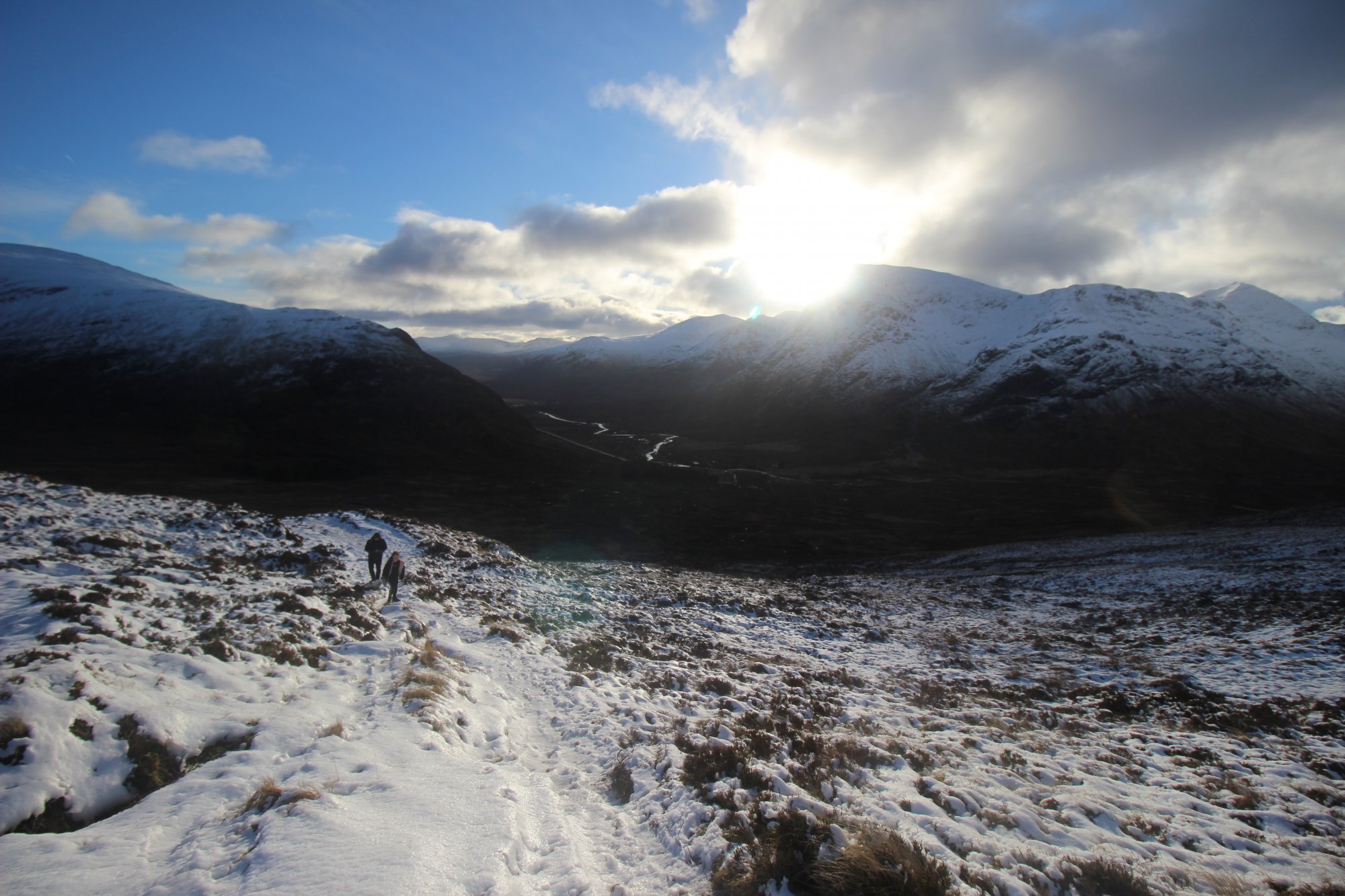
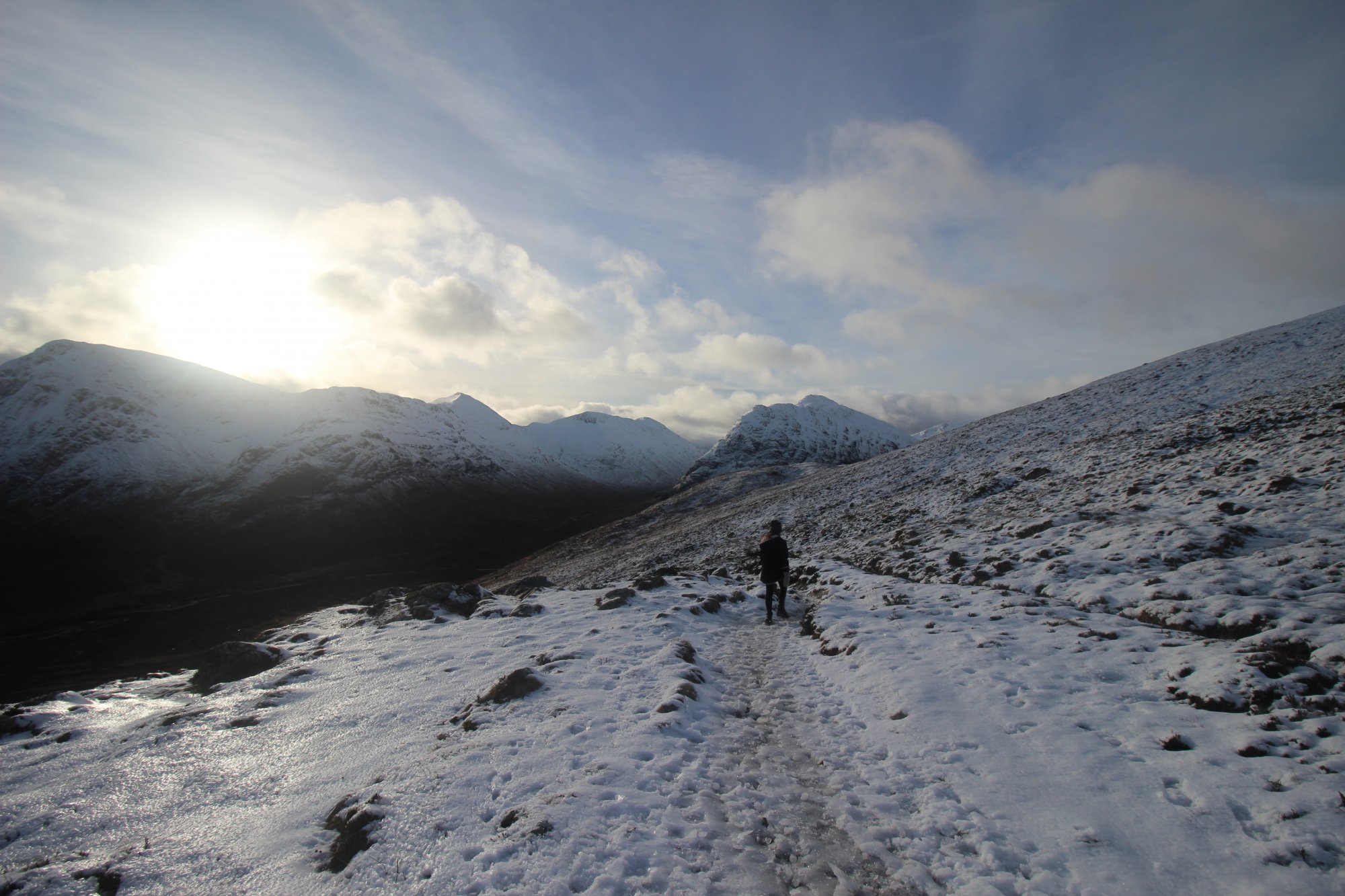
- The Devil’s Staircase Ascent: Built originally by General Wade’s military forces in the 18th century to control the Highlands, the path tackles the steep pass via a series of beautifully engineered, tight switchbacks. The name was given later by the navvies who built the Blackwater Reservoir to the north, owing to the brutal physical toll of hauling building materials over the high col in treacherous winter conditions.
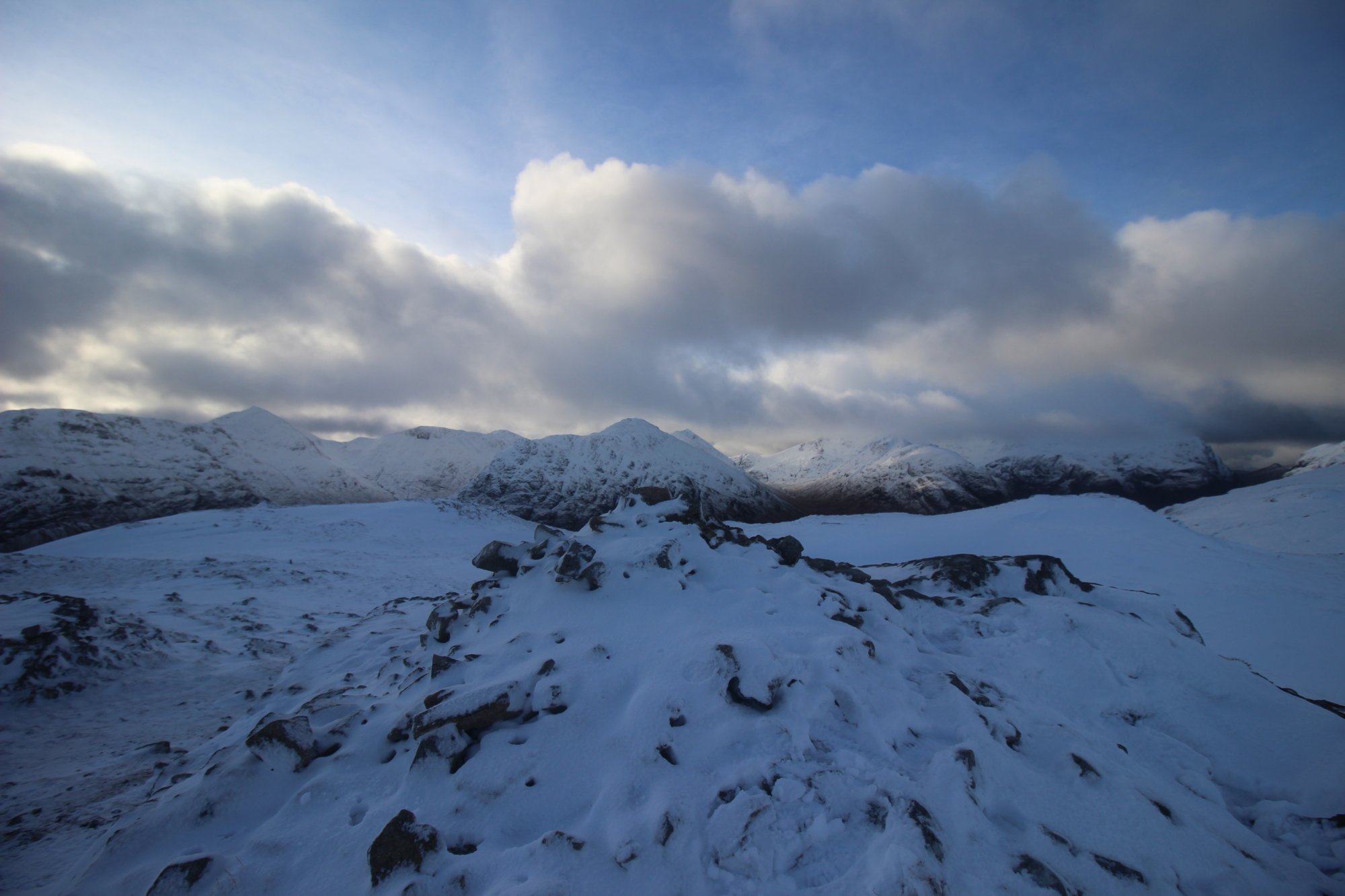
- The View of the Aonach Eagach: From the summit cairn of Stob Mhic Mhartuin, looking immediately southwest reveals a breathtaking, eye-level perspective of the infamous Aonach Eagach ridge. This jagged, razor-sharp wall of rock is notorious as the most dangerous horizontal scramble on the British mainland, and Stob Mhic Mhartuin provides the safest, most stable platform from which to film its exposed teeth without stepping onto the ridge itself.
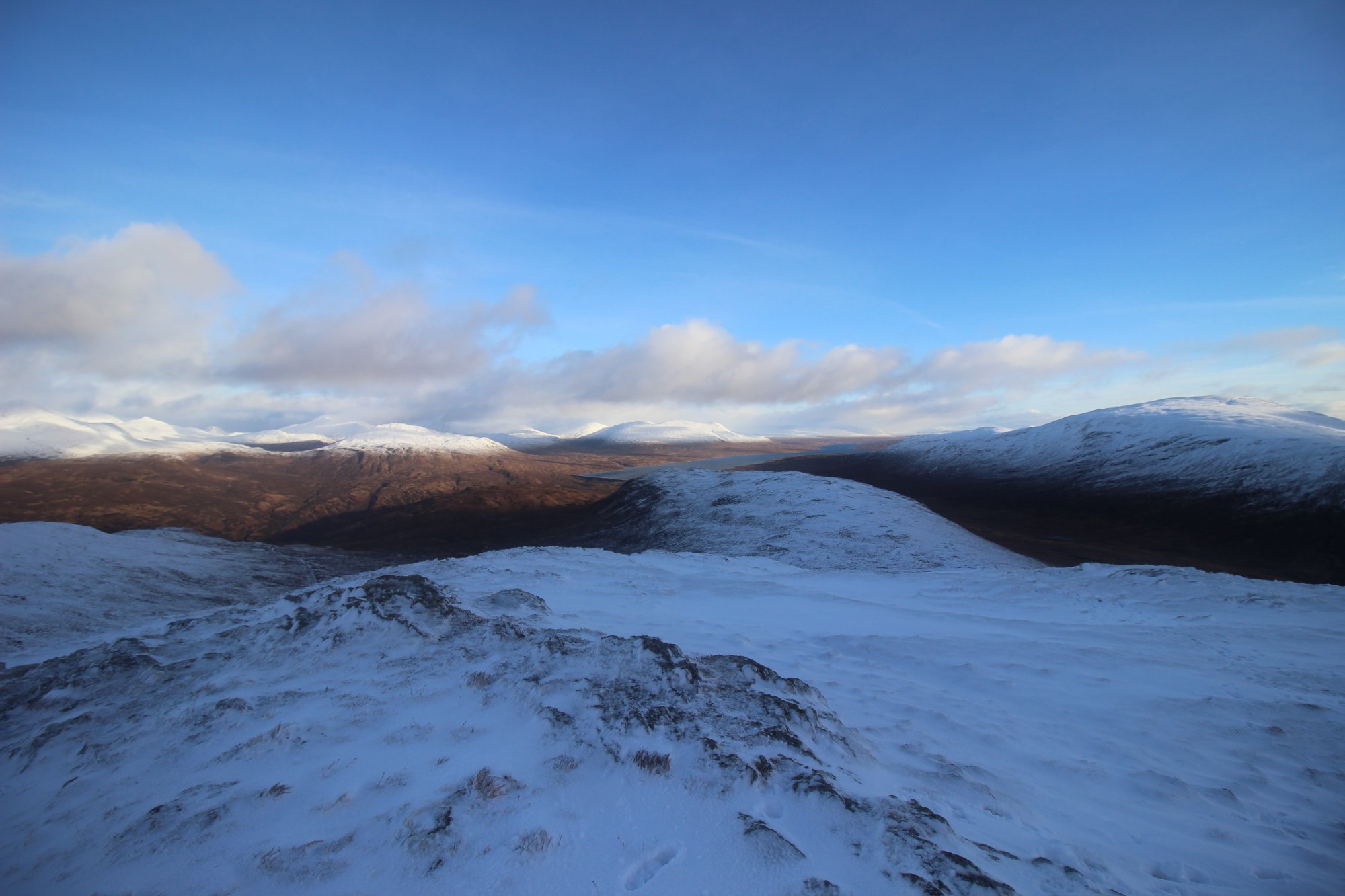
- The Northern Wilderness Shift: Turning your back on the deep glacial trench of Glen Coe reveals a dramatic shift in landscape architecture. To the north, the steep, rocky drop-offs soften into the vast, lonely moorland expanse stretching toward the Mamores range and the distant, cloud-capped pyramid of Ben Nevis, providing a powerful sense of true isolation.
The Trail Blueprint: Route Logistics and High-Pass Realities
The ascent to Stob Mhic Mhartuin offers a perfect balance of accessible trail infrastructure and genuine high-mountain rewards, though weather conditions demand respect:
- Route Overview and Ground Conditions: The standard walk begins from a dedicated lay-by along the A82 trunk road near Altnafeadh. Following the well-maintained switchbacks of the West Highland Way up to the high bealach (saddle) takes approximately 45 to 60 minutes. From the top of the pass, a distinct but unmade mountain path branches westward along the ridge line to reach the summit structure of Stob Mhic Mhartuin. The terrain transitions rapidly from hard-packed military stone to loose, mobile scree and wet peat hags that require sturdy trekking boots with excellent ankle support.
- Arrival Logistics and Parking Constraints: The small parking lay-bys at Altnafeadh are situated directly at the base of the trail on the A82. Because this spot functions as the primary crossing point for West Highland Way trekkers, Aonach Eagach climbers, and casual sightseers, these spaces are completely overwhelmed by mid-morning during the peak summer months. Content creators transporting substantial cinema rigs are strongly advised to execute dawn or late-evening ascents, which effortlessly avoids traffic bottlenecks while aligning perfectly with optimal lighting conditions.
Cinematography, Wind Isolation, and Technical Production Integration
For independent travel filmmakers and landscape photographers, Stob Mhic Mhartuin functions as a world-class high-altitude studio, demanding expert control over wide perspective lines and intense wind exposure:
- Perspective Lines and Scale Compression: To capture the epic scale of the single-track A82 road winding through the valley floor thousands of feet below, utilize a wide-angle lens ($16 ext{mm}$ to $24 ext{mm}$) positioned close to the edge of the summit drop-off. This accentuates the near-vertical depth of Glen Coe. Conversely, to capture the dramatic, saw-toothed ridge lines of the Aonach Eagach, switch to a medium telephoto lens ($70 ext{mm}$ to $105 ext{mm}$) to compress the mountain miles, making the exposed rock towers look incredibly imposing against the sky. Shoot exclusively in a 10-bit log profile to preserve details in both the dark volcanic fissures and the bright mountain clouds.
- Managing Severe Wind Shear and High-Pass Audio: The high saddle of the Devil’s Staircase acts as a natural venturi wind funnel, forcing high-velocity Atlantic tracking winds over the ridge. To record clean voice logs or capture the atmospheric hum of the pass, directional shotgun microphones must be completely enclosed within a professional, multi-layered fur windjammer (deadcat). Seek out the leeward side of the rocky summit knolls, using the natural stone anatomy of Stob Mhic Mhartuin as a physical barrier to prevent wind shear from clipping your microphone preamps.