


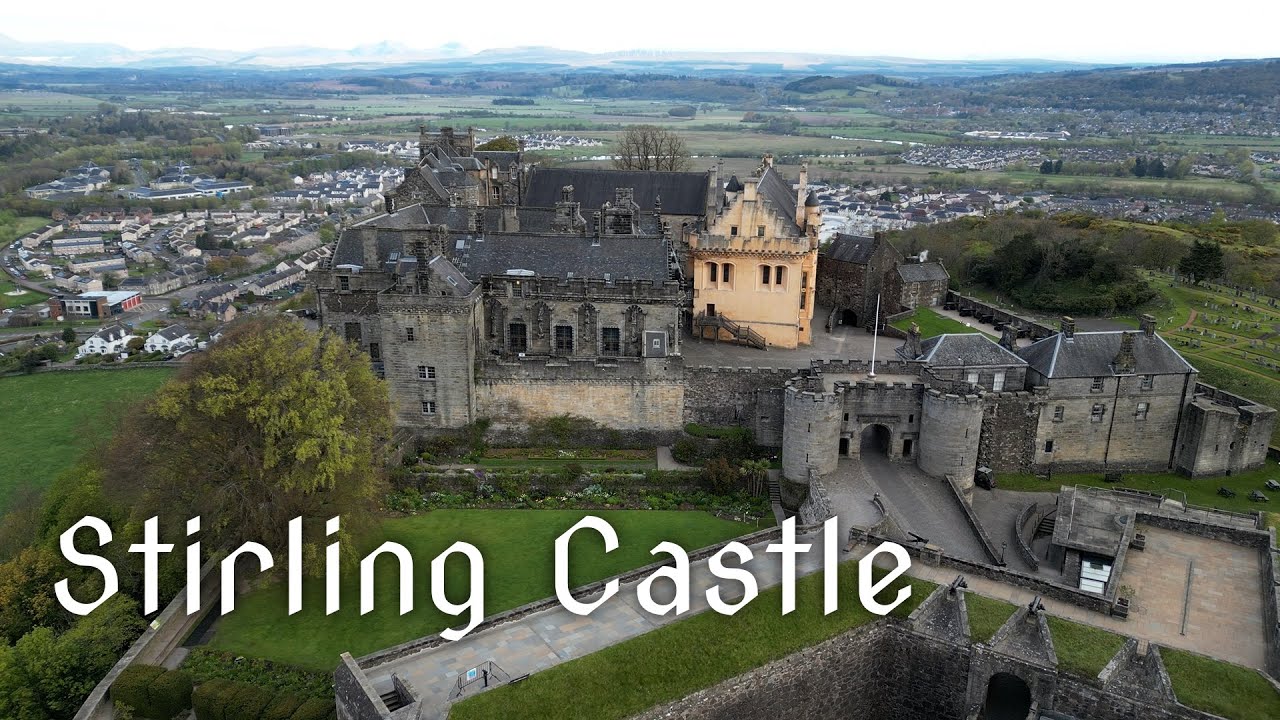

The Fortress of the Rock: Navigating the Volcanic Cliffs, Royal Palaces, and Cinematic Horizons of Stirling Castle
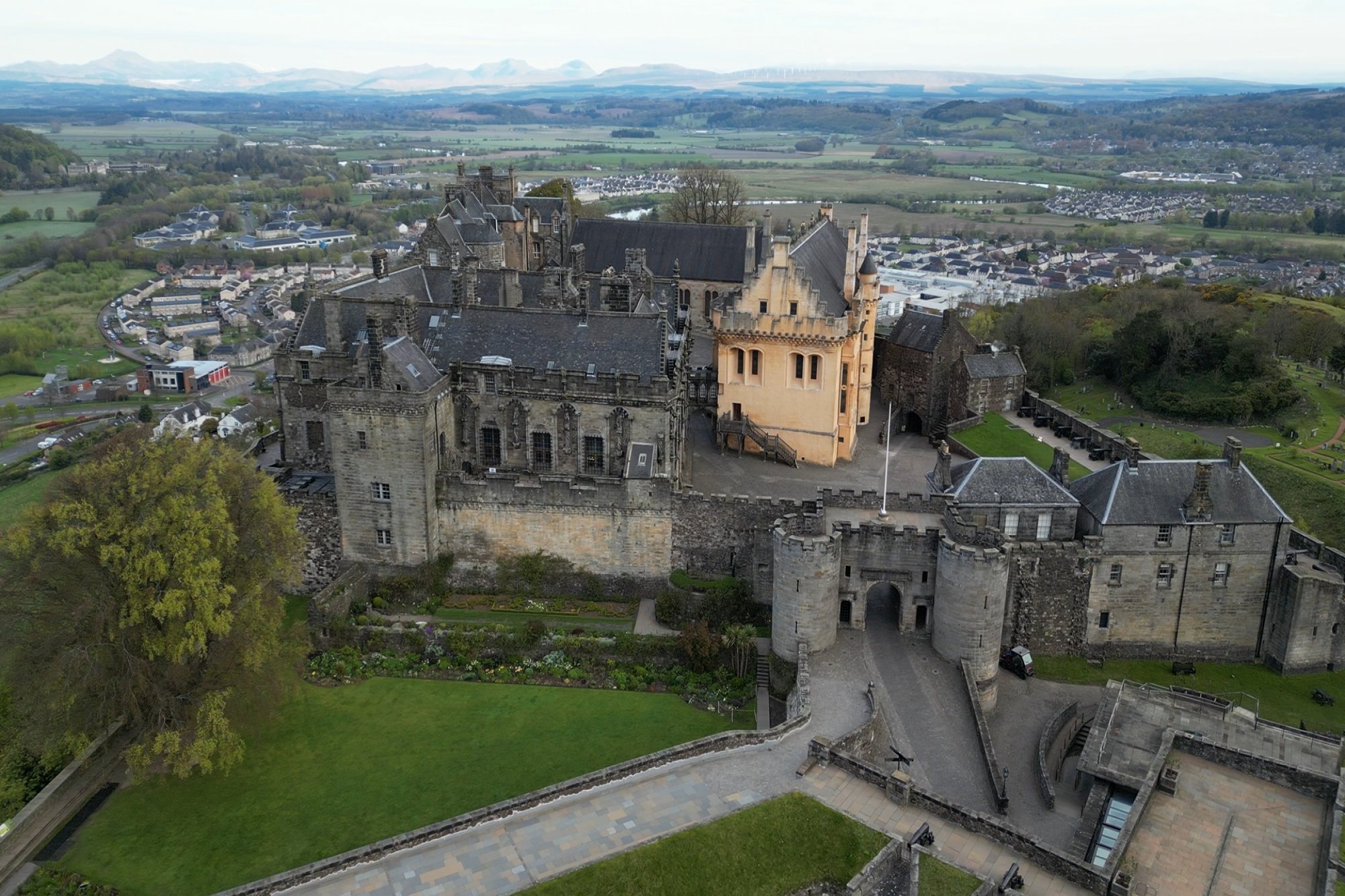
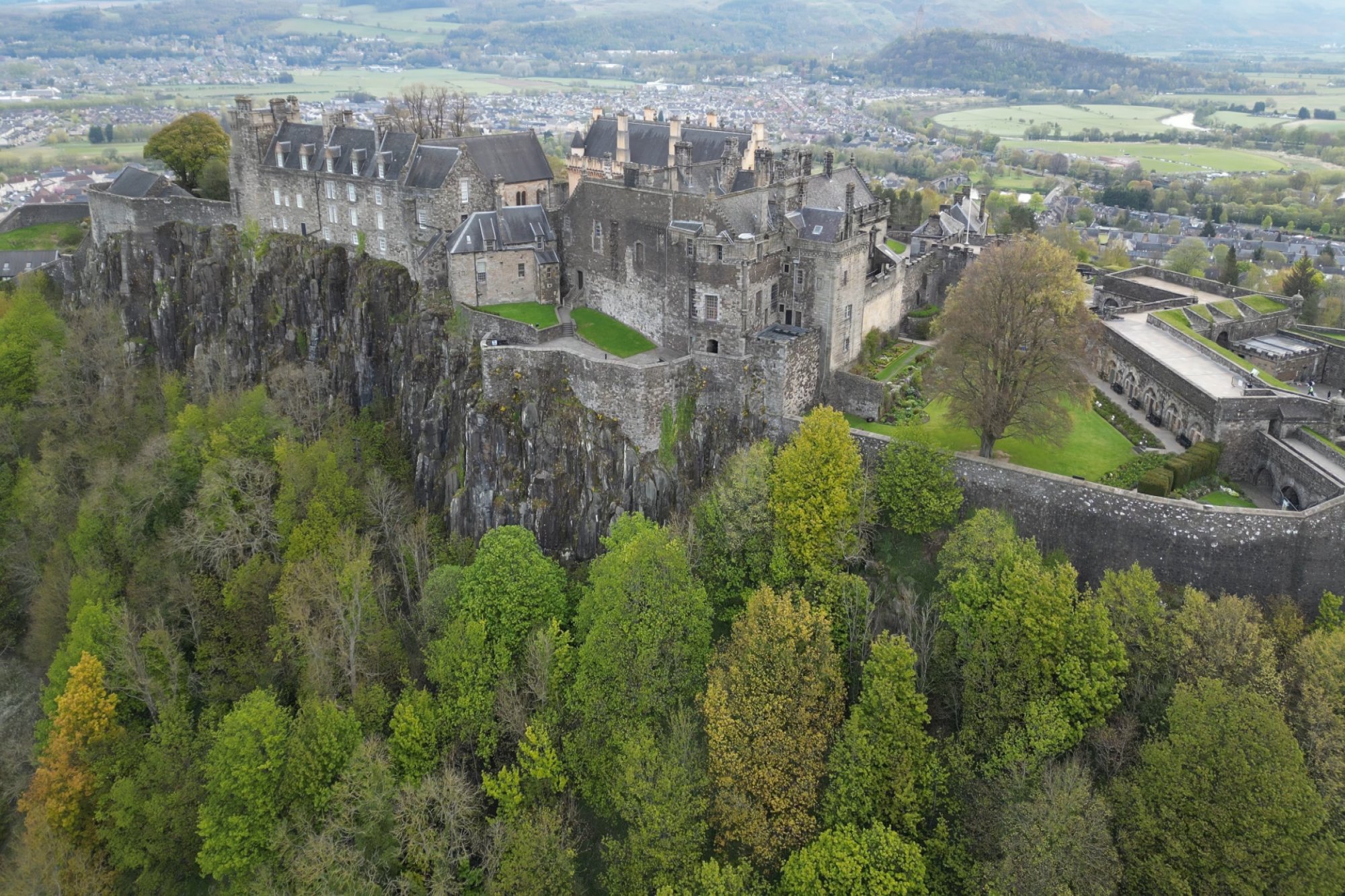
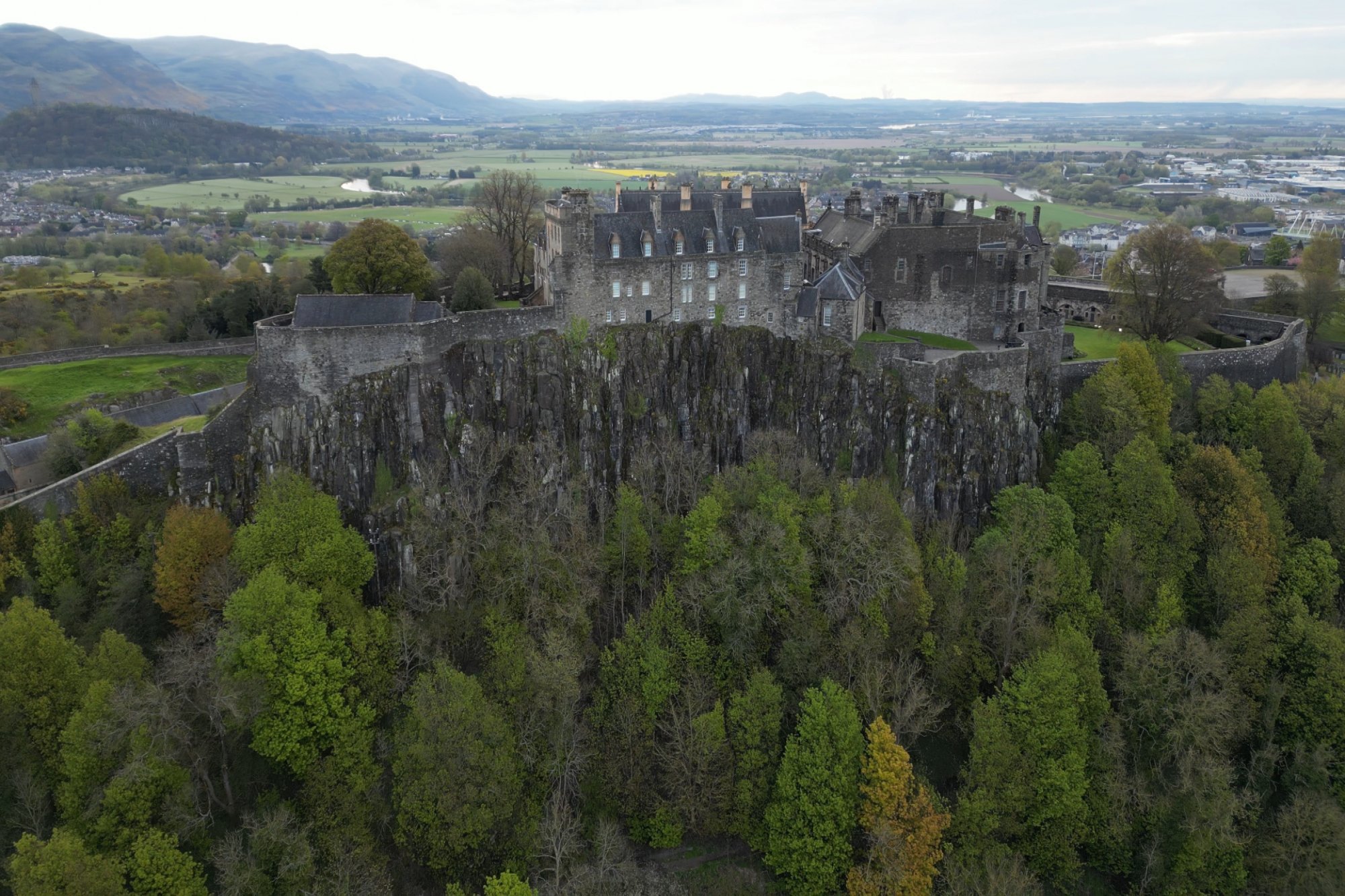
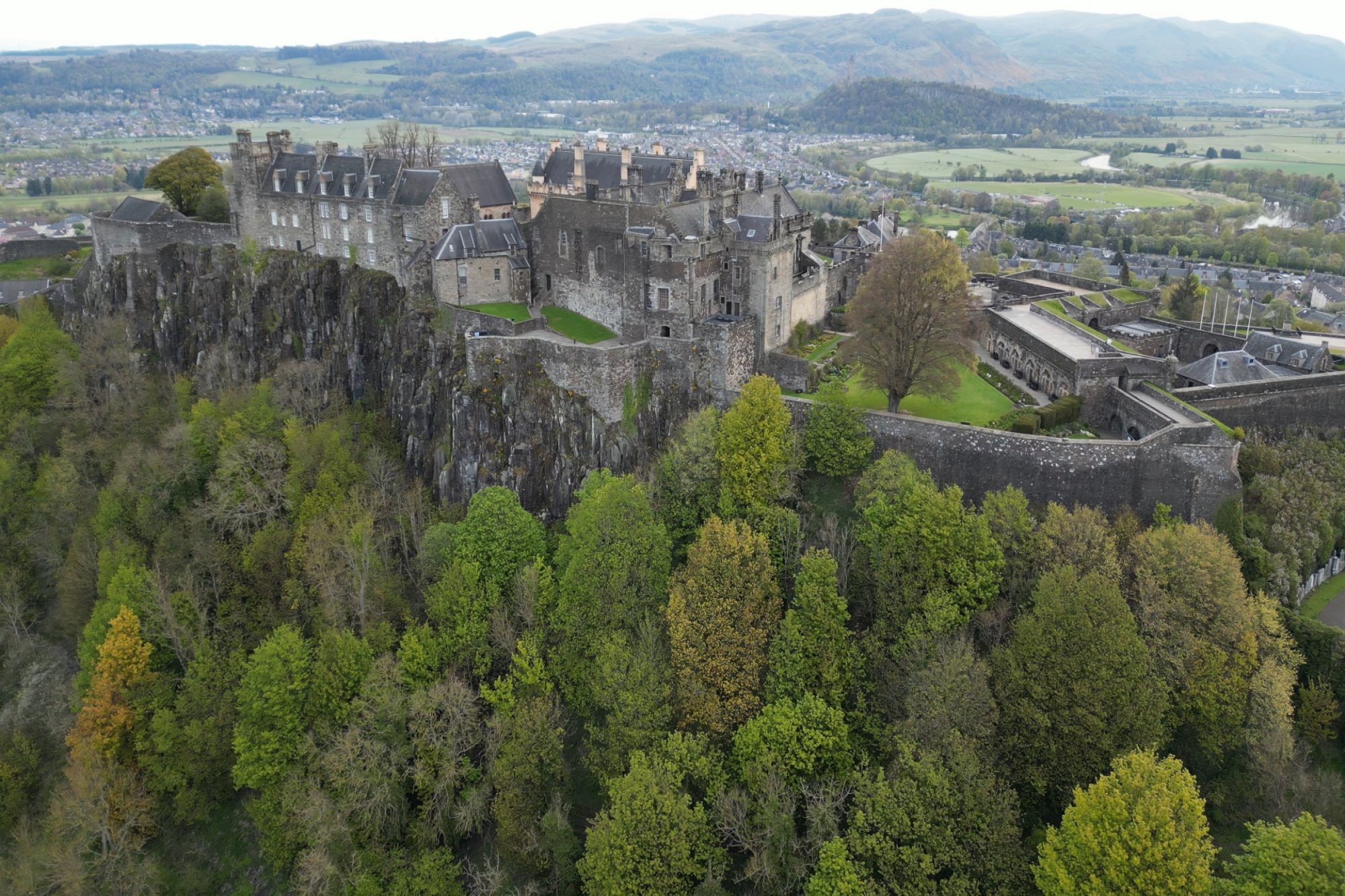
Dominating the strategic heart of central Scotland, Stirling Castle stands as an unparalleled monument to Scottish royal authority, military engineering, and architectural grandeur. Perched commandingly atop Castle Hill—a massive, near-impenetrable volcanic plug carved by glacial action—the fortress enjoys a defensive position where vertical dolerite cliffs drop precipitously on three sides, leaving only a single, highly fortified eastward approach. Documented in historical records for well over a millennium, this stronghold served as the strategic gateway to the Highlands and the primary cockpit of the Wars of Scottish Independence during the 13th and 14th centuries. Having witnessed the crowning of iconic monarchs, including Mary, Queen of Scots, and weathered numerous brutal sieges, the site transitioned into a heavy military garrison and army barracks after 1800, temporarily obscuring its royal prestige. Today, under the meticulous stewardship of Historic Environment Scotland, a landmark renaissance restoration has returned the castle to its pinnacle of mid-16th-century glory, presenting an elite cultural arena for historical explorers, families, and digital travel filmmakers.
The Architectural Blueprint: Royal Palaces, Great Halls, and Defenses
The physical footprint of Stirling Castle is a masterclass in overlapping historical eras, where medieval defensive might blends with exquisite European Renaissance artistry:
- The Volcanic Geography: Part of the Stirling Sill, the dark dolerite crag of Castle Hill provided an immediate, natural defensive asset. Because armies could not scale the sheer cliffs, military architects focused all defensive engineering on the narrow eastern ridge, creating a formidable multi-tiered system of outer ditches, crenellated curtain walls, and heavy artillery batteries.
- James V's Royal Palace and the Great Hall: The jewel of the interior is the Royal Palace, built in the early 16th century. Its exterior walls are adorned with the famous "Stirling Carvings"—intricate, highly expressive Renaissance sculptures of mythological figures and monarchs. Directly adjacent sits the magnificent Great Hall of James IV, a vast, cream-washed medieval feast hall featuring an immense hammerbeam oak roof and towering fireplaces designed to project absolute wealth and international prestige.
- The Interactive Living History Hub: The extensive interior exhibitions provide a highly immersive dive into medieval courtly life and military history. Featuring meticulous recreations of the royal tapestries, live falconry demonstrations on the battlements, and historically accurate costume workshops, the castle seamlessly bridges the gap between scholarly preservation and high-engagement family education.
The Trail Blueprint: Ascent Logistics and Visitor Realities
Navigating Stirling Castle requires a sustained uphill walk, though the modern infrastructure provides an incredibly smooth experience for content creators and travel groups:
- The Esplanade Ascent and Ground Conditions: Visitors approach the castle via the sprawling stone Esplanade—a historic military parade ground that commands panoramic views of the Wallace Monument and the Ochil Hills. The paths within the castle gates are predominantly laid with traditional stone setts and historic cobblestones, which can become exceptionally slick during wet weather or winter frosts. Supportive footwear with reliable traction is essential for exploring the outdoor batteries and steep cobblestone ramps safely.
- Pricing and Operational Reality: Admission to the fortress is competitively priced well below £20, representing exceptional value given the vast physical scale of the complex, the depth of the museums, and the inclusion of the Argyll and Sutherland Highlanders Regimental Museum. The main visitor car park sits directly on the castle Esplanade; however, because it is constrained by the natural topography of the hill, parking slots are limited and fill rapidly by mid-morning. Travelers and film crews are highly encouraged to utilize the city’s park-and-ride networks or the multi-story facilities in the Old Town below, walking up through the historic Top of the Town to reach the drawbridge.
Cinematography, Audio, and Technical Production Integration
For independent travel filmmakers and architectural photographers, Stirling Castle acts as a world-class high-altitude studio, demanding expert management of expansive horizons and harsh stonework contrast:
- Managing High Dynamic Range and Sandstone Tones: The castle’s buildings are constructed from a rich mix of golden-blonde sandstone and traditional lime-washed harling. Under direct sunlight, these surfaces reflect light intensely, creating a massive contrast challenge against the dark, unyielding volcanic rock of the cliffs below. To preserve the fine Renaissance carvings without crushing the deep shadows of the battlements, shoot exclusively in a 10-bit log profile. A high-grade Circular Polarizer (CPL) is mandatory to cut through haze over the Carse of Stirling and eliminate distracting glare from wet courtyard stone.
- Lens Tactics for Historic Compression: To capture the dramatic relationship between the castle’s outward batteries and the distant, dramatic profile of the William Wallace Monument across the valley, avoid wide-angle lenses, which shrink background features. Instead, position your tripod on the northern ramparts and deploy a medium-to-long telephoto lens ($70 ext{mm}$ to $135 ext{mm}$). This focal range compresses the physical miles, making the historic monument rise majestically right behind the castle’s stone embrasures.
- Acoustic Mapping of Stone Fortresses: The acoustic environment shifts violently between the wide-open, wind-swept battlements and the heavily compressed stone interiors. The Grand Courtyard and the vaulted artillery vaults act as massive acoustic mirrors; to capture clean interviews or historical voice-overs within these spaces without fighting excessive, muddy echo, utilize close-proximity directional lapel microphones or shotgun mics equipped with soft internal damping. When recording outside on the ramparts, the soundscape is dominated by high-velocity winds funneling up from the valley floor; a dense fur windjammer (deadcat) is non-negotiable to insulate your audio tracks from wind shear clipping.