



The Eclectic Sanctuary: Mastering the Light, Architecture, and Landscape Strategy of St Conan’s Kirk
Situated off the winding tarmac of the A85 strategic corridor in Argyll, St Conan’s Kirk is a masterclass in architectural romanticism and structural eccentricity. Conceived, funded, and intricately designed by Walter Campbell of Innis Chonain at the tail-end of the 19th century, this extraordinary temple was built to break free from the austere, uniform templates of traditional Scottish ecclesiastical styling. Rather than adhering to a single historical era, the kirk functions as a living timeline of British masonry, aggressively fusing Norman, Gothic, Early Celtic, Saxon, and even prehistoric Stone Circle elements into a singular stone footprint. Completed in the early 20th century after Campbell's death by his sister Helen, the kirk sits beautifully embedded between the towering ridge of the Ben Cruachan massif and the dark, mirror-like waters of Loch Awe, providing a highly rewarding stop for independent travelers and creative filmmakers tracking through western Scotland toward Oban.
The Architectural Blueprint: A Tale of Two Facades
The unique visual triumph of St Conan's Kirk lies in its deliberate, dual-identity spatial orientation, which utilizes the natural topography of the Loch Awe basin to manage scale and mood:
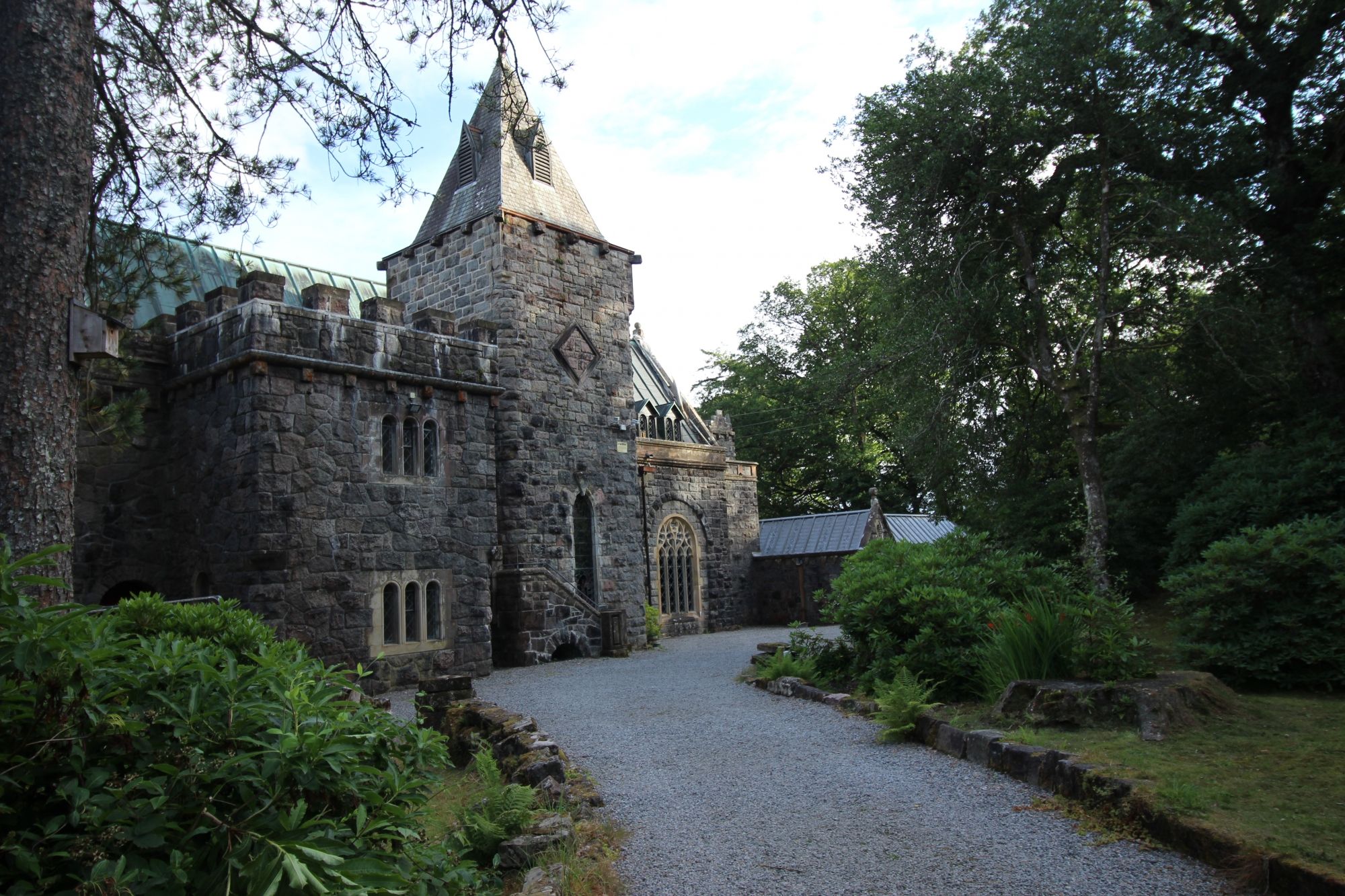
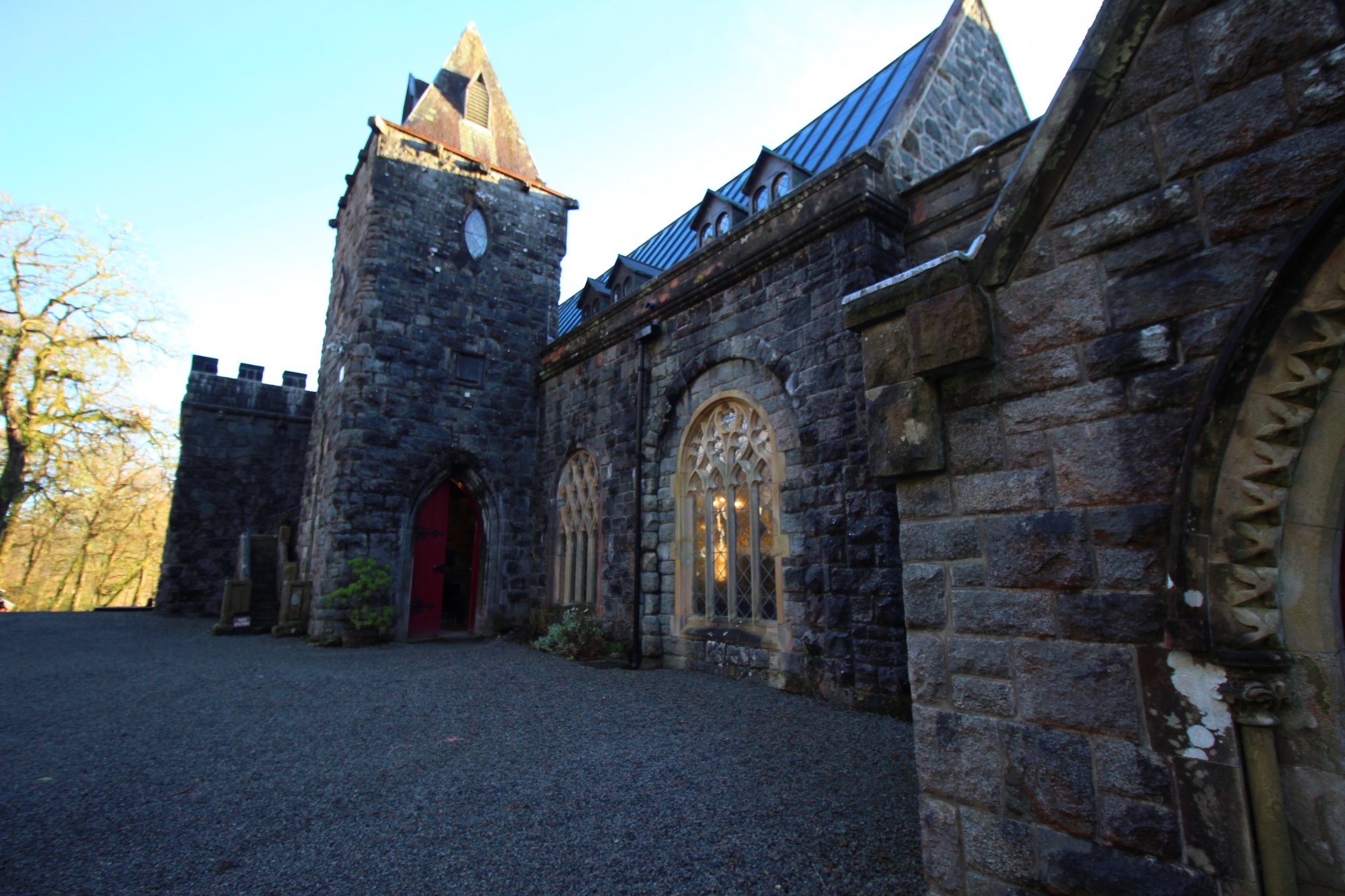
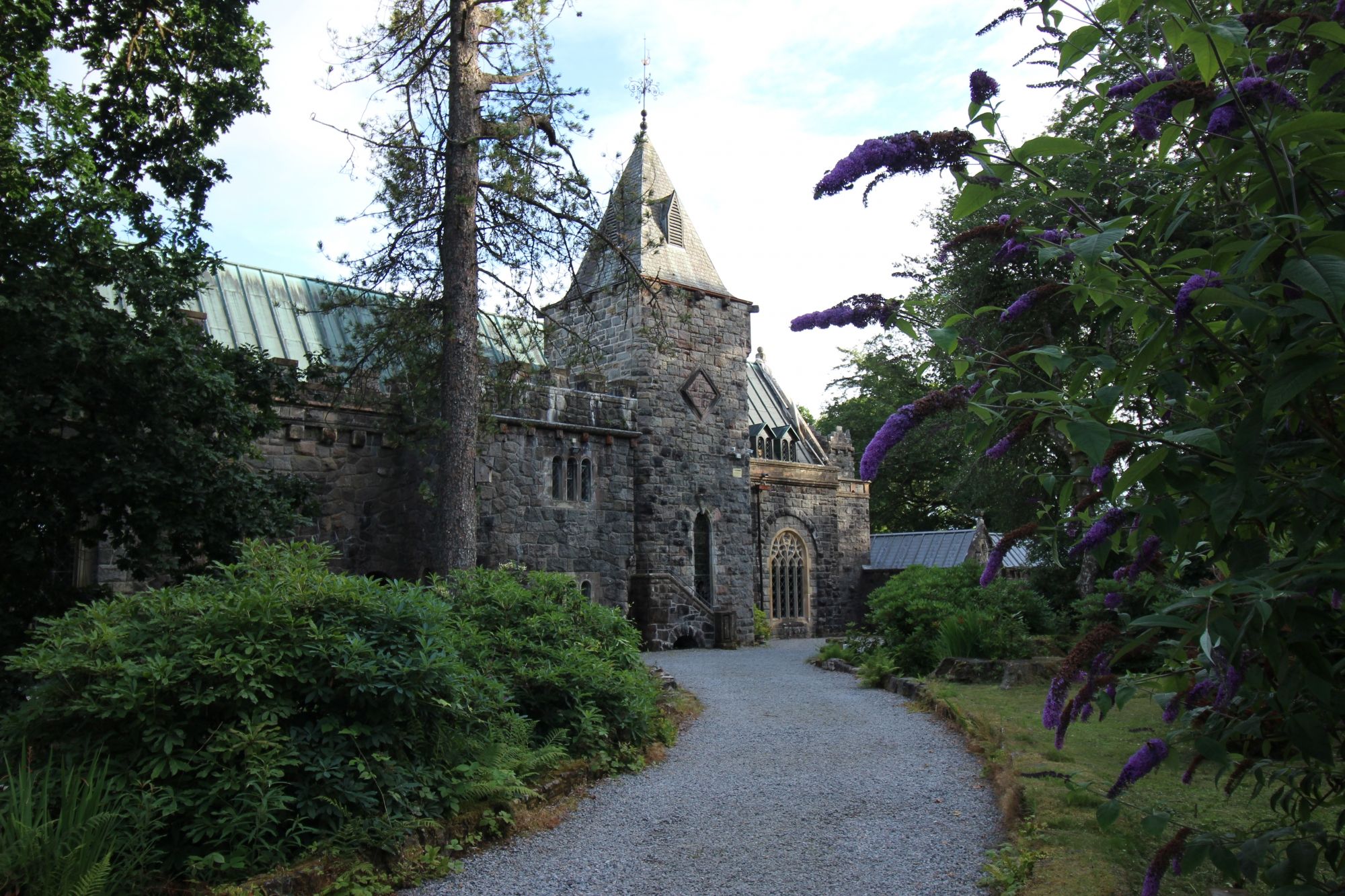
- The Mountain Facade (The Northern Approach): Facing the main road and the steep crags of the Cruachan range, the northern exterior is deliberately sombre, restrained, and heavy. It leans heavily on massive, low-slung Norman arches and robust, unadorned masonry, designed to echo the rugged, unforgiving weight of the Highlands. It acts as an architectural shield, preparing the visitor for a traditional medieval experience.
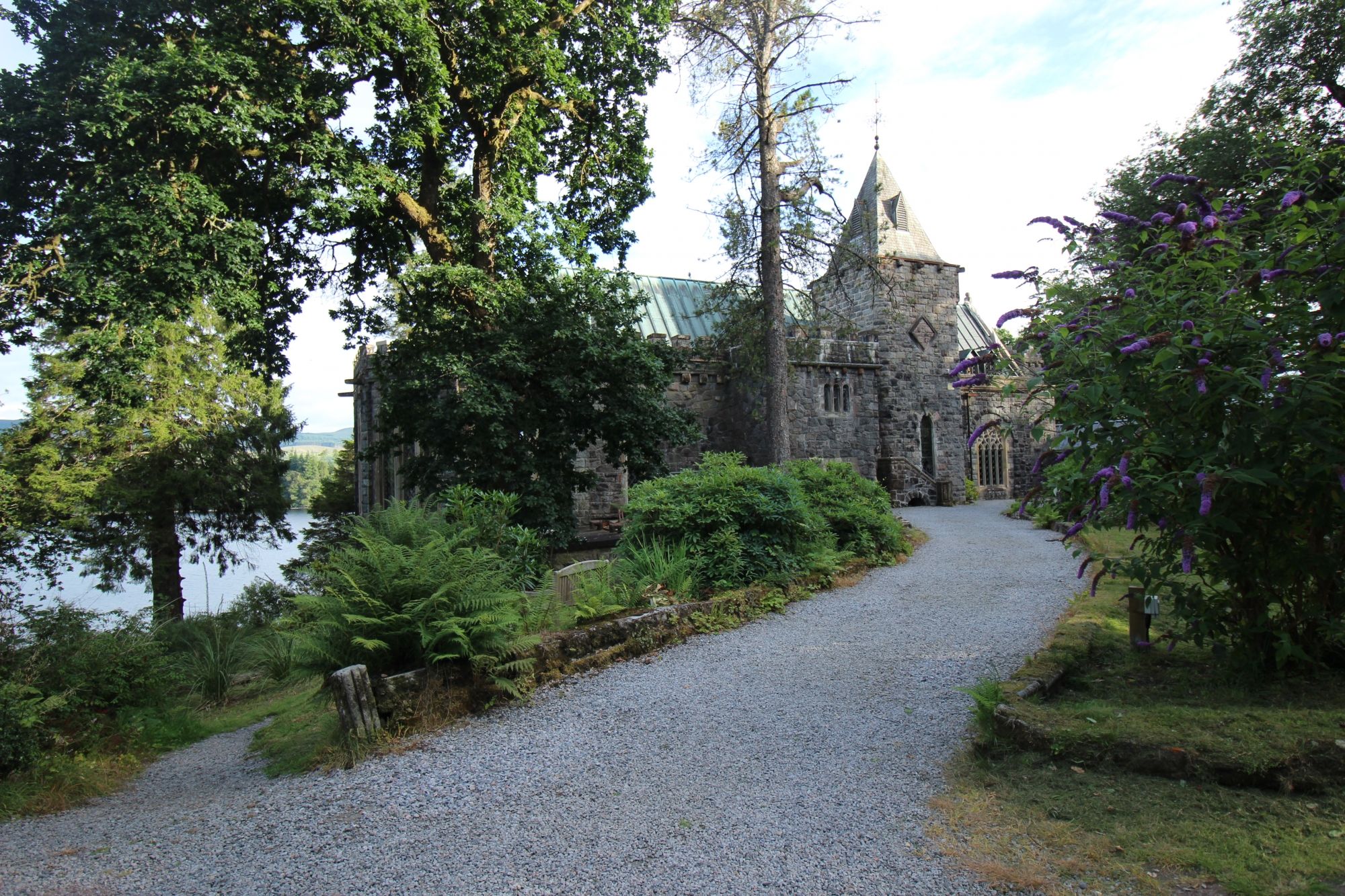
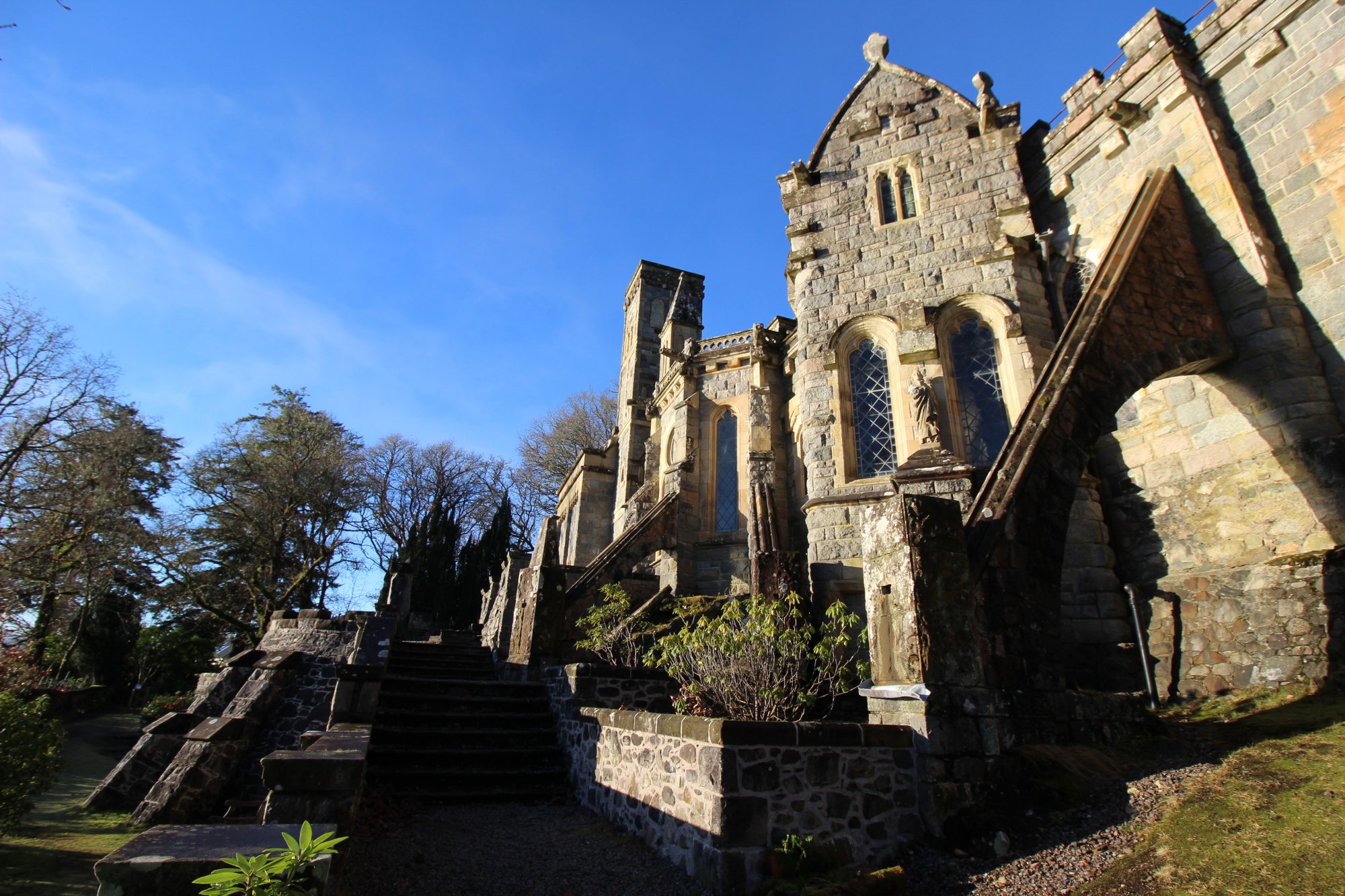
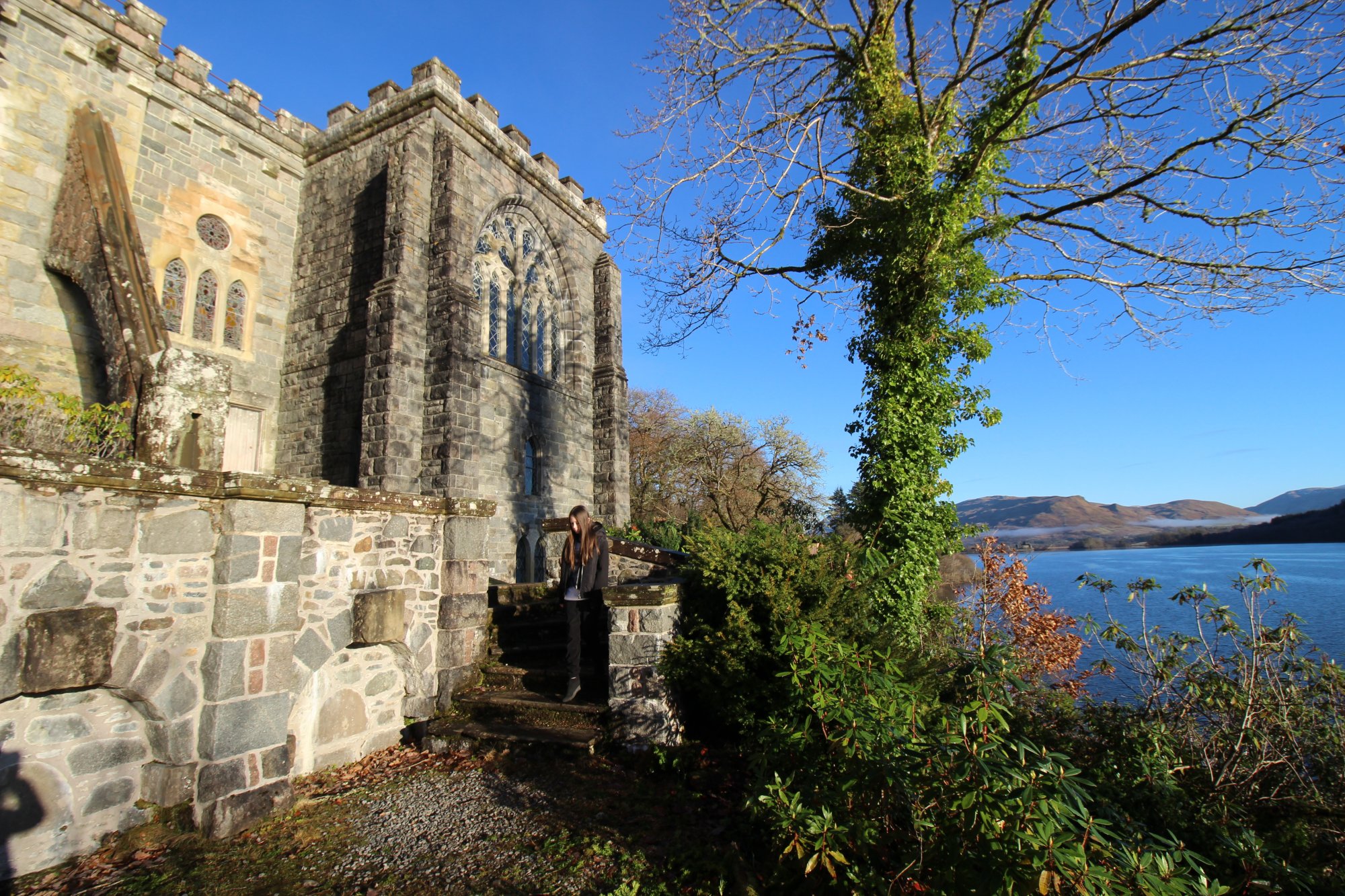
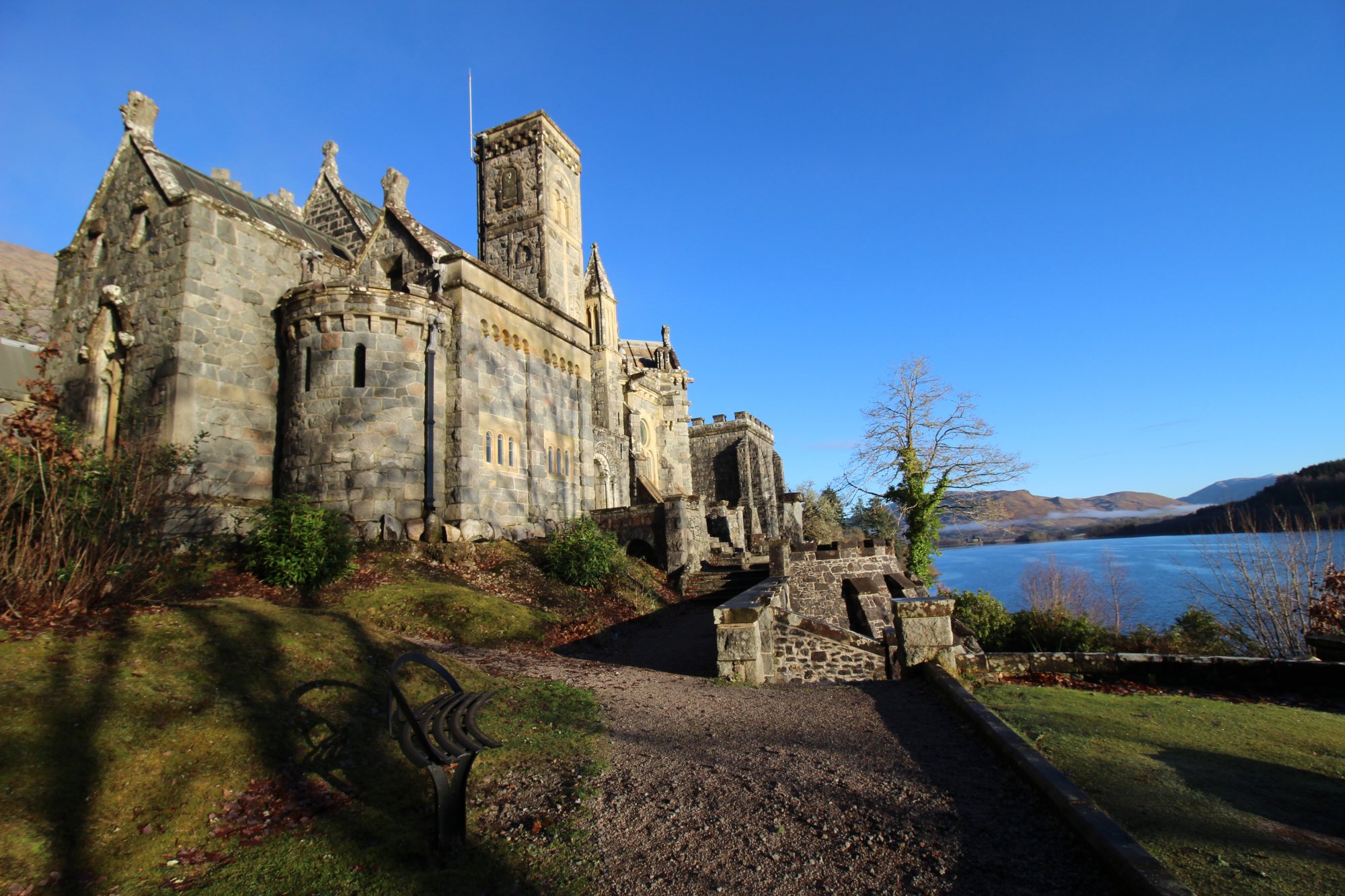
- The Loch Facade (The Southern Masterpiece): Once you pass through the footprint of the building toward the terraced gardens, the southern lakeside facade explodes into a hyper-decorative architectural playground. Here, flying buttresses, intricate Gothic tracery, delicate Saxon windows, and corbels carved with playful gargoyles collide over the shoreline. The silhouette is designed to be mirrored perfectly in the shifting waters of Loch Awe, creating an illusion of timeless, organic growth.
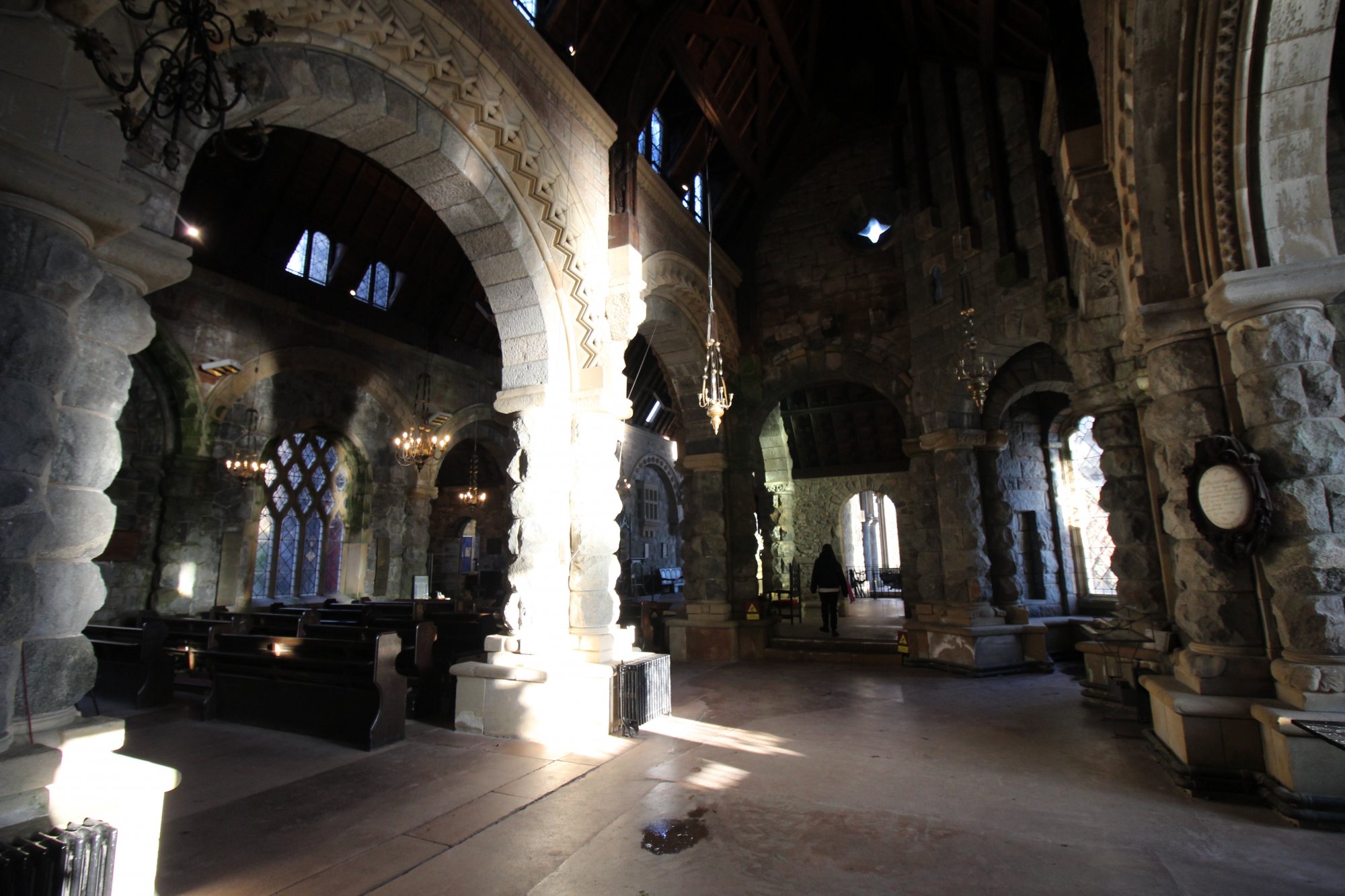
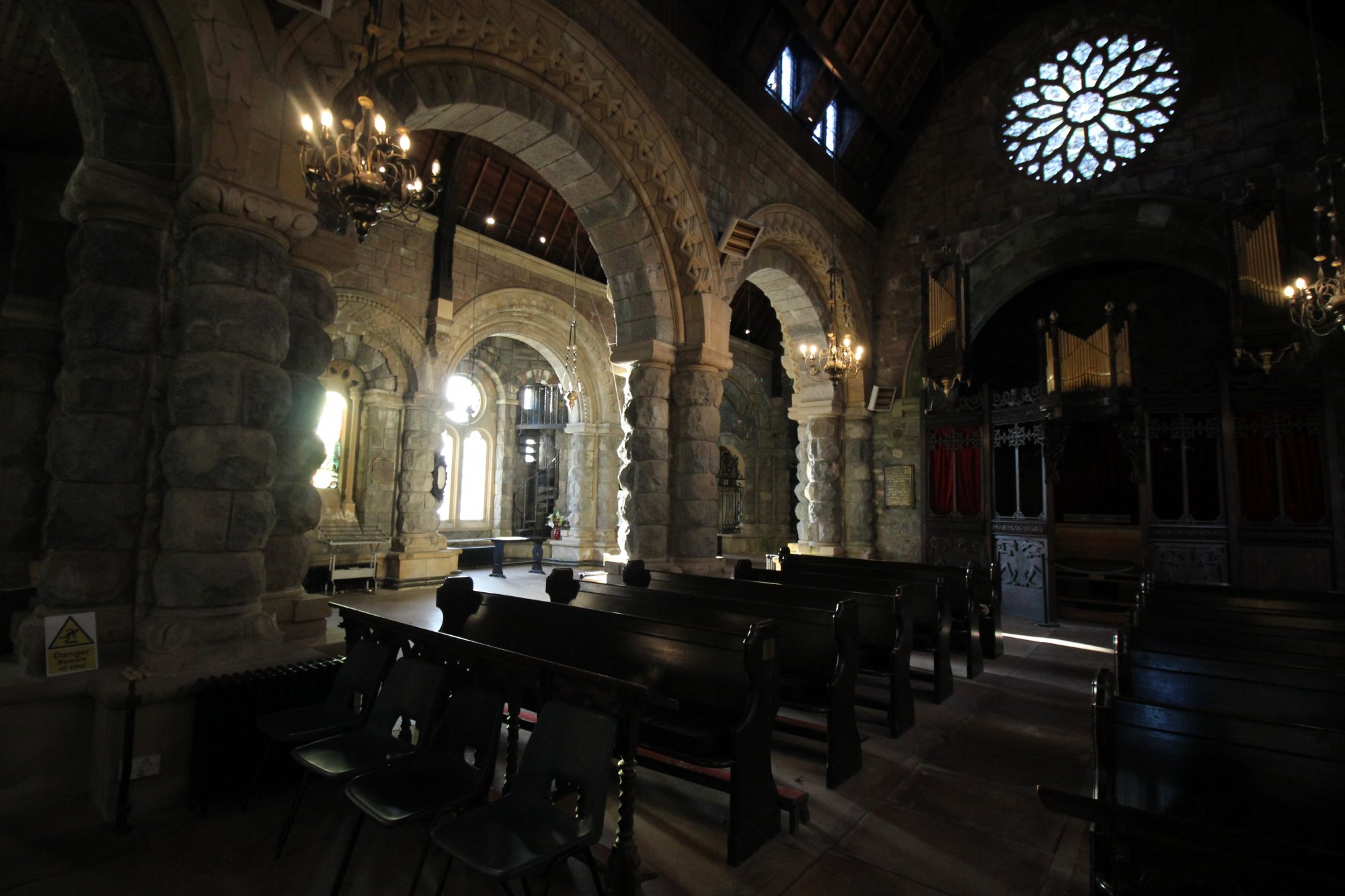
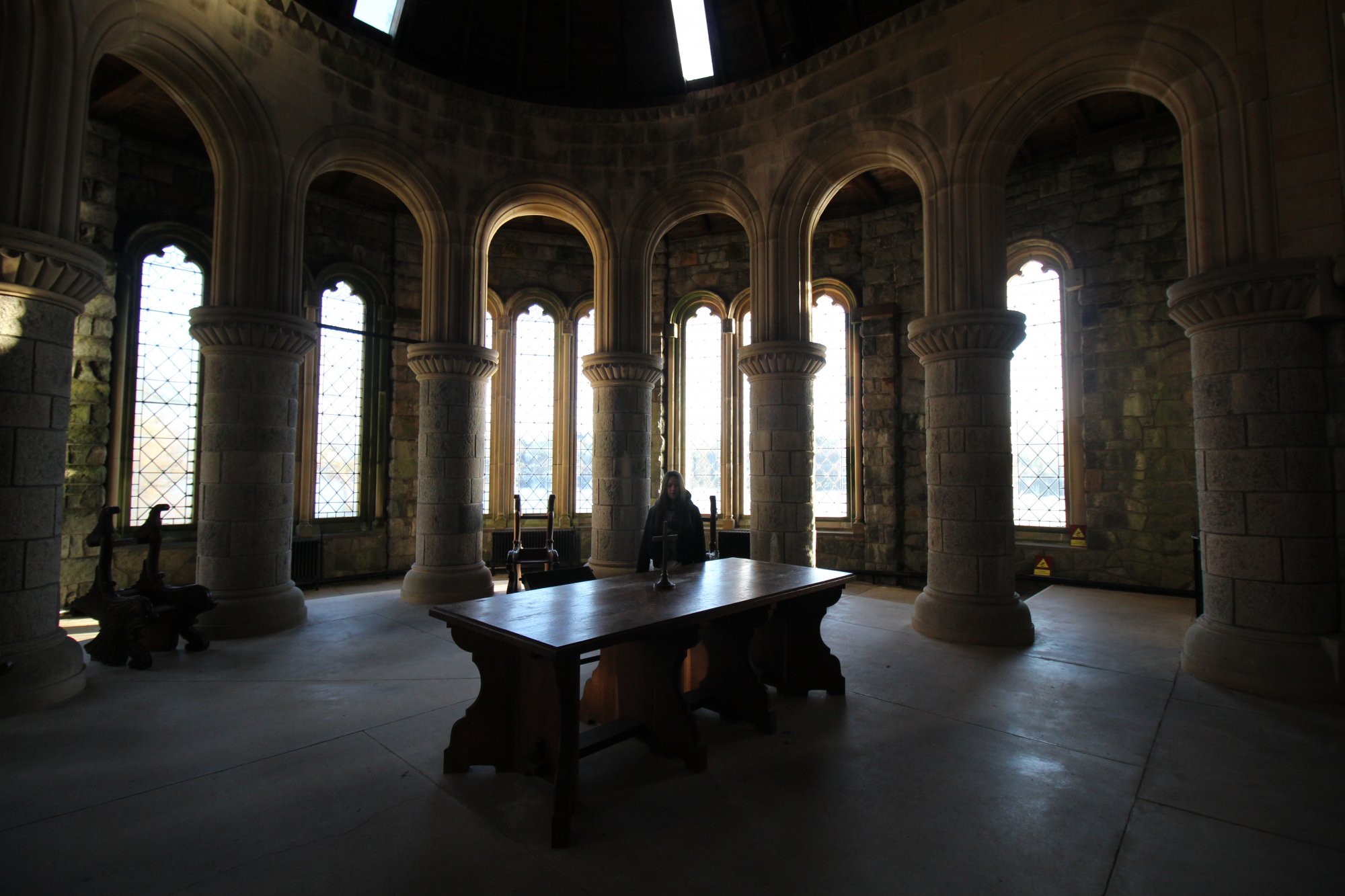
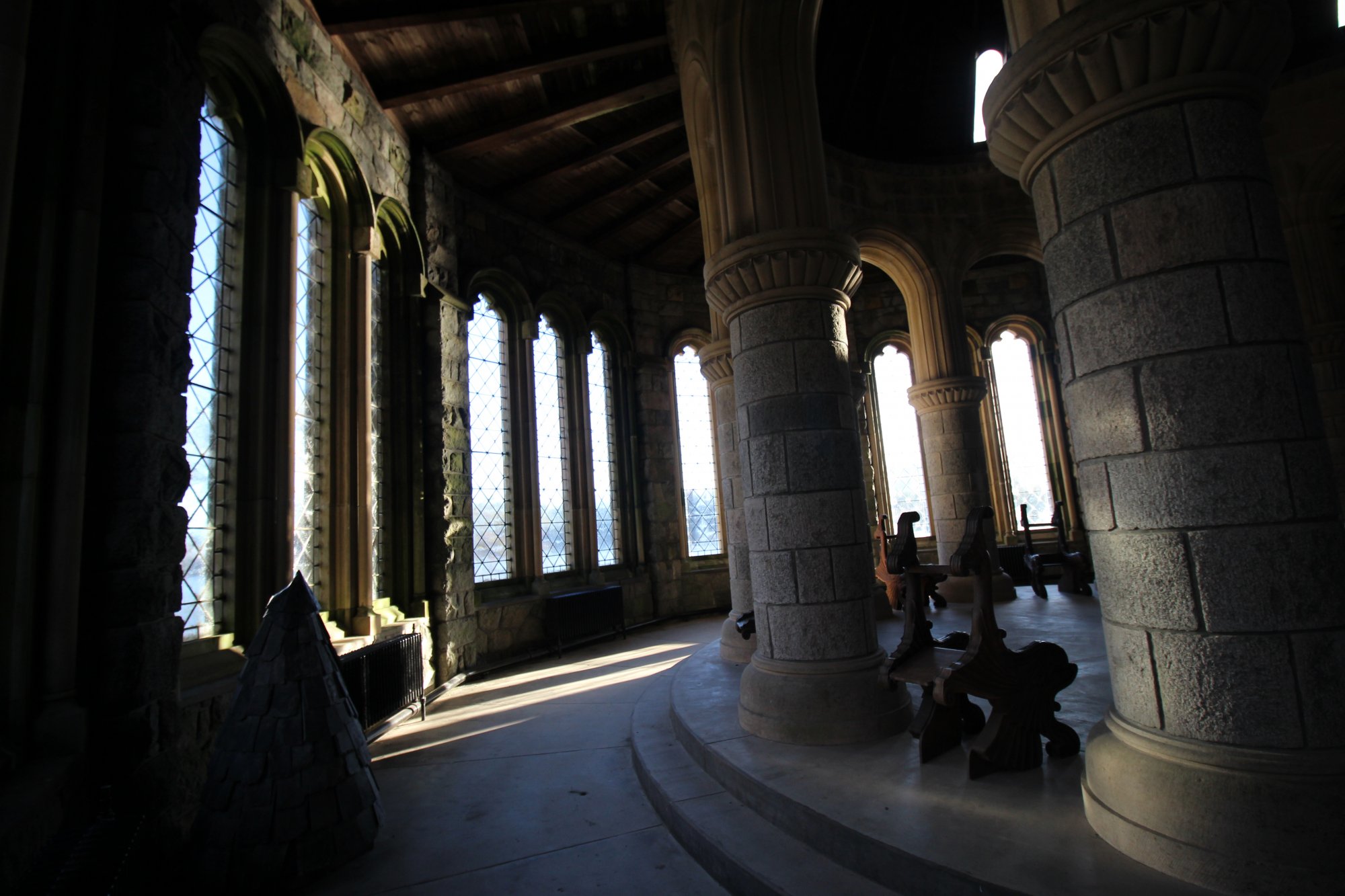
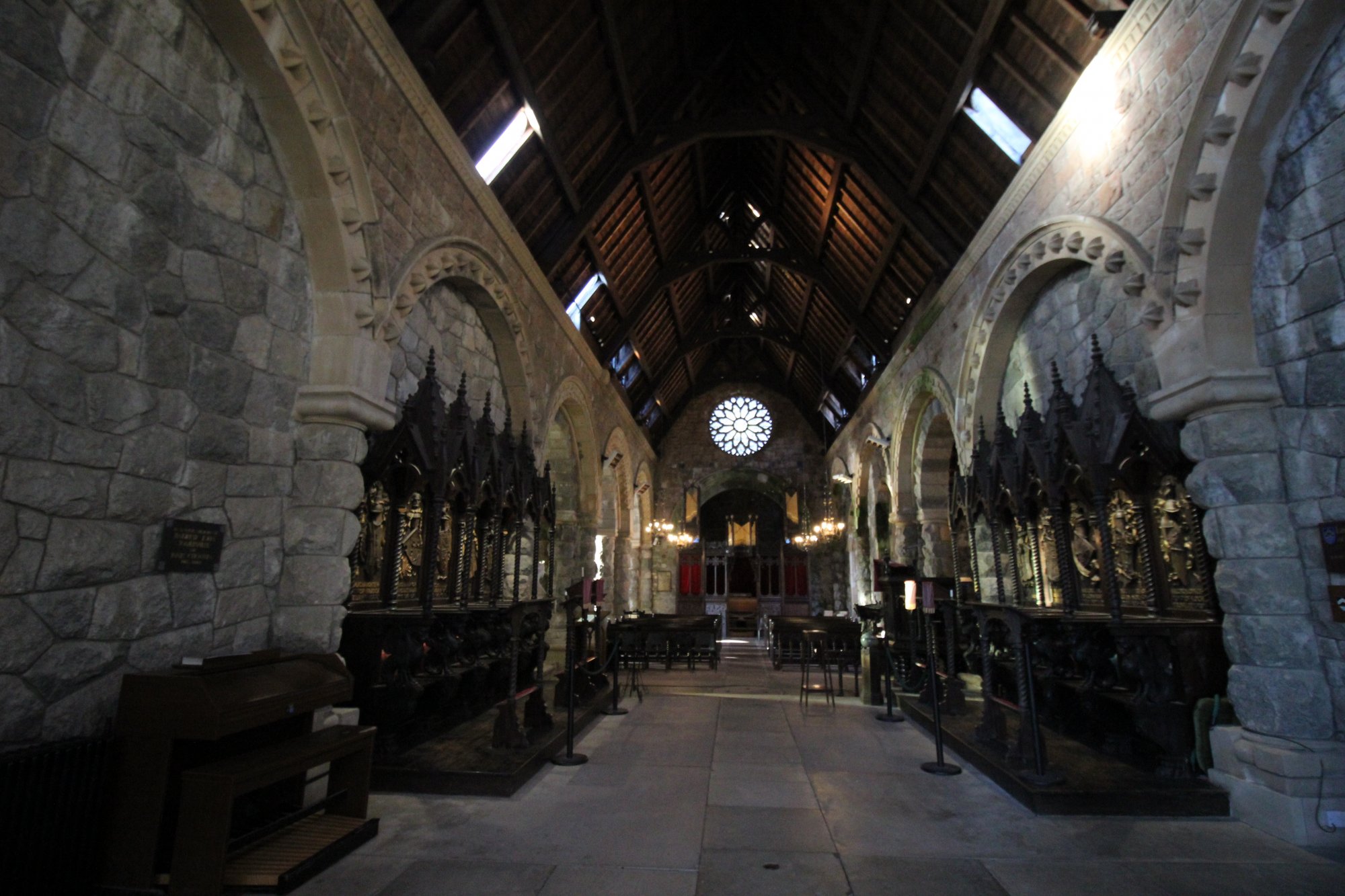
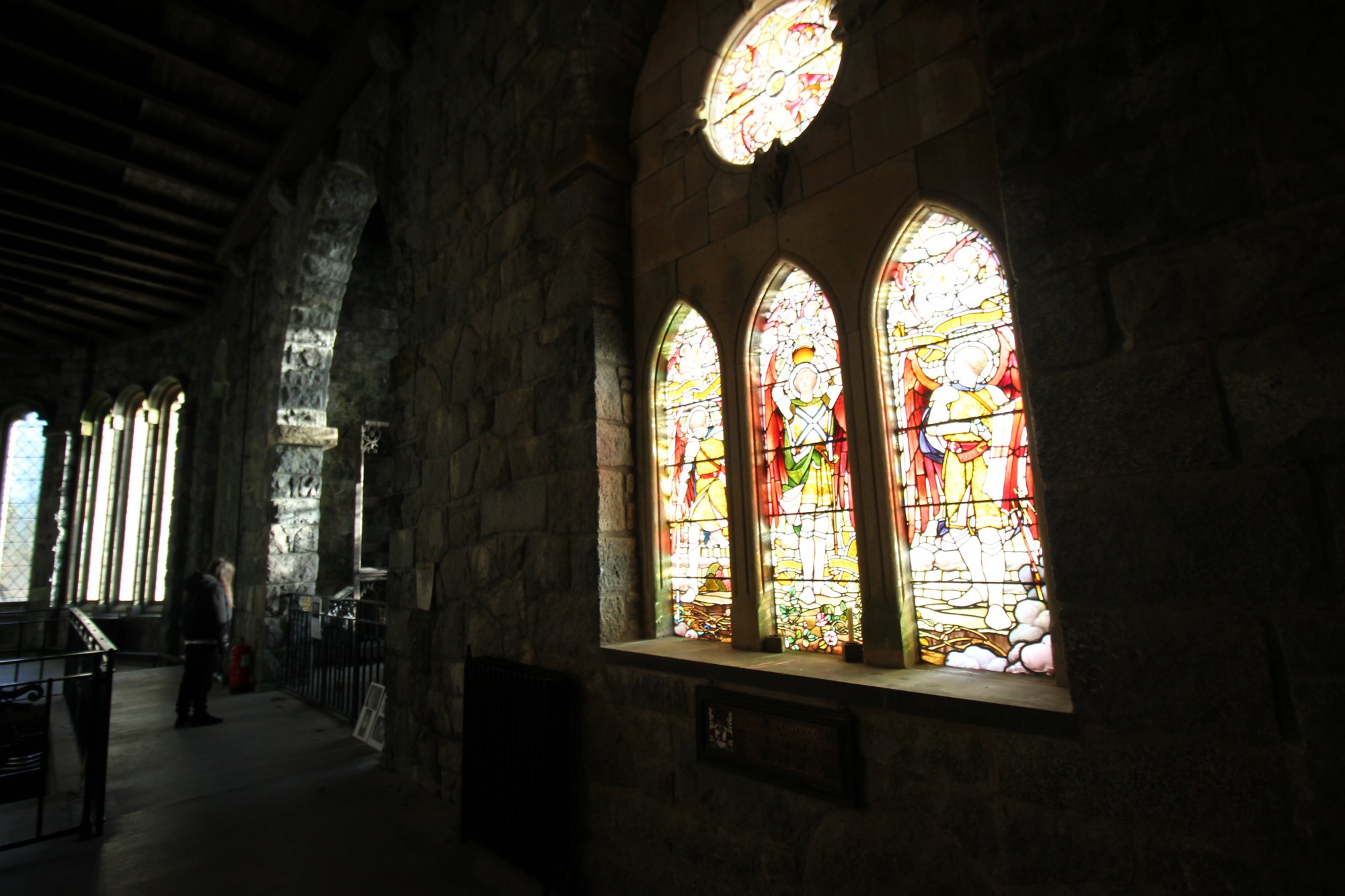
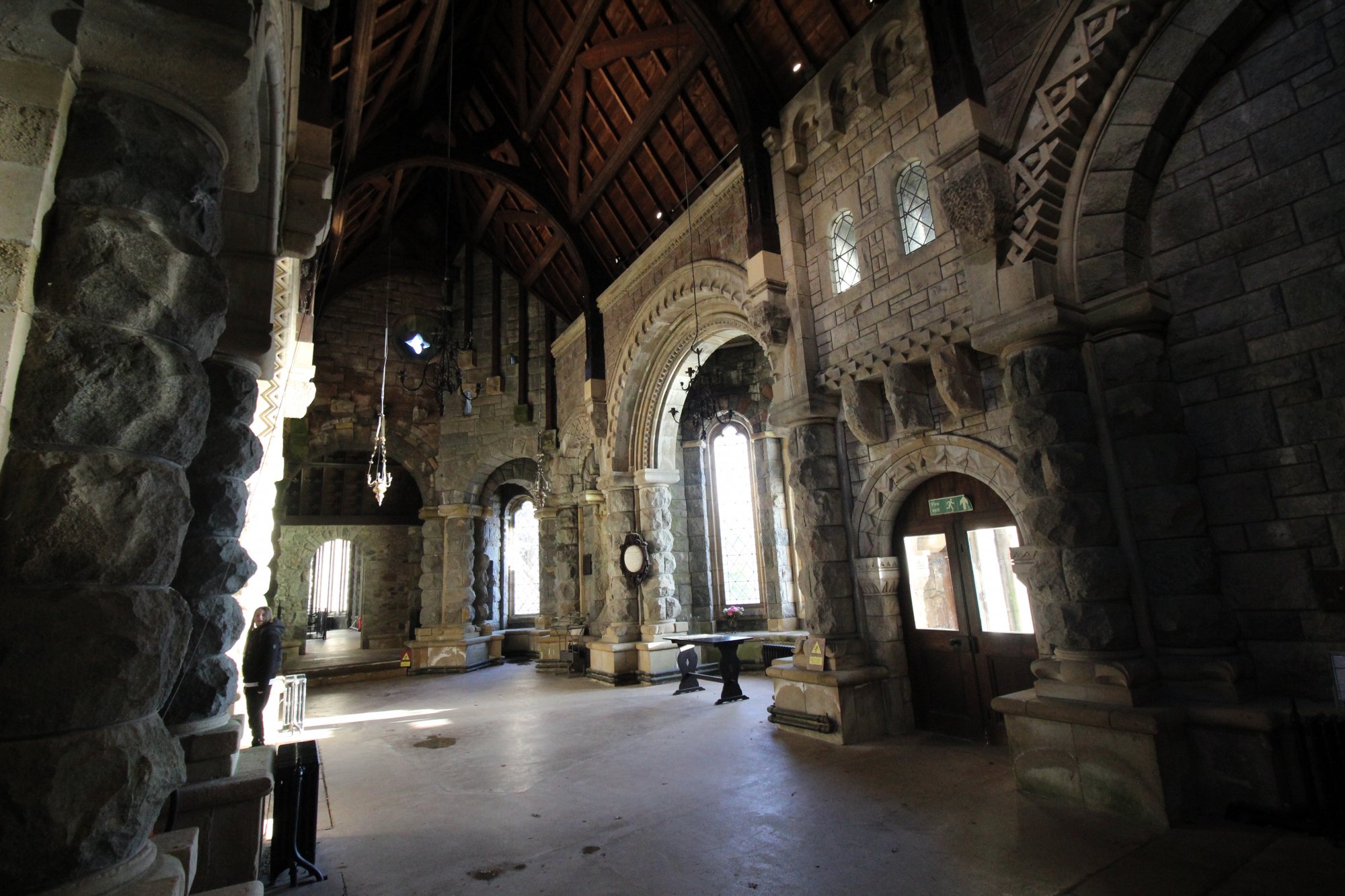
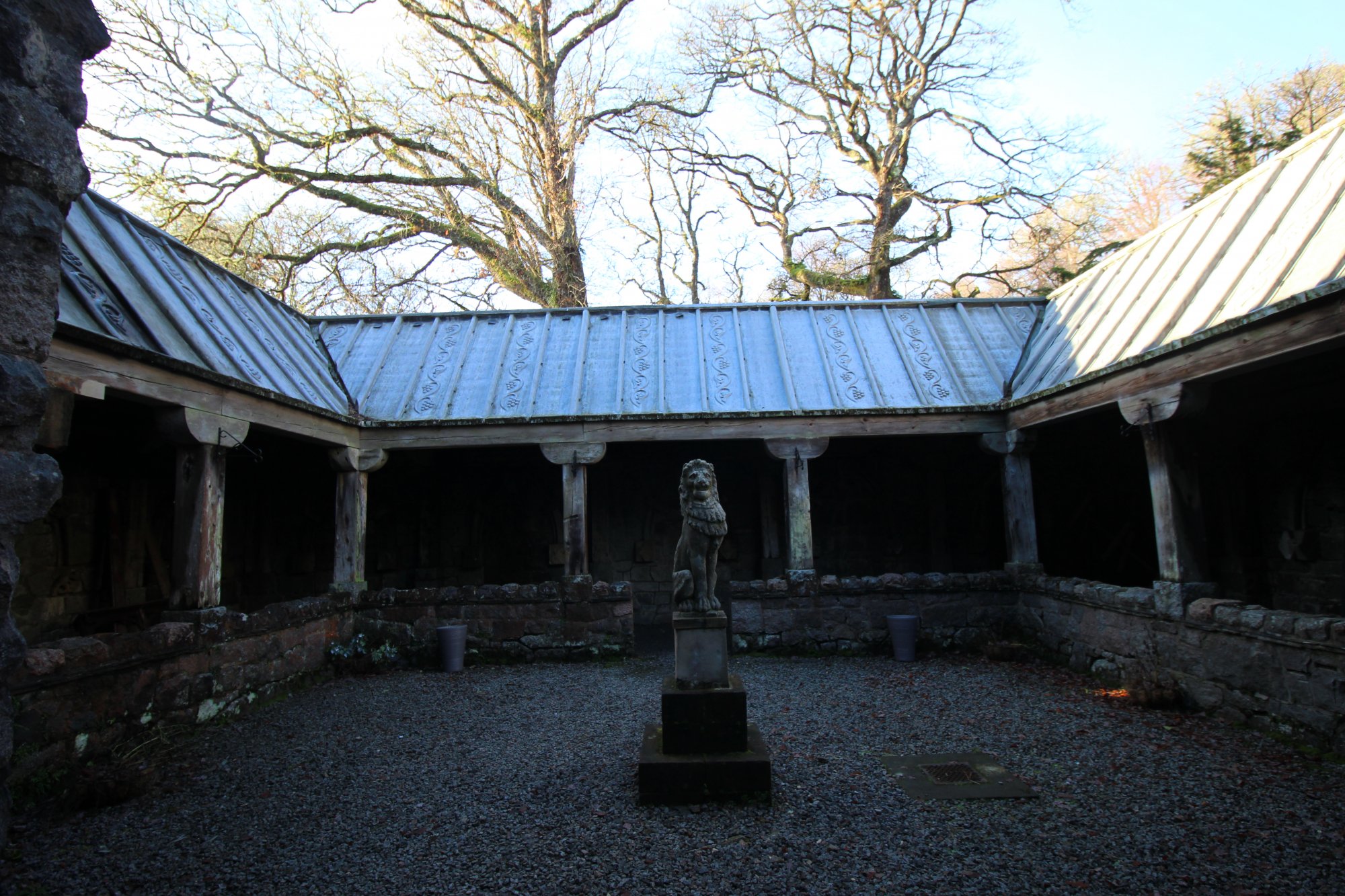
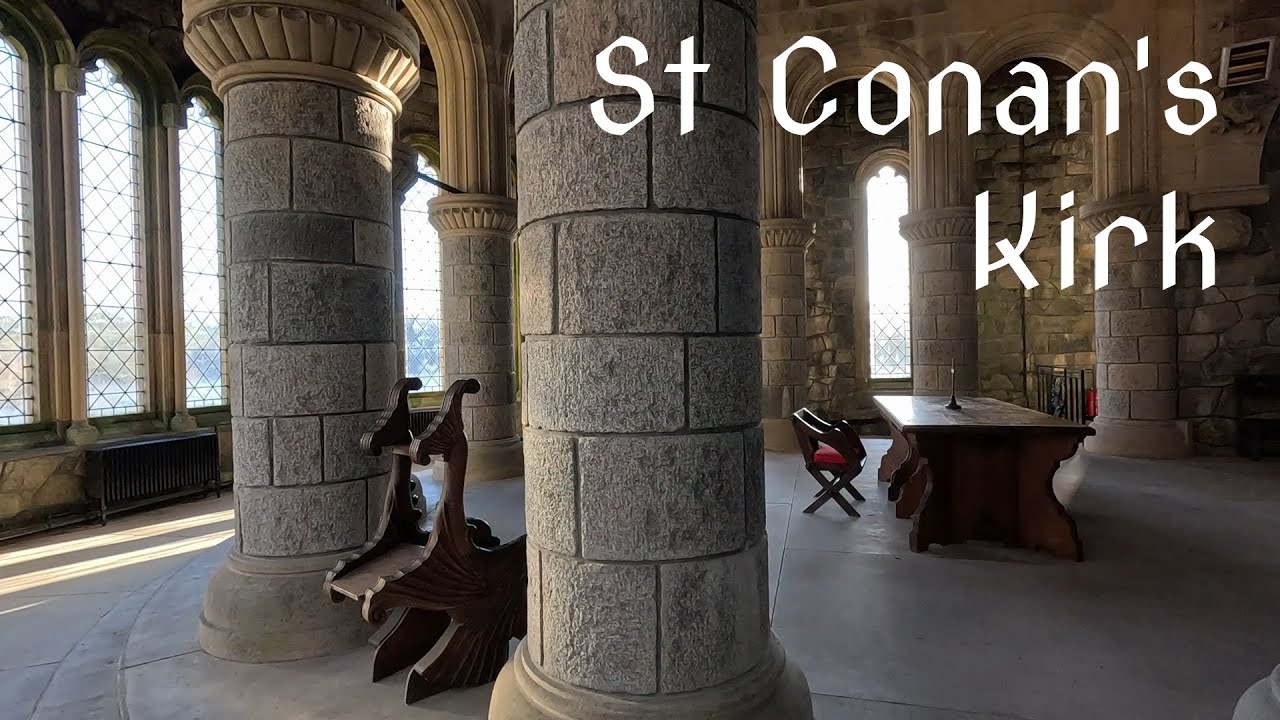
- The Interior Cloisters and Chapel: Stepping through the heavy, decorated Norman gateway completely dissolves any notion of a 19th-century architectural folly. The interior is a towering, atmospheric cathedral in miniature. Massive stone columns, intricate oak carvings, and rich stained-glass windows create a deep, moody sanctuary. The use of raw, locally quarried stone provides a neutral background that ties the disparate historic styles together, making the interior feel like a genuine medieval sanctuary.
The Trail Blueprint: Layout Logistics and Visitor Management
Exploring St Conan’s Kirk is a highly condensed, low-impact walking experience, though media creators must account for severe spatial limitations during peak operating periods:
- Route Integration and Ground Conditions: A complete exploration of the kirk, the interior chapels, and the lower terraced gardens requires a straightforward 30-to-45-minute stop. Footpaths within the garden are narrow, stone-paved, and can become incredibly slick from Argyll’s notorious rainfall and lake mist. Proper footwear is highly recommended when navigating the steep stone steps down to the loch viewpoints. The site is a short drive from the iconic ruins of Kilchurn Castle, making it a perfect double-billing for a half-day production schedule.
- Operational Reality and Parking Constraints (2026 Season): For the 2026 season, the main parking area directly adjacent to the kirk entrance on the A85 remains exceptionally small and tightly bounded by the landscape. It can easily become congested by mid-morning during the peak summer months (June–August). Content creators carrying substantial tripod configurations or cinema rigs are strongly advised to arrive early in the morning to secure a parking bay. The site operates via a community-led conservation trust; a small donation at the entry door directly supports the delicate structural restoration of the stone carvings.
Cinematography, Audio, and Technical Production Integration
For independent travel filmmakers and architectural photographers, St Conan's Kirk presents a magnificent playground of light, requiring advanced control over mixed interior lighting and acoustic reflections:
- Low-Light Interior Architecture: The inside of the kirk is a low-light environment characterized by deep shadow pockets punctured by brilliant, saturated beams of colored light from the stained-glass installations. To capture the coarse grain of the stone arches without inducing heavy digital noise, pair wide-aperture prime lenses ($f/1.4$ to $f/2.0$) with modern high-ISO dual-native sensors. Expose carefully for the highlights to prevent washing out the intricate leadwork of the historic glass windows.
- The Golden Hour Garden Frame: The ultimate exterior master shot is captured from the lower terraced garden looking northwest back at the lakeside facade. Late afternoon light rakes directly across the complex Gothic carvings and flying buttresses, adding immense physical depth and texture to the stone. A Circular Polarizer (CPL) is mandatory here; it cuts down on the surface glare of Loch Awe, allowing you to seamlessly integrate the crystal-clear reflection of the kirk's towers into the lower half of your frame, while keeping the distant, hazy silhouette of Kilchurn Castle cleanly separated in the background.
- Acoustic Mapping and Field Recording: The acoustic profile of the main nave is extraordinarily live and echo-heavy, functioning as a natural stone amplifier. To record the deep, atmospheric hum of the interior space or the delicate, percussive sounds of rainwater dripping onto the external lead roof, utilize sensitive omnidirectional field recorders. Keep your microphone preamps dialed down to avoid clipping from sudden ambient noises from visitor foot traffic. When recording outside on the loch terraces, the soundscape is dominated by low-frequency wind moving across the water; a multi-layered fur windjammer (deadcat) is essential to protect your audio tracks from wind shear distortion.