


The Medieval Grid: Navigating the Cobblestones, Cobbles, and Historic Alleys of St Andrews Old Town
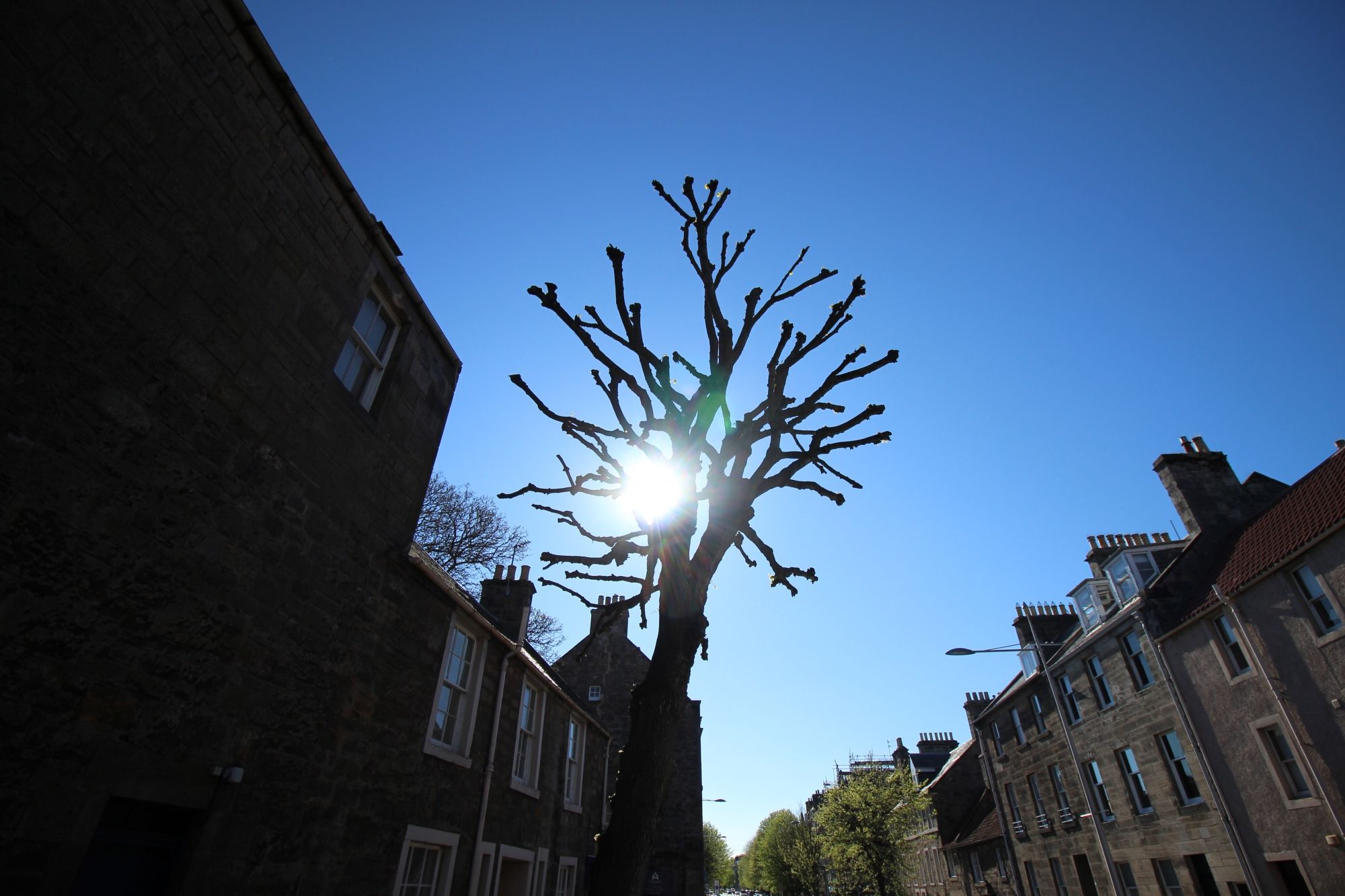
Preserving its pristine 12th-century footprint, the historic core of St Andrews Old Town serves as a living museum of Scottish academic, ecclesiastical, and maritime heritage. Radiating westward from the towering ruins of the Cathedral, the settlement’s unique layout is anchored by three parallel arteries—North Street, Market Street, and South Street—interconnected by a dense web of narrow, atmospheric pedestrian wynds and pends. This structural grid has borne witness to the fiery dramas of the Scottish Reformation, the foundation of Scotland’s oldest university, and the steady evolution of golf. For the 2026 traveler, exploring the Old Town reveals an exquisite blend of weathered golden sandstone facades, secret courtyard gardens, and vibrant student life, all set against the raw, bracing backdrop of the Fife coastline.
The Architectural Blueprint: Pends, Wynds, and University Quads
The urban topography of the Old Town is a masterclass in medieval town planning, offering layers of structural history hidden just behind the main street fronts:
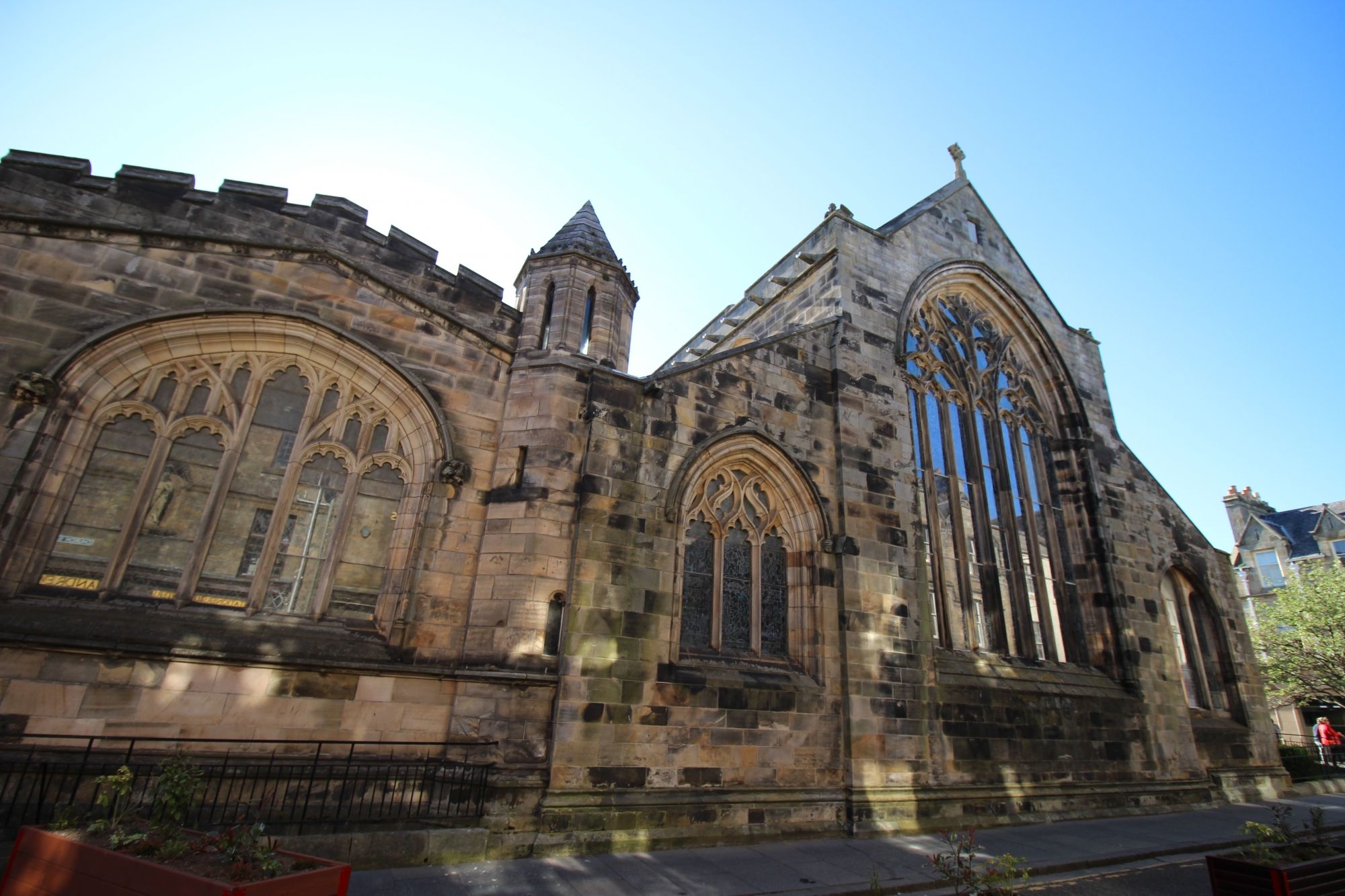
- The Three Principal Streets: South Street represents the aristocratic and ecclesiastical heart, bordered by grand townhouses, the ancient town gates (West Port), and St Mary’s College quadrangle. Market Street serves as the traditional commercial hub, featuring the historic mercat cross footprint, while North Street opens up into the sprawling, gothic architecture of St Salvator's Chapel and the historic core of the University of St Andrews.
- The Secret Wynds and Pends: Branching off the main thoroughfares are dozens of narrow stone alleys (wynds) and vaulted archways (pends). These narrow pathways, such as Baker Lane or College Street, compress the perspective beautifully, offering striking frames of distant church spires or North Sea coastal views.
- The West Port: Built in 1587, this monumental stone archway marks the western entry point into South Street. It stands as one of the last surviving medieval city gates in Scotland, serving as a highly dramatic physical and visual portal into the historic quarter.
The Trail Blueprint: Walking Logistics and Parking Realities
Navigating the stone-paved streets of St Andrews is a deeply immersive pedestrian experience, though creators must account for the town's unique geographic and seasonal constraints:
- Ground Conditions and Footwear: The Old Town is predominantly paved in traditional stone setts and historic cobblestones, which can become exceptionally slick when coated in sea mist or winter frost. Sturdy, flat-soled footwear with reliable grip is non-negotiable for navigating the long stretches of North and South Streets safely. The entire historic core can be thoroughly explored on foot within a three-mile walking loop.
- Operational Reality and Parking (2026 Season): In 2026, the local infrastructure prioritizes active travel, meaning vehicle access within the narrowest historic lanes is strictly restricted. On-street parking along the three main streets is heavily metered, limited to short stays, and intensely monitored. Filmmakers and creators carrying heavy gear are highly encouraged to utilize the large, long-stay park-and-ride facilities on the western periphery of the town (near the dynamic Petheram Bridge) or the public lots near the harbor, walking into the historic center to avoid traffic congestion.
Cinematography, Audio, and Technical Production Integration
For independent travel filmmakers and architectural photographers, the St Andrews historic core provides a high-yield urban studio characterized by rich textures and deep perspective lines:
- Compressing Perspective and Sandstone Tones: The historic townhouses are crafted from a mixture of local blonde and carboniferous red sandstone, accented by traditional orange-red pantile roofs. To accentuate the narrow, cavernous feel of the medieval wynds and bring distant architectural details—like the spire of Holy Trinity Church—closer to your subject, utilize mid-to-long telephoto lenses ($50 ext{mm}$ to $85 ext{mm}$). Shoot exclusively in a 10-bit log profile to preserve the delicate, weathered details of the stonework against bright sky conditions.
- The Low-Angle Light Workflow: The east-west orientation of North, Market, and South Streets makes them ideal channels for low-angle sunlight during sunrise and sunset. In the early morning, position your camera at the West Port looking east; the rising sun shoots directly down the street, creating dramatic rim lighting on the historic facades and illuminating the ambient sea mist drifting in from the bay. A Circular Polarizer (CPL) is essential to eliminate distracting glare from wet stone surfaces and shopfront windows.
- Acoustic Mapping of the Old Town: The acoustic profile of St Andrews shifts dramatically across its layout. The wide university quadrangles act as natural amphitheaters, catching the deep, resonant tolling of the St Salvator’s chapel bells. To record these rich low frequencies cleanly, position your field recorders away from wind-funneling street corners. When moving through the compressed stone wynds, the acoustics become highly reflective; use directional shotgun microphones equipped with dense fur windjammers (deadcats) to isolate the crisp, rhythmic clatter of footsteps on the cobblestones from the background hum of coastal wind and gulls.