


The Twin Strongholds of Fife: Mastering the Light, Architecture, and Siege Operations of St Andrews
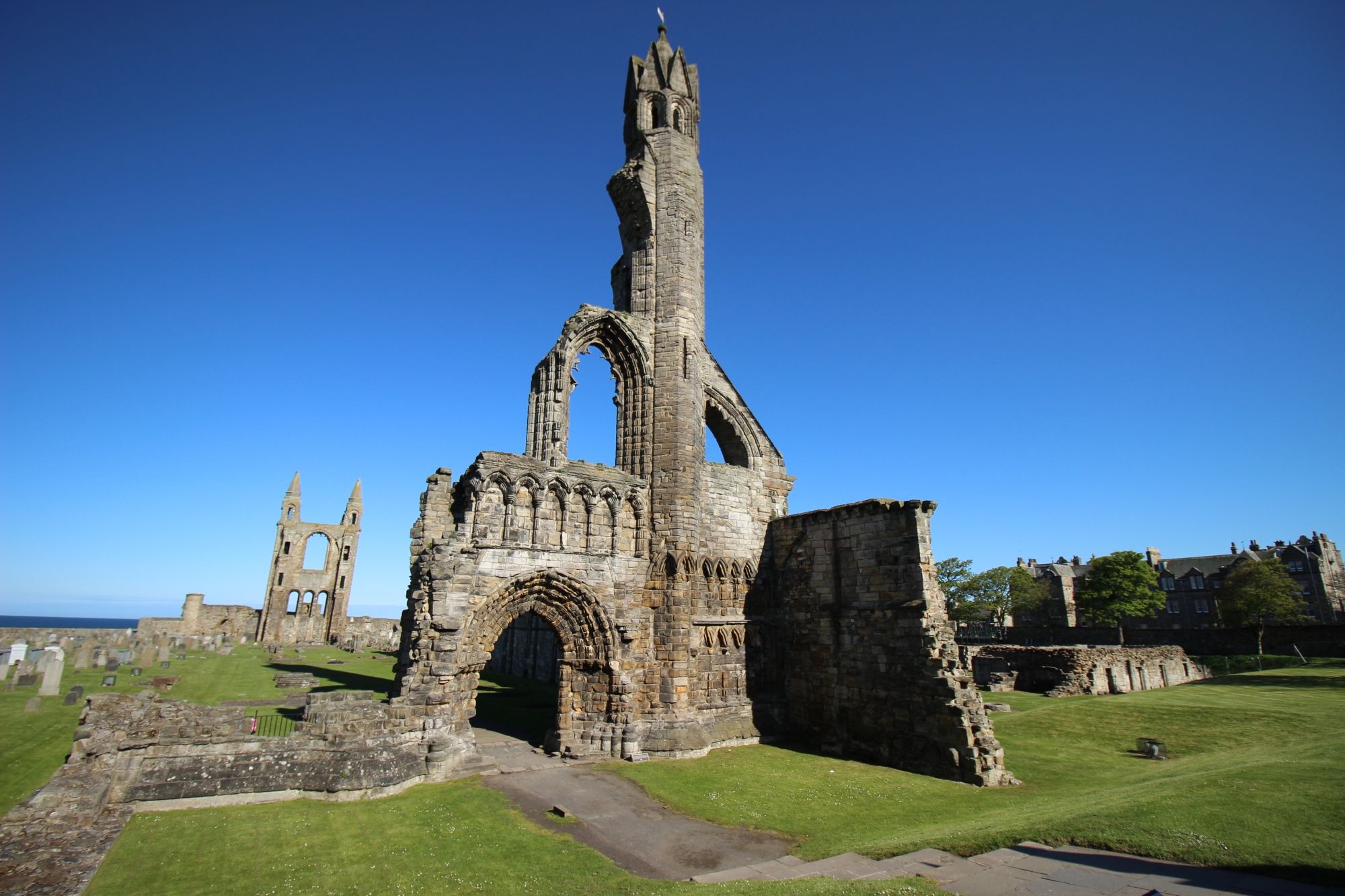
Dominating the coastal skyline of Fife’s historic university town, the ruins of St Andrews Castle and the adjacent St Andrews Cathedral stand as monuments to the volatile religious history of Scotland. The cathedral, consecrated in 1318 in the presence of King Robert the Bruce, was once the largest and most magnificent church in the realm, acting as the administrative heart of the Scottish Church. A few hundred yards away, the castle served as the heavily fortified palace-fortress of the high-ranking archbishops, bishops, and cardinals who ruled this coastal enclave. Together, these locations present an extraordinary canvas of medieval engineering, featuring rare siege works, deep subterranean tunnels, and towering stone facades that plunge directly into the sea, providing an exceptional journey for modern wilderness hikers and digital creators.
The Geological and Historical Blueprint: Ecclesiastical Power and Siege Warfare
The coastal positioning of these two complexes was strategically chosen to utilize the natural defense barriers of the Fife shoreline while establishing an imposing visual presence visible from miles out at sea:
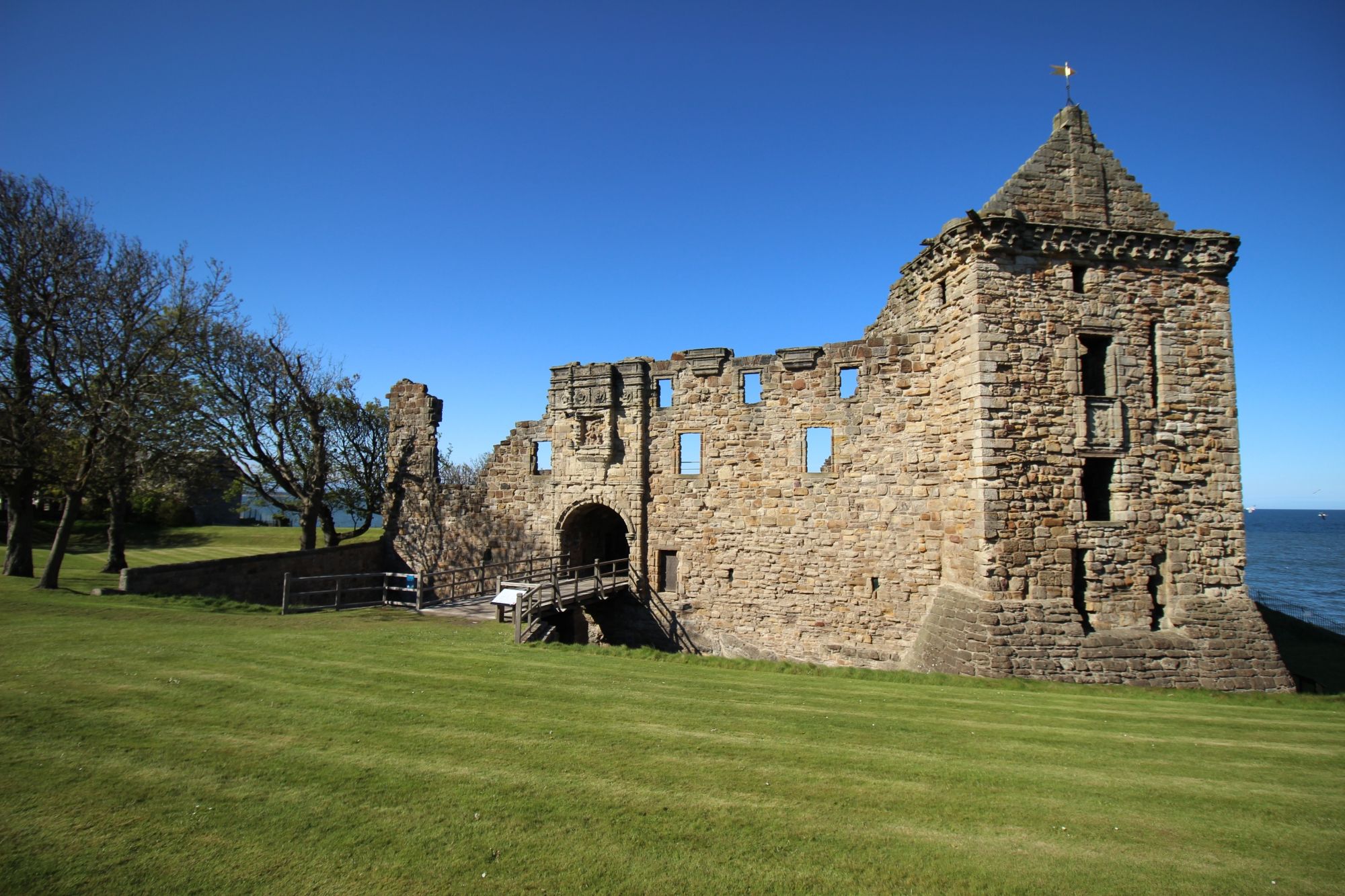
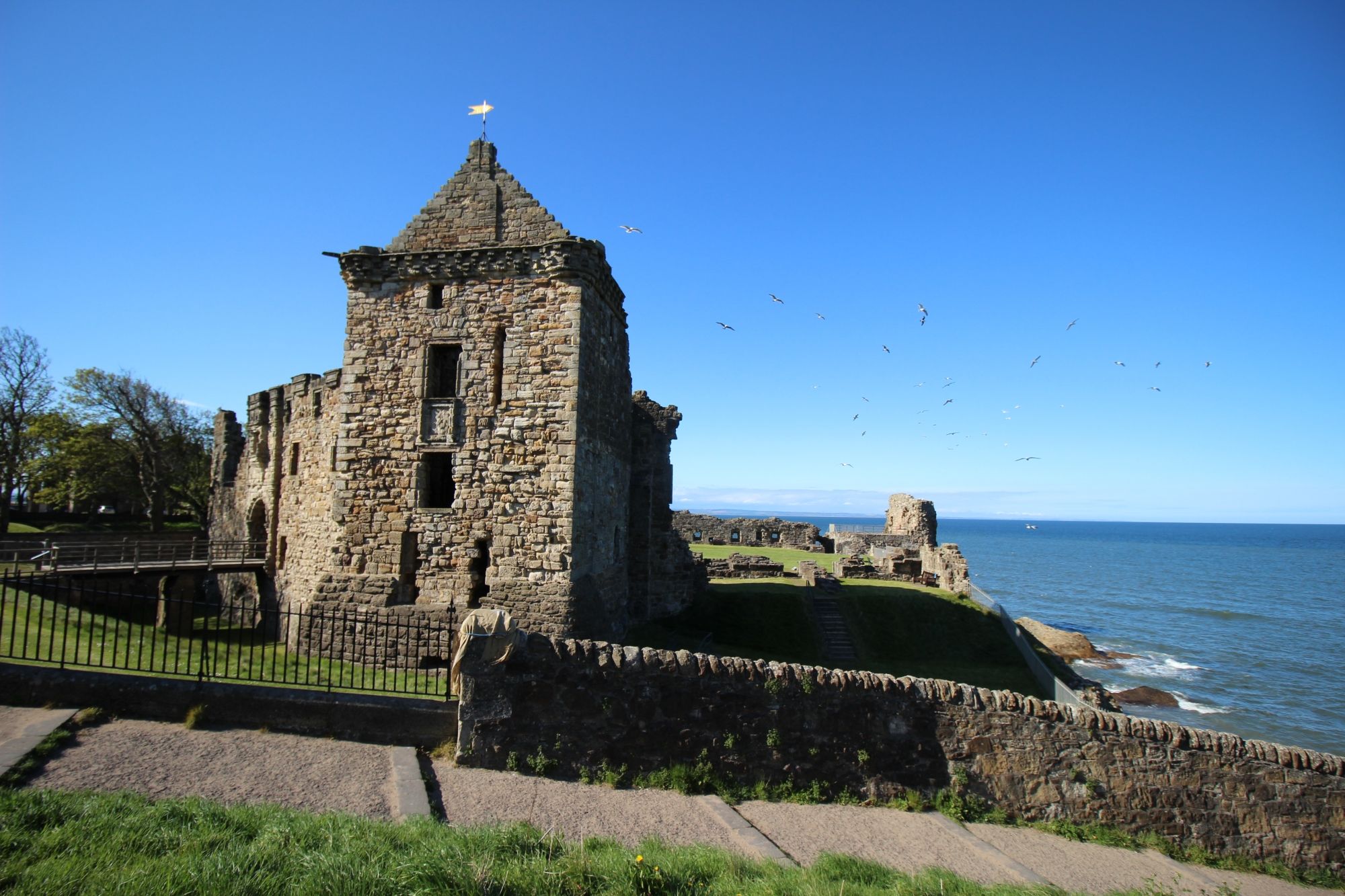
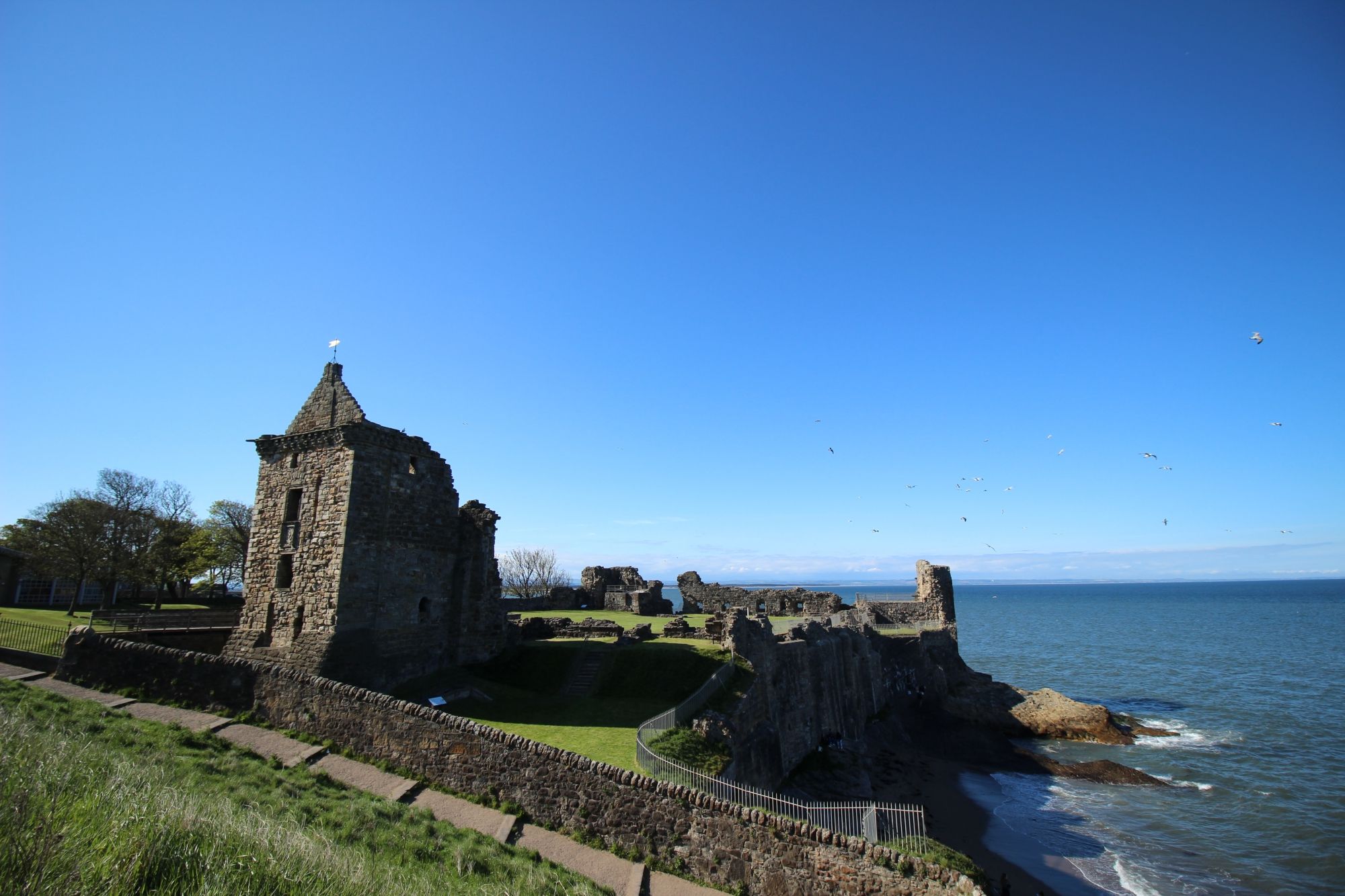
- The Fortress Palace (St Andrews Castle): Founded around 1200, the castle evolved from a heavily defended manor into a massive stone fortress wrapped by the North Sea on two sides. Its most significant historical and engineering feature is the subterranean siege network carved into the solid rock during the brutal siege of 1546. The mine and counter-mine tunnels represent a surviving example of Renaissance underground warfare, offering a claustrophobic, high-intensity experience for those navigating its dark, hand-hewn chambers.
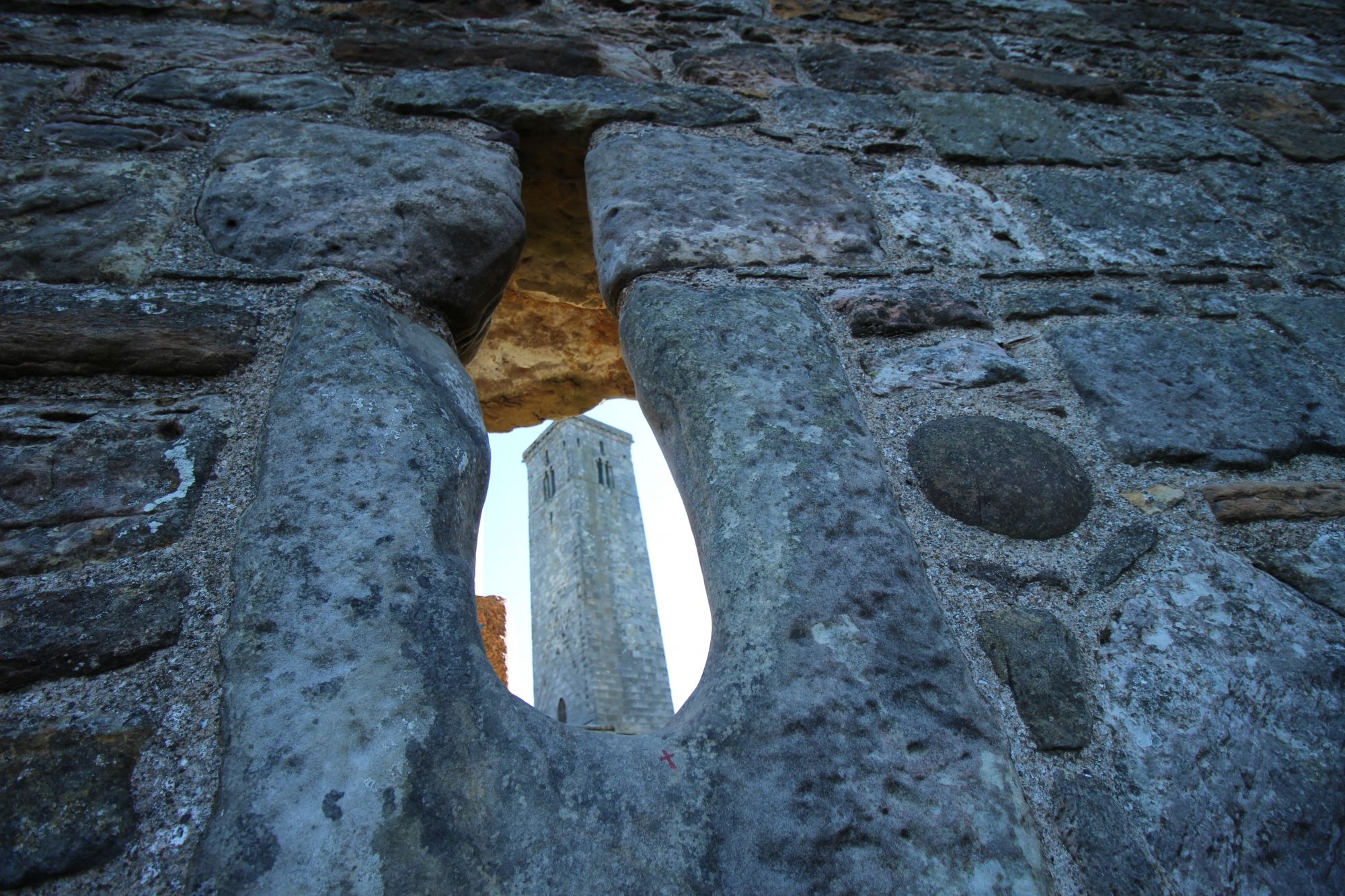
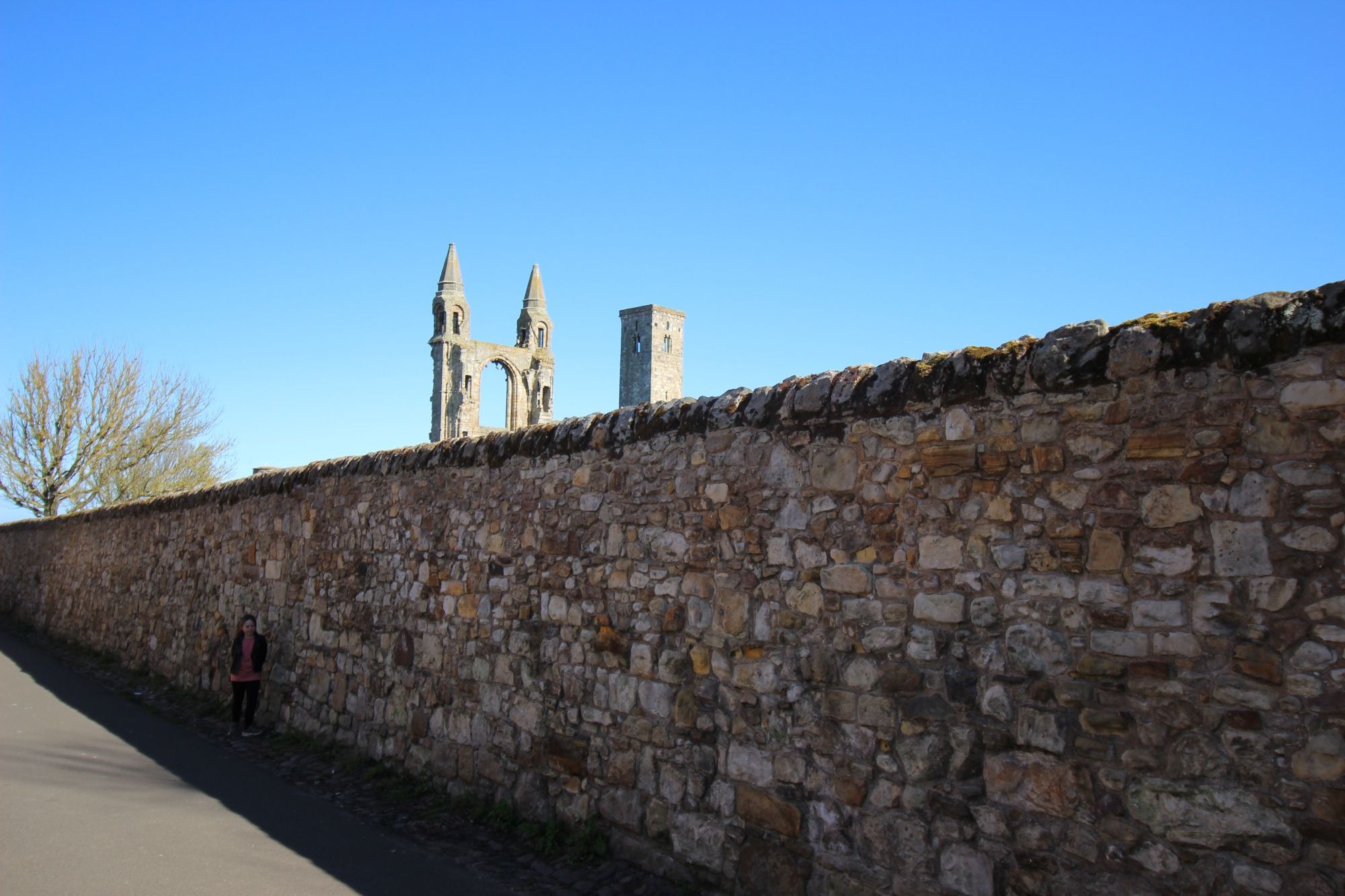
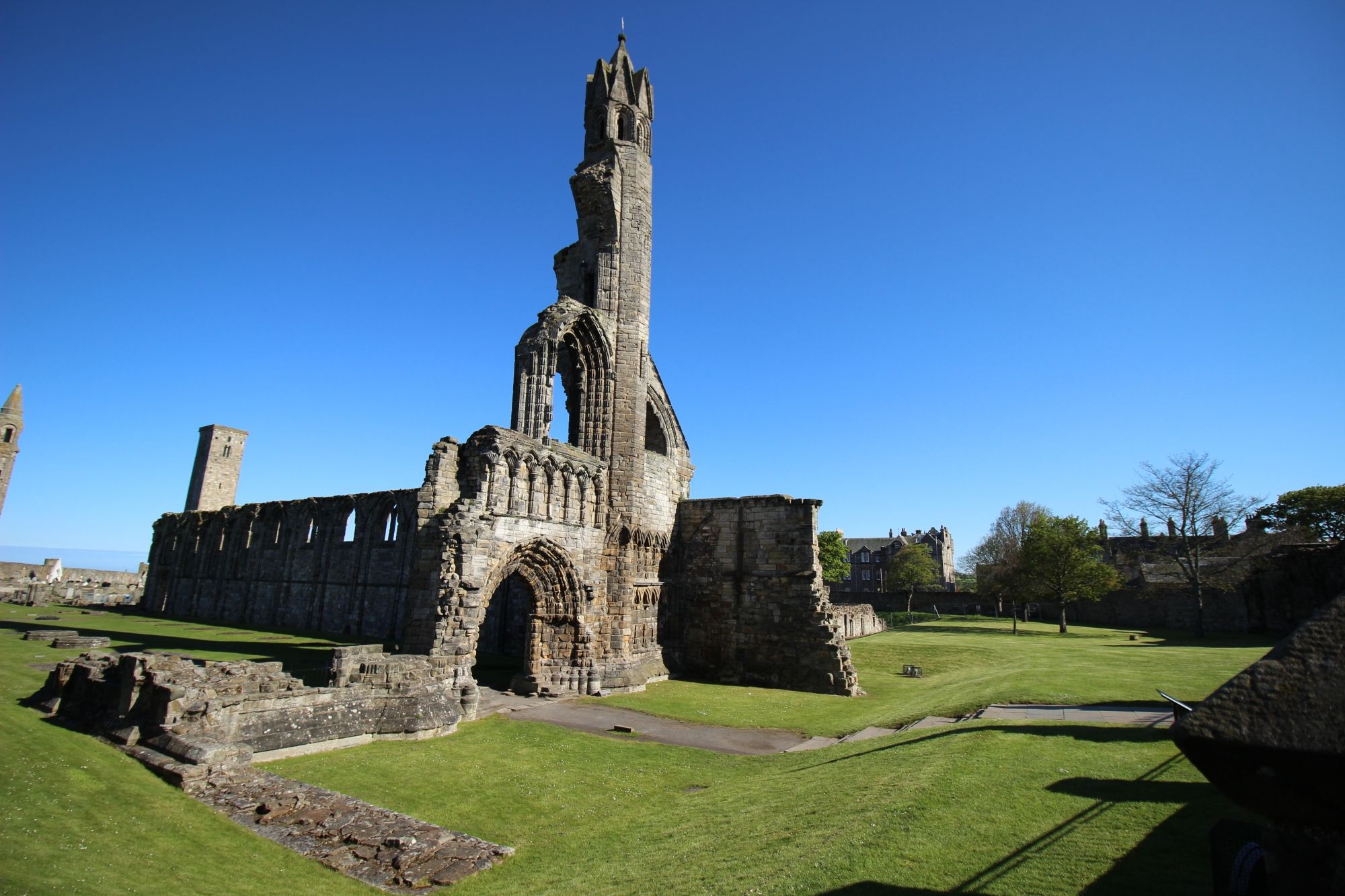
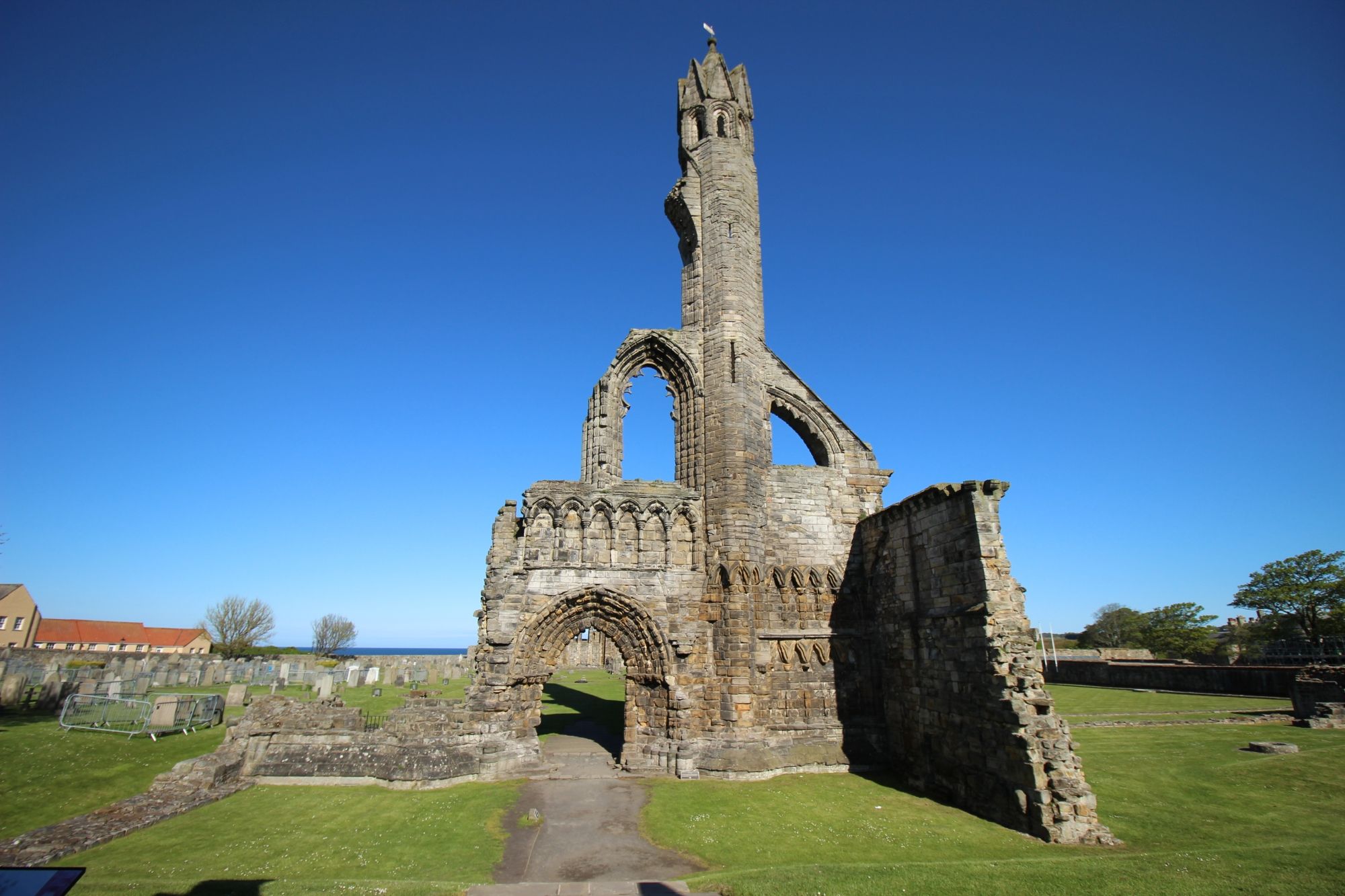
- The Metropolitical Core (St Andrews Cathedral): Spanning a massive walled precinct, the cathedral grounds contain centuries of architectural evolution, from early Romanesque to late Gothic styles. While the structure was stripped of its wealth and left to ruin after a fiery sermon by John Knox in 1559, its soaring western gable and the intact St Rule’s Tower provide an immense sense of vertical scale that anchors the entire coastal landscape.
- St Rule’s Tower: Predating the main cathedral itself, this monolithic, square-plan stone tower rises over 33 meters ($108 ext{ feet}$). Climbing the narrow, steep internal staircase rewards visitors with a stunning, 360-degree panoramic vista across the red-tiled roofs of the town, the ancient university greens, and the long, sweeping arc of the West Sands.
The Trail Blueprint: Layout Logistics and Visitor Management
Navigating the historic quarter of St Andrews is a highly rewarding, accessible walking experience, though capturing both sites requires careful planning regarding ticketing and physical terrain:
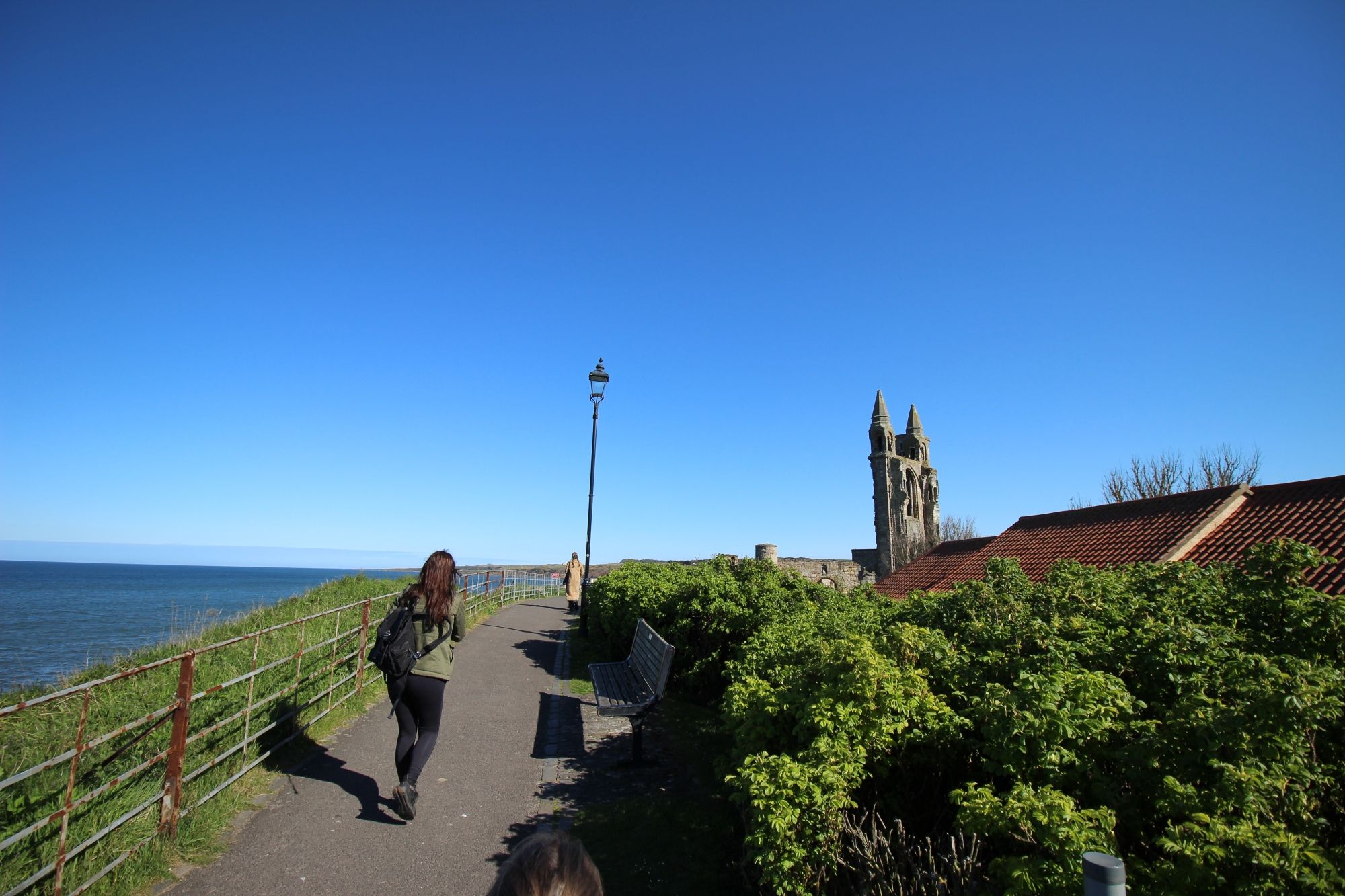
- Route Integration and Ground Conditions: Both sites are linked via the scenic coastal path along "The Scores" and "The Pends." The walk between the two entrances takes less than ten minutes over flat, paved ground. The castle interior contains uneven stone courtyards, narrow stairs, and wet, slippery rock inside the siege mines, necessitating robust, non-slip footwear. Both sites are managed by Historic Environment Scotland (HES), and pre-booking a joint entry ticket online during the peak summer season is highly recommended to secure smooth access.
- Operational Reality (2026 Season): In 2026, conservation teams continue to actively manage the preservation of the high-level masonry. Some specific cliff-facing walls or upper galleries may be subject to temporary scaffolding or restricted access. Always check the live HES operational dashboard before arrival to ensure your primary filming angles are clear. Parking in the immediate historic core is strictly metered and limited; creators are advised to utilize the larger public parking facilities near the harbor or the outskirts of the town and walk in.
Cinematography, Audio, and Technical Production Integration
For independent travel filmmakers and landscape photographers, the St Andrews ruins function as a masterclass in architectural texture, offering dramatic interactions between historic stone and maritime elements:
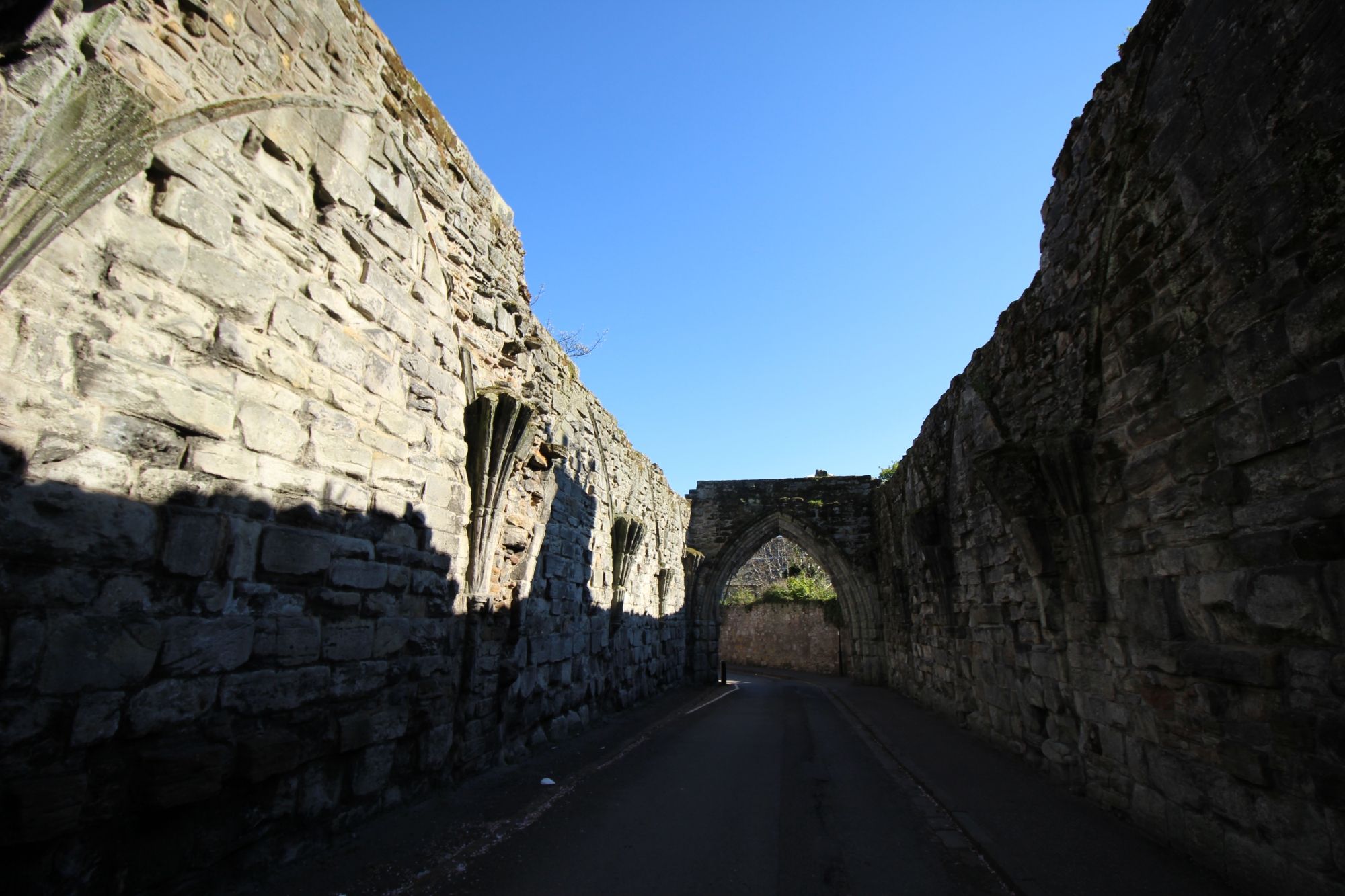
- Managing High-Contrast Sea Light and Stone Geometry: The blonde and red sandstone blocks of the ruins absorb and reflect light in highly dynamic ways depending on the moisture levels in the air. To capture the fine, weathered textures of the medieval carving without blowing out the bright sky or crushing the shadows of the deep sea-facing window frames, shoot in a 10-bit log profile. A high-efficiency Circular Polarizer (CPL) is essential to cut through the heavy sea-glare bouncing off the water behind the castle walls, deepening the blue-green gradients of the sea.
- The Golden Hour Frame: The ultimate cinematic master shot occurs at sunrise, when the low sun emerges from the North Sea horizon, illuminating the eastern face of the Cathedral’s great gable and casting long, dramatic shadows across the ancient graveyard. Positioning your camera at a low angle on the coastal path allows the stone arches to frame the morning sun, creating clean "god rays" through the ruined windows.
- Acoustic Mapping and Subterranean Audio: The acoustic profiles of the two locations are diametrically opposed. The cathedral precinct is wide, open, and heavily subject to high-frequency wind shear coming off the bay, requiring a professional fur windjammer (deadcat) to isolate the crying of gulls and the distant crash of the waves. Conversely, the castle’s siege mine is an acoustic vacuum—a dead, damp space that creates a powerful sense of claustrophobia. To record the eerie, atmospheric sound of water dripping onto the rock floor within the mine, utilize highly sensitive omnidirectional field recorders with the gain dialed down to isolate the crisp, percussive slaps of the droplets.