



The Fortress of Seabirds: Navigating the Volcanic Cliffs and Maritime Trails of St Abb’s Head
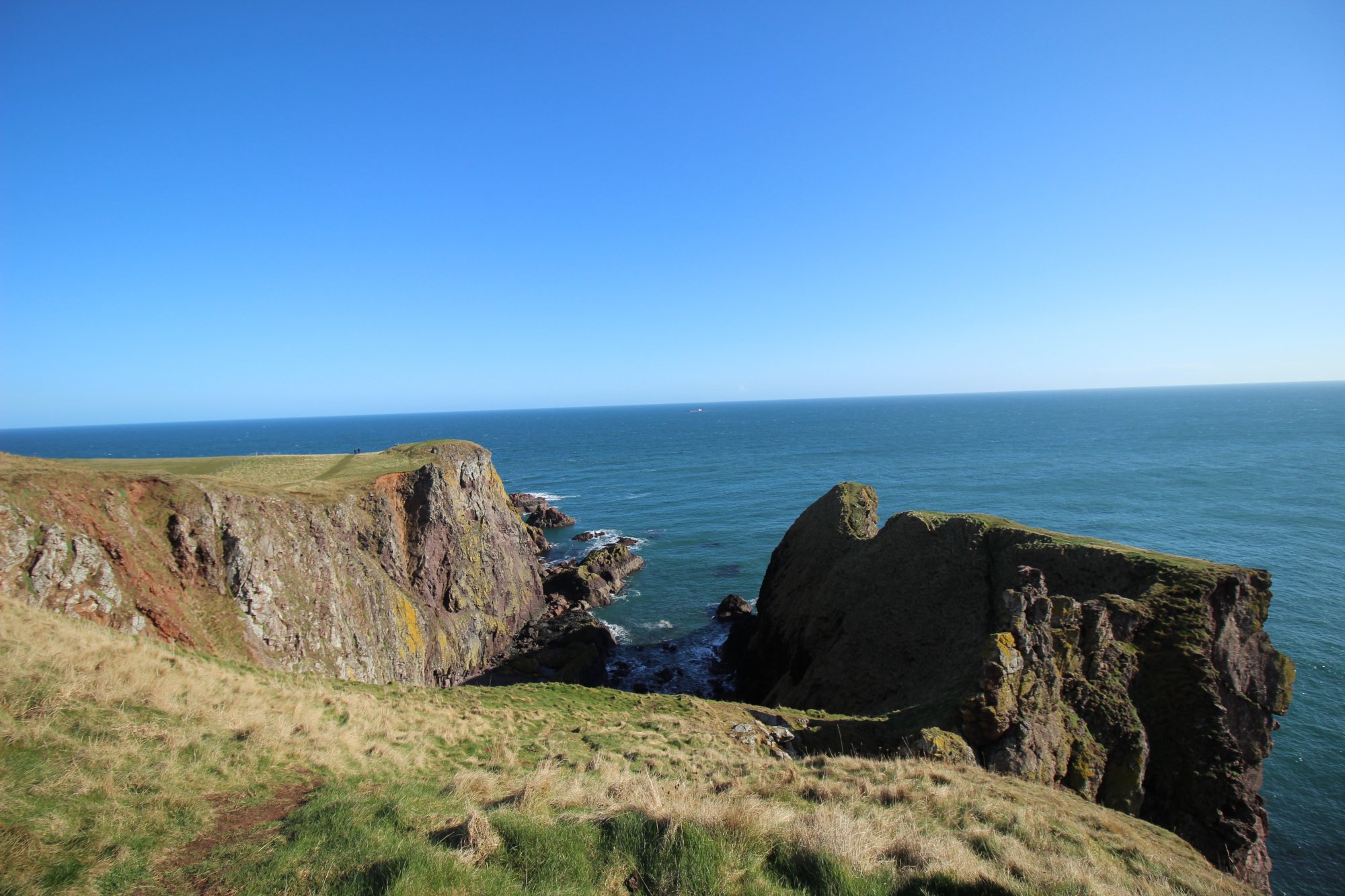
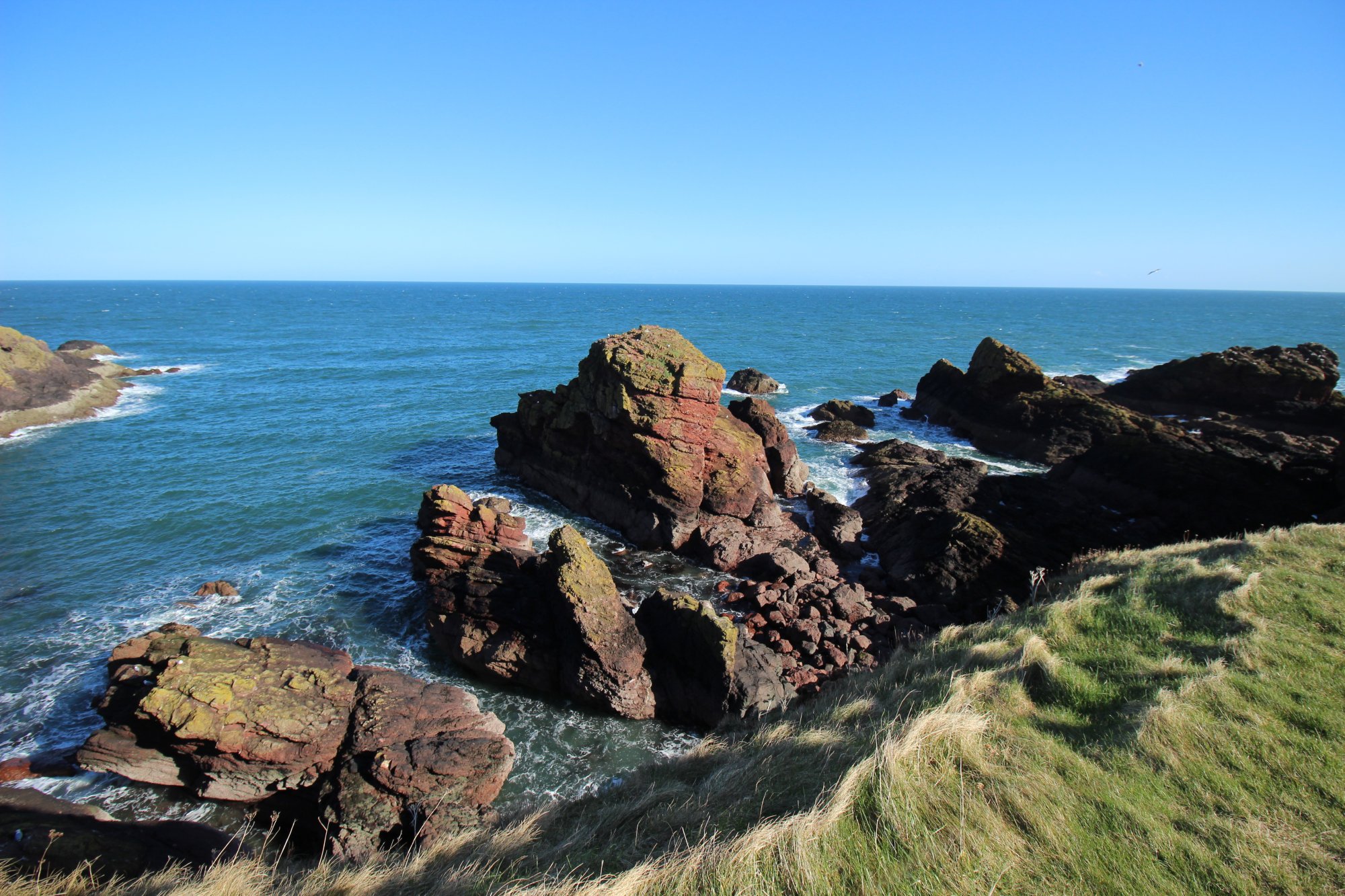
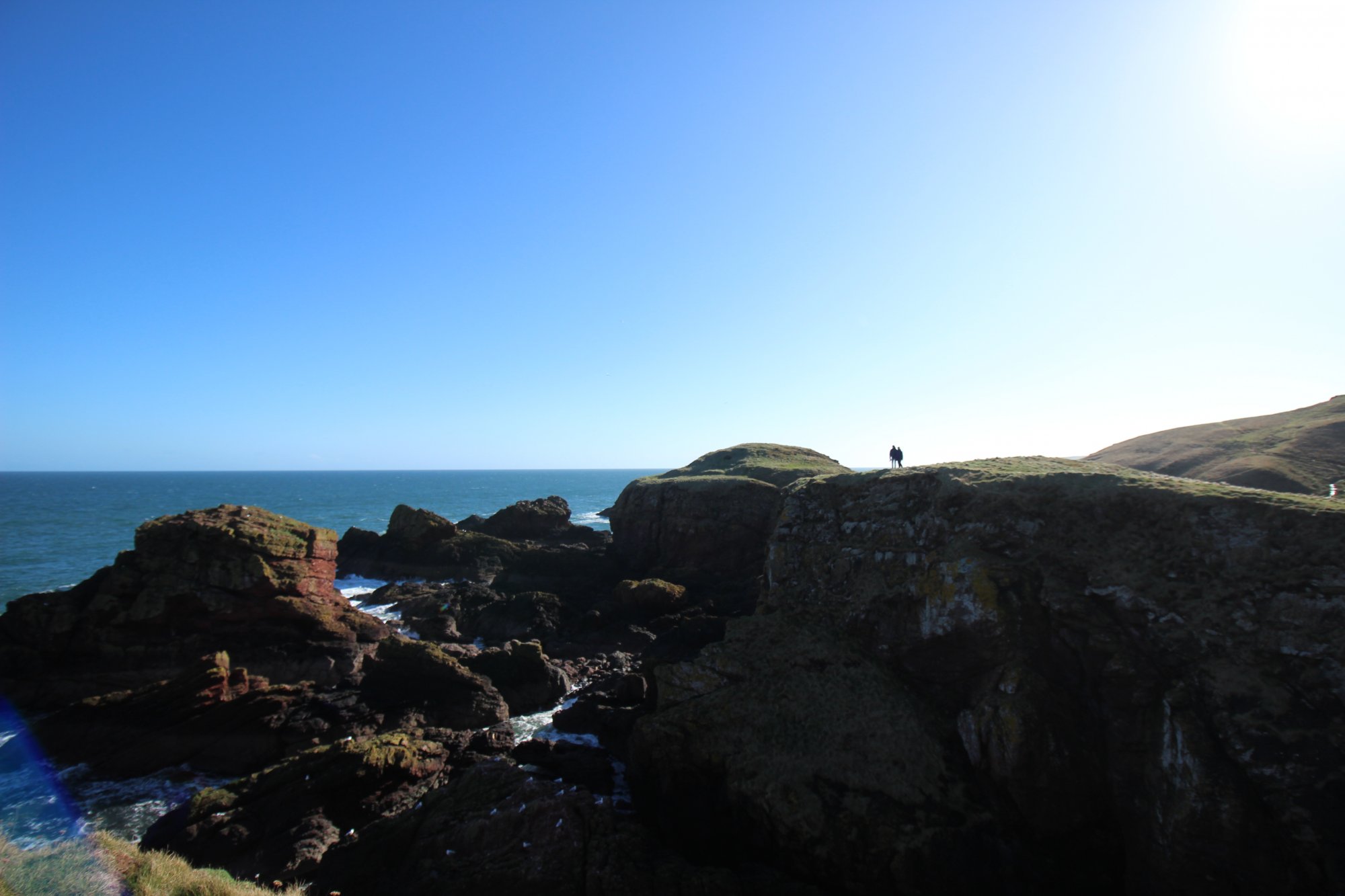
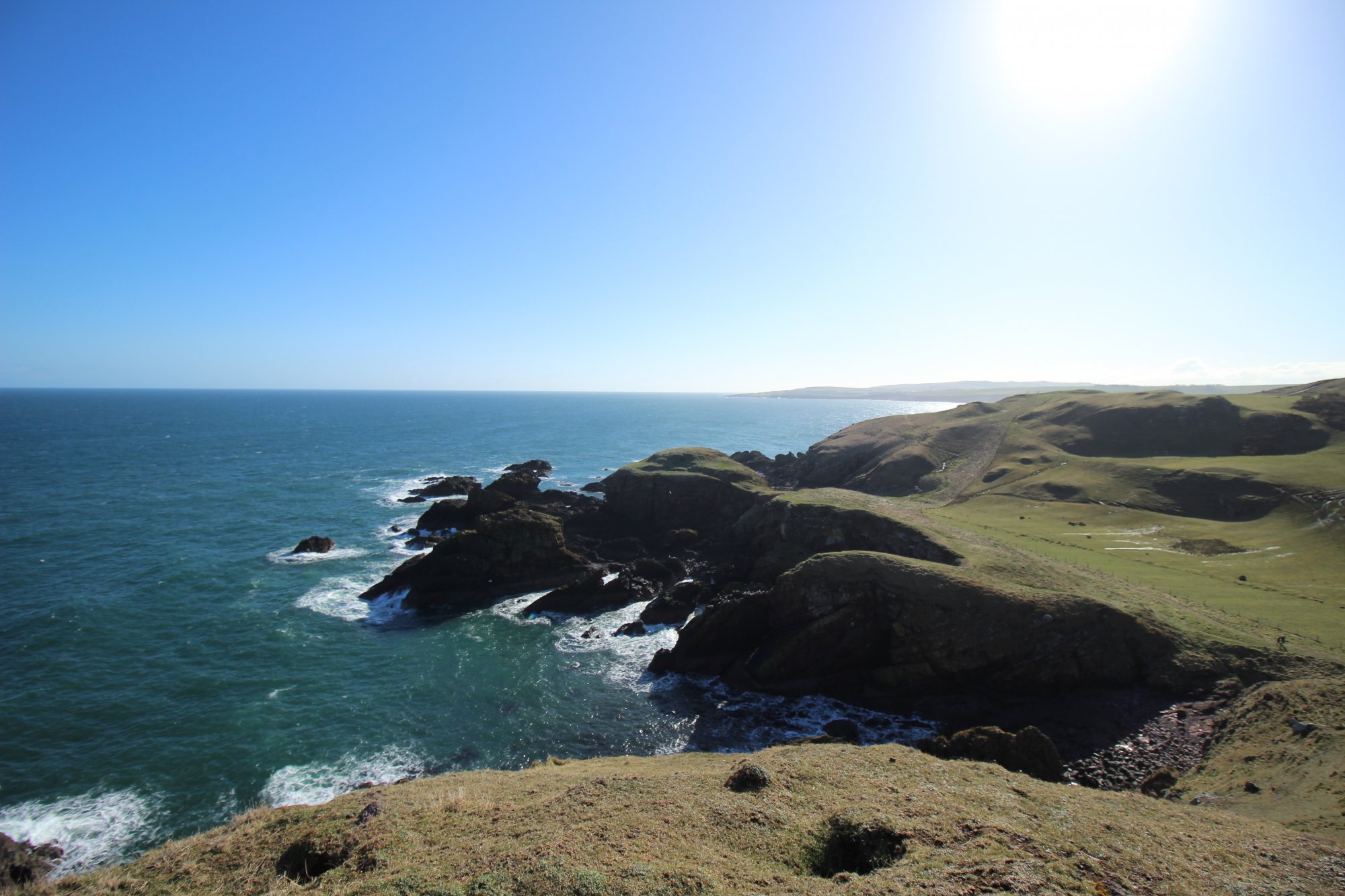
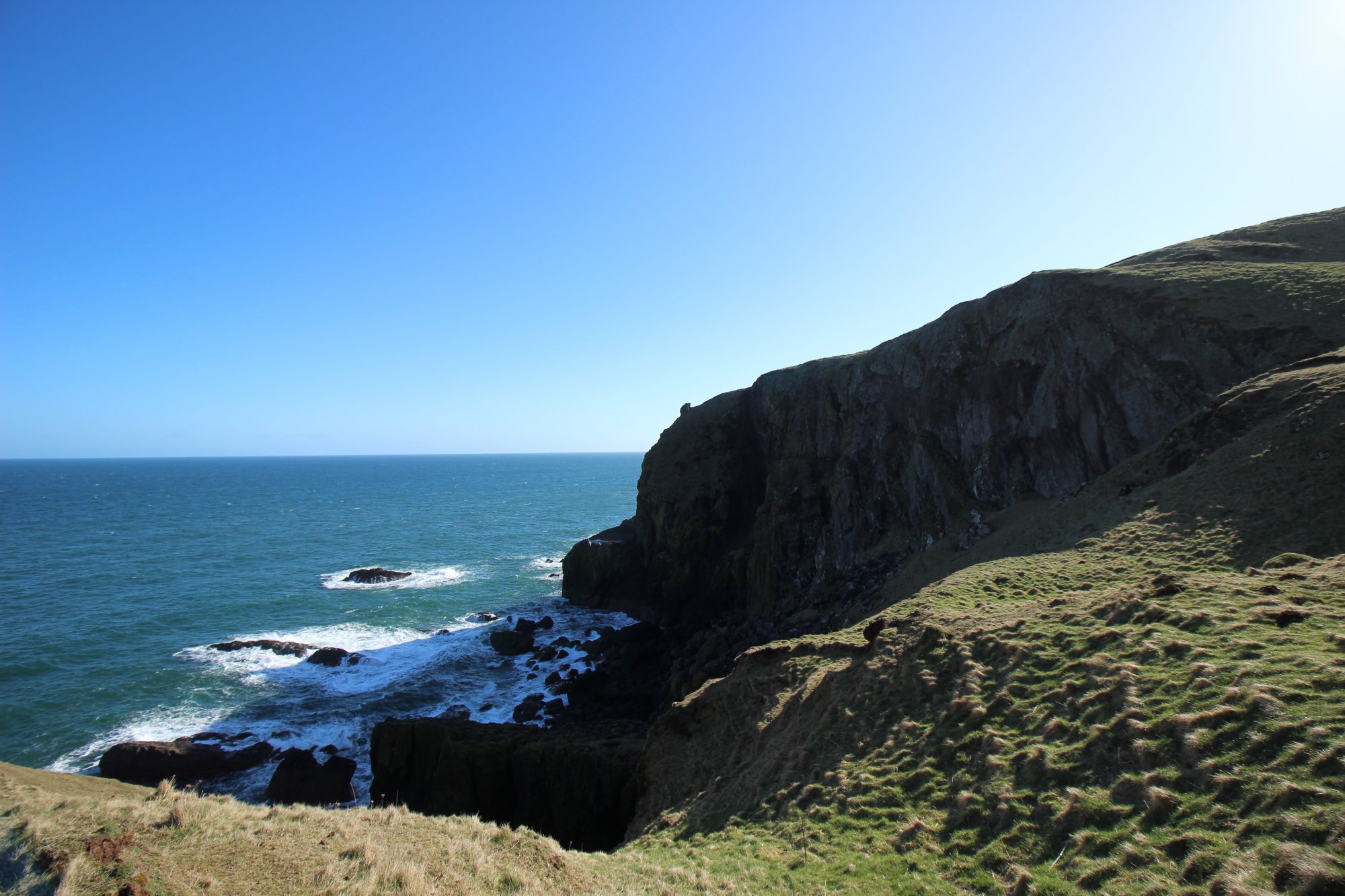
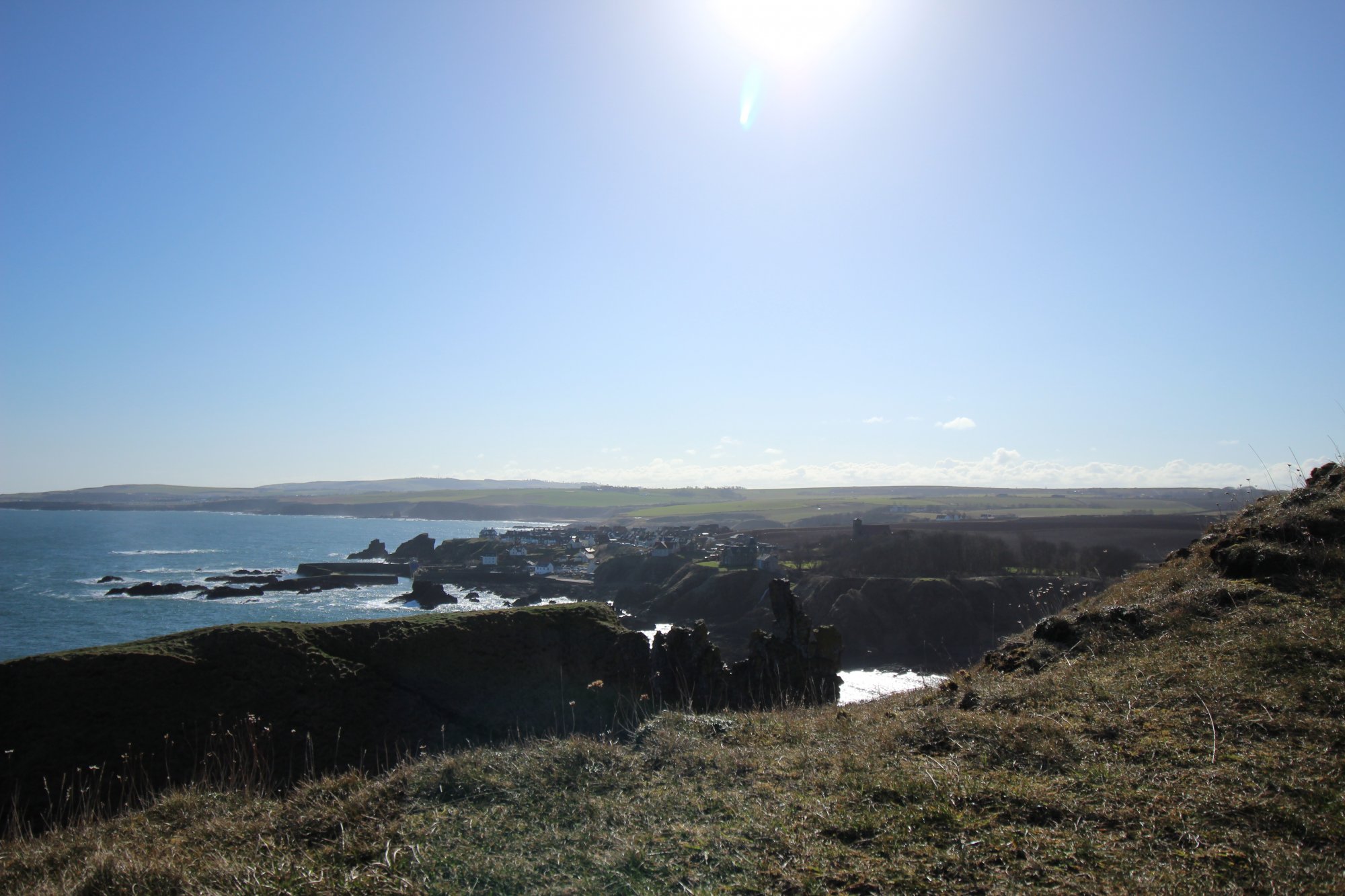
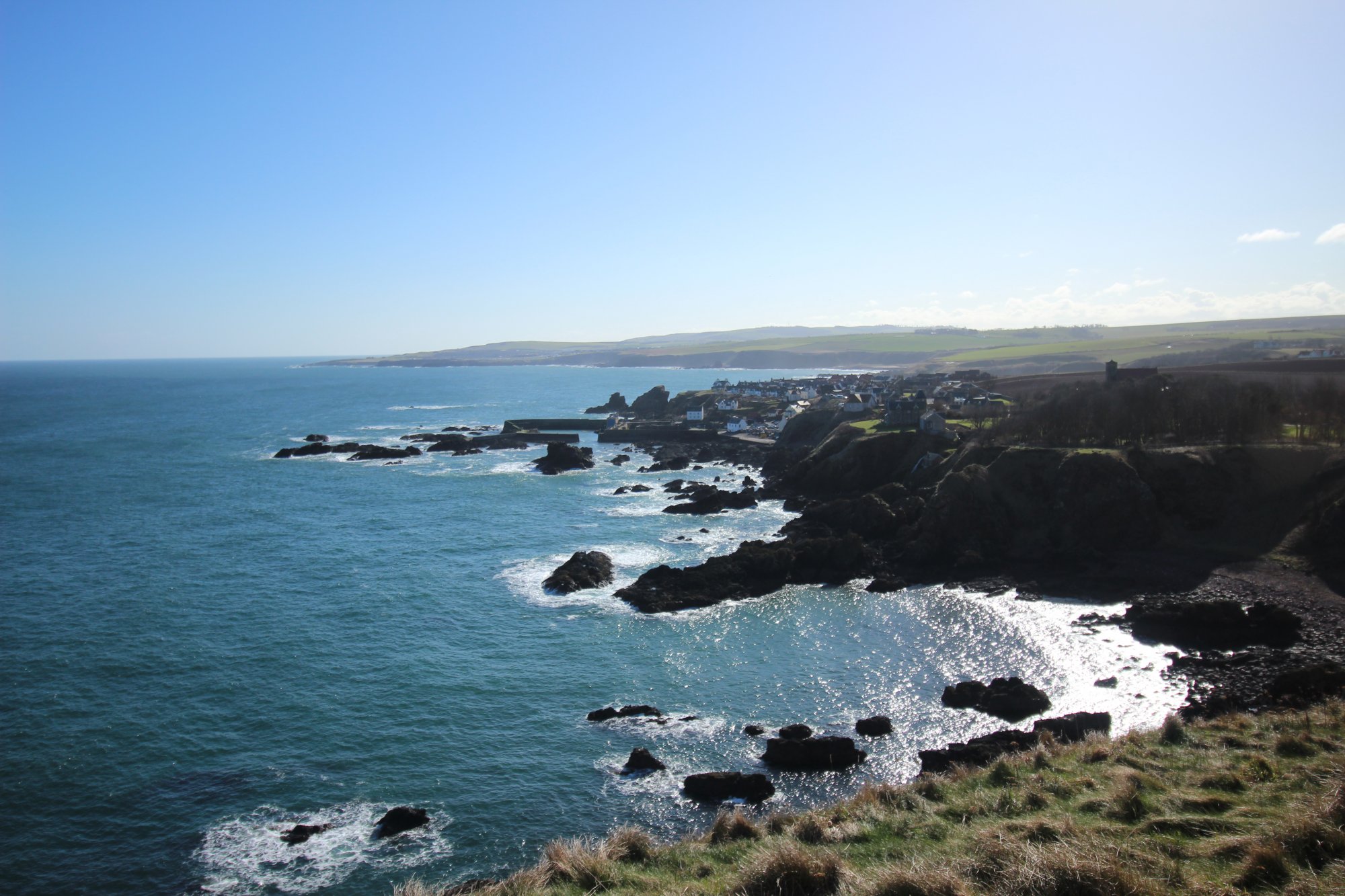
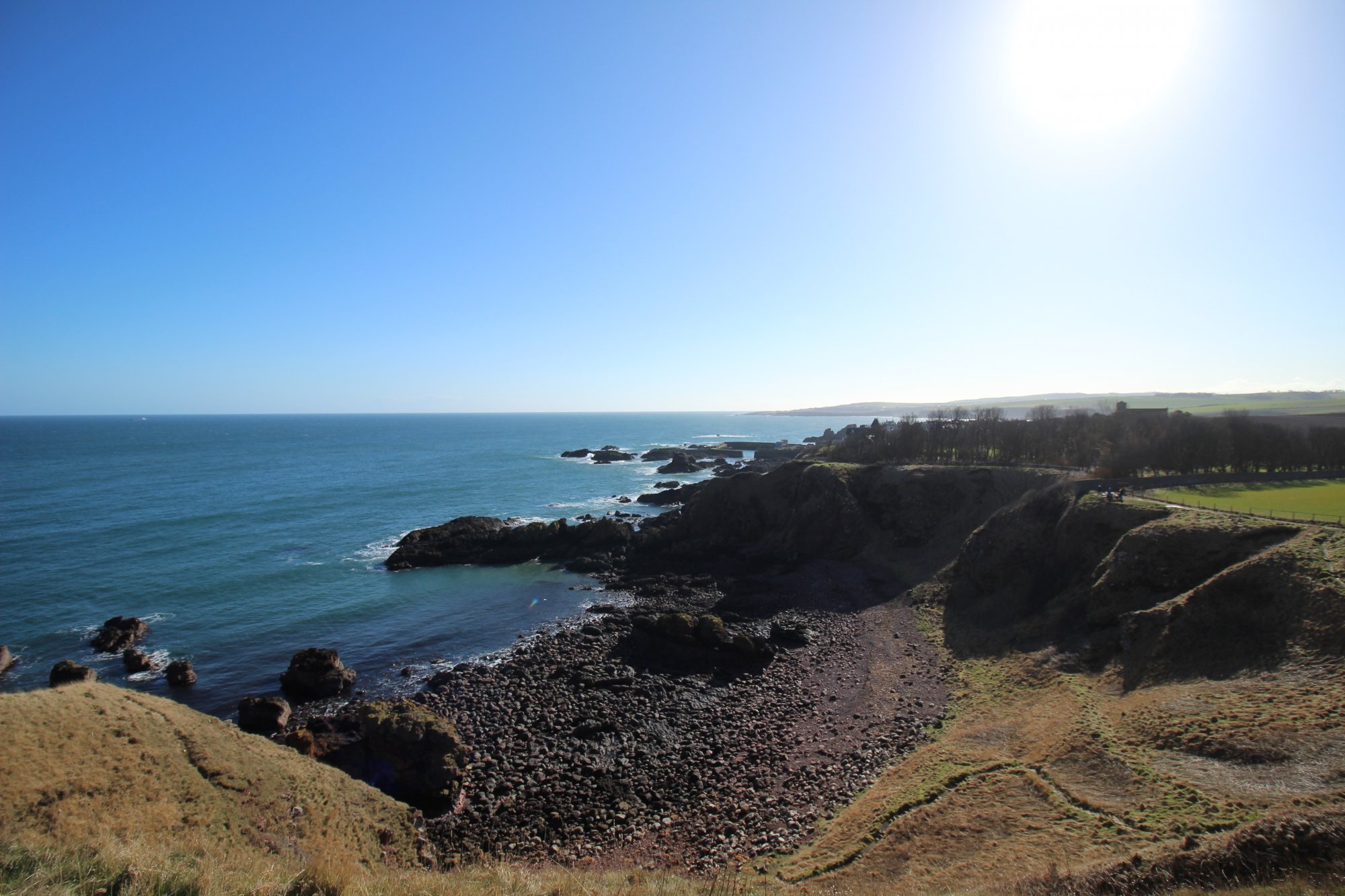
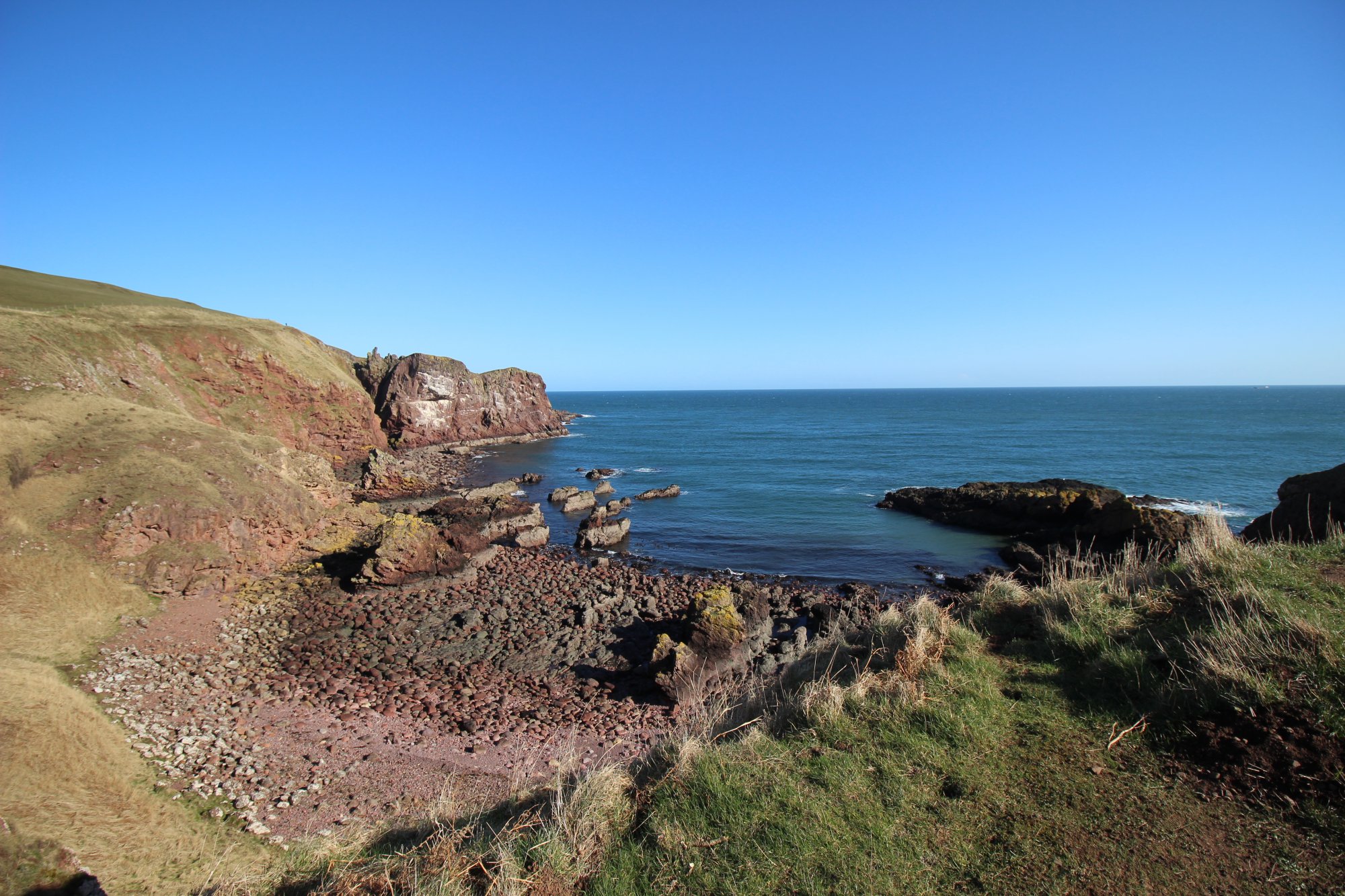
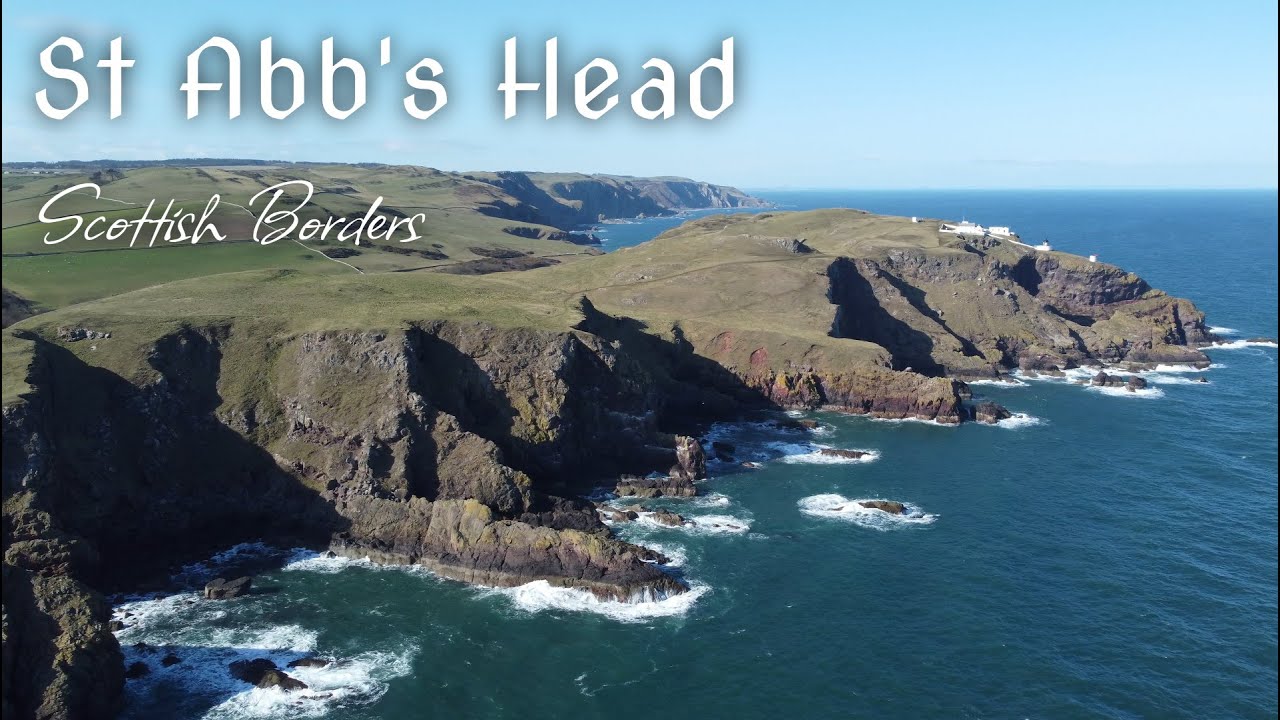
Jutting defiantly into the cold, volatile waters of the North Sea, St Abb’s Head stands as a monumental National Nature Reserve on the Berwickshire coastline of the Scottish Borders. Managed by the National Trust for Scotland, this jaw-dropping headland represents a vital ecological sanctuary and a masterclass in dynamic marine geology. The headland’s sheer, dark cliffs—formed by ancient, hyper-resistant volcanic rock—rise over 90 meters ($300 ext{ feet}$) above the churning waves, providing a dramatic counterpoint to the rolling agricultural hills of the Borders countryside. The primary coastal path, which snakes from the traditional fishing village of St Abbs to the isolated, late-19th-century Stevenson lighthouse, offers a world-class coastal traverse. It is a sensory powerhouse where the roar of the Atlantic swell collides with the cacophony of thousands of nesting pelagic seabirds, making it a mandatory destination for wilderness hikers, wildlife photographers, and digital travel storytellers.
The Geological Blueprint: Volcanic Terranes and Seabird Cities
The unique topography of St Abb’s Head is directly dictated by its prehistoric volcanic origins, creating a distinct micro-climate and habitat layout along the eastern shelf of the Scottish Mainland:
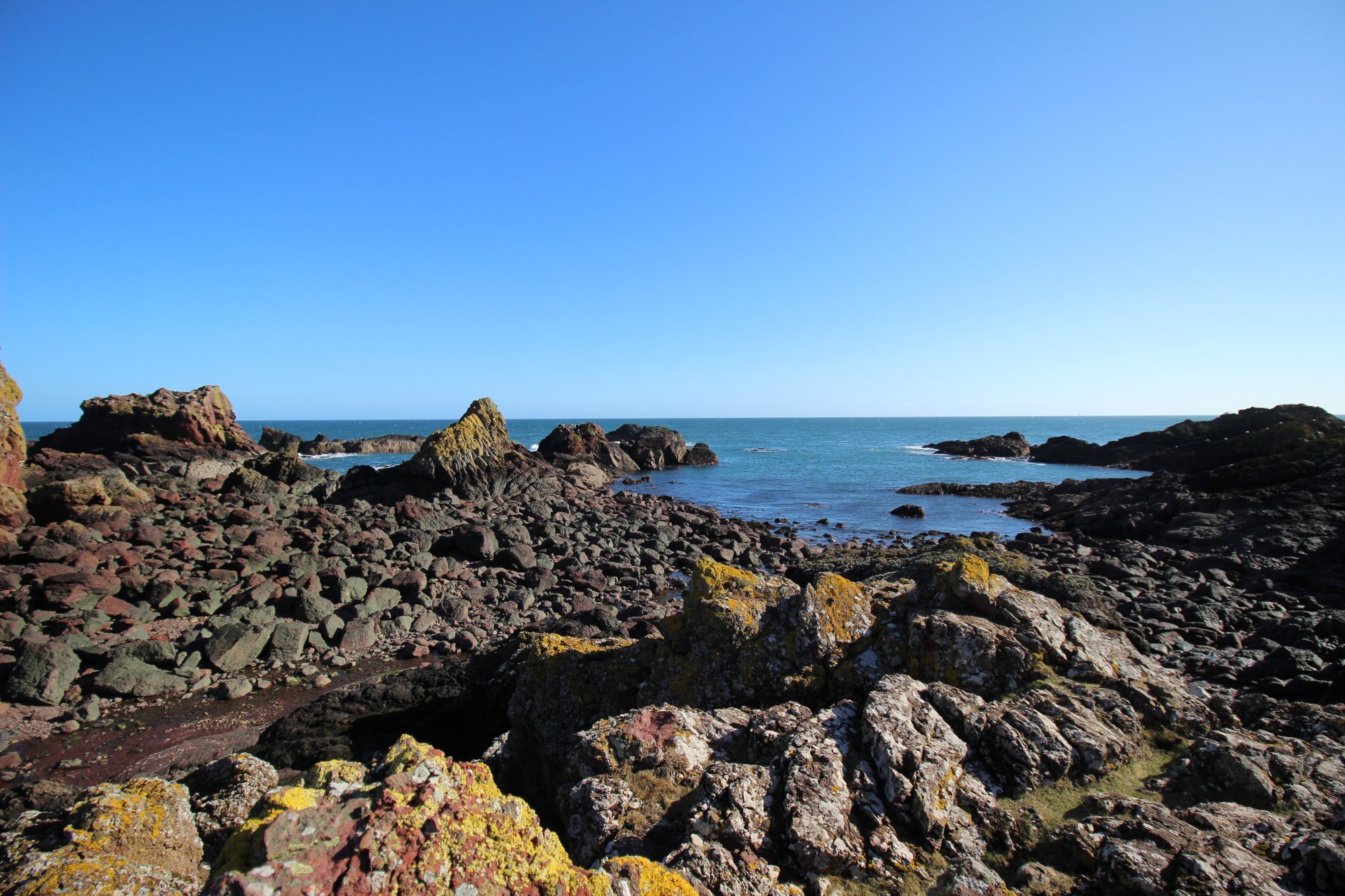
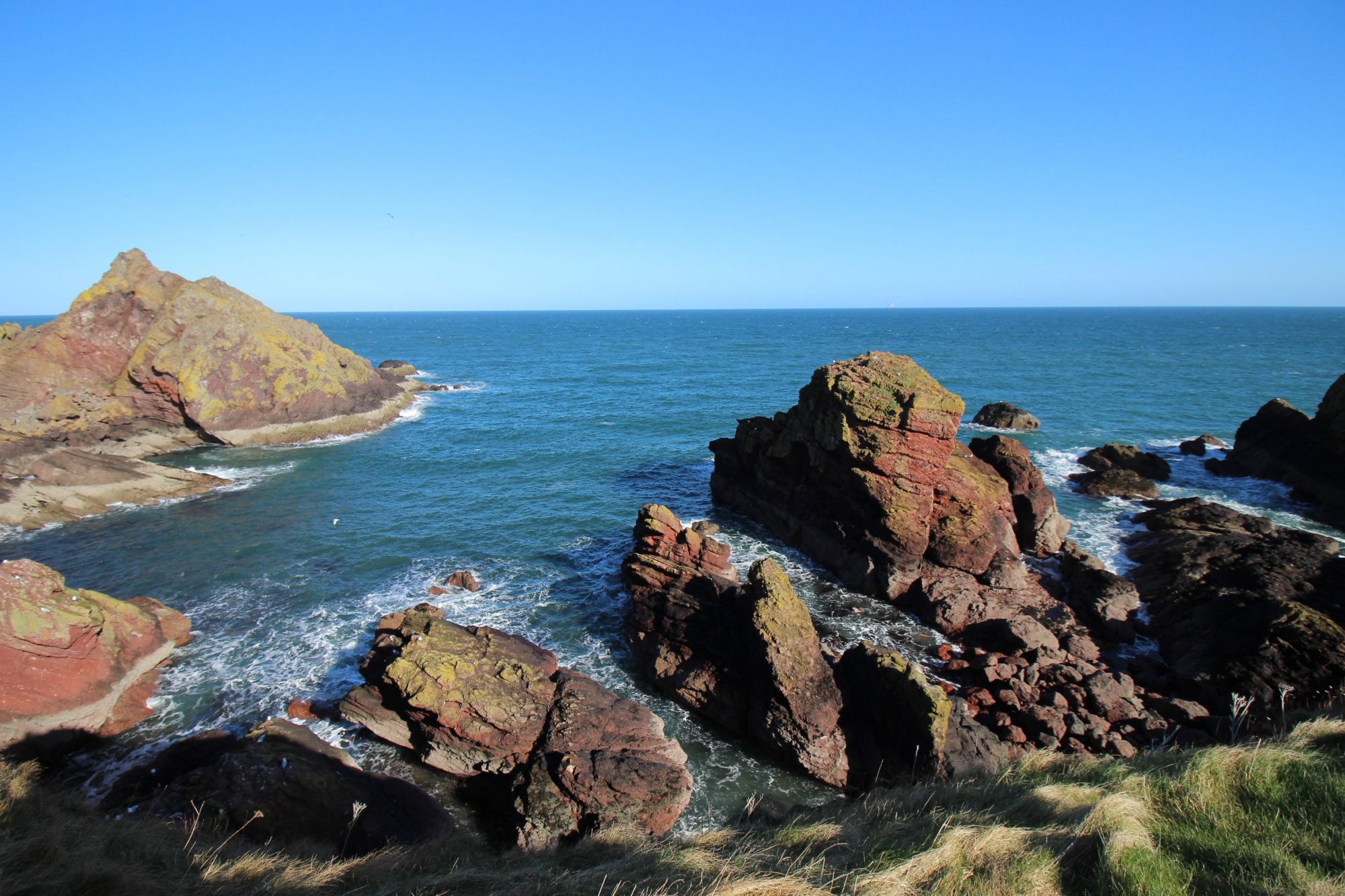
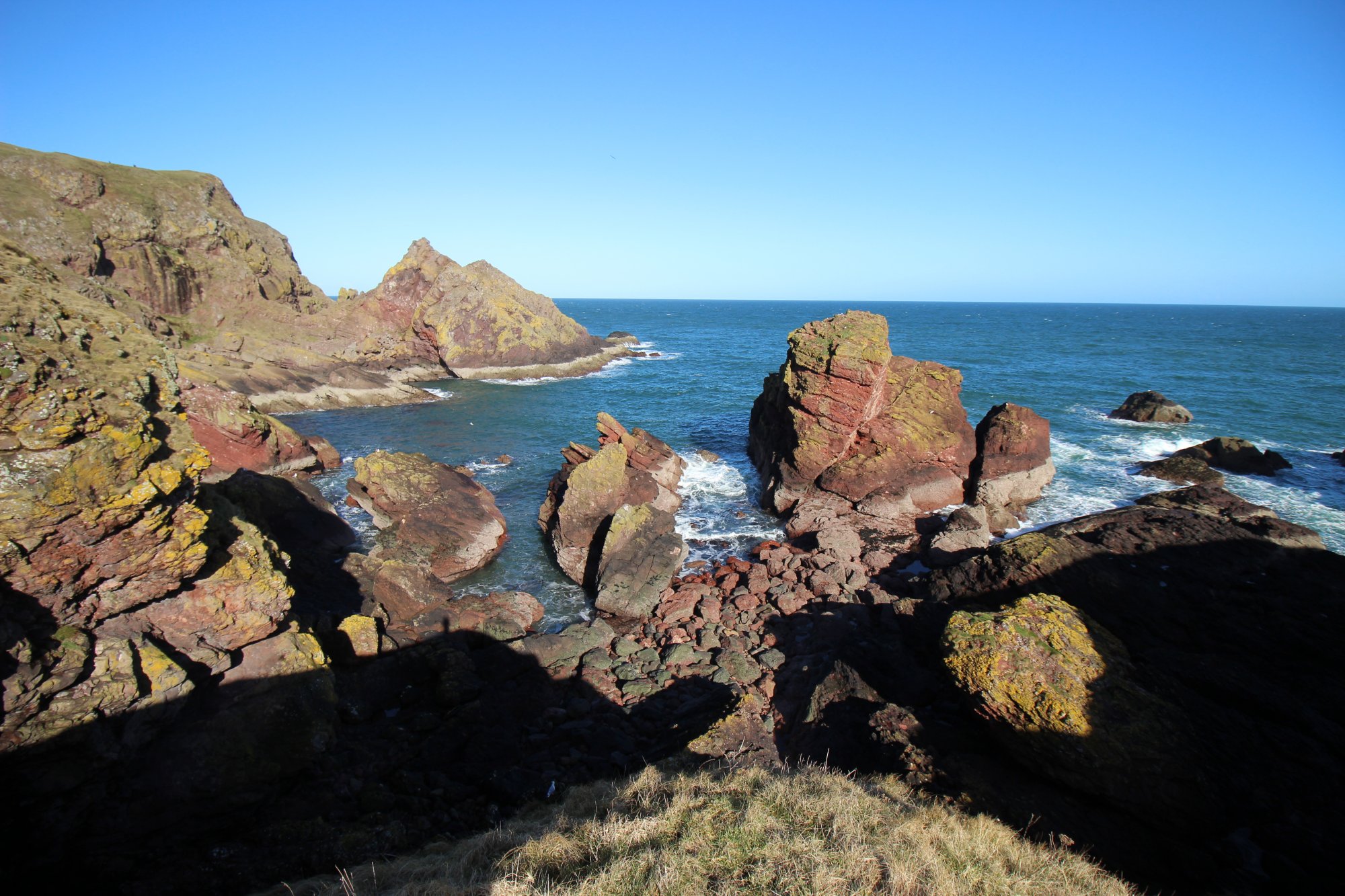
- The Volcanic Barrier: Unlike the softer sedimentary cliffs found further down the English border, St Abb’s Head is composed of hard, dark grey-purple volcanic sandstone and basalt lava flows. This dense composition forces the sea to erode the coastline into chaotic, jagged sea stacks, deep fissures (known locally as "goes"), and hidden marine caverns rather than smooth beaches.
- The Seabird Metropolis: During the spring and summer breeding seasons (typically from late April through August), these vertical rock faces transform into an urban landscape for marine birds. The narrow stone ledges host vast colonies of guillemots, razorbills, kittiwakes, fulmars, and shags. The absolute density of wildlife activity is staggering, creating a swirling, high-energy environment that requires long-lens precision to document without disturbing the nesting cycles.
- Mire Loch and the Inland Fault: Just behind the coastal ridge lies Mire Loch, a unique freshwater ribbon lake that occupies a deep trench carved by an ancient geological fault line. This juxtaposition means that a single two-hour circular hike transitions seamlessly from wild, saltwater marine cliffs to a tranquil, reed-fringed freshwater ecosystem teeming with swans, little grebes, and damselflies.
The Trail Blueprint: Route Logistics and Navigational Realities
The standard loop from the main visitor hub to the lighthouse is an exceptionally rewarding hike, but the coastal elements require proper preparation and strategic timing:
- Trail Grading and Ground Conditions: The main trail is roughly a 3.5-mile ($5.6 ext{ km}$) circular loop that takes approximately two hours to complete at a steady pace. While the track is well-trodden and generally family-friendly, it features highly technical, steep gradients—particularly on the final approach to the lighthouse loop. The clay-rich coastal soil acts like a sponge; after classic Scottish coastal downpours, sections of the trail transform into deep, slick mud that demands robust, waterproof trekking boots with reliable tread.
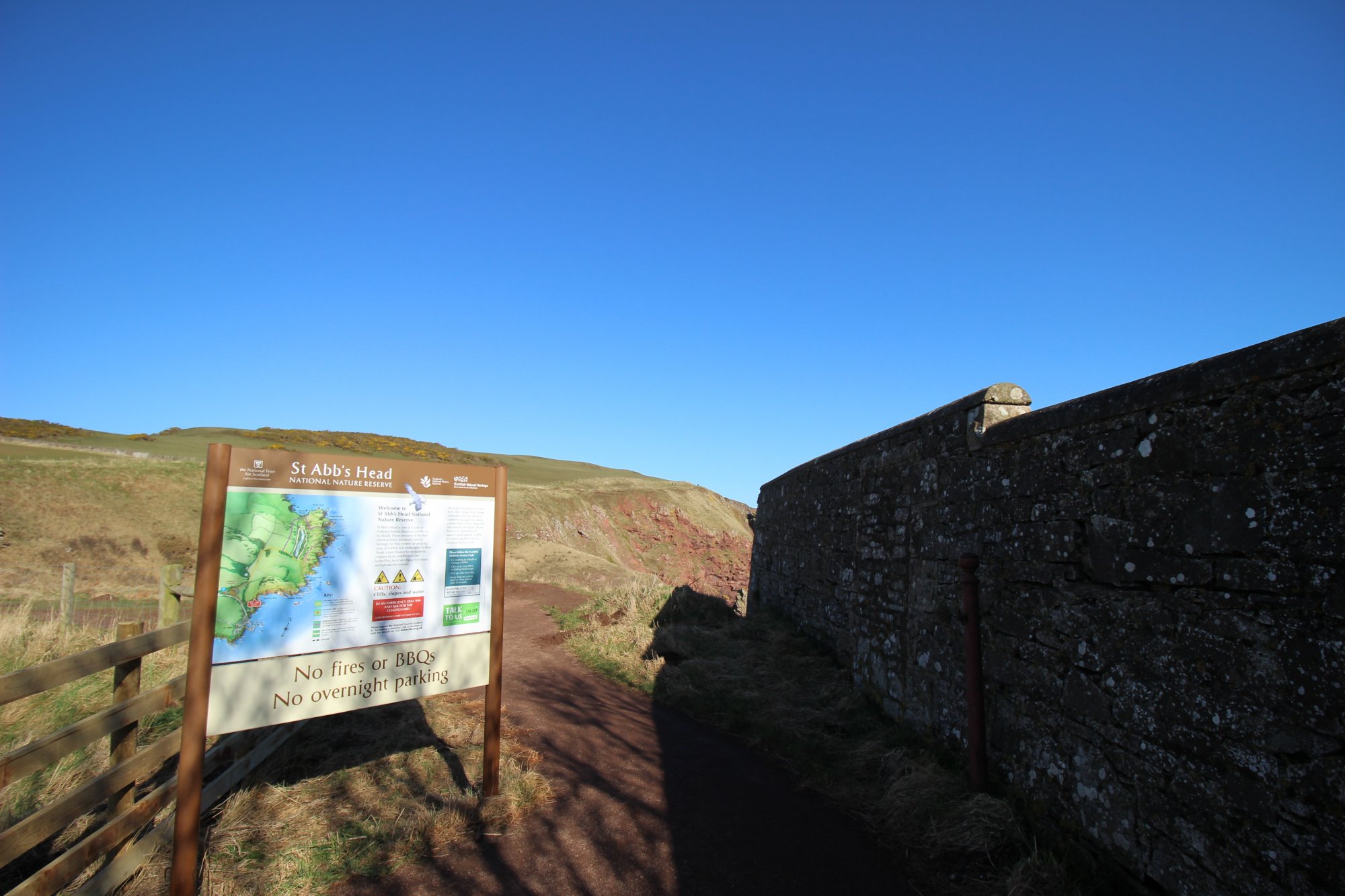
- Arrival and Infrastructure: Visitors are well-served by the primary National Trust for Scotland car park located at Northfield Farm (costing a modest £3 flat daily rate). This hub contains clean toilet facilities, an interpretive information center, and a seasonal coffee shop. During peak summer weekends or optimal filming weather, this lot fills quickly; the dedicated overflow car park located closer to St Abbs village should be utilized to maintain smooth traffic flow on the single-track access lanes.
Cinematography, Wildlife Audio, and Technical Production Integration
For independent travel filmmakers and landscape photographers, St Abb’s Head is a high-yield natural studio, demanding precise control over wide dynamic ranges and specialized acoustic setups:
- Managing Maritime Glare and Shadow Contrast: The dark, dark volcanic basalt absorbs light heavily, while the churning white foam of the North Sea waves reflects it intensely. To capture the fine, craggy textures of the cliffs without blowing out the water highlights, shoot exclusively in a log profile with at least 10 bits of color depth. A high-efficiency Circular Polarizer (CPL) is mandatory to cut through the heavy sea-glare, deepening the rich emerald-greens of the shallow coves and emphasizing the dramatic geometry of the sea stacks. Time your master wide shots for the late afternoon golden hour; the sun sets behind the land, casting long, epic shadows into the North Sea and providing stunning edge-lighting to the lighthouse structure.
- Acoustic Mapping of Seabird Colonies: The sonic profile of St Abb’s Head is dominated by the deafening, high-frequency screeching of thousands of gulls and guillemots layered over the deep, percussive thud of the ocean swell. To record a clean, immersive soundscape, position directional shotgun microphones away from the cliff edge, utilizing the natural stone curves as a shield against the relentless sea wind. Enclosing all microphones within a professional, multi-layered fur windjammer (deadcat) is non-negotiable; the wind shear coming off the open sea will easily overload your preamps if unprotected.
Conclusion: The Wild Eastern Edge
St Abb’s Head remains one of the most accessible yet profoundly wild coastal sanctuaries in the south of Scotland. By seamlessly balancing the structural majesty of the Stevenson lighthouse with the untamed, raucous energy of its volcanic seabird cliffs, it provides a high-value canvas for creators and hikers alike. It is a timeless sanctuary—a brilliant, wind-battered arena where the rolling hills of the Scottish Borders plunge directly into the dark, churning depths of the North Sea, rewarding anyone who takes the time to explore its steep and historic paths.