



The Gothic Skeleton of Aberdeenshire: Exploring the Ruins of Slains Castle
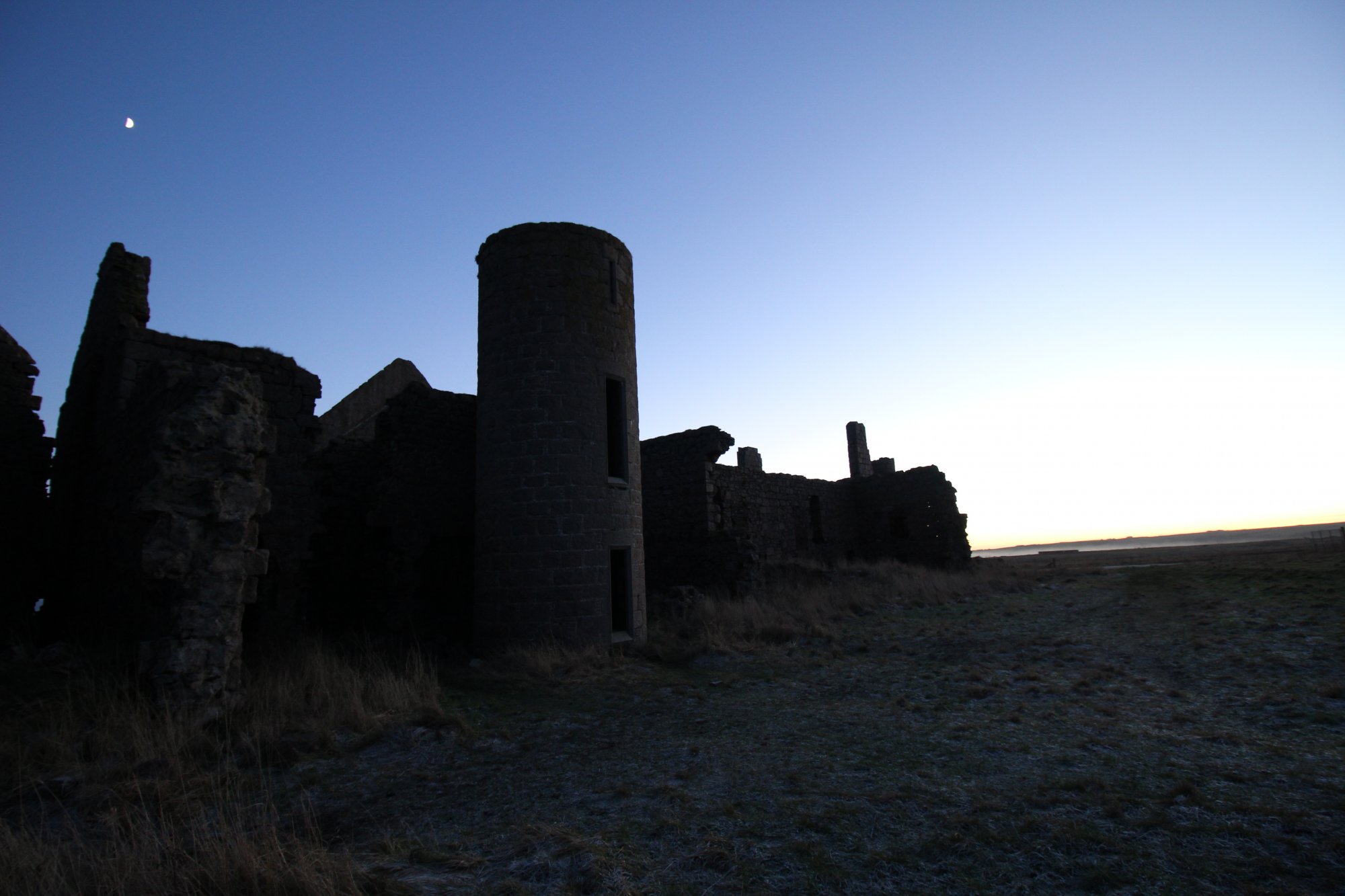
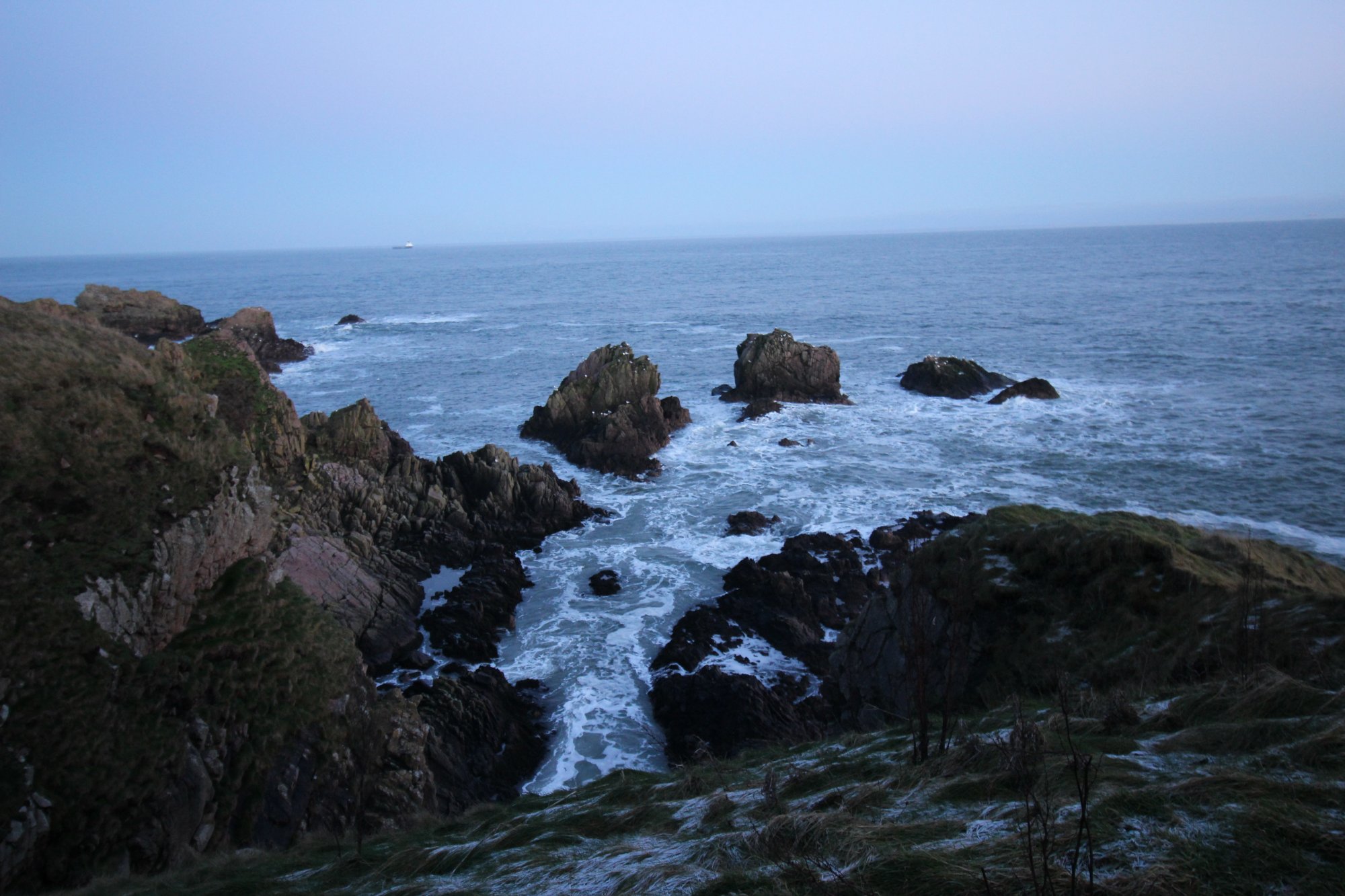
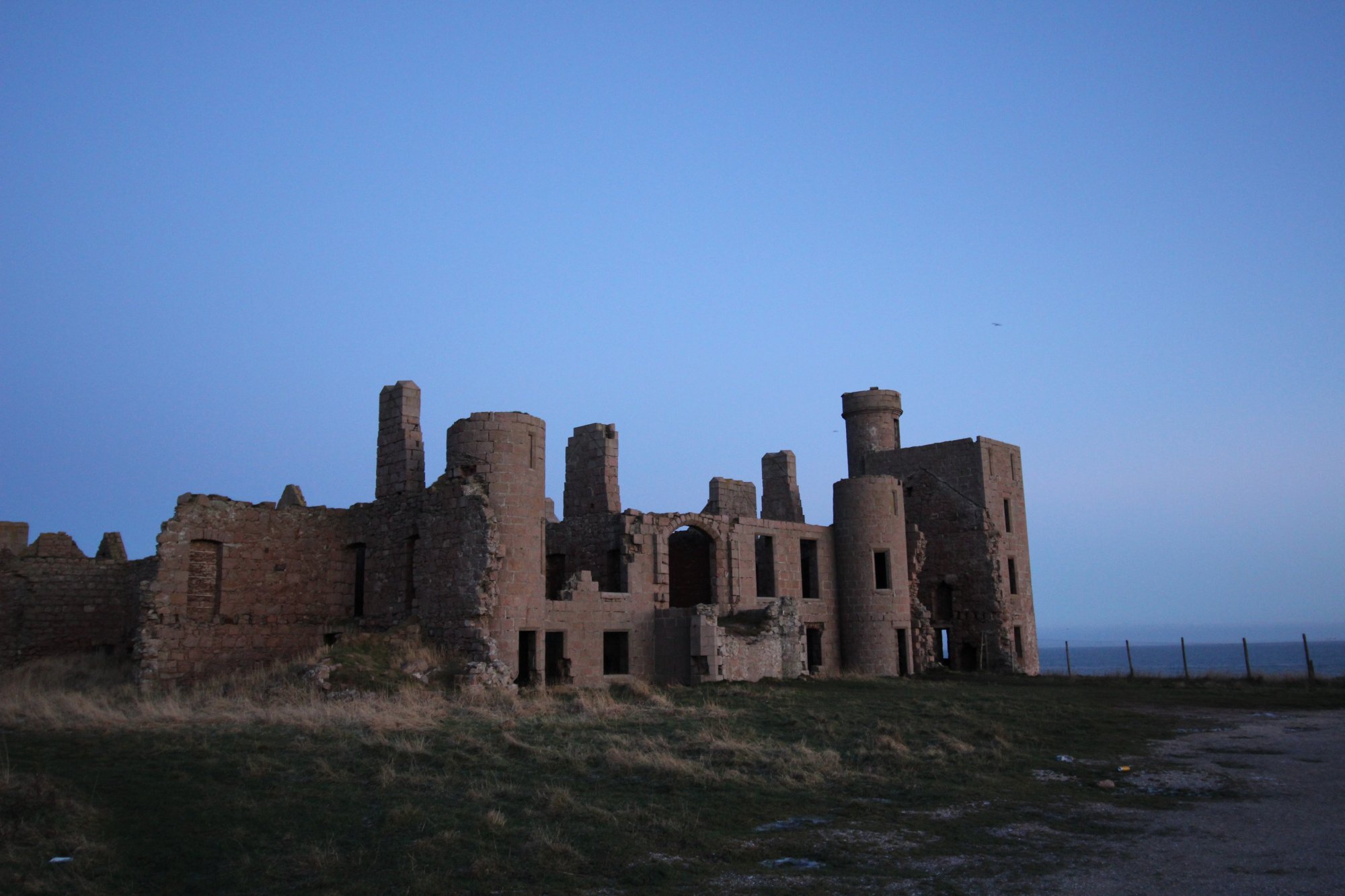
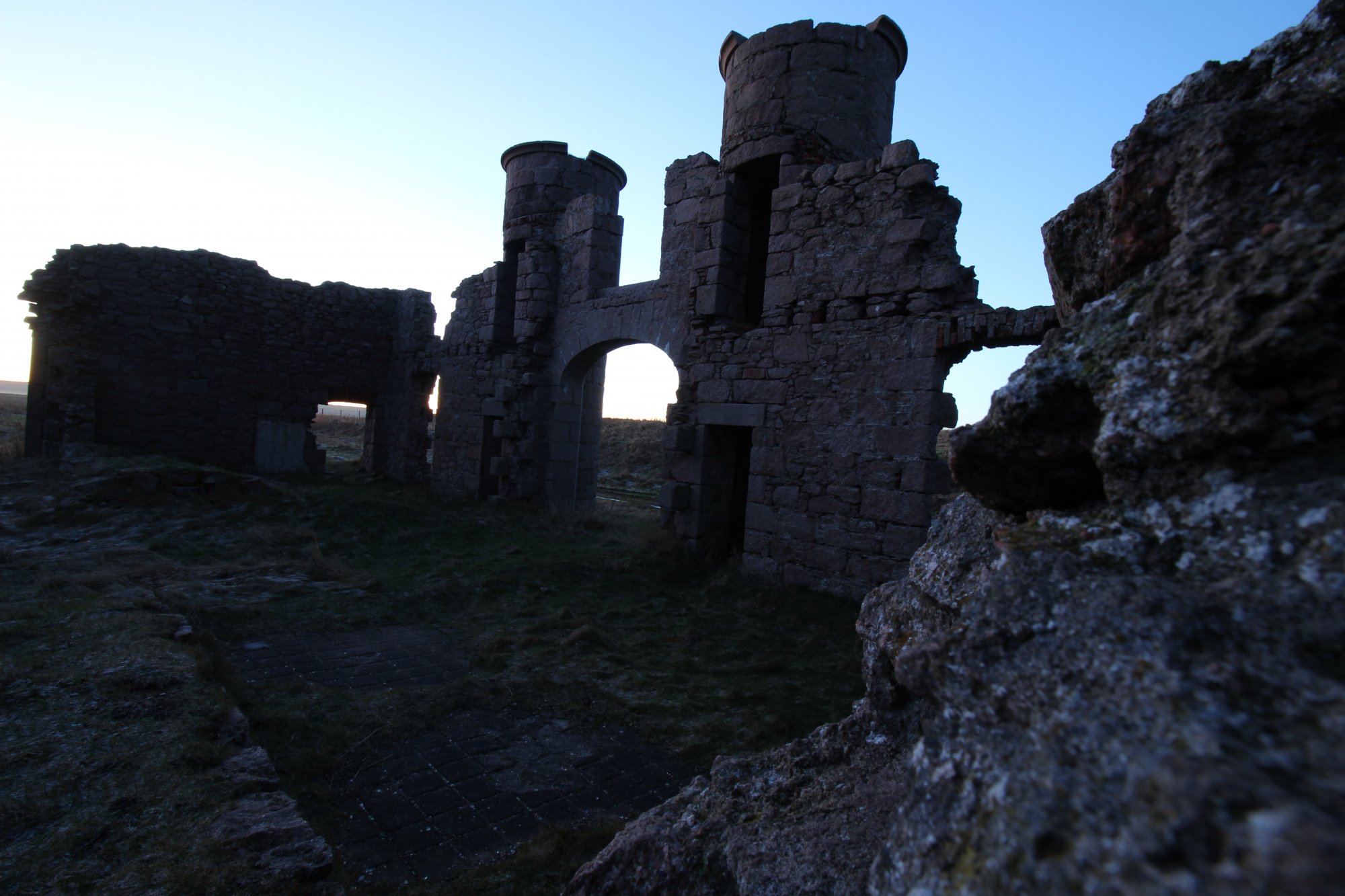
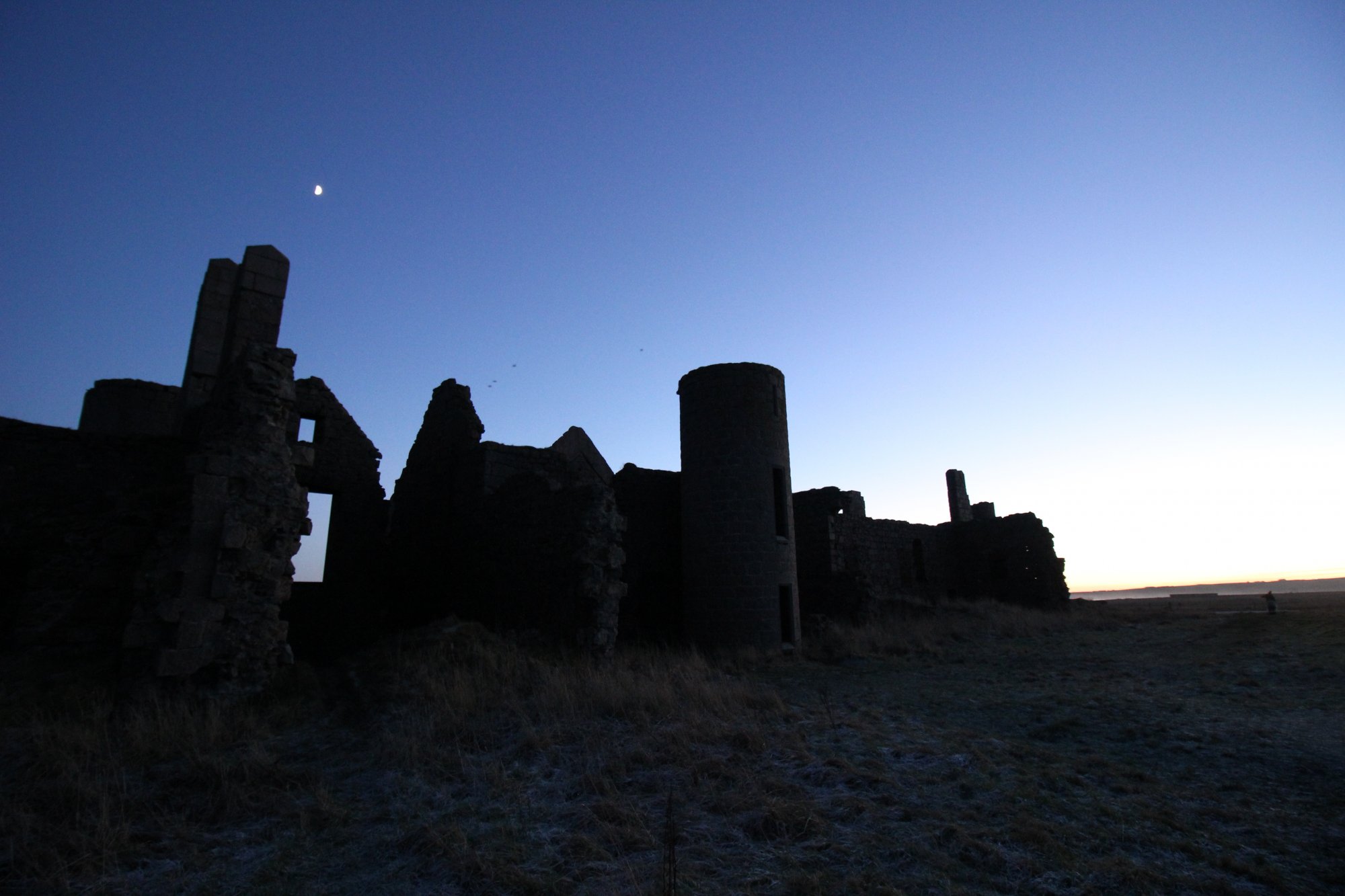
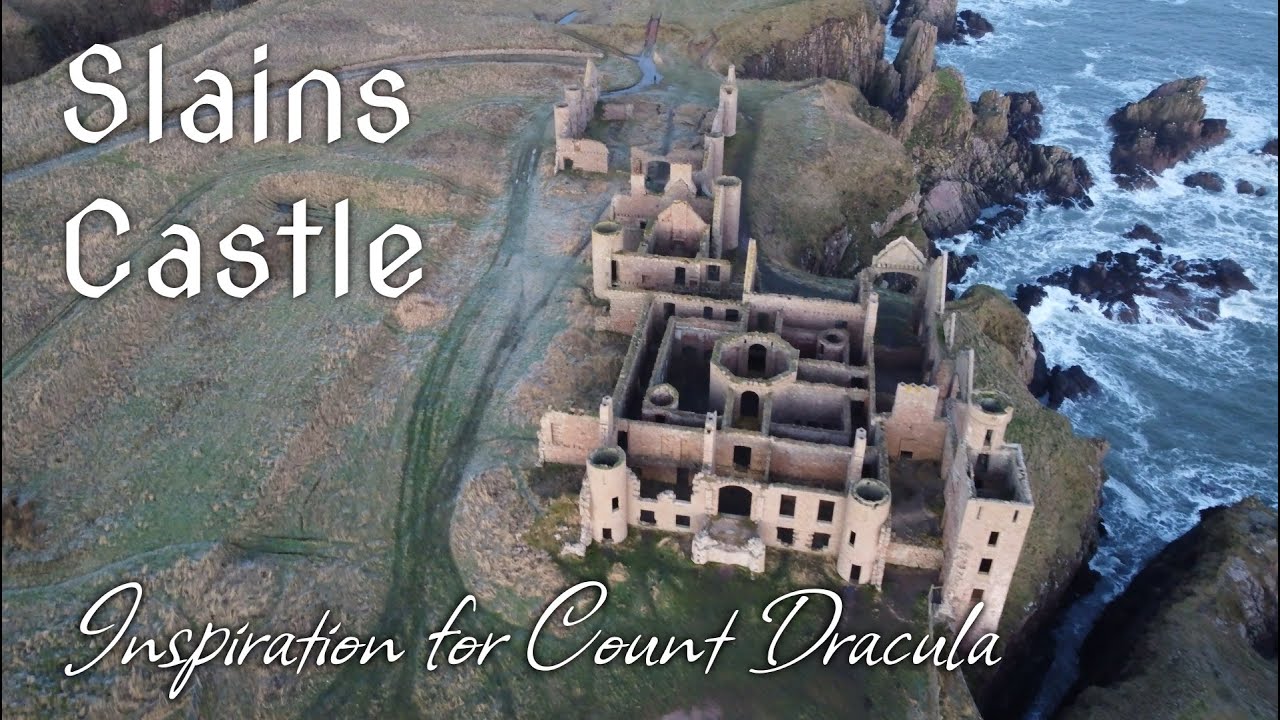
Dominating the fractured, wave-cut cliffs north of Cruden Bay, Slains Castle is a haunting masterclass in maritime decay. While its roots date to the 16th century, the fortress reached its cultural zenith during the 19th century, evolving into a grand estate that served as a playground for the aristocracy and literary elite. It is here that the intersection of history and mythology becomes most potent; Bram Stoker, the creator of the iconic Dracula, was a frequent visitor to the castle, and it is widely believed that the dramatic coastal architecture and the castle's dark, gothic atmosphere provided the fundamental inspiration for the Count’s own brooding stronghold. Today, the roofless, sea-swept ruins stand as an open-air monument to the relentless power of the North Sea, offering a raw experience for those who appreciate the aesthetic of the abandoned and the sublime.
Geographic Risks and Preservation Status
Because Slains Castle is not a managed visitor center—there are no roped-off pathways, security guards, or modern safety fencing—exploring the site requires a high degree of personal responsibility:
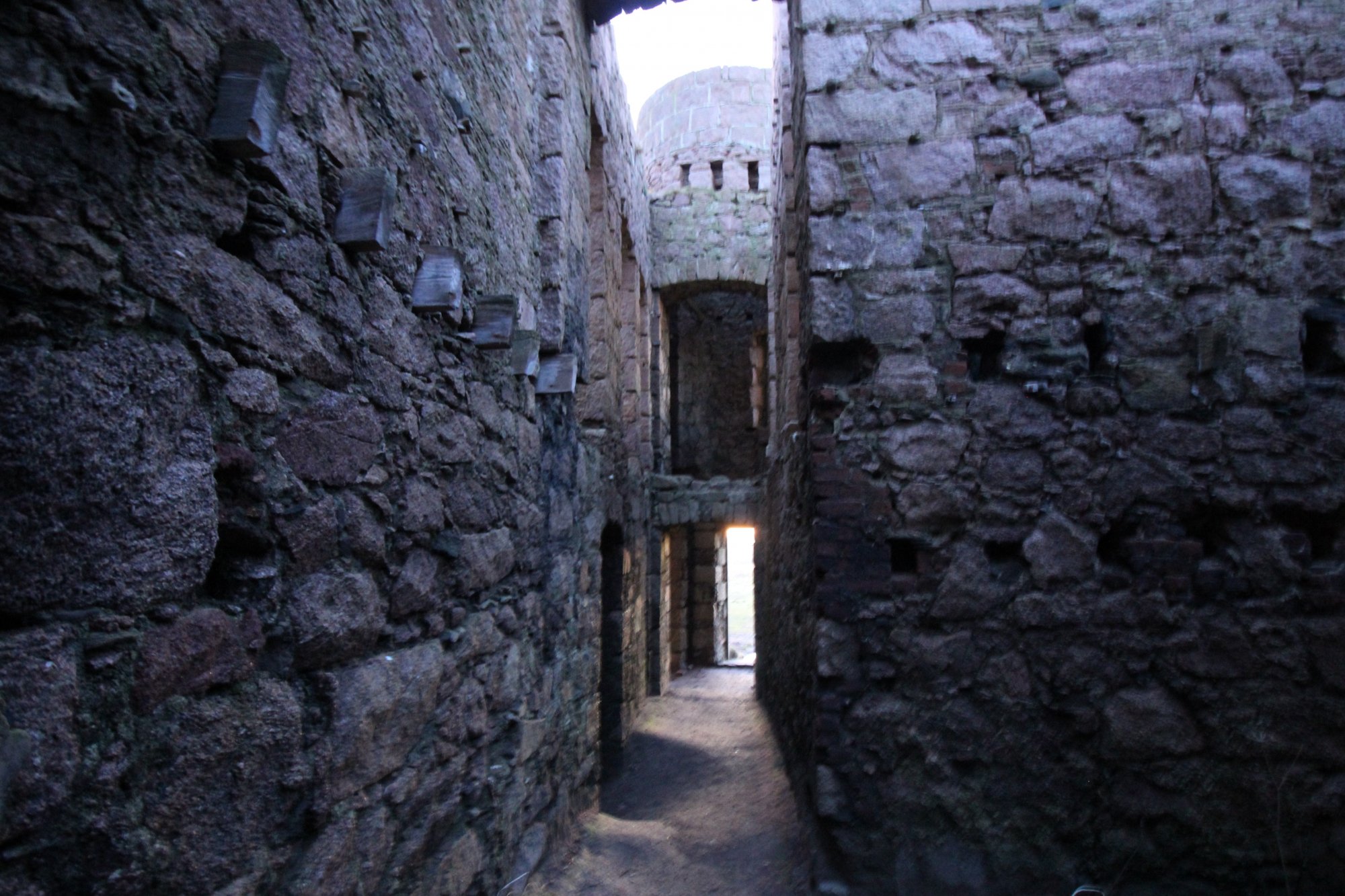
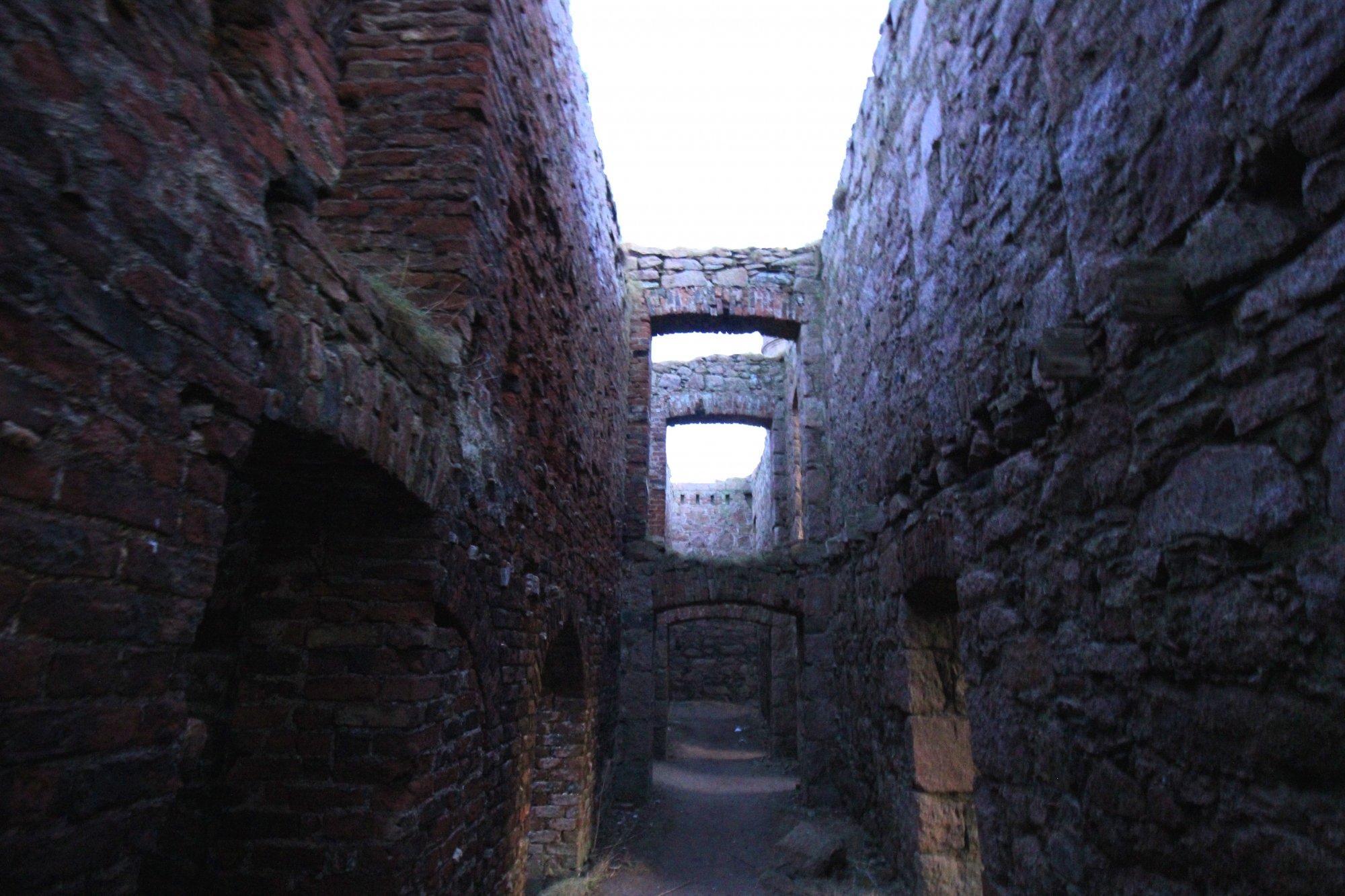
- Structural Instability: The ruin has been fully exposed to the volatile Cruden Bay weather for over a century. Walls that appear solid are frequently weakened by salt spray and freeze-thaw cycles, making the interior stone corridors potentially hazardous for reckless exploration.
- Cliffside Gravity: The castle’s foundation terminates abruptly at the very lip of high, vertical sea cliffs. With no safety barriers in place, the margin for error is non-existent. Over the decades, the site has been the scene of tragic falls, particularly during periods of high wind or dense coastal haar (fog) which obscures the cliff edge entirely.
- Access Requirements: The ruins are reached via a simple coastal walk from the village of Cruden Bay. There is no on-site infrastructure, meaning travelers must be entirely self-sufficient, wear sturdy walking footwear, and maintain extreme vigilance near the perimeter walls.
Cinematography, Audio, and Technical Production Integration
For independent filmmakers and digital storytellers, the ruins act as a cinematic "super-location," providing infinite opportunities to frame history against the backdrop of the North Sea:
- Capturing Gothic Moods: The most striking visual element of Slains is the contrast between the dark, textured stone walls and the grey-blue Atlantic horizon. To emphasize the "Dracula-esque" gothic aesthetic, film during the mid-morning or late-afternoon "blue hour"; the muted, soft light removes the harsh sun glare and emphasizes the deep shadows within the ruined rooms. Using a high-efficiency Circular Polarizer (CPL) is essential to eliminate the bright reflections off the wet, salt-covered stonework, revealing the rich details of the aged masonry.
- Acoustic Storytelling: The castle’s unique design—a series of open, hollowed-out chambers—creates extraordinary acoustic echoes. To cleanly capture the atmospheric soundscape (such as the low, haunting roar of waves smashing against the cliff base below, which echoes up through the castle’s central open-air courtyard), field recorders should be placed deep within the interior rooms to provide a "caged", booming sound effect, distinct from the open-air wind noise. Enclosing directional microphones within a professional, multi-layered fur windjammer is mandatory; the wind on this headland can be powerful enough to rip unsecured equipment from tripods.
Conclusion: A Monumental Ghost of the Coast
Slains Castle is an essential stop for any explorer traversing the Aberdeenshire shore. By seamlessly blending the literary legacy of Bram Stoker with the raw, unstable geometry of its clifftop ruins, it leaves a lasting impression on the creative soul. It remains a timeless, essential sanctuary—a brilliant, light-filled yet ominous arena where the history of the Erroll family meets the relentless erosion of the North Sea, rewarding all who come to walk along its majestic and dangerous edge.