



The Edge of Caithness: Navigating the Double Fortress and Coastal Cliffs of Castle Sinclair Girnigoe
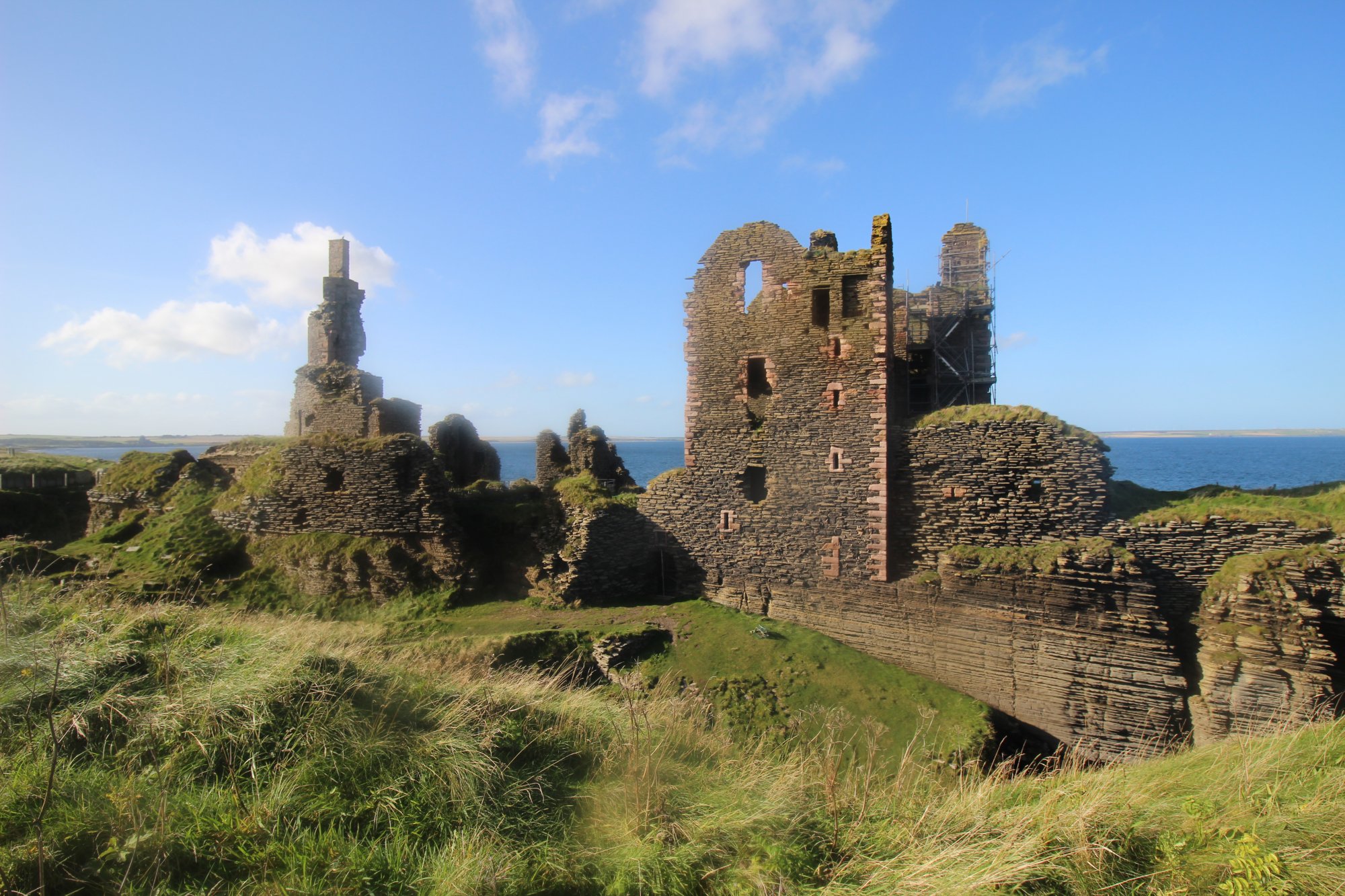
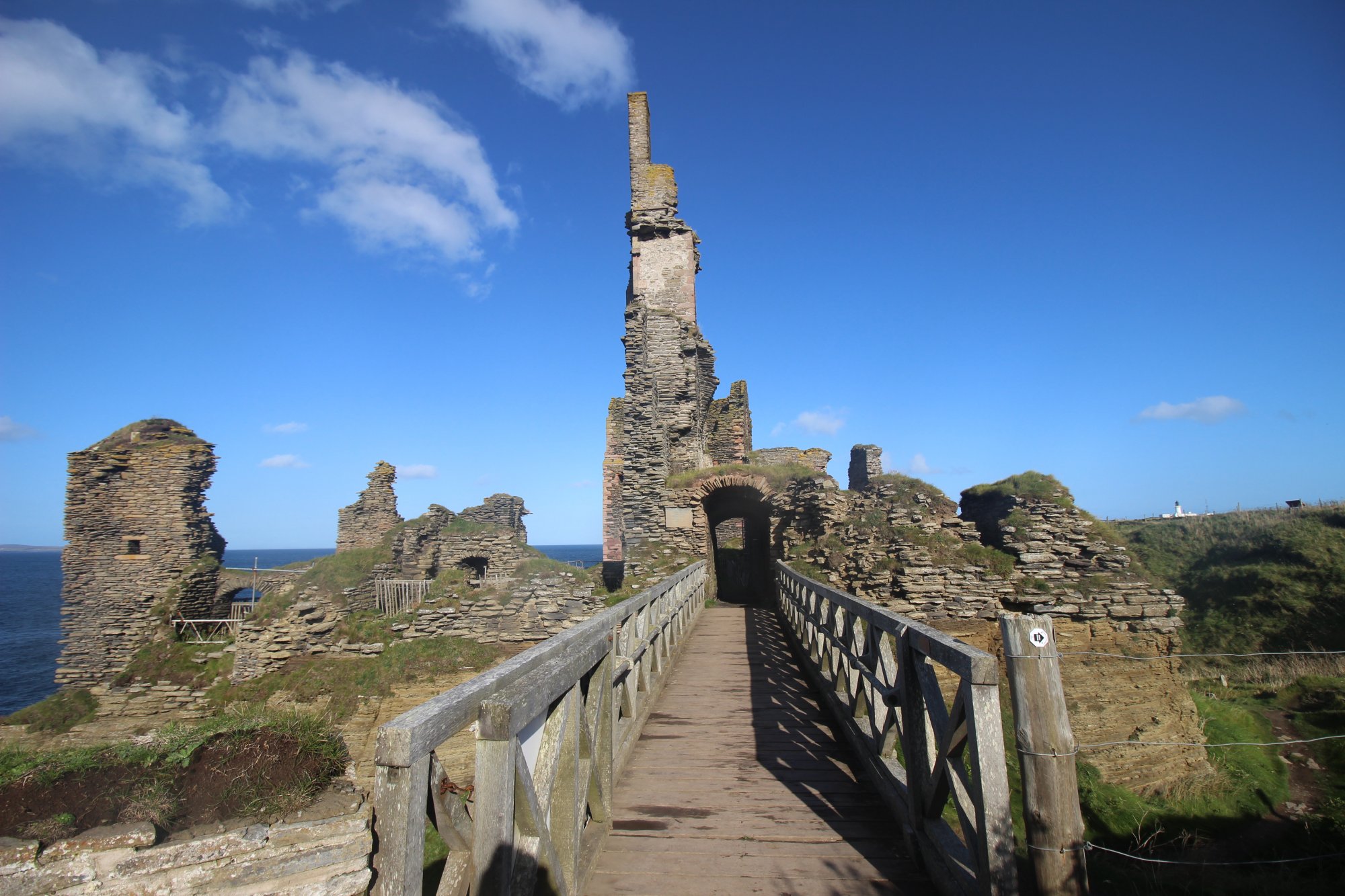
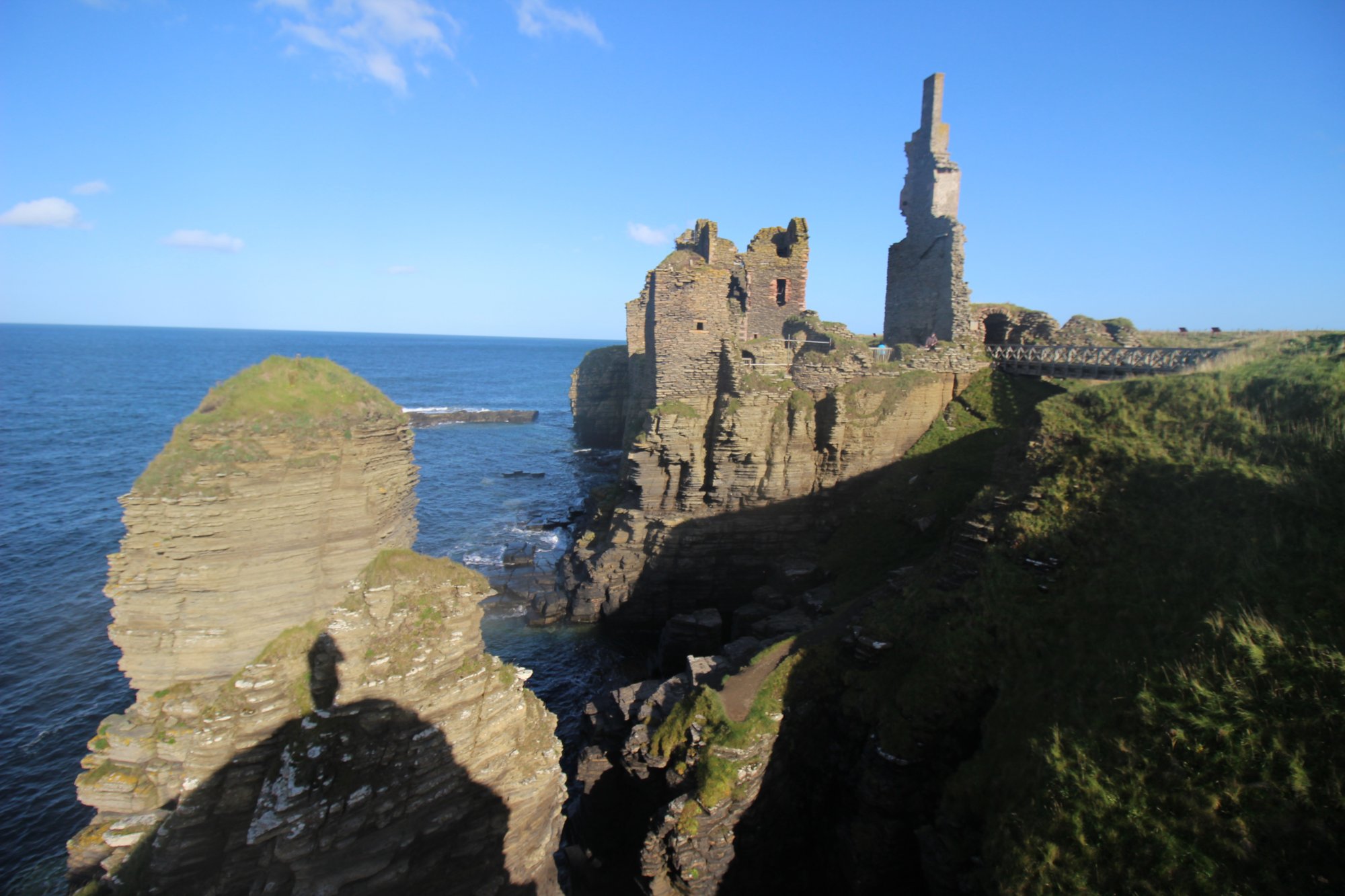
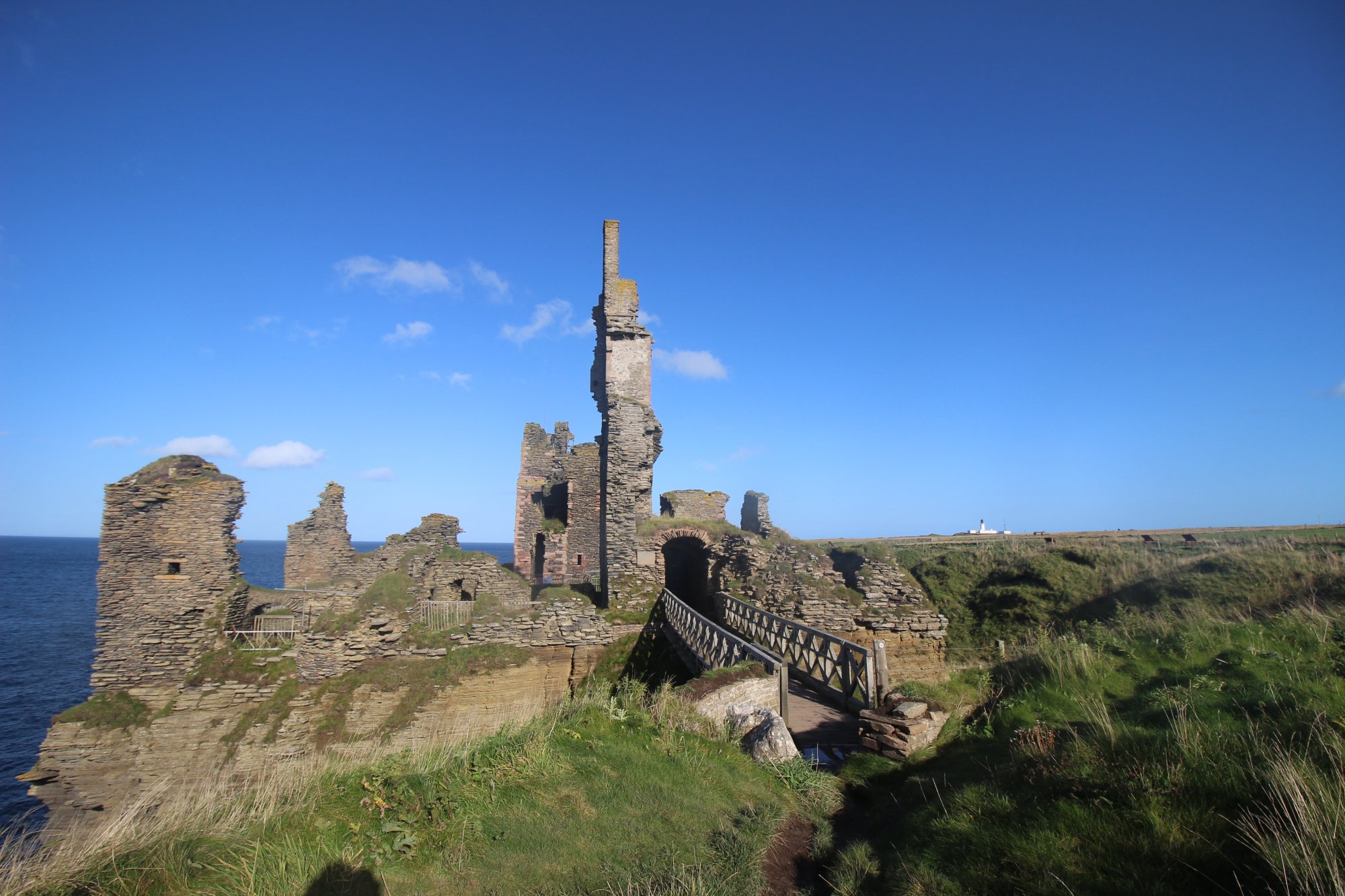
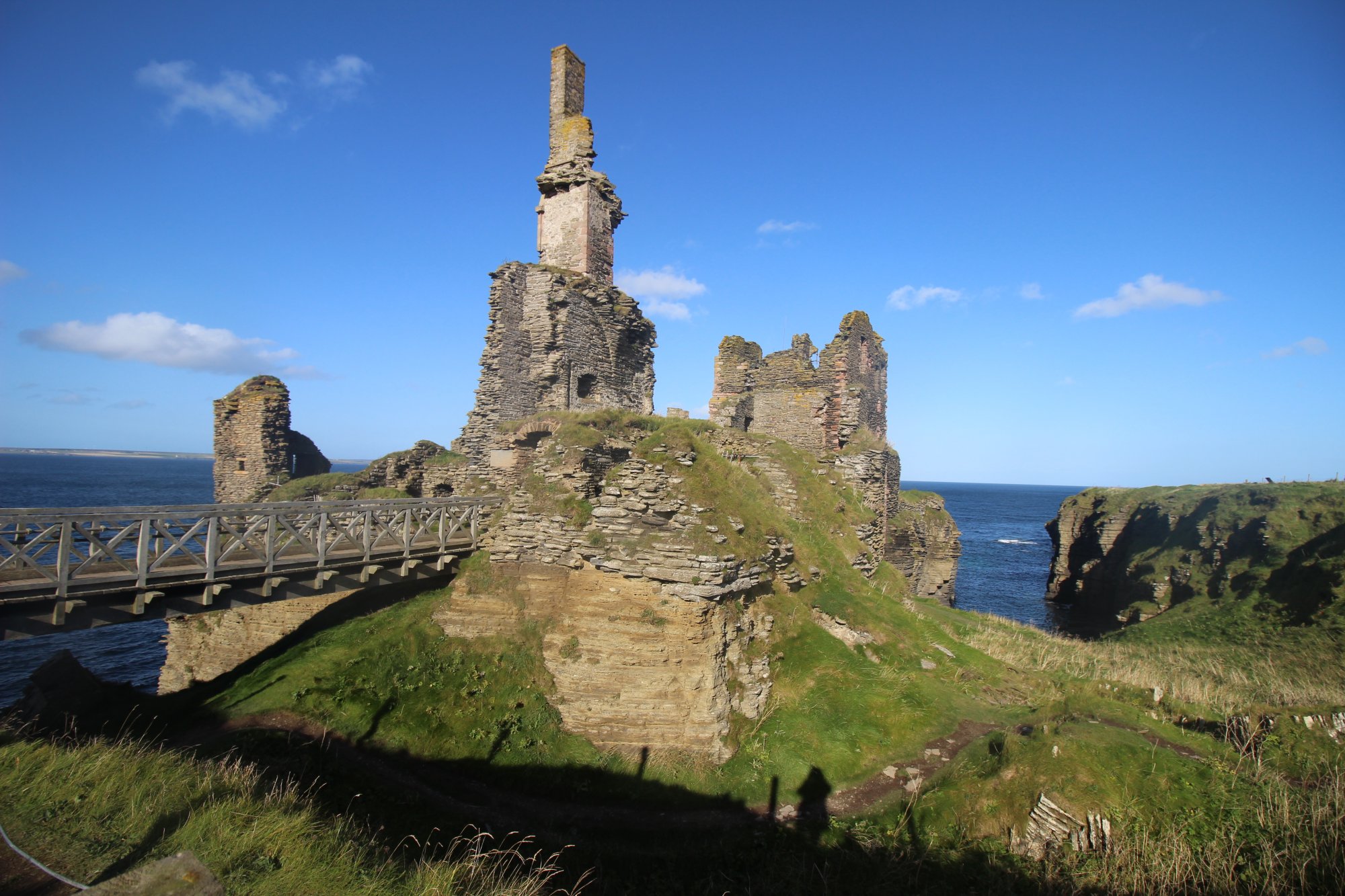
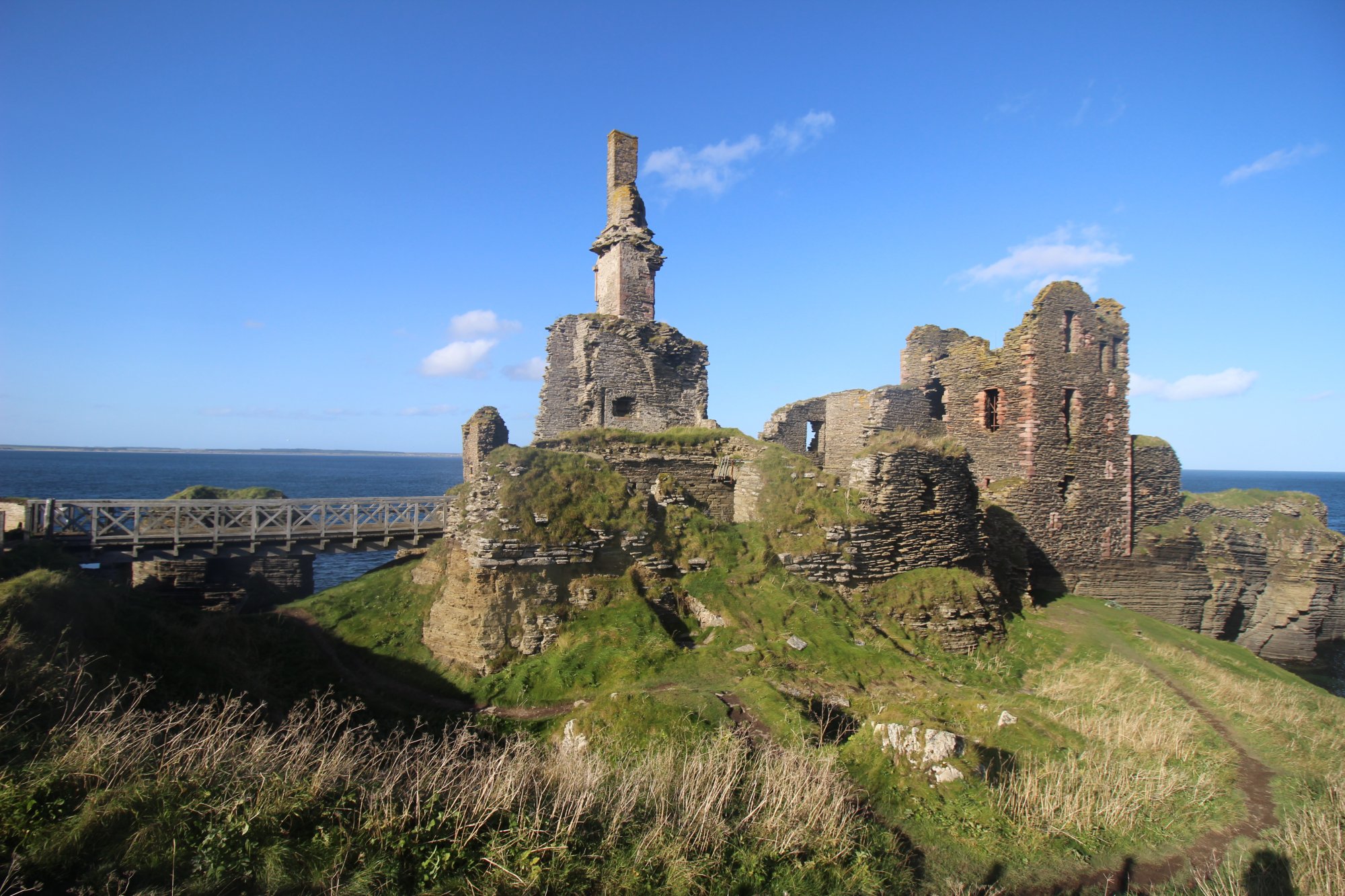
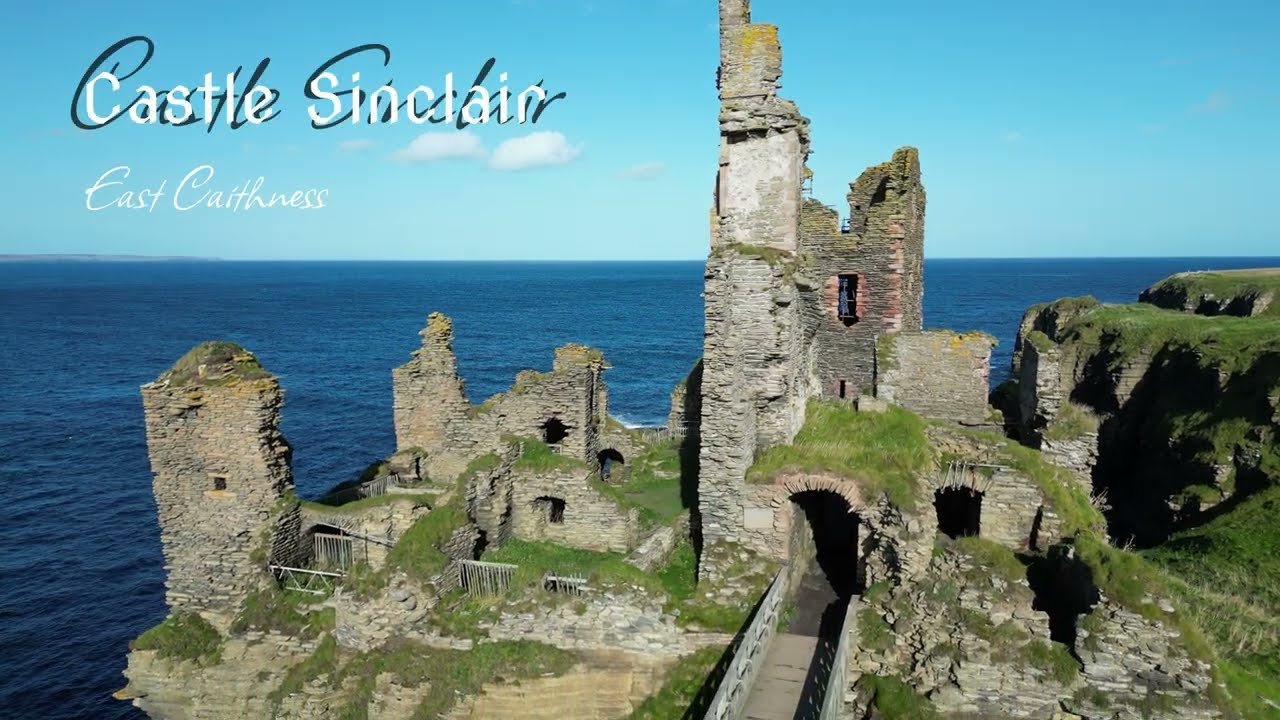
Defying the high-velocity elements of the North Sea on the rugged eastern edge of Caithness, Castle Sinclair Girnigoe represents a monumental pinnacle of medieval coastal architecture. Widely celebrated as one of the most breathtaking stops along the North Coast 500 route, this complex features the dramatic, fractured ruins of two distinct 15th- and 16th-century strongholds perched on a narrow, vertical cliff finger. Divided by a deep, terrifying natural ravine and linked by a small stone bridge, the fortress carries an atmosphere of unyielding, wild isolation. Despite its seemingly unconquerable coastal positioning, it stood at the very center of bloody historical conflicts, changing hands repeatedly through bitter, long-running territorial claims between Clan Sinclair and Clan Campbell.
The Promontory Blueprint: Double Fortresses and the Noss Head Beacon
The physical layout of the Castle Sinclair Girnigoe site is meticulously adapted to its jagged coastal geology, offering unique environmental perspectives and textures for exploration:
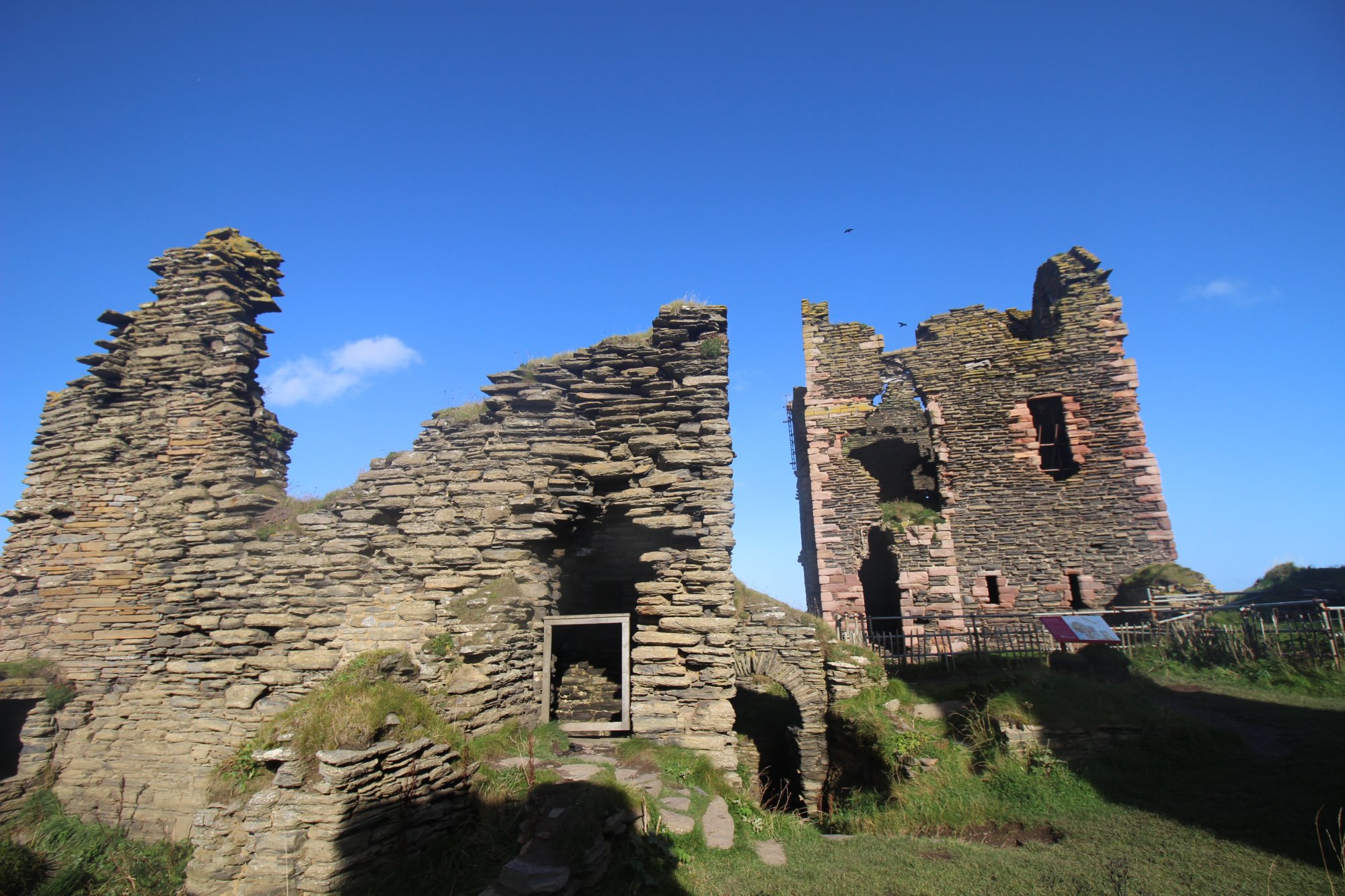
- The Split Stronghold: The site is unique because it technically comprises two interconnected fortresses. The earlier 15th-century Castle Girnigoe sits on the outermost tip of the rock, while the late 16th-century Castle Sinclair occupies the landward side. The deep, wave-cut ravine cutting between them forces a high-contrast visual separation that highlights the extreme architectural daring of its builders.
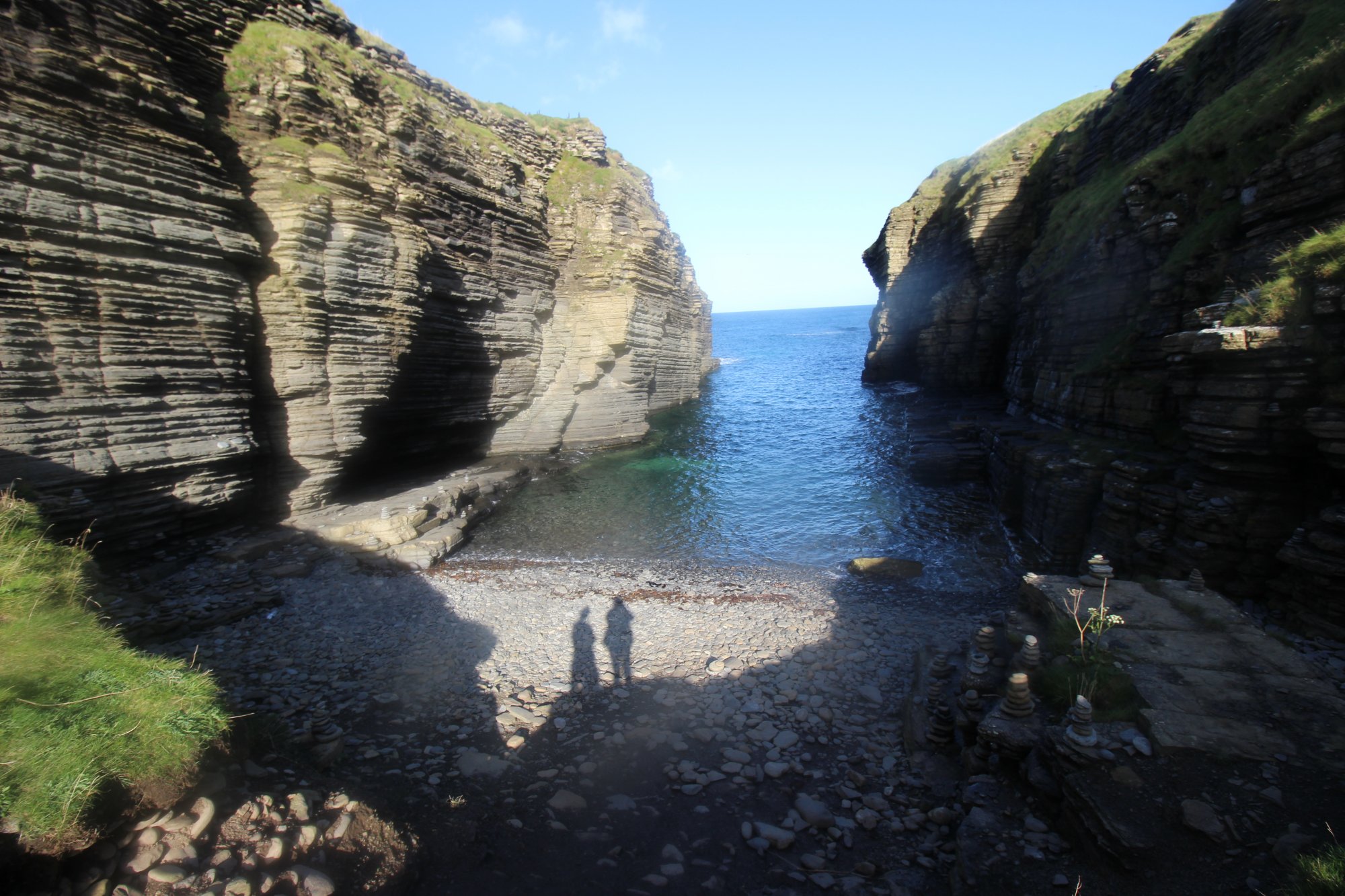
- The Historic Siege Gateways: Visitors explore via secure modern walkways that trace the ancient defensive drop-gates and secret sea staircases. These passages were once used to haul supplies straight out of the boiling surf below, offering an exceptional window into medieval naval defense strategy.
- The Noss Head Lighthouse: Tracking further east along the clifftop path reveals the striking silhouette of the nearby lighthouse. Standing proudly on the headland, this white-washed tower serves as a beautiful, high-contrast focal element that anchors wide-angle coastal tracking shots and adds an elite nautical layers to the historic landscape.
Trail Logistics and Visitor Planning
The site is beautifully preserved and managed with a focus on raw, uncommercialized wilderness, requiring travelers to plan ahead:
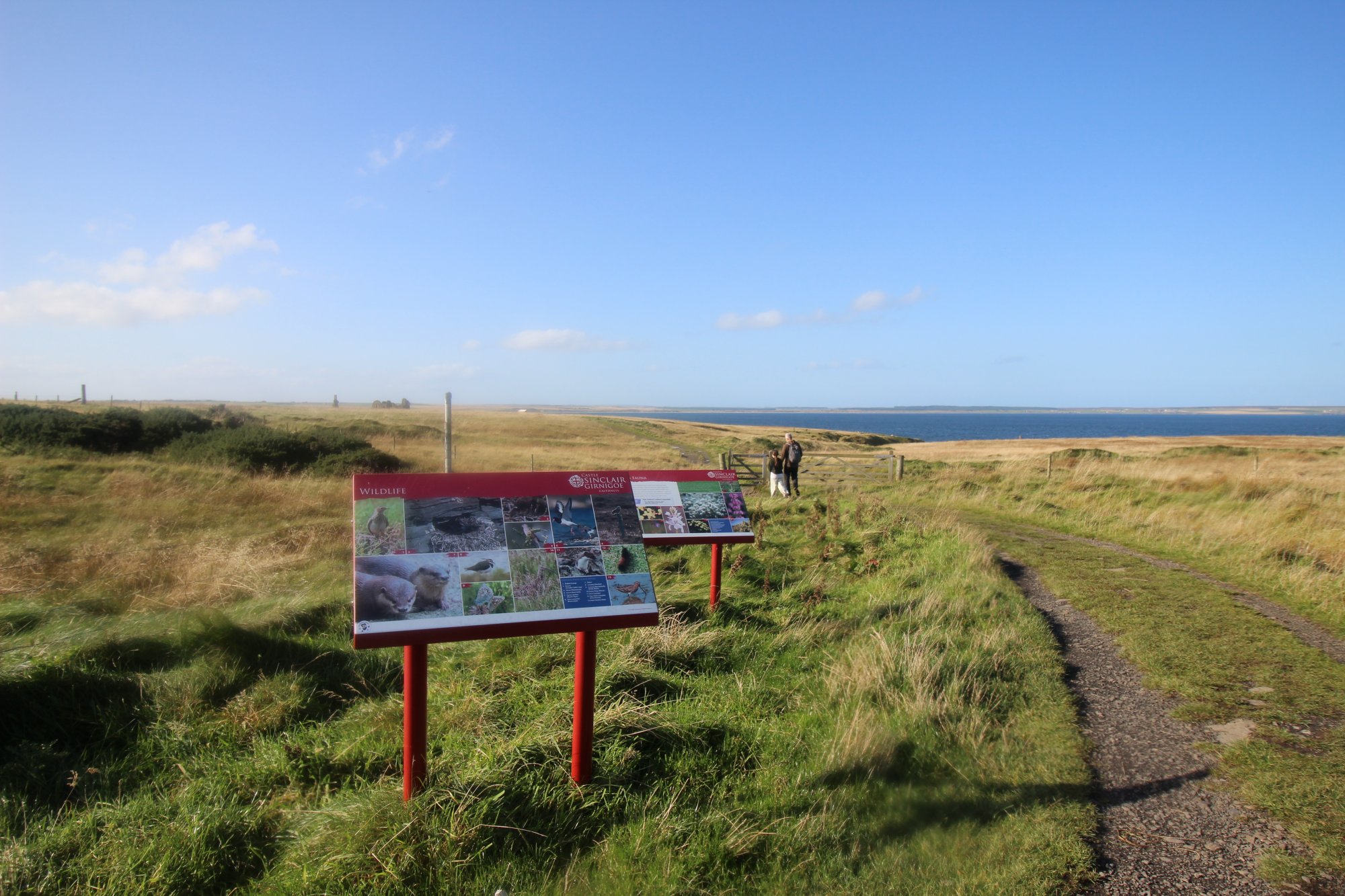
- Transit and Approach: The location is reached via a narrow single-track road leading from Wick straight to a dedicated public parking area. The car park is modest in size and fills up rapidly during peak summer afternoons. From the lot, a flat, grass-lined 15-minute coastal walk leads hikers along the cliff edge straight to the castle gates.
- Infrastructure: In keeping with its pristine wilderness status, there are no public toilets, refuse bins, or commercial visitor centers on-site. Creators and travelers must follow strict Leave No Trace principles, ensuring all waste is carried back to Wick. The paths are exposed to the open sea, making windproof gear and sturdy footwear essential.
Cinematography, Audio, and Technical Production Integration
For independent filmmakers, digital content creators, and stock footage producers, Castle Sinclair Girnigoe serves as an exceptional natural studio, offering rich stone textures and vast horizons:
- Managing Red Sandstone Exposures and High Contrast: The warm, weathered red stone of the castle walls creates a striking visual contrast against the deep blues of Sinclair’s Bay. To prevent bright mid-day sun from bleaching out the intricate stone carvings, utilizing a high-efficiency Circular Polarizer (CPL) is mandatory to cut through leaf and water glare. The ultimate time for filming is during the late afternoon golden hour or early morning sunrise; the low sun angle hits the seaward-facing walls directly, making the medieval masonry appear to glow with a deep, fiery amber warmth. Pairing this with a variable ND filter allows creators to shoot wide open ($f/1.8$ to $f/2.8$), keeping the crisp ruins sharp while rendering the distant horizon and the Noss Head Lighthouse into a beautifully soft, cinematic background.
- Acoustic Mapping and Wind Control: The narrow promontory is completely vulnerable to severe, high-velocity North Sea wind shear. To capture the pure, atmospheric audio of the location—such as the deep, booming roar of waves crashing inside the sea caves beneath the bridge and the high-frequency cries of nesting gulls—field recorders must be placed down within the natural lee of the remaining stone towers or within the deep cleft of the ravine. Enclosing microphones within a professional, multi-layered fur windjammer is essential to cleanly isolate these rich, low-frequency coastal sounds from destructive wind distortion.
Conclusion: A Monumental Confluence of History and Sea
Castle Sinclair Girnigoe represents the absolute pinnacle of Scotland's rugged coastal identity. By seamlessly combining its tumultuous clan history with a terrifyingly abrupt double-fortress layout, scenic lighthouse vistas, and a deep sense of isolated majesty, this Caithness treasure leaves a permanent mark on every creative explorer. It remains a timeless, essential sanctuary—a towering arena of stone and sky where the legendary past of the Sinclairs meets the relentless rhythm of the North Sea, rewarding all who come to stand along its wild edge.