



The Luminescent Estuary: Navigating the Tidal Channels and Silvery Beaches of Morar
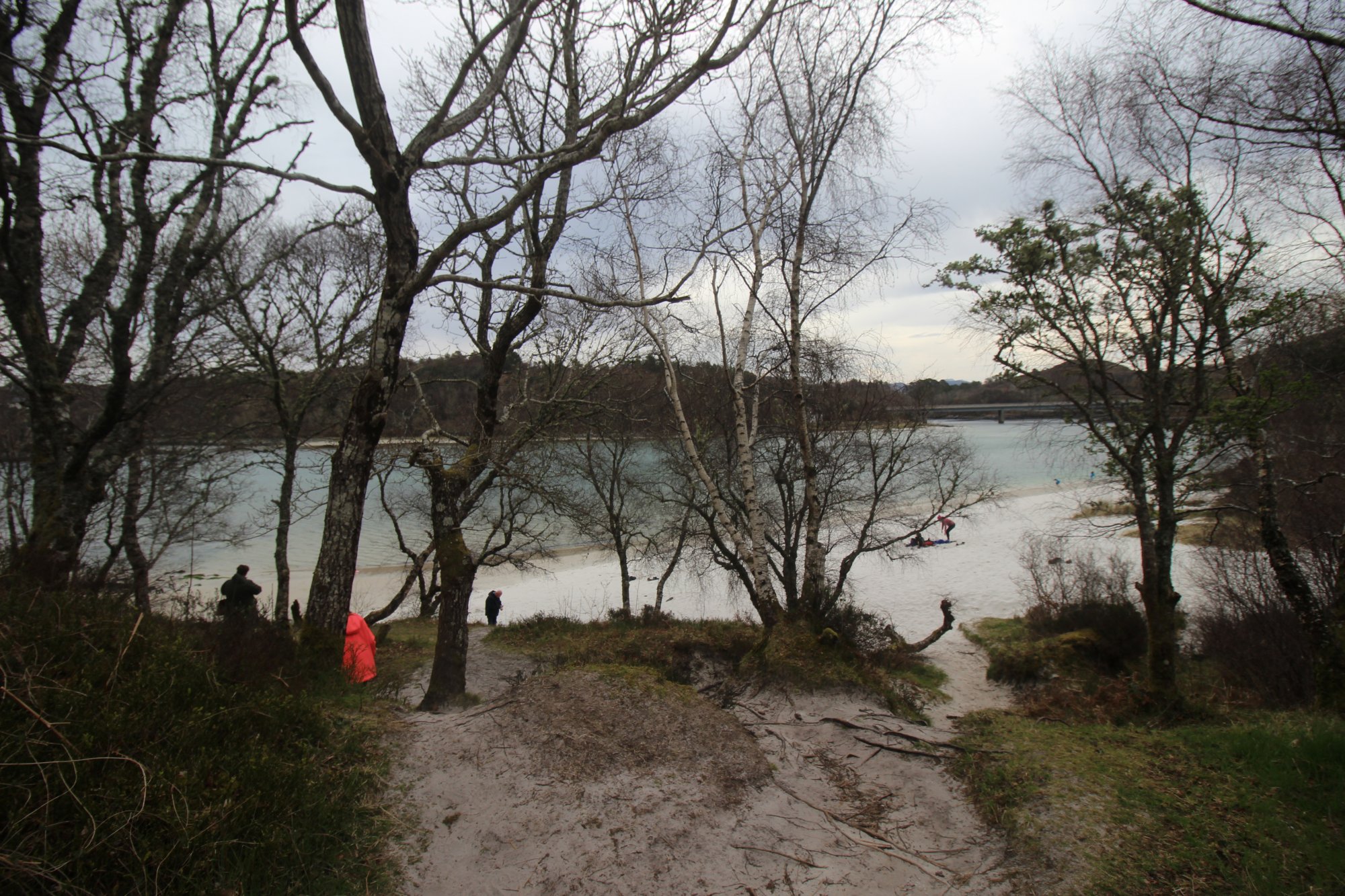
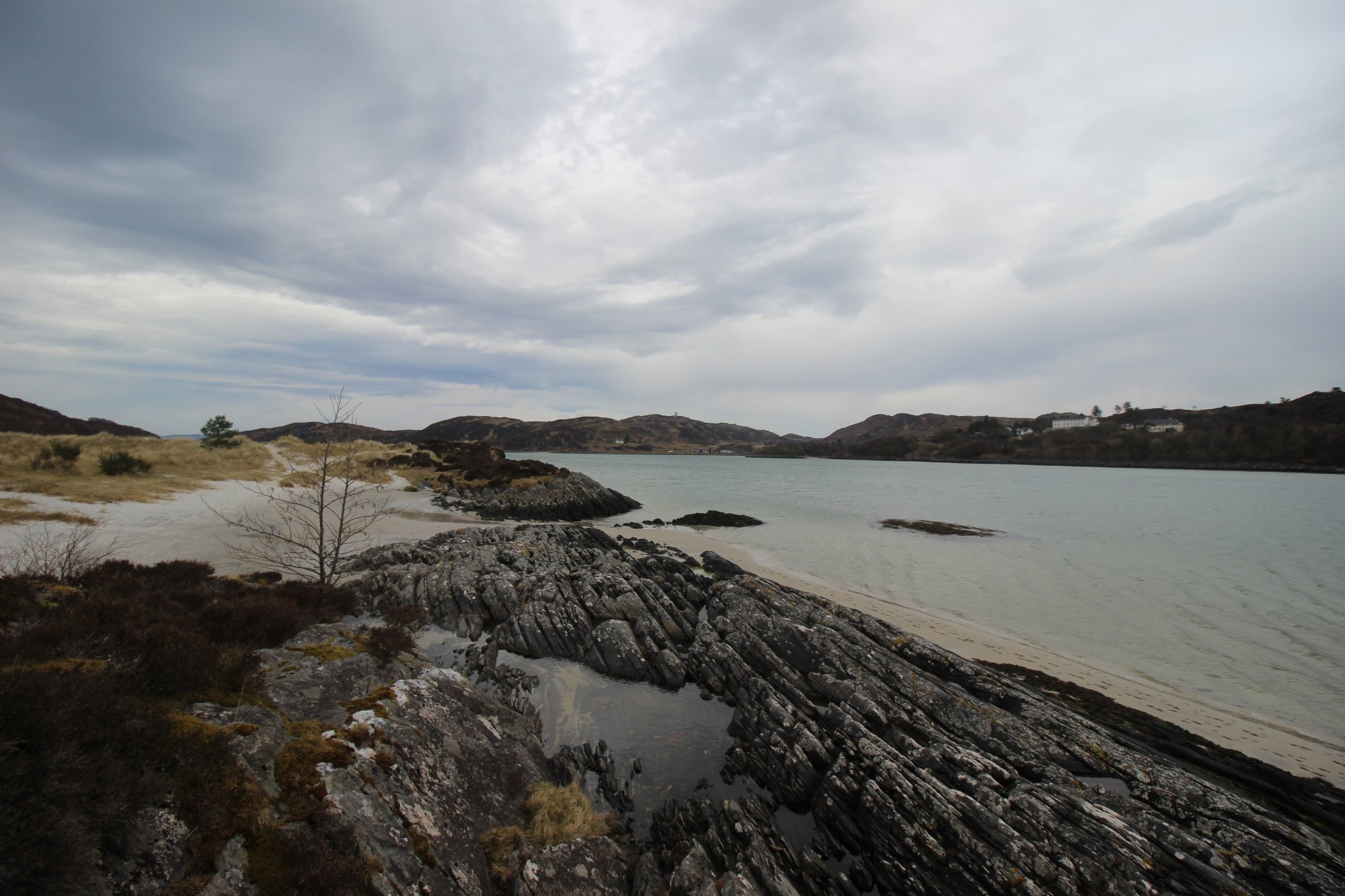
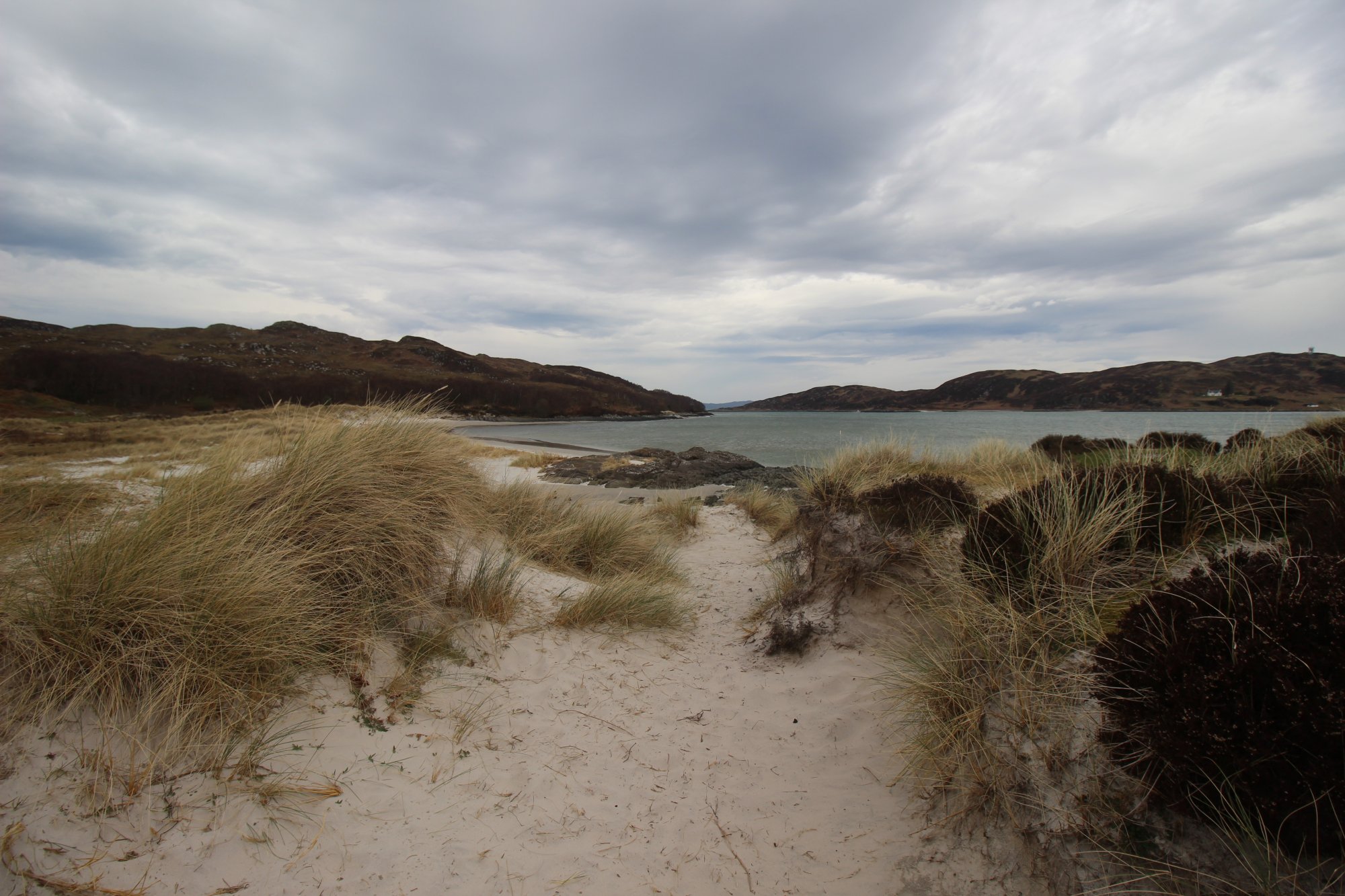
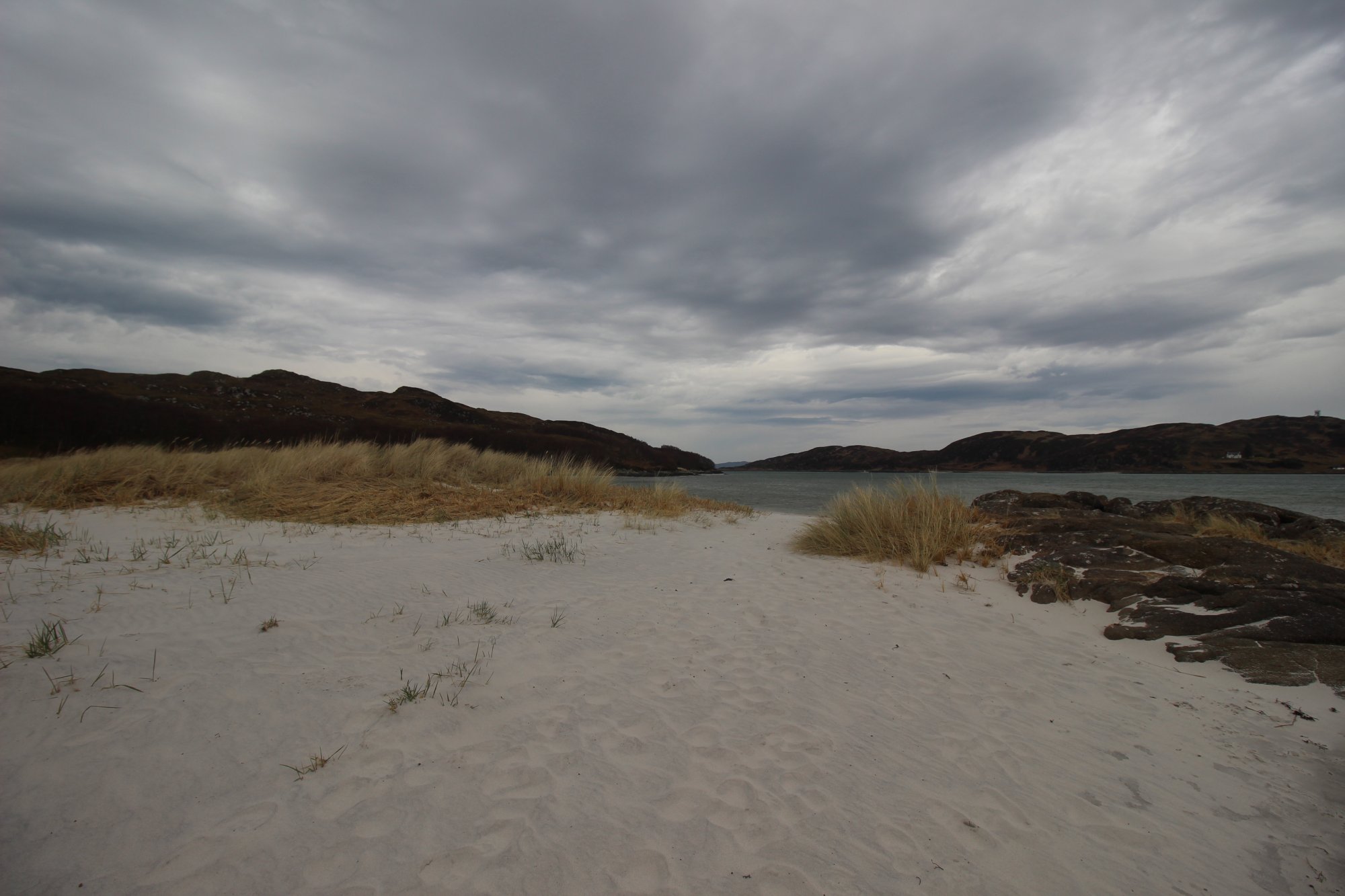
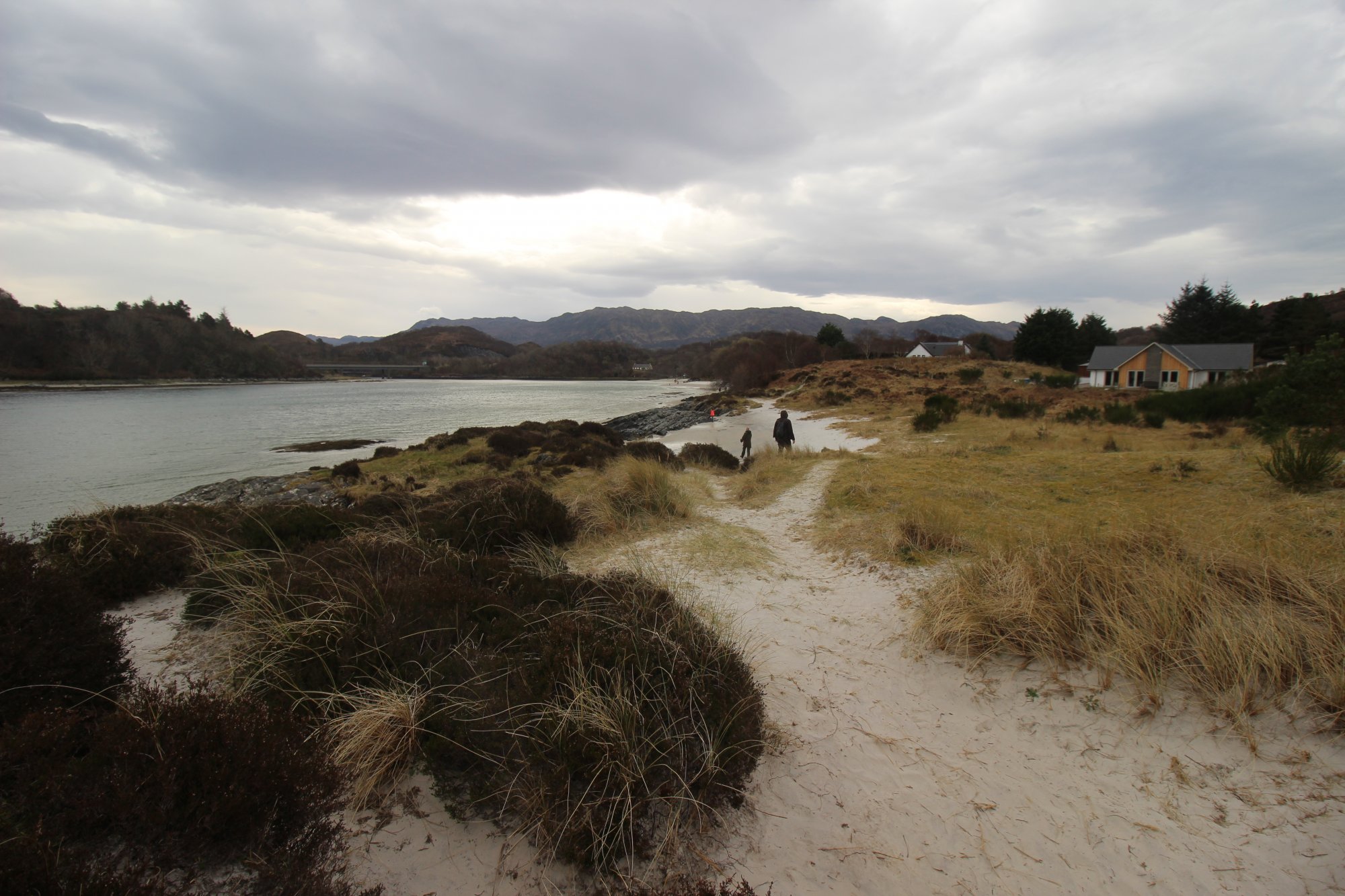
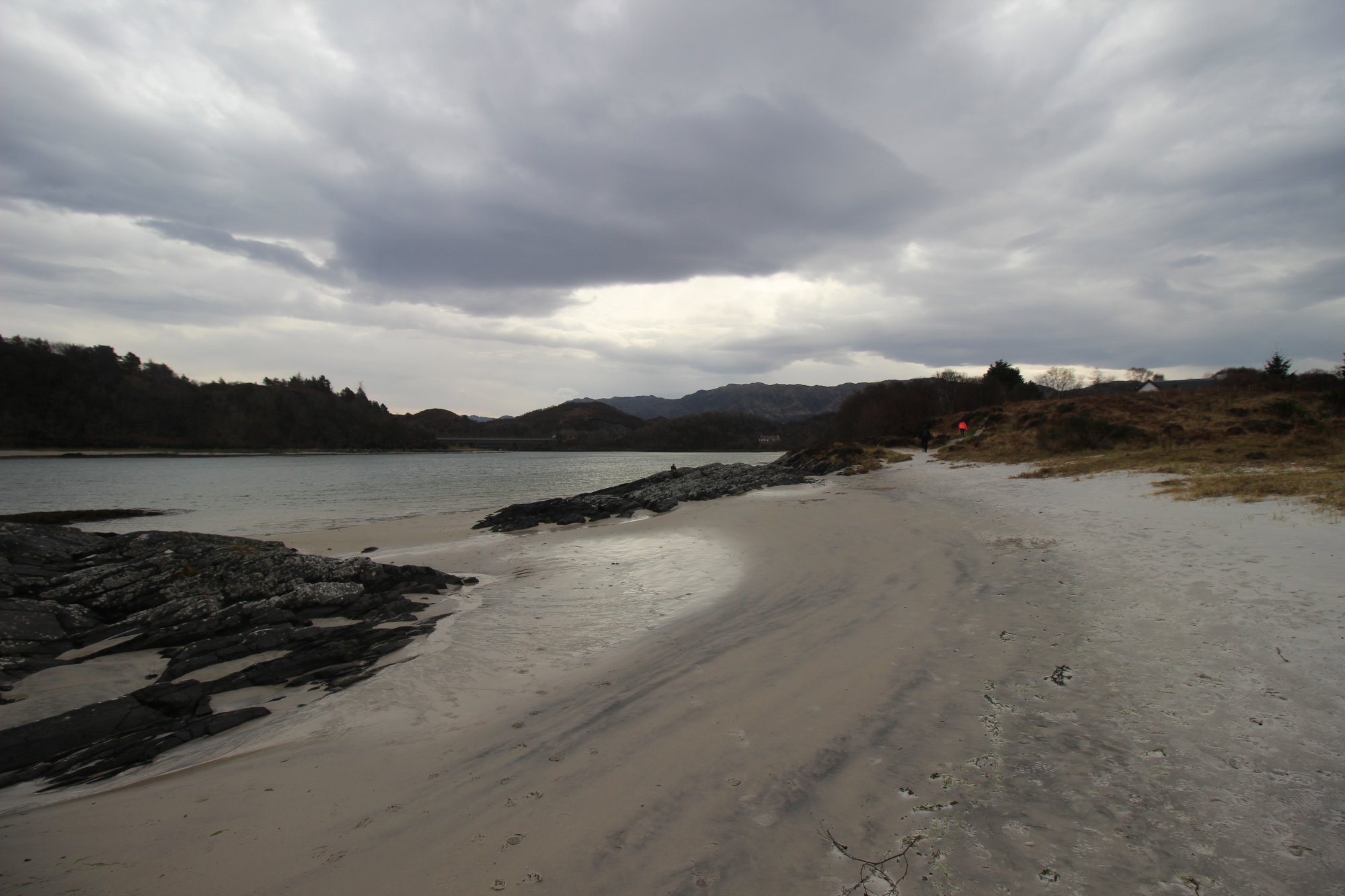
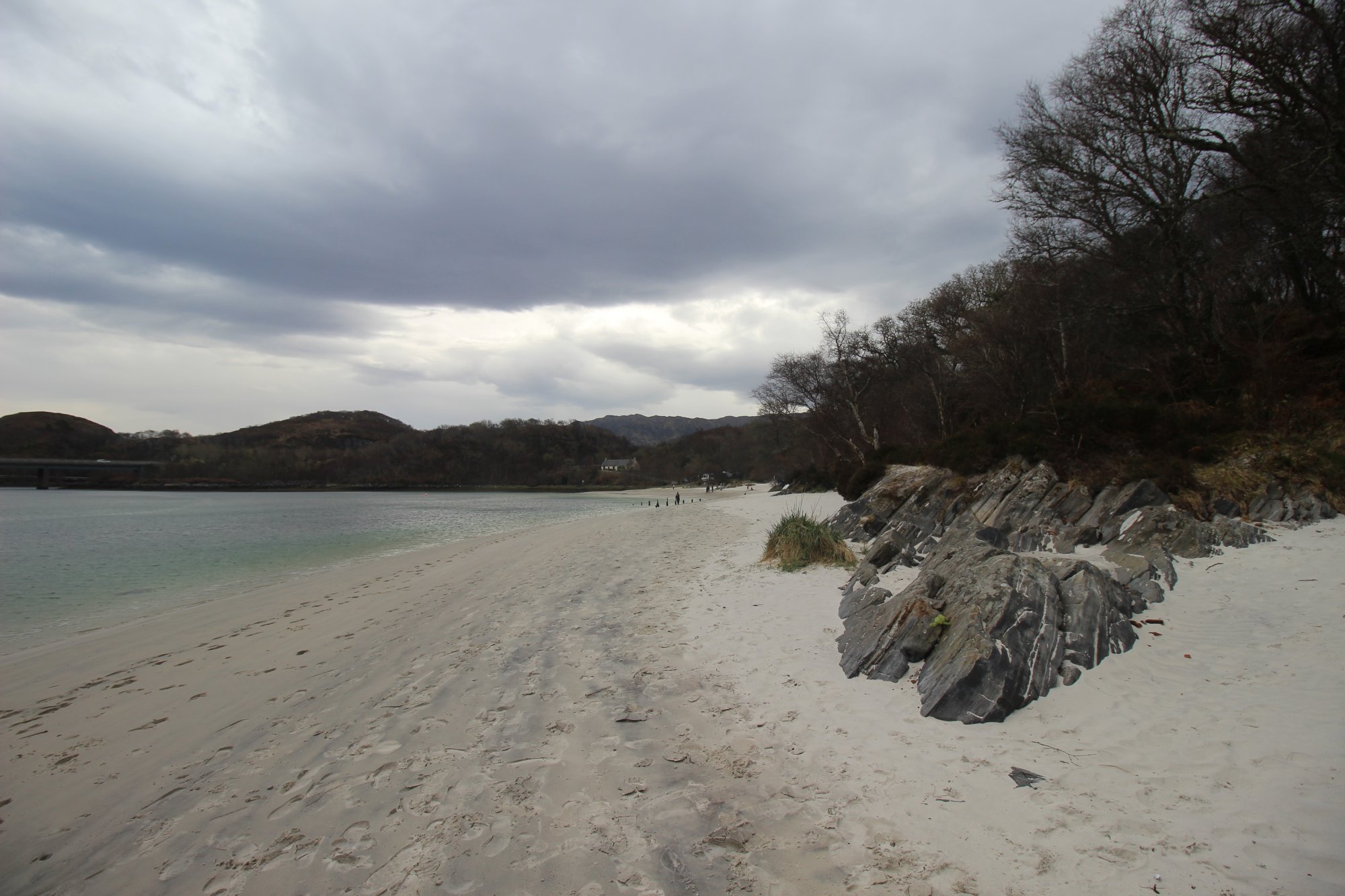
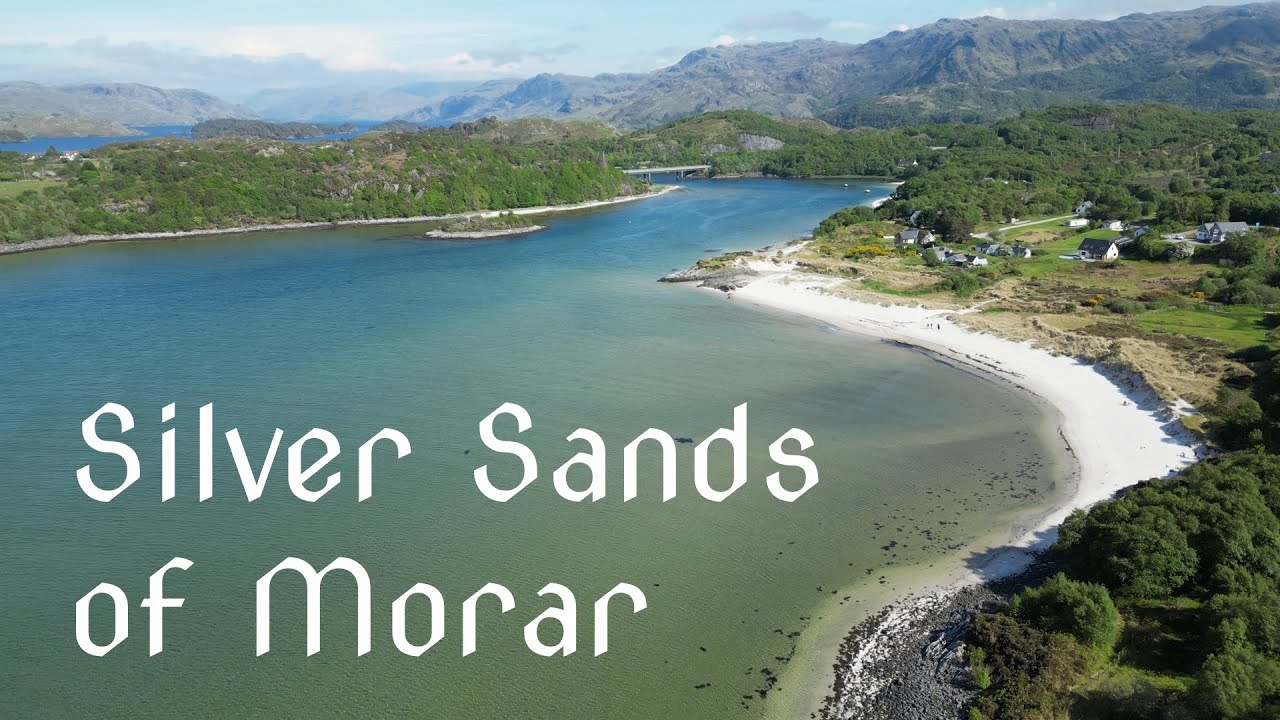
Stretching gracefully along the rugged coast of northwestern Lochaber, the Silver Sands of Morar represent one of the most visually dazzling and geologically unique coastal landscapes in the United Kingdom. While the name is frequently used to describe the entire collection of white beaches winding south toward Arisaig, it technically identifies a distinct cluster of shoreline strands flanking the mouth of the River Morar and Morar Bay. Composed of exceptionally pure, luminescent white silica sand that gives the shallow water an intense, almost tropical turquoise clarity, these beaches are framed by majestic, far-reaching views of the Small Isles of Rum and Eigg, alongside the southern ridges of the Isle of Skye. It is a world-class arena of sand, tide, and mountain silhouettes that shifts dramatically with every turn of the Atlantic tide.
The Estuary Architecture: Mapping the Four Sands of Morar
Unlike standard oceanic bays, the Silver Sands system is divided into four distinct beaches, each defined by its specific position along the tidal river channel:
- Morar Beach (Southern Bank): The most famous and highly frequented strand in the area, immediately associated with the "Silver Sands" identity. While exceptionally beautiful and highly photogenic, its position directly adjacent to the main deep river channel means caution is required for wading, as the shallow sand drops away treacherously into fast-flowing water.
- Tougal Beach (Southern Bank): Extending out from the river mouth, Tougal features a wide, gently sloping shelf of sand that faces calmer, shallow waters. It stands out as one of the premier locations in the estuary for safe wild swimming and beach launching.
- Bourblach Beach (Northern Bank): Tucked away on the more remote, northern side of the River Morar, Bourblach offers an isolated, uncrowded sanctuary reached via a scenic walk, backed by low, rocky hills and coastal machair.
- Sgeir Dubh / Black Rock Beach (Northern Bank): Situated on the northern edge of Morar Bay, this beach is punctuated by dark metamorphic rock formations that provide an exceptional visual contrast to the brilliant white sand. Its sheltered position makes it a phenomenal, safe haven for swimming and shallow-water exploration.
Estuary Logistics: Tidal Currents and Kayak Navigation
Exploring this magical wilderness safely requires an advanced understanding of its unique estuarine hydrology and seasonal visitor infrastructure:
- The Tidal Matrix: Because these beaches line the mouth of a powerful river system, the transition between low and high tide creates immense hydraulic energy. Where the fresh water meets the Atlantic, strong undercurrents, ripping rip tides, and localized whirlpools materialize instantly within the central channel. Visitors must strictly track local tide tables before entering the water.
- The Paddler's Highway: For independent kayakers and canoeists, Morar Bay is an absolute paradise. The proximity of the four beaches allows paddlers to launch from the southern road network and easily island-hop or beach-hop across the turquoise shallows from Tougal to Sgeir Dubh. Navigating at slack water provides a glassy, mirror-like surface perfect for effortless paddling.
- On-Site Amenities: The area features modest public parking areas off the old coastal route (B8008), which can fill up rapidly during sunny summer weekends. There are basic public toilet facilities available near the main beach access points, but no commercial stores, ensuring the wild, pristine character of the Lochaber coast is fully preserved.
Cinematography, Audio, and Technical Production Integration
For independent filmmakers, digital travel vloggers, and stock footage creators, the Silver Sands of Morar behave like a massive, natural lighting studio. The extreme reflectivity of the environment requires careful technical management:
- Controlling Pure Silica Reflections: The brilliant white sand acts as a colossal natural reflector, which can easily overexpose tracking shots and bleach out fine details. Utilizing a high-efficiency Circular Polarizer (CPL) is mandatory; it cuts through the surface glare of the water to instantly reveal the rippled sand patterns beneath the turquoise shallows. To achieve the most cinematic narrative framing, schedule shoots during the late afternoon golden hour. At this time, the low sun angle casts a warm, fiery amber glow across the peaks of Rum and Eigg on the horizon, creating a striking, high-contrast backdrop against the cool, luminescent blue water. Pairing this with a variable ND filter allows creators to maintain wide apertures ($f/1.8$ to $f/2.8$) to separate foreground elements cleanly from the sharp mountain peaks.
- Acoustic Mapping and Wind Resilience: The open expanses of Morar Bay are completely vulnerable to high-velocity Atlantic winds, which can easily introduce destructive distortion to microphone tracks. To capture the pure, atmospheric audio of the location—such as the crisp, high-frequency lap of shallow waves on sand or the deep, rhythmic rush of the river channel—field recorders should be nestled down within the sheltered lee of the dunes at Tougal or behind the rock stacks of Sgeir Dubh. Enclosing microphones within a professional, multi-layered fur windjammer is essential to cleanly isolate these delicate water sounds from wind shear.
Conclusion: The Ultimate Intersect of Land and Sea
The Silver Sands of Morar represent the absolute pinnacle of Scotland's ethereal, white-sand coastal identity. By seamlessly combining four architecturally distinct beaches with a dynamic, tidal river system and unparalleled views across the Small Isles, this Lochaber treasure leaves an indelible mark on every creative explorer. It remains an essential, timeless sanctuary—a brilliant, light-filled arena where the wild Atlantic tides sweep across pristine silver sands, challenging and inspiring the modern traveler with an authentic taste of West Coast majesty.