



The Glen of Kings: The Rich Heritage and Hidden Wonders of Pittencrieff Park
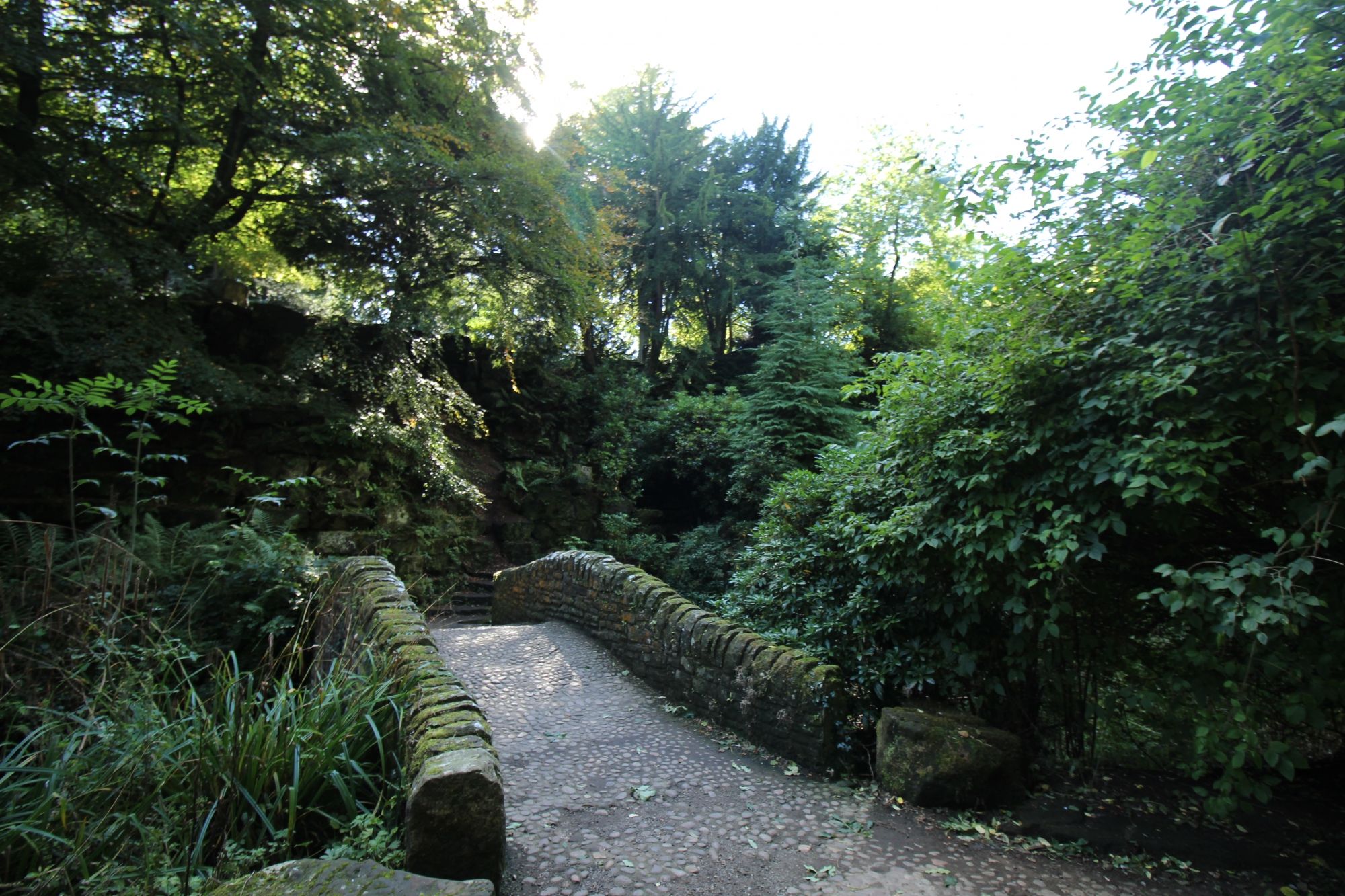
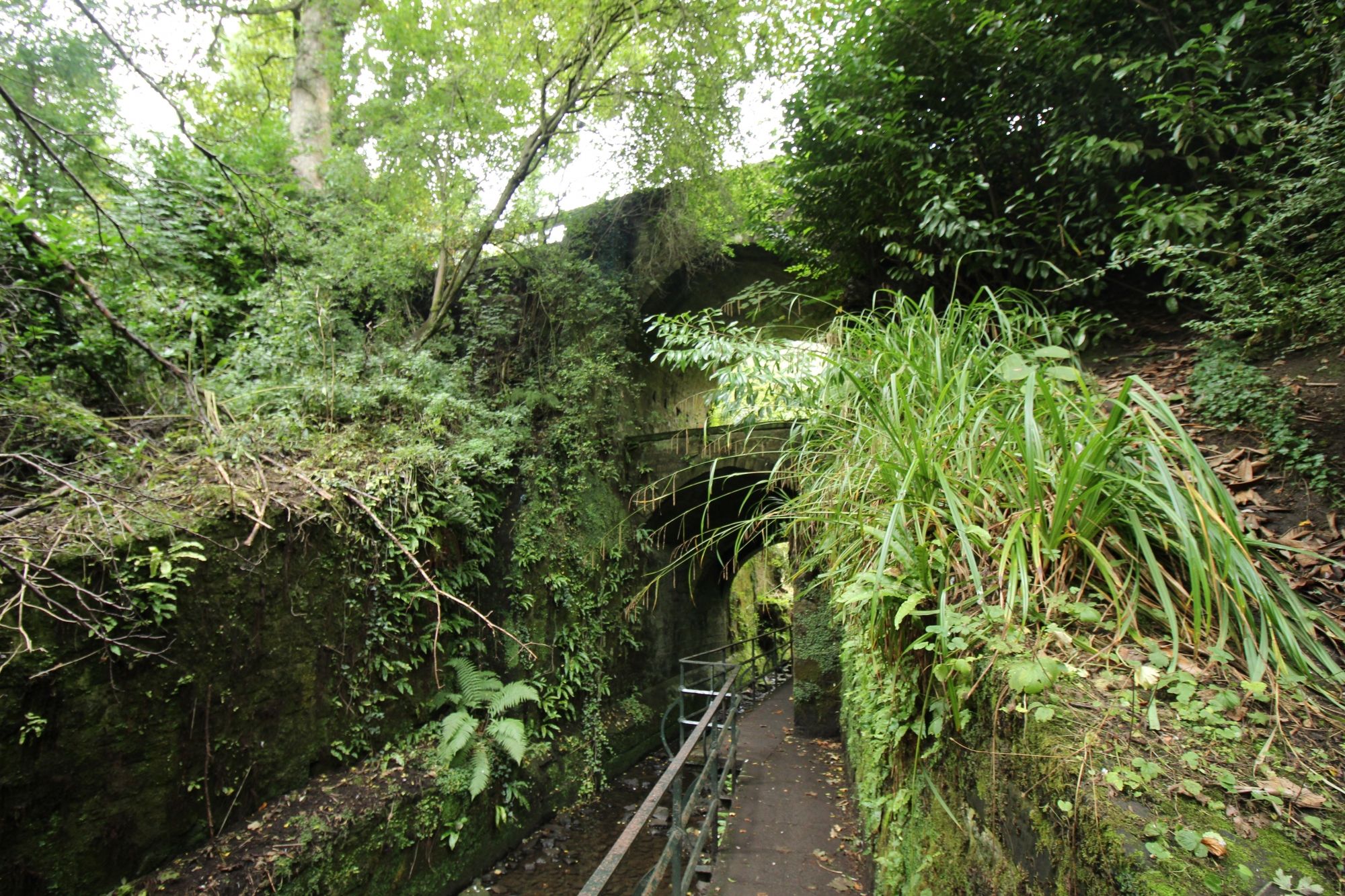
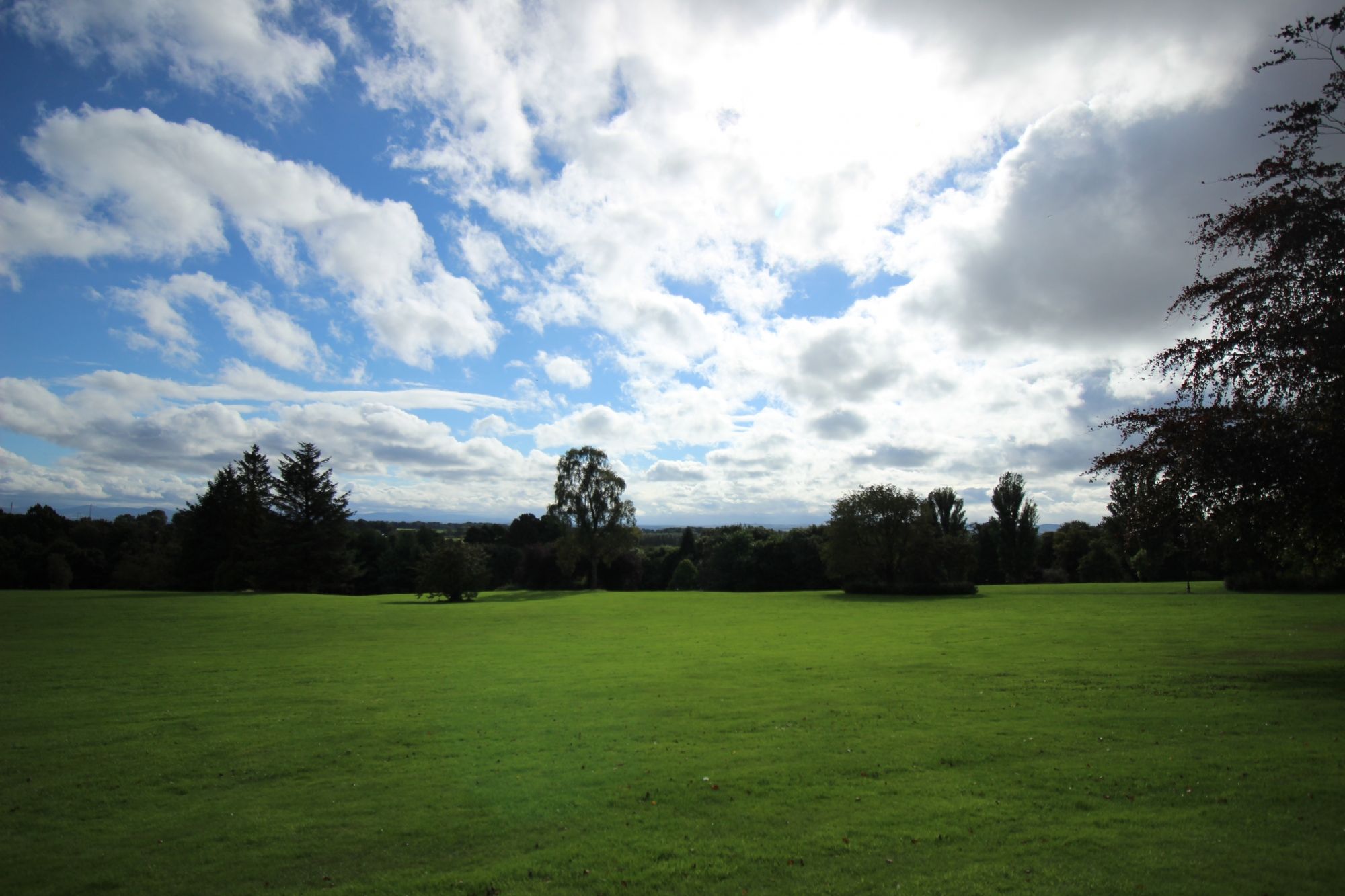
Steeped in centuries of royal history and industrial philanthropy, Pittencrieff Park stands as the crowning jewel of Dunfermline, Fife's ancient capital. Spanning over 76 acres of dramatic, undulating terrain, this magnificent urban sanctuary—affectionately known by generations of locals simply as "The Glen"—was purchased in 1902 by the world-famous billionaire philanthropist Andrew Carnegie, who subsequently gifted it to his birthplace. The park’s unique landscape design bridges the gap between raw natural topography and formal Victorian elegance. Bordered by deep, shaded limestone ravines and sweeping lawns, Pittencrieff provides an idyllic, restorative escape that seamlessly honors its deep connections to the crown, making it an essential destination for historians, families, and creative storytellers alike.
A Royal Threshold: Dunfermline Abbey and the Glen Palace
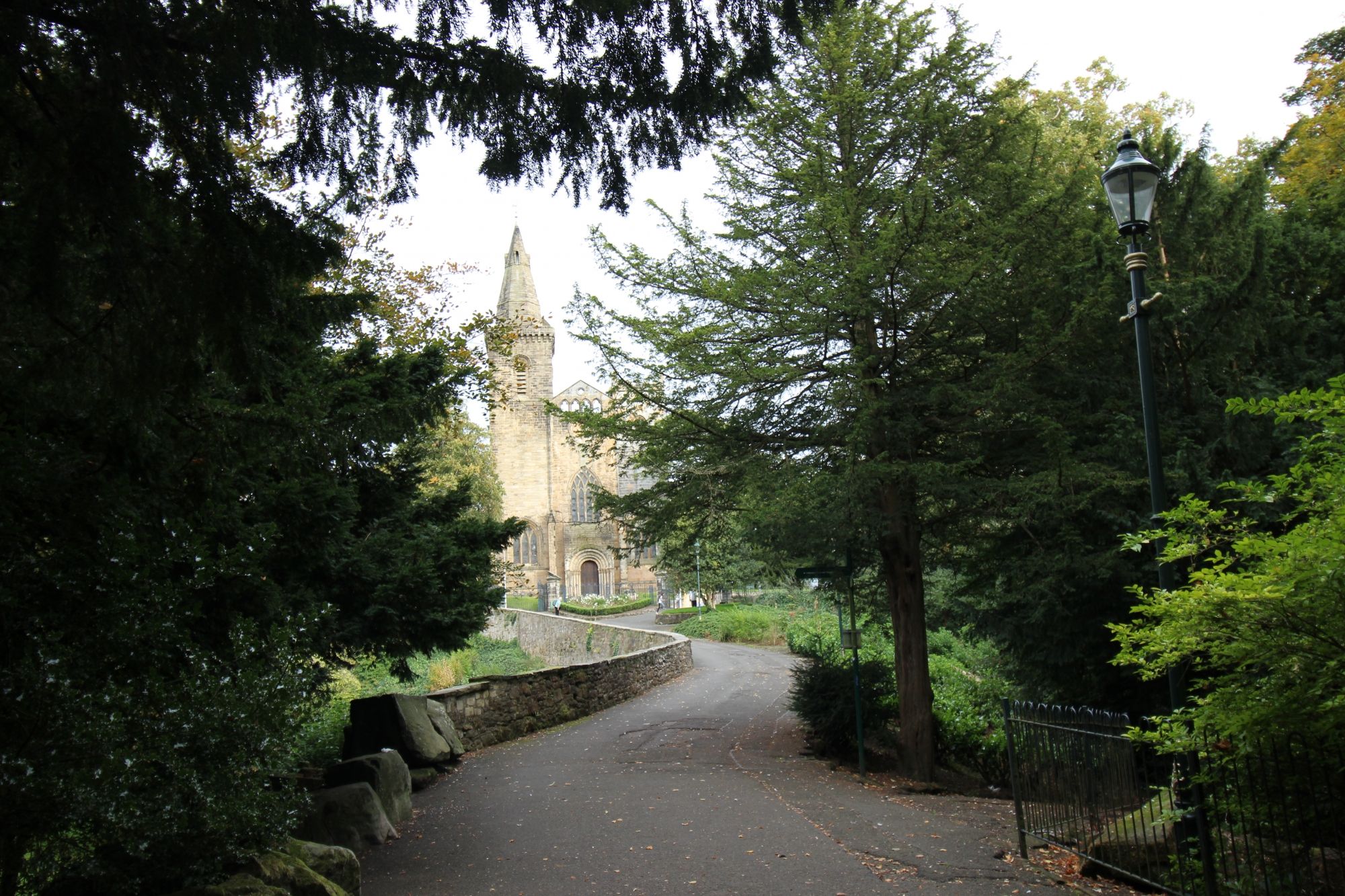
The physical layout of Pittencrieff Park is profoundly intertwined with the epic narrative of medieval Scotland. The eastern boundaries of the park rest directly against the imposing, sacred architecture of Dunfermline Abbey and Palace.
Founded as a Benedictine priory by Queen Margaret in the 11th century and later elevated to an abbey by King David I, this historic site serves as Scotland's grand royal mausoleum, holding the sacred remains of seven Scottish kings, including the legendary warrior King Robert the Bruce. Walking along the park’s high eastern terraces provides a stunning, high-contrast perspective, framing the massive, soot-stained stone buttresses of the Abbey nave and the crumbling ruins of the royal palace directly against the soft green canopy of the glen below. This striking juxtaposition of monastic stone and vibrant nature creates an unforgettable, brooding atmosphere that captures the historic spirit of the Kingdom of Fife.
A Tapestry of Attractions: From Victorian Aviaries to Cascades
What sets Pittencrieff Park apart from standard municipal spaces is its astonishing concentration of distinct architectural and horticultural landmarks, linked together by an exceptionally clever, accessible network of trails:
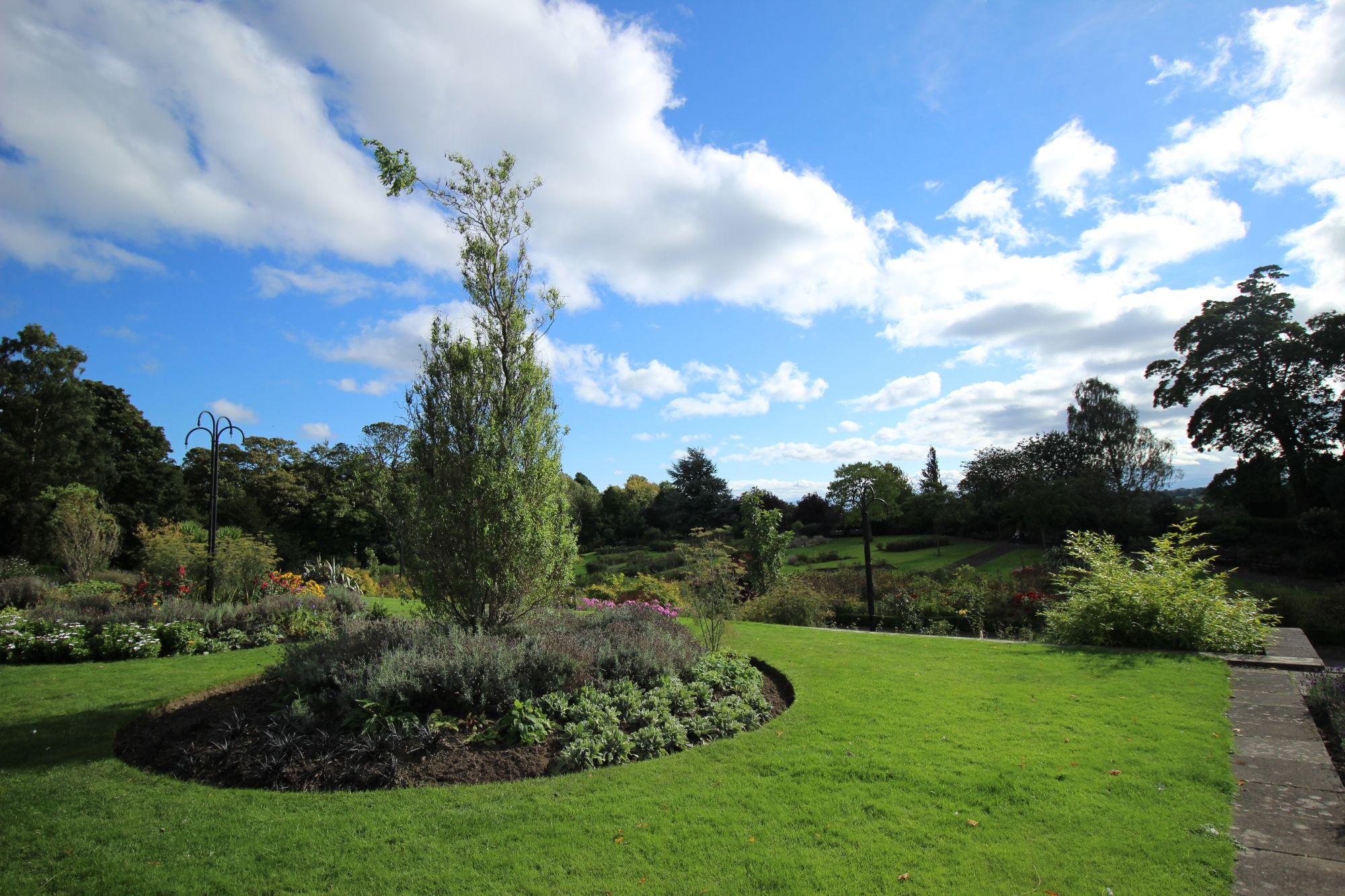
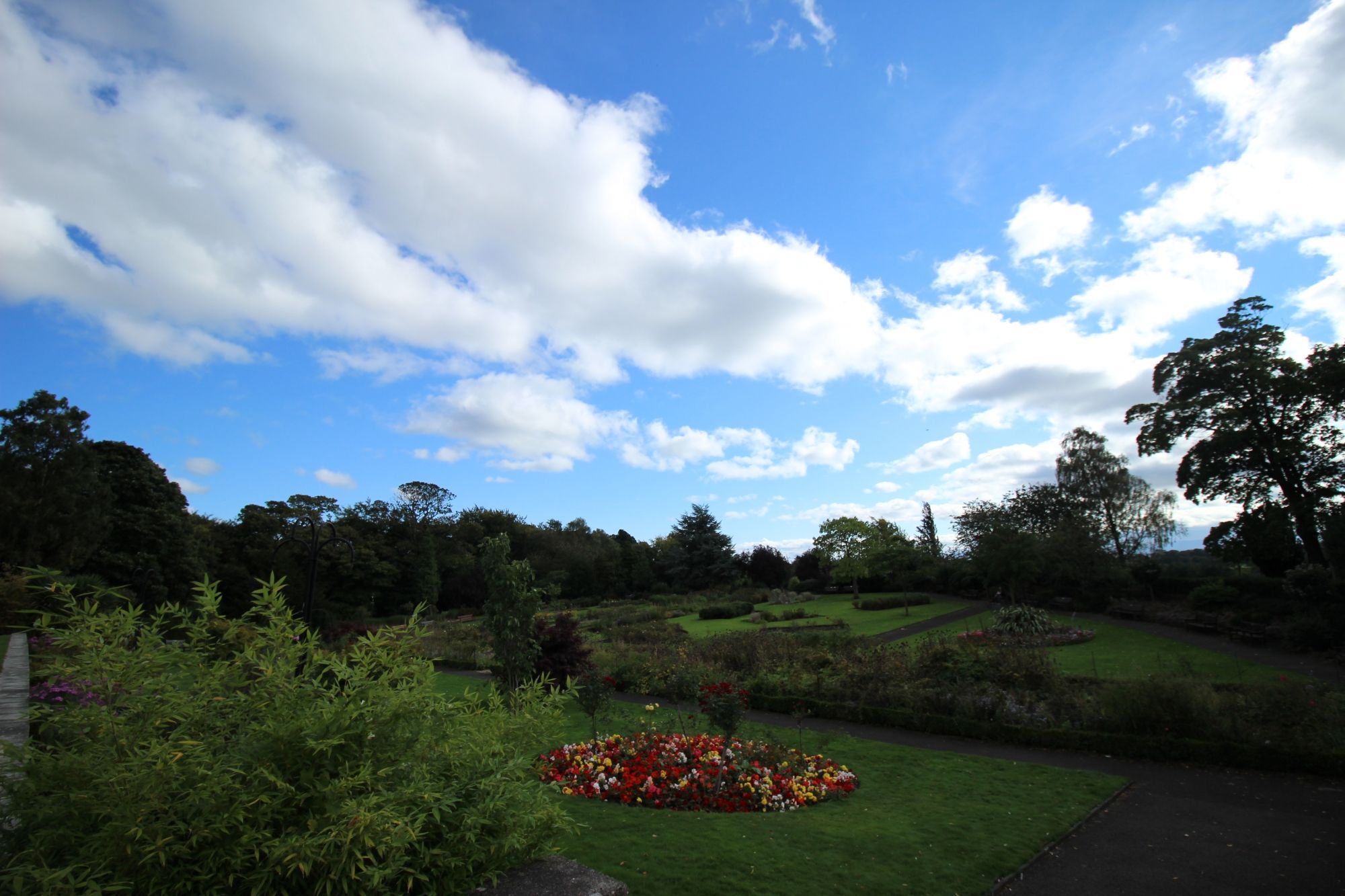
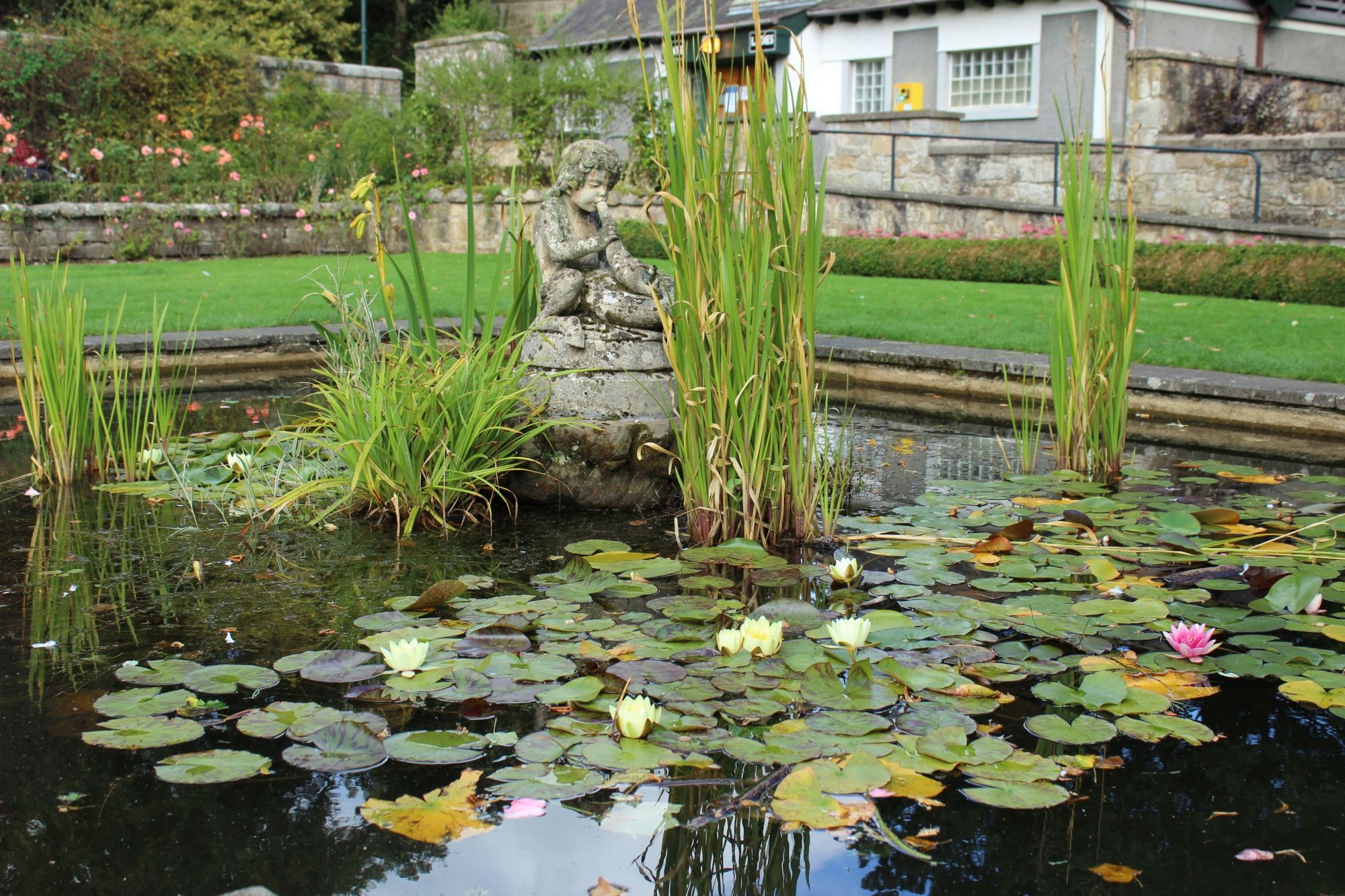
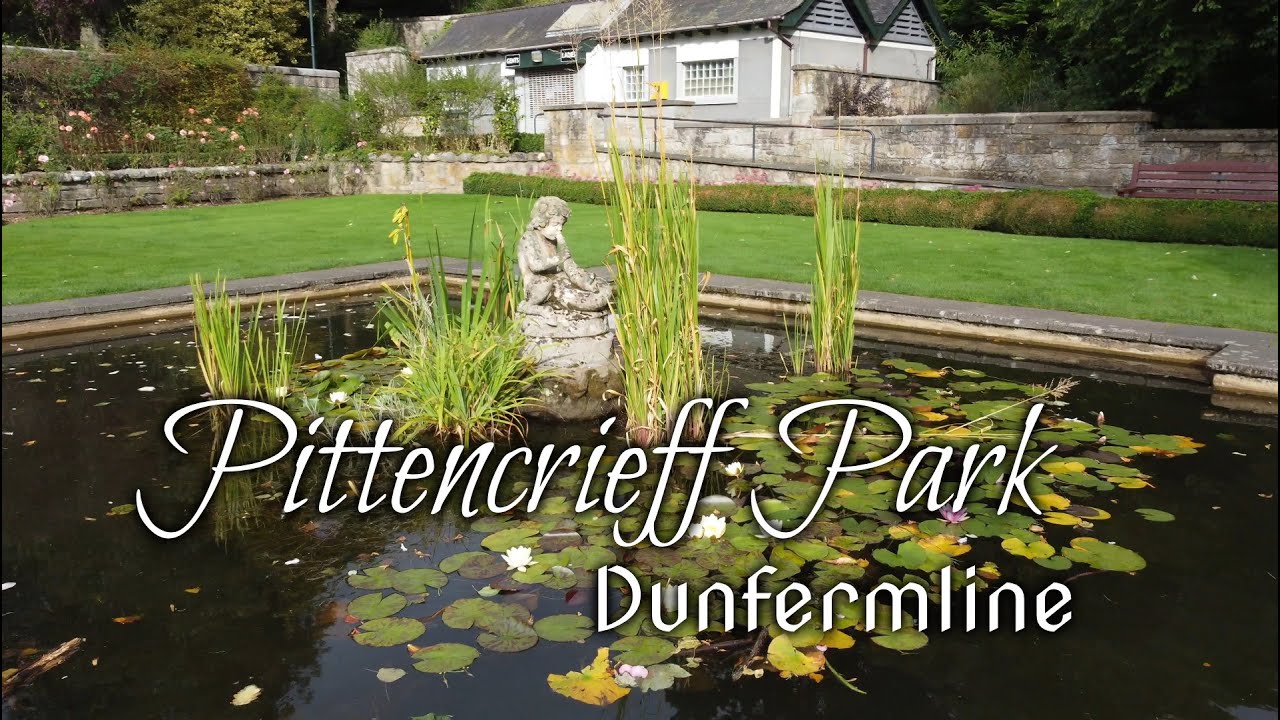
- The Glasshouses and Meticulous Gardens: Nestled in the heart of the park is a beautifully restored Art Deco glasshouse conservatory alongside an immaculate, walled formal garden. Inside, visitors can explore vibrant collections of exotic tropical plants, succulents, and seasonal floral displays. Externally, the meticulously curated herbaceous borders, rose gardens, and a classic stone fountain provide a masterclass in formal landscaping.
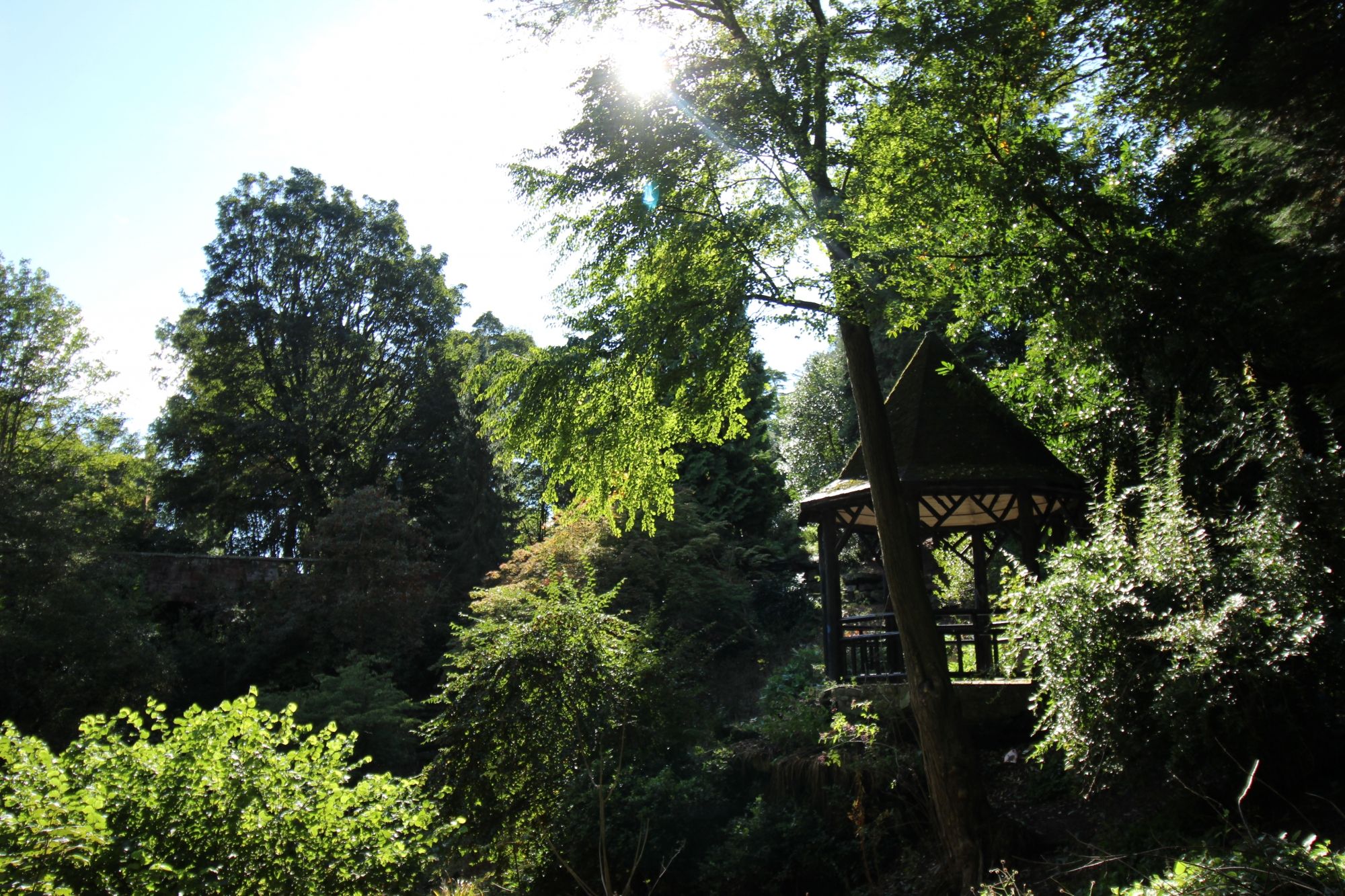
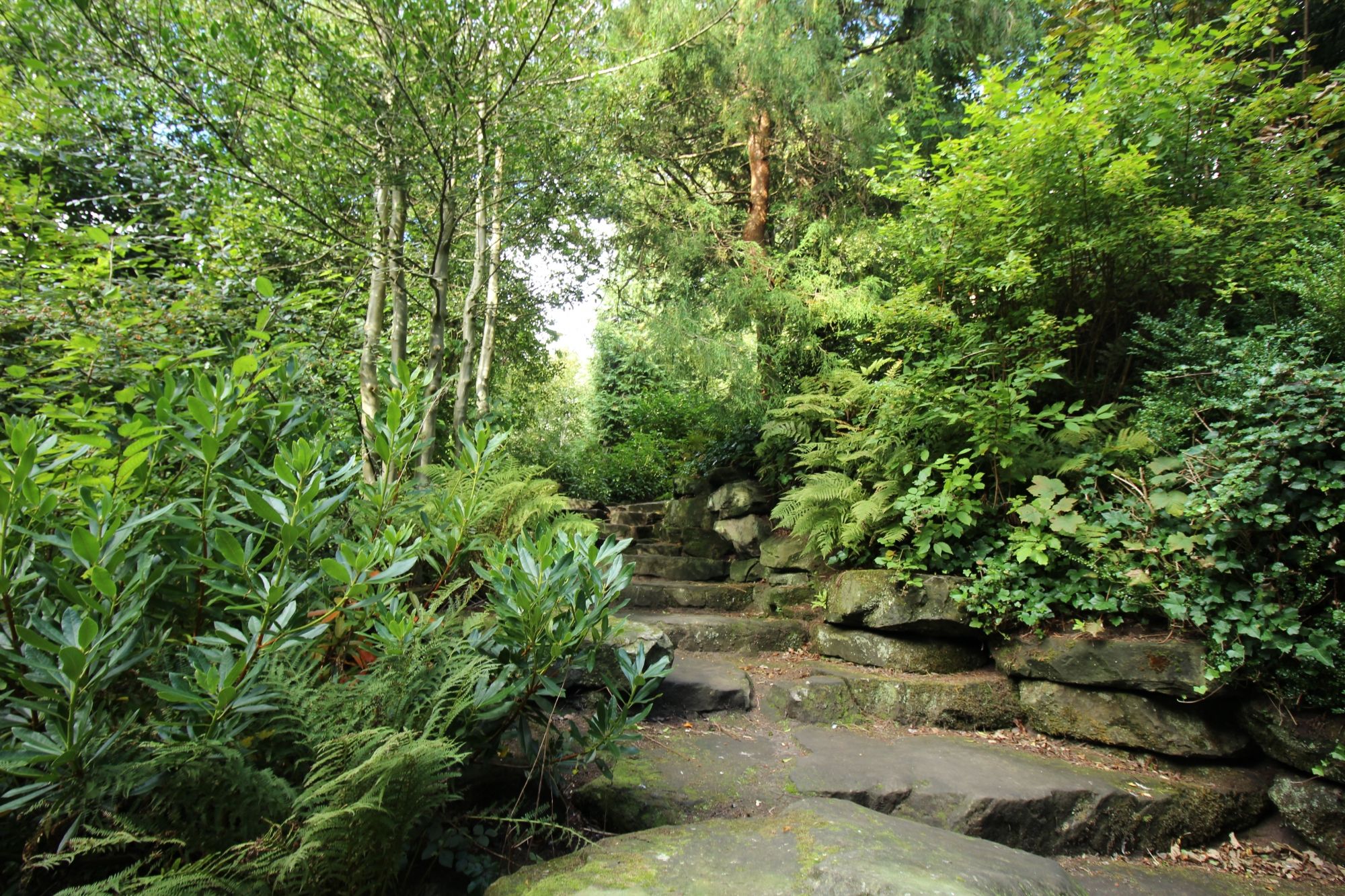
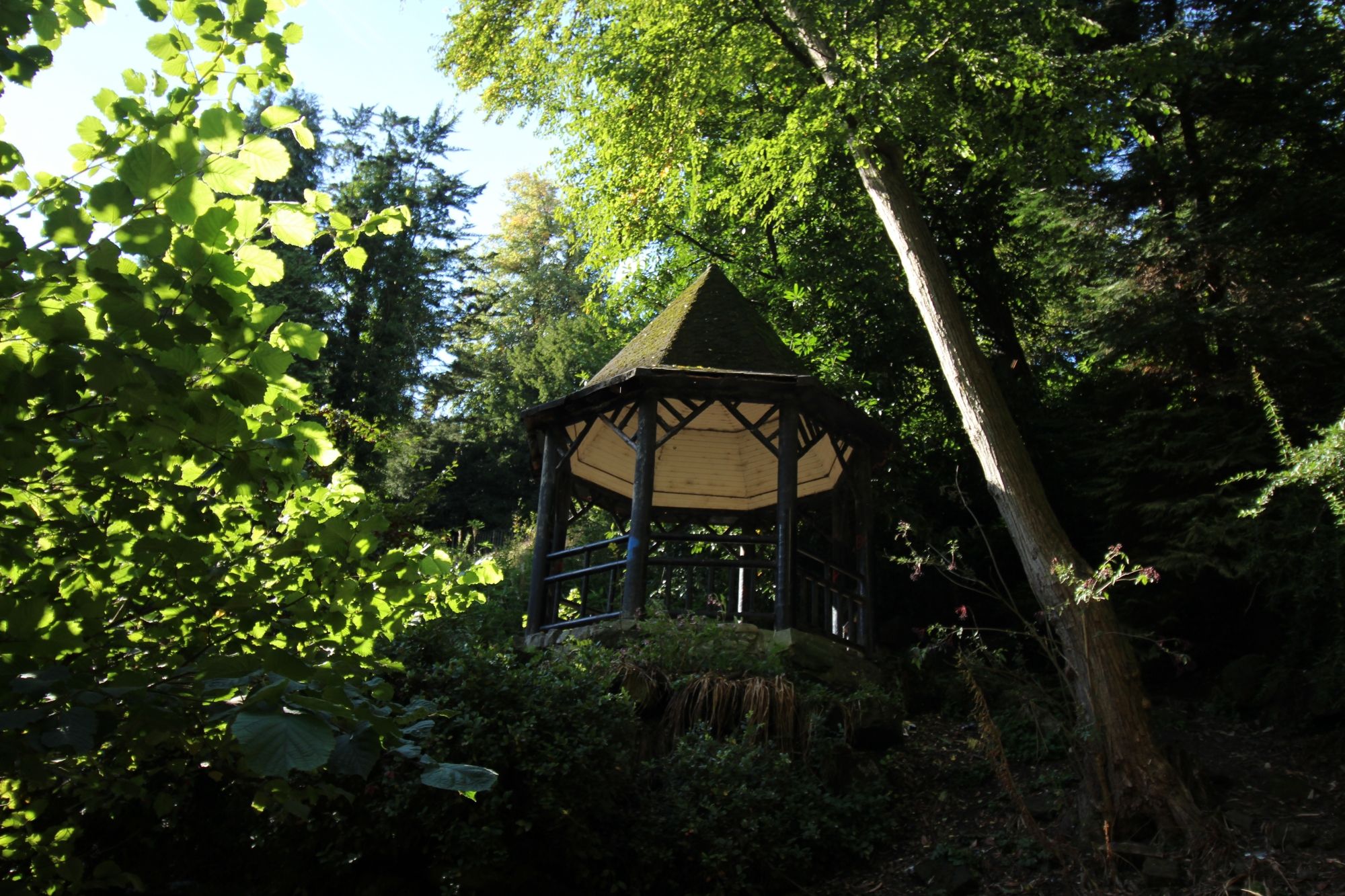
- The Japanese Pagoda and Hidden Waterfall: Descending into the deeper, shaded recesses of the limestone glen, the environment transitions into a serene, meditative woodland retreat. Here, a charming, red-roofed Japanese Pagoda stands alongside a small, tumbling woodland waterfall, offering a peaceful, watery oasis where vof and photographers can capture soft, slow-exposure water motion beneath a canopy of ancient trees.
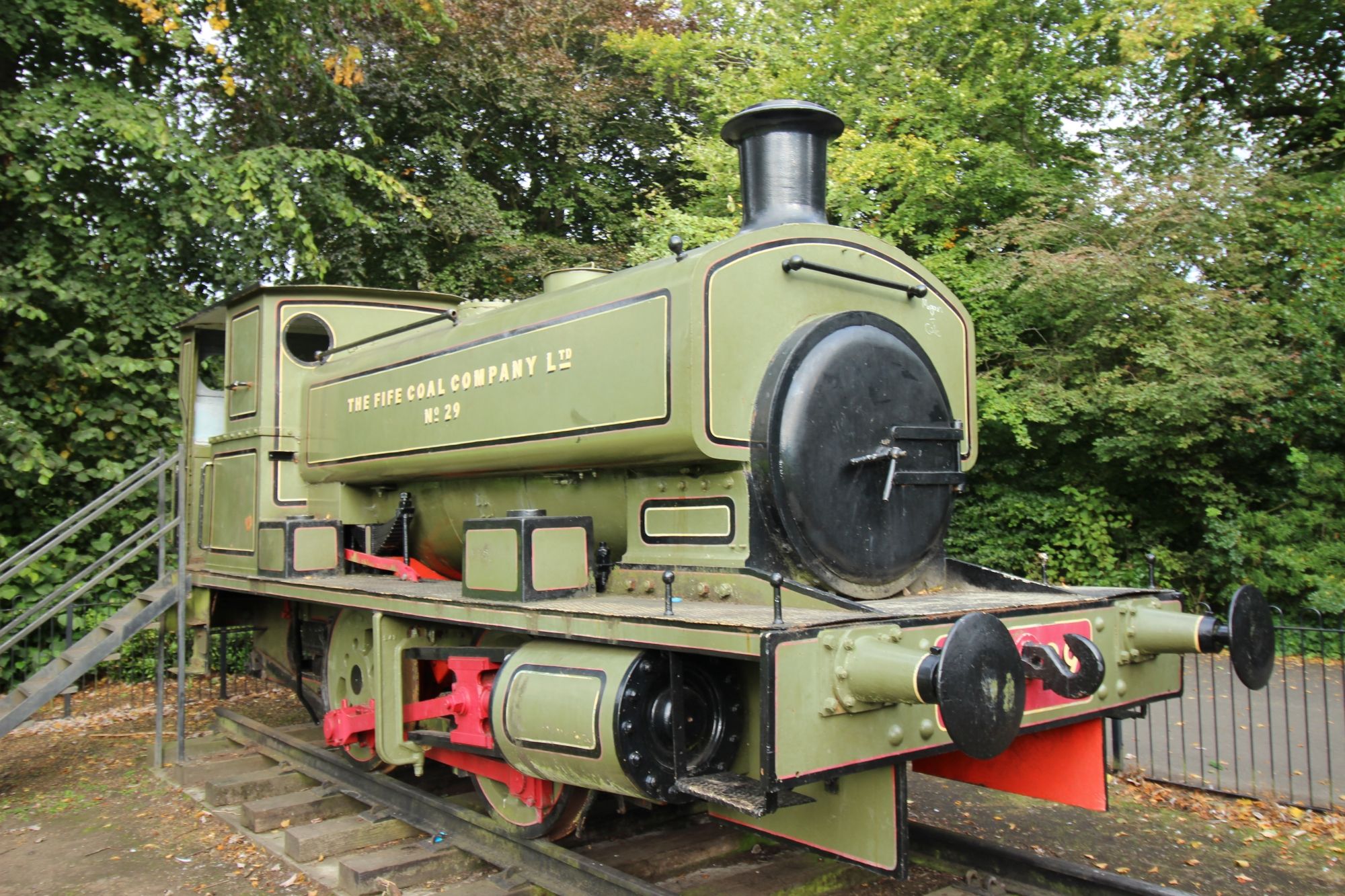
- The Carnegie Legacy and Locomotive: Reflecting the park’s industrial benefactor, the grounds feature the historic Pittencrieff House Museum and an iconic, preserved vintage steam locomotive engine. This static display pays a proud tribute to the town's rich engineering and railway heritage, serving as a captivating point of interest for industrial historians and curious children.
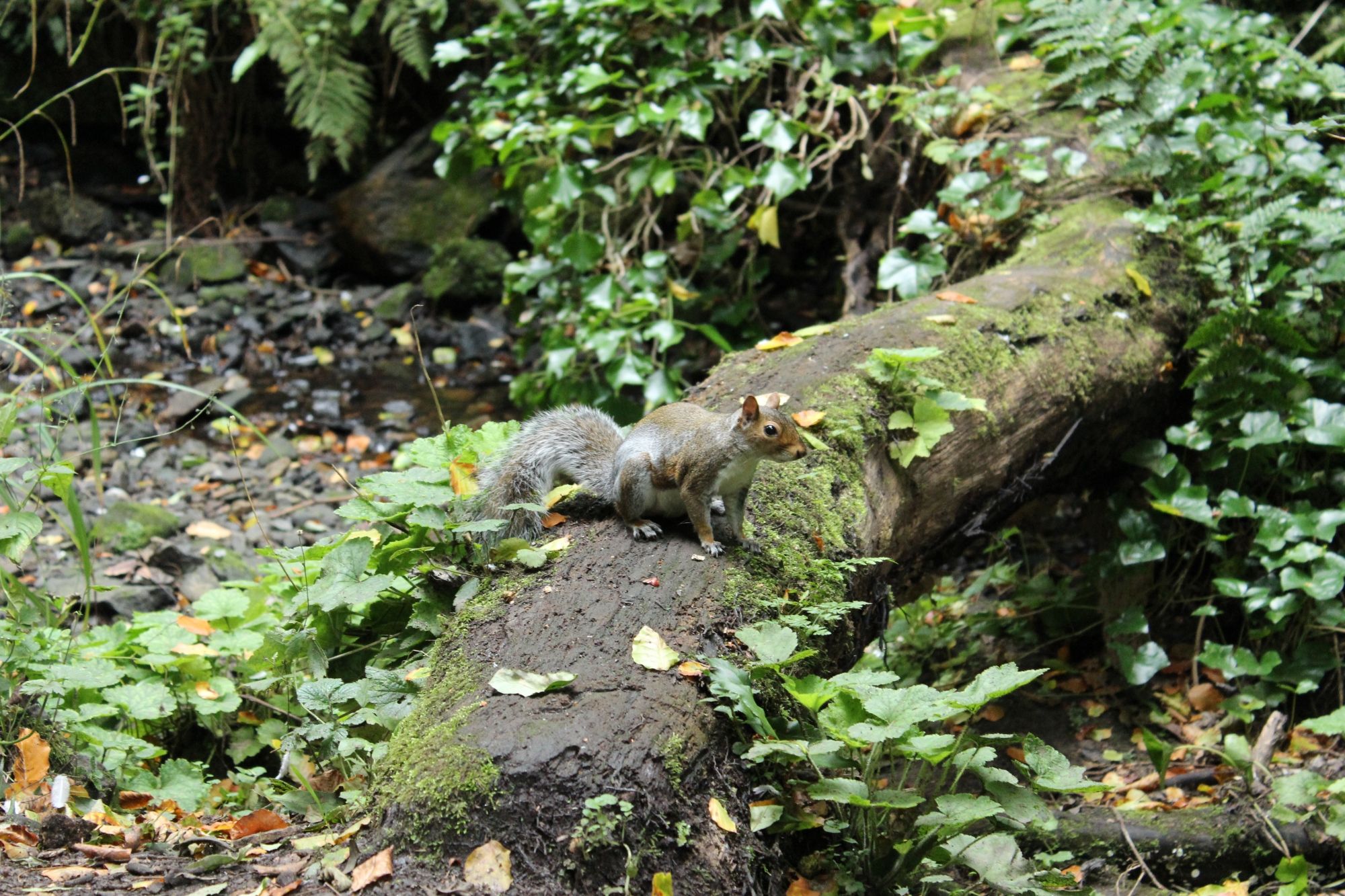
- The Resident Peacocks and Squirrels: The park is famously home to a thriving colony of free-roaming peacocks, a traditional feature maintained since the Carnegie era. Visitors can observe these magnificent birds wandering the lawns near the dedicated peacock aviary, while the surrounding woodland trails are densely populated by exceptionally active, friendly grey squirrels.
- Family Recreation and Amenities: Catering perfectly to weekend visitors, the park features a massive, modern children's adventure playground, an expansive outdoor pavilion, and a welcoming cafe-restaurant serving local refreshments, ensuring a highly comfortable, all-day visitor experience.
Practical Visitor and Creator Logistics
Access and Parking: Pittencrieff Park is highly accessible, situated just a brief stroll from the center of Dunfermline. Multiple pedestrian gates ring the park, with the most dramatic entrance being the ornate Louise Carnegie Gates near the Abbey. For drivers, a large, dedicated public car park is accessible via Pittencrieff Street at the northern entrance, providing a seamless transition into the grounds.
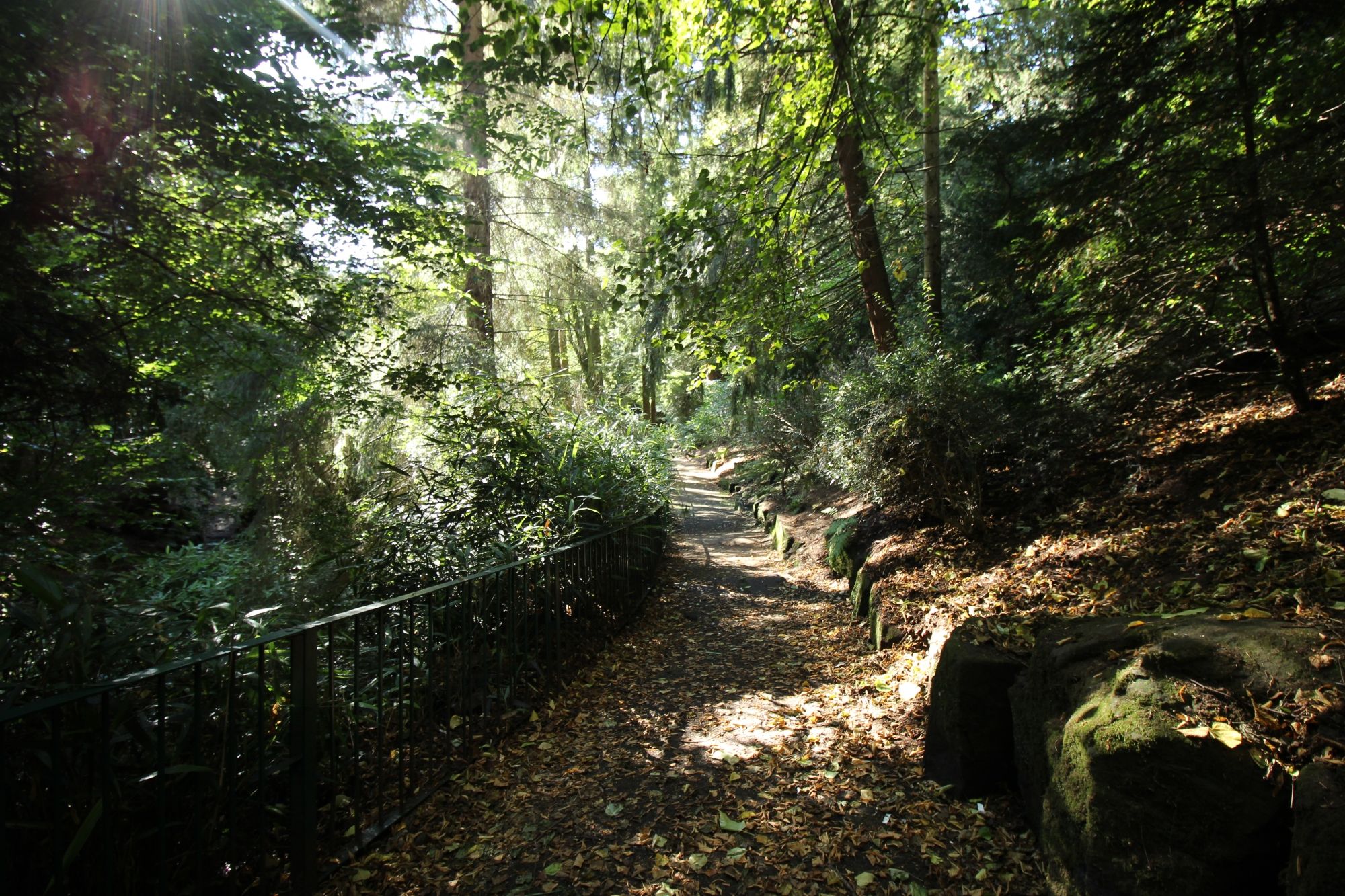
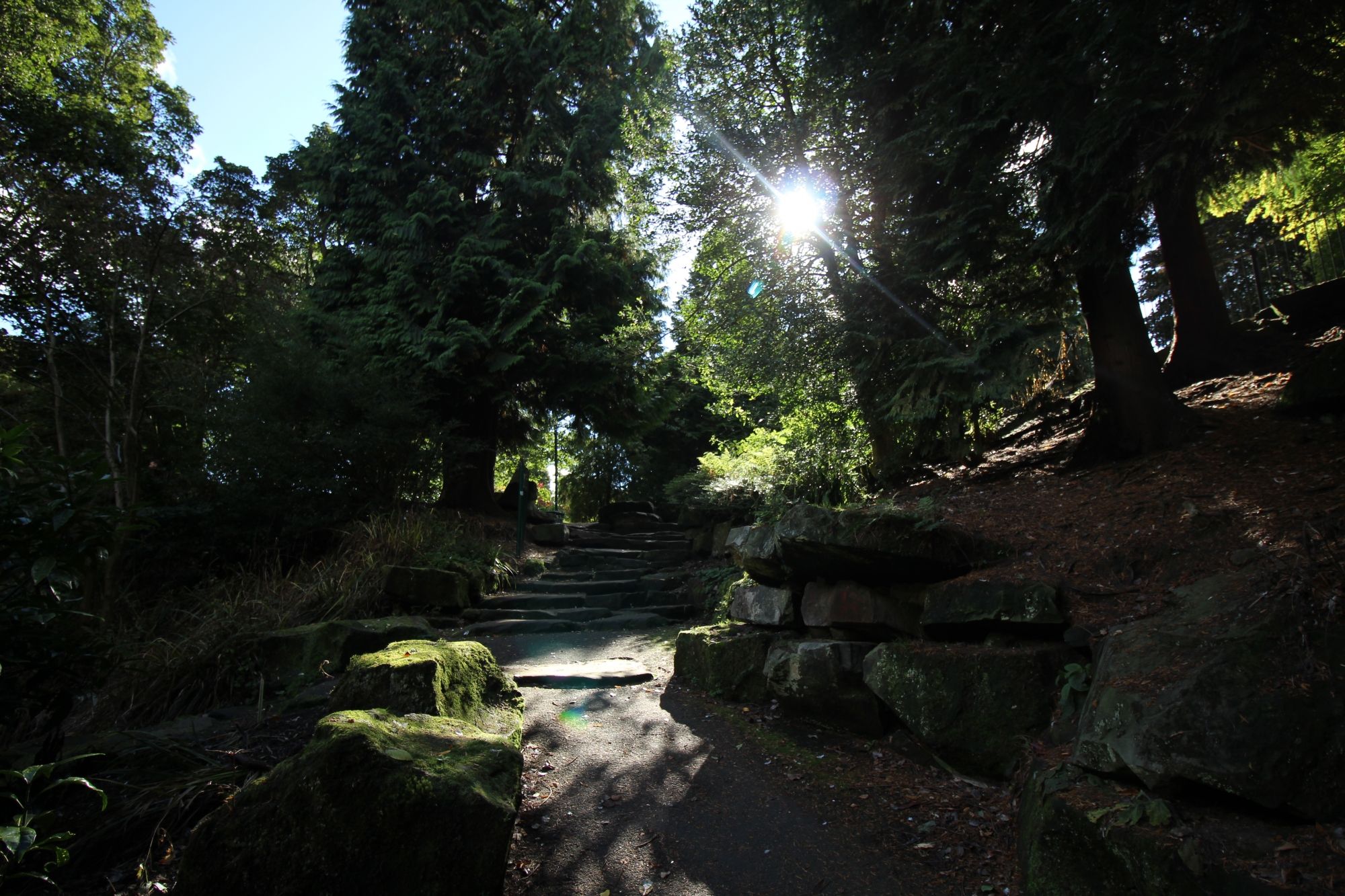
Creative Advice: For filmmakers and travel vloggers, Pittencrieff is a goldmine for capturing varied b-roll textures within a compact area. The park shifts beautifully across the seasons; a Sunday morning walk in autumn reveals an explosion of fiery ochre and amber leaves in the deep glen, while late spring brings the formal gardens into full, vibrant bloom. Low-angle ground shots looking up through the woodland toward the Abbey spires yield incredibly powerful, scale-shattering cinematic compositions.
Conclusion: Dunfermline's Living Landscape
Pittencrieff Park represents the ultimate, harmonious marriage of natural geological beauty, profound national history, and forward-thinking civic pride. Whether you are paying quiet respects beneath the shadow of Robert the Bruce’s resting place, listening to the roar of the glen waterfall, or watching the sun catch the iridescent feathers of a peacock by the glasshouses, this Dunfermline sanctuary remains an indelible Scottish treasure—a vibrant, living landscape that continues to enrich the soul of every explorer who walks its paths.