



Wings of East Fortune: A Journey Through Aviation History
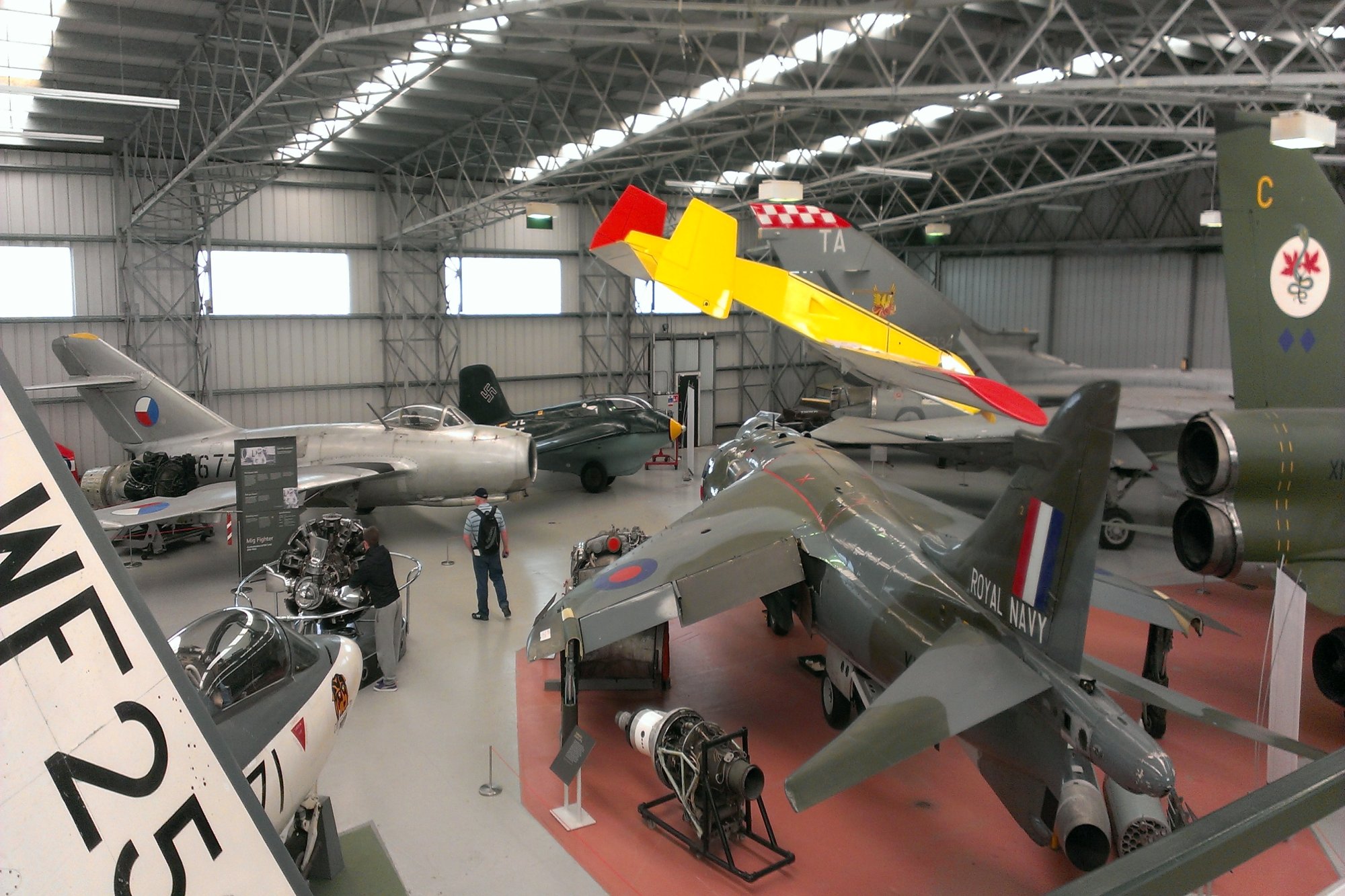
Situated on the historic, beautifully preserved grounds of a former Royal Air Force station just outside North Berwick in East Lothian, the National Museum of Flight stands as Scotland’s premier aviation sanctuary. Far more than a static collection of aircraft, this sprawling open-air and hangar-based museum occupies East Fortune Airfield—one of the best-preserved wartime airfields in the United Kingdom. From the moment visitors step onto the tarmac, they walk through decades of human ingenuity, exploring a world where early pioneering biplanes, legendary World War II fighters, and iconic cold war jets are meticulously maintained to tell the comprehensive story of flight.
The Supersonic Crown Jewel: Boarding Concorde
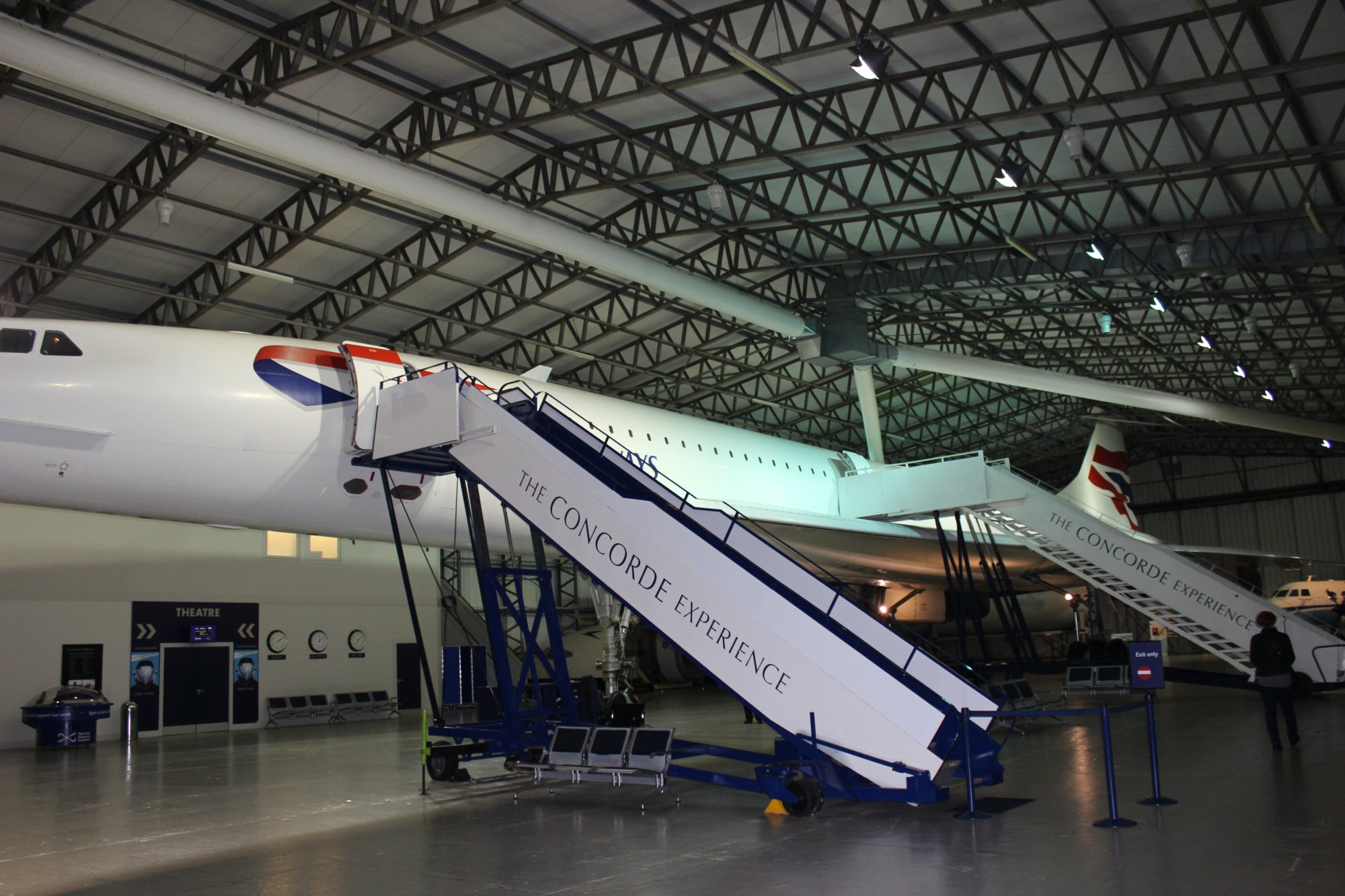
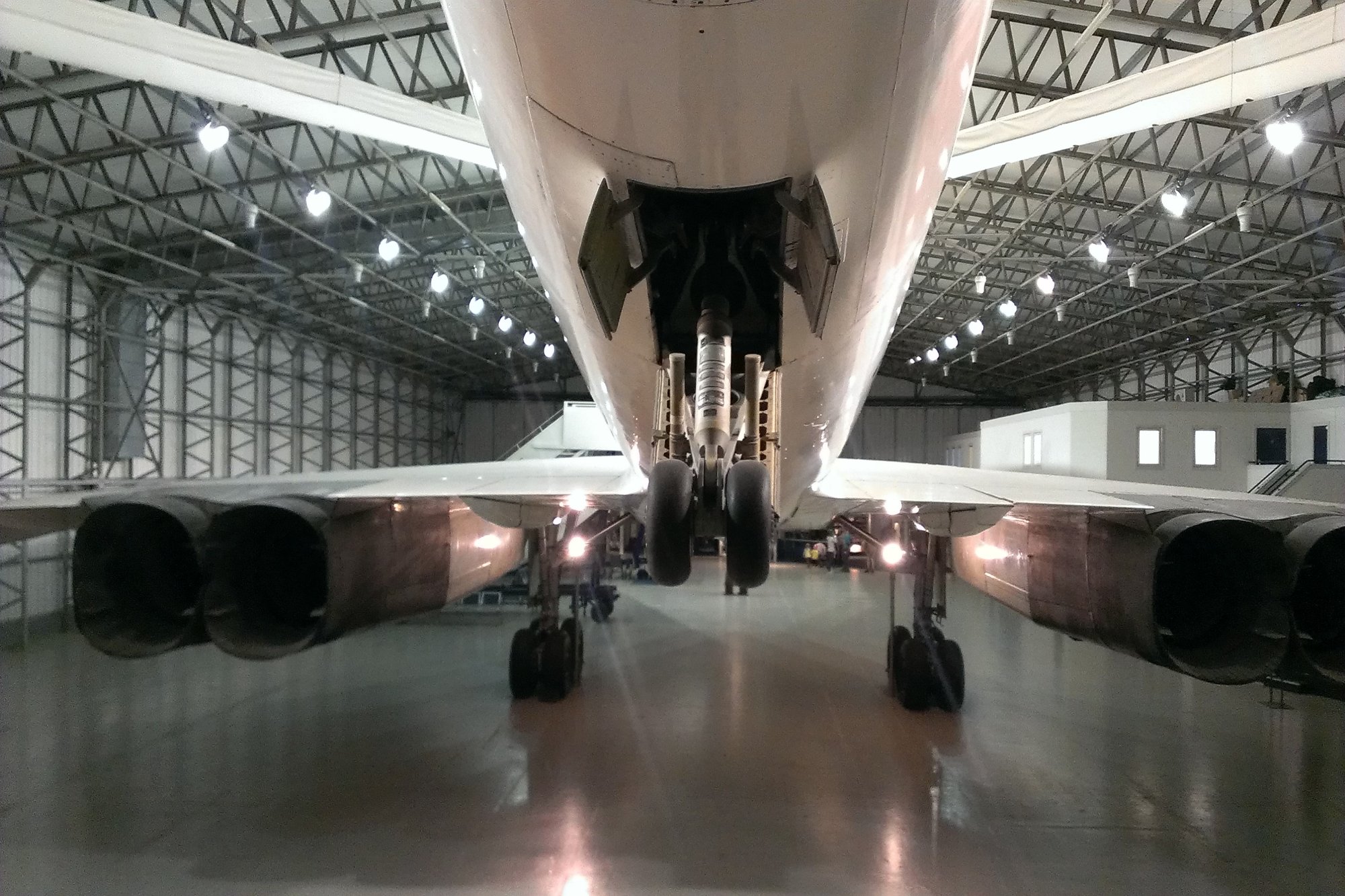
The absolute centerpiece of the museum’s extensive collection is the legendary Concorde G-BOAA, the very first commercial supersonic airliner to land in Scotland. Housed inside a dedicated, custom-engineered exhibition hangar, this sleek marvel of Anglo-French engineering remains an awe-inspiring sight. Visitors have the rare opportunity to step directly on board the aircraft, walking down the remarkably narrow aisle to peer into the vintage, button-dense cockpit and feel the compact, exclusive luxury that defined supersonic transatlantic travel.
Surrounding the aircraft, interactive multimedia displays trace the fascinating socio-political history of the Concorde program, tracking its groundbreaking Mach 2 capabilities and the incredible engineering triumphs required to fly faster than the speed of sound. For content creators, the sharp, geometric lines of Concorde's delta wings cutting across the industrial hangar architecture provide exceptional framing opportunities.
Exploring the Historic Hangars
The museum’s expansive collection is thoughtfully curated across four massive, historical wartime hangars, each focusing on a distinct era and theme of aviation development:
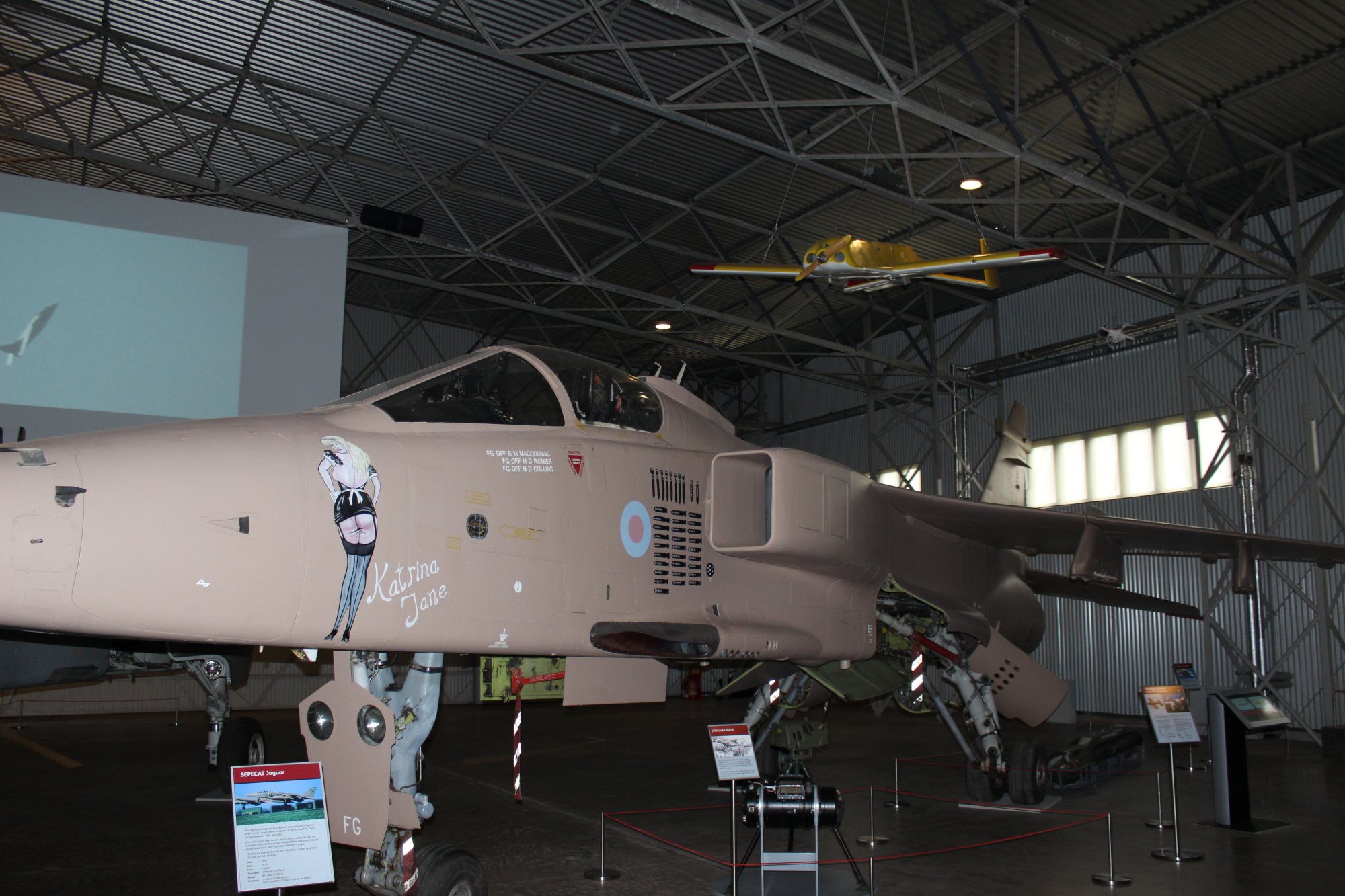
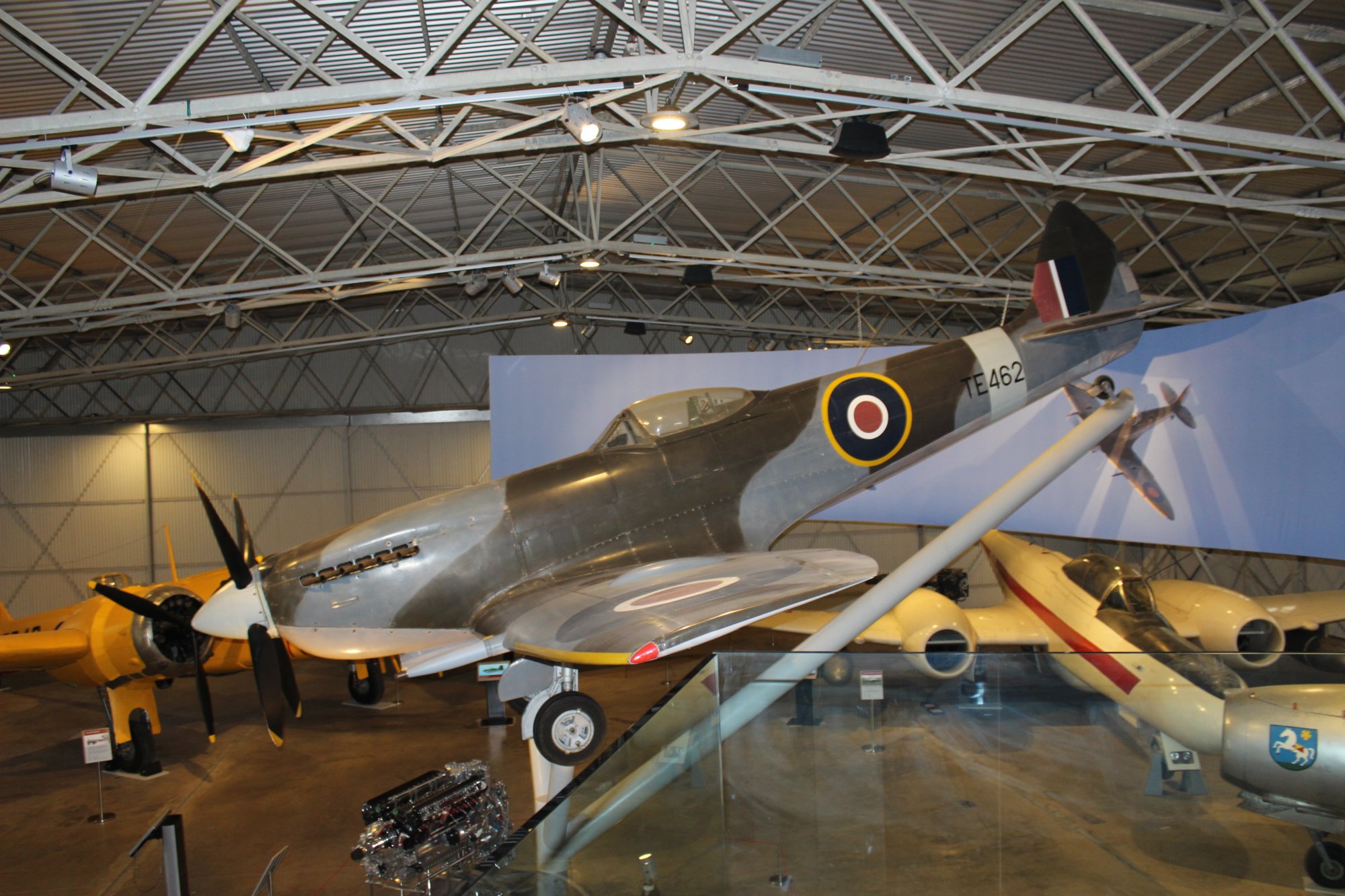
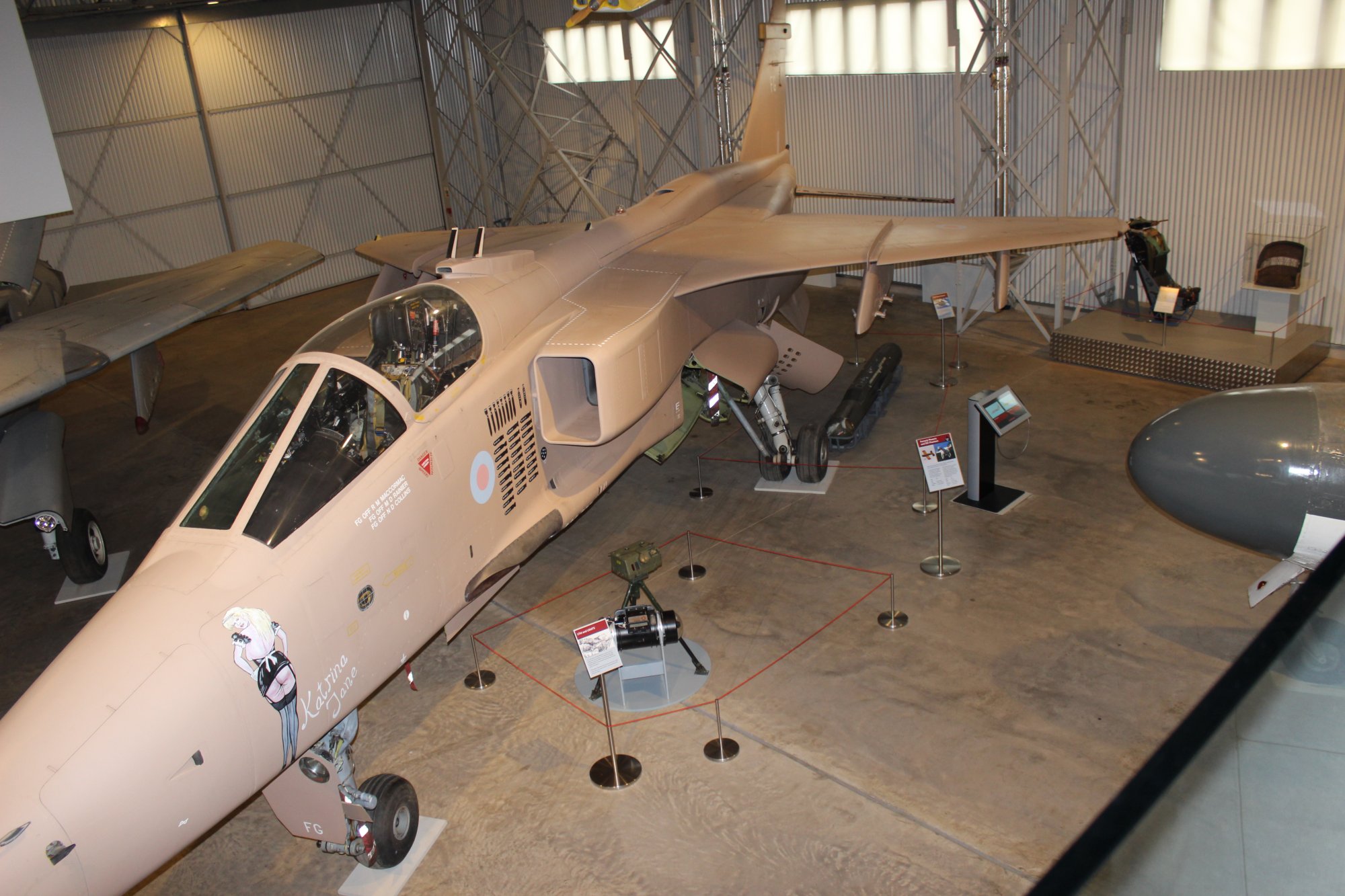
- The Military Aviation Hangar: This space dives deep into conflict history, showcasing iconic combat aircraft that shaped global events. Highlights include the legendary Supermarine Spitfire, the agile Hawker Hurricane, and formidable post-war jet fighters like the English Electric Lightning and the Panavia Tornado.
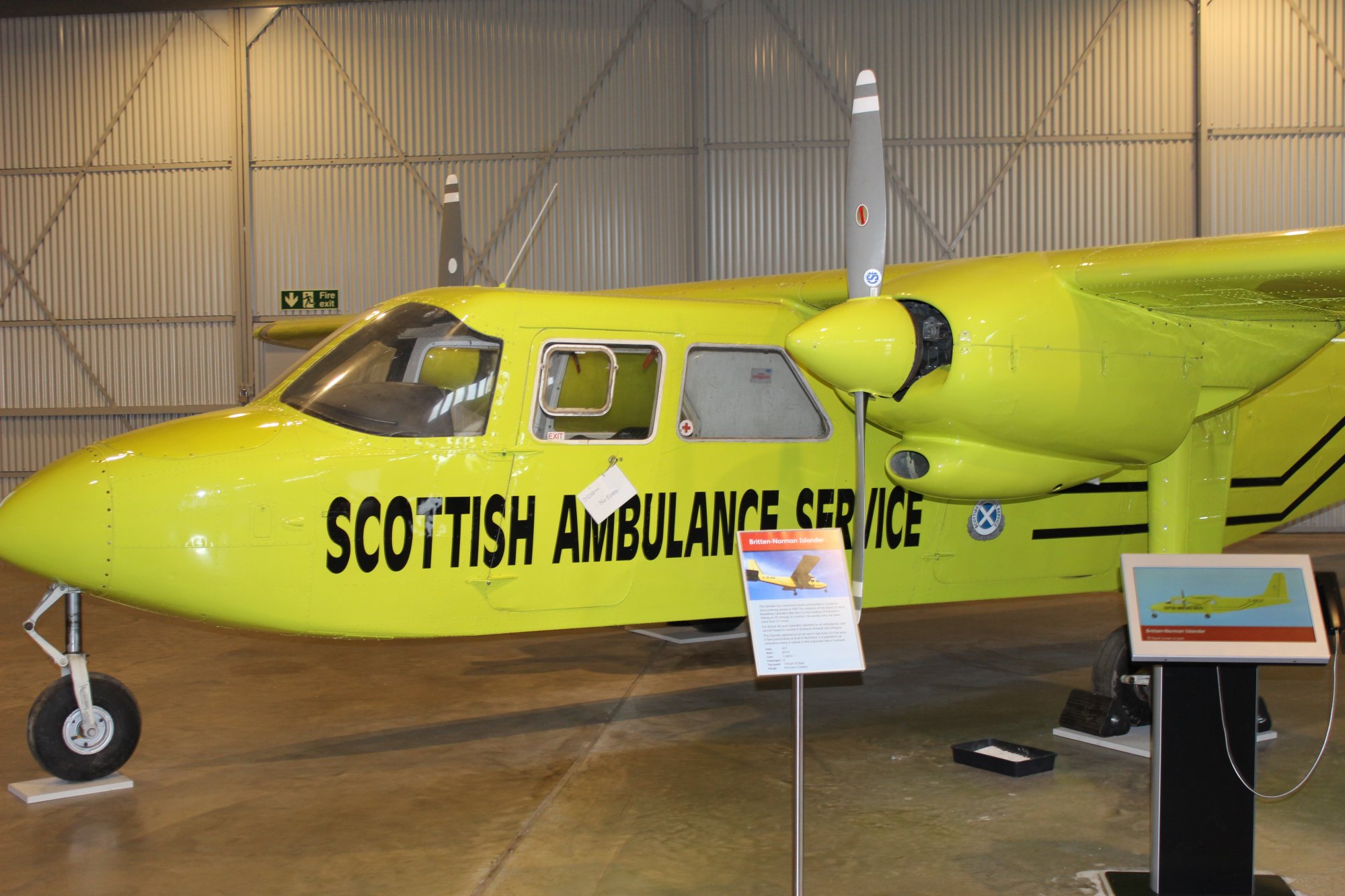
- The Civil Aviation Hangar: Transitioning from war to peace, this hangar celebrates the democratization of travel. It houses massive commercial workhorses, including a complete Boeing 707 fuselage section, a vintage de Havilland Comet, and various light aircraft that linked remote island communities.
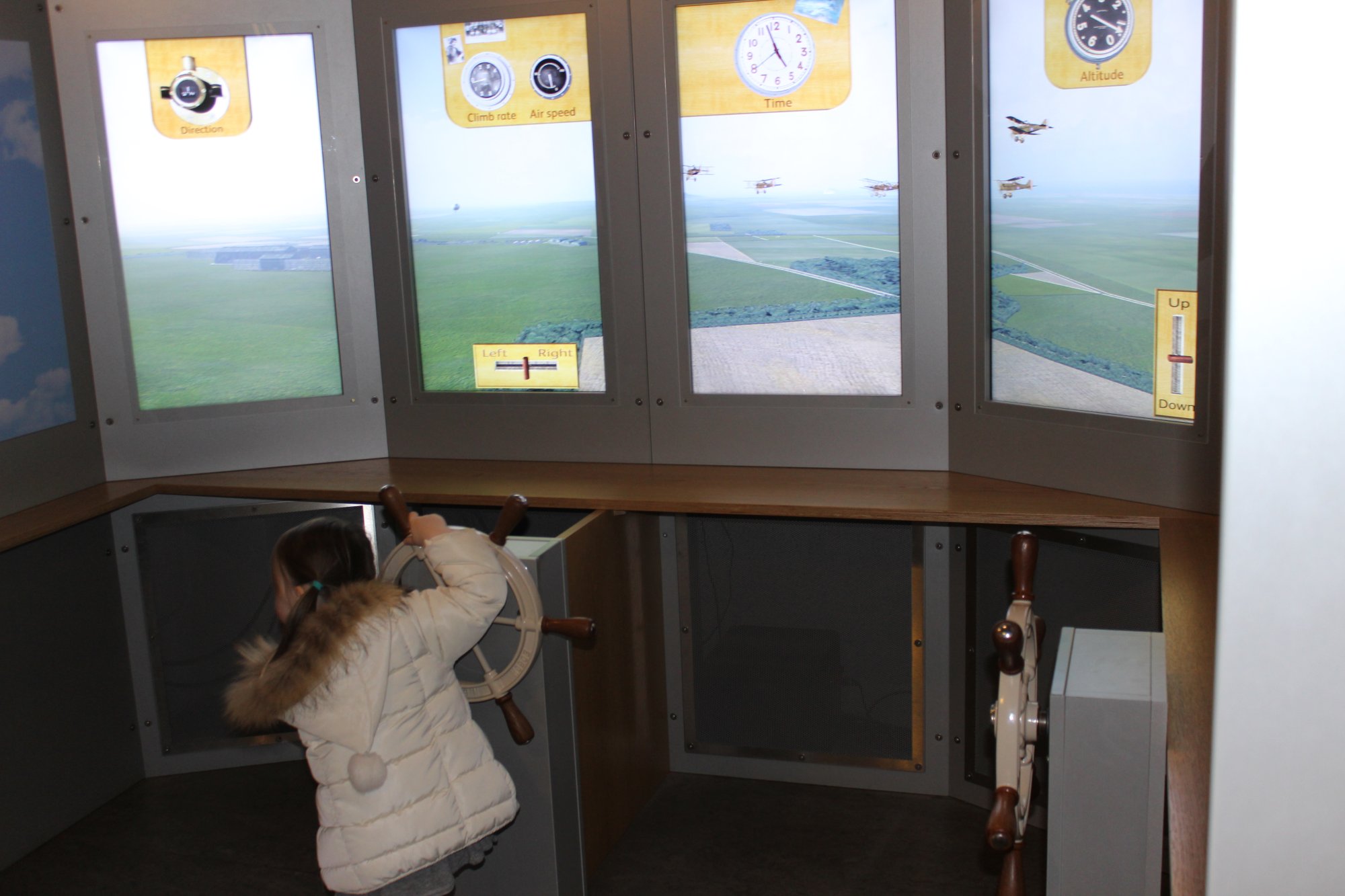
- Fantastic Flight: An exceptionally engaging, family-focused interactive gallery. This space breaks down the physics of aerodynamics through hands-on experiments, flight simulators, and mechanics workshops, allowing younger visitors to discover how heavy metal structures achieve lift.
- The Parachute Store: A beautifully restored historic building that offers an intimate look into the daily operations of the RAF personnel who served at East Fortune during the World Wars, highlighting the human stories behind the machinery.
Practical Visitor Information and Logistics
Getting There and Parking: The museum is highly accessible, located just off the A1 highway and a short drive south from North Berwick. A massive, free public parking area easily accommodates cars, coaches, and large campervans. For those utilizing public transit, regular train services run from Edinburgh to nearby North Berwick or Drem, where local bus connections or taxis can bridge the short remaining distance to the airfield.
Accessibility and Comfort: Due to its origin as a sprawling military airfield, the site covers a large geographic footprint. All hangars are equipped with level access or smooth ramps, and a complimentary electric hop-on bus operates regularly across the outdoor tarmac to assist visitors with limited mobility. A fantastic on-site café serves local Scottish produce, and expansive picnic areas are scattered throughout the grass runways.
Drone and Photography Notice: Ground-based photography for personal use is highly encouraged throughout the hangars. However, due to the proximity of active private airstrips nearby and the museum's strict airspace regulations, amateur drone flight over the historic airfield is strictly prohibited without prior commercial licensing and explicit museum authorization.
Conclusion: A Monument to Human Ingenuity
The National Museum of Flight represents a magnificent fusion of military heritage, industrial design, and human aspiration. Whether you are marveling at the impossibly long nose of the Concorde, studying the rivets on a Spitfire's wing, or watching children discover the laws of lift, this historic East Lothian airfield ensures that the soaring spirit of aviation remains accessible, inspiring, and timelessly preserved for generations to come.