



The Great Abyssal Trench: The Boundless Scale of Loch Ness
Stretching for nearly 23 miles across the geological tear of the Great Glen Fault, Loch Ness is a body of water that defies normal proportions. While worldwide fame stems from its elusive, mythical inhabitant, the sheer physical and historical scale of the loch is what truly commands attention. Reaching depths of 745 feet (227 meters), this colossal freshwater basin holds more water than all the lakes, reservoirs, and rivers of England and Wales combined, creating a dark, cold abyss that never freezes.
A Fault Line Steeped in Clan Warfare
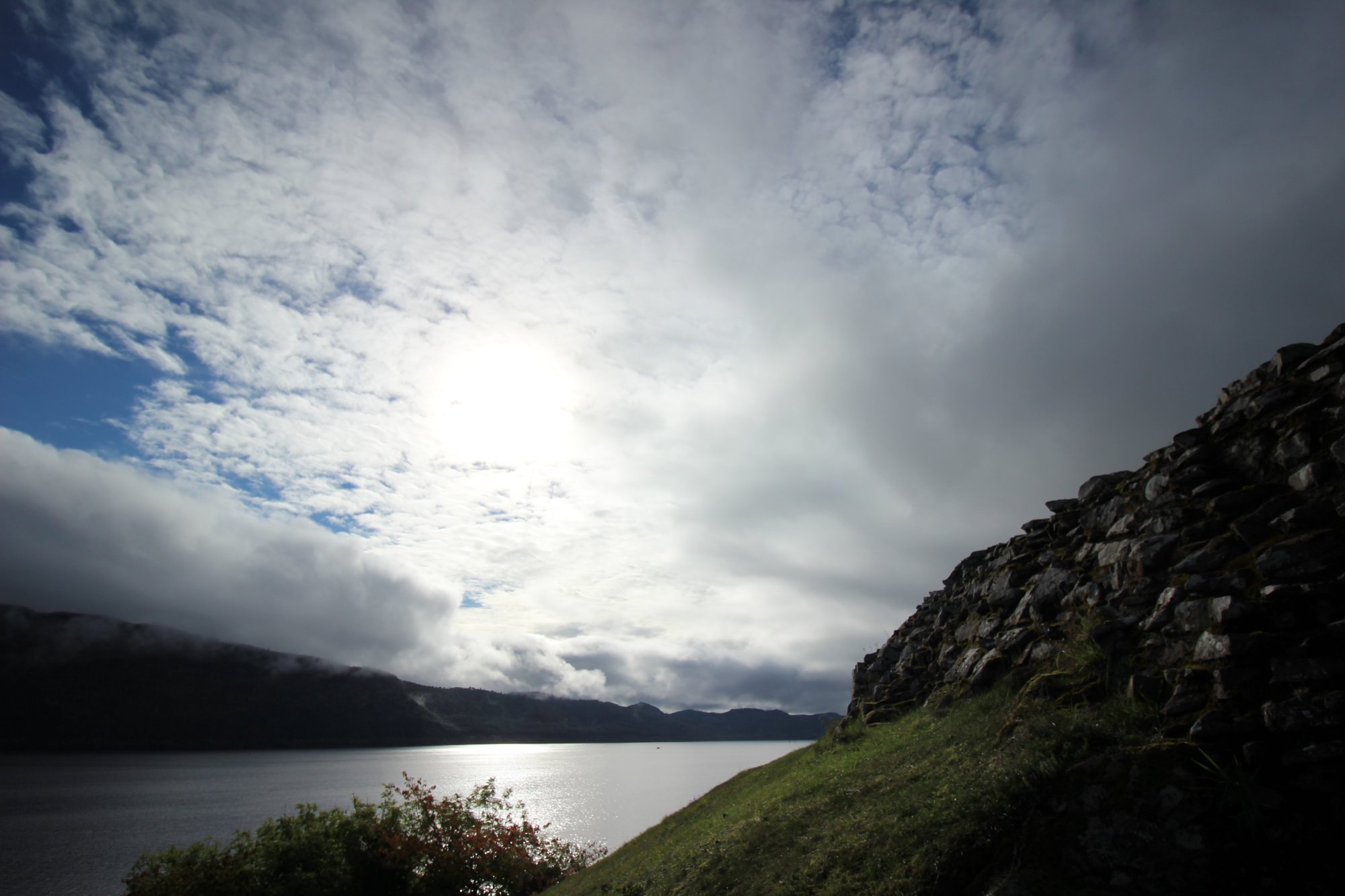
The landscape of Loch Ness is deeply tied to the ancient, fractured history of the Highlands. Standing prominently on a rocky promontory halfway down the northern shore are the iconic ruins of Urquhart Castle. Once one of Scotland's largest medieval fortresses, this stronghold was a central flashpoint during the Wars of Scottish Independence and centuries of intense clan rivalries between the Browns, the MacDonalds, and the Grants. In 1692, the castle was purposefully blown up to prevent it from falling into Jacobite hands, leaving behind a magnificent, hollowed-out stone sentinel that guards the deepest basins of the water.
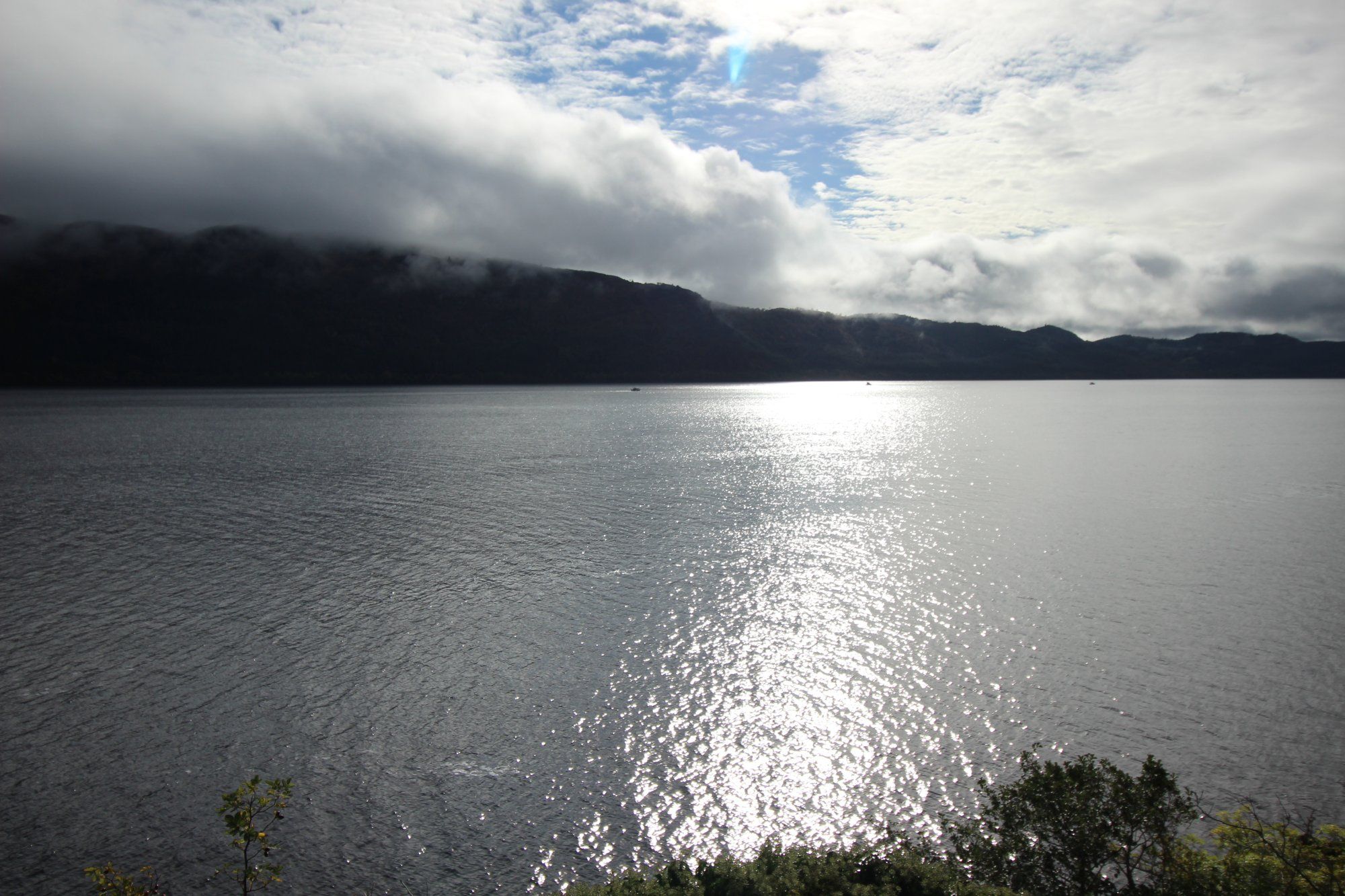
The waters themselves carry a distinct, moody character due to an exceptionally high peat content. Rivers and mountain burns flowing off the Monadhliath and Caledonian hills carry massive amounts of suspended organic matter, turning the loch’s interior pitch-black within just a few feet of the surface. For videographers, this creates a brilliant, reflective mirror effect on calm days, contrasting the deep, inky water against the sweeping green and purple heather slopes of the glen.
Exploring the Shores and Secret Horizons
Most visitors experience the loch from the bustling northern highway (A82), which offers classic, elevated views of Urquhart Castle and easy access to boat cruises. However, a vastly different and more intimate perspective awaits along the rugged south side. The South Loch Ness Trail winds through quiet oak woodlands, past tumbling cascades like the Falls of Foyers, and leads down to peaceful, pebble-strewn beaches at Dores and Foyers, where the true, unbroken length of the great trench can be taken in away from the crowds.
For water sports enthusiasts, sea kayakers, and canoeists, Loch Ness forms the central, formidable spine of the **Caledonian Canal** trail. Paddling its length demands respect, proper route planning, and careful weather monitoring. Because the loch is aligned precisely with prevailing south-westerly winds, it can act as a giant wind tunnel, transforming a glass-like surface into rolling, white-capped waves within a matter of minutes.
Practical Visitor Information
Getting There: Loch Ness is highly accessible, located just a 15-minute drive (7 miles) south of the highland capital of Inverness. The northern shore is followed by the A82, while the quieter southern side uses the single-track B862 and B852.
Key Gateways: Drumnadrochit serves as the primary visitor hub on the northern bank, home to exhibition centers and boat tour operators. At the far southern tip sits Fort Augustus, where visitors can watch boats navigate the impressive tiered lock system of the Caledonian Canal.
Boating and Cruises: Daily boat tours equipped with deep-scan sonar operate out of Inverness, Dochgarroch, Drumnadrochit, and Fort Augustus, providing the easiest way to experience the sheer scale of the underwater chasm.
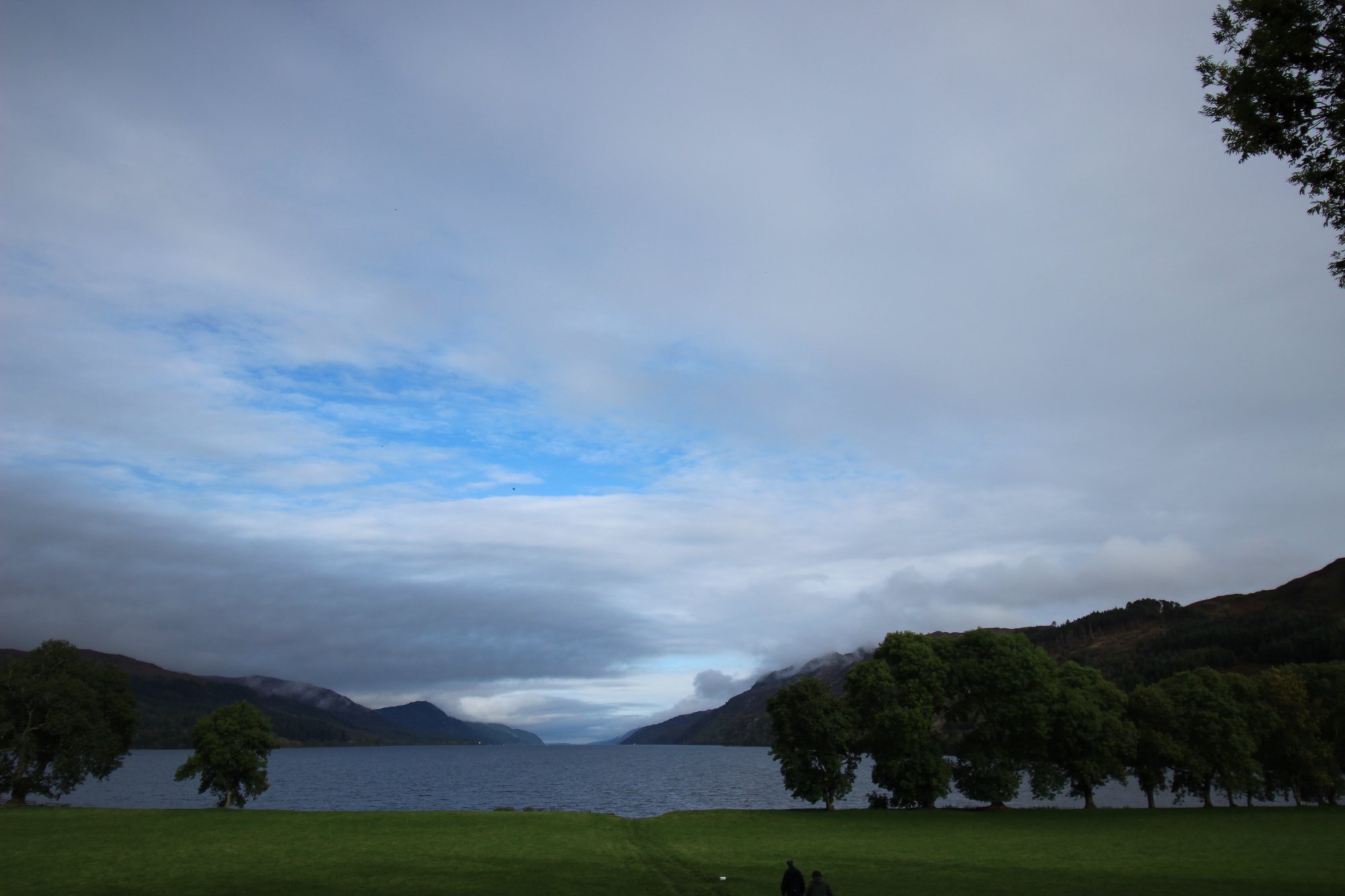
Cinematic Viewpoint: For an unforgettable panorama, head to the pebble beach at Dores on a clear evening. Looking down the absolute straight axis of the loch as the sun sets between the high ridges provides one of the most powerful compositions in the Highlands.
Conclusion: The Ultimate Highland Landmark
Loch Ness remains an enduring symbol of Scotland's untamed and mysterious natural identity. Beyond the global pop-culture phenomenon lies a landscape of immense physical power, deep medieval history, and breathtaking environmental scale. Whether you are walking the quiet forest paths of the south side, paddling its challenging open waters, or watching the evening light hit the stones of Urquhart Castle, Loch Ness leaves an unforgettable mark of vast, deep majesty.