




The Stronghold of the North: Loch Assynt and Ardvreck Castle
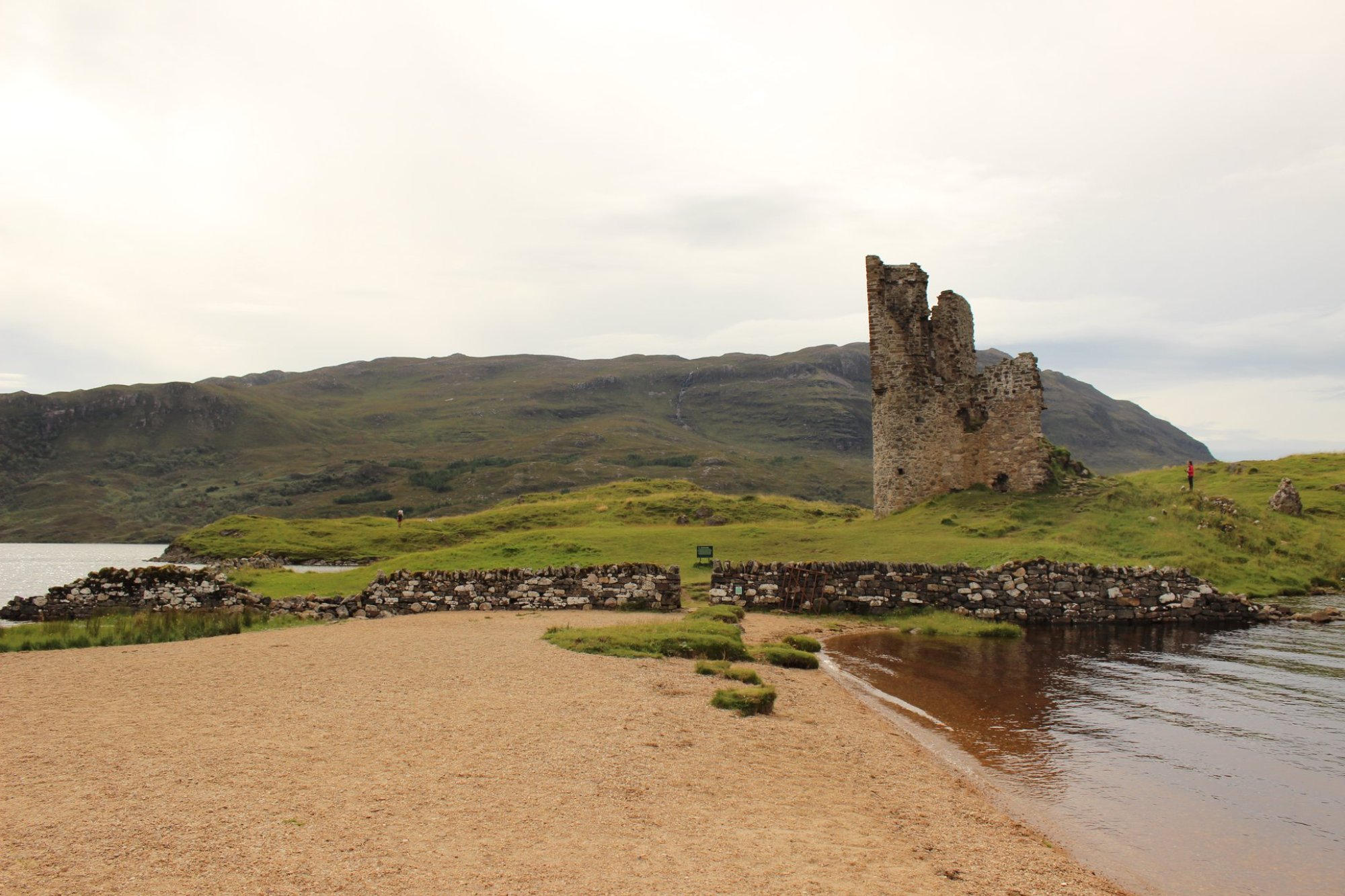
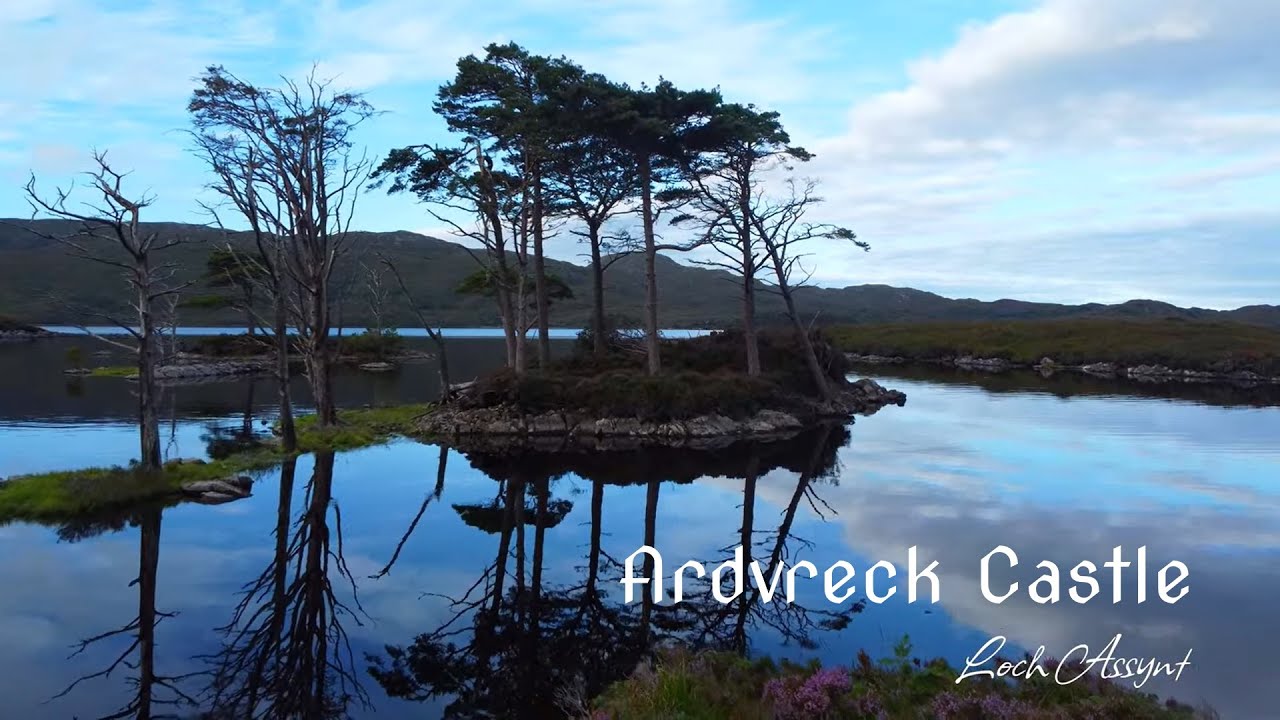
Standing as a lonely, wind-swept sentinel on a rocky peninsula stretching into the dark waters of Loch Assynt, Ardvreck Castle is one of the most hauntingly beautiful and iconic ruins in the Northwest Highlands. Framed by the monumental, ancient peaks of Sutherland, this ancient stronghold possesses an incredibly dramatic presence that belies its fractured state. For anyone exploring the remote wilderness of Assynt, the castle is an indispensable stop where centuries of clan warfare, betrayal, and Highland tragedy meet an untamed natural landscape.
The Rise and Fall of Clan MacLeod
The history of Ardvreck Castle dates back to the late 15th century, around 1490, when it was constructed by the MacLeods of Assynt. Built as a striking four-story rectangular tower house, it was designed to project power and secure control over the vital surrounding trade and mountain routes. The castle played a pivotal, turbulent role in Scotland's complex civil wars; most famously, it was here in 1650 that James Graham, the Marquis of Montrose, was captured and handed over to his executioners after fleeing the Battle of Carbisdale.
The MacLeods' dominance came to a bitter end in 1672 when their historic rivals, the MacKayes and the MacKenzies, besieged and captured the fortress. The MacKenzies subsequently built Calda House nearby, a more modern, comfortable mansion, which led to Ardvreck falling into disrepair. By the mid-18th century, both properties were reduced to hollow shells following devastating fires, leaving only a substantial fragment of Ardvreck’s main tower and a few crumbling walls to stand against the elements.
A Tidal Marvel in a Mountain Wilderness
What makes Ardvreck Castle uniquely captivating to photographers and travelers is its stunning geographical placement. The castle sits on an elongated promontory that connects to the mainland via a low, sandy causeway. Depending on the shifting water levels of Loch Assynt, this causeway can become partially submerged, momentarily transforming the ruins into a completely isolated island fortress.
The surrounding scenery is nothing short of breathtaking. The loch itself is cradled by some of Britain’s most geologically distinct mountains, including the multi-peaked ridge of Quinag and the stark, limestone cliffs of Beinn an Fhurain. The contrast between the fragile, ancient masonry of the ruined tower and the massive scale of the prehistoric hills creates an unforgettable visual experience that lingers in the memory long after you leave.
Practical Visitor Information
Getting There: The ruins are located directly along the main A837 road, roughly 11 kilometers north of Lochinver. It is a prominent and highly popular highlight along the North Coast 500 route.
Parking & Facilities: A spacious, dedicated gravel car park is situated alongside the road directly opposite the loch. Please note that because of the exceptionally remote nature of this part of Sutherland, there are no toilets, shops, or visitor centers on-site. Both parking and entry to the castle grounds are entirely free of charge.
Access & Footwear: The short trail leading from the car park down to the peninsula is relatively flat but can become incredibly muddy, waterlogged, or slick after a heavy downpour. Sturdy, waterproof walking boots or shoes with deep tread are strongly recommended.
Safety Warning: The castle ruins are ancient and fragile. Visitors are welcome to explore the exterior and the immediate grounds but should exercise extreme caution around the loose stonework and refrain from climbing on the delicate, unprotected high walls.
Conclusion: An Unforgettable Highland Icon
Ardvreck Castle does not offer a curated, commercial museum experience. Instead, it provides a raw, authentic encounter with Scotland’s past. It is a place where you can stand within the broken walls of a medieval tower, feel the chill wind coming off Loch Assynt, and look out at the same mountain silhouettes that the MacLeods watched over five hundred years ago. For any traveler journeying through the wild, magnificent north, this lakeside ruin remains an essential, deeply atmospheric destination.