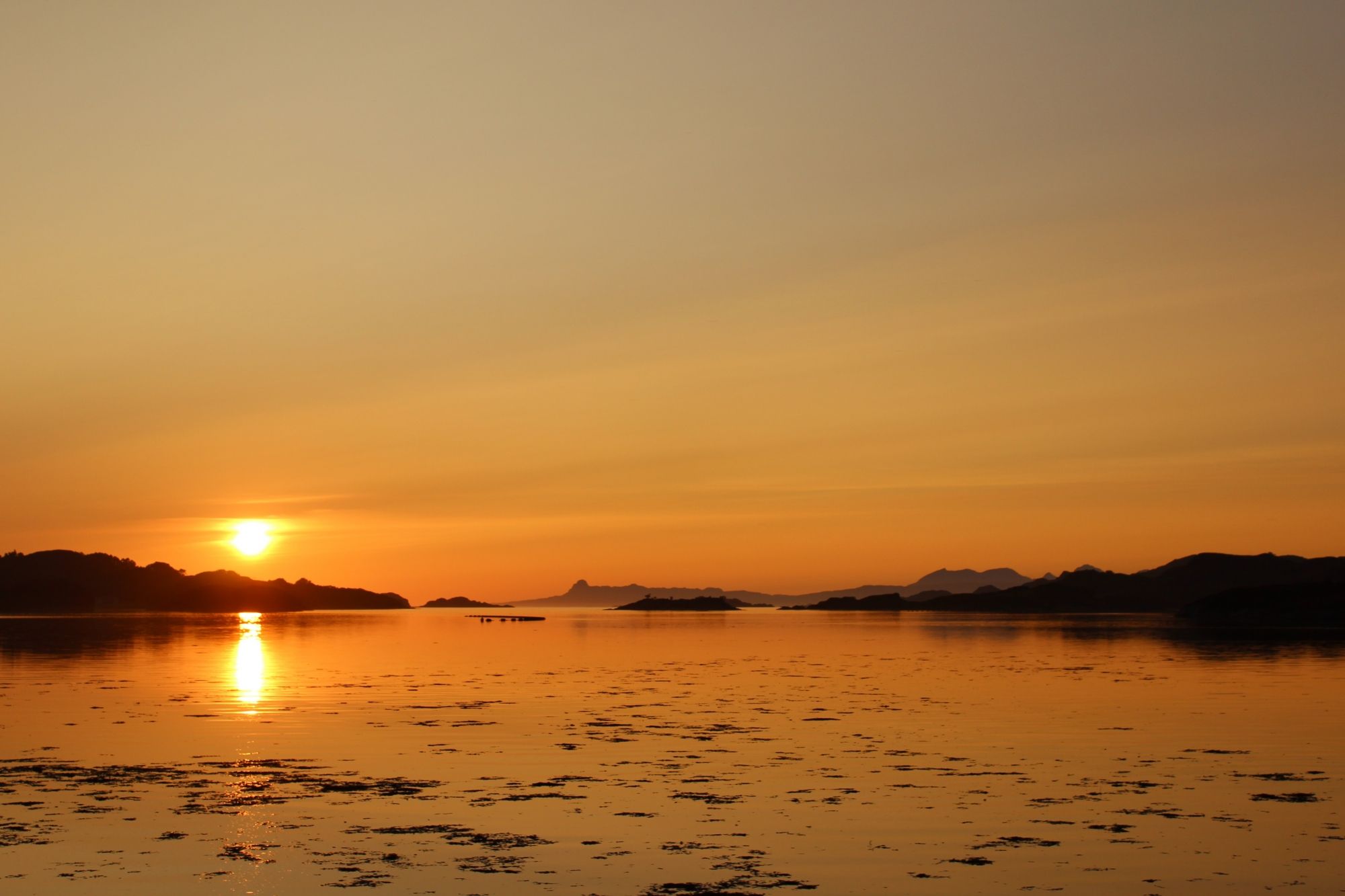



Where Mountains Meet the Sea: The Serene Beauty of Loch Ailort
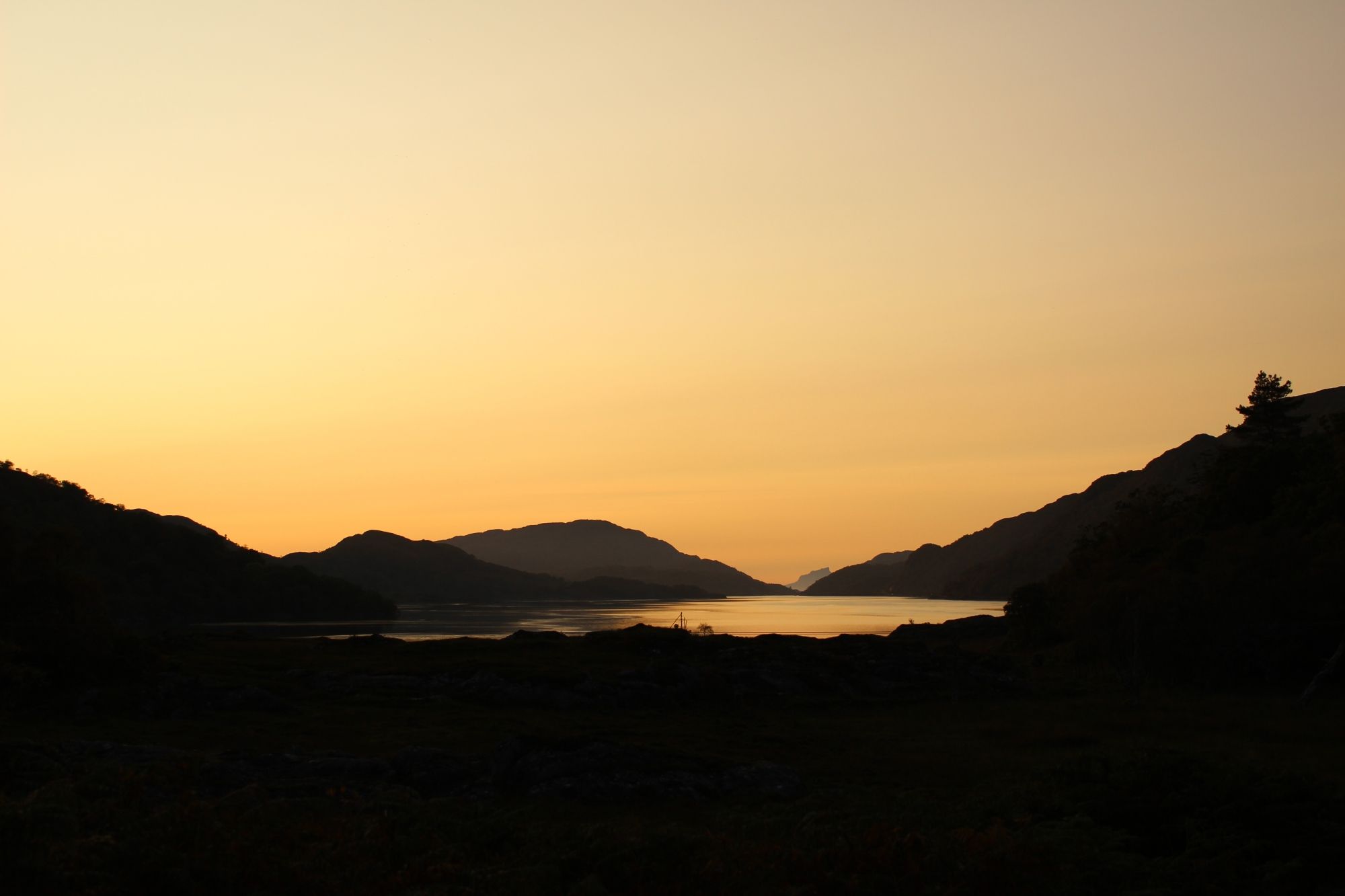
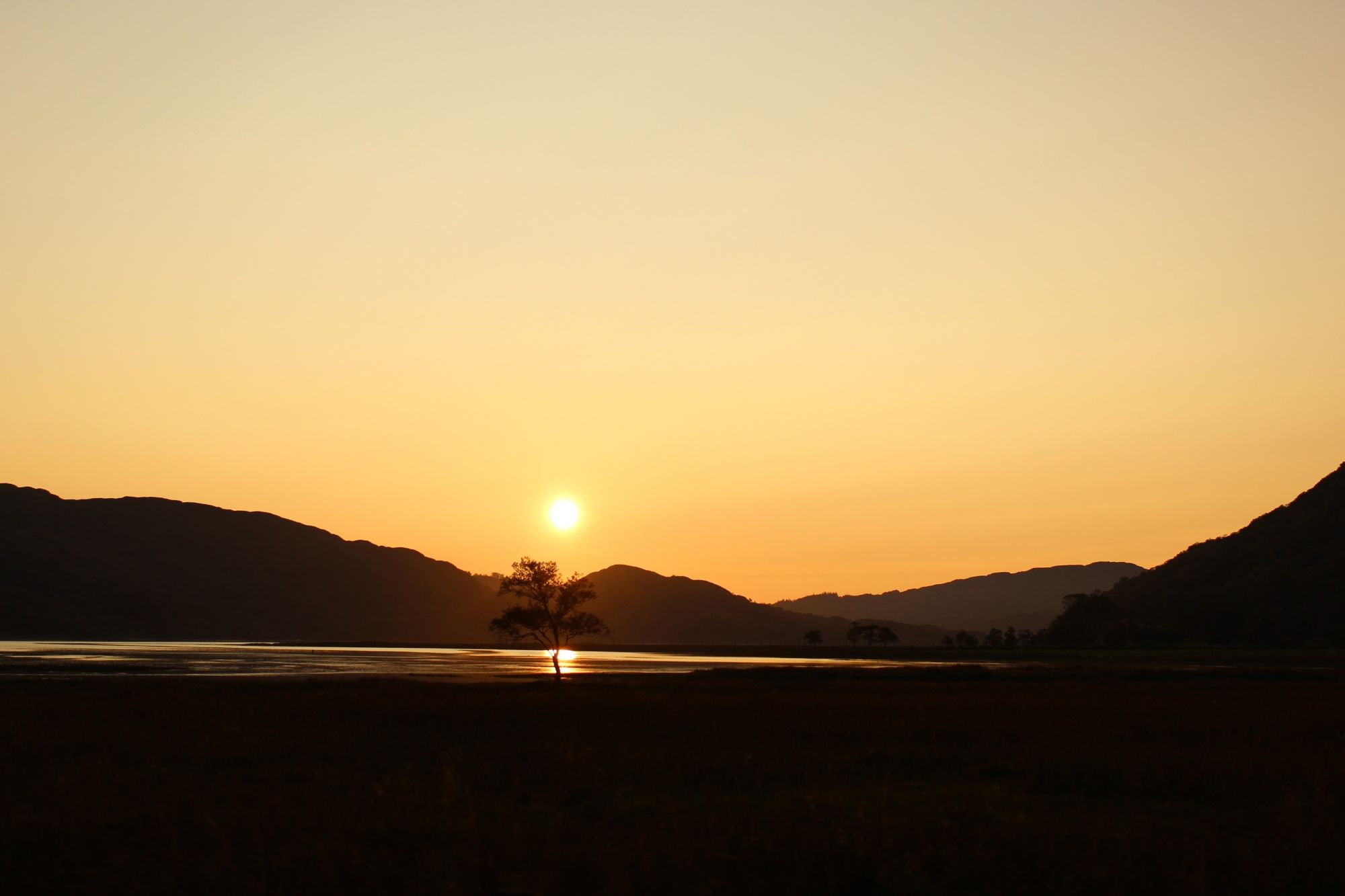
Situated on the stunning, rugged coastline of Lochaber, Loch Ailort is a magnificent sea loch that acts as a natural gateway to some of Scotland’s most remote and beautiful peninsulas. Branching off from the Sound of Arisaig, this narrow body of saltwater cuts deep inland, surrounded by steep, heather-clad hills and dense native woodlands. For those traveling along the iconic Road to the Isles, Loch Ailort provides a breathtaking introduction to the wild, maritime character of the West Highlands, where the dramatic contours of the mountains plunge directly into the Atlantic tides.
A Landscape of Islands and Ridges
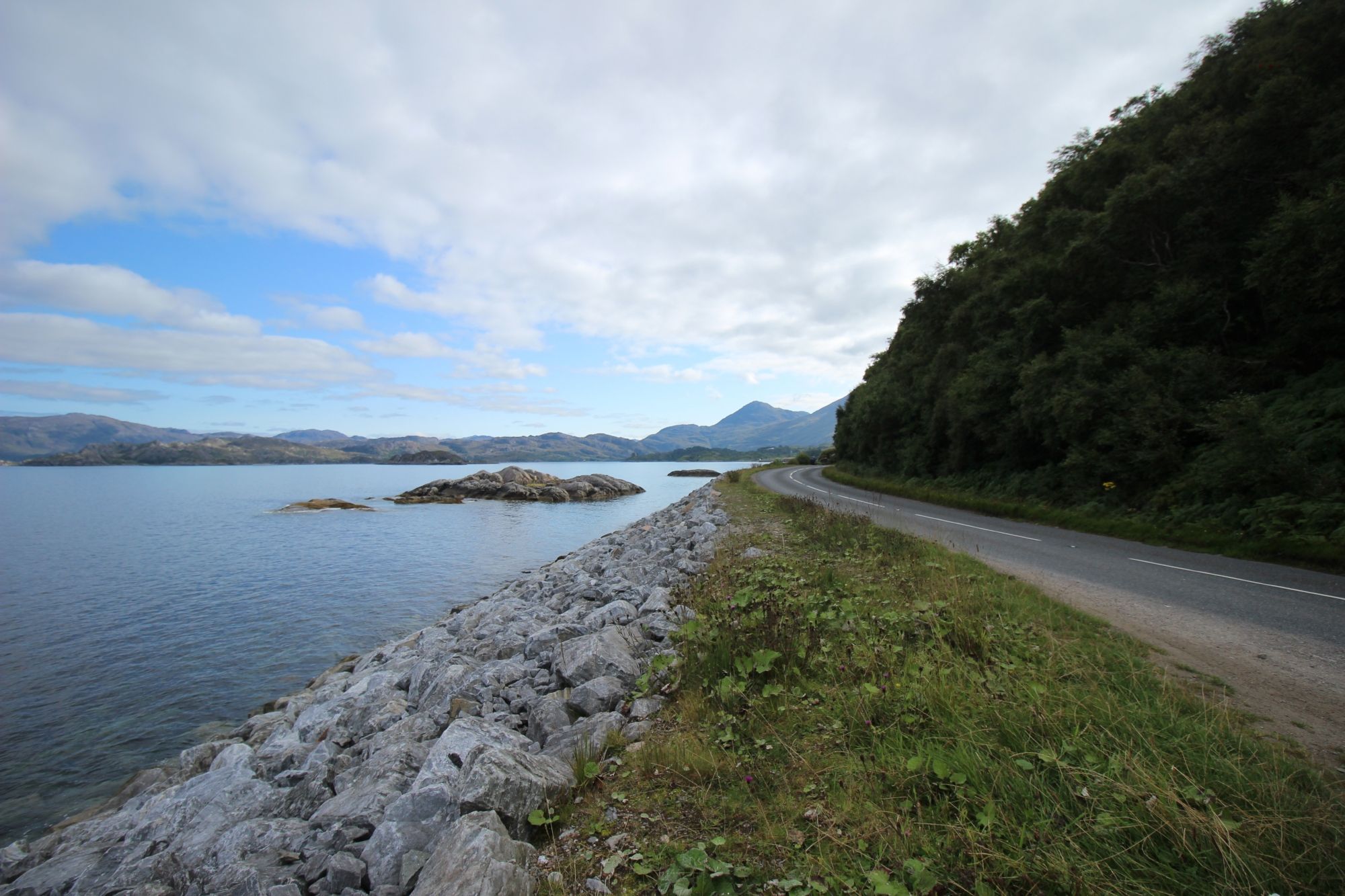
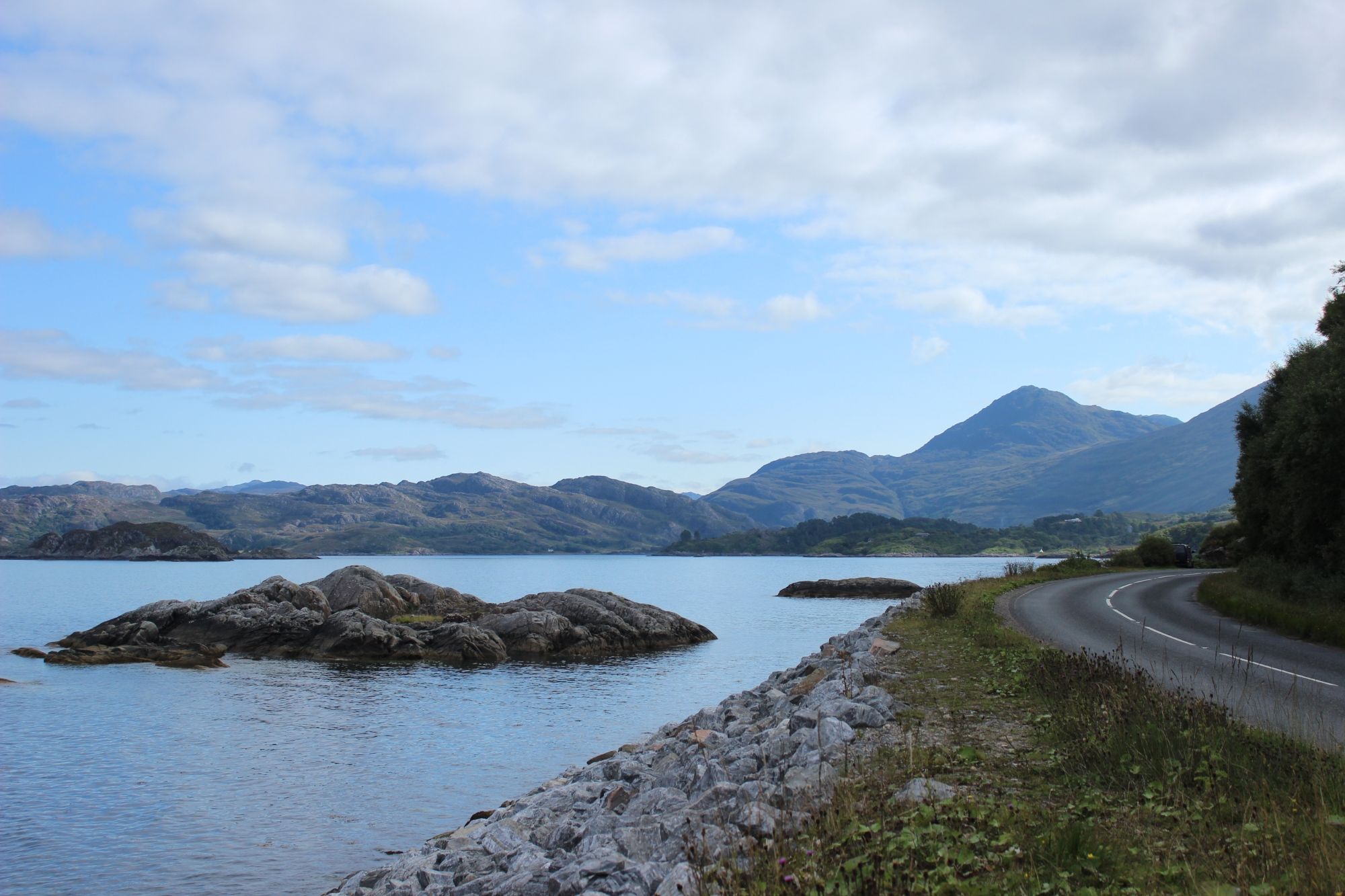
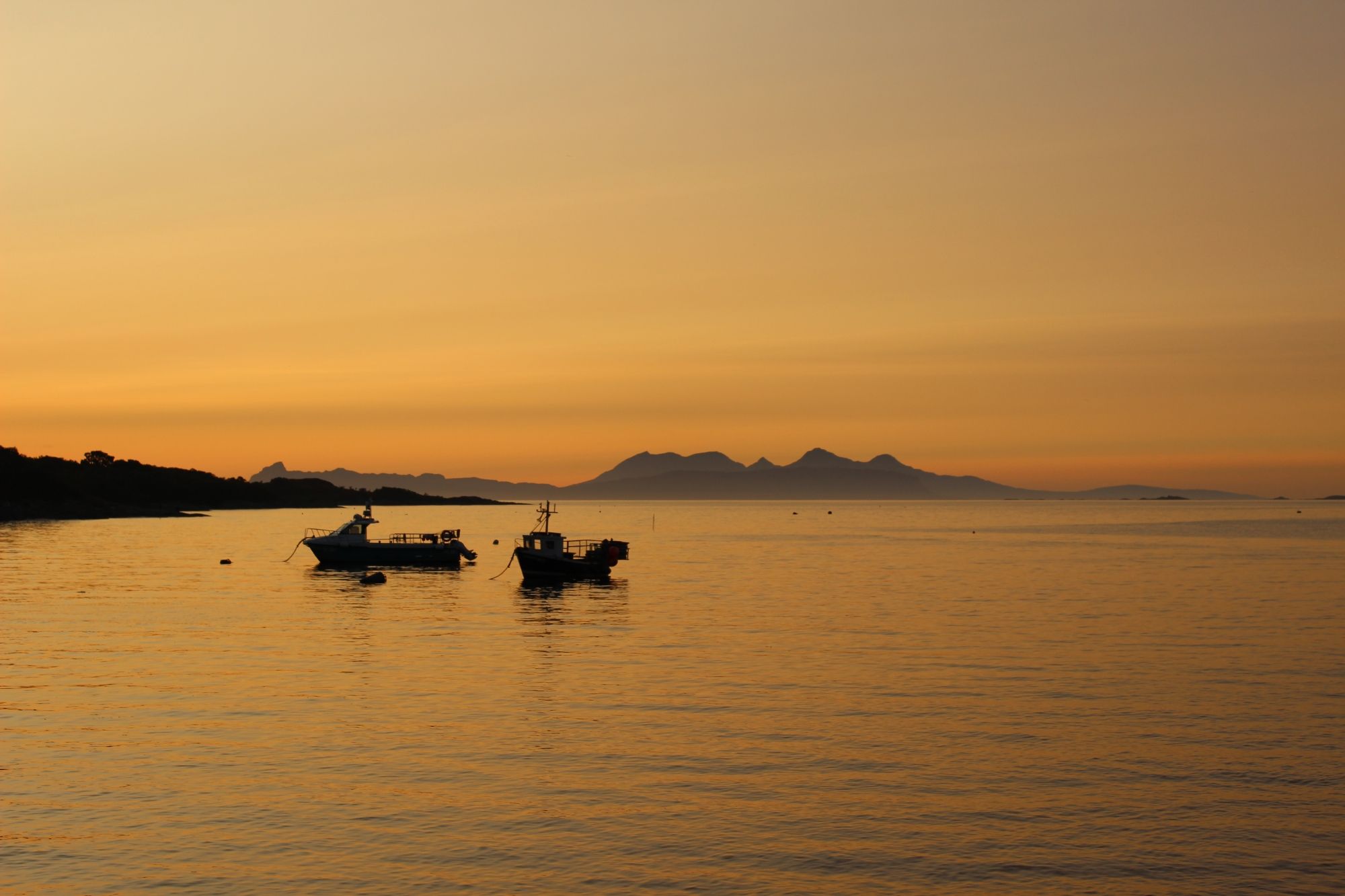
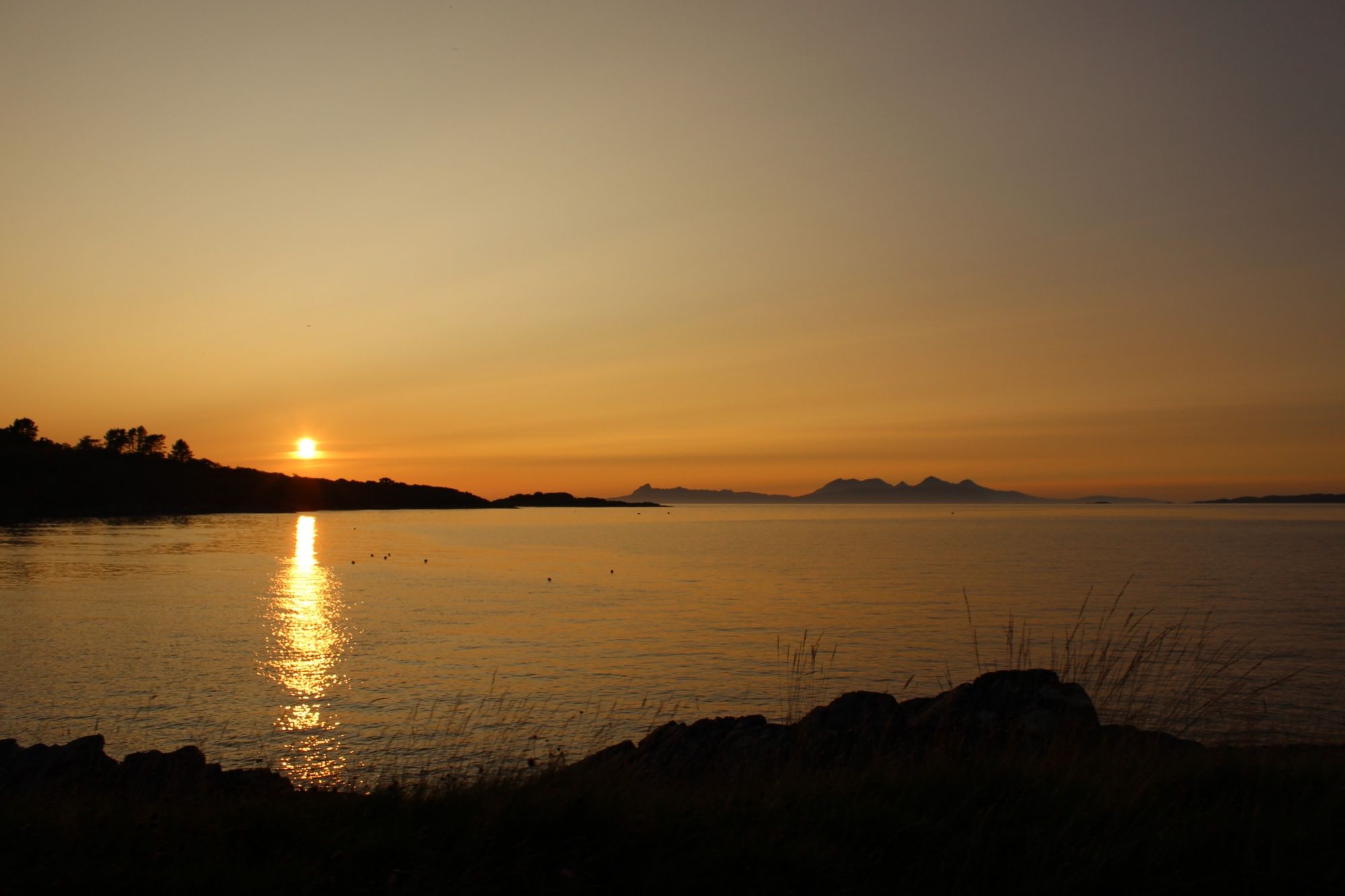
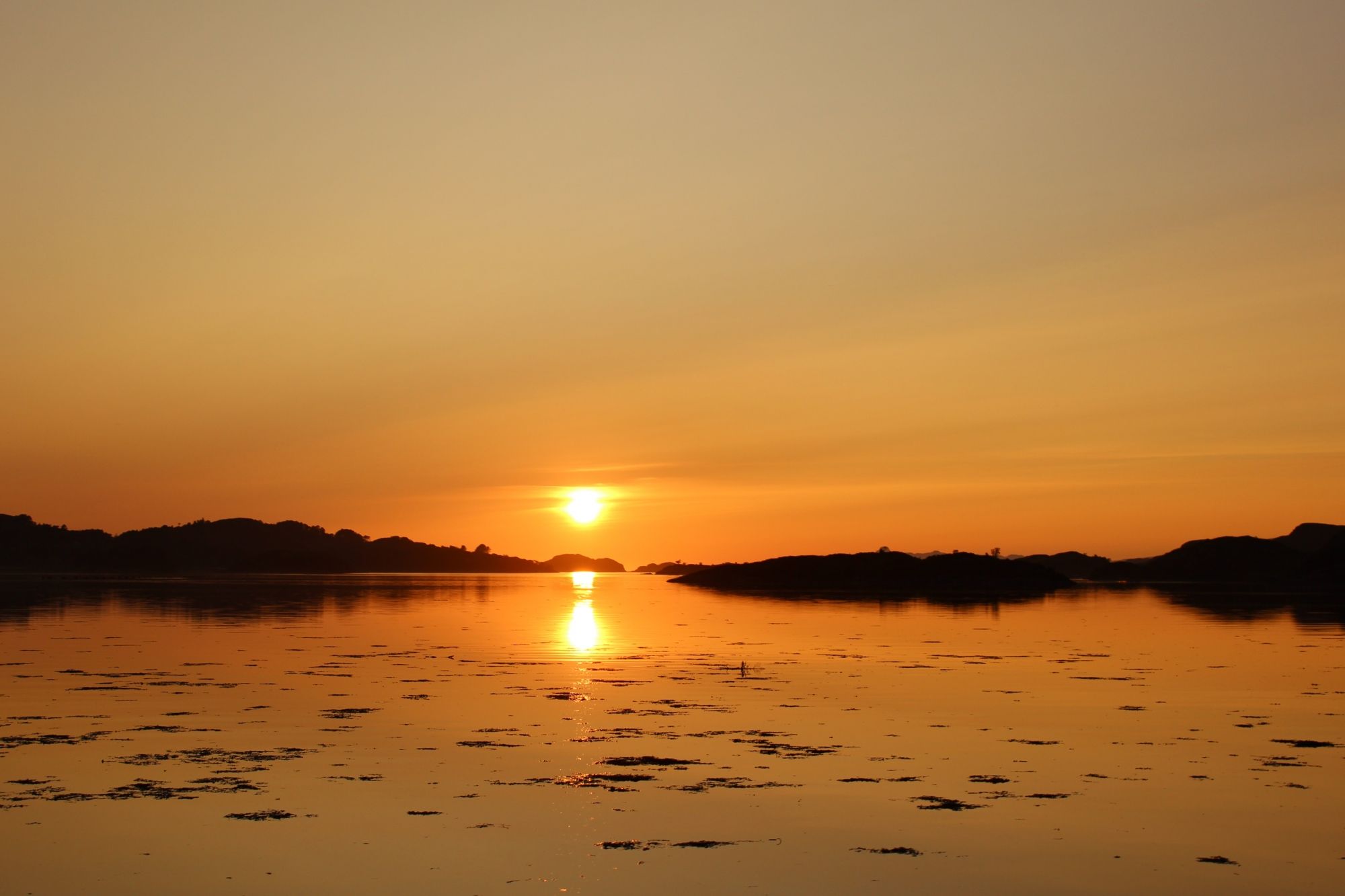
The topography of Loch Ailort is exceptionally varied and visually striking. The loch is dotted with tiny, rocky islets and wooded crags, including Eilean Dubh (the Black Island), which add a sense of mystery and texture to the water’s surface. Guarding the northern entrance to the loch is the wild, uninhabited Ardnish Peninsula, a rugged expanse of bog, lochans, and abandoned stone settlements that is highly favored by adventurous rough-terrain hikers.
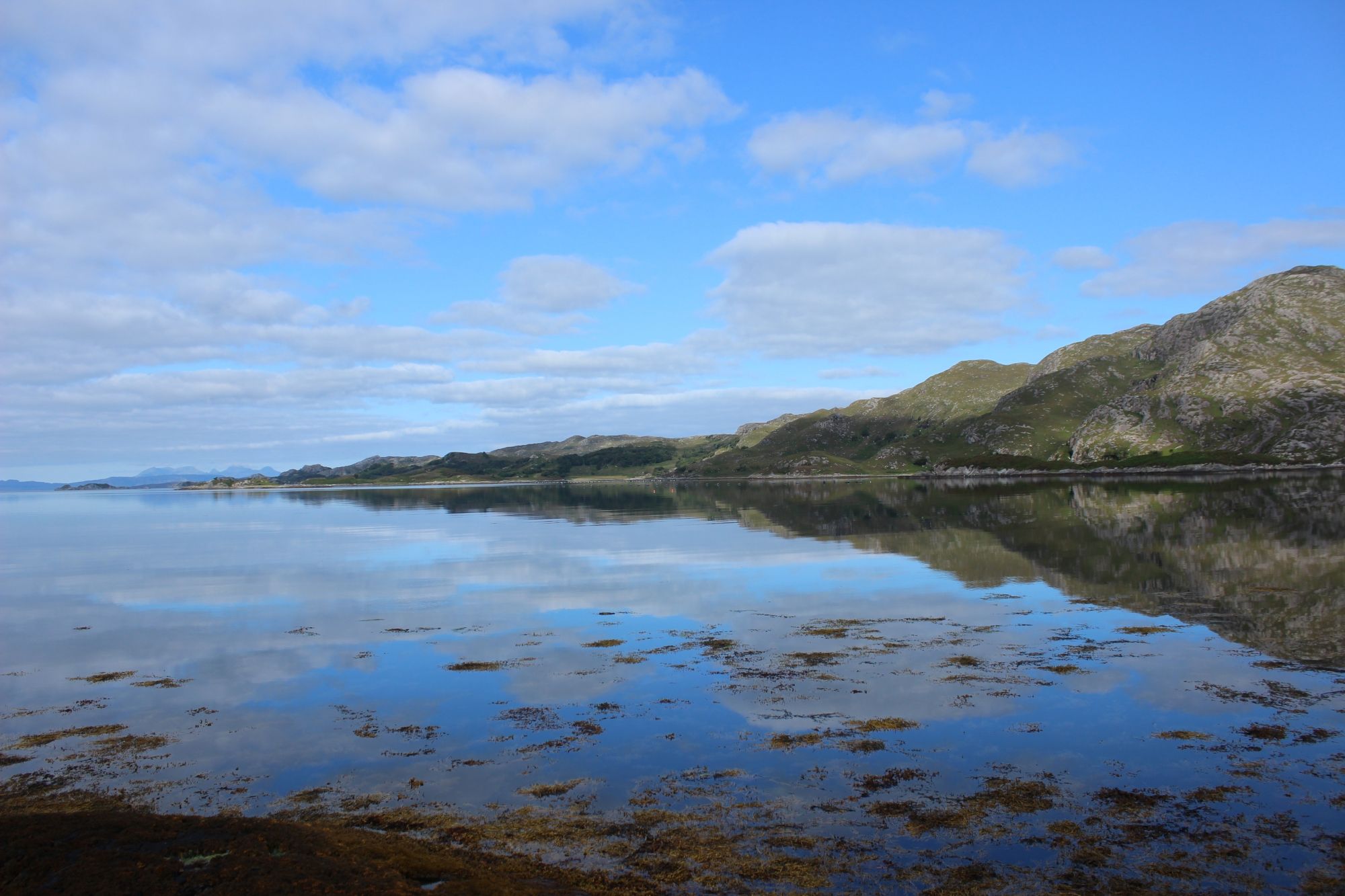
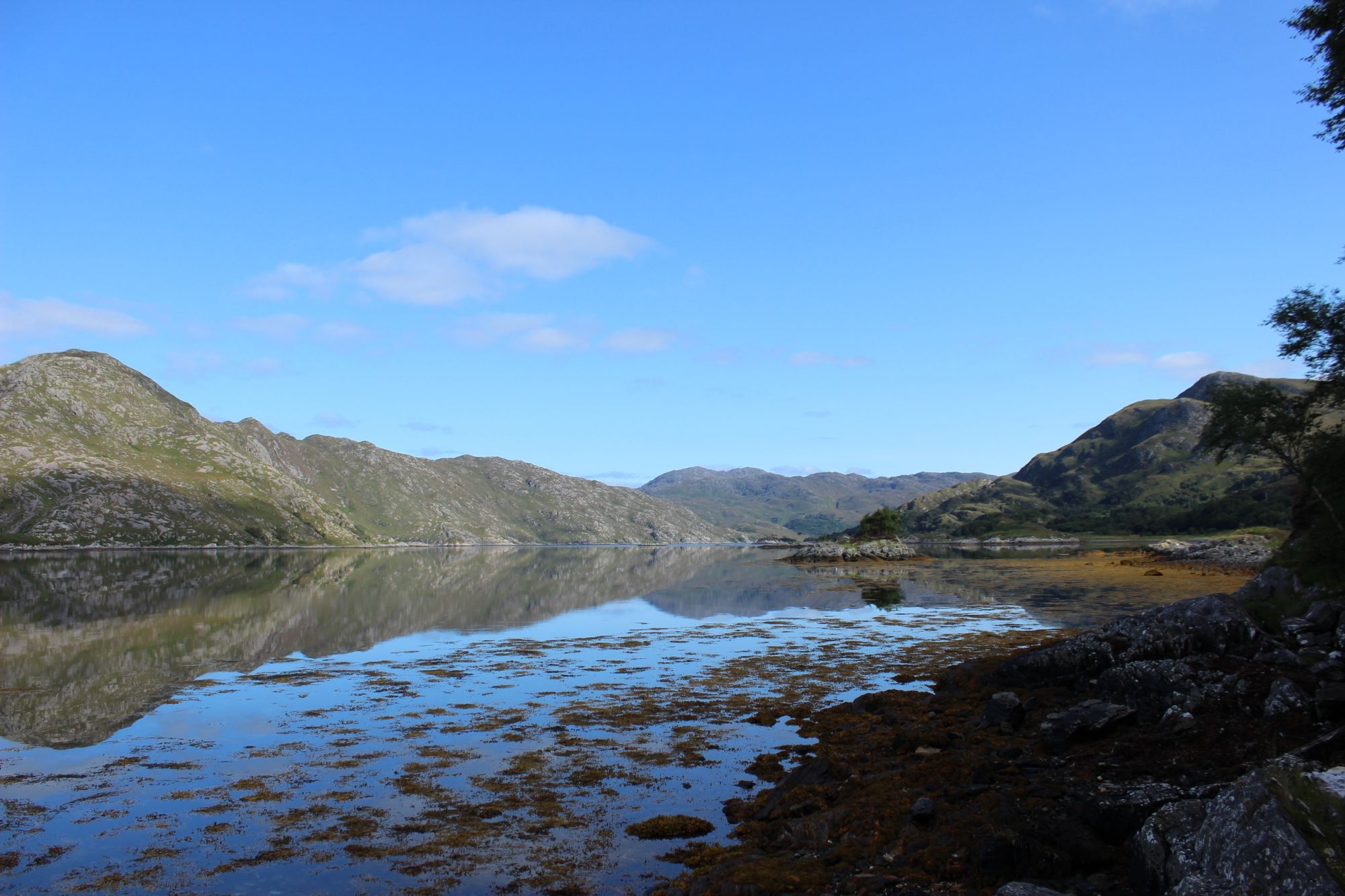
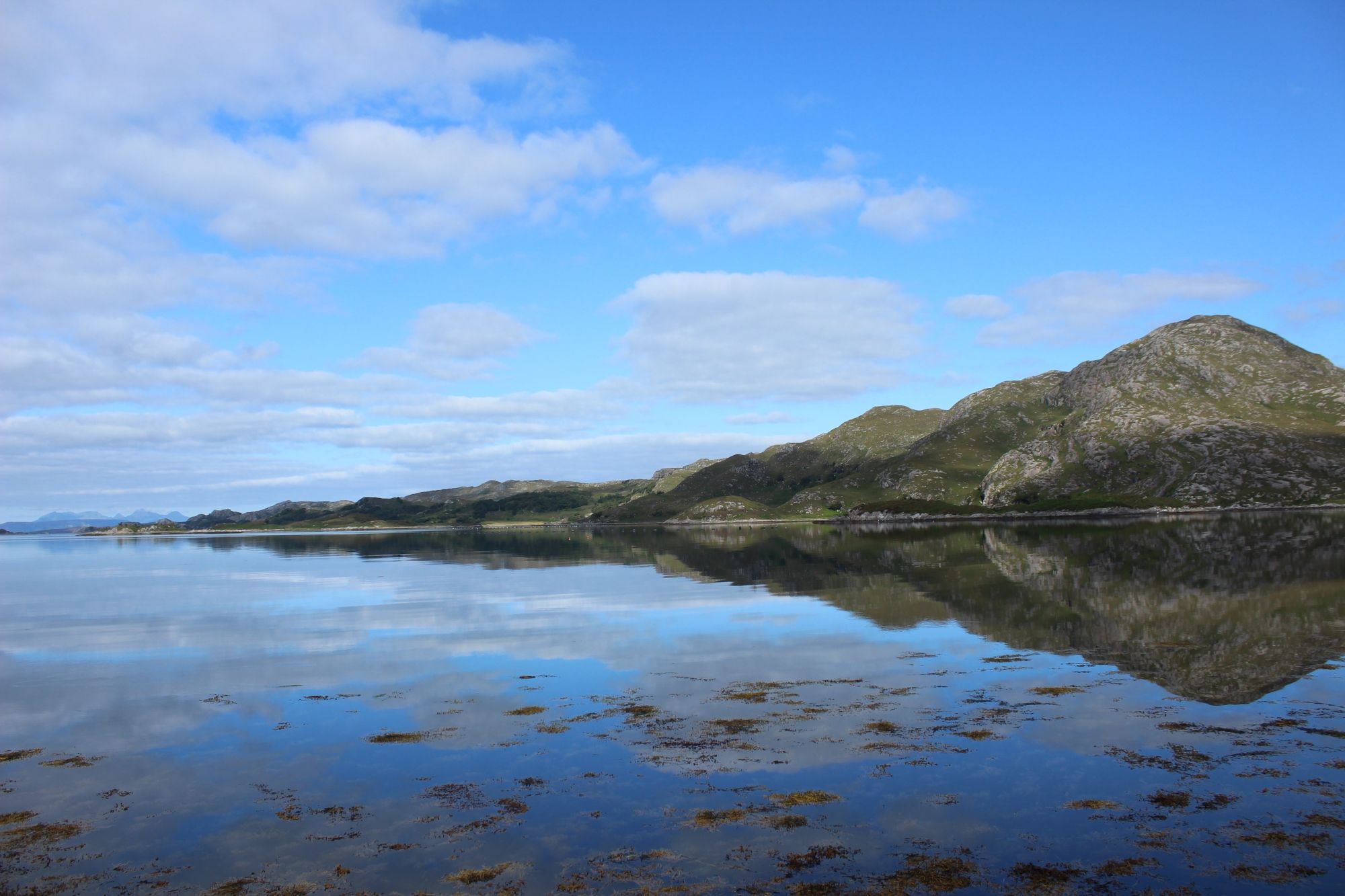
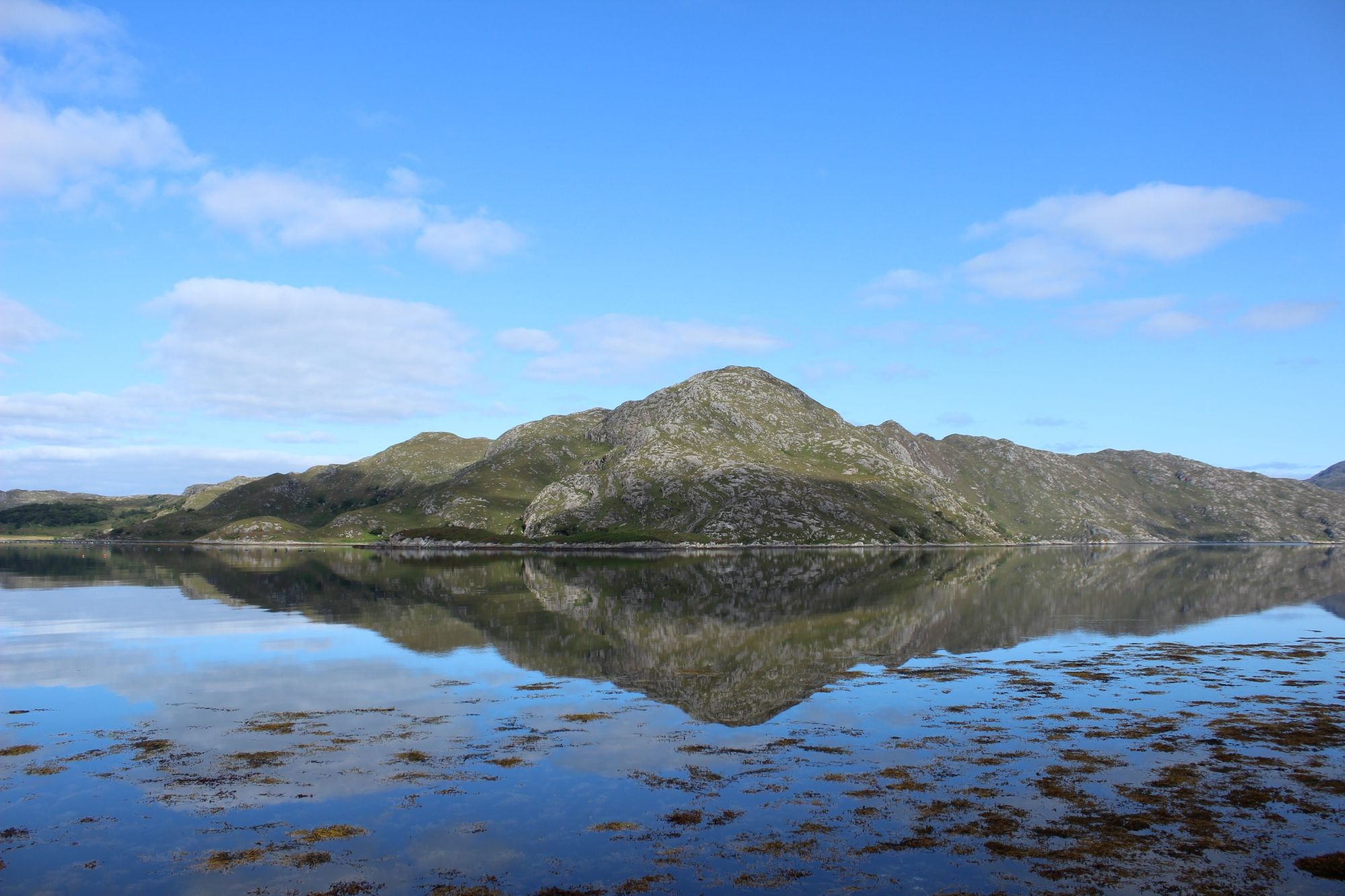
Framing the inner reaches of the loch are the towering, dramatic ridges of the Moidart hills, including peaks like Rois-Bheinn. These mountains throw vast, shifting reflections across the water on calm days, creating an ever-changing canvas of light and shadow. The shorelines themselves are a beautiful mix of dark seaweed-strewn rocks, small shingle beaches, and pockets of ancient Atlantic oakwoods that thrive in the mild, damp maritime climate.
History, Wildlife, and the Iron Road
Loch Ailort is steeped in rich historical narratives. At the head of the loch sits Inverailort House, a historic estate that played a critical, top-secret role during the Second World War as the first training center for the Special Operations Executive (SOE) and commando units. The demanding, rugged terrain surrounding the loch provided the ultimate testing ground for soldiers preparing for irregular warfare in hostile environments.
Today, the loch is a peaceful sanctuary for an abundance of Scottish wildlife. It is a vital habitat for playful European otters, which can frequently be seen hunting among the kelp beds along the shoreline. The skies above the surrounding ridges are regularly patrolled by golden eagles and majestic white-tailed sea eagles. Skirting the northern shore of the loch is the world-famous West Highland Line railway; watching the Jacobite steam train puff its way along the hillside high above the glittering water is an unforgettable sight that feels lifted straight from a classic postcard.
Practical Visitor Information
Getting There: Loch Ailort is easily accessible via the A830 road (the Road to the Isles), which connects Fort William to Mallaig. The junction with the A861 turns south toward Moidart right at the head of the loch, making it a natural crossroads for coastal exploration.
Outdoor Activities: The sheltered, intricate coastline of the loch makes it an exceptional destination for sea kayaking and paddleboarding. Launch sites can be found near the head of the loch, allowing paddlers to explore the small islands and the quiet shores of the Ardnish Peninsula.
Walking Routes: While there are few formal, manicured paths, the old coastal track leading onto the Ardnish Peninsula from the railway bridge near Lochailort provides a fantastic, rugged day hike for experienced walkers looking to explore abandoned crofting villages like Peanmeanach.
Local Stops: The small hamlet of Lochailort at the head of the loch features a historic inn, providing a welcome spot for a hot meal, traditional refreshments, and accommodation amidst the grand mountain scenery.
Conclusion: A West Coast Essential
Loch Ailort captures the very essence of the West Highland coast. It is a place where the barrier between land and sea becomes beautifully blurred, where steep mountain ridges cradle tidal waters, and where every turn of the road reveals a fresh, panoramic vista. Whether you are catching a glimpse of its islands from the window of a passing train, exploring its intricate bays by kayak, or simply pausing at the shoreline to take in the crisp, salty sea air, Loch Ailort remains an indispensable and deeply atmospheric highlight of any journey through wild Scotland.