



Ancient Echoes: Exploring the King’s Caves of Arran
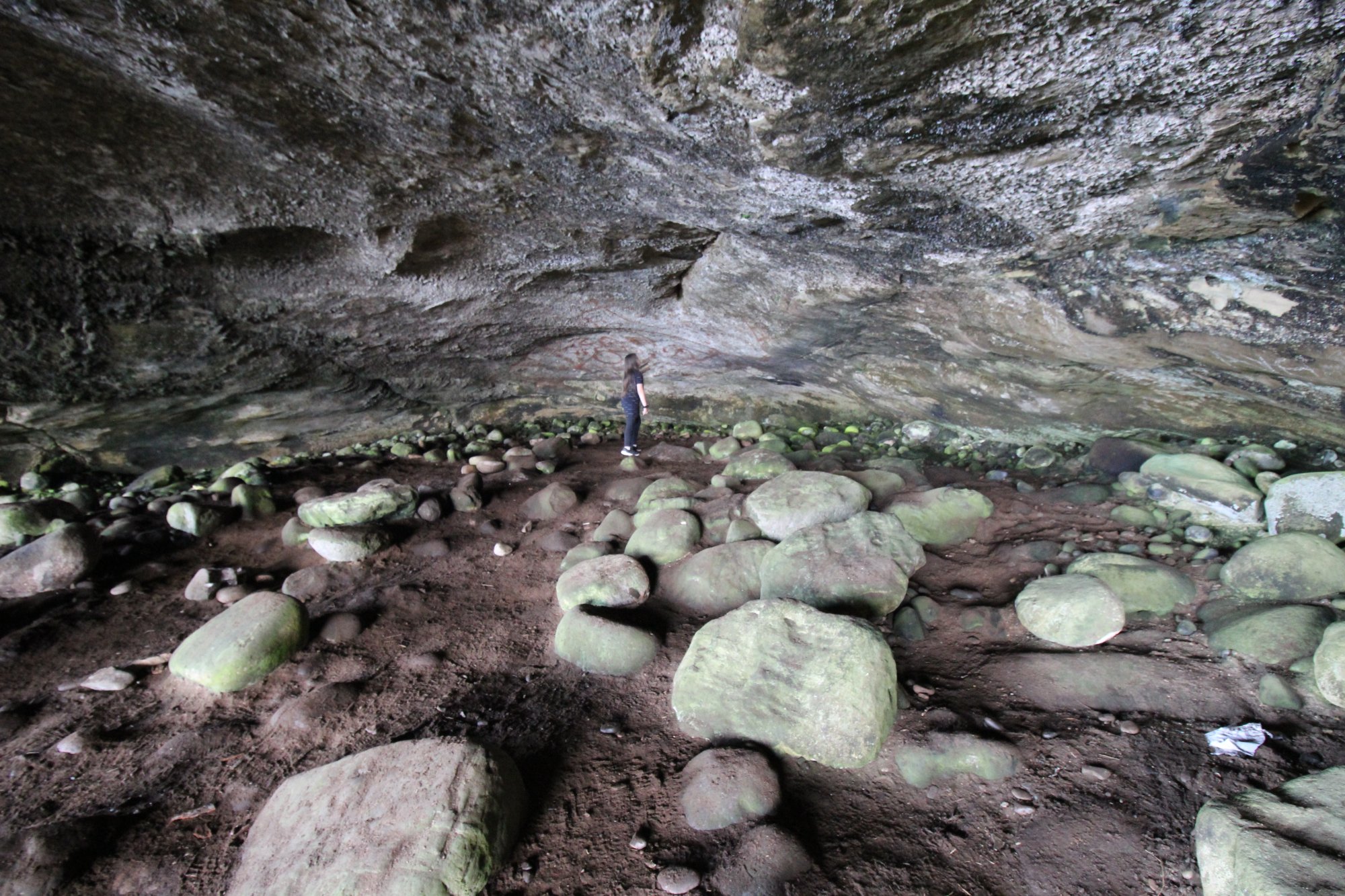
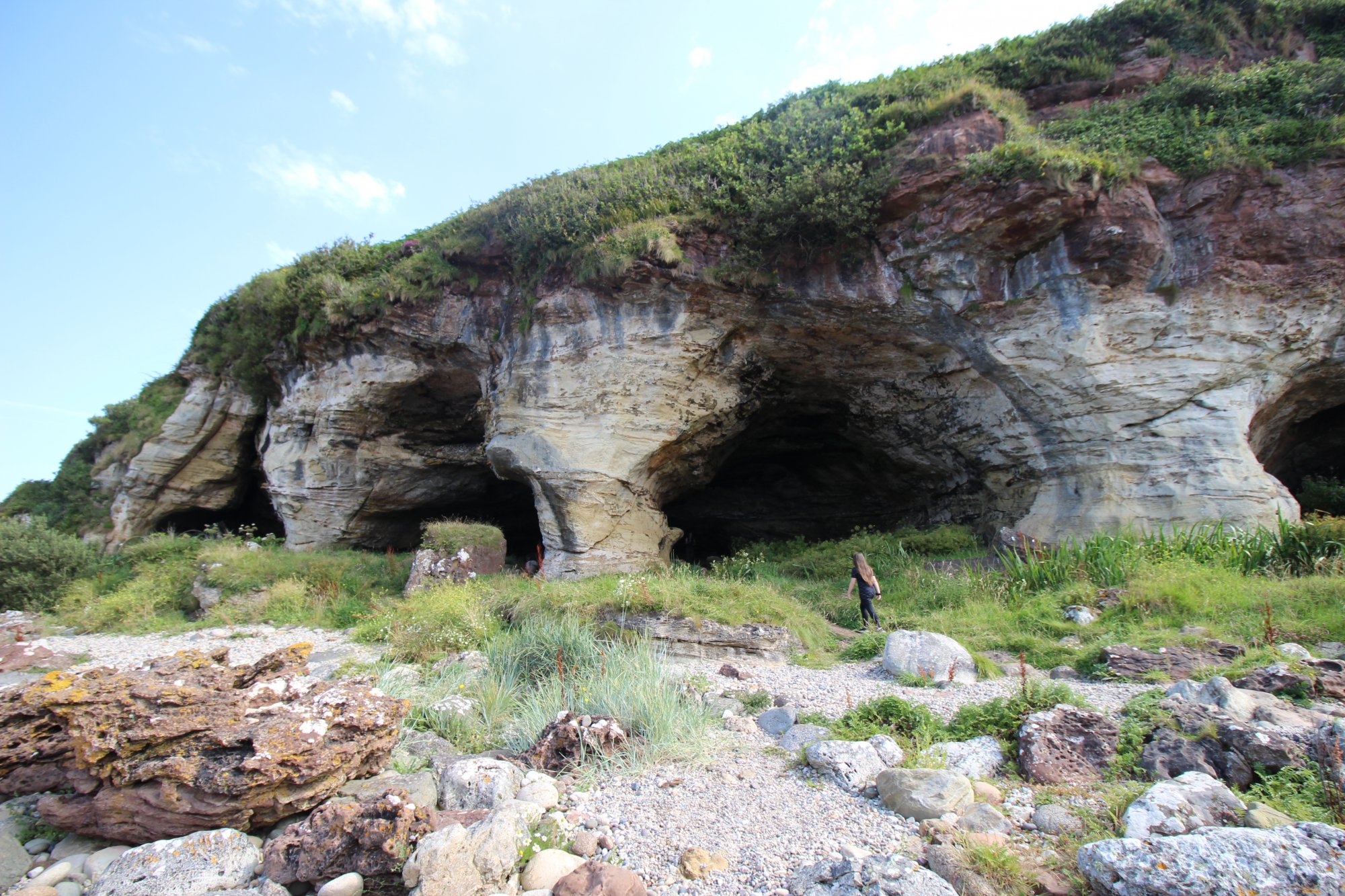
Nestled along the rugged west coast of the Isle of Arran, the King’s Caves stand as a profound intersection of geology, artistry, and royal legend. Far more than a simple coastal landmark, this series of sandstone recesses serves as a repository of ancient art and religious devotion. Carved by the relentless motion of the sea over 6,000 years ago, when water levels were significantly higher than today, these caverns have provided shelter and inspiration from the Iron Age through to the 18th century.
The Legend of Robert the Bruce
The caves owe their name to Scotland’s most famous fugitive king, Robert the Bruce. According to enduring legend, the monarch sought refuge here in 1306 while fleeing English forces during the Wars of Scottish Independence. It was within these damp sandstone walls that, as the story goes, he observed a spider repeatedly failing to anchor its silk thread, only to succeed on its seventh attempt. This display of persistence supposedly inspired the King to continue his own struggle for the throne. While several sites across Scotland lay claim to this iconic moment, Arran’s caves hold a particularly deep place in the public imagination, immortalized by the romantic narratives of Sir Walter Scott.
A Gallery of Ancient Art
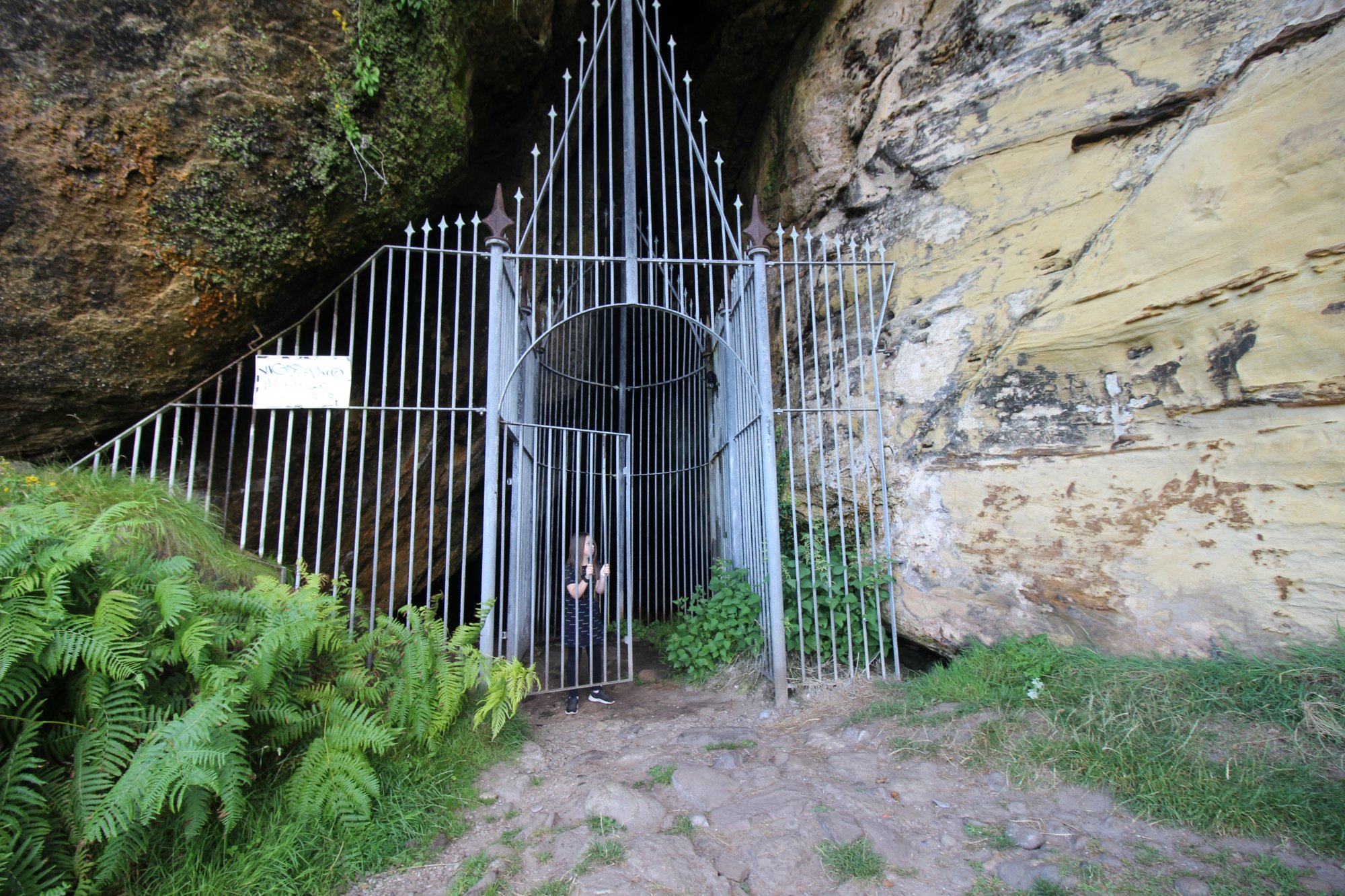
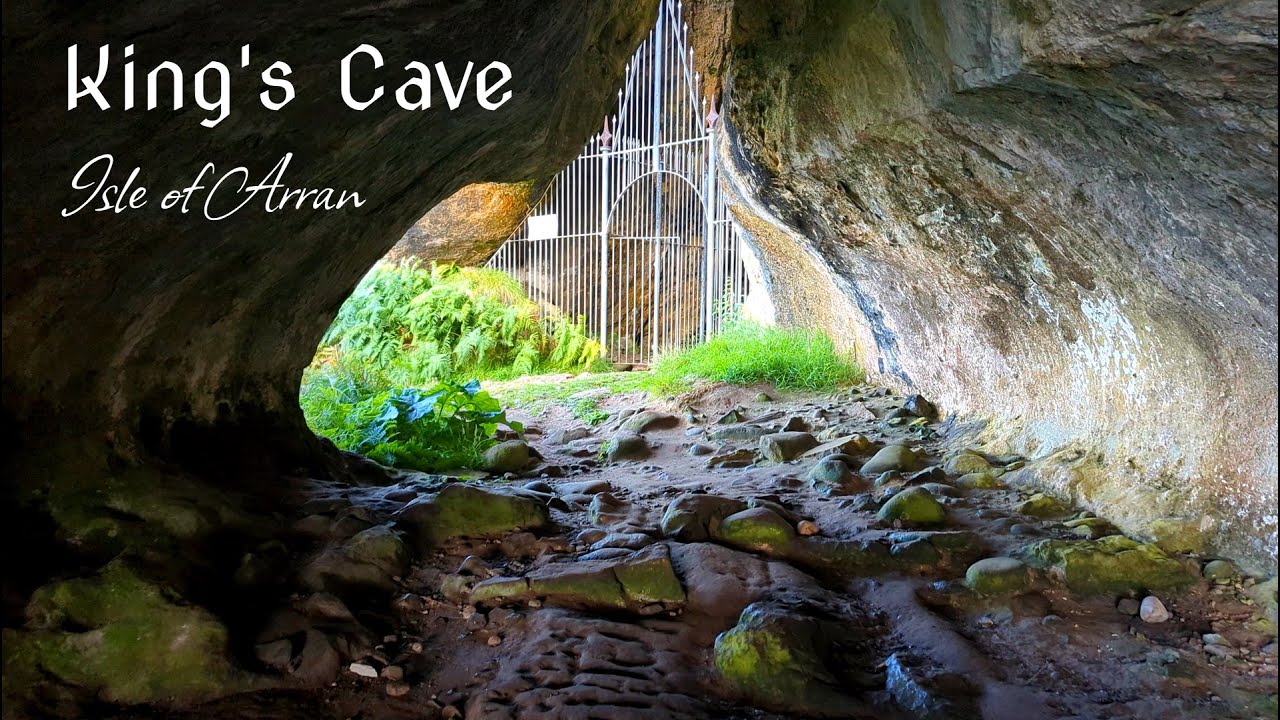
The main cave is a unique historical gallery, protected by a metal gate that allows visitors to view an extraordinary collection of petroglyphs. The walls are a hodgepodge of history:
- Pictish and Early Medieval Symbols: Look closely to spot Ogham inscriptions—the mysterious "tree alphabet"—alongside carvings of horses, serpents, and deer.
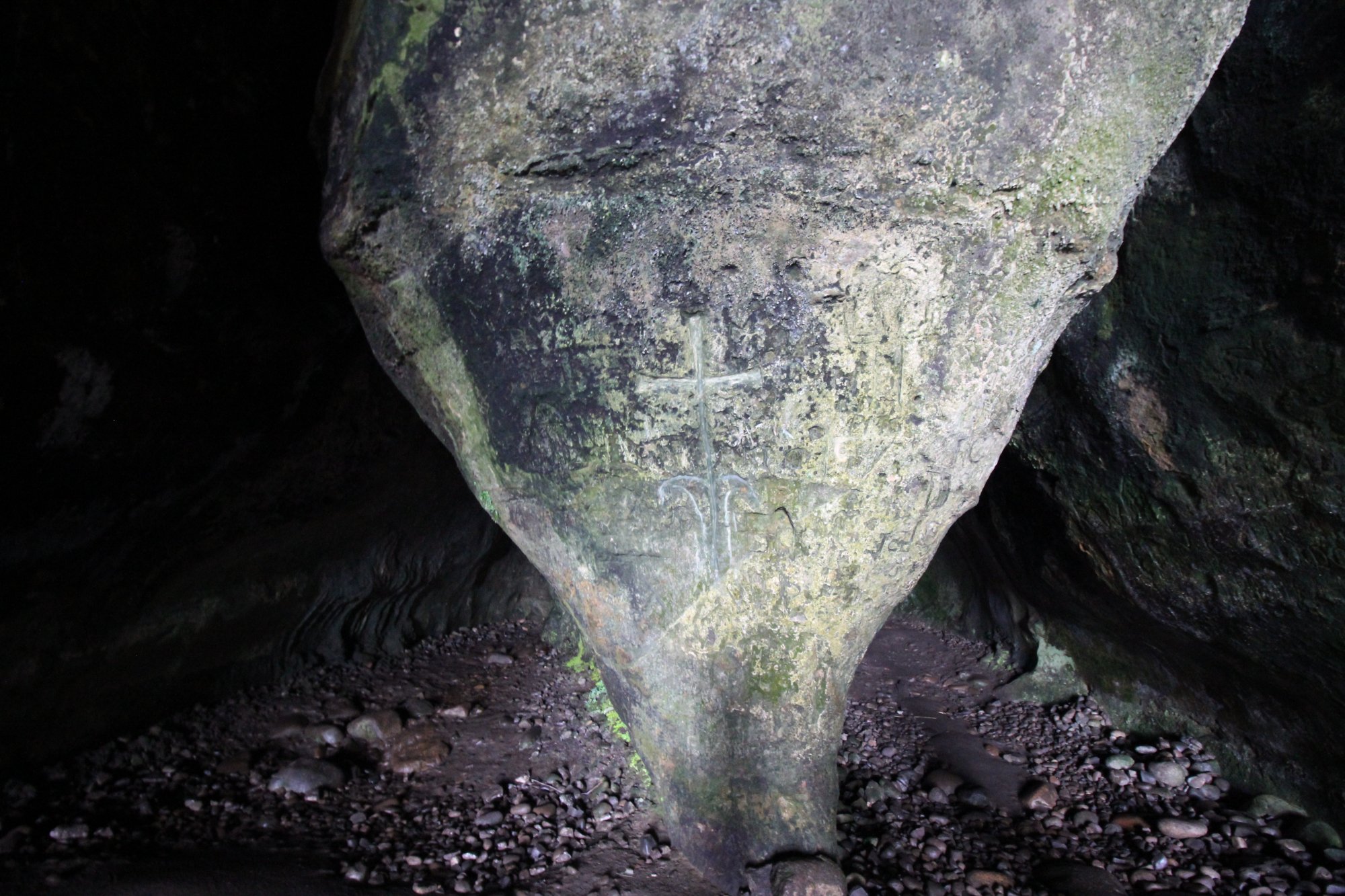
- Religious Icons: The central buttress features a prominent, reworked Latin cross, accompanied by smaller crosses and an evocative figure of a praying man, marking the site’s use as a place of worship for centuries.
- The "Inverted Heart" Tunnel: A geological masterpiece, this 10-meter natural passage provides the perfect photographic frame. Looking one way reveals the historic iron gate; looking back, you are treated to a stunning vista of the Kilbrannan Sound and the Kintyre Peninsula.
The Circular Walk
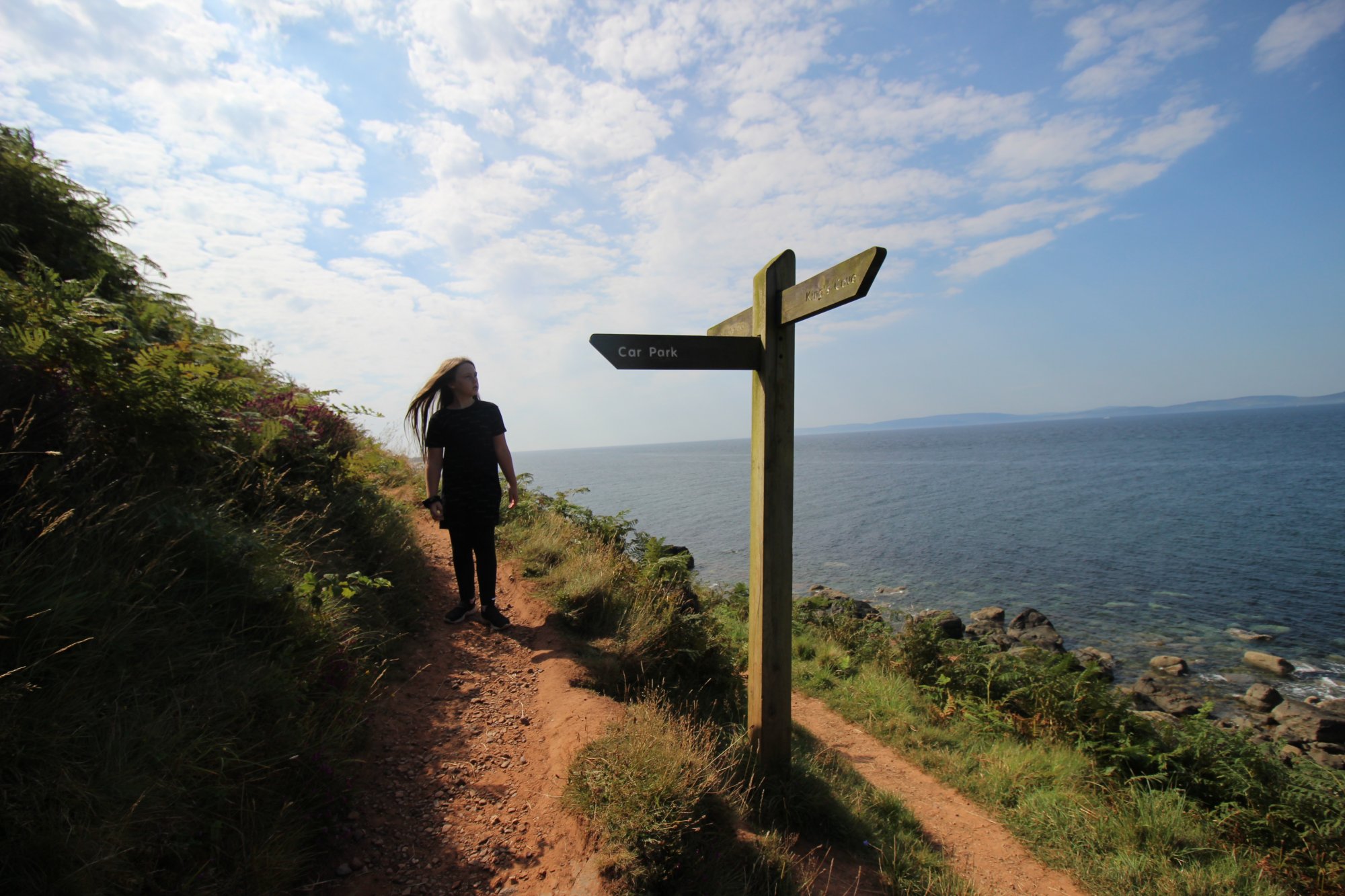
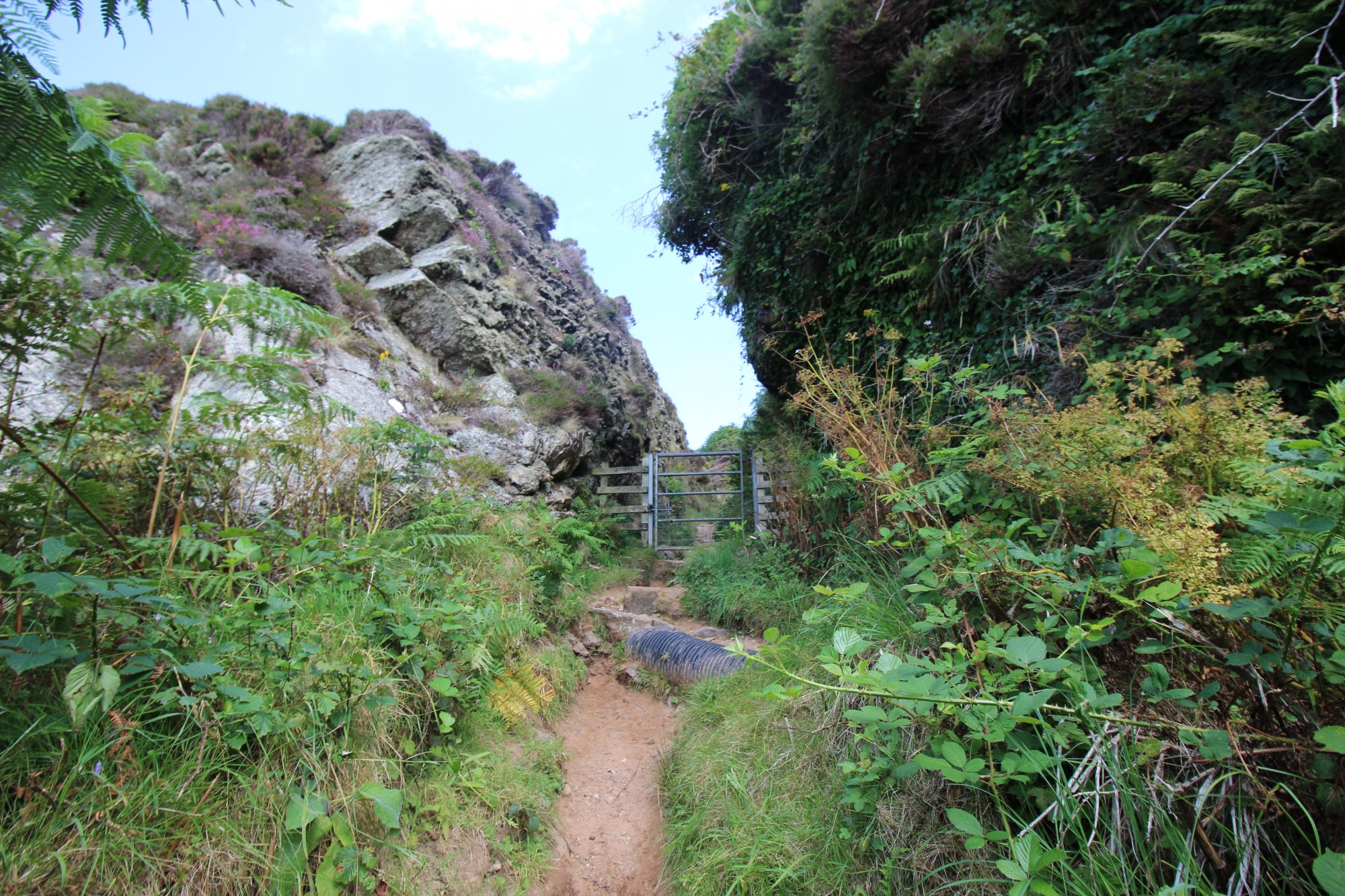
The best way to experience the site is the 2.9-mile (4.7km) circular trail. Starting from the forestry car park near Machrie, you will wander through serene woodlands of Scots pine and birch, before descending through a dramatic rocky gully toward the shore. The coastal section is rugged and atmospheric, with caves appearing in the sandstone cliffs to your left. Keep your eyes on the water; in the summer, basking sharks and otters are frequently sighted offshore. The return journey climbs back up the cliffs, offering panoramic views of the Pirnmill Hills before looping back to the start.
Practical Visitor Information
Footwear: While the forest path is gentle, the shore and gully descent can be slippery. Sturdy hiking boots are essential.
Bring a Torch: The cave interiors are dark. A flashlight is necessary to properly view the finer Ogham carvings.
Getting There: The car park is 3km north of Blackwaterfoot. If using public transport, the Service 324 bus stops here upon request.
Weather: This is an exposed walk. Pack a windproof jacket to stay comfortable against the Atlantic breeze.
Conclusion
Whether you believe the legend of the spider or simply enjoy the raw beauty of this scenic coast, the King’s Caves offer a powerful connection to the past. From their role as a church and schoolhouse in the 18th century to their ancient history as a sanctuary for early inhabitants, these caves remain a testament to the endurance of both nature and the human spirit.