



The Cradle of Christianity: The Enduring Spiritual Legacy of Iona Abbey
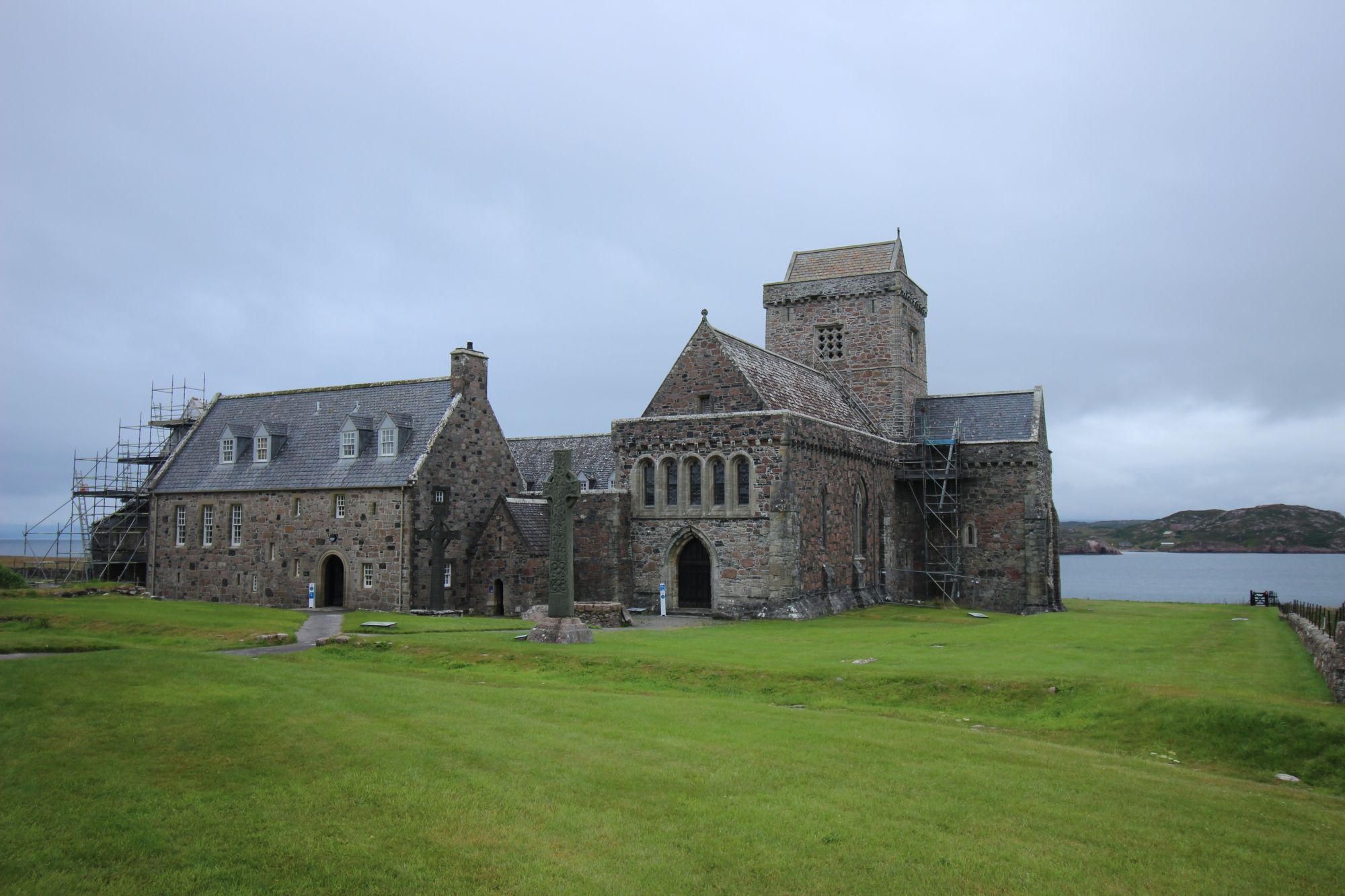
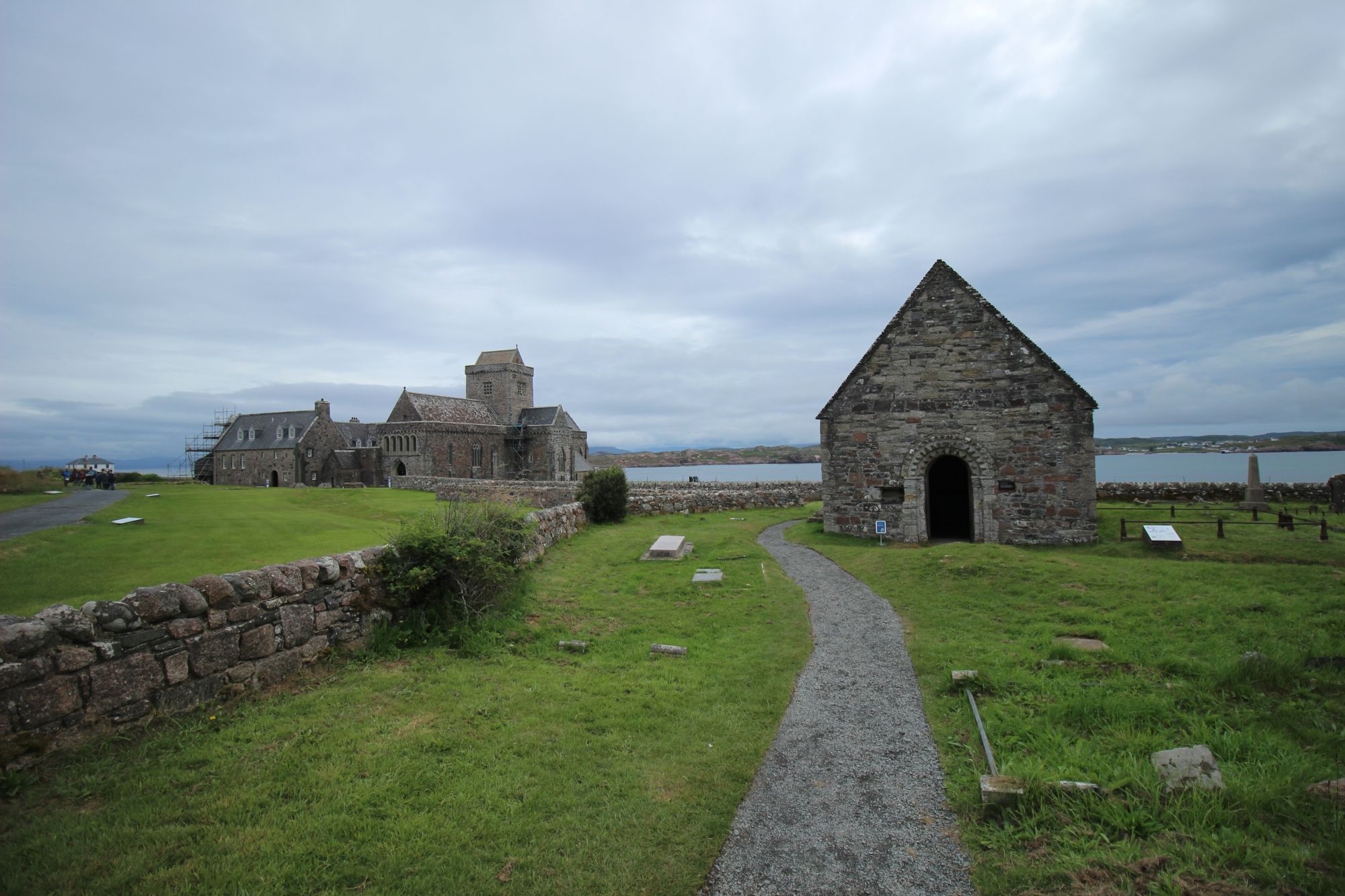
Lying across the sound from the Isle of Mull, the tiny island of Iona has long been regarded as one of the most sacred places in Scotland. At its heart stands Iona Abbey, an ancient site that has served as a beacon of faith, learning, and cultural preservation for over 1,400 years. Founded by St. Columba in 563 AD after his arrival from Ireland, this remote monastic community became the epicenter of the spread of Christianity throughout northern Britain. Today, the abbey remains a place of profound stillness, offering a retreat from the modern world amidst the windswept, crystalline beauty of the Inner Hebrides.
History Carved in Stone
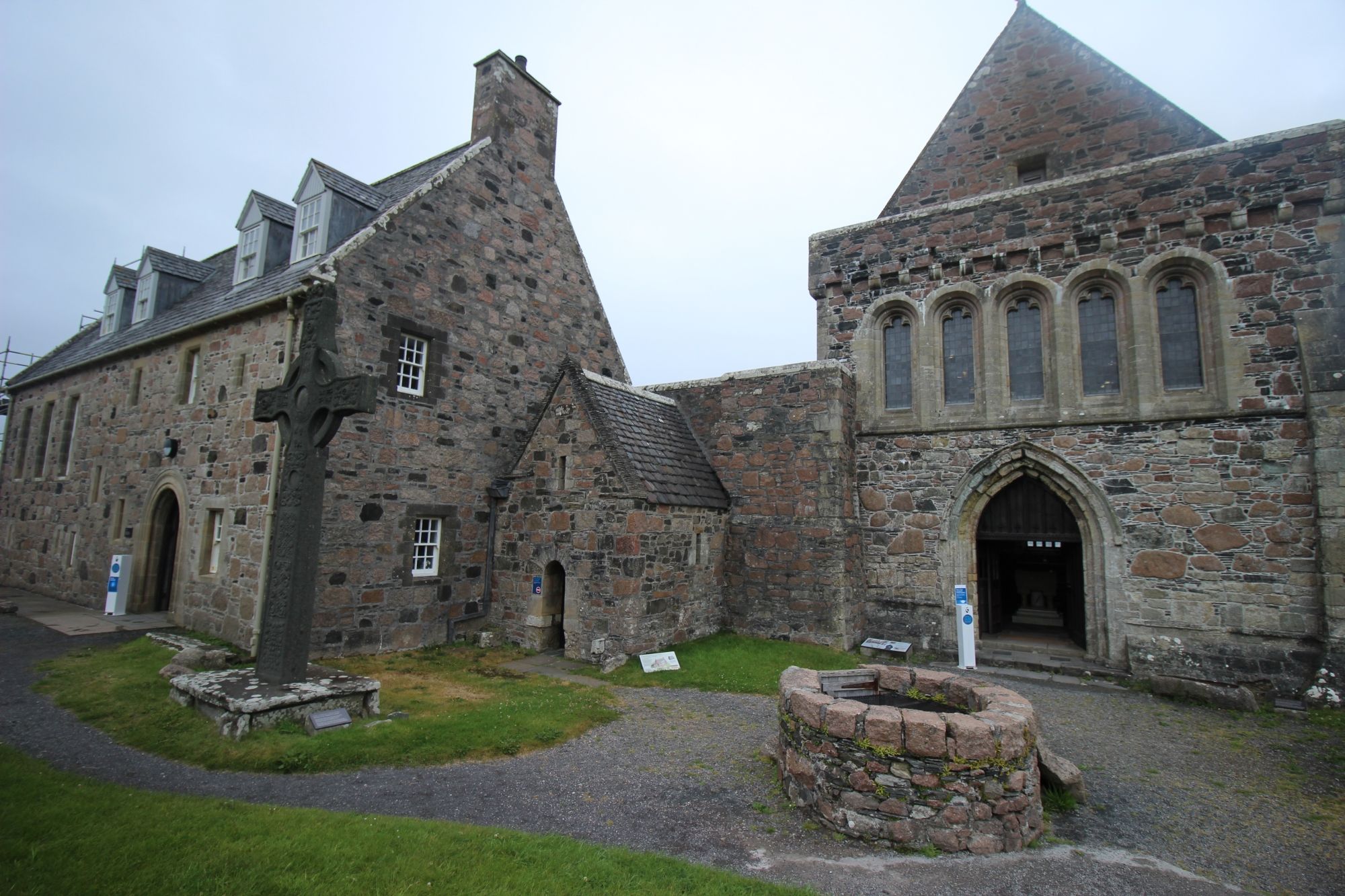
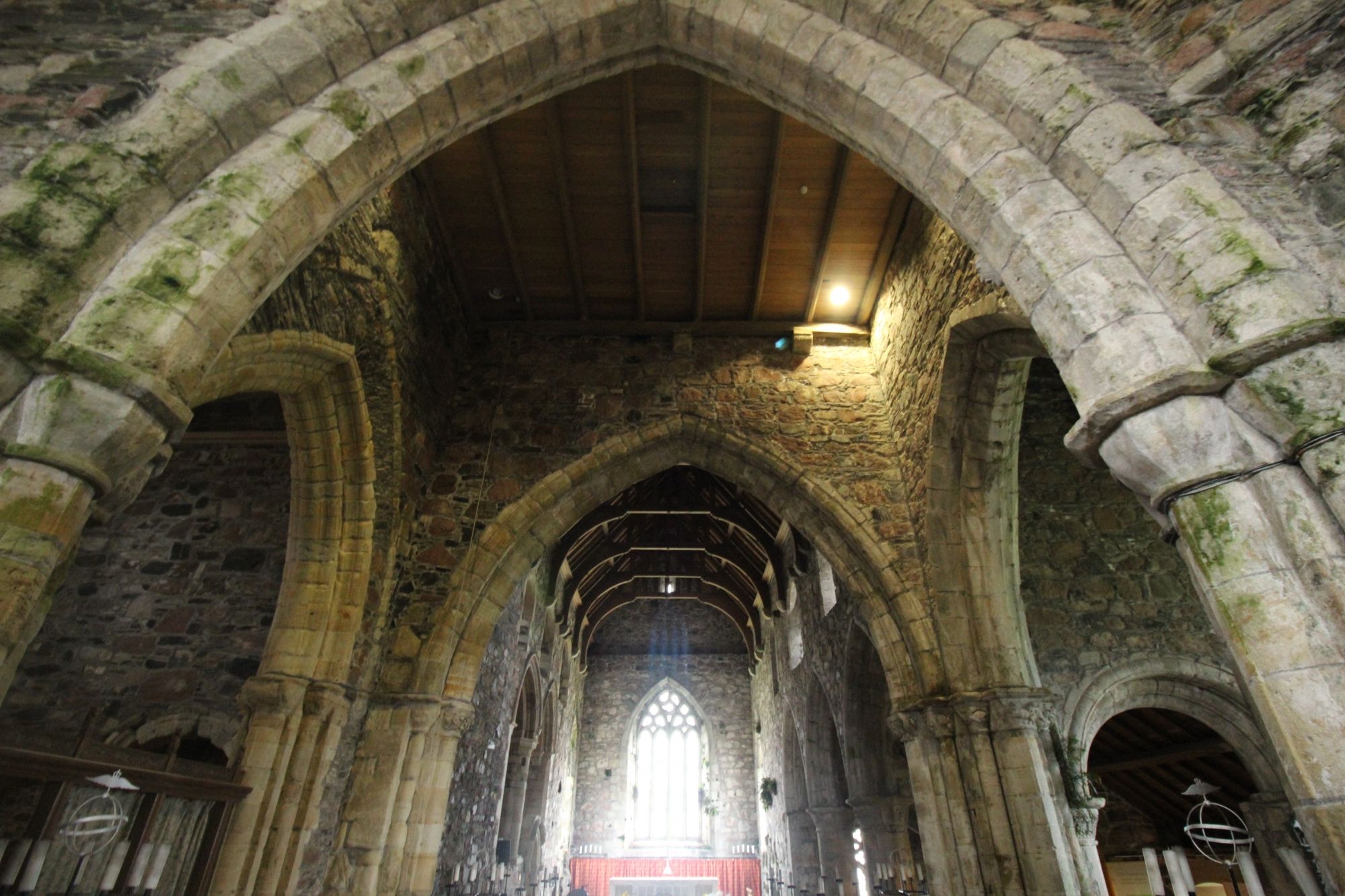
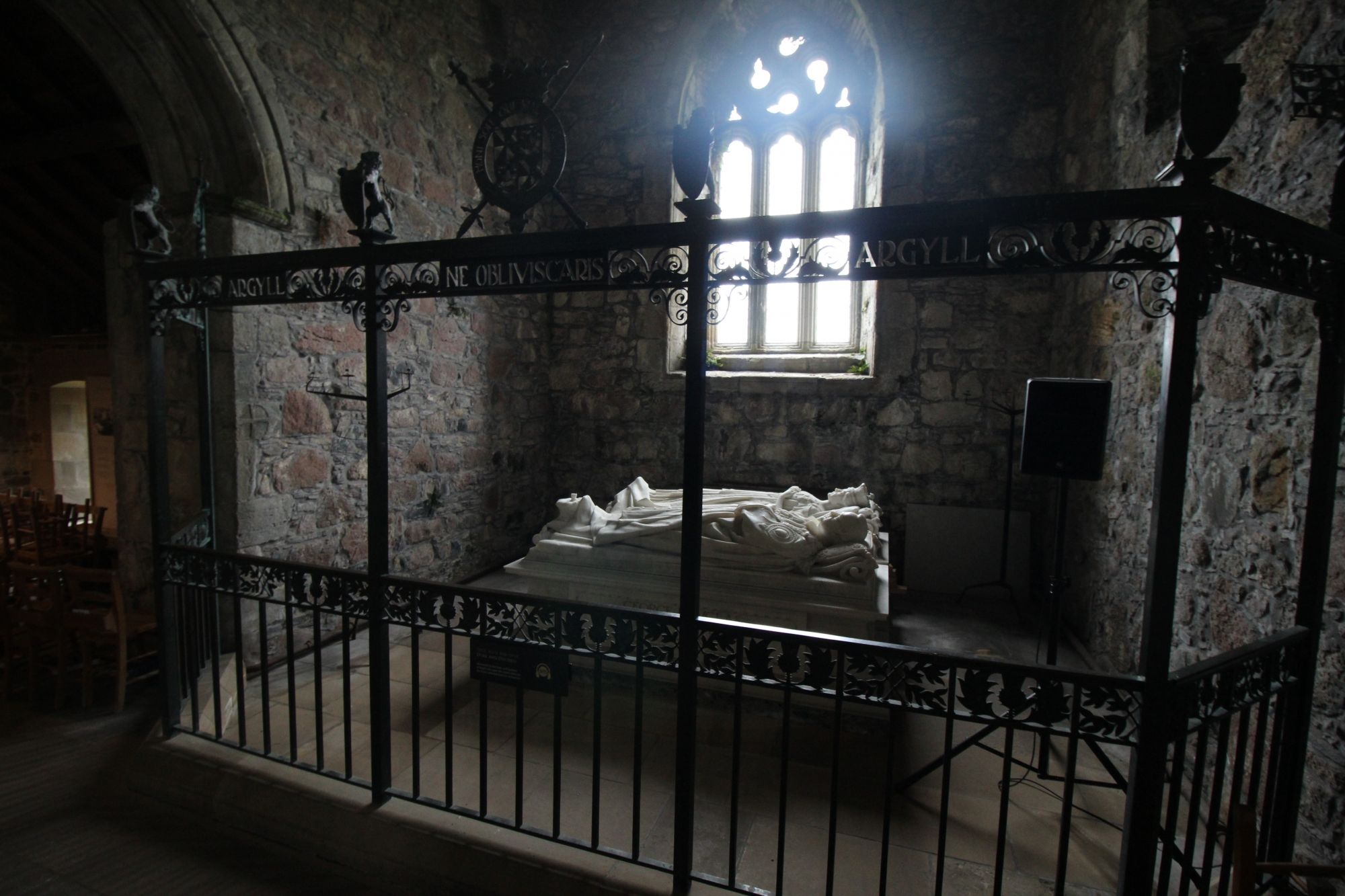
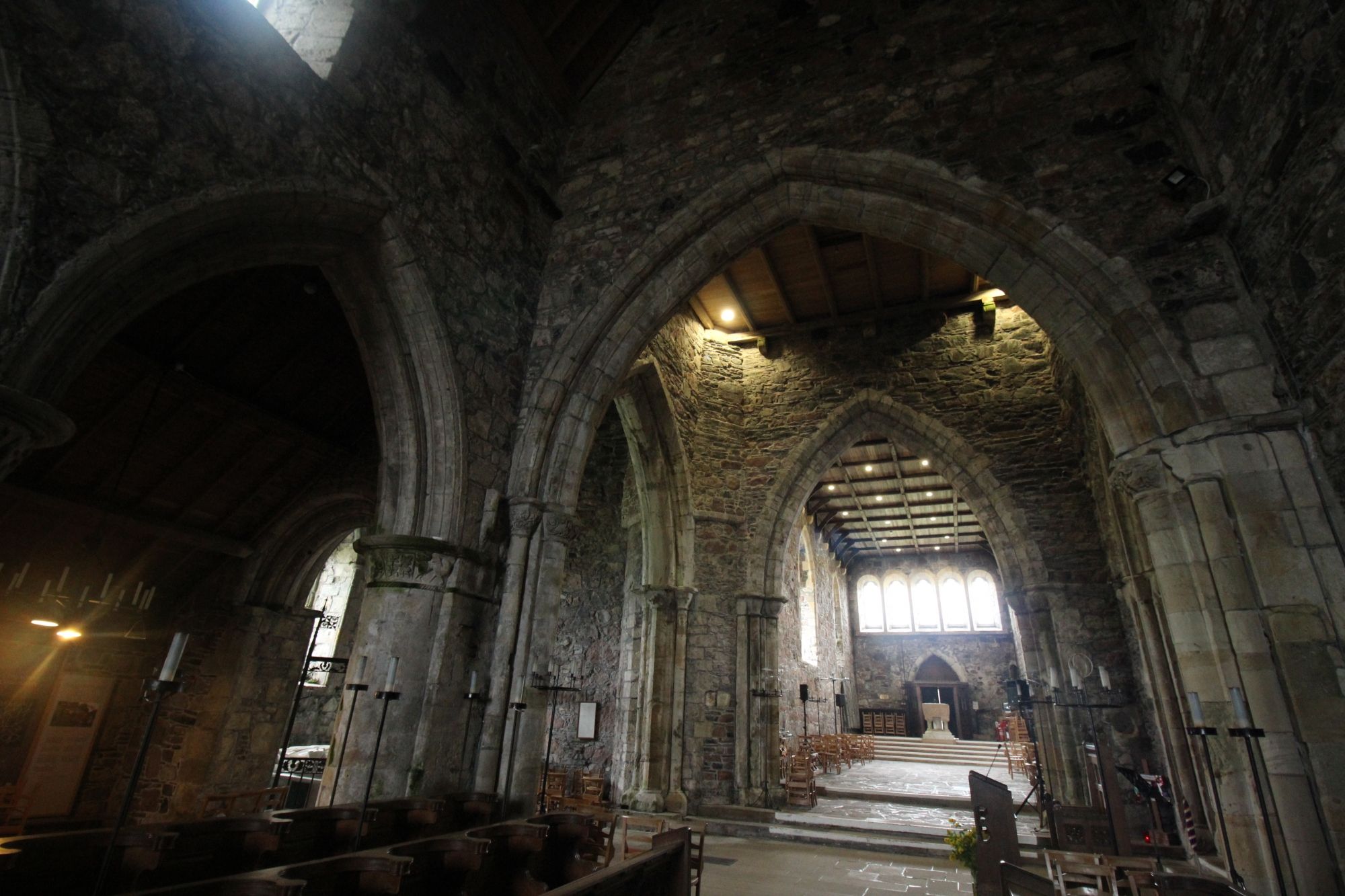
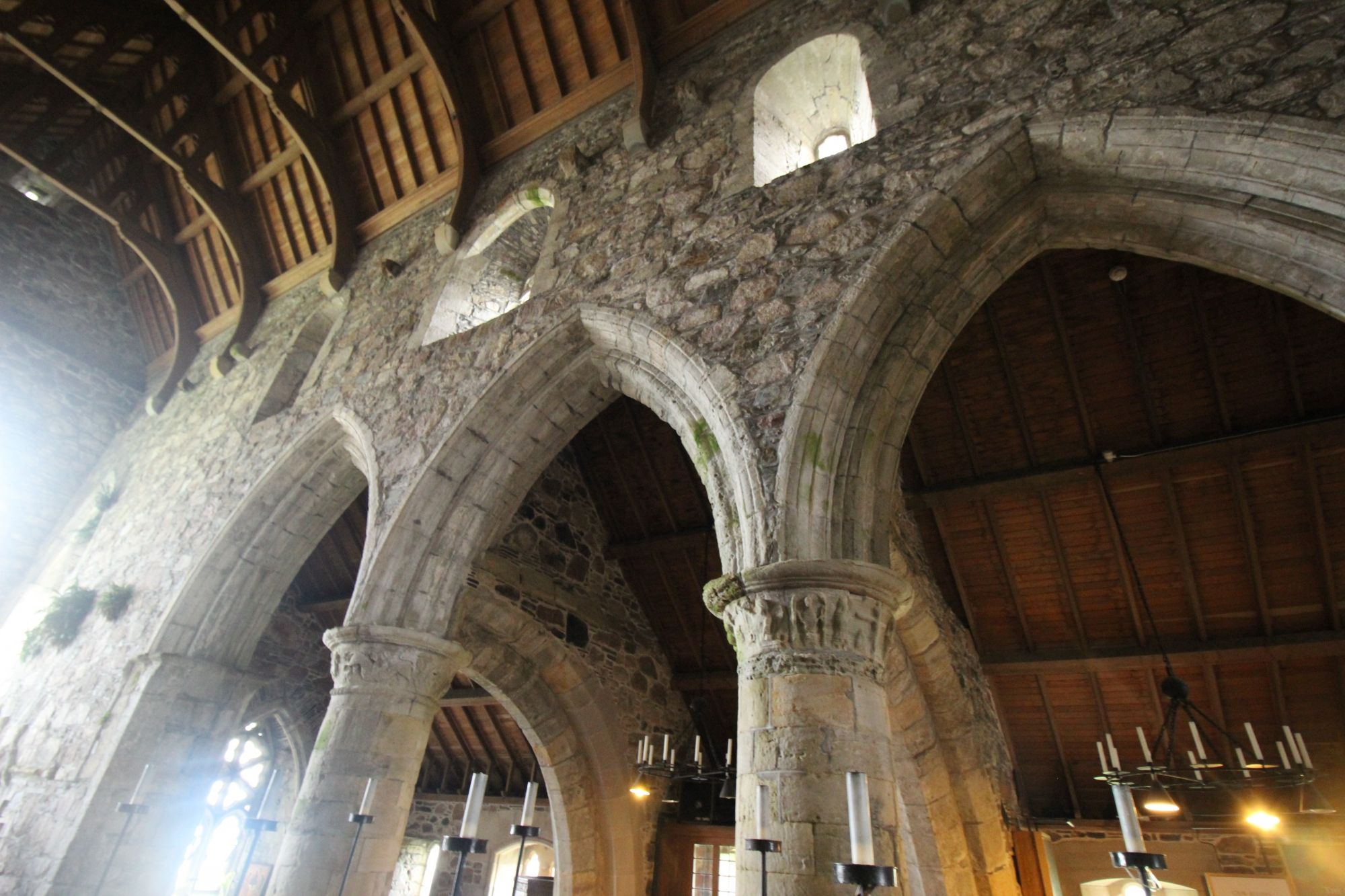
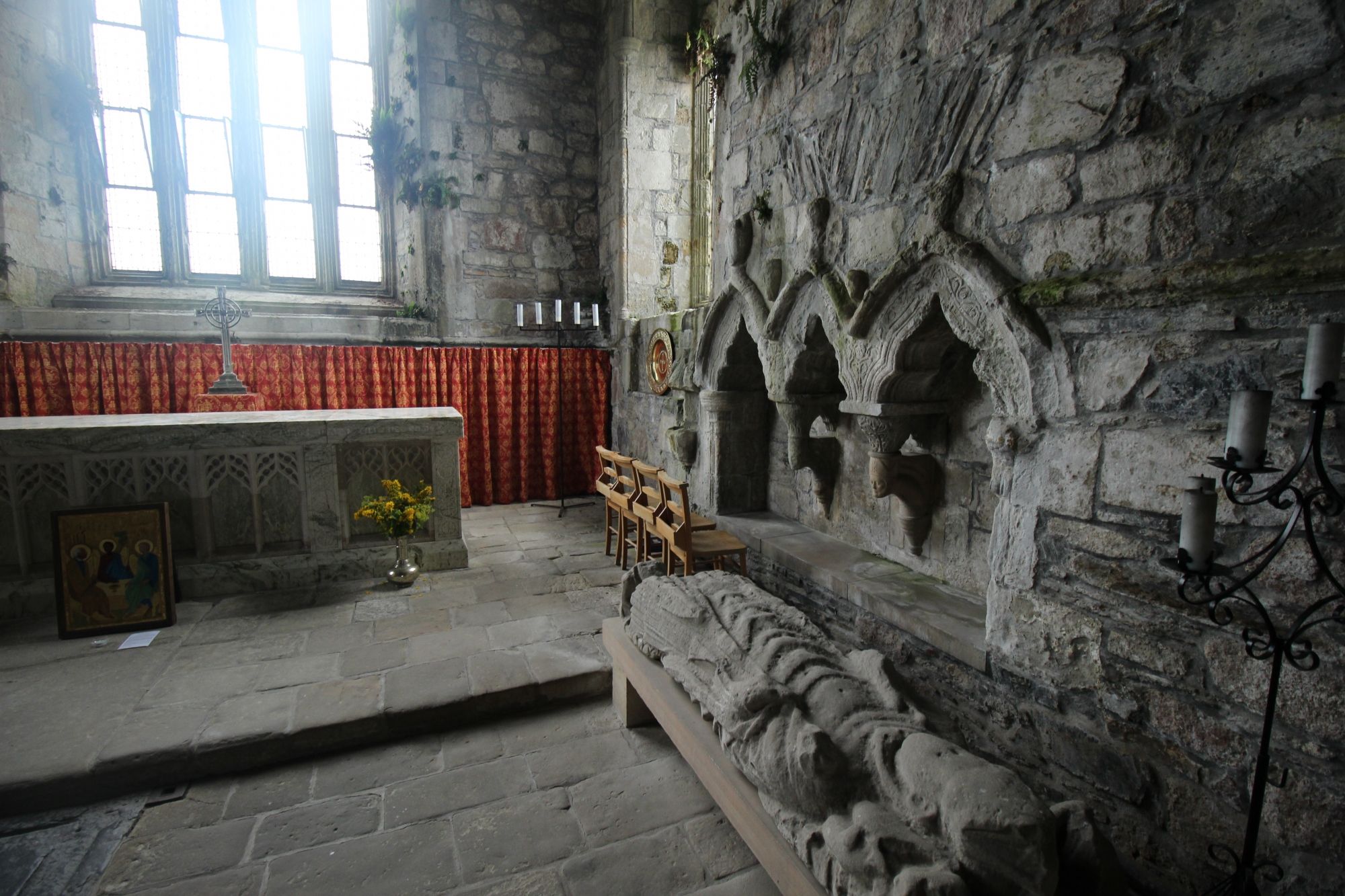
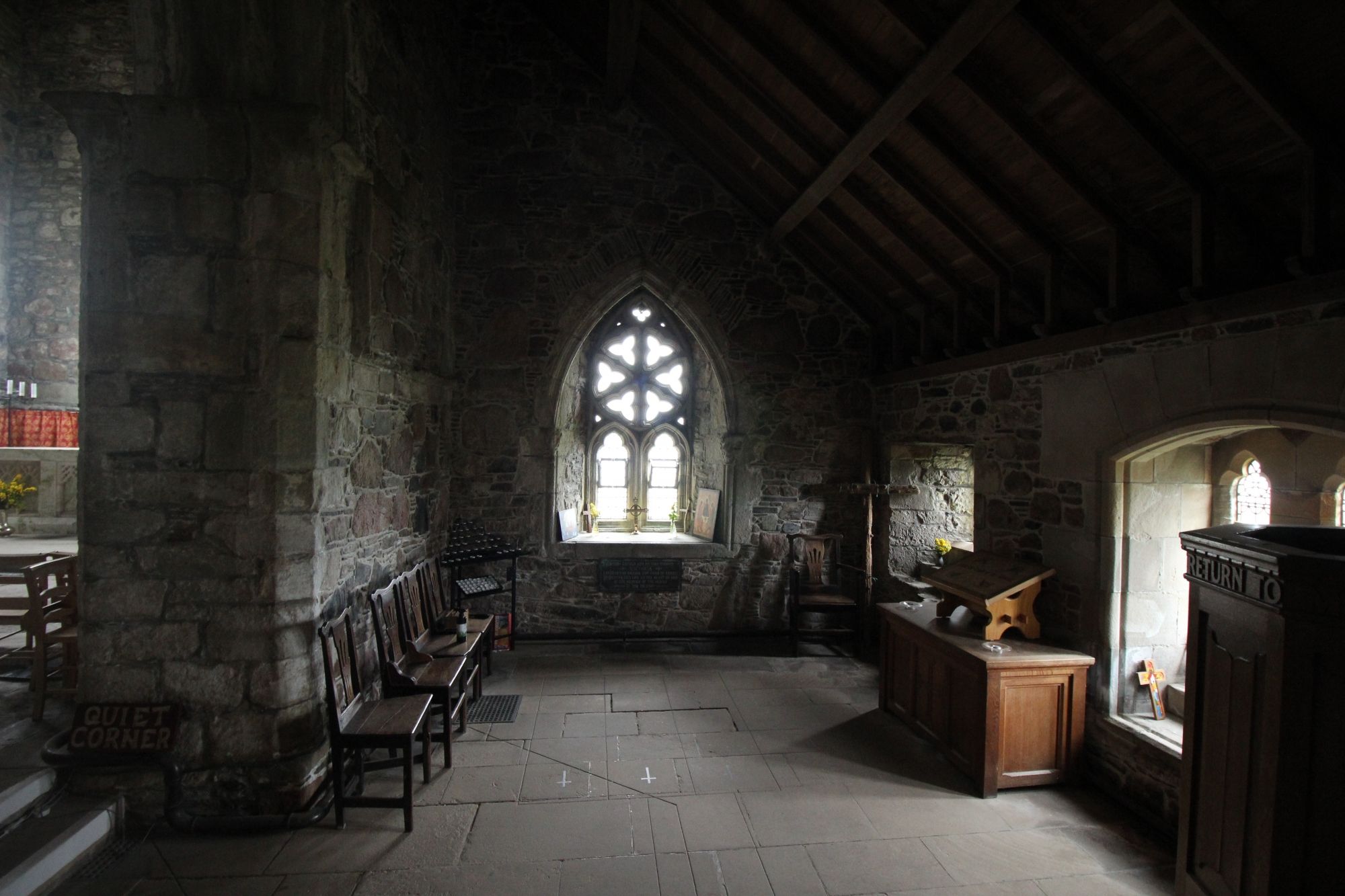
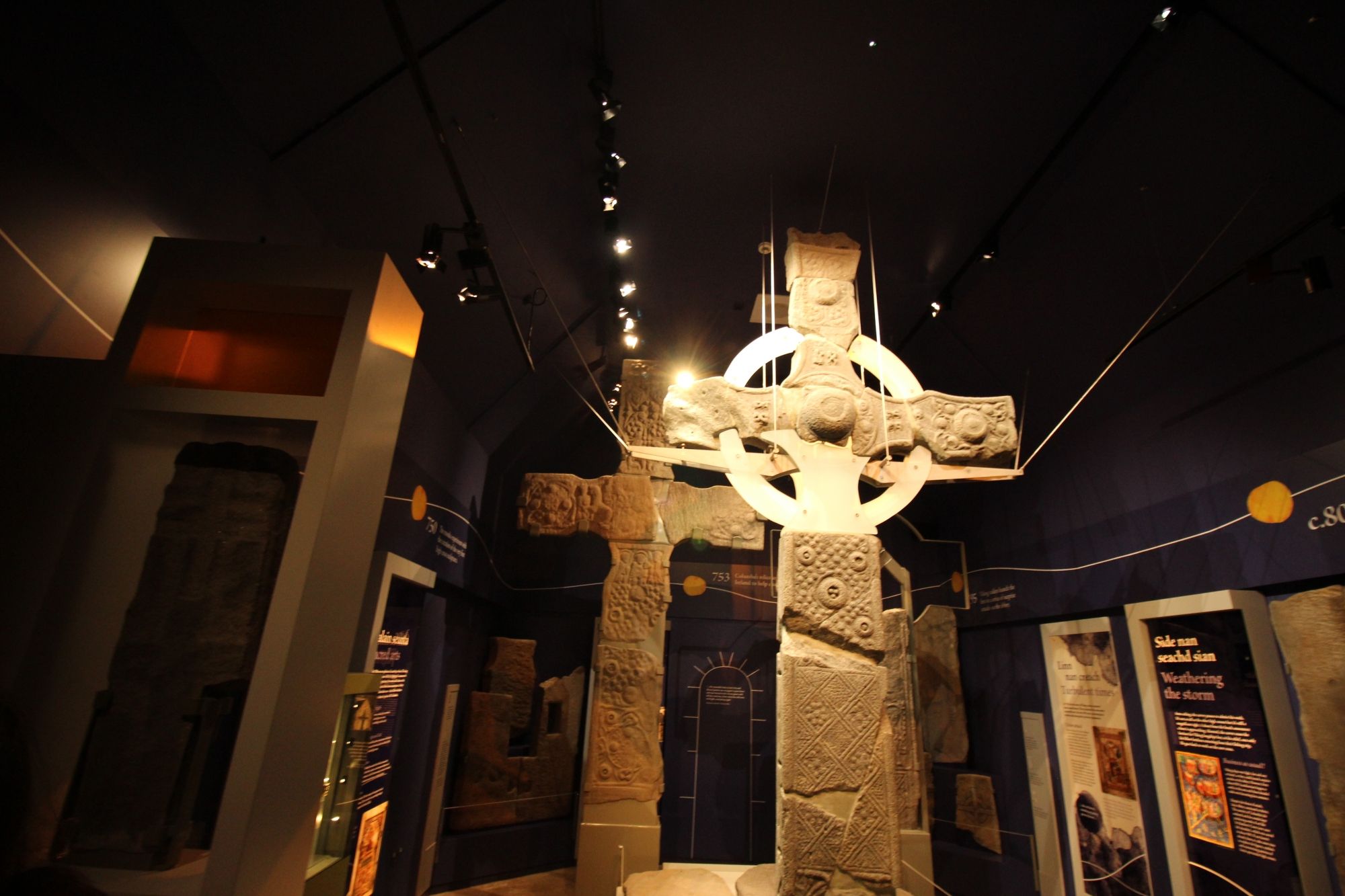
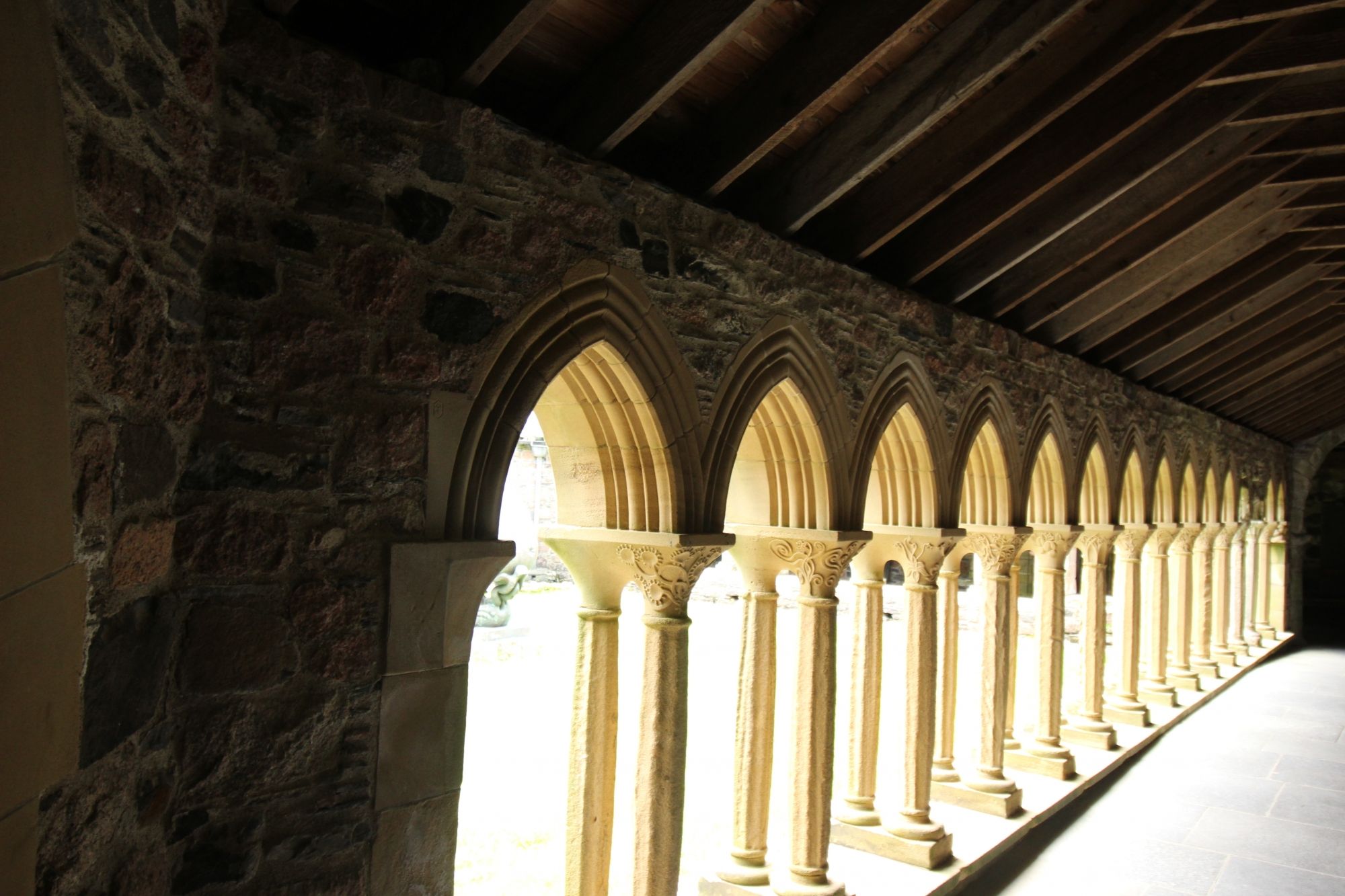
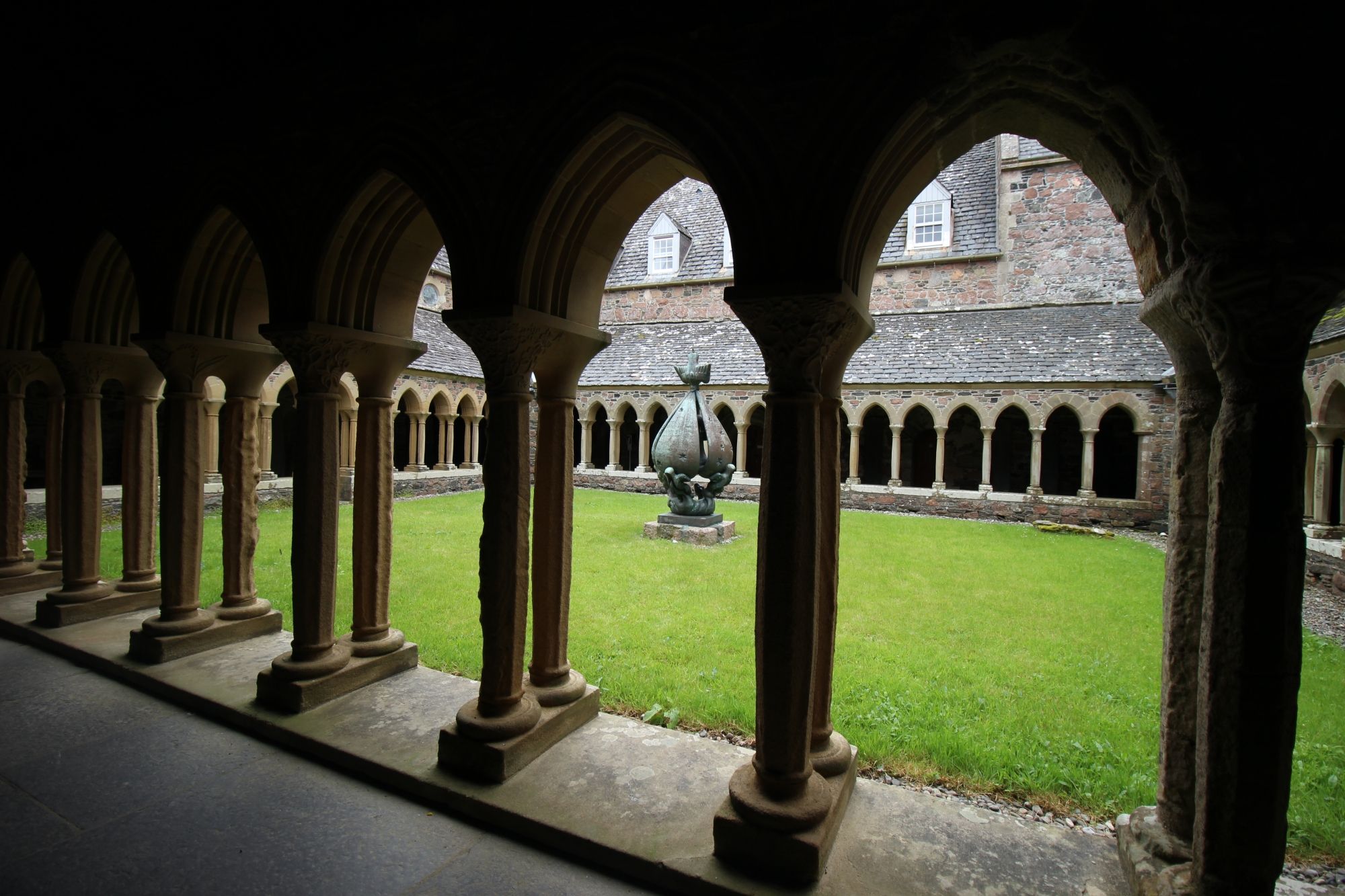
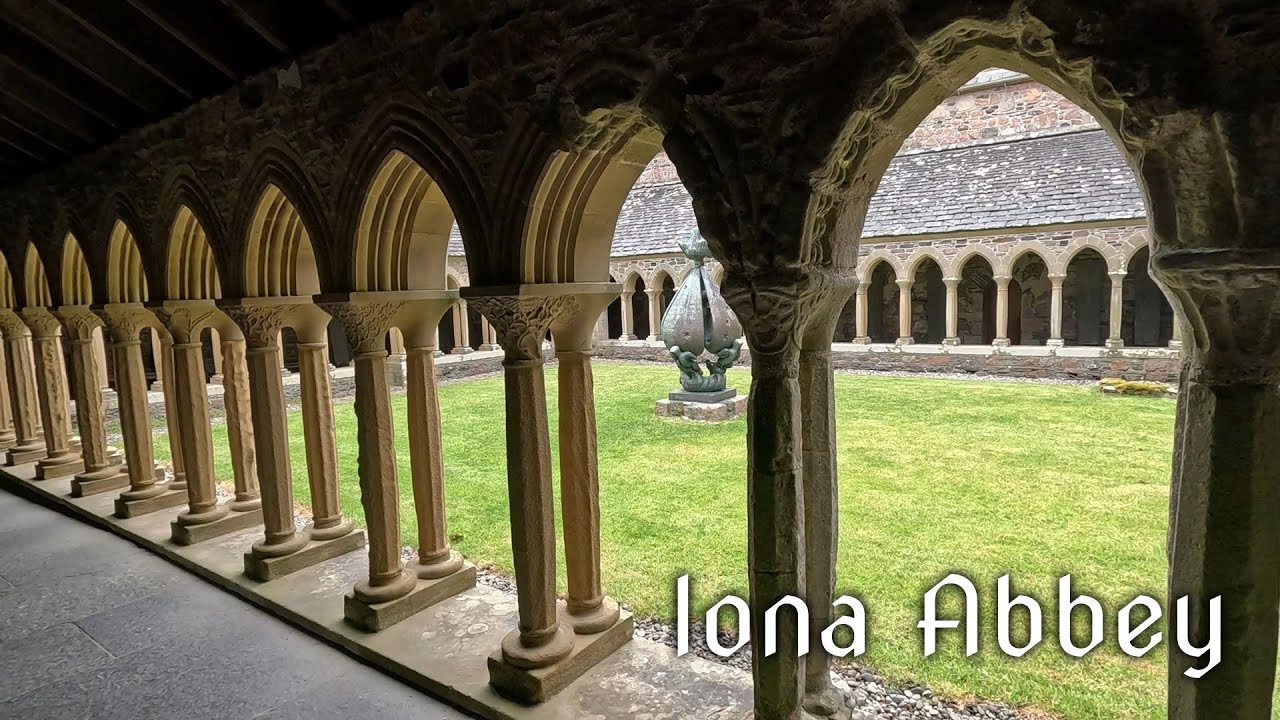
The current abbey church is a reconstruction of the medieval Benedictine monastery, but the spiritual history of the site runs much deeper. Iona served as the final resting place for countless medieval kings—including, as legend suggests, Macbeth and Duncan I—due to the belief that the island was holy ground. Walking through the grounds, you are surrounded by history: from the intricate, weather-worn high crosses like St. Martin’s Cross, which have stood against the Atlantic gales for a millennium, to the peaceful cloisters that invite silent reflection.
The monastery was also a center of immense intellectual achievement. It was here, in the scriptorium, that monks labored over the illumination of ancient texts, most famously contributing to the cultural heritage that would eventually produce the Book of Kells. The resilience of the site—having survived Viking raids, the Reformation, and centuries of coastal erosion—speaks to the enduring importance of Iona in the Scottish consciousness.
The Spiritual Landscape
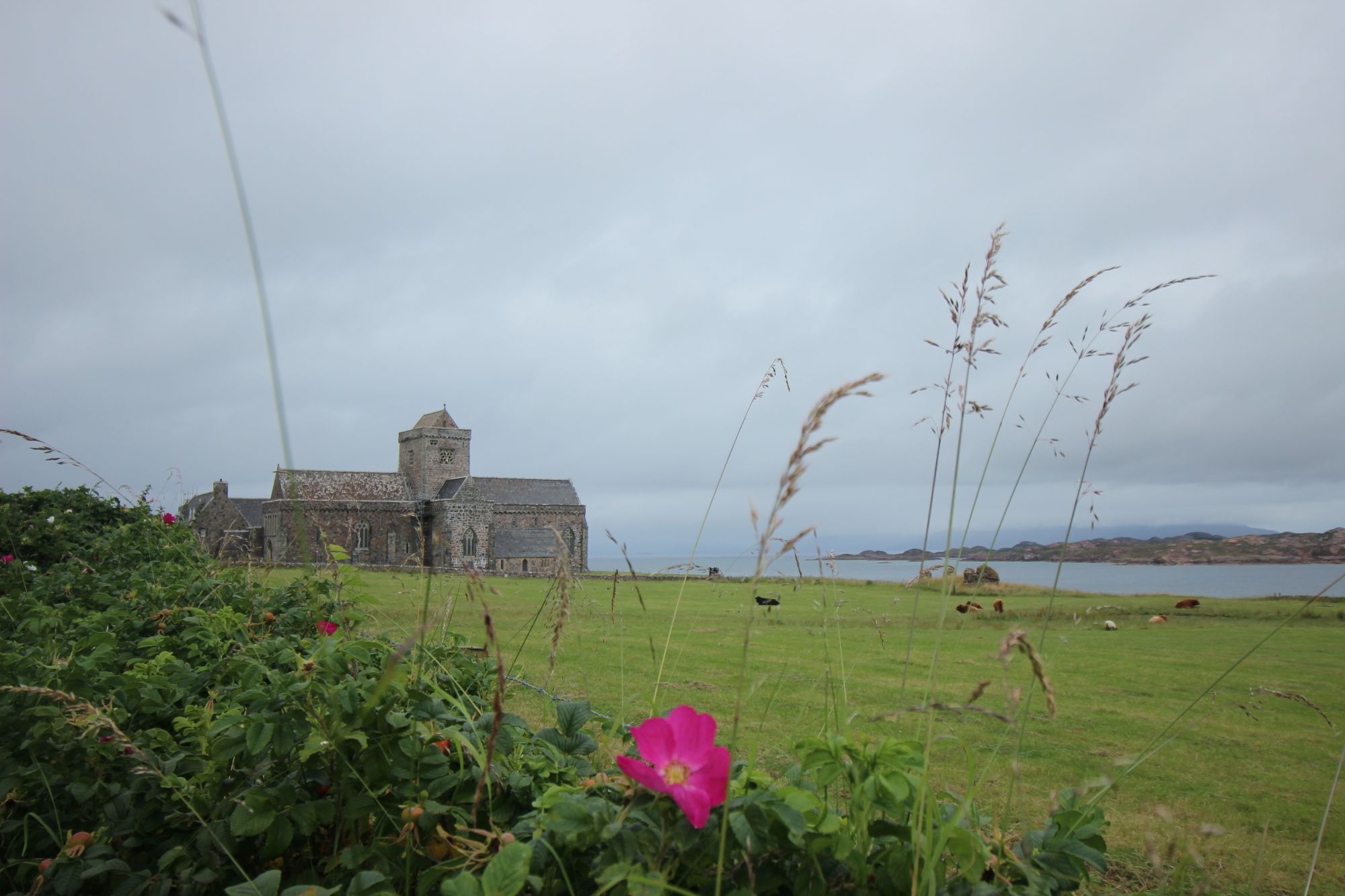
Iona is not just an architectural site; it is a landscape. The island itself is known as *Innis nan Druidhneach* (The Isle of the Druids), and there is an undeniable "thinness" to the atmosphere here, a sense that the veil between the physical and the spiritual is easily pierced. Visitors often describe a feeling of profound peace as they traverse the quiet, sandy bays and rocky outcrops that surround the abbey complex. The contrast between the stark, gray stone of the abbey and the vibrant, turquoise waters of the Sound of Iona creates a visual harmony that is both humbling and uplifting.
Practical Visitor Information
Getting There: Access to Iona is via a short passenger-only ferry from Fionnphort on the Isle of Mull. The island is small, and all sites are easily reachable on foot. There are no private cars allowed for most visitors, which preserves the island's unique, quiet atmosphere.
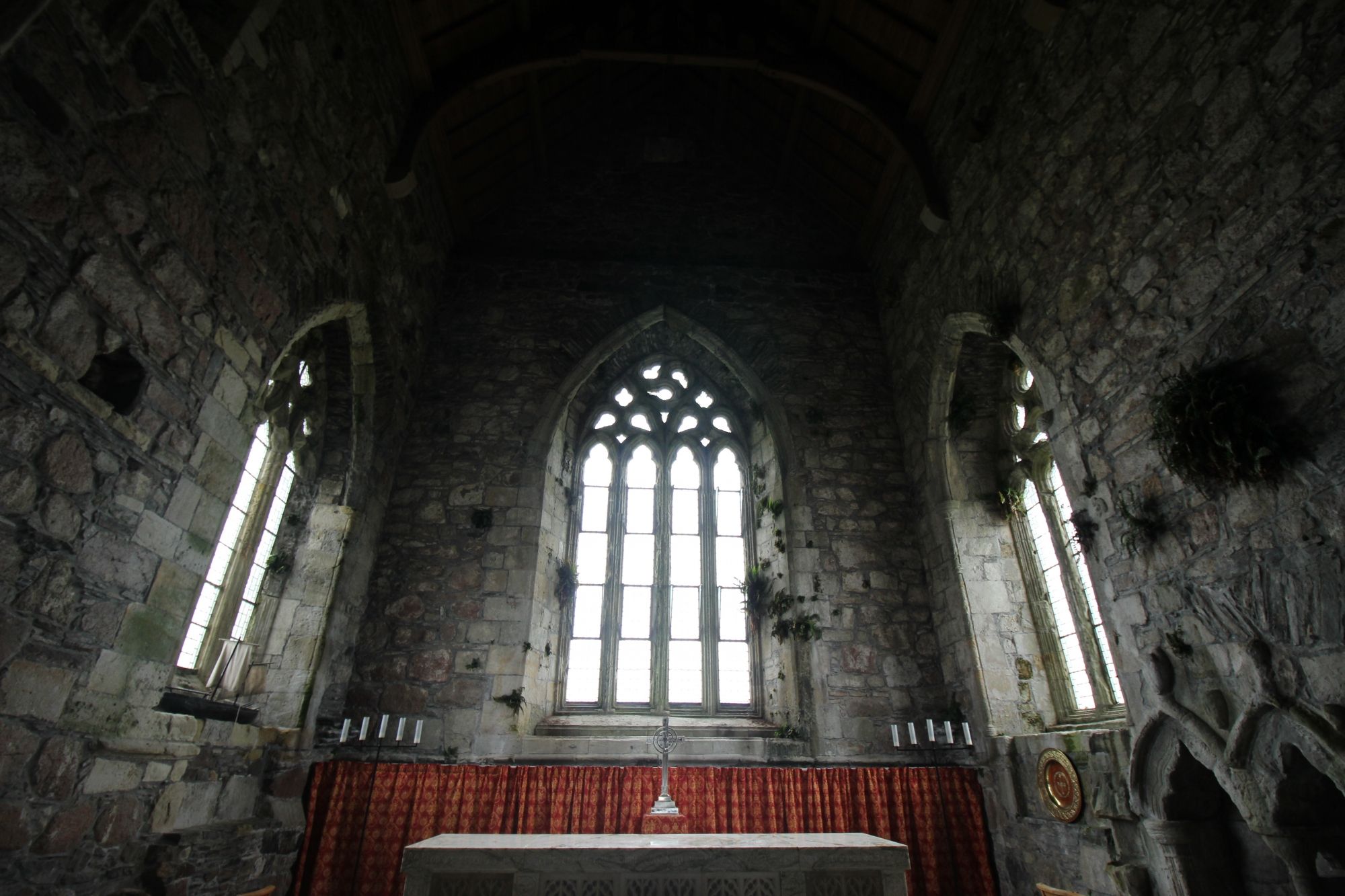
What to Expect: The Abbey is managed by Historic Environment Scotland. While it is a major visitor attraction, it remains an active place of worship and reflection. Please maintain a respectful demeanor when exploring the interior and the burial grounds.
The Pilgrimage Walk: Many visitors choose to walk the "Street of the Dead," an ancient path leading toward the Reilig Odhráin (burial ground). Take your time to walk the perimeter of the abbey; the views across the water to the mountains of Mull are among the finest in the Hebrides.
When to Visit: May and September offer the best balance of manageable visitor numbers and mild weather. Always be prepared for quick shifts in coastal conditions, and ensure you check the ferry timetable in advance, as it is tidal and weather-dependent.
Conclusion: A Sanctuary for the Modern Traveler
Iona Abbey is a place that asks you to slow down. Whether you come to trace the footsteps of early pilgrims, to study the intricate Celtic stonework, or simply to find silence in an increasingly noisy world, the abbey provides a rare sense of perspective. Standing on this small Hebridean isle, looking out toward the vast Atlantic horizon, it is easy to understand why this place has held the hearts of travelers and saints for well over a millennium.