




Chasing the Cascades: Exploring the Glacial Drama of the Moffat Grey Mare's Tail
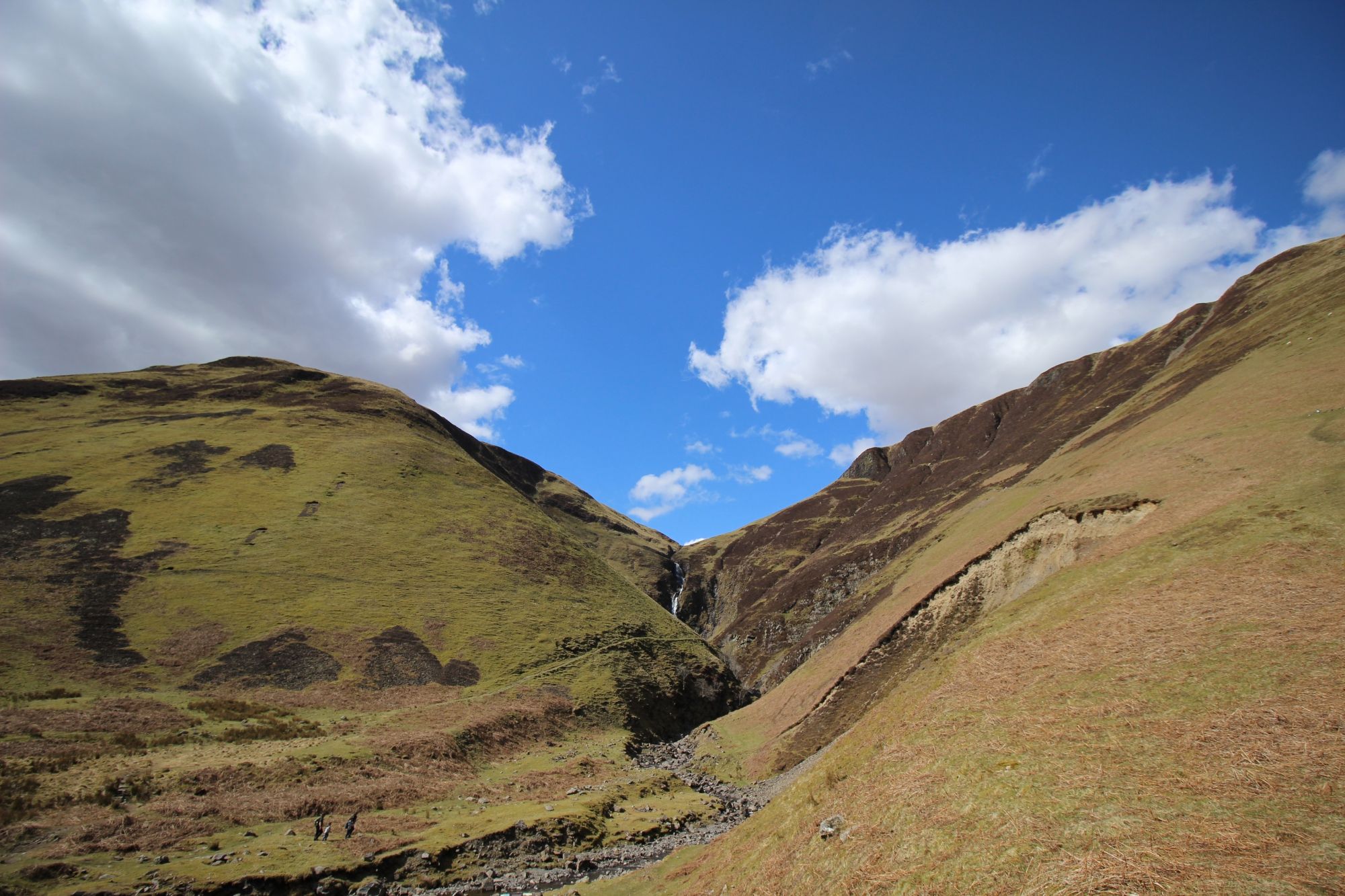
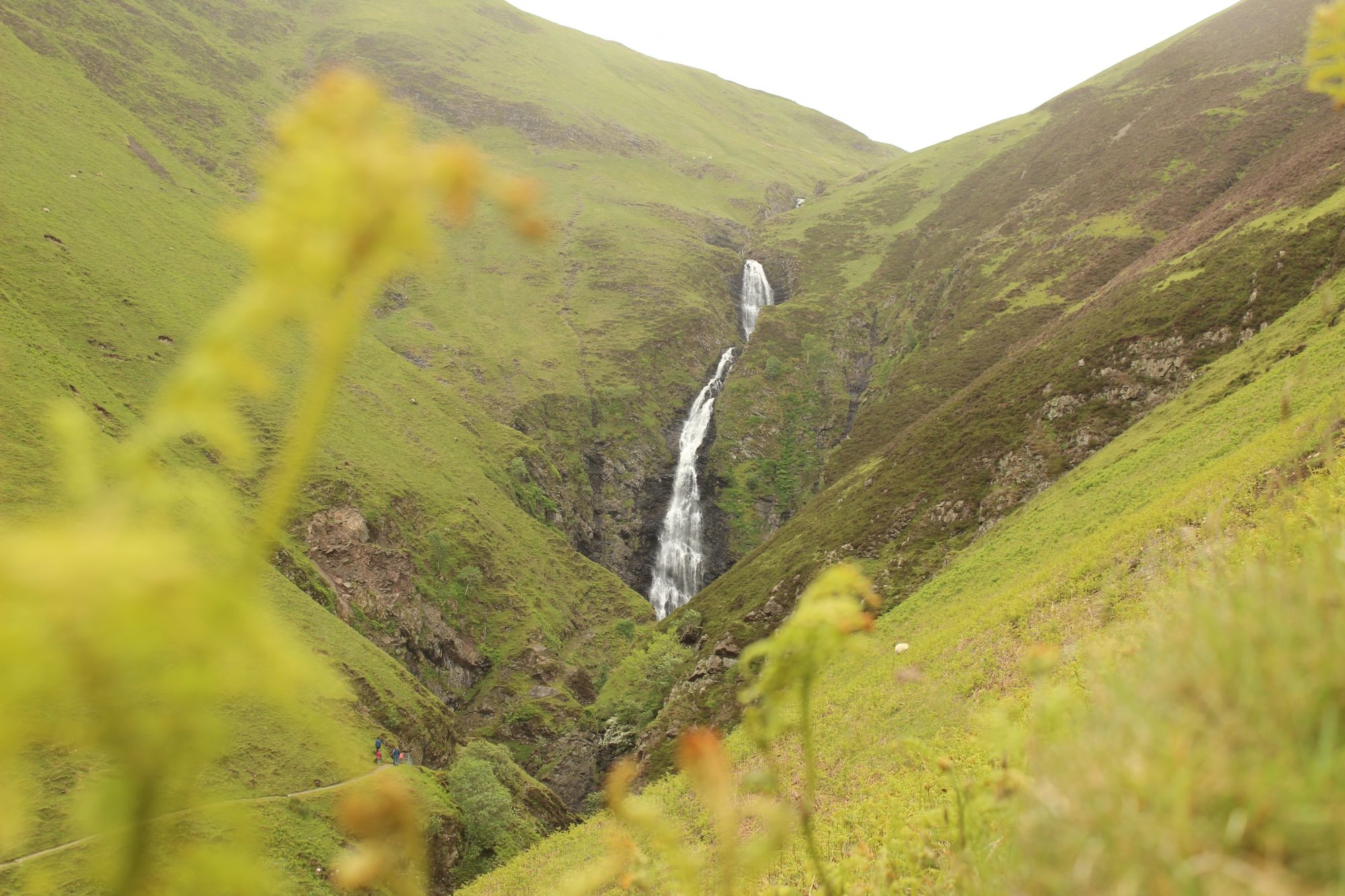
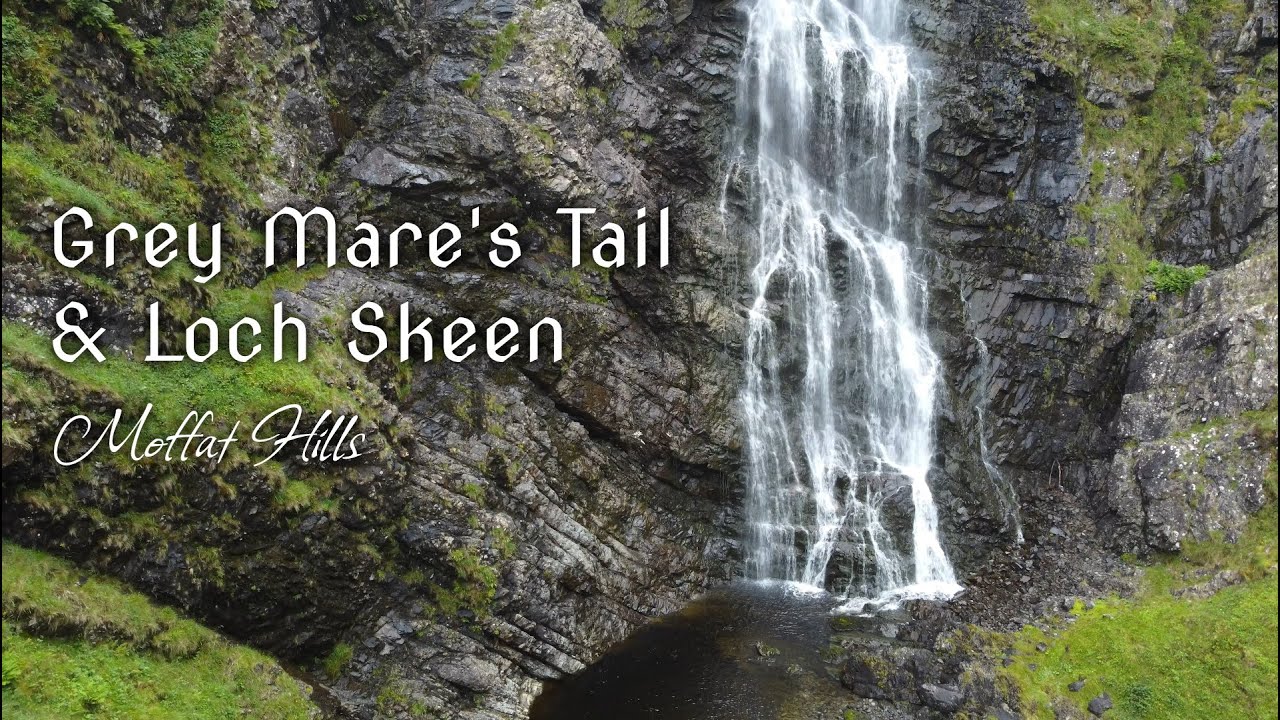
Tucked deep within the dramatic rolling landscapes of the Southern Uplands, the Grey Mare's Tail near Moffat stands as one of Scotland’s most magnificent natural spectacles. Plunging a staggering 60 meters (197 feet) down a sheer, glaciated hanging valley, this breathtaking plume is officially recognized as the sixth-highest waterfall in Scotland. Unlike its industrial, canyon-bound namesake in Kinlochleven, this classic Southern Uplands landmark is a masterpiece of ice-age geology, managed with care by the National Trust for Scotland. The main cascade forms a striking white ribbon against the dark volcanic crags—a sight that has inspired artists and writers for centuries, including the famed poet Sir Walter Scott. For hillwalkers and nature enthusiasts, the waterfall is not just a static viewport, but the gateway to a challenging alpine ascent, leading past a dramatic string of secondary cascades toward a hidden upland plateau containing the highest body of water in the south of Scotland.
Geological Origins: A Masterclass in Glacial Carving
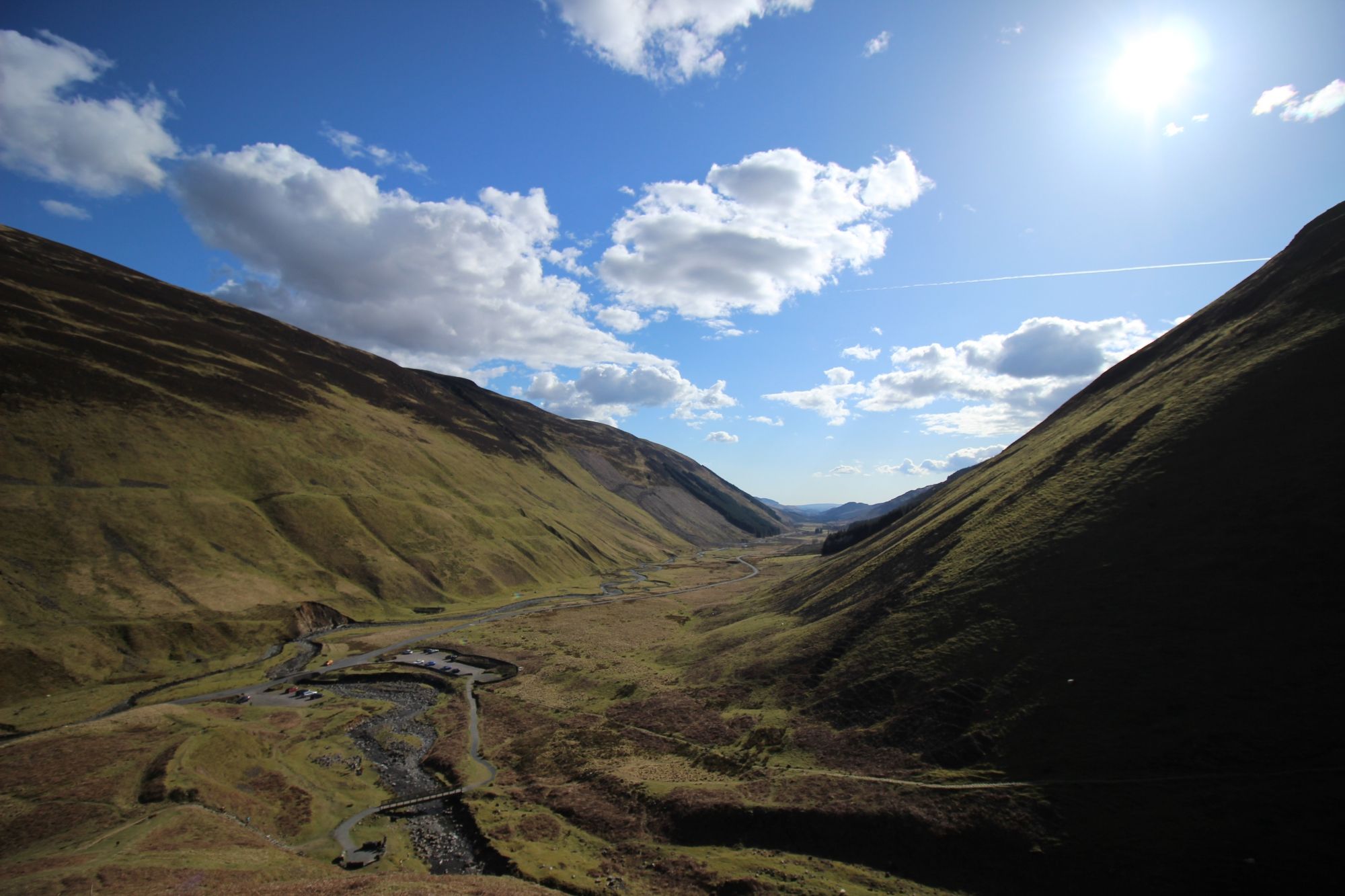
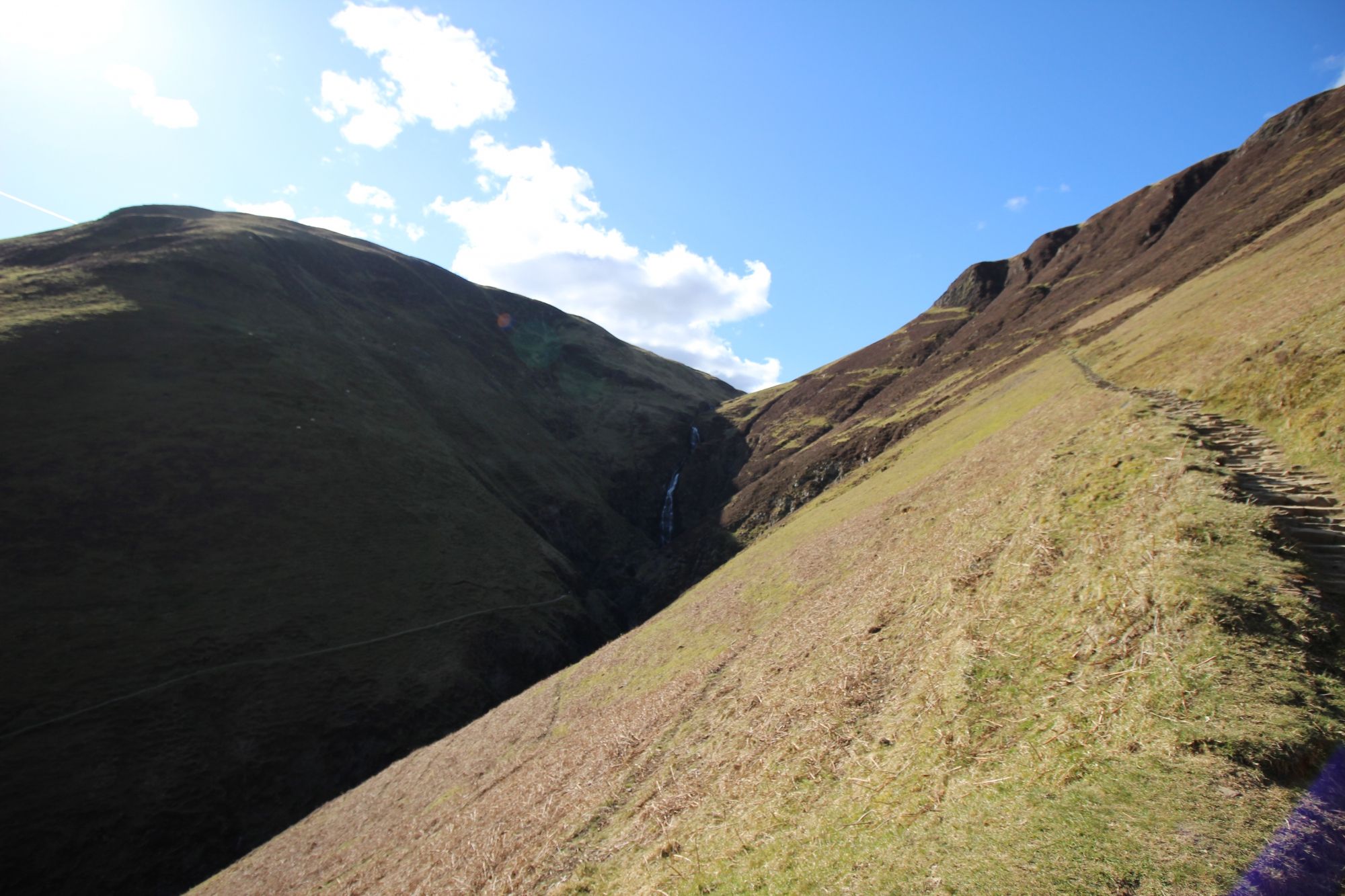
The unique topography of the Moffat Hills is a direct result of intense glacial activity during the last Ice Age, roughly 10,000 years ago. A massive glacier carved out the deep, broad trench of the Moffat Dale valley. Smaller tributary glaciers on the higher plateaus could not erode the hard rock as quickly, leaving behind what geologists call a hanging valley. When the ice finally retreated, the Tail Burn was left to plunge over this massive cliff edge, creating the 60-meter cascade we see today.
The environment here is so pristine and ecologically significant that it has been designated a Special Area of Conservation. The craggy cliffs surrounding the waterfall act as a natural fortress, protecting rare alpine-arctic plants—such as mountain avens and purple saxifrage—from grazing sheep. Furthermore, the skies above the gorge are a territory for majestic birds of prey; sharp-eyed visitors can frequently spot peregrine falcons nesting on the precipices, and feral goats can often be seen balancing effortlessly on the near-vertical rock faces flanking the water.
The Ascent: Climbing the Tail Burn Trail
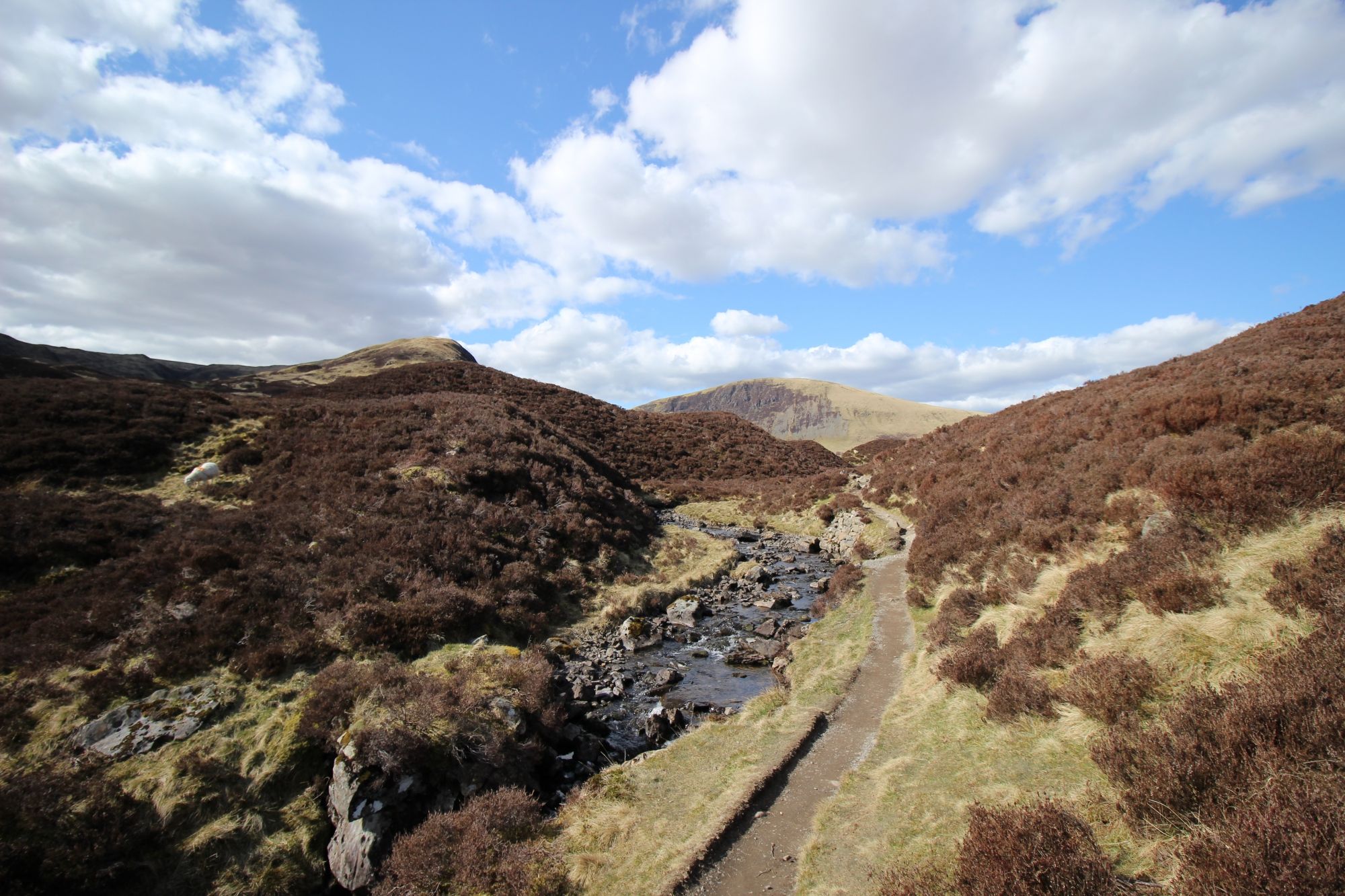
The journey begins at the National Trust for Scotland car park nestled at the base of the glen. From here, a beautifully maintained but remarkably steep path begins its immediate ascent up the right-hand shoulder of the hill. This trail wastes no time in gaining elevation, quickly leaving the valley floor behind as it snakes upward alongside the tumbling river.
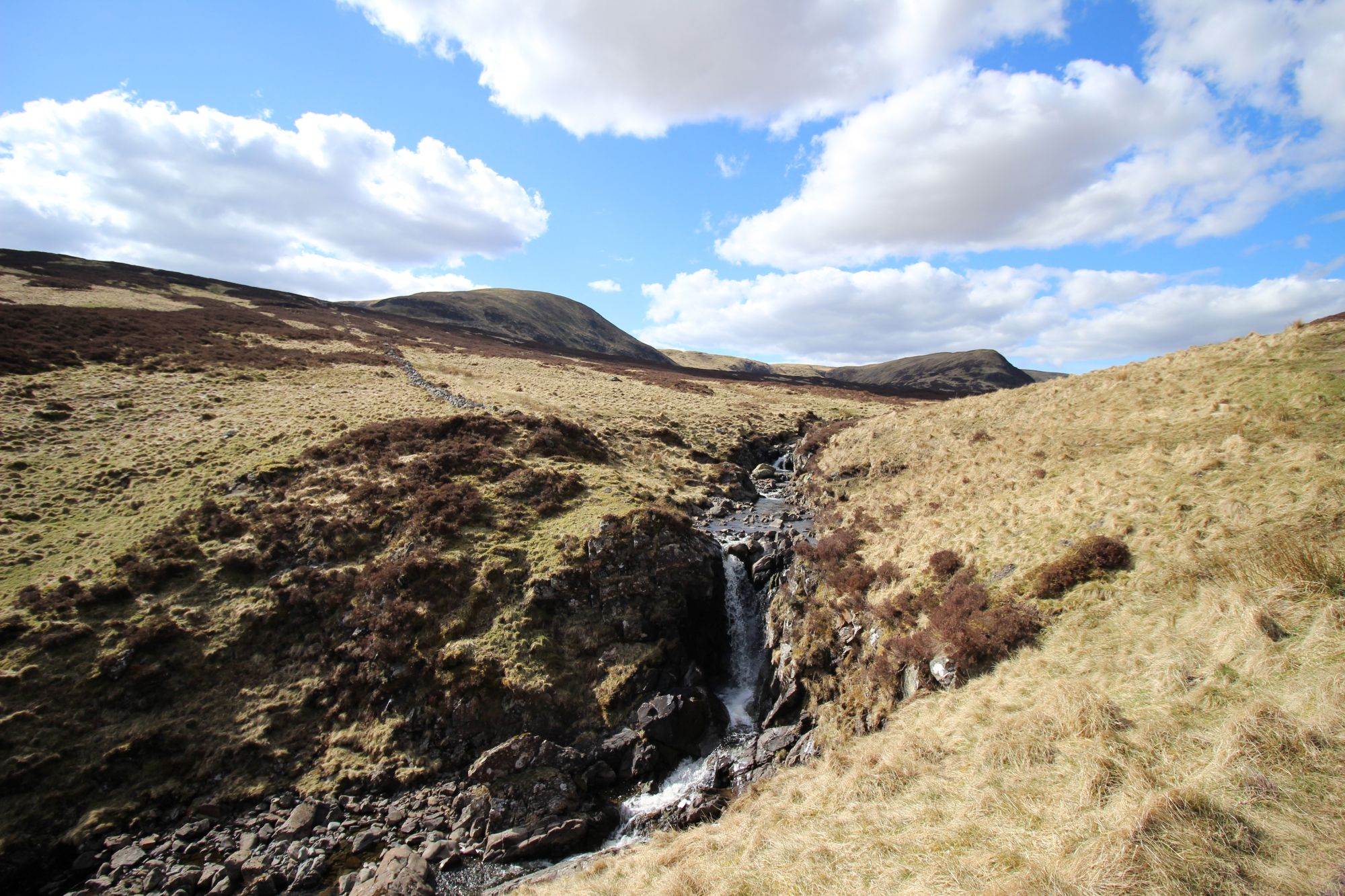
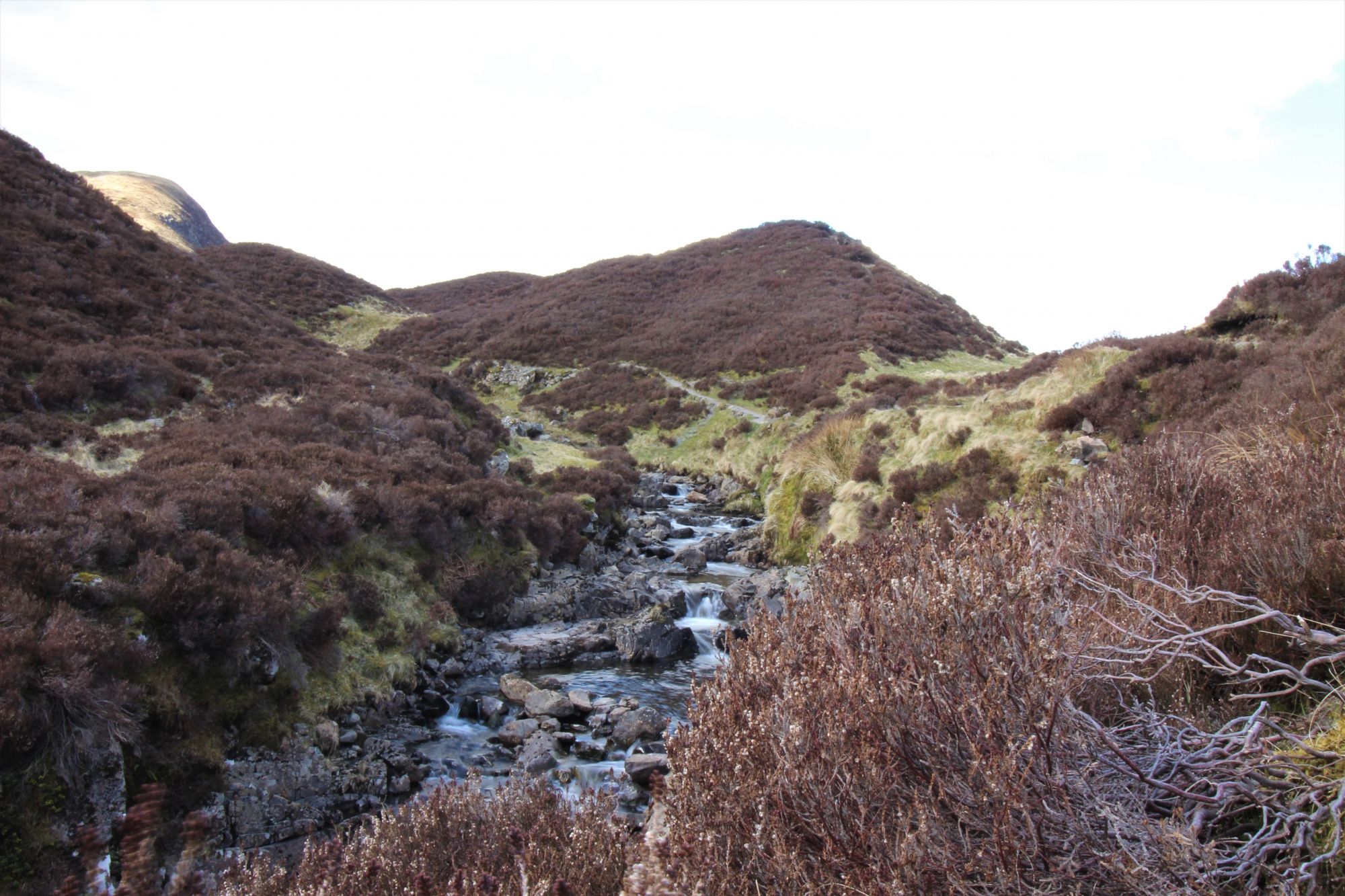
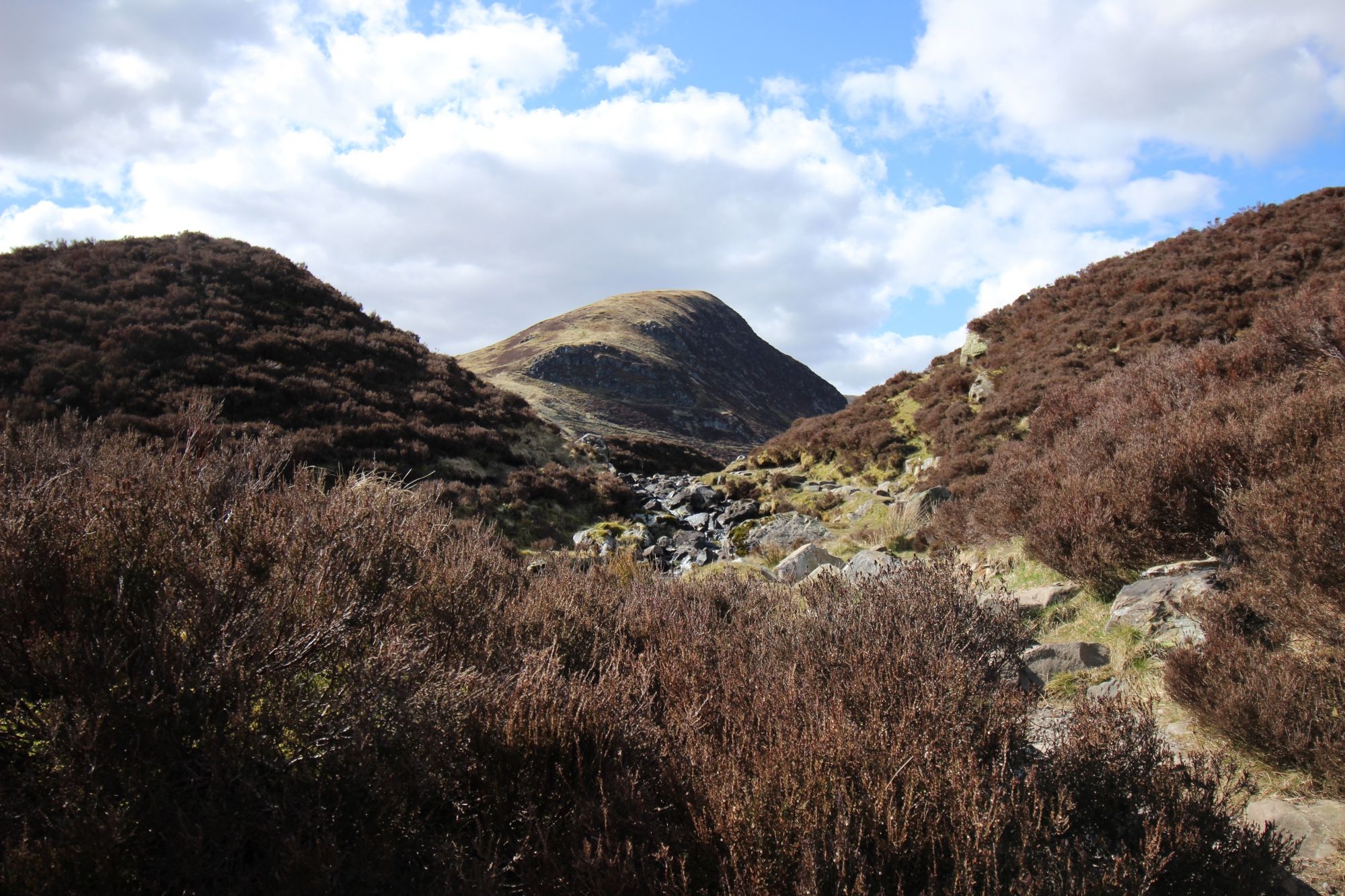
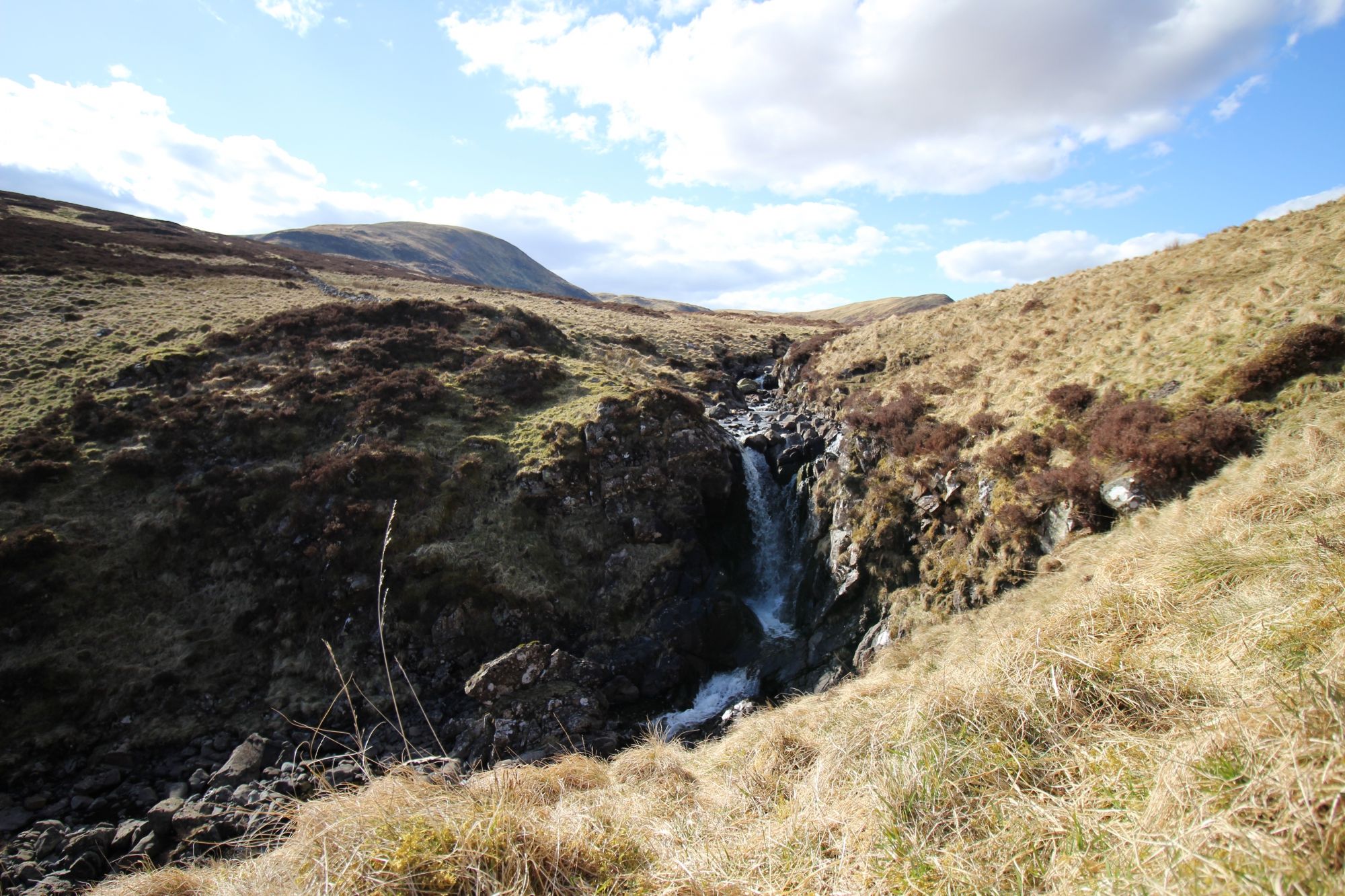
As you push past the initial incline, the trail treats you to a continuous string of smaller, unnamed waterfalls and deep, churning rock pools, each offering a unique photographic perspective of the white water. The path is narrow and hugs the side of the grassy hill, requiring a steady foot and a good head for heights, as the drop into the gorge below becomes increasingly dramatic. While the physical exertion will certainly elevate your heart rate, the unfolding views looking back down the length of Moffat Dale are genuinely spectacular, providing a vast panorama of classic Scottish upland topography.
Loch Skeen: The Hidden Mirror of the Uplands
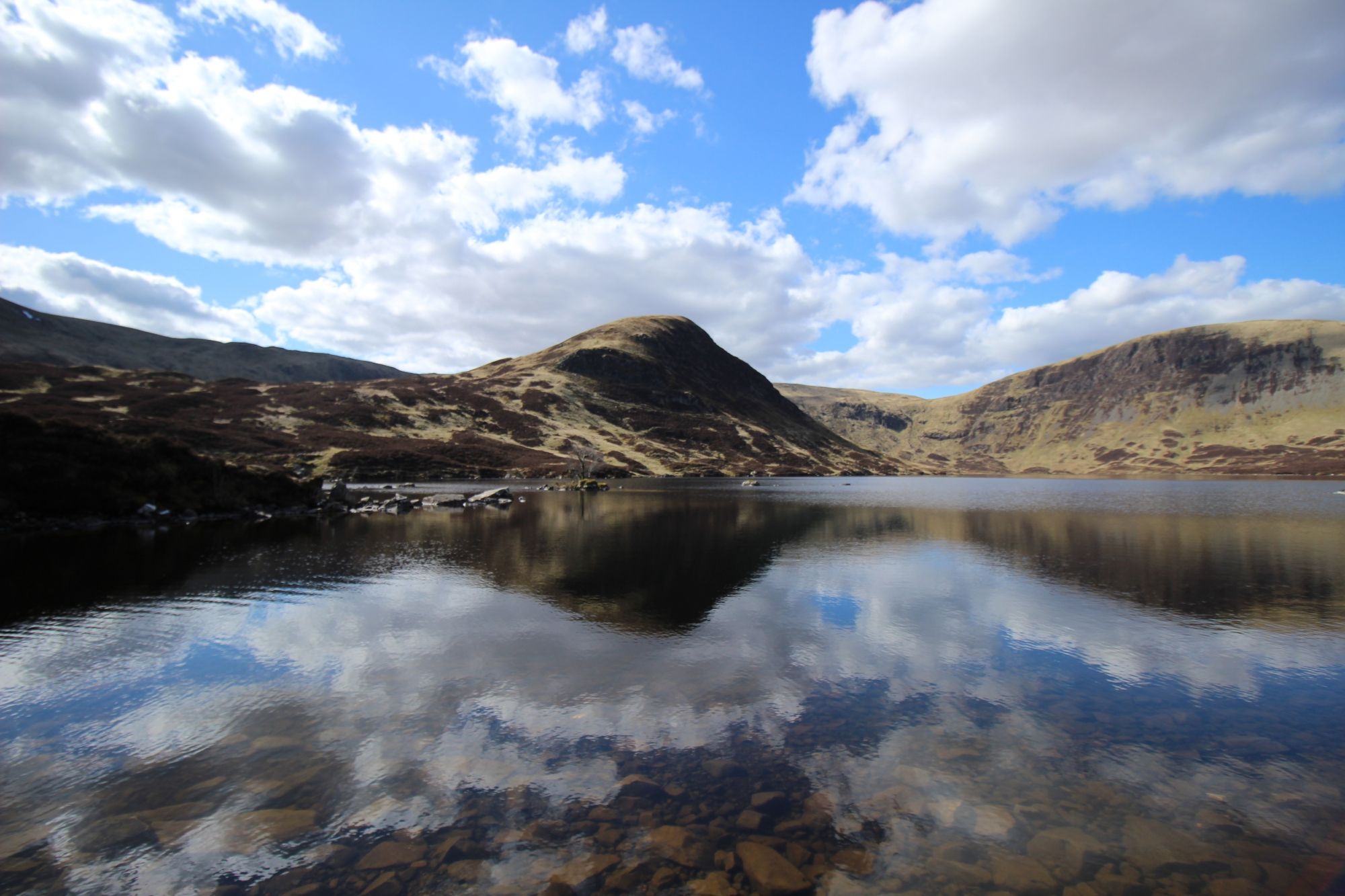
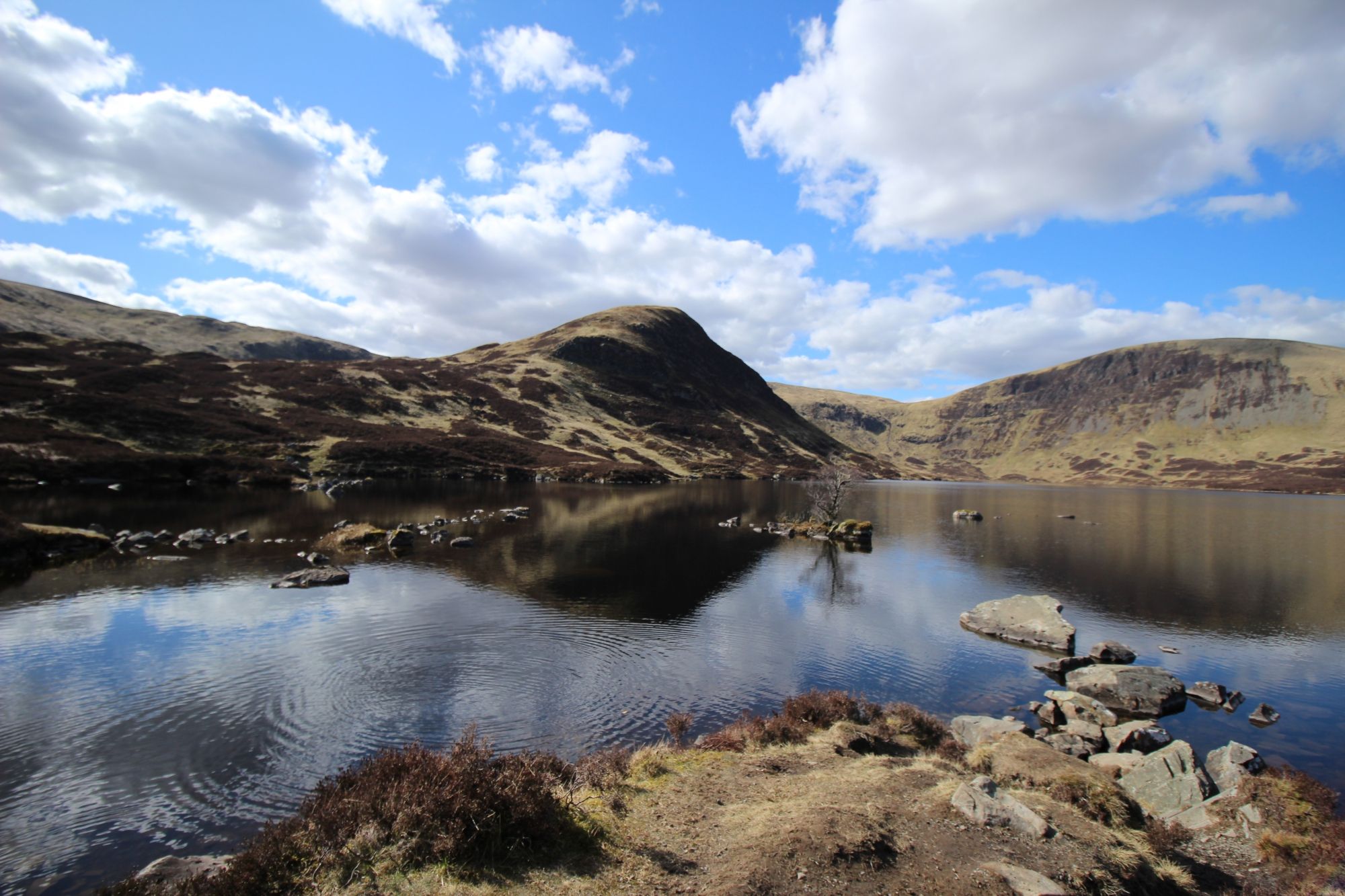
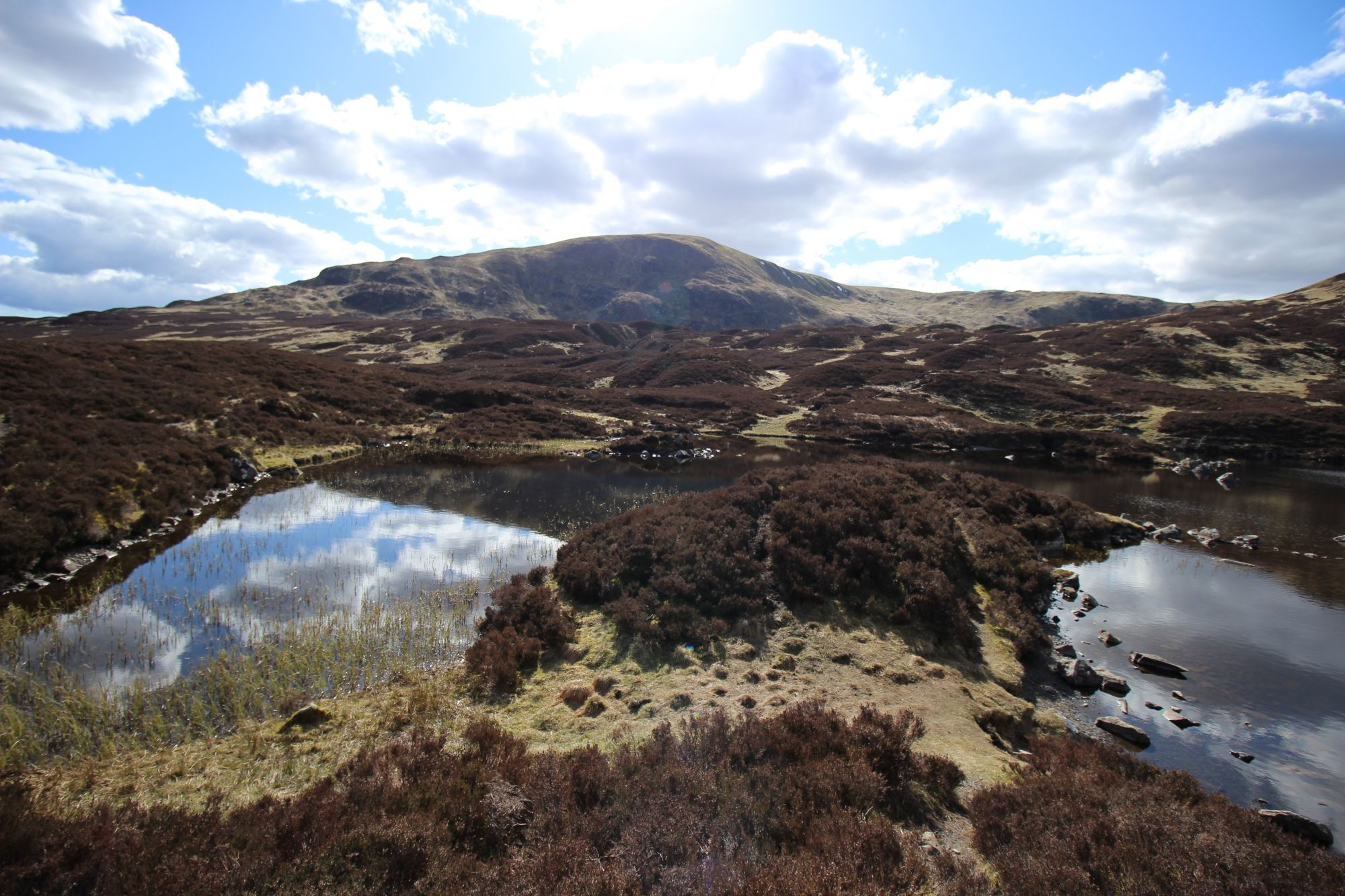
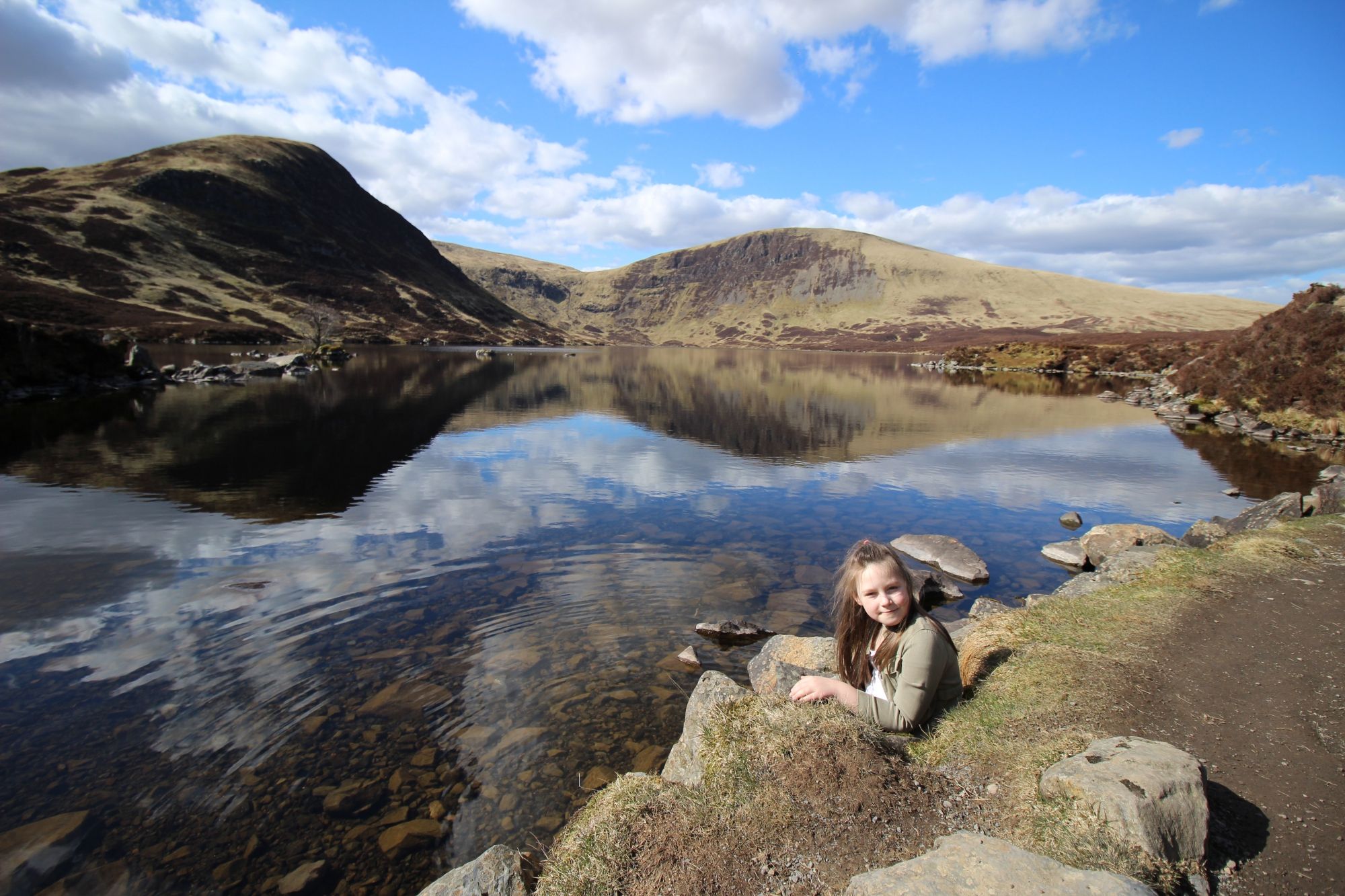
After conquering the steepest section of the trail, the gradient finally begins to ease, and the path guides you onto a wild, sweeping moorland plateau. It is here, nestled quietly at an elevation of roughly 500 meters, that you discover Loch Skeen. This sweeping, atmospheric body of water is the highest located lake in southern Scotland, held in place by a complex network of glacial moraines (debris left behind by retreating ice). The clean, cold waters of Loch Skeen serve as the direct headwater source feeding the Grey Mare's Tail waterfall below.
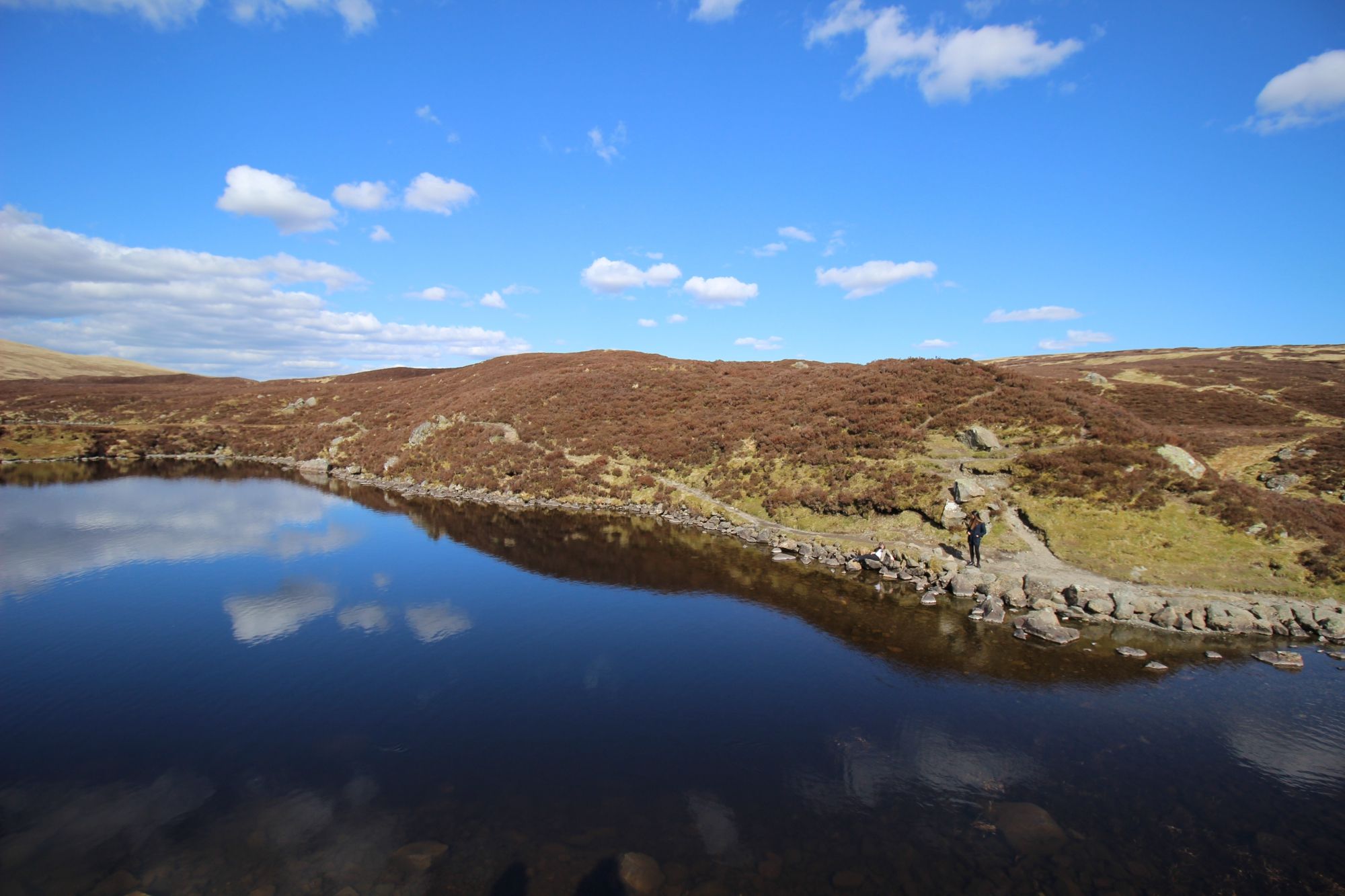
Loch Skeen is a place of profound stillness, surrounded by the dark, heather-clad slopes of the surrounding peaks. The loch is also home to the vendace, an incredibly rare, prehistoric species of freshwater fish that dates back to the last ice age and is found in only a tiny handful of isolated British lakes. Resting on its rocky shoreline after the steep climb offers a peaceful, contrasting reward to the roaring energy of the cascades below.
Beyond the Water: Conquering White Coomb
For ambitious hillwalkers looking to transform a short excursion into a proper mountain expedition, Loch Skeen serves as the perfect jumping-off point to tackle White Coomb. Standing at 821 meters (2,694 feet), White Coomb is classified as a Donald (a Scottish mountain over 2,000 feet located outside the Highlands) and represents the highest peak in the entire Moffat region.
The route to the summit circles around the dramatic rim of the glacial amphitheater above Loch Skeen, requiring careful navigation across rough, pathless peat hags and steep grassy ridges. Reaching the broad, expansive summit cairn rewards hikers with an unparalleled vantage point. On a clear day, the breathtaking view stretches right across the Solway Firth to the Lake District in England, and out toward the distant peaks of the Scottish Highlands—making it completely clear why this challenging loop remains an absolute favorite among experienced hillwalkers.
Practical Information and Best Practices for Visitors
Parking and Facilities: The main car park is situated directly on the A708 road between Moffat and Selkirk. A small parking fee applies (free for National Trust for Scotland members), which goes directly toward trail maintenance. There are no visitor centers or public toilets at the site, so visitors should plan ahead and utilize the full facilities available in the historic spa town of Moffat, located just 10 miles to the west.
Trail Safety and Footwear: The path alongside the waterfall is well-constructed with stone pitching but is undeniably steep, exposed, and can become exceptionally slick when wet. Sturdy hiking boots with excellent ankle support and deep tread are an absolute necessity. Trekking poles are highly recommended to assist with the steep descent on the return leg.
Weather and Exposure: While the car park might feel sheltered, the upper plateau around Loch Skeen and the ridges of White Coomb are completely exposed to the elements. Atlantic weather systems can roll over the Southern Uplands with incredible speed, bringing sudden mist, heavy rain, and dropping temperatures. Always pack a waterproof jacket, extra thermal layers, and a reliable map and compass before venturing past the main waterfall viewpoint.
Seasonal Insights: To see the waterfall at its absolute most dramatic, visit during the autumn months after a period of heavy, sustained rain, or in late spring when the winter snows on White Coomb are rapidly melting. During mid-winter, a prolonged hard frost can transform the entire 60-meter cascade into a colossal, glistening wall of solid ice, attracting experienced ice climbers from across the country.
Conclusion: The Quintessential Southern Uplands Adventure
The Grey Mare's Tail in the Moffat Hills perfectly shatters the misconception that one must travel all the way to the far north of Scotland to experience true mountain drama. By offering a flawless combination of monumental ice-age geology, rare alpine wildlife, a challenging vertical trail, and the tranquil isolation of a high-altitude loch, this spectacular destination packs a tremendous amount of Highland character into the beautiful Southern Uplands. Whether you are taking a brief stop to admire the sheer scale of the 60-meter main fall from the lower viewing area or spending a full day tracking the waters to the roof of the region at White Coomb, a trip to this iconic waterfall remains a deeply rewarding experience that will draw you back time and time much like it has for generations of travelers before you.