



Garry Beach: The Dramatic Sea Stacks of Tolsta
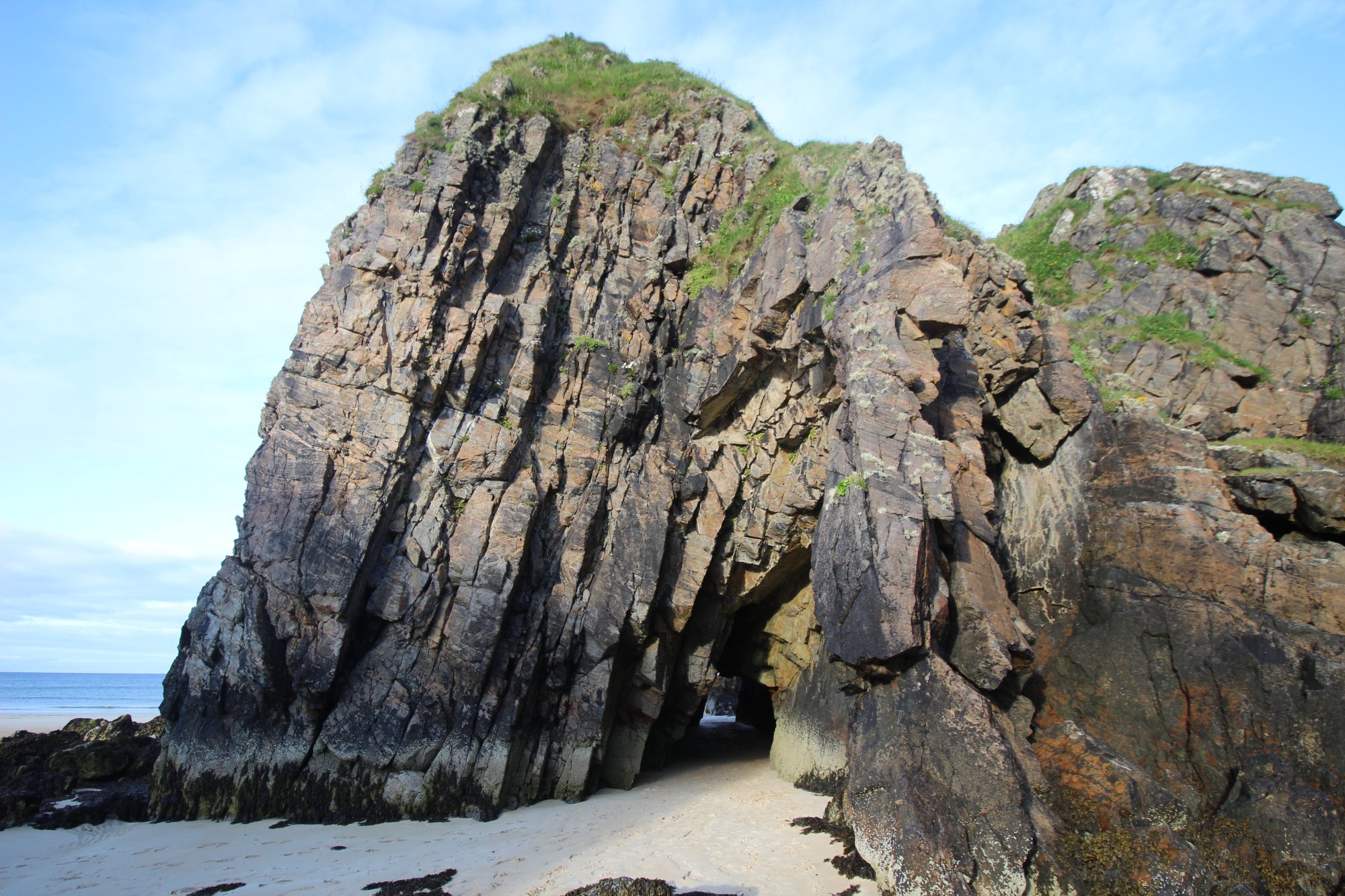
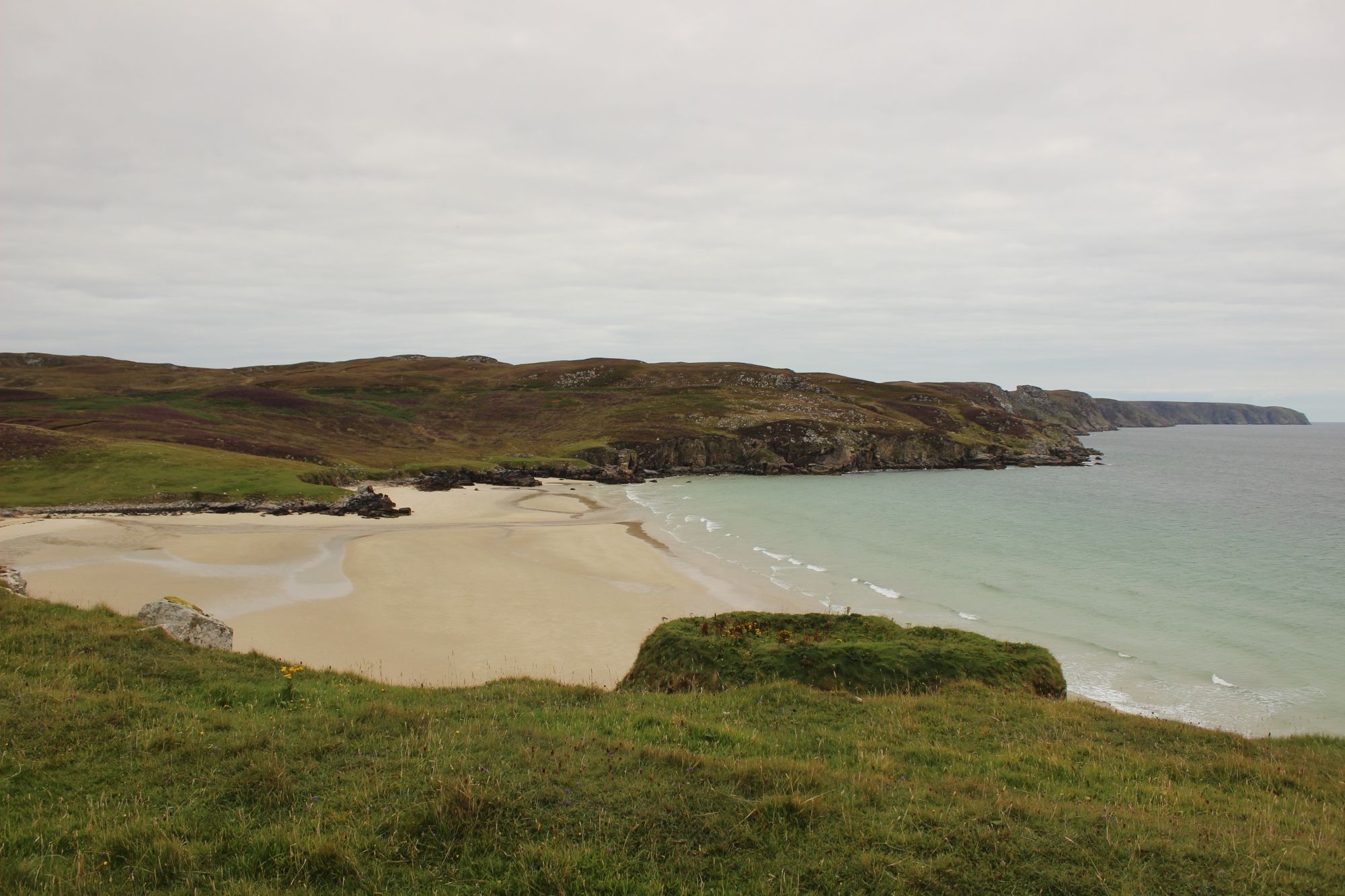
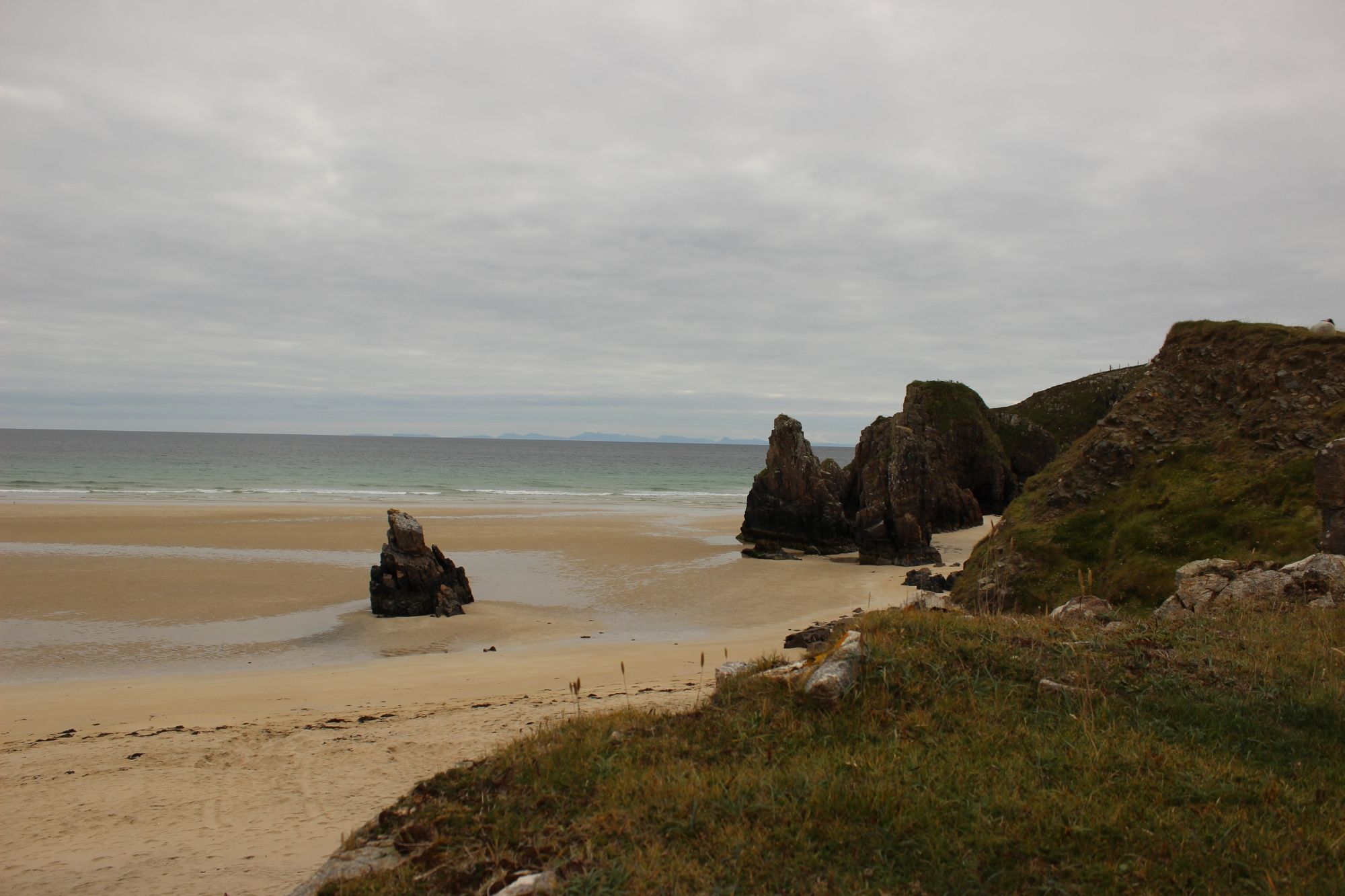
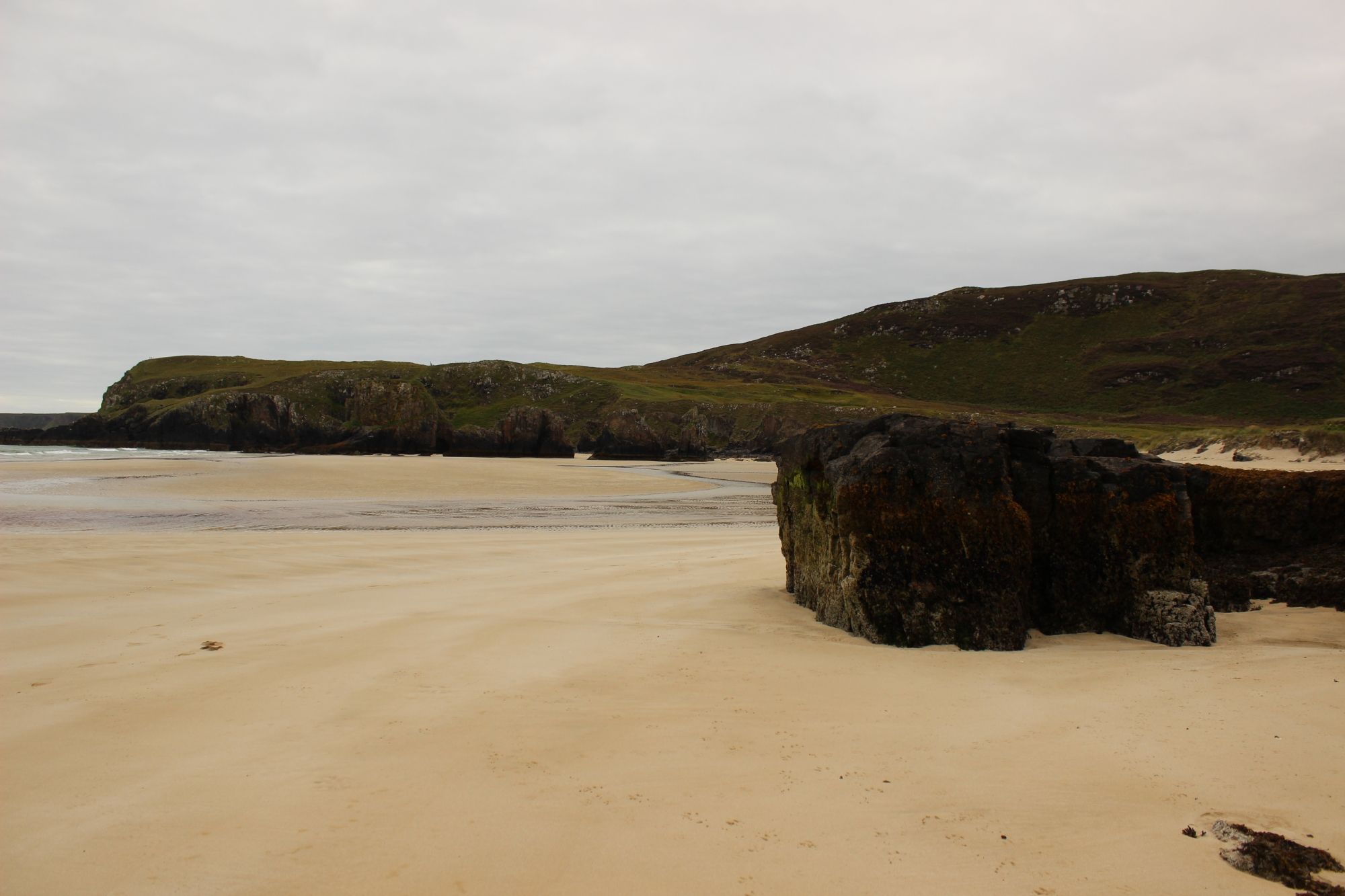
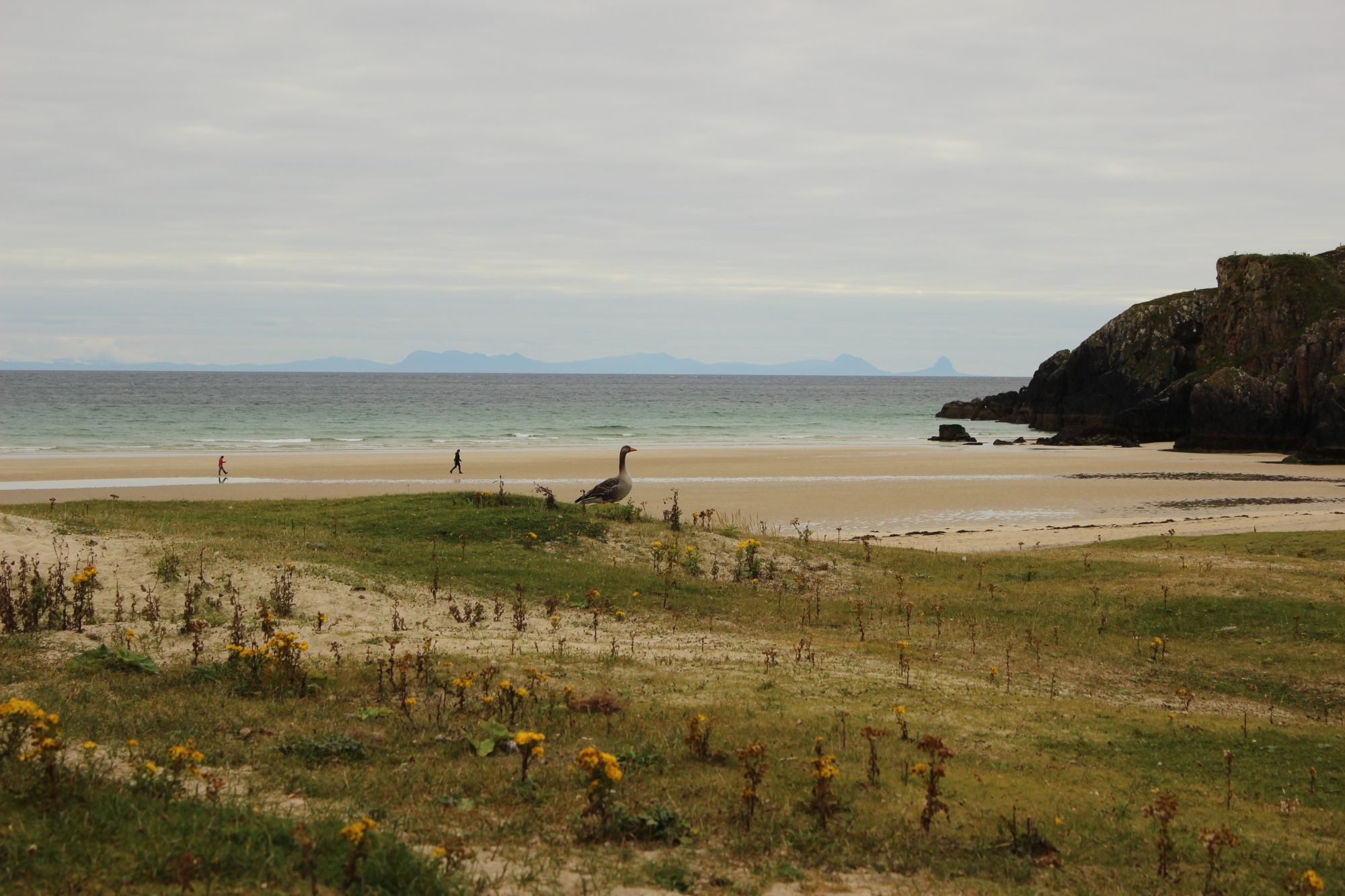
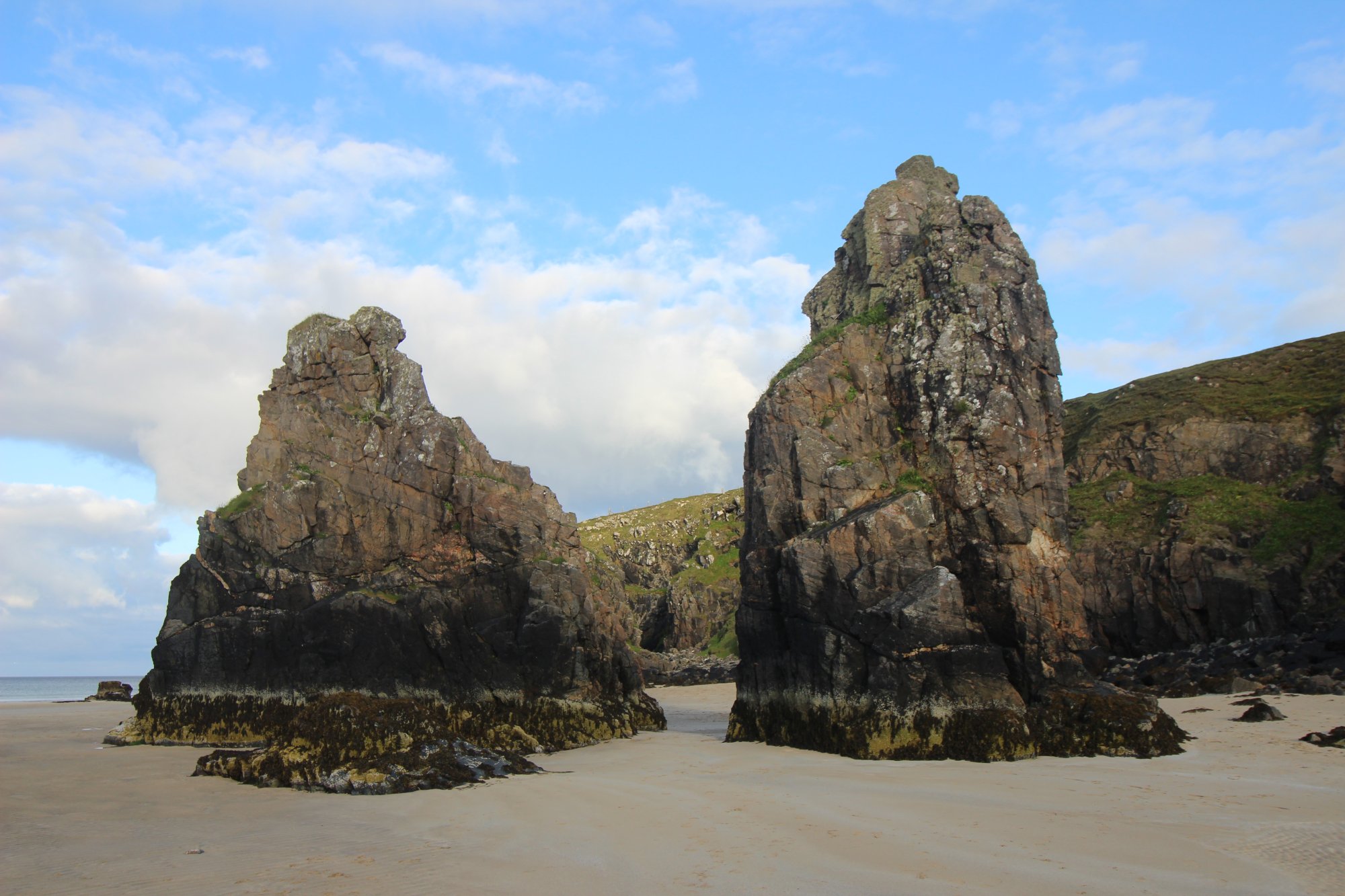
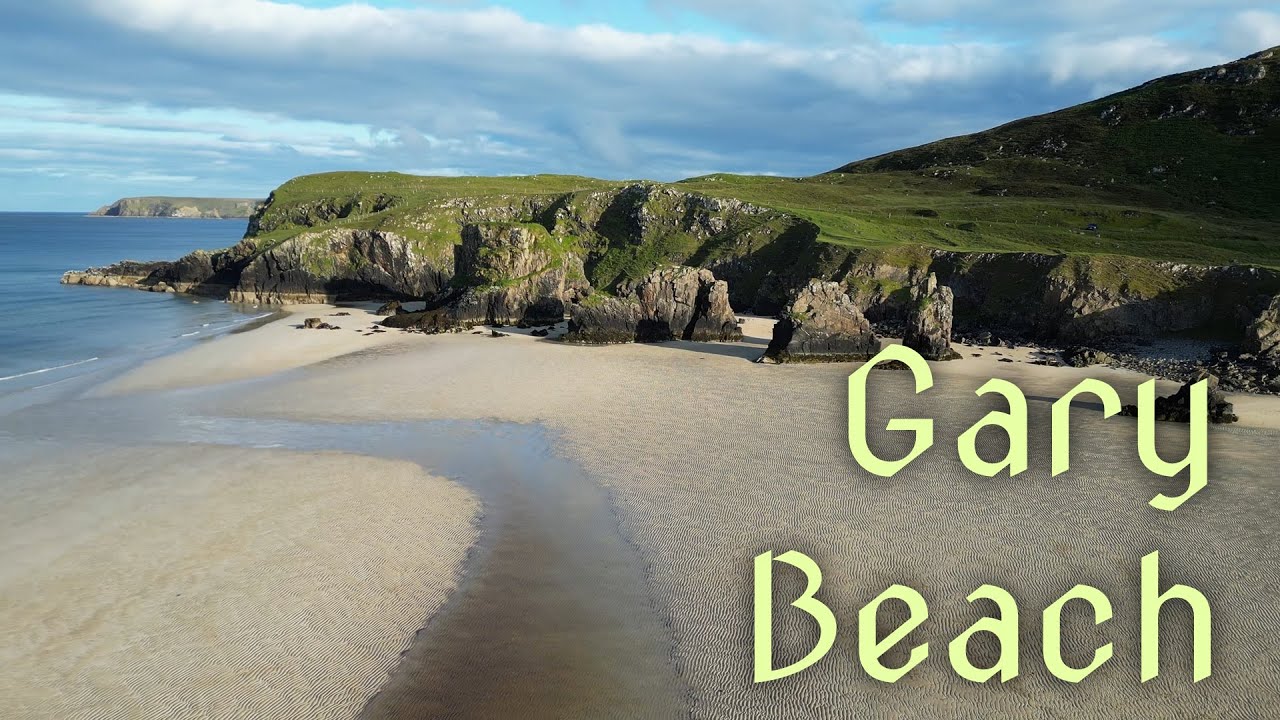
Located at the northern terminus of the Heritage Route on the east coast of the Isle of Lewis, Garry Beach (known in Scottish Gaelic as Tràigh Ghearraidh) is one of the most visually dramatic and geologically captivating coastlines in the Outer Hebrides. Situated near the village of North Tolsta, this spectacular destination completely upends the classic Hebridean imagery of flat, endless white sands. Instead, Garry Beach greets travelers with a striking landscape defined by dark, jagged metamorphic sea stacks erupting directly from the pale shoreline. These ancient rock formations, heavily sculpted by centuries of fierce Atlantic gales, create a hauntingly beautiful, gothic atmosphere. Framed by steep, emerald-green cliffs and rolling coastal machair (fertile dune pasture), it is an absolute paradise for photographers, coastal hikers, and anyone seeking the raw, untamed edge of the Outer Hebrides.
The Gneiss Sea Stacks and Sea Caves
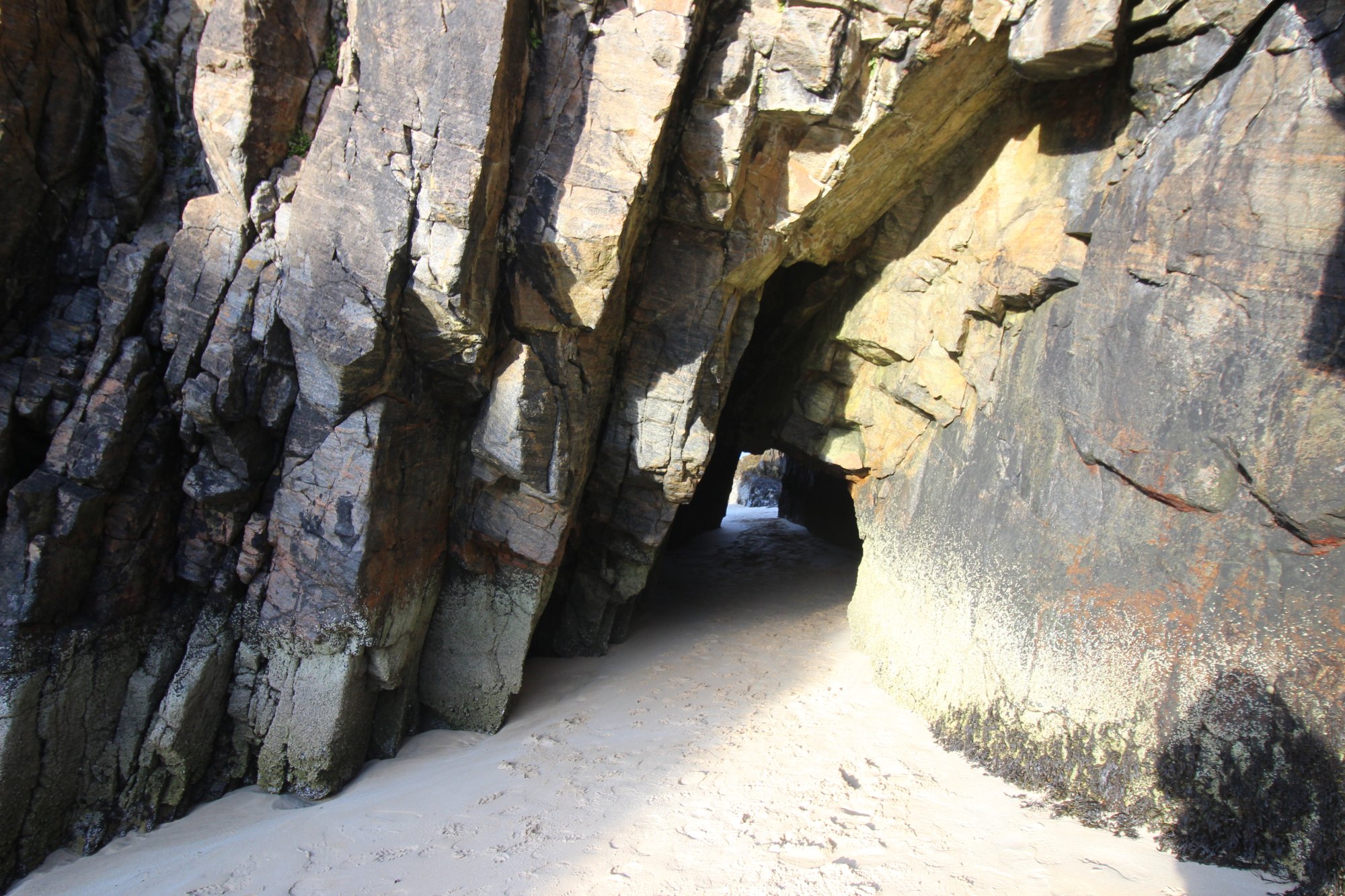
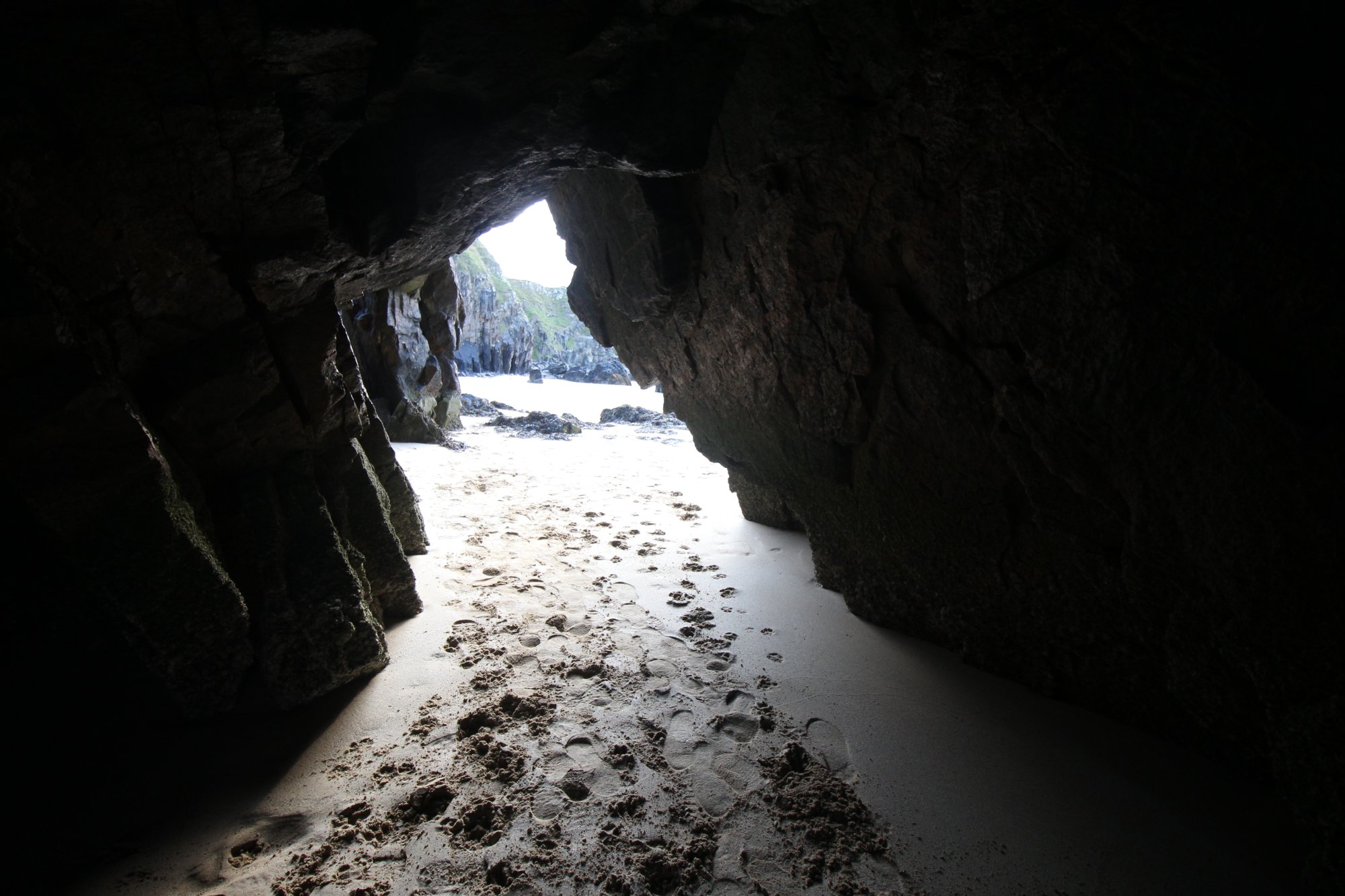
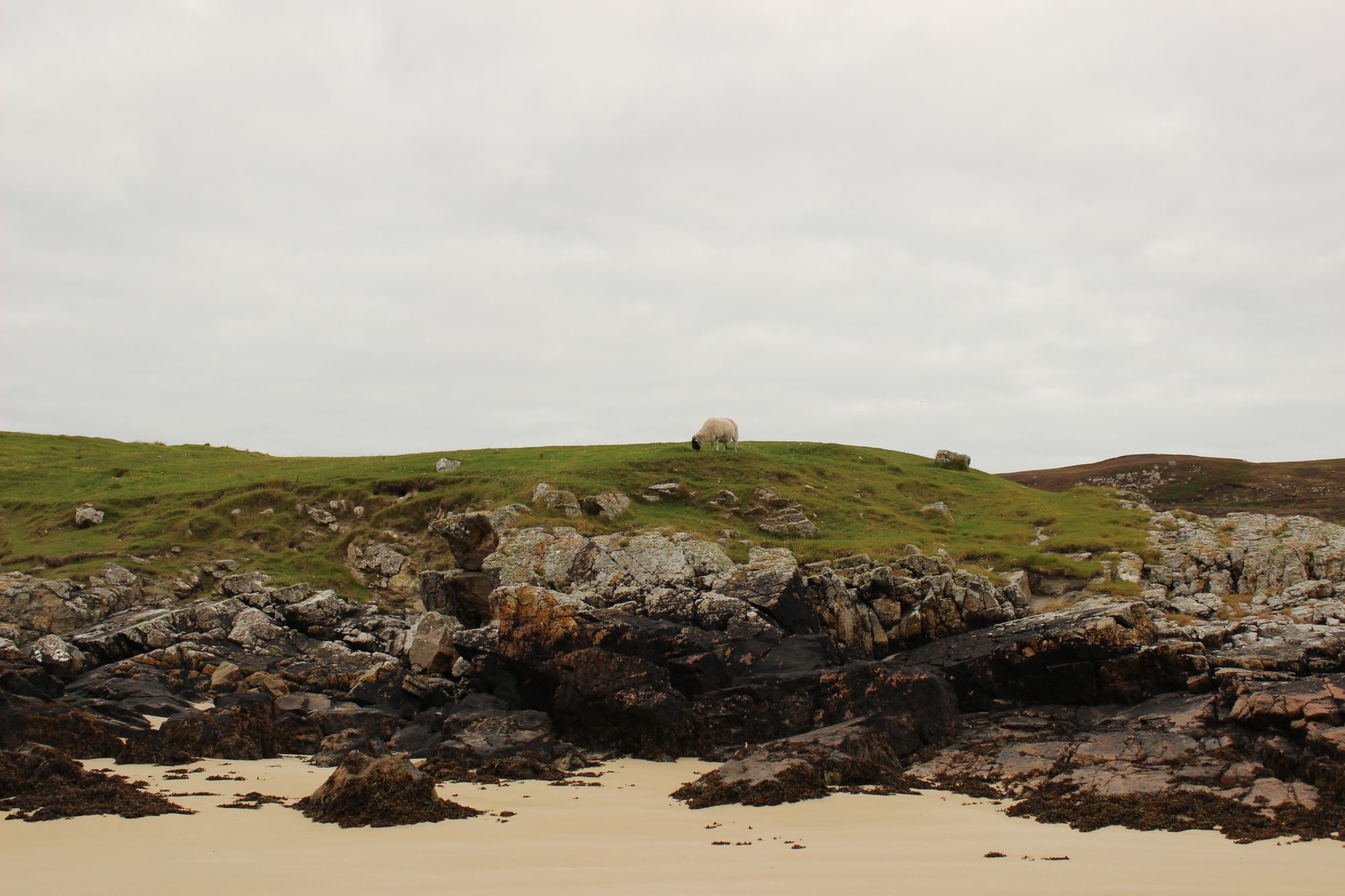
The defining feature of Garry Beach is the striking collection of sea stacks, locally known as the Garry Monoliths. Composed of Lewisian Gneiss—among the oldest rock formations in Europe, dating back roughly three billion years—these dark pillars stand as resilient sentinels against the relentlessly encroaching tides. At low tide, the retreating sea reveals smooth, expansive sands that allow visitors to walk directly up to the base of these monumental pillars and explore an array of hidden sea caves and deep rock arches carved into the cliff face. The contrast between the dark, ancient stone, the golden-white sand, and the churning blue foam of the Minch channel creates an unmatched visual spectacle.
The Bridge to Nowhere
Perched directly on the high cliffs overlooking the northern end of Garry Beach sits one of the most famous and poignant historical landmarks on the island: The Bridge to Nowhere (Garry Bridge). Constructed in the early 1920s by the industrialist Lord Leverhulme during his tenure as owner of the island, this impressive concrete arch bridge was built as part of an ambitious project to construct a coastal road linking Tolsta all the way to Ness at the northern tip of Lewis.
When the economic venture collapsed and local opposition mounted, the grand infrastructure project was permanently abandoned. Today, the fully completed bridge stands in isolation across a deep river gorge, carrying a road that leads for just a few hundred yards past the span before abruptly dissolving into the wild, trackless peat moorlands. Walking across this monument to forgotten ambition offers sweeping, elevated views down onto the sands of Garry Beach and the open ocean beyond.
Coastal Hikes and Untamed Wildlife
Garry Beach serves as the magnificent starting point for one of the finest coastal walking trails in the Western Isles. The path leading across the Bridge to Nowhere continues as a rugged, 11-mile clifftop trek to Ness, taking hikers past completely isolated coves, collapsed sea caves, and abandoned shielings (traditional summer dwellings). The sheer cliffs and rich marine waters surrounding the beach make it a thriving sanctuary for local wildlife:
- Avian Hunters: Majestic golden eagles and white-tailed sea eagles are regularly spotted riding the thermal updrafts over the steep cliffs, while fulmars and kittiwakes nest in the jagged crags.
- Marine Life: The elevated clifftops near the bridge provide an exceptional vantage point for spotting harbor porpoises, minke whales, and playful pods of dolphins navigating the deep waters of the Minch.
- Nesting Shorebirds: The fragile machair ecosystem directly behind the sands comes alive in the spring and summer with the calls of lapwings, ringed plovers, and oystercatchers.
Practical Tips for Visitors
Accessibility and Facilities: Garry Beach is easily reached by car from Stornoway via the B895 road. A dedicated parking area is located right at the edge of the beach, complete with well-maintained public toilets and picnic benches overlooking the sea stacks.
Tide Awareness: To fully experience the beauty of Garry Beach, check the local tide timetables before your visit. The sea caves, hidden arches, and the paths around the individual sea stacks are only accessible at low tide. At high tide, the ocean reclaims much of the sandy shoreline.
Exploring the Caves: If you plan to venture inside the sea caves, a smartphone light or small flashlight is highly recommended. Be mindful of wet, algae-covered rocks near the cave mouths, which can be exceptionally slick.
Conclusion: Where Ancient Rock Meets the Sea
Garry Beach is a brilliant testament to the sheer diversity of the Scottish coastline, trading the gentle, tropical-looking bays of the southern Hebrides for a landscape of raw, ancient power. With its three-billion-year-old gneiss stacks, the architectural mystery of the Bridge to Nowhere, and the endless horizon of the Minch, it is a place where nature and history converge in spectacular fashion. It is an unmissable destination on the Isle of Lewis that perfectly captures the wild, untamed spirit of the edge of Europe.