


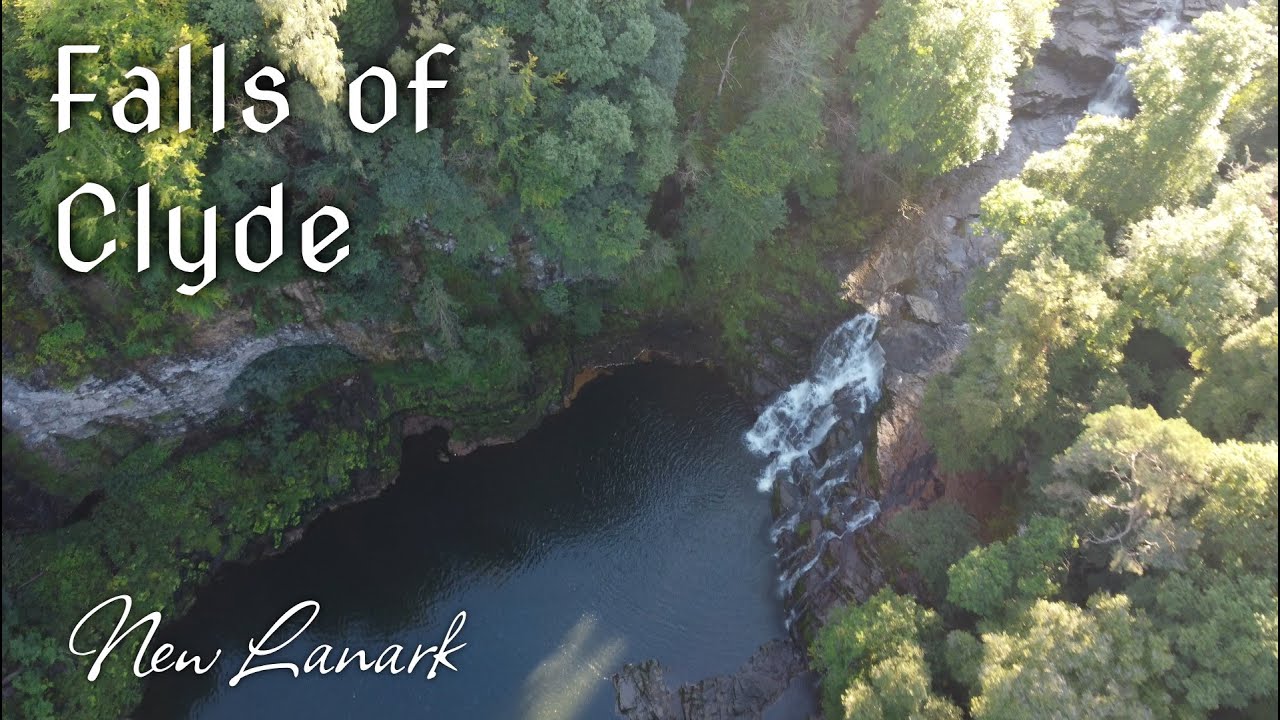

The Falls of Clyde: Historic Cascades and Woodland Wilderness of New Lanark
Situated in the historic heart of South Lanarkshire, the Falls of Clyde are a spectacular sequence of four structural waterfalls carved along the upper reaches of Scotland's most famous river. The falls are located just a scenic 20-minute riverside walk from New Lanark World Heritage Site, a beautifully preserved 18th-century cotton milling village. Protected as part of the Clyde Valley Woodlands National Nature Reserve and managed meticulously by the Scottish Wildlife Trust, this area blends grand industrial history with an exceptionally rich, pristine woodland ecosystem, drawing walkers, birdwatchers, and history enthusiasts alike.
A Sanctuary for Wildlife and Ancient Woodlands
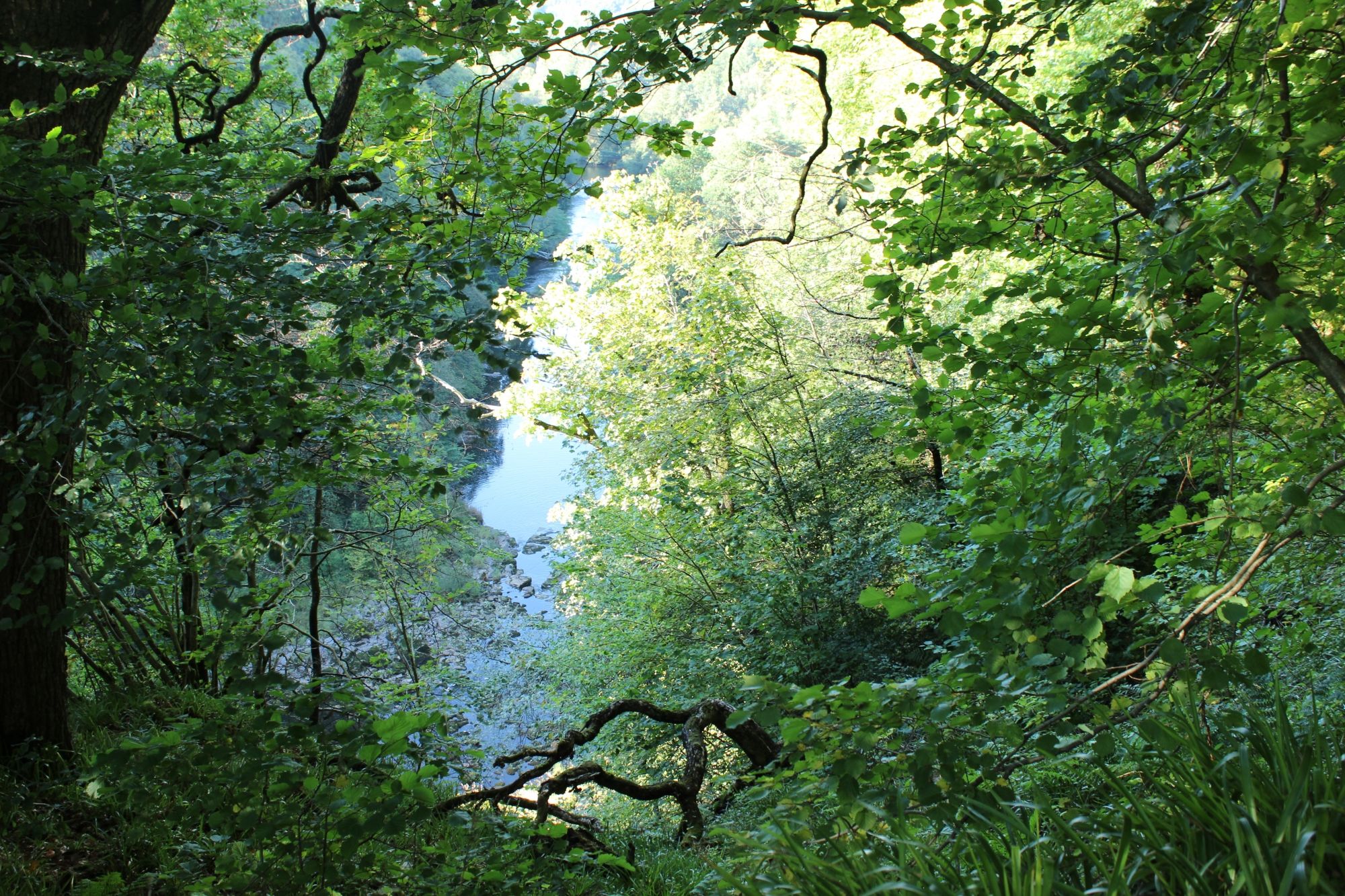
The lush gorge framing the river is a vital fragment of Scotland's ancient, semi-natural hanging oak woodlands. The dense canopy and clean river system create a rich sanctuary for an incredible array of regional biodiversity. Over 100 species of birds have been recorded in the reserve, most notably a resident breeding pair of magnificent peregrine falcons that nest on the sheer sandstone cliffs of the gorge during spring and summer. Quiet walkers exploring the deeper forest trails also stand an excellent chance of spotting elusive local mammals, including badgers, pine martens, river otters, and roe deer drinking at the water's edge.
The Four Cascades and the Power of the River
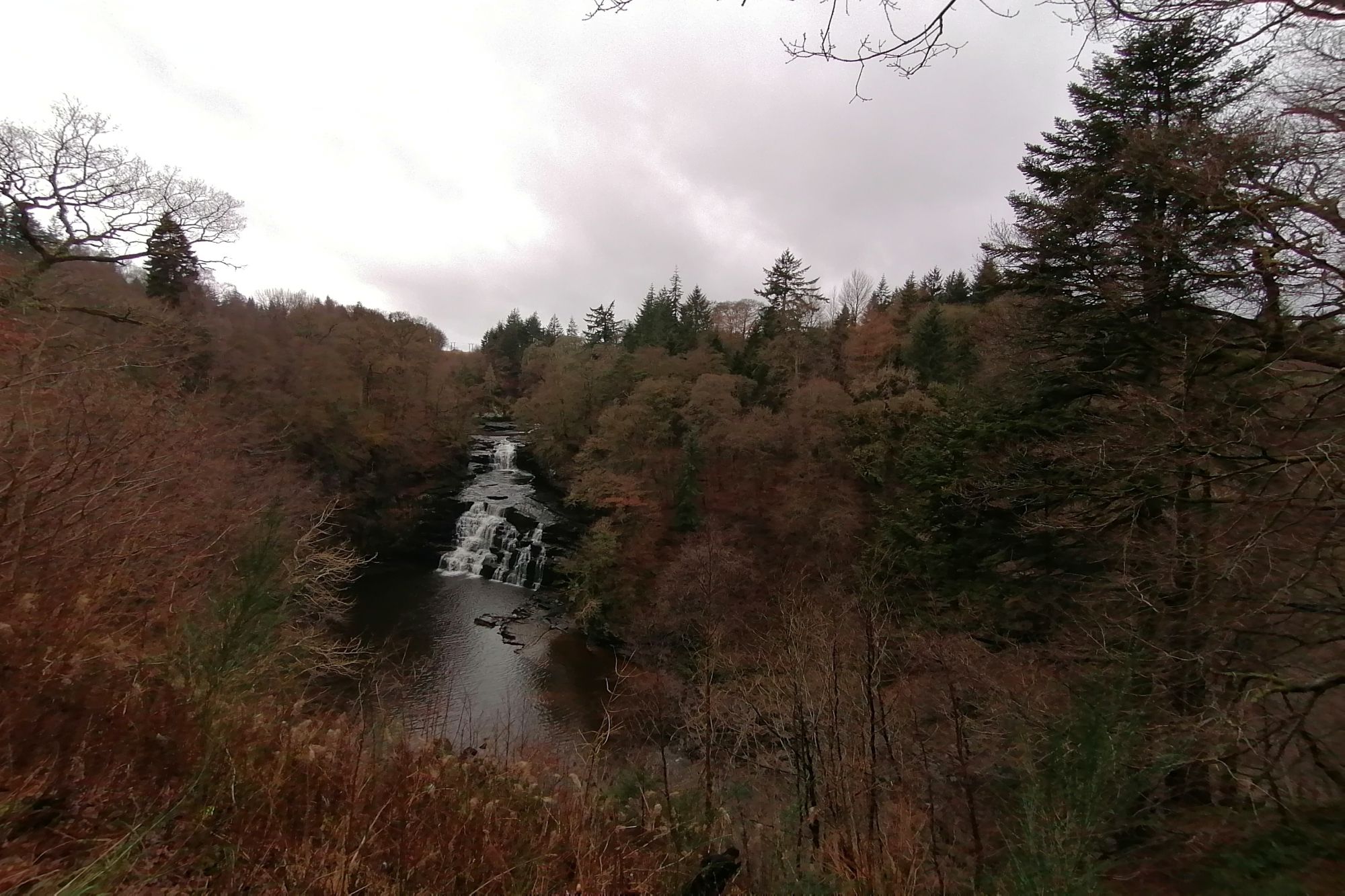
The River Clyde drops significantly as it cuts through the sandstone canyon, creating a dramatic, multi-tiered spectacle. The four distinct waterfalls include Bonnington Linn, Corra Linn, Dundaff Linn, and Stonebyres Linn, each possessing its own layout and character:
- Corra Linn: This is the undisputed crown jewel of the Falls of Clyde. Plunging a dramatic 26 meters (85 feet) over a series of rugged, semi-circular rock steps, it forms a roaring natural amphitheater that has inspired poets like William Wordsworth and painters like J.M.W. Turner.
- Dundaff Linn: Located closest to New Lanark, this smaller but violent 3-meter drop is famously situated right behind the historic mill buildings, where it once directly turned the massive timber waterwheels that drove the early industrial revolution.
- Bonnington Power Station: Built deep within the gorge in 1924, this historic building is widely recognized as the UK's first major run-of-river hydro-electric scheme. Today, it operates with a capacity of 17MW, feeding renewable energy directly into the modern grid and contributing to Scotland's ambitious net-zero carbon goals. The red sandstone building blends seamlessly into the surrounding cliffs. On designated "hydro-release days" when the station pauses water abstraction, the full, natural torrent of the river is restored to Corra Linn, creating an awe-inspiring, thundering spectacle.
Visiting in 2026: Trails and Accessibility
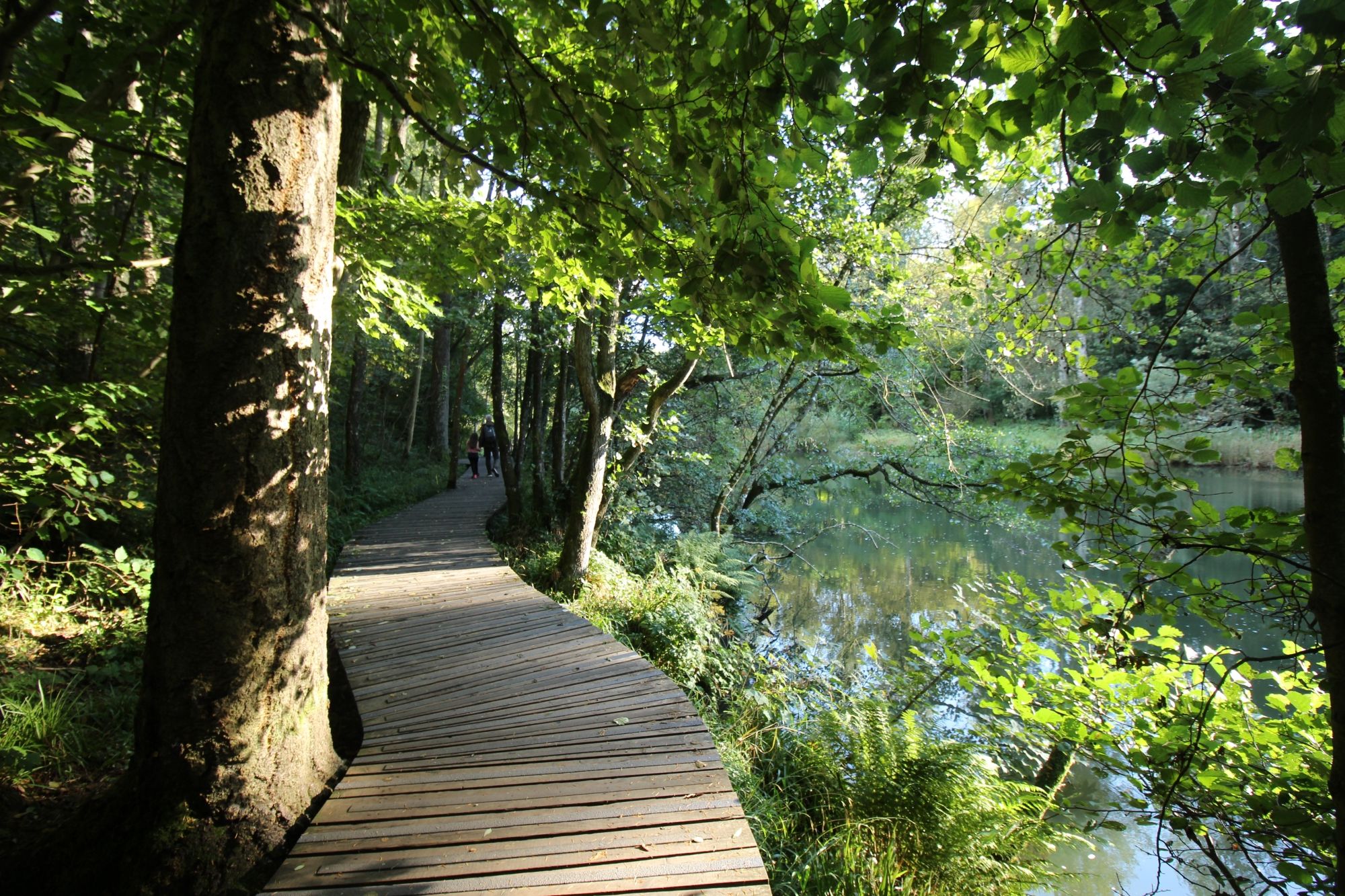
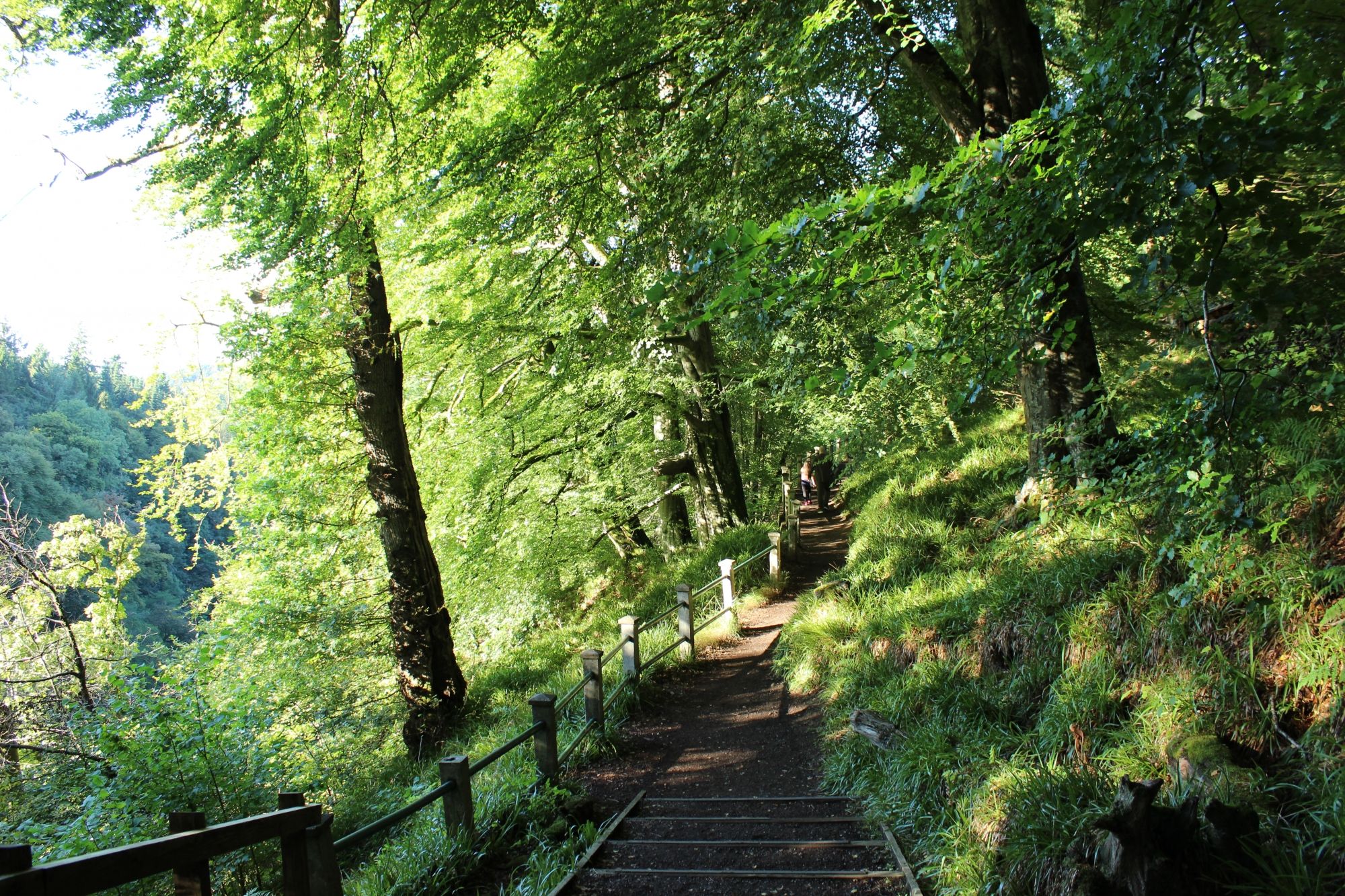
In 2026, the Falls of Clyde are fully accessible via a beautifully maintained network of trails beginning at the New Lanark visitor car park. The primary path, which forms part of the long-distance Clyde Walkway, is well-surfaced and includes elevated wooden boardwalks tracing the river edge, though sturdy walking boots are recommended for the upper dirt tracks. The reserve's dedicated visitor centre, located within one of the restored New Lanark mill buildings, provides seasonal wildlife interactive displays, live falcon-nest camera feeds, and guided badger-watching walks led by local rangers.
Conclusion: A Rare Fusion of History and Nature
The Falls of Clyde stand as a powerful, living monument to the dual identity of Scotland's landscape—a place where the fierce, unbridled energy of nature was harnessed to fuel human progress without destroying the underlying wilderness. Moving from the orderly, stone-built symmetry of the New Lanark mills into the deep, echoing canyon of Corra Linn feels like stepping into another world entirely. It remains an essential, deeply enriching Scottish destination where industrial heritage, renewable engineering, and wild woodland conservation exist in perfect, inspiring harmony.