




Dunnottar Castle: The Impregnable Clifftop Sentinel of the North Sea
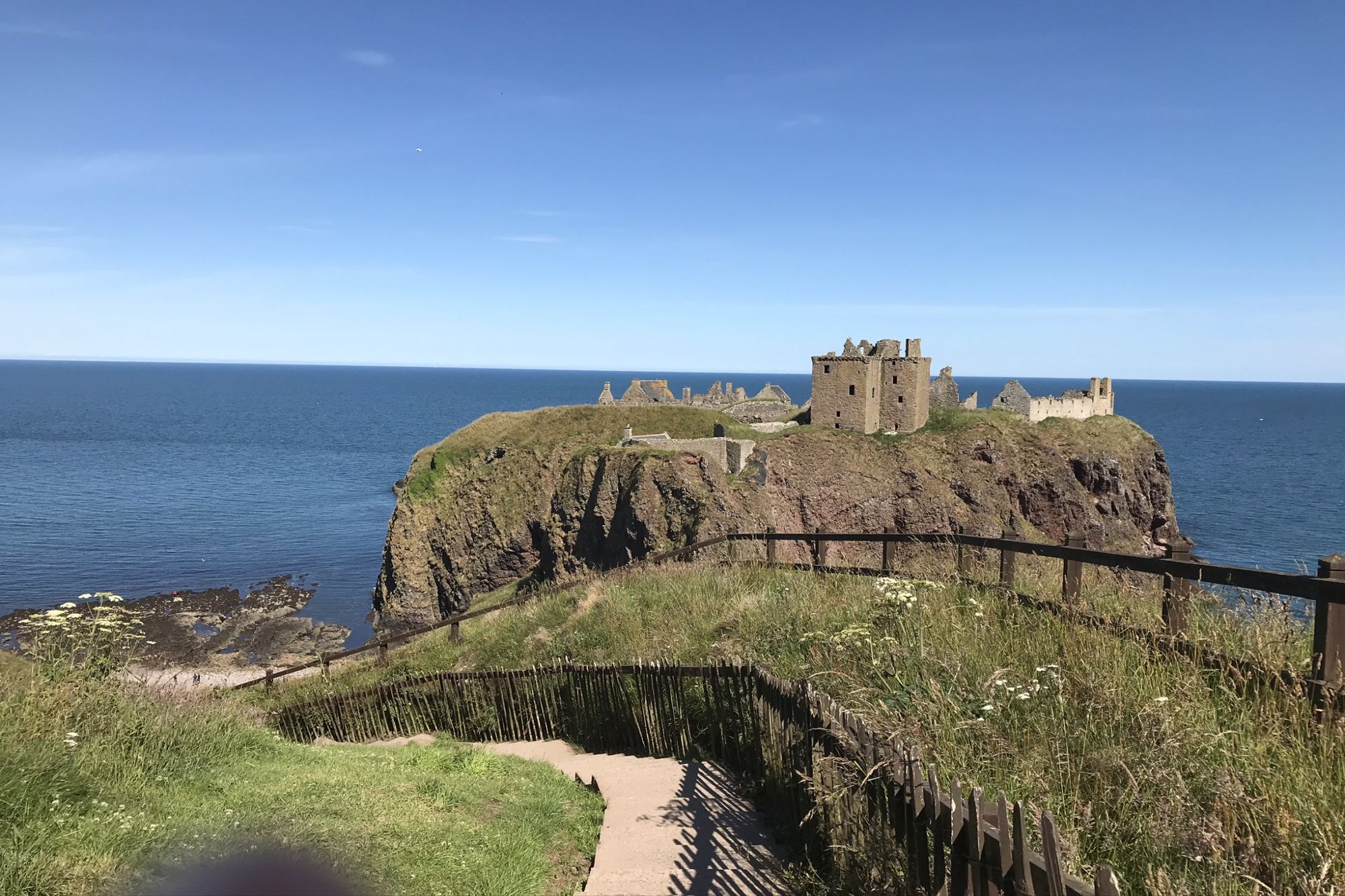
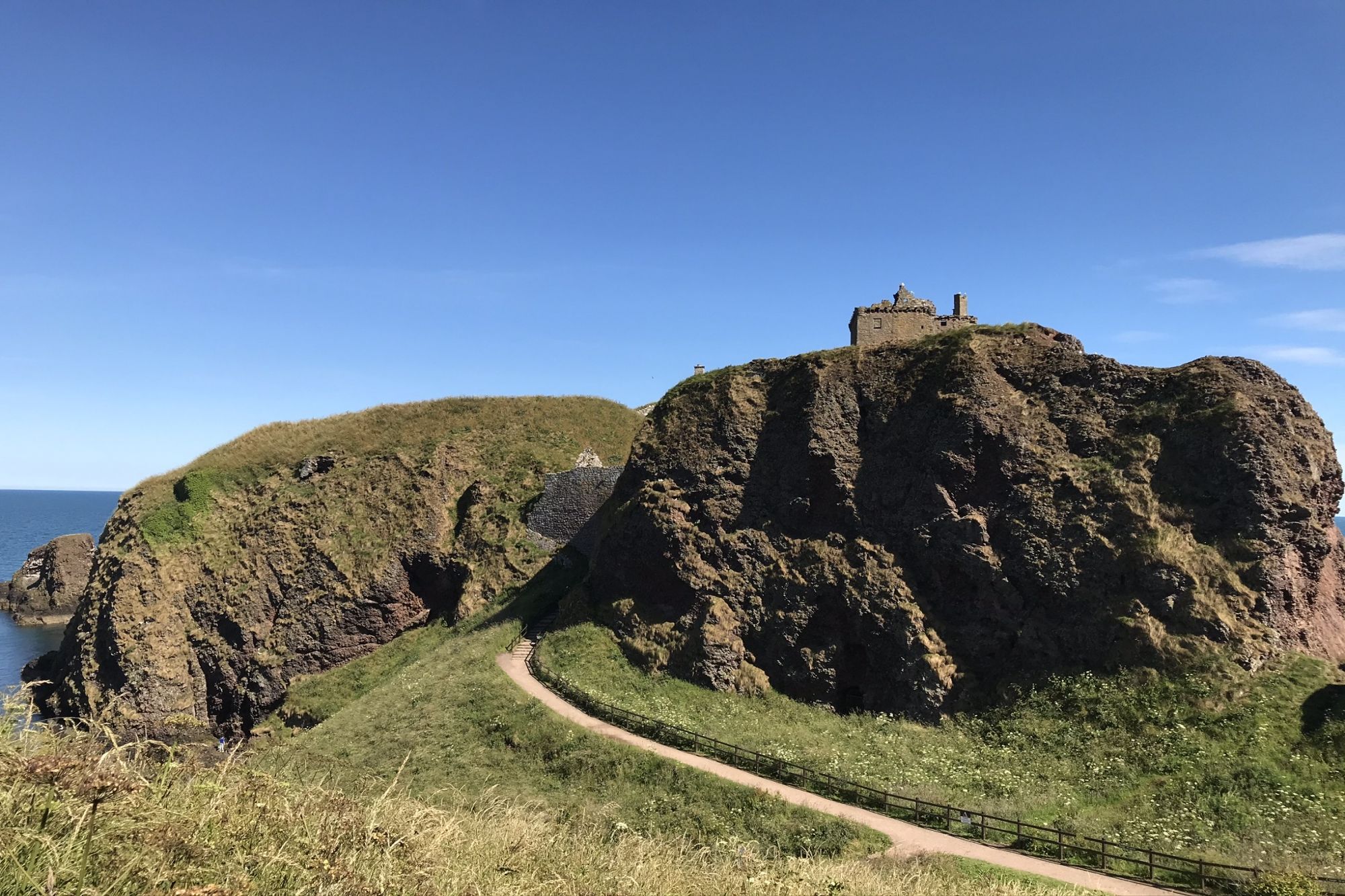
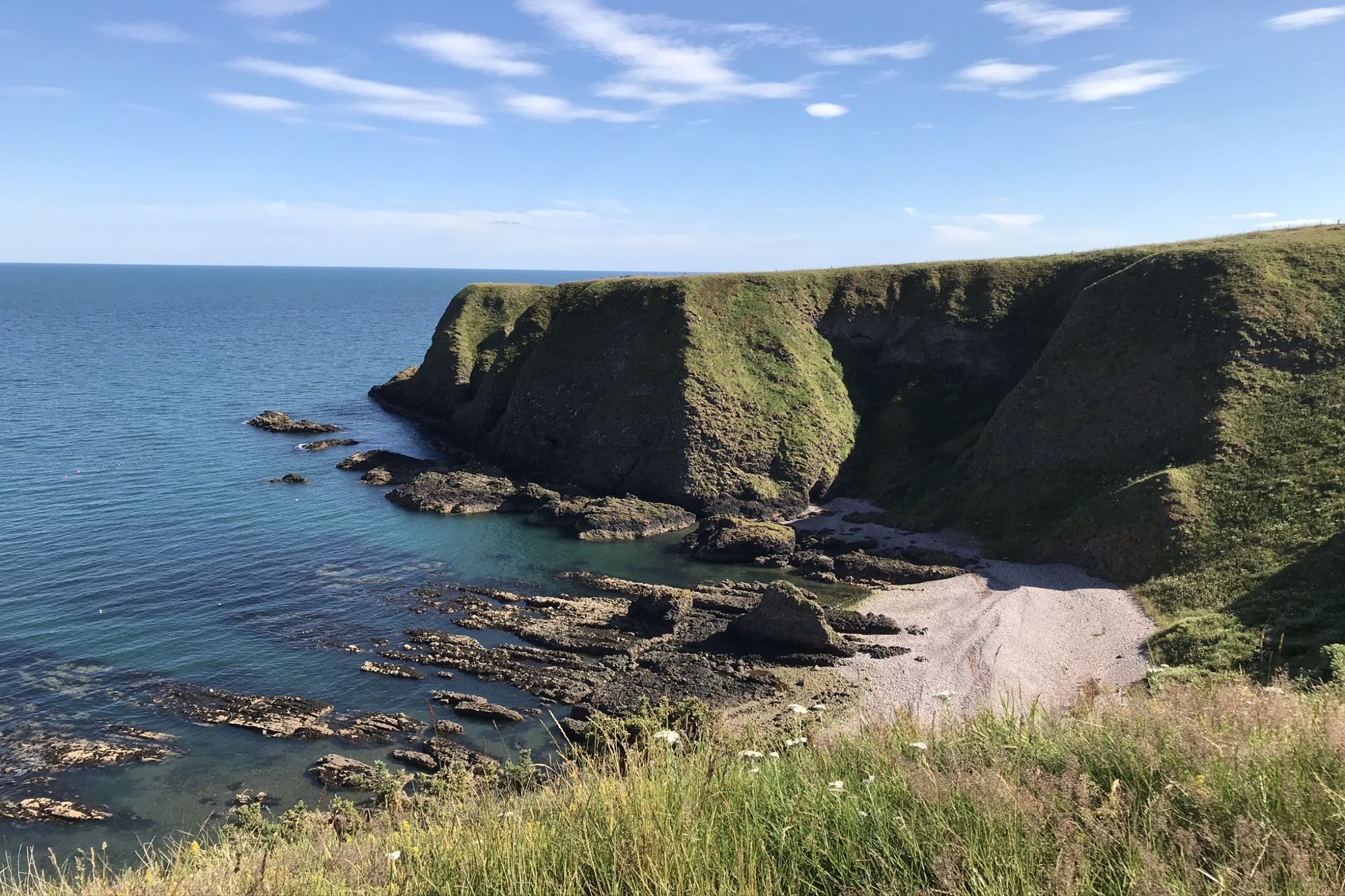
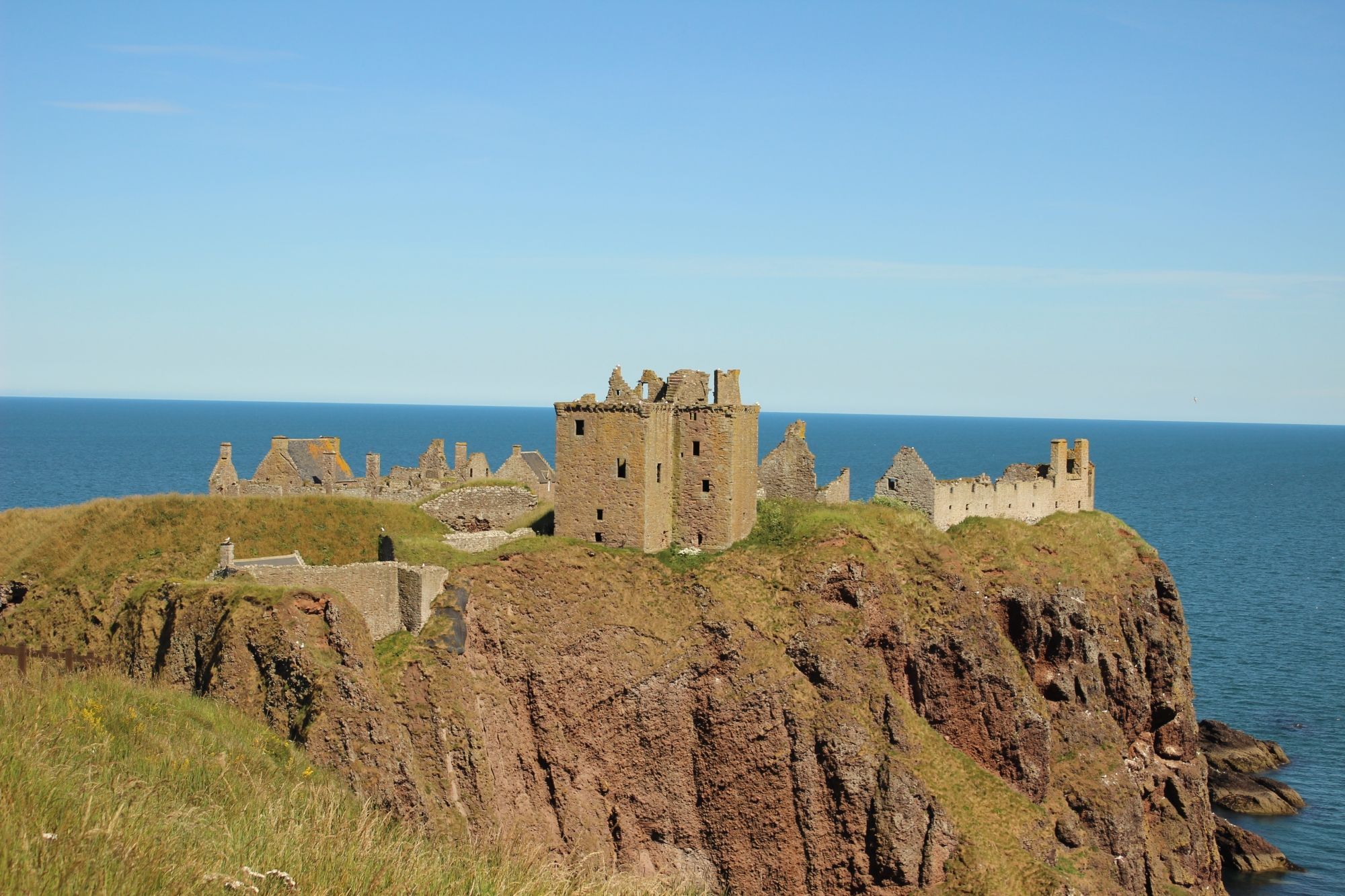
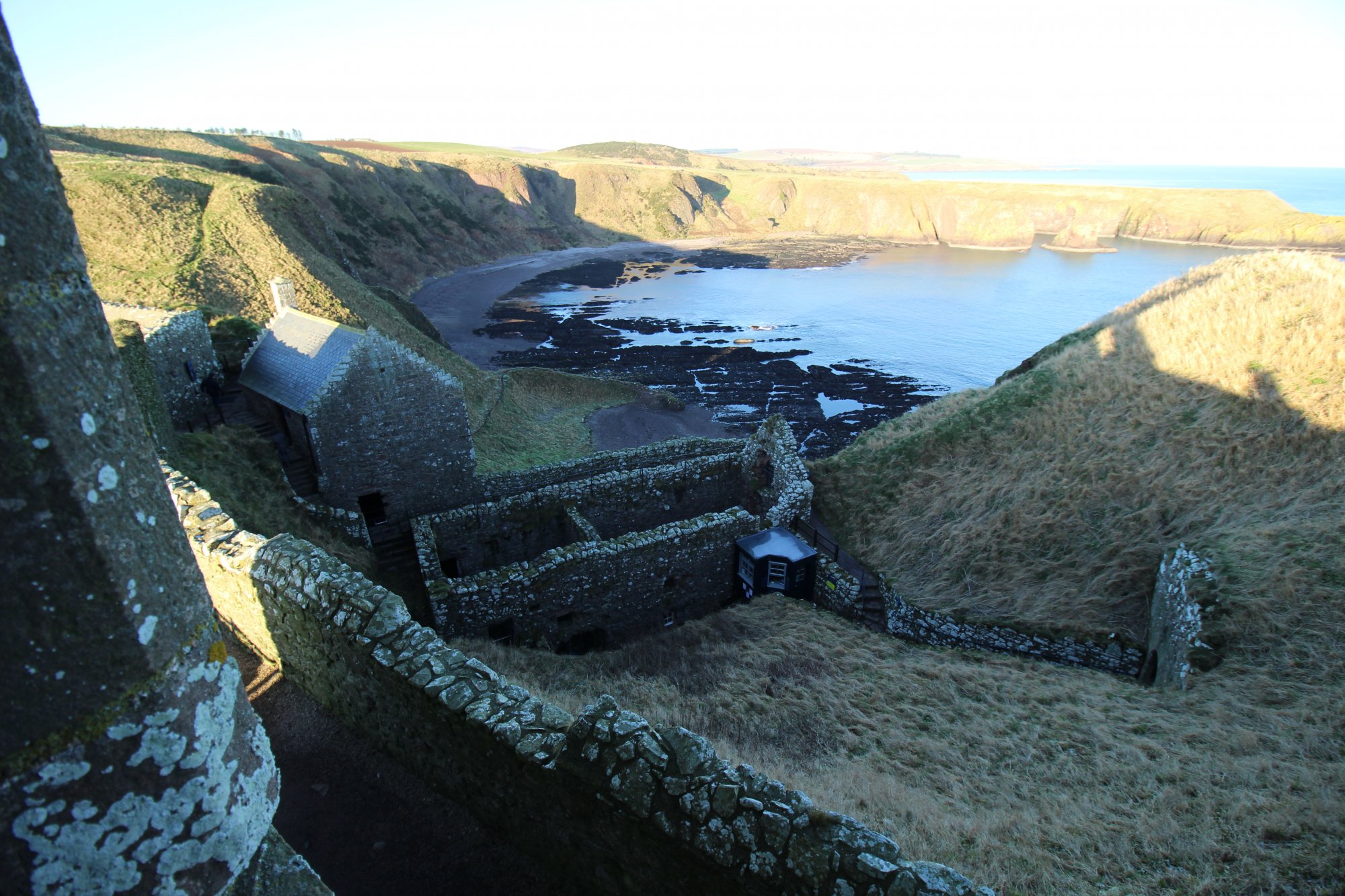
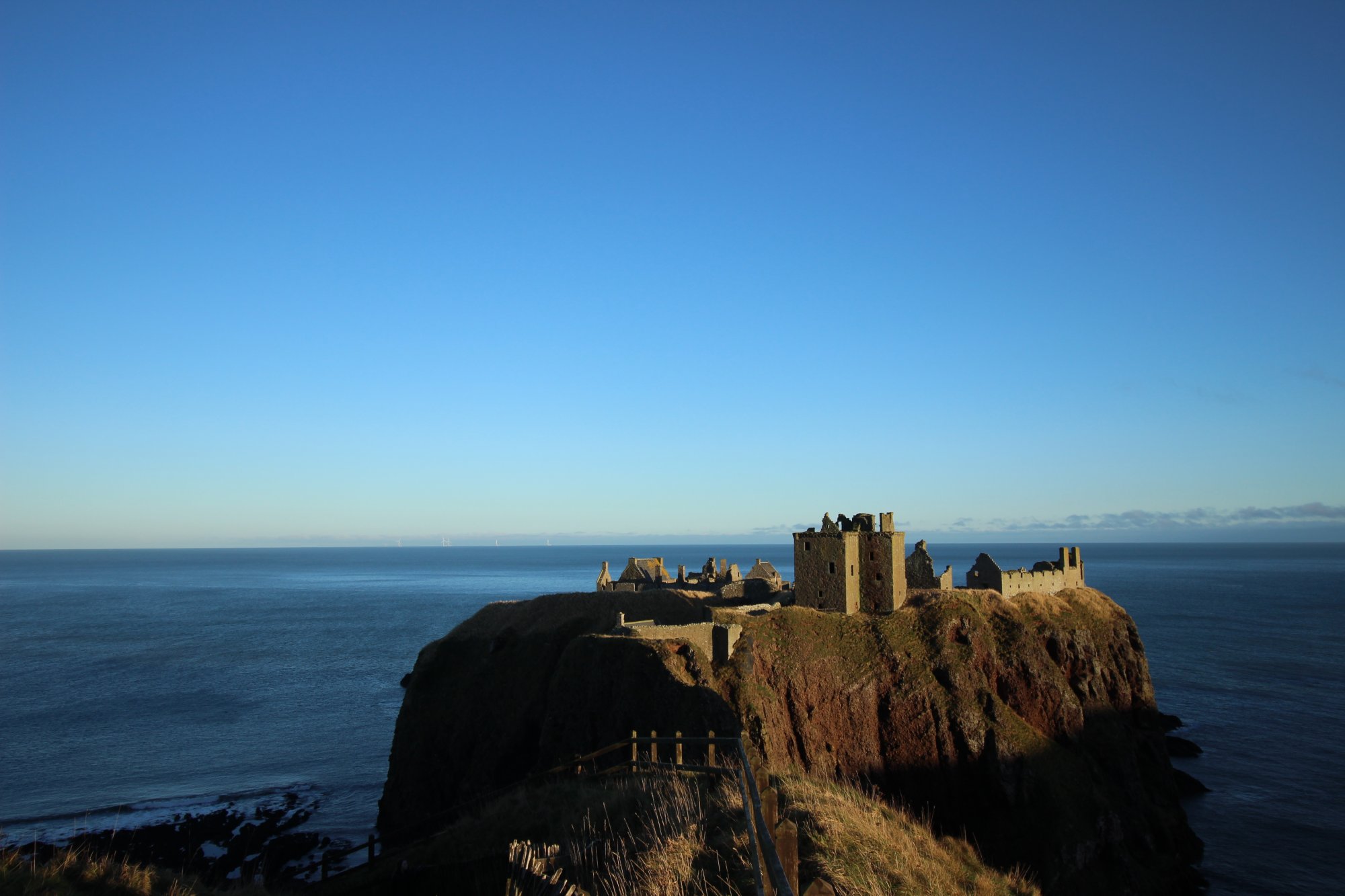
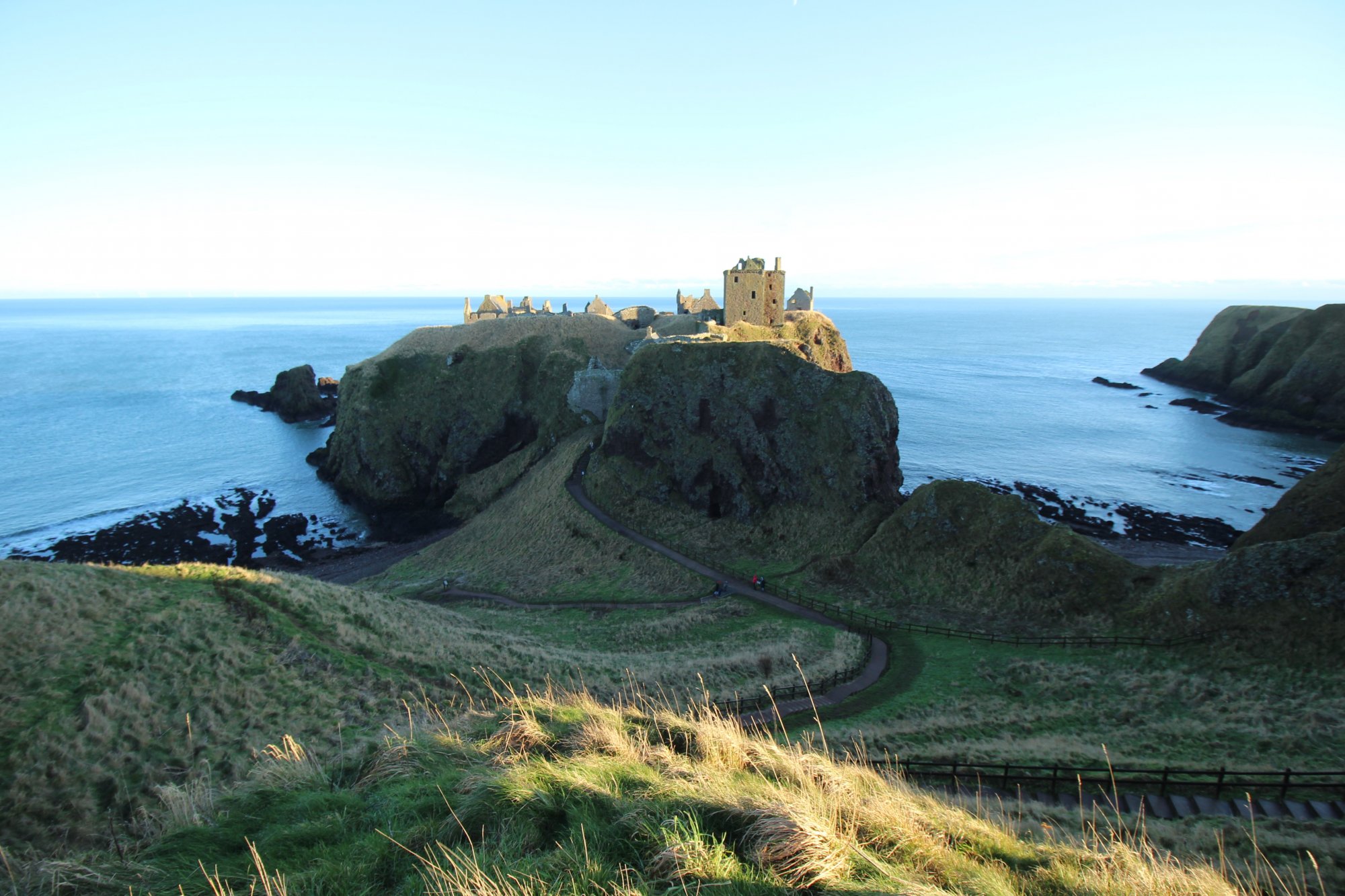
Perched dramatically on a massive, sheer-cliff peninsula that juts out into the wild waters of the North Sea, Dunnottar Castle is one of Scotland's most iconic, atmospheric, and visually stunning ruined fortresses. Located just a short distance south of the picturesque coastal town of Stonehaven, this sprawling medieval stronghold is surrounded by steep drops into the ocean on three sides, creating a naturally impregnable defensive site. The breathtaking juxtaposition of crumbling stone walls, emerald-green clifftops, and crashing sea waves creates a truly magical setting. It is a place where deep national history, coastal beauty, and legends of royal resilience come together, making it an absolute milestone for anyone exploring the northeastern coast of Scotland.
From Saintly Foundations to Dark Age Sieges
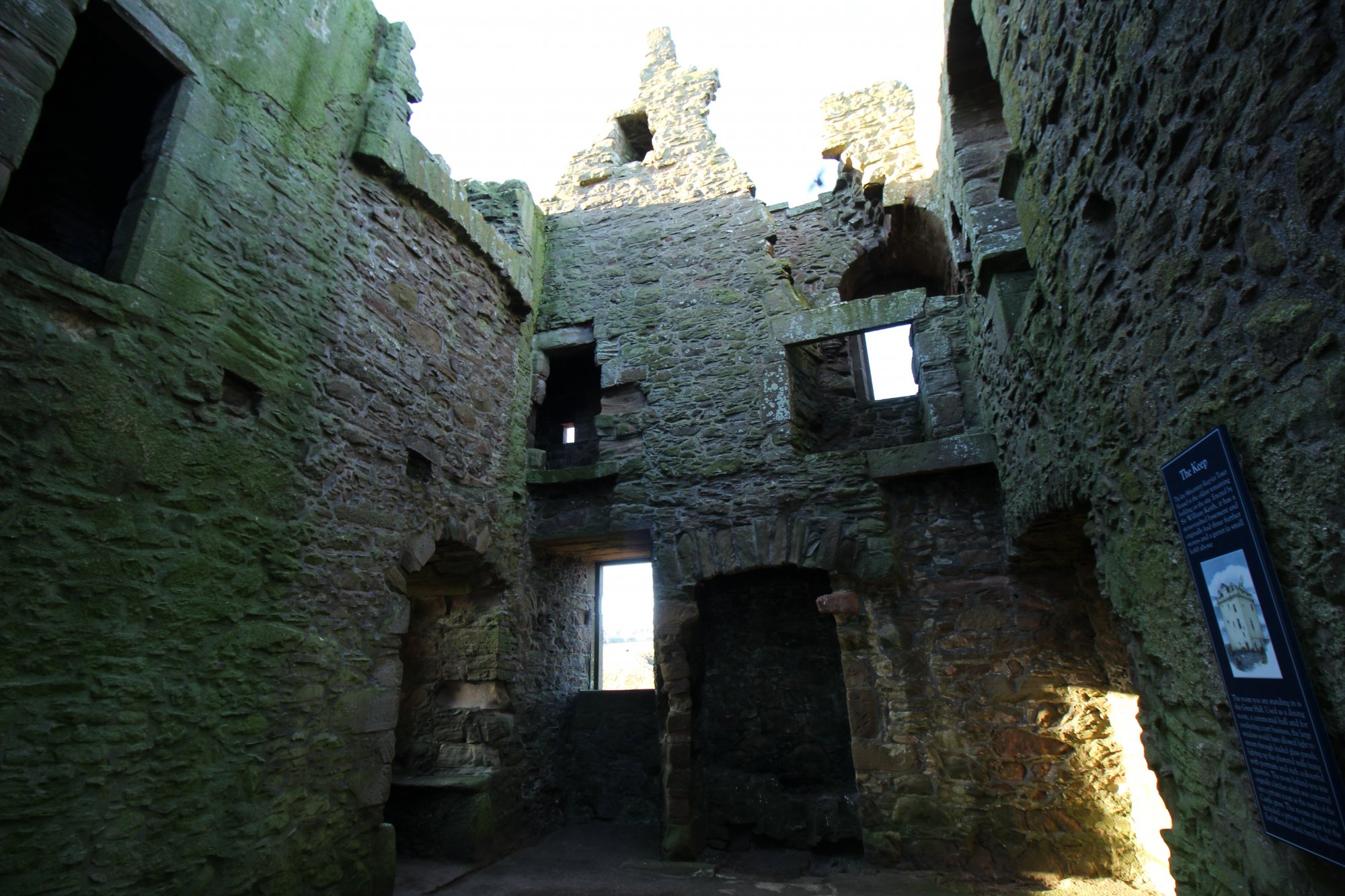
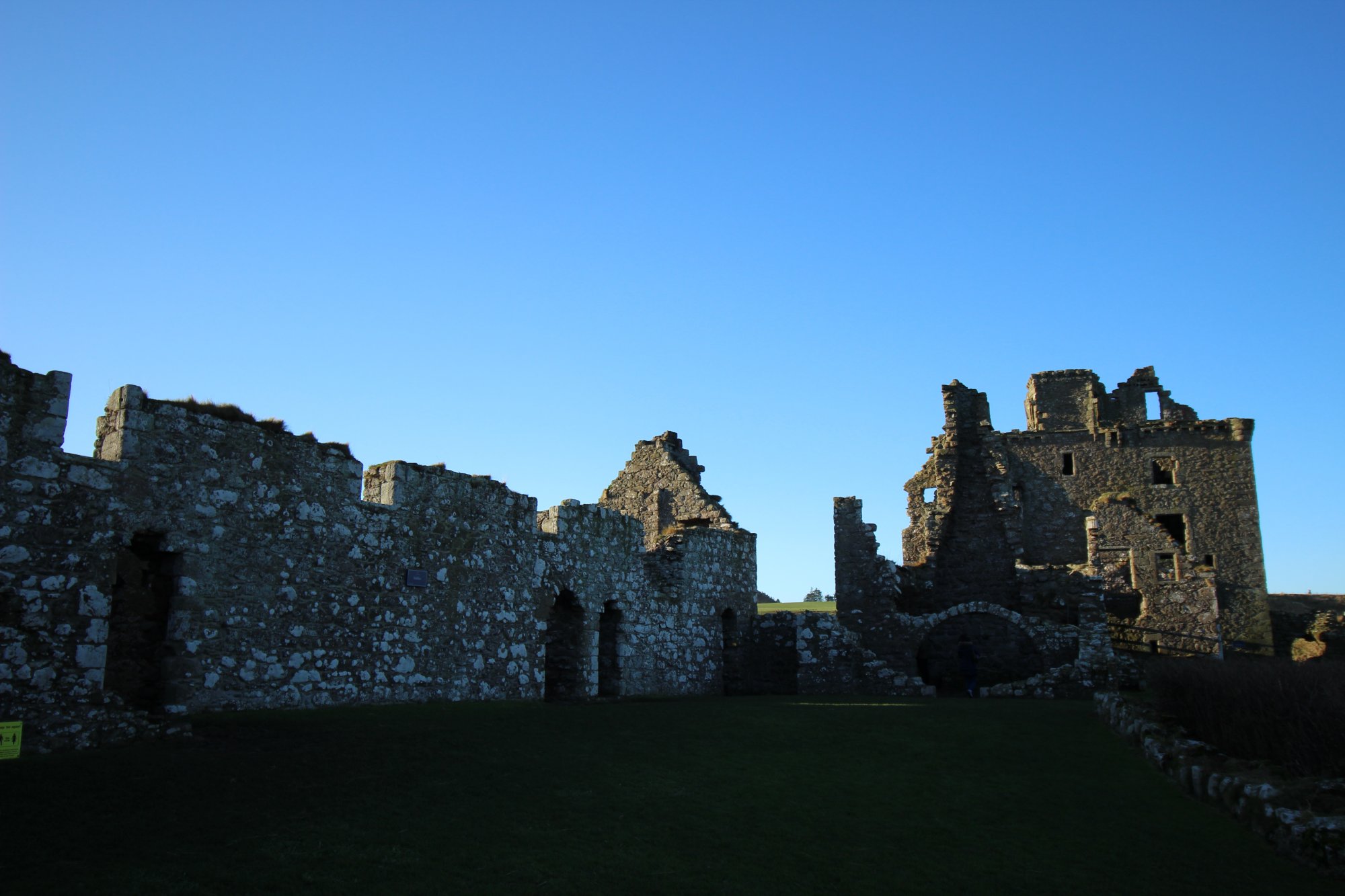
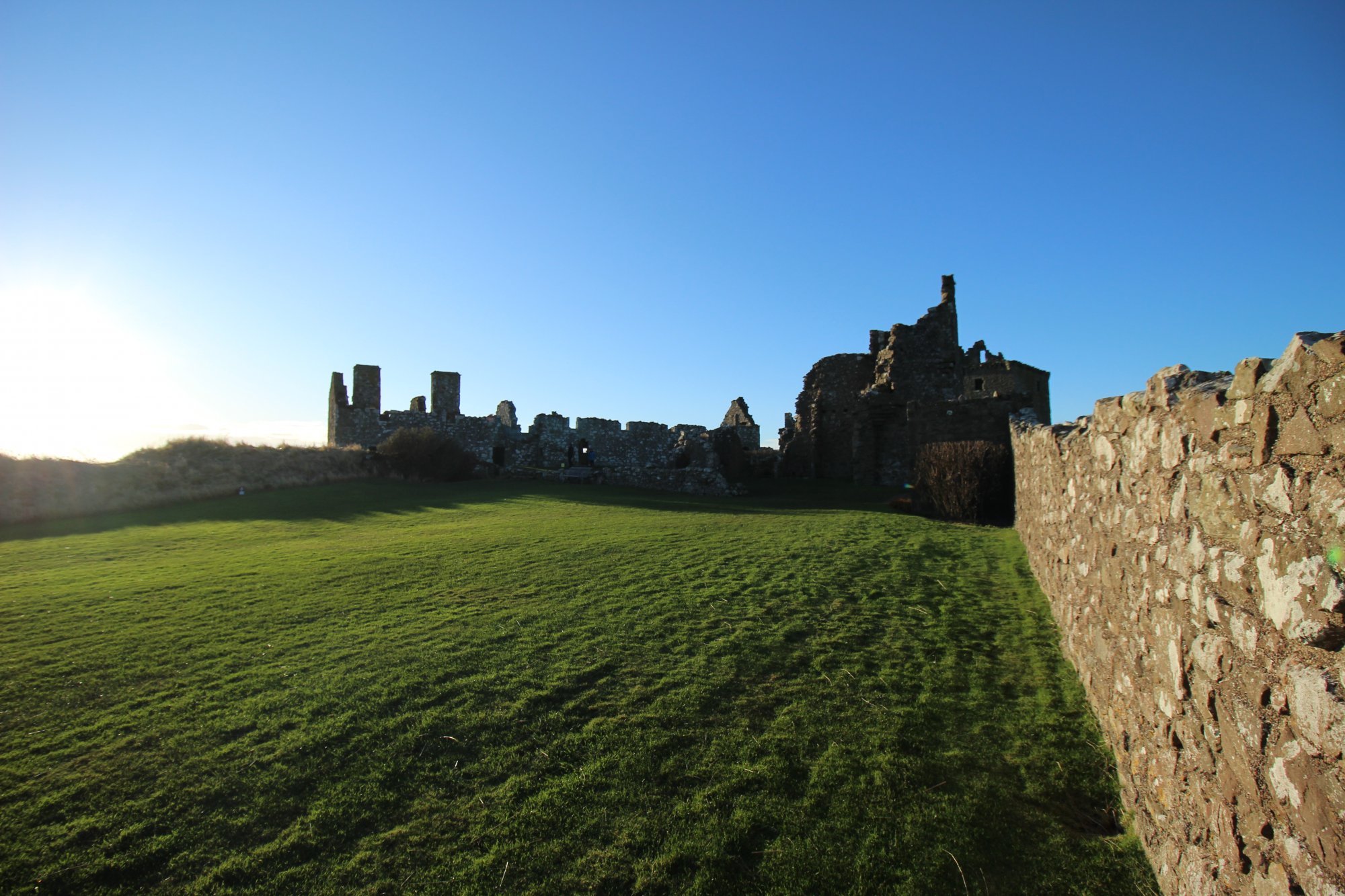
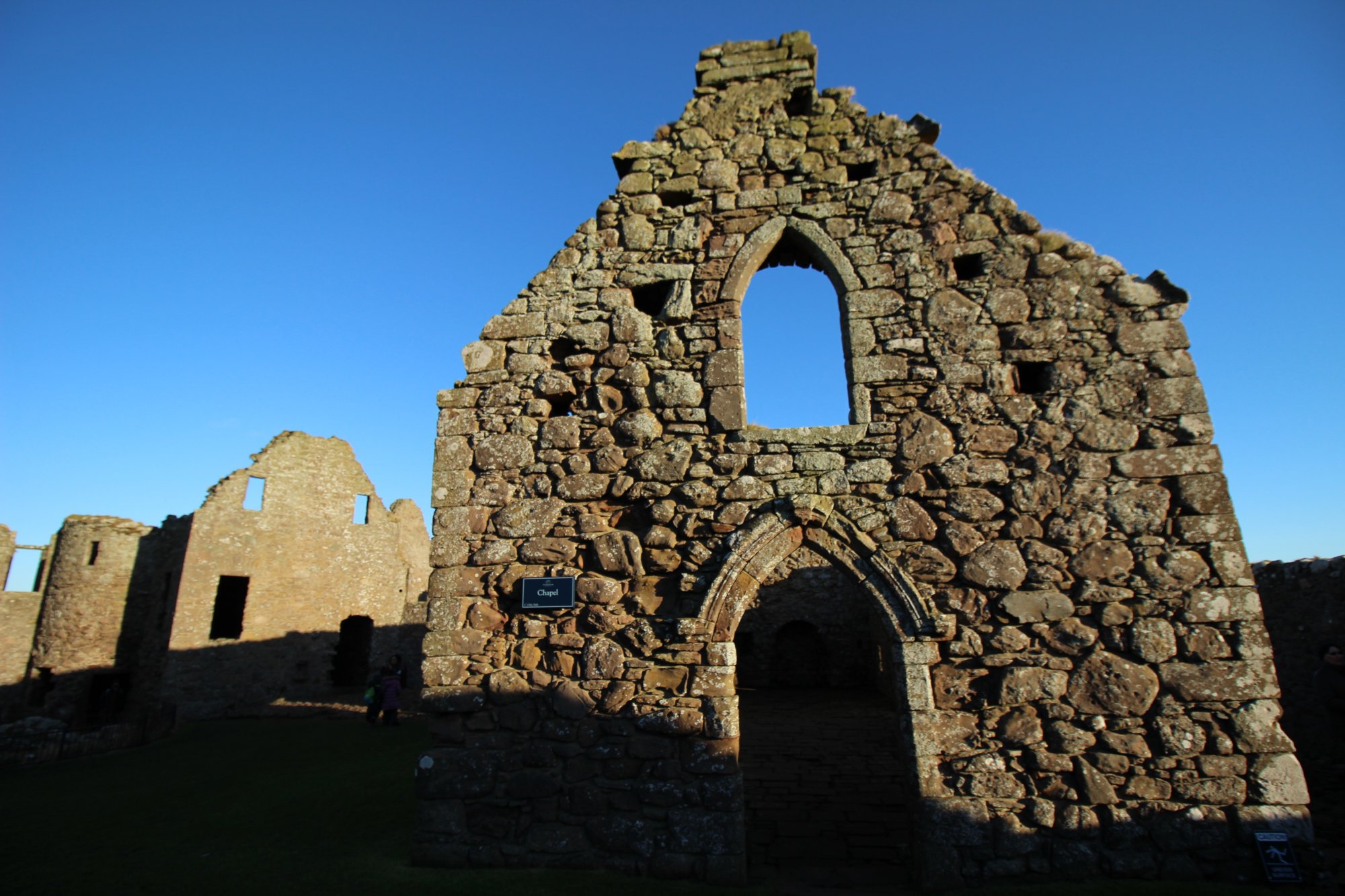
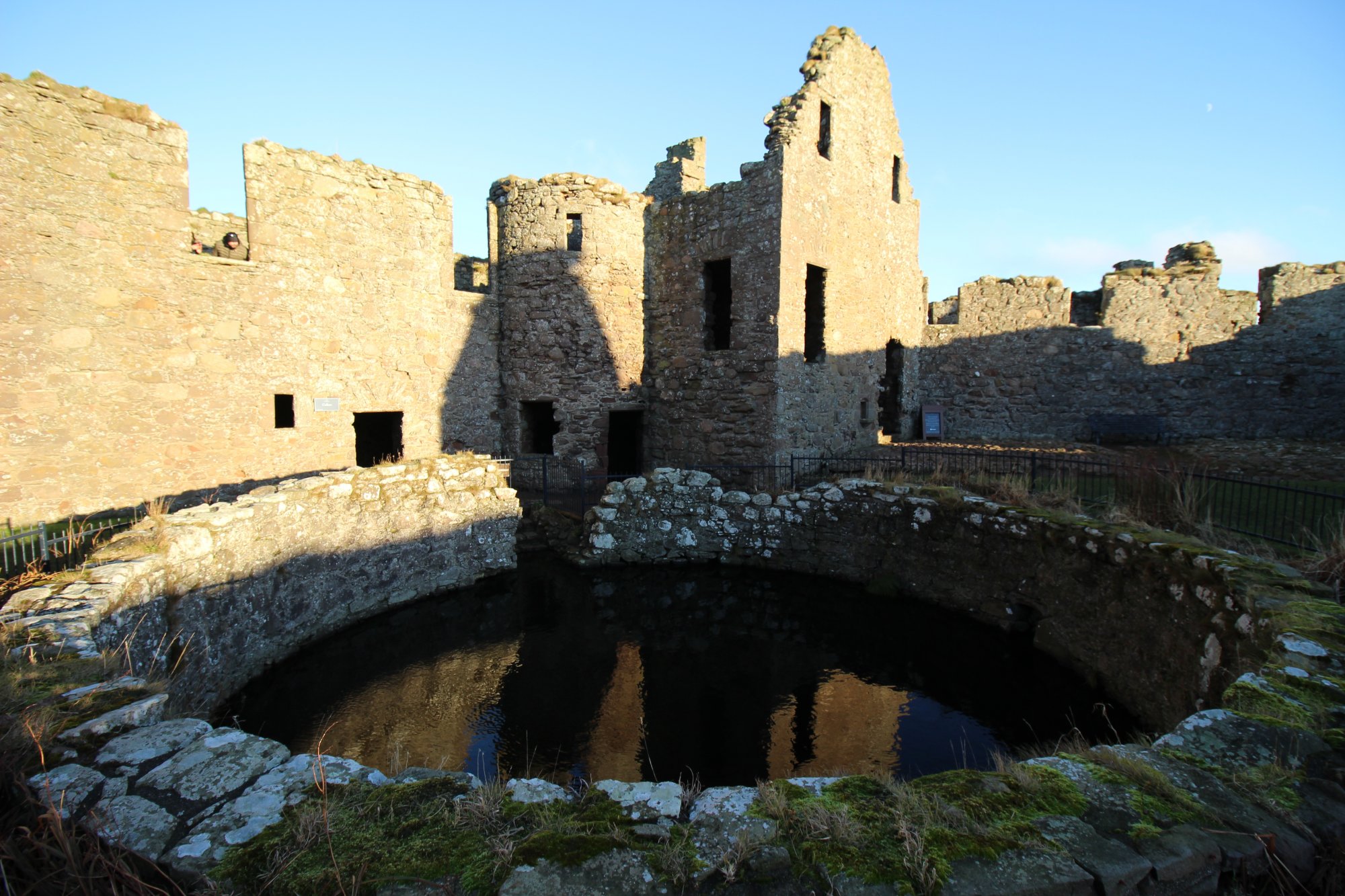
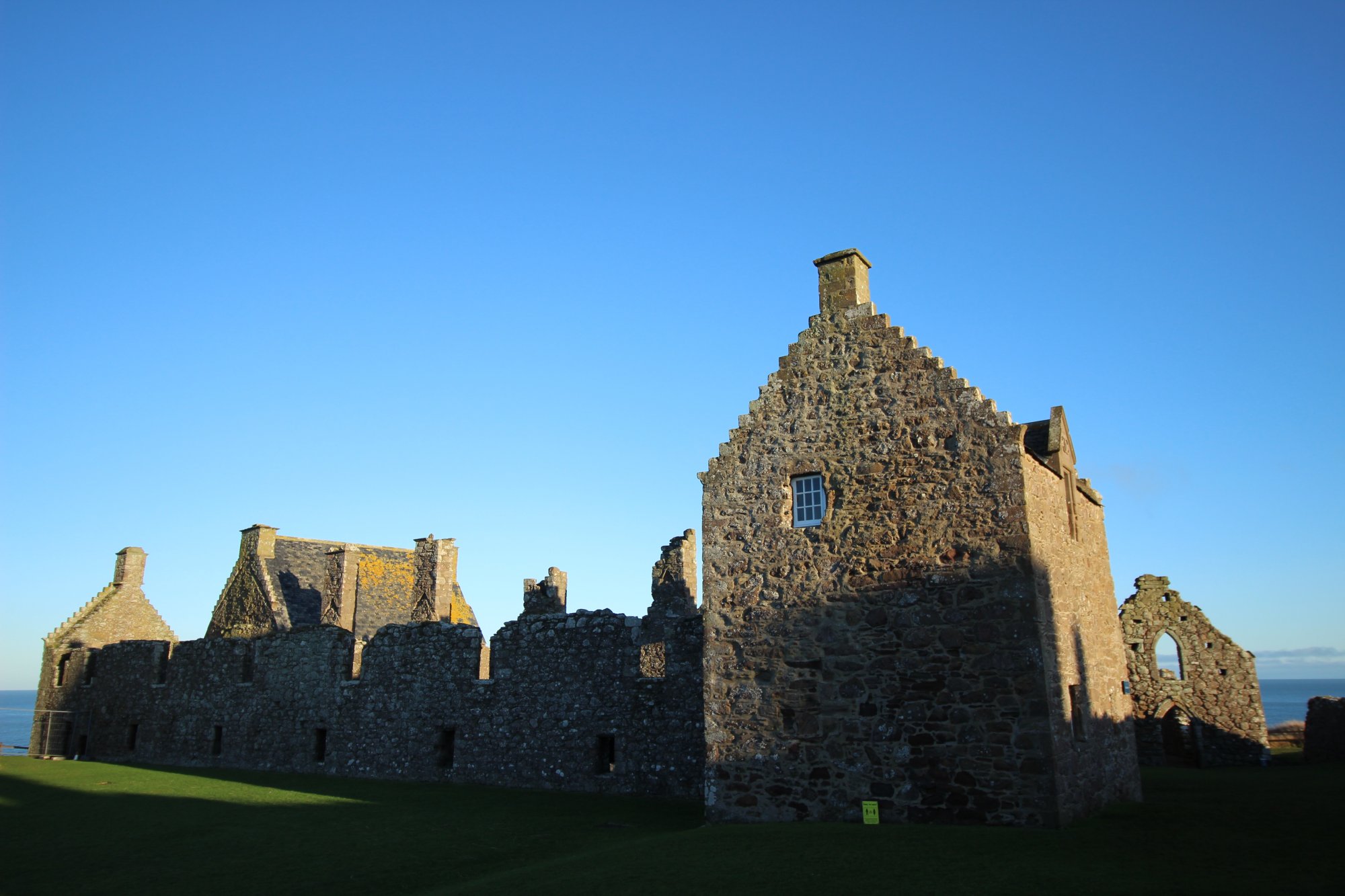
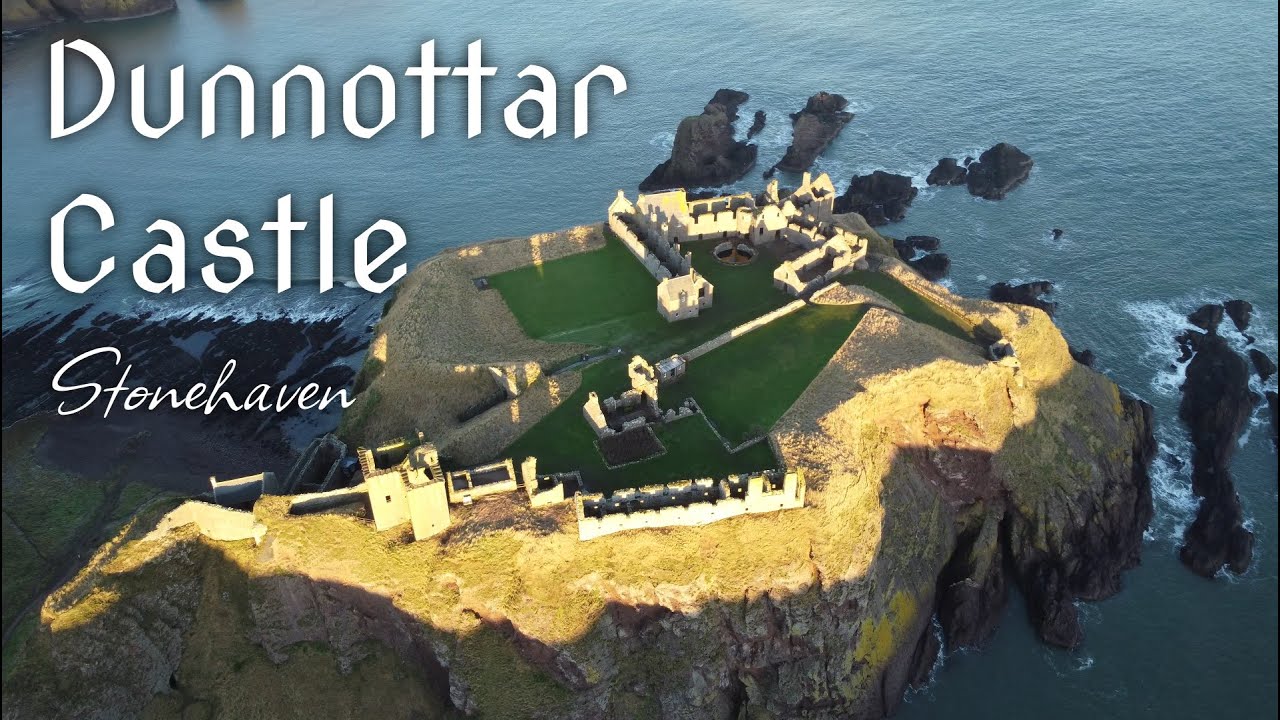
The historical timeline of Dunnottar Rock is exceptionally long, spanning well over a millennium. According to local lore, the first spiritual foundations were laid in the 5th century when Saint Ninian established a modest early Christian chapel on this isolated clifftop. However, written historical records first officially mention the site in the late 7th century, documenting a brutal siege where the Picts fought fiercely for control of this natural vantage point. Recognizing its peerless strategic value, successive generations continuously expanded and fortified the rock. The vast majority of the stone structures visible today—including the imposing keep, storehouses, and a grand quadrangle—were constructed during a major building boom between the 14th and 16th centuries under the wealthy and powerful Keith family, the Great Marischals of Scotland.
Saving the Honours of Scotland from Cromwell's Army
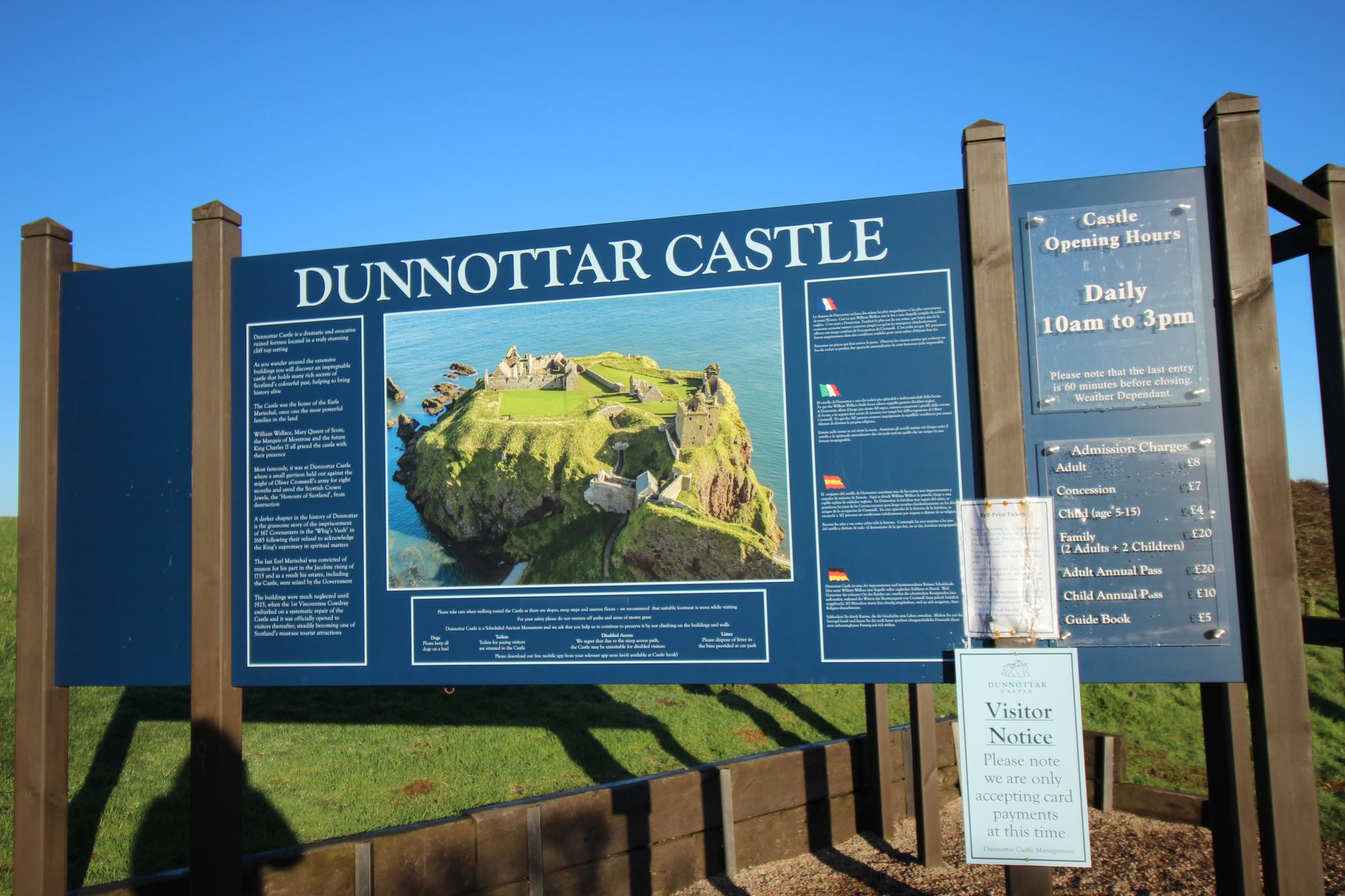
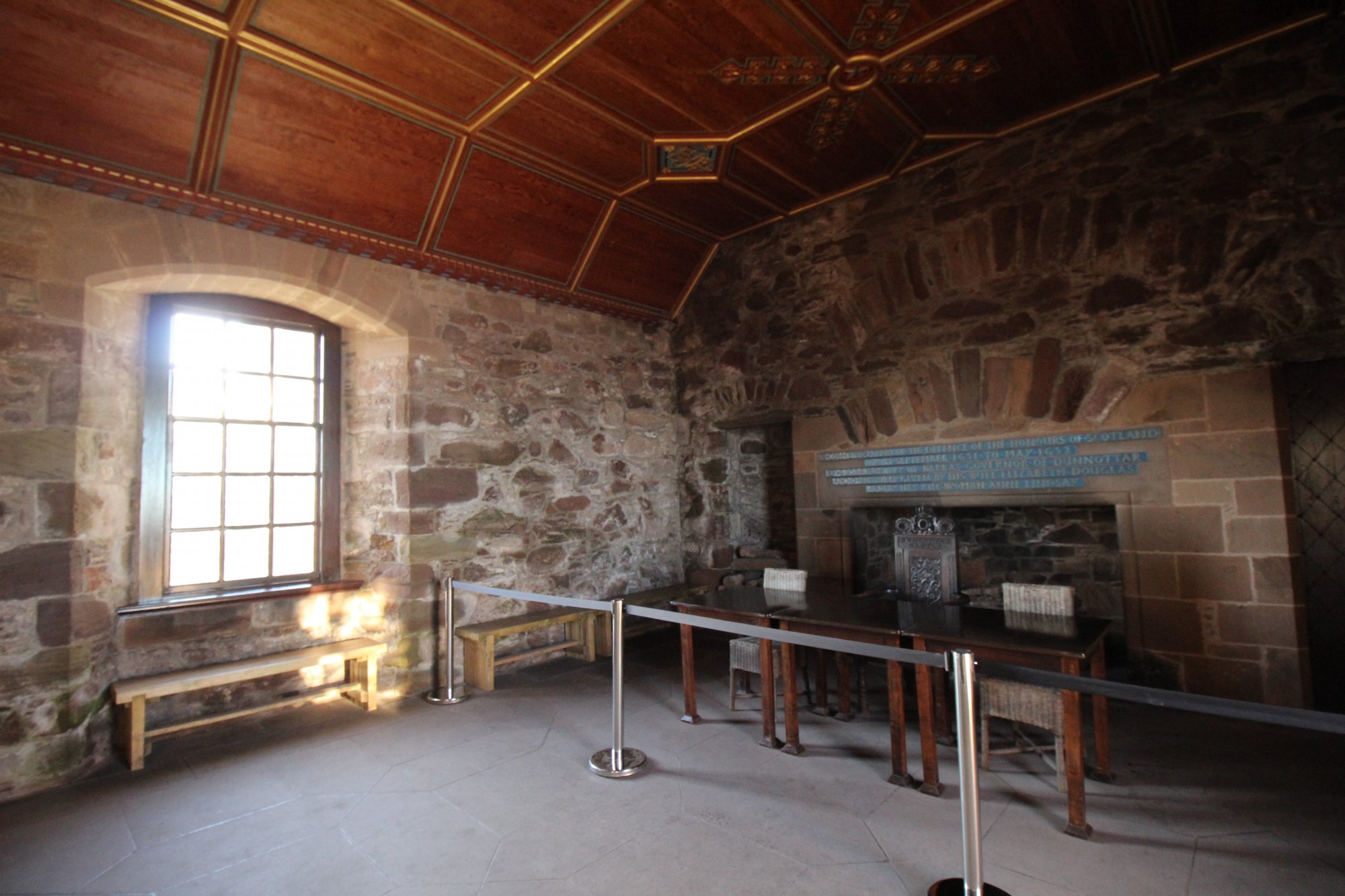
Dunnottar Castle reached the peak of its historical and political prominence during the turbulent mid-17th century, when it became a crucial sanctuary during the English Civil War. In 1651, as Oliver Cromwell’s New Model Army swept through Scotland, Dunnottar was chosen as the ultimate secure hiding place for the **Honours of Scotland**—the nation's precious royal crown, scepter, and sword of state. A tiny garrison of fewer than 70 men successfully held off a massive, eight-month Cromwellian military siege. Before the castle eventually surrendered due to starvation and heavy artillery bombardment, the crown jewels were famously and secretly smuggled out of the fortress by local women, who hid them under sacks of flax and buried them beneath the floorboards of the nearby Kinneff Parish Church, saving them from destruction.
Dismantling, Restoration, and Modern Exploration
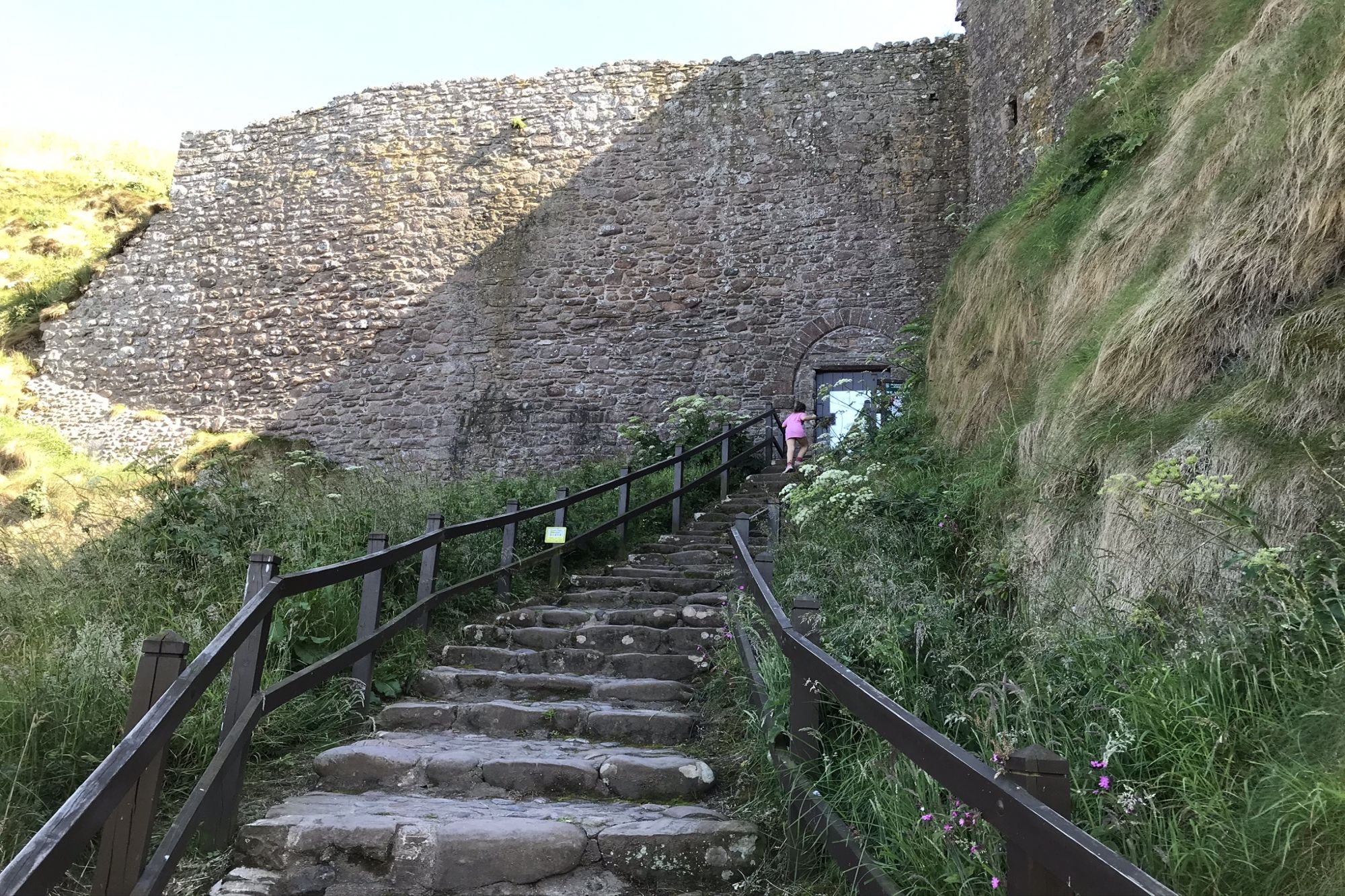
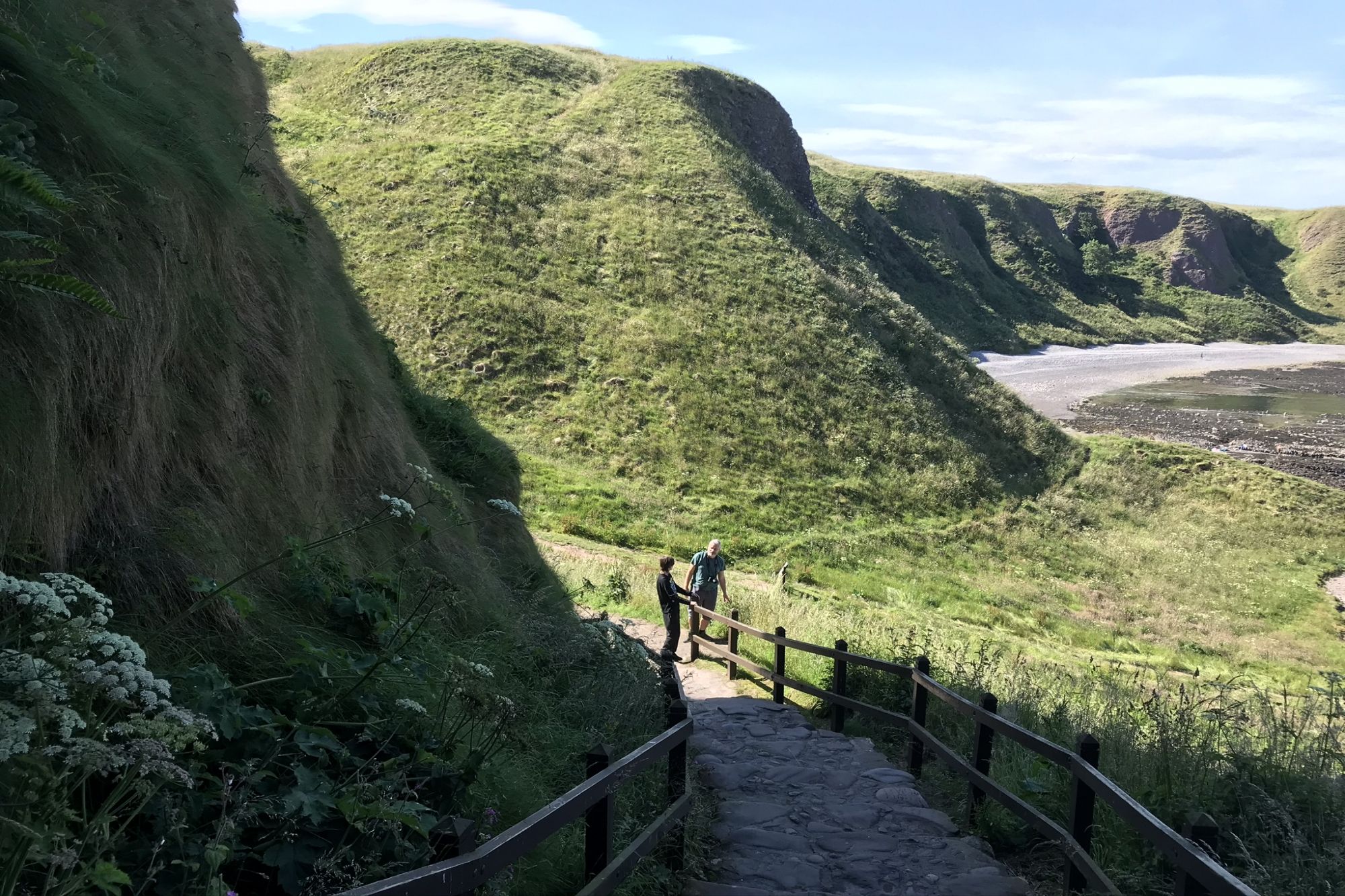
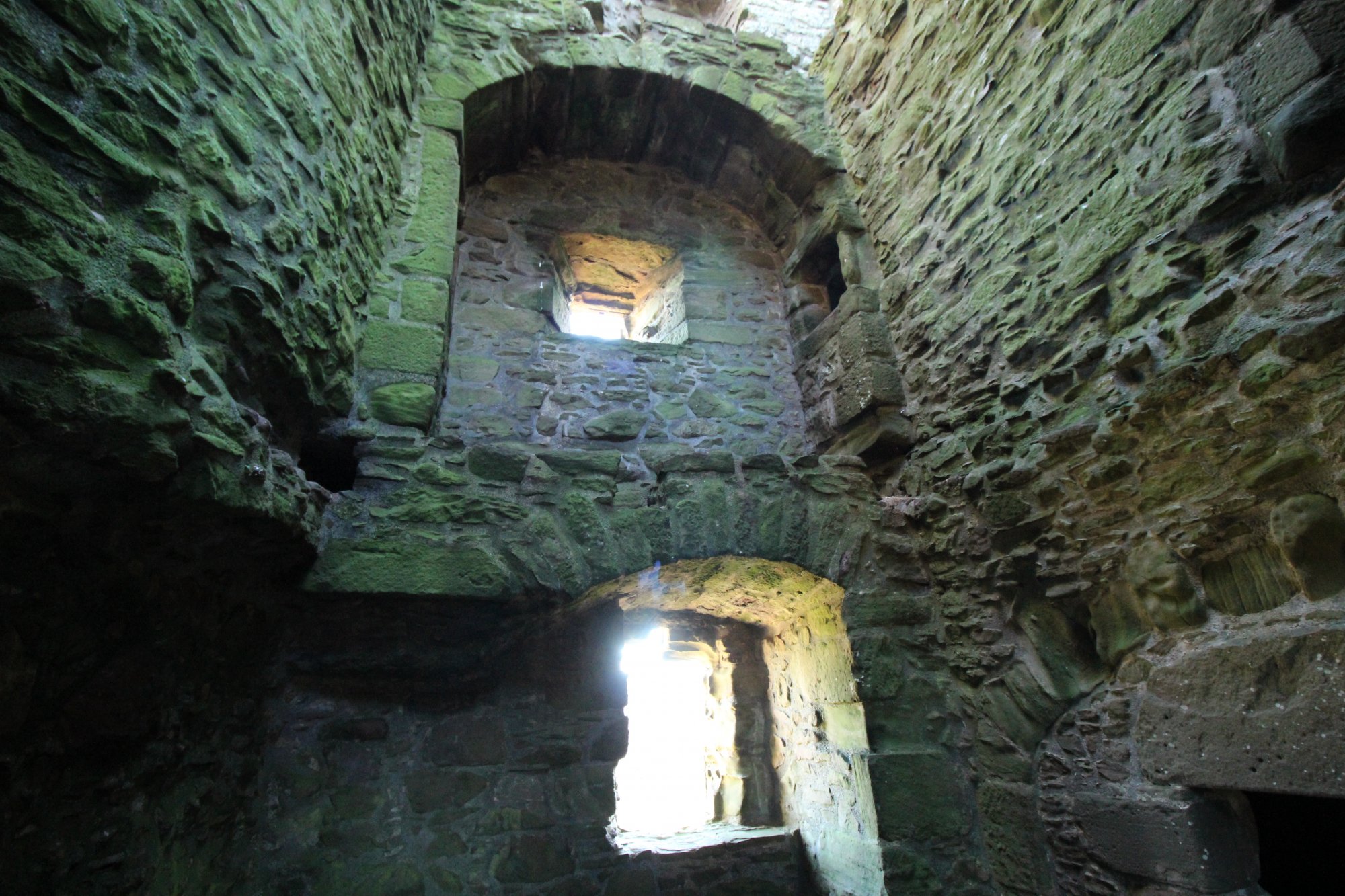
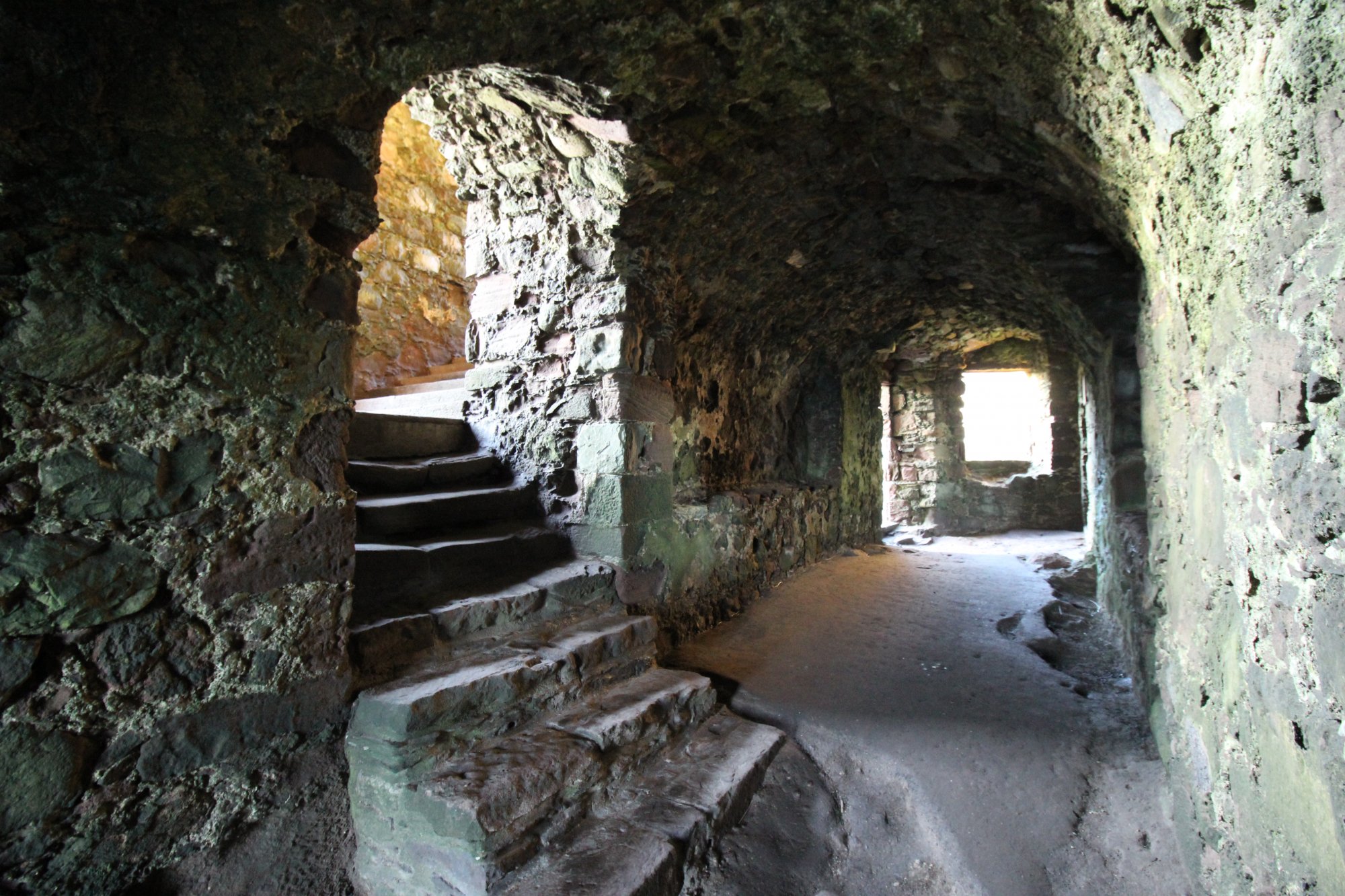
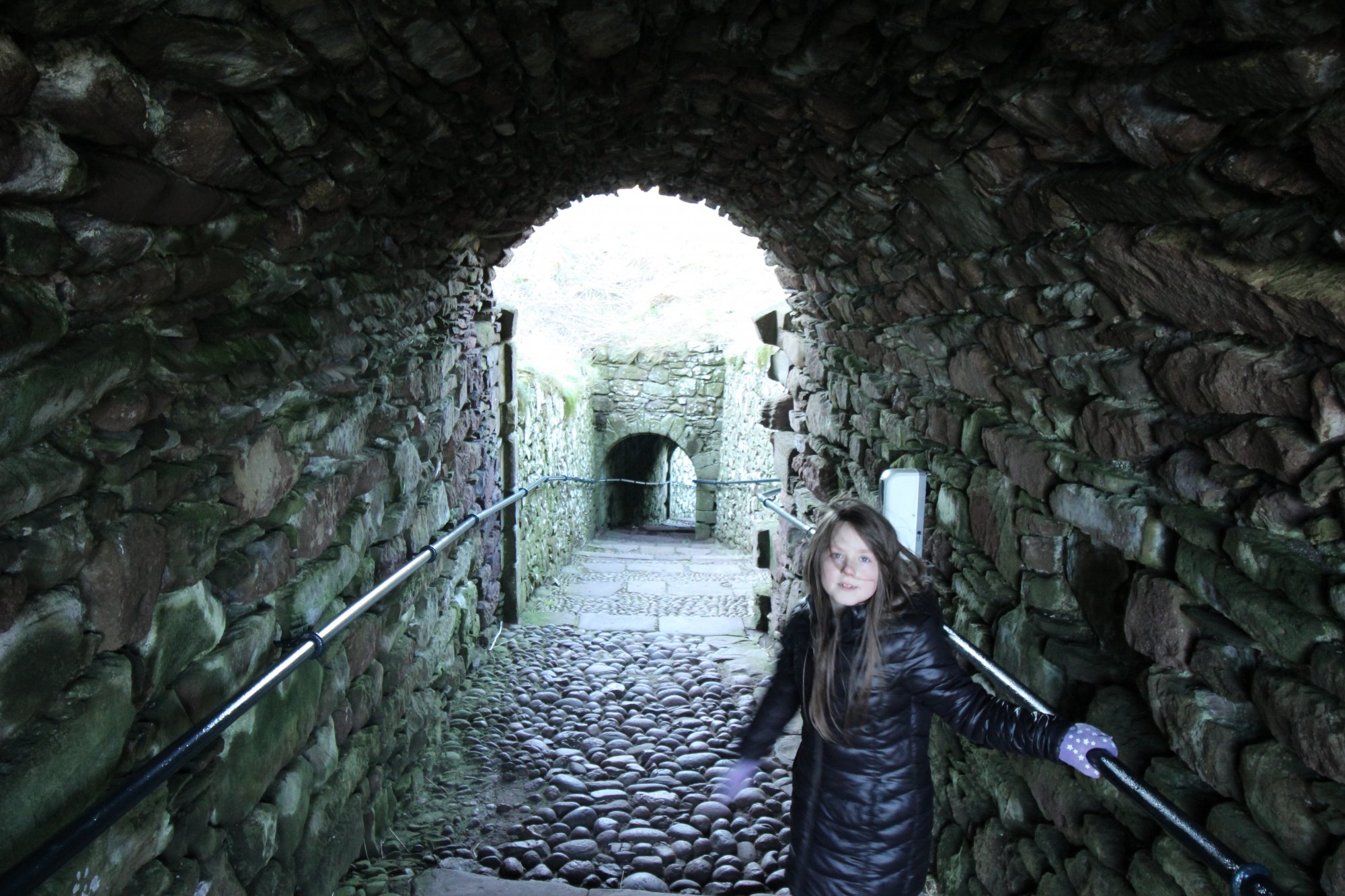
Following the Jacobite Risings of the 18th century, the Keith family forfeited the estate due to their support for the Stuart cause, and the magnificent fortress was sold off, systematically stripped of its valuable assets, and left to fall into complete decay. Its modern salvation arrived in 1925, when the ruins were purchased by the 1st Viscount Cowdray. The family undertook a meticulous, light structural stabilization project to halt the decay and proudly opened the monumental grounds to the public. Today, visiting the castle is a highly rewarding, active outdoor adventure. Exploring the site requires navigating a well-maintained but steep coastal path that descends into a deep grassy dip before climbing back up the rocky steps through the heavily fortified main gatehouse.
Drone Photography Tips and Practical Advice for 2026
In 2026, Dunnottar Castle remains a world-class highlight for travelers, easily accessible via a beautiful clifftop walking trail from Stonehaven harbour or via a dedicated car park near the main road. Because the castle is entirely privately owned and operated outside of national heritage organizations, it features a unique and highly welcoming policy for content creators: **drone flying is permitted over the castle**, provided it takes place strictly outside of public opening hours when the site is closed to visitors, and complies with standard regional UK drone safety codes. This window offers an unparalleled opportunity to capture the breathtaking, fang-like layout of the cliffs in the golden light of dawn or late evening. Visitors touring the interior during the day are highly encouraged to wear sturdy footwear with good grip to comfortably explore the uneven stone paths and steep stairwells.
Conclusion: An Enduring Guardian of the Coast
Dunnottar Castle represents the raw, indomitable spirit of Scotland's maritime history. It is a monument where the forces of nature and the dramas of kings, queens, and armies have left an indelible footprint on a single block of volcanic stone. Standing on the breezy battlements, looking out over the endless horizon of the North Sea while listening to the waves crash against the base of the cliffs, provides a profound sense of wonder and historical continuity. Whether you are capturing dramatic aerial footage, tracing the daring escape of the crown jewels, or simply enjoying the spectacular coastal scenery, a trip to Dunnottar remains an unforgettable highlight of any Scottish journey.