




Dunfermline Abbey: The Historic Royal Mausoleum of Scotland
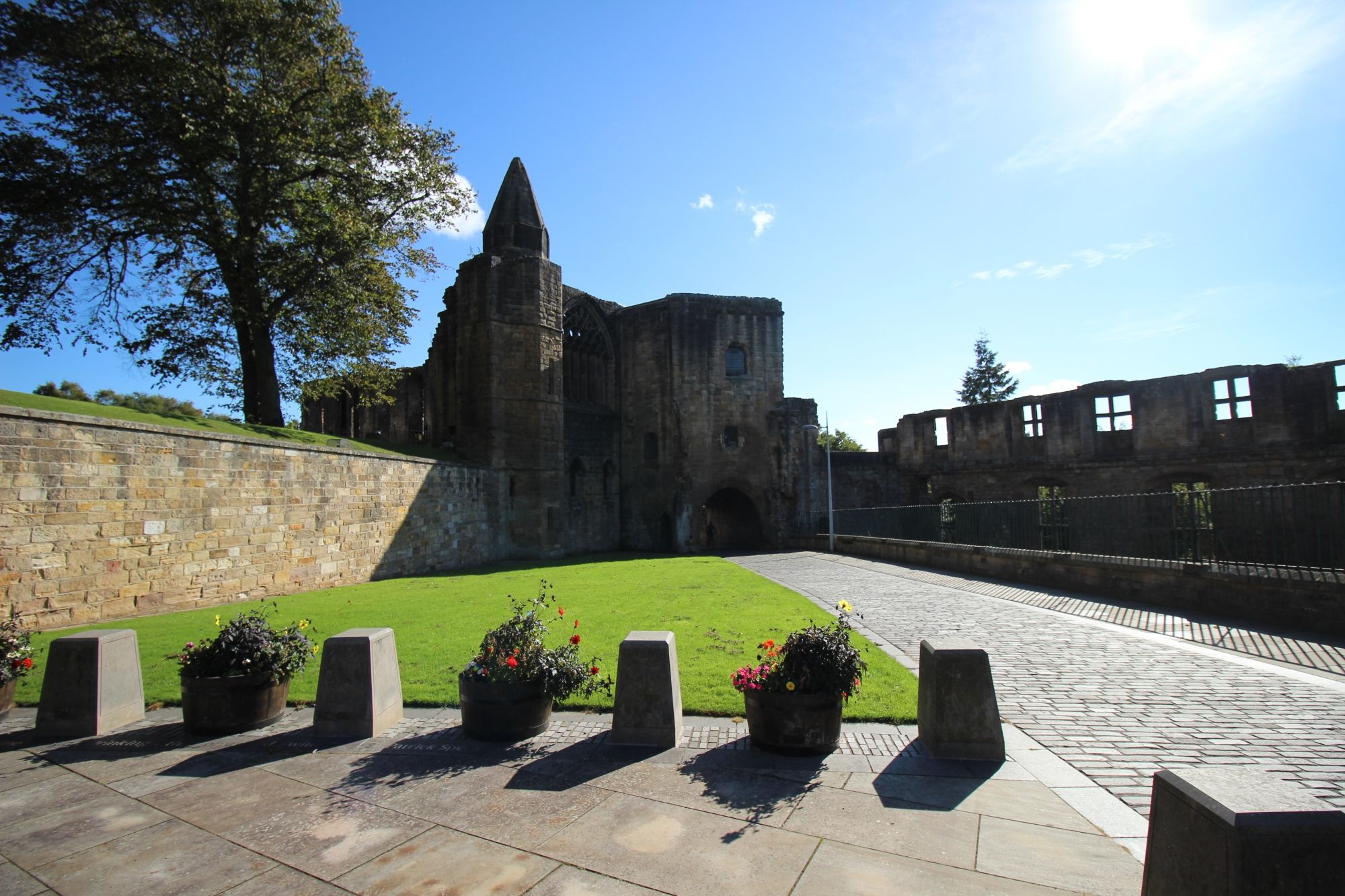
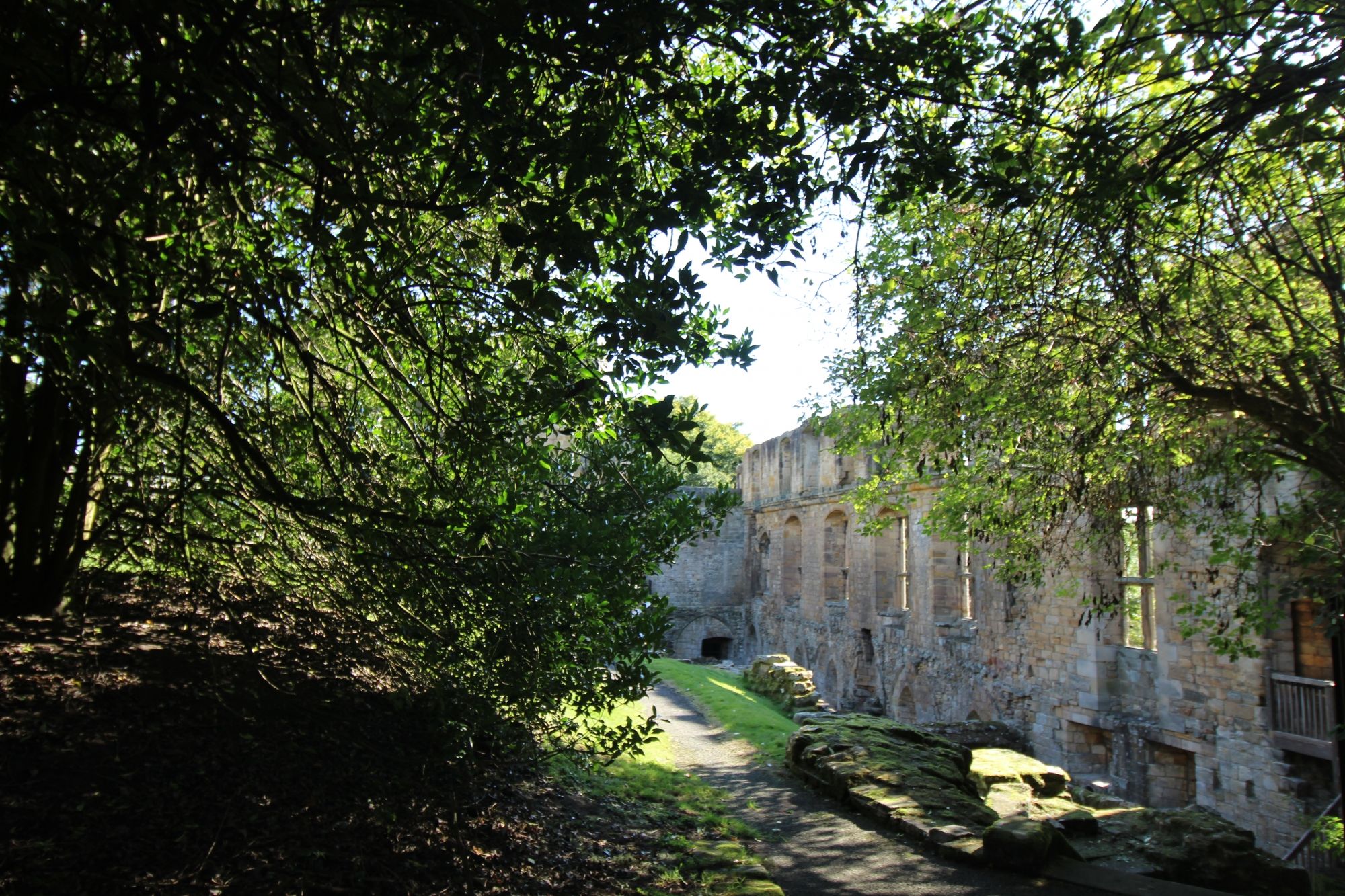
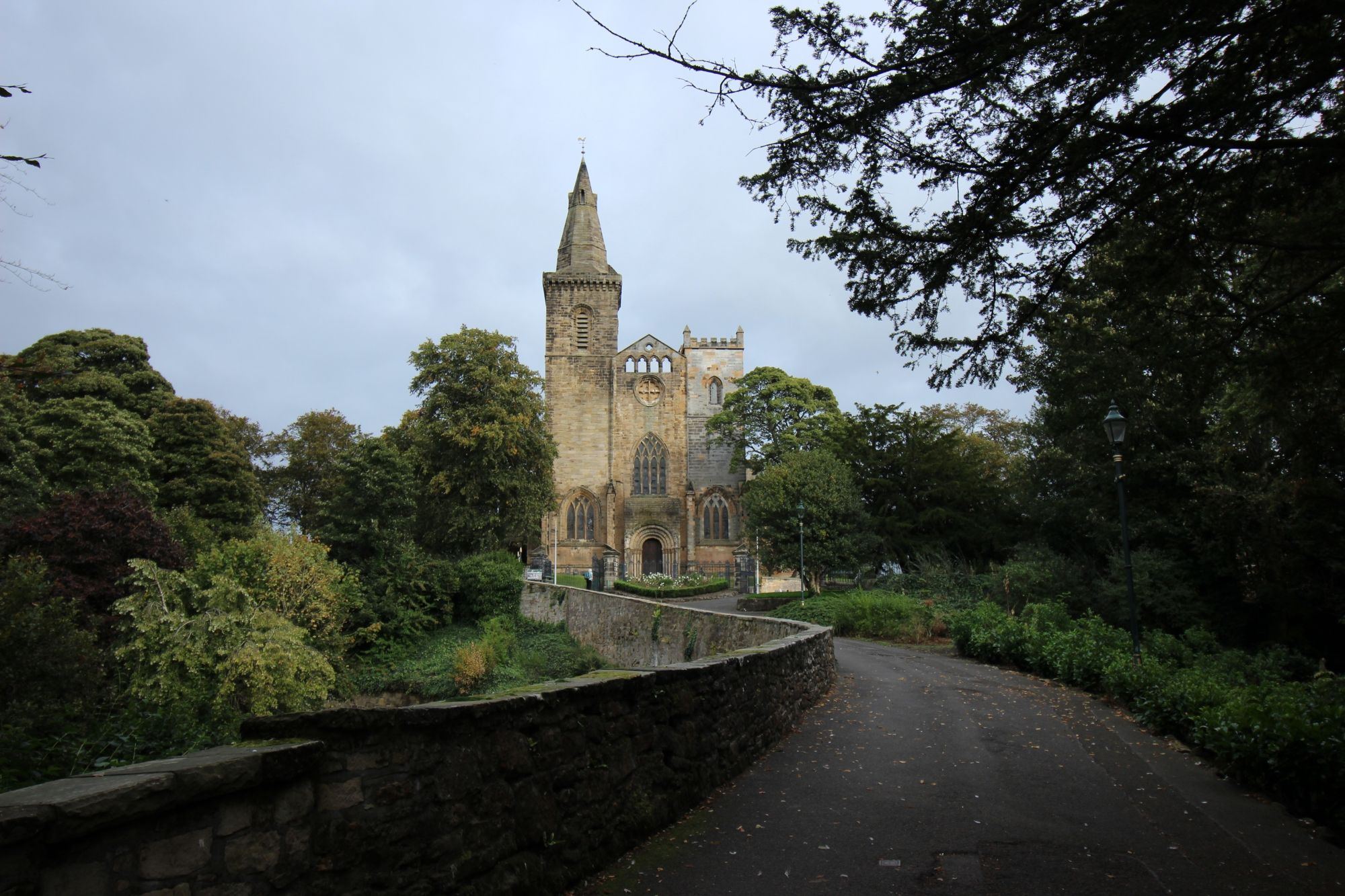
Located in the heart of Fife's ancient capital, Dunfermline Abbey is one of Scotland's most significant cultural and ecclesiastical treasures. This magnificent Romanesque and Gothic architectural masterpiece boasts a deeply storied history that spans nearly a millennium. While Edinburgh Castle and Stirling Castle often capture the royal spotlight, Dunfermline Abbey served as the spiritual heart of the medieval kingdom. Today, the majestic abbey and its sprawling monastic ruins sit immediately adjacent to a vibrant public park, making it an exceptional destination for a peaceful Sunday walk that seamlessly combines tranquil nature with a profound journey through Scotland's royal past.
The Resting Place of Kings: Robert the Bruce and Royal Heritage
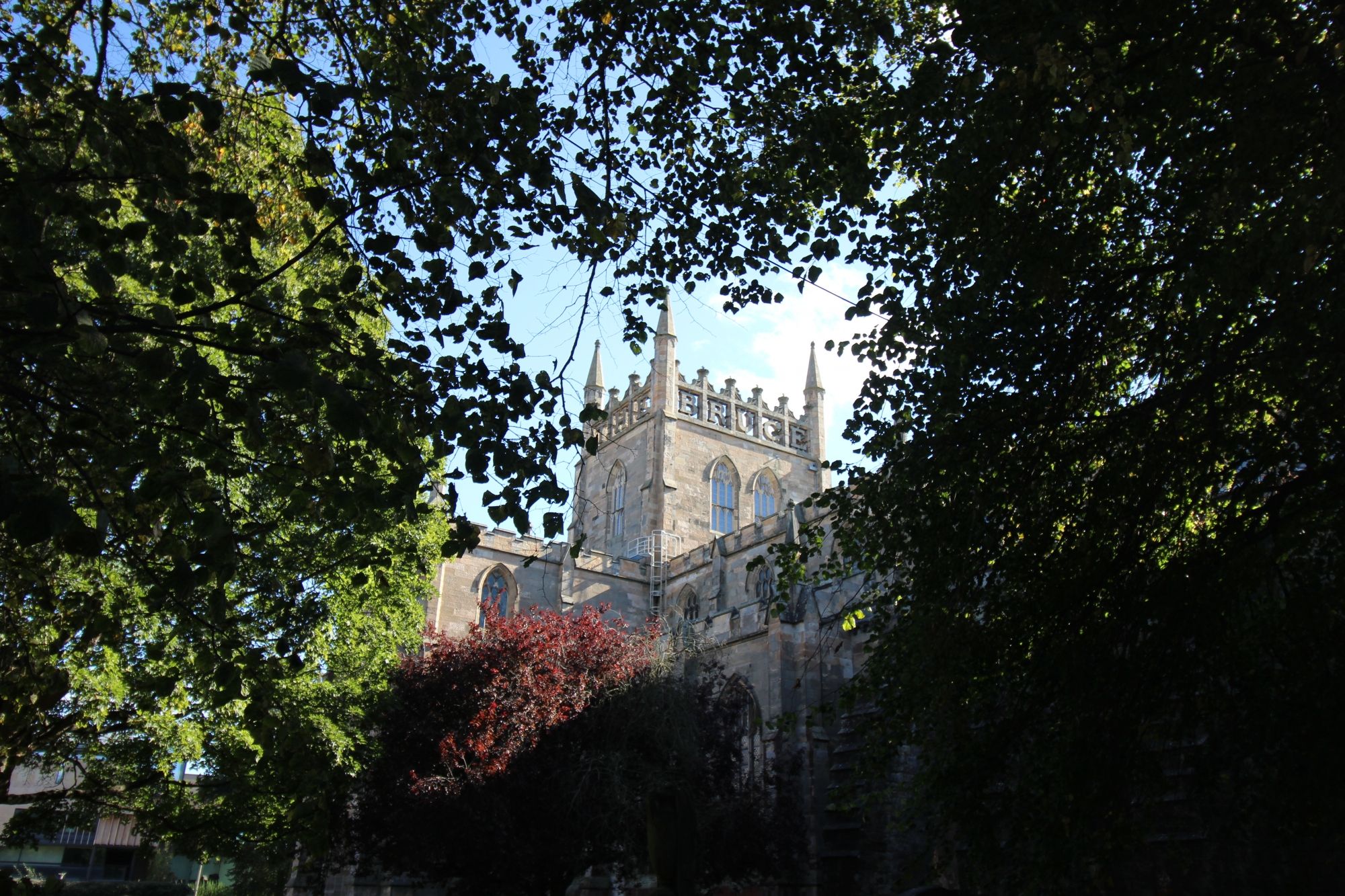
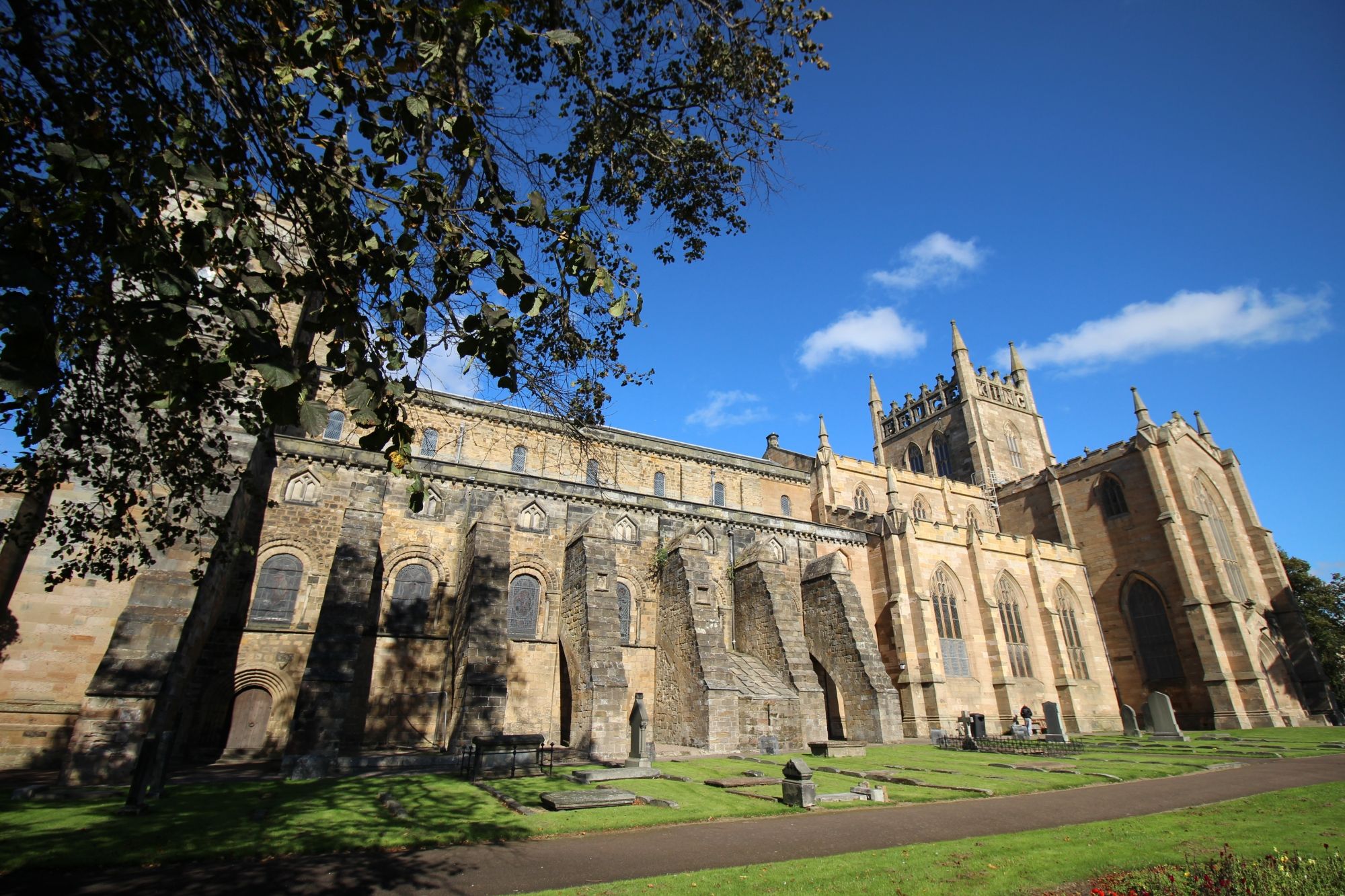
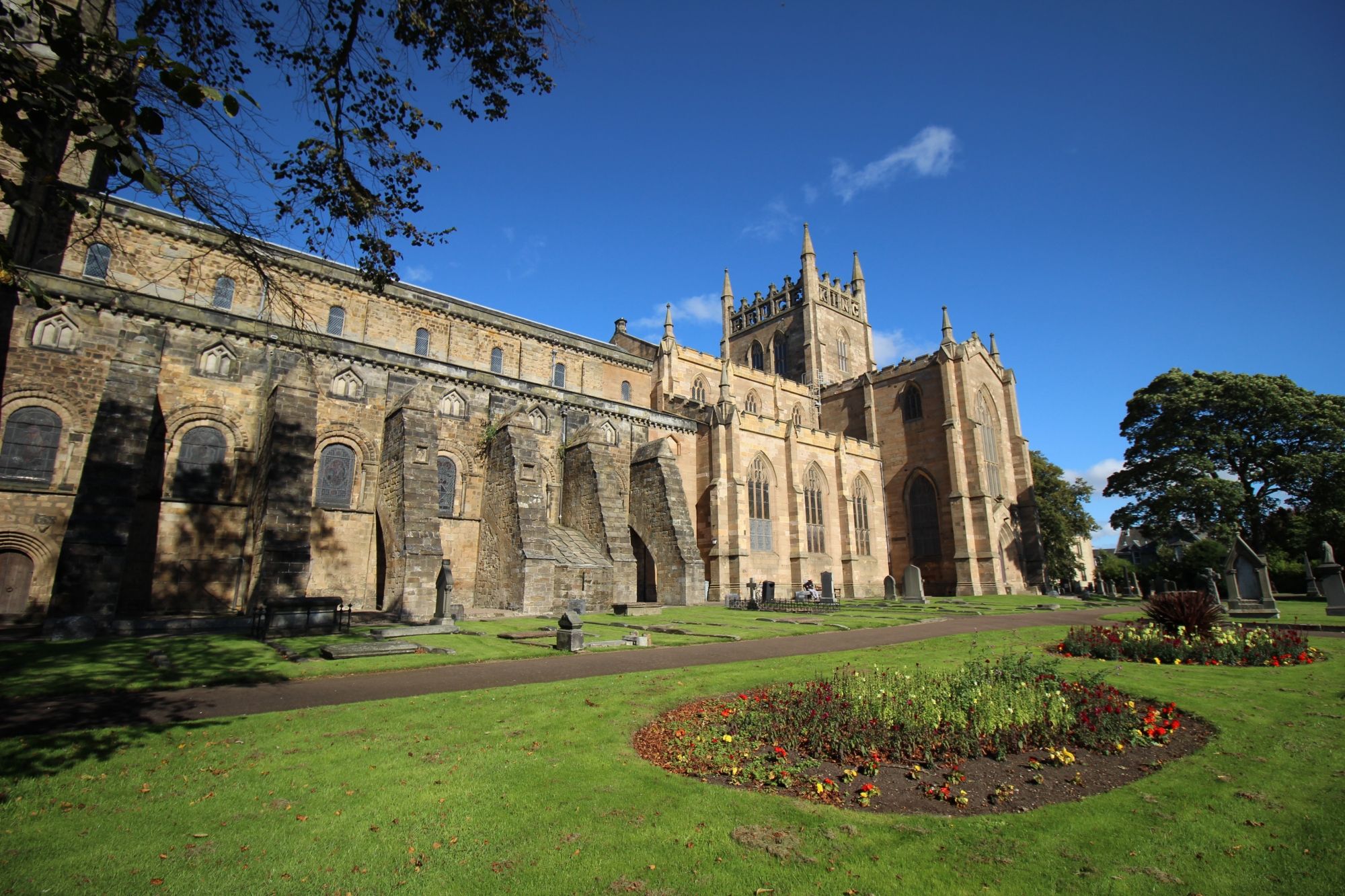
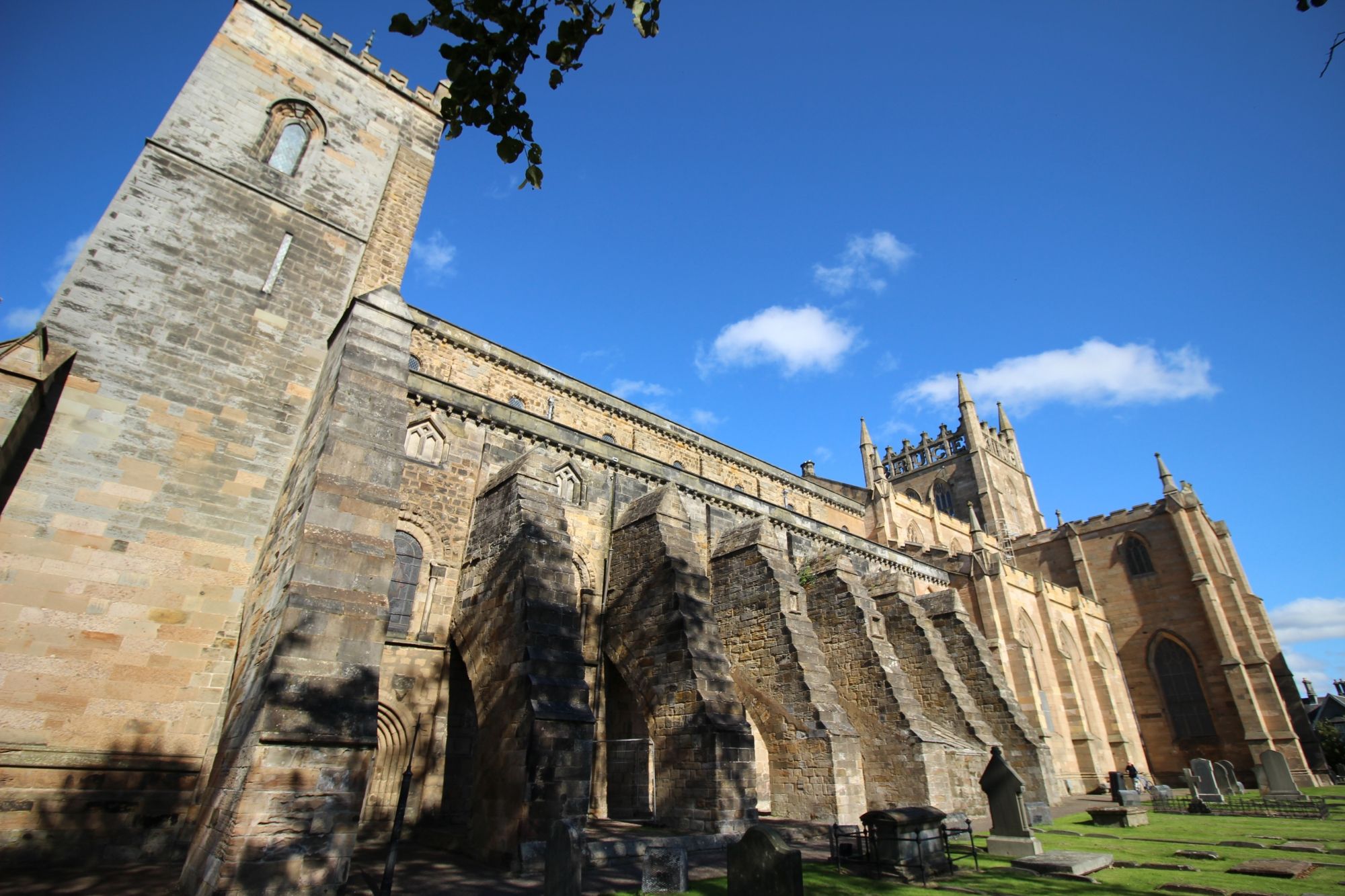
Dunfermline Abbey's primary claim to fame is its status as the final resting place of some of Scotland's most legendary historical figures. It served as the official royal mausoleum for the kingdom following the destruction of Iona, housing the remains of seven Scottish kings, four queens, and numerous princes. Most famously, the abbey holds the final resting place of King Robert the Bruce, who was buried here in 1329 (with the exception of his heart, which lies at Melrose Abbey). During a 19th-century rebuilding of the parish church, his tomb was rediscovered, and today his grave is prominently marked beneath the pulpit by an ornate brass monumental brass. Looking up at the abbey's towering 19th-century eastern nave, visitors can spot the words "KING ROBERT THE BRUCE" carved in openwork stone balustrades around the top of the tower, cementing his eternal connection to this sacred ground.
From Saintly Foundations to Monastic Grandeur
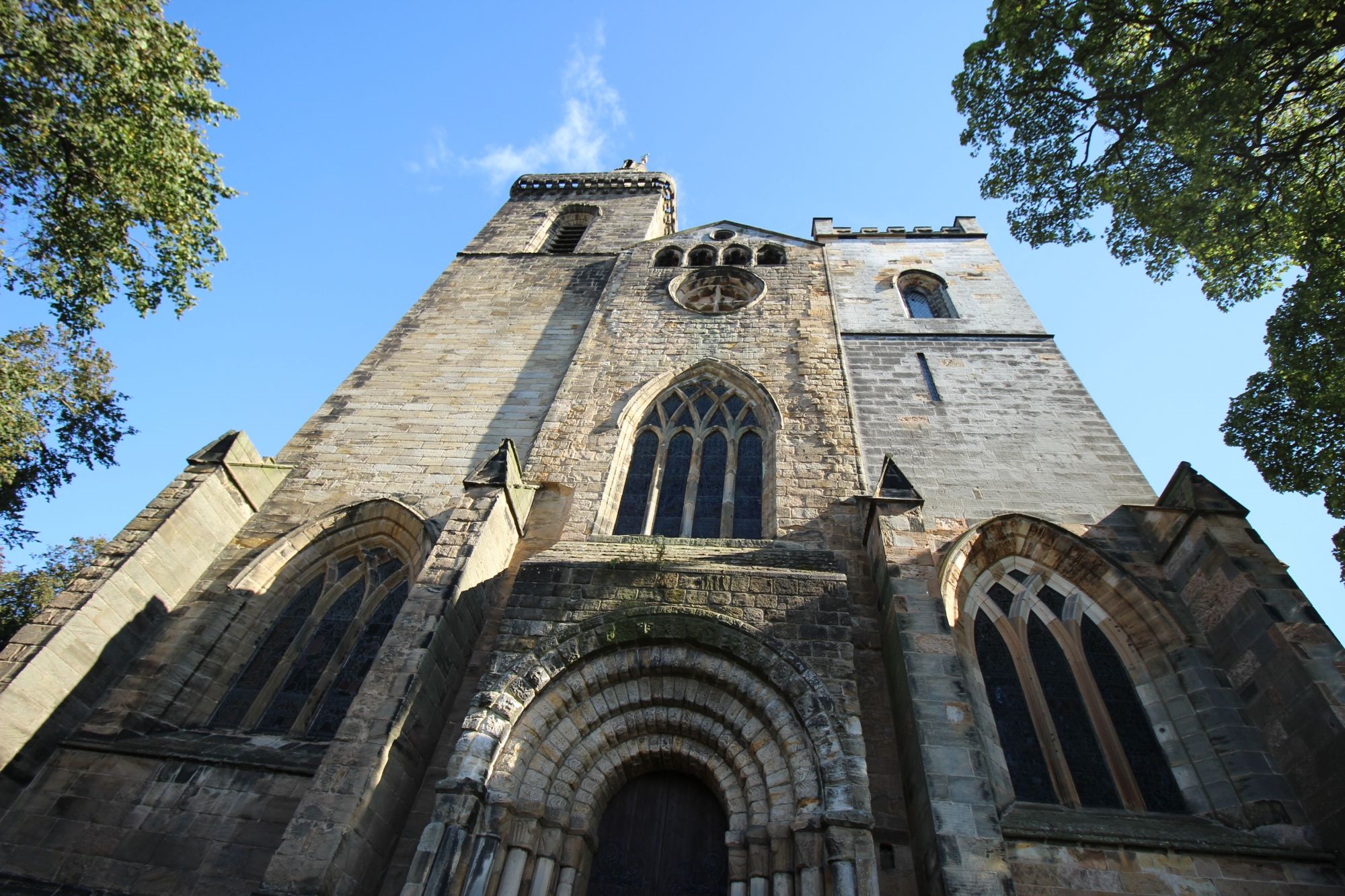
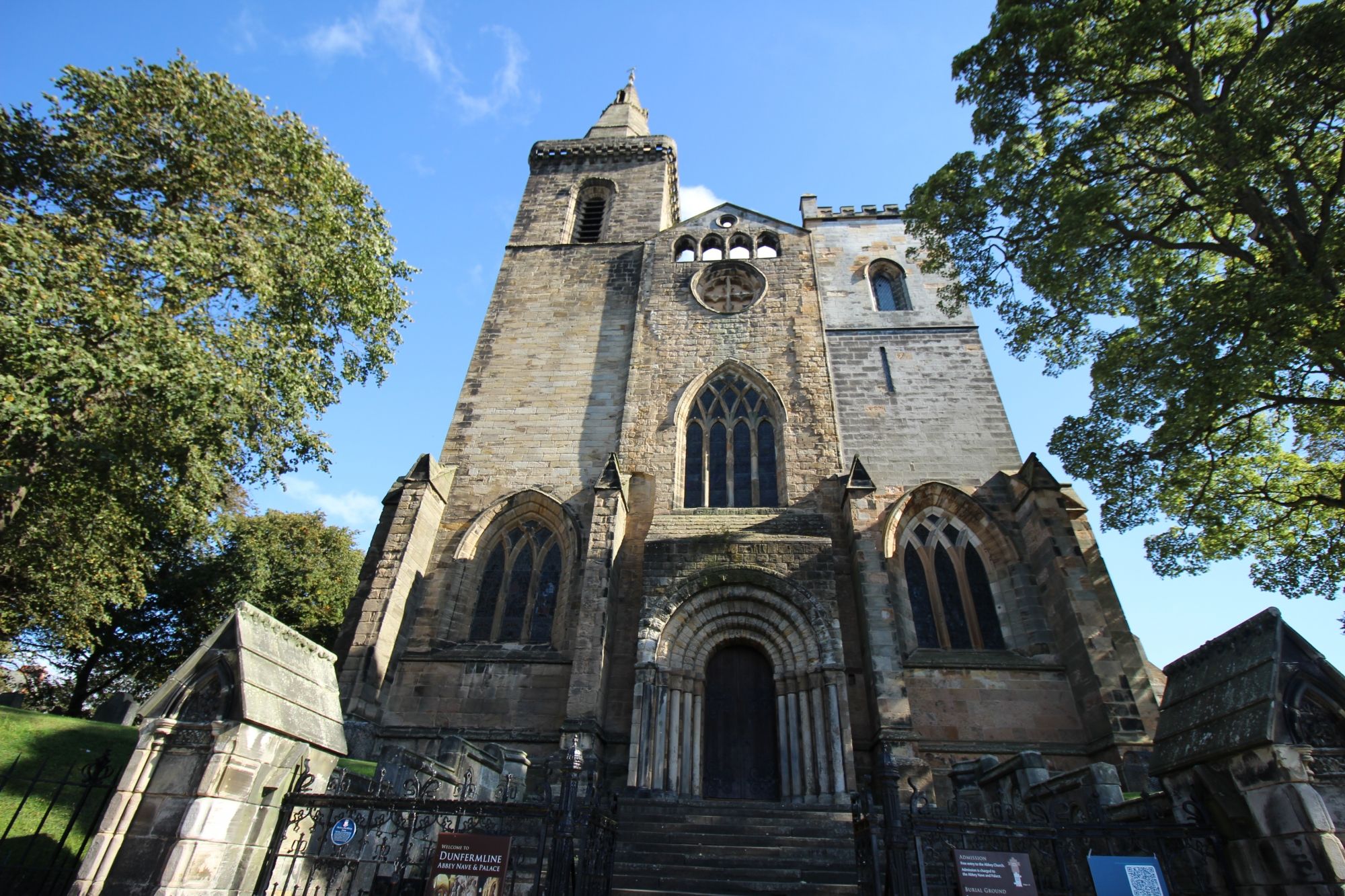
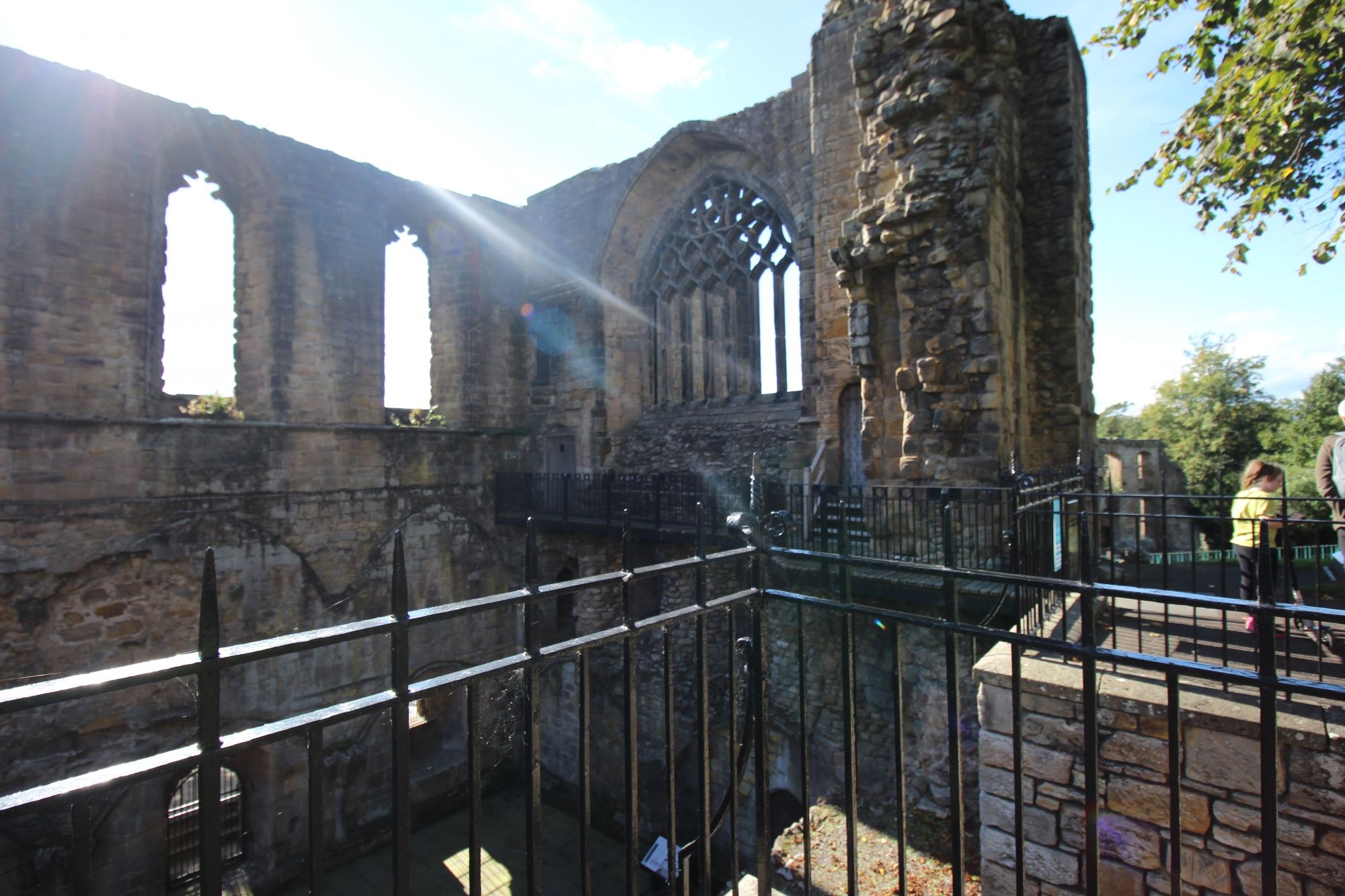
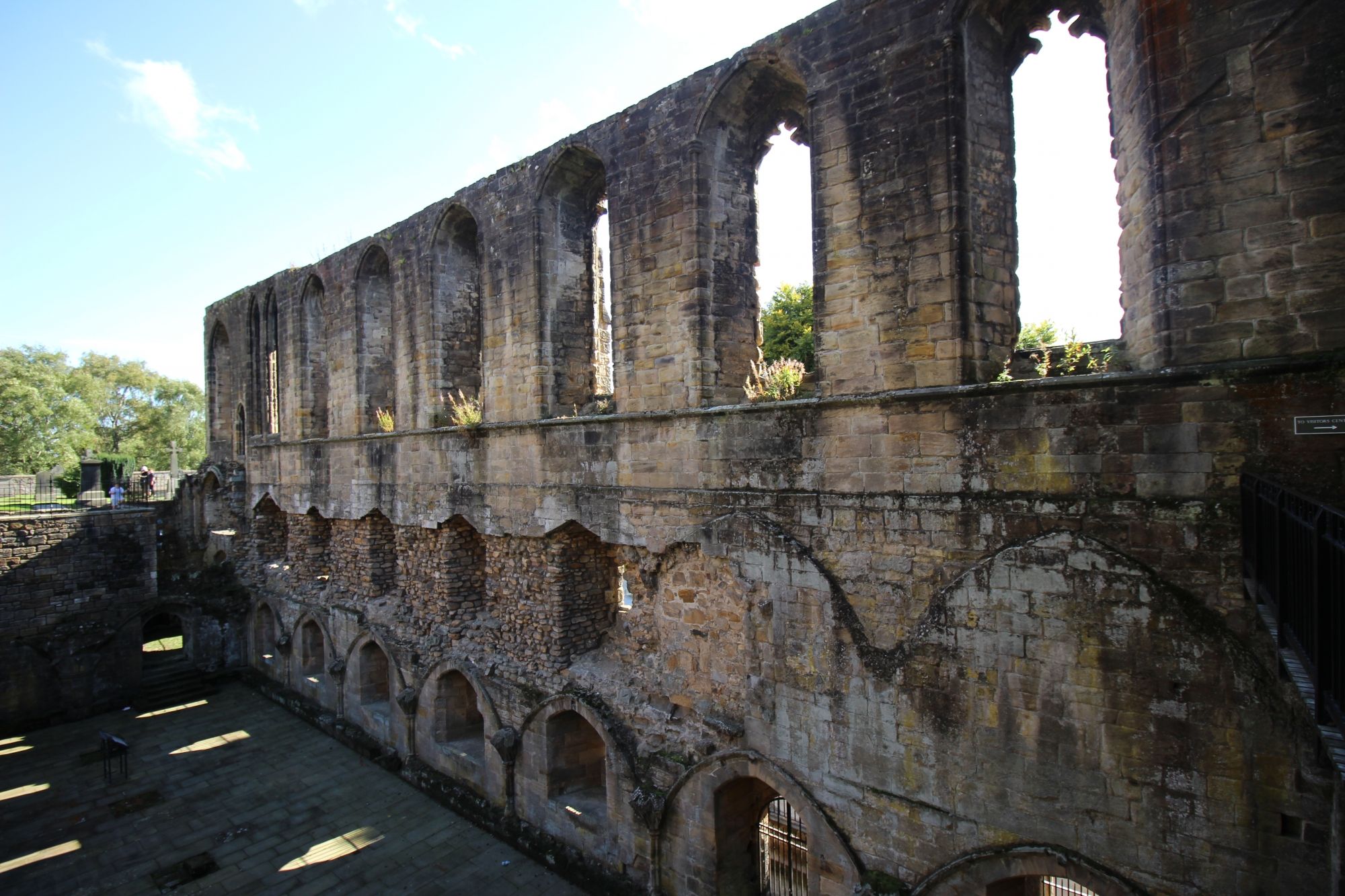
The foundations of the abbey were laid in the late 11th century by Queen Margaret (later Saint Margaret) and her husband, King Malcolm III Canmore, who established a Benedictine priory on the site. Their son, King David I, officially raised the priory to the status of a grand abbey in 1128, inviting master stonemasons to construct the monumental Romanesque nave that still stands today. The interior of the old nave features massive, decorated stone pillars heavily inspired by Durham Cathedral, conveying an immense sense of strength and age. Although parts of the monastic complex fell into ruin following the Protestant Reformation of 1560 and successive military conflicts, the surviving architecture remains a stunning testament to the wealth and political power of the medieval church.
A Perfect Sunday Outing: The Abbey and Pittencrieff Park
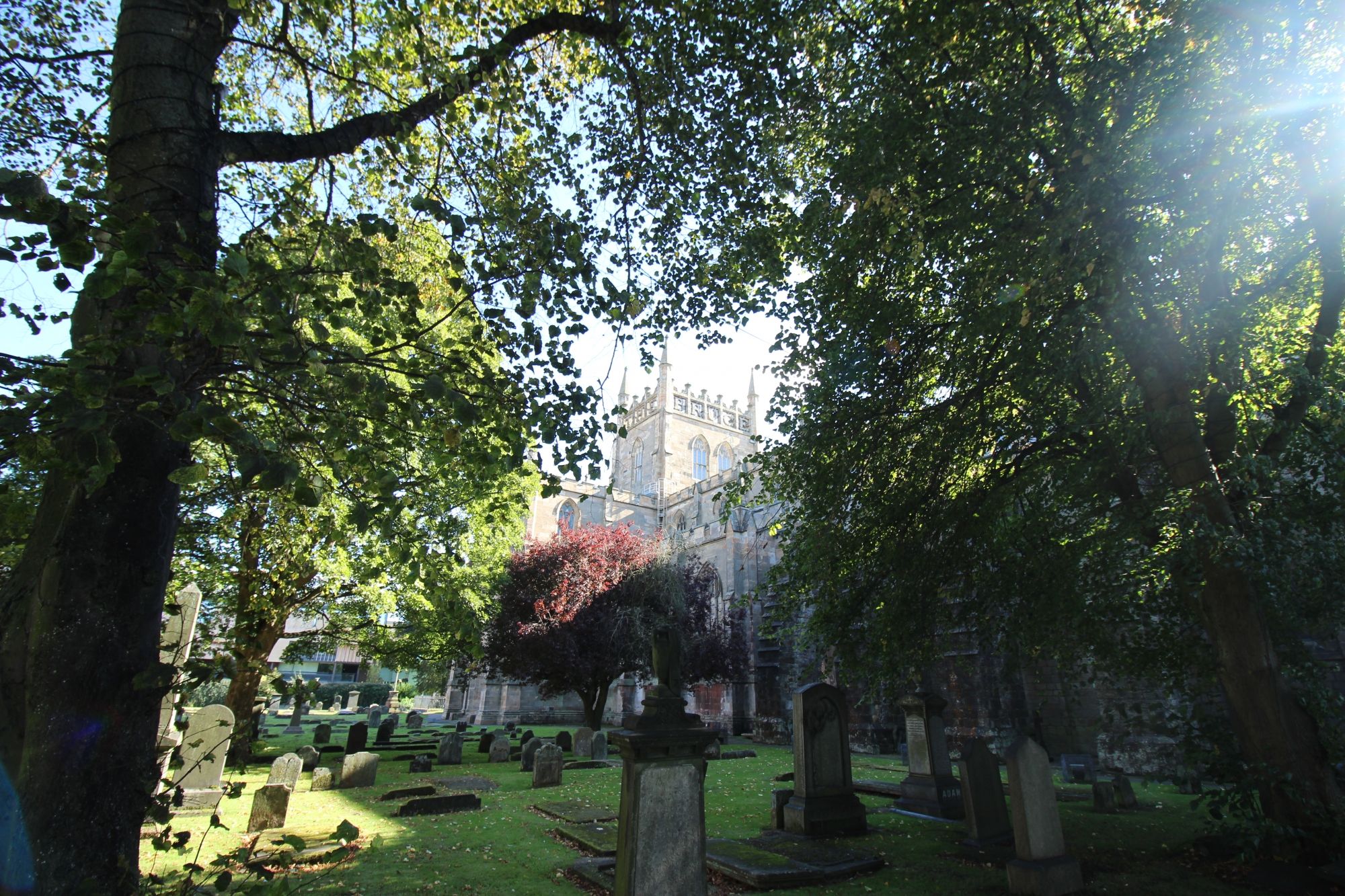
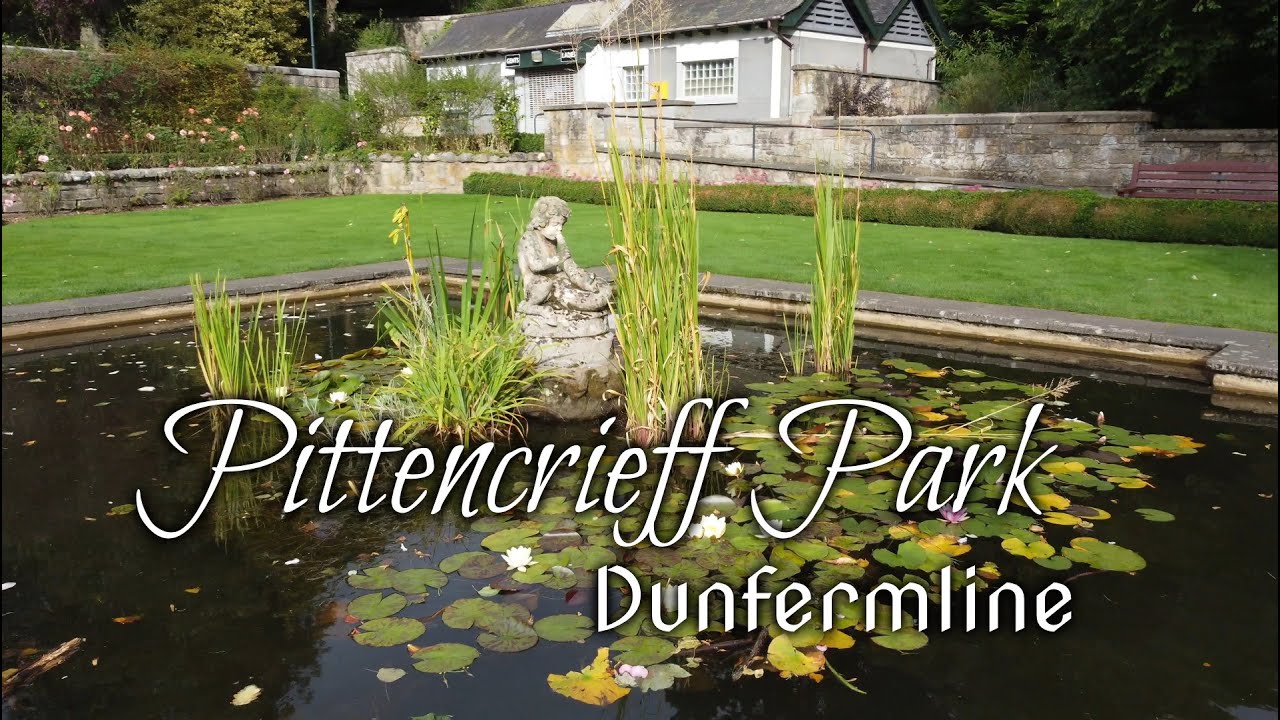
What makes a visit to Dunfermline Abbey especially delightful for modern travelers and locals alike is its physical connection to the beautiful Pittencrieff Park (known affectionately by locals as "The Glen"). The abbey grounds lead directly into this massive, 76-acre public park, which was gifted to the town by the famous philanthropist Andrew Carnegie. A classic Sunday walk here allows you to admire the soaring stone buttresses and ancient graveyard of the abbey before transitioning into the park's manicured gardens, deep wooded ravines, walking trails, and residential peacocks that roam freely across the lawns. It is a wonderfully relaxed environment where history and recreation perfectly intertwine.
Visiting in 2026: Practical Advice
In 2026, Dunfermline Abbey remains exceptionally accessible, located just a short train ride or drive north of Edinburgh across the Queensferry Crossing. The historic 12th-century nave and the grand 19th-century parish church are managed in partnership by Historic Environment Scotland and the local church community. Visitors are encouraged to check seasonal opening times for the interior exhibits, though the spectacular external grounds, royal graveyard, and adjacent parkland are accessible year-round. Ample parking is available nearby, and the flat, well-maintained paths surrounding the abbey make it highly accessible for walkers of all fitness levels, strollers, and those with limited mobility.
Conclusion: A Majestic Journey Through Time
Dunfermline Abbey stands as an unforgettable monument to the birth and resilience of the Scottish nation. To walk down its historic aisles is to walk through the grand chapters of the Wars of Independence, the legacy of early saints, and the resting places of the monarchs who shaped the country's destiny. Combined with the peaceful, green pathways of the neighboring glen, a trip to Dunfermline offers a deeply grounding, educational, and scenic experience that captures the timeless, regal heritage of Scotland.